The Xiaomi 17 Ultra is an excellent all-rounder with incredible cameras, speedy performance, an excellent screen and speakers, solid battery life, and speedy charging. There’s something for everyone here, but photographers are sure to love it the most.
Brilliant cameras
Lightning quick
Great display and speakers
Not so good for macro photography
On the pricey side
Squirrel Widget
Key Features
Top-of-the-line cameras
With three 50MP cameras, including a 1-inch main camera and an innovative new spin on the 200MP telephoto, the Xiaomi 17 Ultra’s camera system is second to none.
A real optical zoom
Advertisement
Rather than relying on two separate telephoto cameras, the Xiaomi 17 Ultra sports a real optical zoom that can mechanically shift from 3.2x to 4.3x.
Super speedy
With the latest flagship Qualcomm silicon at its core, the Xiaomi 17 Ultra is one of the fastest phones around. Whether you’re interested in gaming or productivity, this handset has the muscle for it.
Introduction
Xiaomi’s top-of-the-line camera-focused flagship for 2026 has finally arrived. It’s time to get acquainted with Xiaomi 17 Ultra.
Advertisement
To save any confusion, you haven’t missed anything. Xiaomi decided to skip 16 and jump straight to 17 for this series. It seems the brand finally got tired of Apple having the larger model number.
Other than the naming oddity, the Xiaomi 17 Ultra brings with it plenty of goodies. There’s a brand new optical zoom and selfie camera, an improved screen, the latest Snapdragon chip, and a bigger battery.
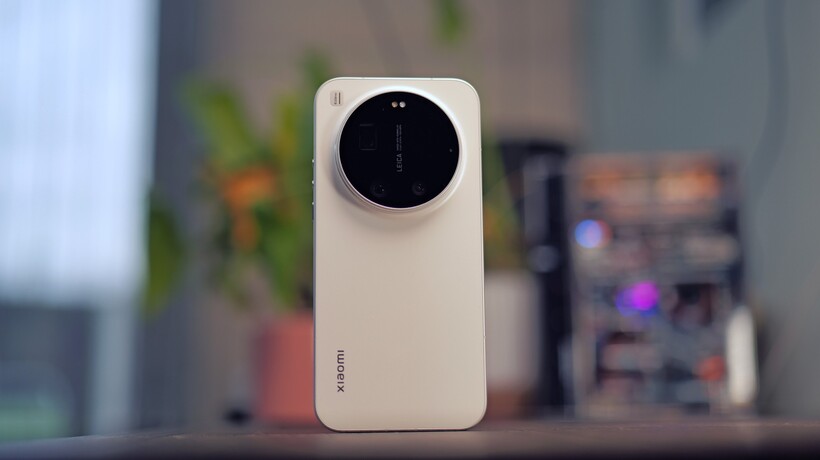
The Xiaomi 17 Ultra doesn’t look too dissimilar to its predecessor. The overall shape is similar, and you still get the same large centrally-placed camera hob on the rear panel.
Image Credit (Trusted Reviews)
What’s changed this time, though, is that it’s much less curvy. The micro curves on the edge of the display and rear panel are both gone, replaced with completely flat panels. This is great when it comes to screen-protector compatibility, and I think I prefer it generally speaking, but some are sure to miss those curves.
Advertisement
It’s a sizable and fairly weighty device, but this is an “Ultra” after all, and that tends to come with the territory. It’s less than 2 grams heavier than its predecessor, and while that was no featherweight, I appreciate that it hasn’t bulked up further.
Image Credit (Trusted Reviews)
This time around, the IP rating has been bumped up to dual IP68/IP69K, rather than just IP68. Supposedly, it can now withstand immersion at up to 6m for 30 mins, rather than just 1.5m. It’s also immune to blasts from jets of hot water, which could prove useful for hot tub-related mishaps.
The Xiaomi 17 Ultra comes with a basic clear case in the box, but it’s not the usual flexible TPU number. This one’s much more rigid and shouldn’t turn yellow quite as readily. I suspect scuffs might be an issue in the long term, though.
Image Credit (Trusted Reviews)
Unlike some rivals, there are no extra buttons on the Xiaomi 17 Ultra, just the usual power button and volume combo. However, that changes if you spring for the Leica LeitzPhone edition, which adds a rotary control around the camera island that can be used to control your zoom.
Advertisement
Advertisement
I have the standard model in for testing, so I can’t speak to how well this control wheel works. In theory, it seems like a great idea, but in practice, I can imagine it being quite easy to knock it accidentally.
The Xiaomi 17 Ultra is available in three colours for the global market: black, white, or green. I have the white model in for testing, and it’s rather understated, with a uniform matt finish on the rear and matt aluminium side rails. The black model takes a similar approach, only with dark colour-matched side rails and a subtle red ring around the camera housing.
Image Credit (Trusted Reviews)
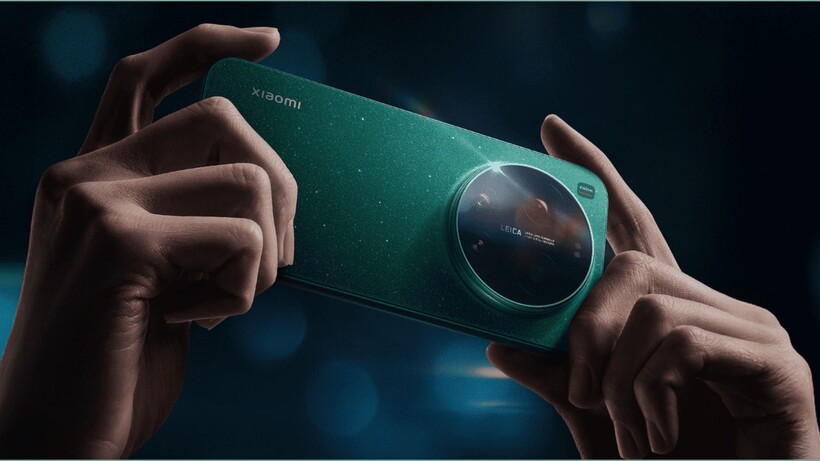
If you want to make a statement, though, you’ll certainly want to check out the green model. It has a flecked finish on the rear panel that makes it stand out from the pack, and matching siderails to finish it off.
If you opt for the Leica edition, you’ll be able to choose between black and white versions, both featuring a vegan leather rear panel, two-tone detailing, and the iconic circular red Leica badge. There’s also an optional photography grip kit, which looks to be quite similar to the previous generation.
Screen
6.9-inch 120Hz 1200×2608 OLED
Flat screen, 2160Hz PWM
3500 nits peak brightness
Advertisement
The Xiaomi 17 Ultra boasts a spacious 6.9-inch OLED display with a 120Hz refresh rate and a peak brightness of 3500nits, up from 3200 on the previous model.
Advertisement
The other big change is that the panel now supports 2160Hz PWM dimming, up from 1920Hz. I’m not someone who is sensitive to flicker, so I can’t say I noticed the difference, but for some, that could be a big deal.
Image Credit (Trusted Reviews)
What made more of an impact, for me, is the change from curved edges to a fully flat display. It seems to be the general trend at the moment, and I think I’m on board. I do like the way gesture controls feel on curved displays, but the durability, lack of glare, and screen protector compatibility might make flat displays the outright winner in my eyes.
Otherwise, the screen is as fantastic as you’d expect with specs like these. The colours are vivid and accurate, it’s plenty bright enough to see outdoors, and HDR content really pops. There are plenty of options if you prefer to tweak the colour balance, too, but I was fine with the default settings.
Image Credit (Trusted Reviews)
Advertisement
Cameras
50MP main camera (1-inch sensor)
50MP ultrawide (1/2.76-inch)
200MP 3.2x – 4.3x telephoto (1/1.4-inch sensor)
50MP selfie camera (AF)
Xiaomi has shaken things up in the camera department. Instead of four separate sensors on the rear, you now get three. Rather than two separate periscope telephotos, you now get a single 200MP unit that can optically zoom between 3.2x and 4.3x.
Image Credit (Trusted Reviews)
We’ve seen similar tech from Sony and its Xperia flagships, but the difference here is with the sensor size and resolution. This zoom camera has a massive 1/1.4-inch sensor and a 200MP resolution, matching the likes of the Vivo X300 Pro and Honor Magic 8 Pro.
It’s super impressive technology, but I was a little disappointed when I realised how small the zoom range is. In full-frame terms, you can zoom from 75mm to 100mm, and honestly, that’s not a dramatic difference in framing.
Advertisement
Advertisement
Beyond that, you’ll be digitally cropping, but a combination of the extremely high-res sensor and very clever image processing means that you get shockingly good results when doing so.
What I found really disappointing, though, were the telemacro capabilities. This optical zoom configuration means that the Xiaomi 17 Ultra telephoto can’t focus as close as the Xiaomi 15 Ultra could – and it lags behind the rivals like the Magic 8 Pro and X300 Pro, too. You can still get decent macro shots, but you’ll need to digitally crop more to achieve the results, whereas with the previous model, you could just get closer.
Aside from the new telephoto setup, the main camera and ultrawide have similar specifications to their predecessors. That’s no bad thing, as they both produce fantastic results. Especially the main camera, which excels in low-light conditions and produces lovely bokeh with its 1-inch type sensor.
Around the front, the selfie camera has been upgraded, too. It’s now 50MP, up from 32MP, and it has a larger sensor, which makes it more usable in dim conditions. Selfies on this phone are sharp, detailed, and have excellent dynamic range.
Advertisement
Advertisement
Overall, I have been really pleased with the images I was able to take with the Xiaomi 17 Ultra. It feels like Xiaomi has refined its image processing with this generation, and I’m no longer seeing the slight overexposure or heavy-handed sharpening that I normally associate with the brand. Images from this phone look wonderfully natural, more like what I would expect from a professional mirrorless camera.
Video performance is also excellent. You can shoot at up to 4K 120fps on both the main and telephoto cameras, while the selfie camera and ultrawide shoot at up to 4K 60fps. There’s a very decent Log profile, and the ability to record in Dolby Vision HDR, too.
I have no doubts that this is one of the best smartphone camera systems on the market right now. Whether it’s portraits, sports, landscapes, or long-range zooms, you name it, the 17 Ultra can hang with the best. It’s really only the lack of telemacro capabilities that holds this phone back – and how much that matters will depend on what you like to shoot.
Advertisement
Accessories
Slimmed-down Photography Kit
Full-featured Photography Kit Pro
Tactile buttons, Wirst Strap, and 67mm filters compatibility
Xiaomi’s Ultra phones have come with optional photography grips for the last few years, so it’s not too surprising that Xiaomi has released anequivalent accessory for the 17 Ultra. What surprised me, though, is that there are now two different kits to choose from.
Advertisement
The design that we’re most familiar with, featuring a removable battery grip and separate phone case is now called the Photography Kit Pro, while the standard Photography Kit is a much slimmer all-in-one package.
Image Credit (Trusted Reviews)
Starting with the new addition, it’s basically a phone case with a sculpted grip towards the base. It has a two-stage shutter button and a video record button, and it connects to the phone via Bluetooth. There’s a built-in battery, but that’s only to power the Bluetooth buttons; it doesn’t charge the phone itself.
The video record button can be programmed to activate almost anything within the camera app, but the shutter button is limited to single photo or burst mode. It’s a two-stage button, though, so you can half-press to focus before taking your shot.
Image Credit (Trusted Reviews)
The styling is similar to the Leica edition phones, with a two-tone textured vegan leather lower and smooth upper. It looks great, in my opinion, but it’s not as functional as the Pro grip. For instance, you can’t attach filters over the lenses, and there’s no way to access the control ring on Leica edition handsets.
Advertisement
Advertisement
Other than some aesthetic tweaks, the Pro grip functions almost identically to the last few generations, incorporating a 2000mAh battery that charges the phone in use, as well as a tactile shutter button, video button, zoom rocker, and control dial.
Image Credit (Trusted Reviews)
What’s new this time, though, is that the case has MagSafe-compatible magnets built in (and it works with Qi chargers). There’s also a clever new 67mm filter mounting ring that rotates, so you can add something like an ND filter or a mist filter, and still be able to use the zoom ring on Leica edition phones.
Image Credit (Trusted Reviews)
The Pro kit is definitely superior in terms of functionality, but if you never use filters, and you want something cheaper and more compact, it’s really nice that Xiaomi is providing an additional option.
Performance
Qualcomm Snapdragon 8 Elite Gen 5
12GB/16GB RAM, 512GB/1TB storage
Dual stereo speakers
Advertisement
The Xiaomi 17 Ultra has Qualcomm’s latest and greatest flagship SoC at its core, the Snapdragon 8 Elite Gen 5, along with either 12GB or 16GB of RAM and 512GB or 1TB of storage. I’m testing the 16GB+512GB version.
As you might expect, with specs like these, the Xiaomi 17 Ultra is a bit of a rocket. Whether you want to edit complex videos, run AI models, or play the most graphically demanding games, this phone will take it in its stride.
Image Credit (Trusted Reviews)
I played a couple of hours of Genshin Impact with the settings maxed out, and of course, the Xiaomi 17 Ultra took it in its stride. After a good 45 minutes of playing, the phone barely heated up, and there wasn’t a frame drop in sight. This phone clearly has a very impressive cooling system on the inside.
There’s a fairly full-featured game overlay built in, too. You can use it to boost performance, block notifications, lock your screen brightness, and even open messaging apps as a floating window.
Advertisement
The speakers on this phone are also very impressive. The bass is much stronger than that of most Android flagships, and it’s more controlled and less boomy than the Honor Magic 8 Pro. There’s plenty of detail and a decent stereo effect, too.
Advertisement
Software & AI
HyperOS 3, based on Android 16
4 OS upgrades, 6 years of security patches
Loads of AI features
The 17 Ultra runs HyperOS 3, Xiaomi’s latest custom software built on top of Android 16. Functionally, it’s very similar to HyperOS 2, but this version comes with some significant aesthetic changes, and the iOS influence is more apparent than ever.
Image Credit (Trusted Reviews)
There are some very iOS-looking lock screen options, including the ability to have a massive clock, depth effects, so that the clock interacts with your wallpaper, and even the ability to animate your wallpaper with generative AI.
Image Credit (Trusted Reviews)
There’s also a fresh new Dynamic Island clone, which Xiaomi calls Hyper Island. It’s nothing particularly creative or new, but it’s super handy. Personally, I love having a way to quickly access the music that’s playing, my timers, or navigation.
Advertisement
Of course, there are plenty of AI features littered throughout the system, including the usual translation tools and writing assistance. One that I found particularly handy is the ability to add AI-generated subtitles to anything you’re watching, regardless of the app it’s playing in.
Advertisement
Image Credit (Trusted Reviews)
There are plenty of AI features for photo editing, too, and they all work quite well. There’s outpainting, which I always find useful, as well as object removal and the ability to add background blur to a photo without having to have shot it in Portrait mode.
Xiaomi is promising 4 major OS upgrades and 6 years of security patches for this model. It fails to match the likes of Google and Samsung, but it’s not a bad commitment.
Battery life
6000mAh battery
90W wired charging
50W wireless charging
The battery situation with the Xiaomi 17 Ultra is a bit of a strange one. The global model gets a 6000mAh cell, which is a healthy increase over last year’s 5410mAh battery, but pales in comparison to the Chinese version of this phone, which gets a 6800mAh battery.
Advertisement
Image Credit (Trusted Reviews)
There’s nothing too strange about that; shipping regulations in Europe often mean the global versions of Chinese phones have their batteries nerfed. What makes this so peculiar, though, is that the global version of the smaller and cheaper Xiaomi 17 sports a larger 6300 mAh battery.
Regardless, for my needs, the battery life of the Xiaomi 17 Ultra has been more than sufficient. It’ll get me through the day with ease. I’ll usually end the day with around 30% or more remaining, but it’s not a two-dayer like the Oppo Find X9 Pro is.
Image Credit (Trusted Reviews)
When it comes to charging, the Xiaomi 17 Ultra is lightning quick. It supports up to 90W speeds with a wire and 50W wirelessly. There’s no charger in the box, though, so you’ll need to budget for an appropriately quick wall adapter.
I found that just 30 minutes on the charger would take me well over 60% charged, while a full charge took just over an hour. I should note, though, that I was using a third-party charger; it may be even quicker using an official Xiaomi adapter.
Advertisement
Advertisement
Squirrel Widget
Should you buy it?
You want one of the best camera phones around
The Xiaomi 17 Ultra is pretty great at everything, but the cameras steal the show. If you’re looking for a device that blurs the lines between smartphone and professional camera, look no further.
Advertisement
You love macro photography
Advertisement
The only letdown with this camera system is that the telephoto isn’t as good for close-up shots. It’s still decent, but the competition fares better in this area.
Final Thoughts
The Xiaomi 17 Ultra is a well-rounded flagship that has something to offer in every area. Whether you’re looking for high-end gaming performance, a superb screen and speakers, solid battery life and speedy charging, or an incredible camera system, the 17 Ultra has you covered.
Advertisement
It’s really those who are into photography and videomaking that will enjoy this phone the most, though. The camera system is truly excellent, and at times, this feels more like a camera than a phone.
Of course, no product is perfect, and there are a few areas where Xiaomi is bested by the competition. For instance, both the Oppo Find X9 Pro and Honor Magic 8 Pro have better battery life (in my experience), and they’re better for macro photography, too.
But does that mean they’re better choices? Not necessarily. Xiaomi’s image processing and filter selection mean I often prefer the shots from the 17 Ultra, and it has plenty to offer elsewhere, too. One thing’s for certain, this is among the best camera phones available right now.
How We Test
We test every mobile phone we review thoroughly. We use industry-standard tests to compare features properly and we use the phone as our main device over the review period. We’ll always tell you what we find and we never, ever, accept money to review a product.
Advertisement
Used as a main phone for over a week
Thorough camera testing in a variety of conditions
Tested and benchmarked using respected industry tests and real-world data
FAQs
Does the Xiaomi 17 Ultra support eSIM?
Yes, the global version of the Xiaomi 17 Ultra has full eSIM support.
Does the global version of the Xiaomi 17 Ultra have a smaller battery?
Yes, the global version has a 6000mAh battery, rather than a 6800mAh battery.
Friday afternoon, just as this interview was getting underway, a news alert flashed across my computer screen: the Trump administration was severing ties with Anthropic, the San Francisco AI company founded in 2021 by Dario Amodei. Defense Secretary Pete Hegseth had invoked a national security law to blacklist the company from doing business with the Pentagon after Amodei refused to allow Anthropic’s tech to be used for mass surveillance of U.S. citizens or for autonomous armed drones that could select and kill targets without human input.
It was a jaw-dropping sequence. Anthropic stands to lose a contract worth up to $200 million and will be barred from working with other defense contractors after President Trump posted on Truth Social directing every federal agency to “immediately cease all use of Anthropic technology.” (Anthropic has since said it will challenge the Pentagon in court.)
Max Tegmark has spent the better part of a decade warning that the race to build ever-more-powerful AI systems is outpacing the world’s ability to govern them. The MIT physicist founded the Future of Life Institute in 2014 and helped organize an open letter — ultimately signed by more than 33,000 people, including Elon Musk — calling for a pause in advanced AI development.
His view of the Anthropic crisis is unsparing: the company, like its rivals, has sown the seeds of its own predicament. Tegmark’s argument doesn’t begin with the Pentagon but with a decision made years earlier — a choice, shared across the industry, to resist binding regulation. Anthropic, OpenAI, Google DeepMind and others have long promised to govern themselves responsibly. Anthropic this week even dropped the central tenet of its own safety pledge — its promise not to release increasingly powerful AI systems until the company was confident they wouldn’t cause harm.
Advertisement
Now, in the absence of rules, there’s not a lot to protect these players, says Tegmark. Here’s more from that interview, edited for length and clarity. You can hear the full conversation this coming week on TechCrunch’s StrictlyVC Download podcast.
When you saw this news just now about Anthropic, what was your first reaction?
The road to hell is paved with good intentions. It’s so interesting to think back a decade ago, when people were so excited about how we were going to make artificial intelligence to cure cancer, to grow the prosperity in America and make America strong. And here we are now where the U.S. government is pissed off at this company for not wanting AI to be used for domestic mass surveillance of Americans, and also not wanting to have killer robots that can autonomously — without any human input at all — decide who gets killed.
Techcrunch event
Advertisement
San Francisco, CA | October 13-15, 2026
Anthropic has staked its entire identity on being a safety-first AI company, and yet it was collaborating with defense and intelligence agencies [dating back to at least 2024]. Do you think that’s at all contradictory?
Advertisement
It is contradictory. If I can give a little cynical take on this — yes, Anthropic has been very good at marketing themselves as all about safety. But if you actually look at the facts rather than the claims, what you see is that Anthropic, OpenAI, Google DeepMind and xAI have all talked a lot about how they care about safety. None of them has come out supporting binding safety regulation the way we have in other industries. And all four of these companies have now broken their own promises. First we had Google — this big slogan, ‘Don’t be evil.’ Then they dropped that. Then they dropped another longer commitment that basically said they promised not to do harm with AI. They dropped that so they could sell AI for surveillance and weapons. OpenAI just dropped the word safety from their mission statement. xAI shut down their whole safety team. And now Anthropic, earlier in the week, dropped their most important safety commitment — the promise not to release powerful AI systems until they were sure they weren’t going to cause harm.
How did companies that made such prominent safety commitments end up in this position?
All of these companies, especially OpenAI and Google DeepMind but to some extent also Anthropic, have persistently lobbied against regulation of AI, saying, ‘Just trust us, we’re going to regulate ourselves.’ And they’ve successfully lobbied. So we right now have less regulation on AI systems in America than on sandwiches. You know, if you want to open a sandwich shop and the health inspector finds 15 rats in the kitchen, he won’t let you sell any sandwiches until you fix it. But if you say, ‘Don’t worry, I’m not going to sell sandwiches, I’m going to sell AI girlfriends for 11-year-olds, and they’ve been linked to suicides in the past, and then I’m going to release something called superintelligence which might overthrow the U.S. government, but I have a good feeling about mine’ — the inspector has to say, ‘Fine, go ahead, just don’t sell sandwiches.’
There’s food safety regulation and no AI regulation.
Advertisement
And this, I feel, all of these companies really share the blame for. Because if they had taken all these promises that they made back in the day for how they were going to be so safe and goody-goody, and gotten together, and then gone to the government and said, ‘Please take our voluntary commitments and turn them into U.S. law that binds even our most sloppy competitors’ — this would have happened instead. We’re in a complete regulatory vacuum. And we know what happens when there’s a complete corporate amnesty: you get thalidomide, you get tobacco companies pushing cigarettes on kids, you get asbestos causing lung cancer. So it’s sort of ironic that their own resistance to having laws saying what’s okay and not okay to do with AI is now coming back and biting them.
There is no law right now against building AI to kill Americans, so the government can just suddenly ask for it. If the companies themselves had earlier come out and said, ‘We want this law,’ they wouldn’t be in this pickle. They really shot themselves in the foot.
The companies’ counter-argument is always the race with China — if American companies don’t do this, Beijing will. Does that argument hold?
Let’s analyze that. The most common talking point from the lobbyists for the AI companies — they’re now better funded and more numerous than the lobbyists from the fossil fuel industry, the pharma industry and the military-industrial complex combined — is that whenever anyone proposes any kind of regulation, they say, ‘But China.’ So let’s look at that. China is in the process of banning AI girlfriends outright. Not just age limits — they’re looking at banning all anthropomorphic AI. Why? Not because they want to please America but because they feel this is screwing up Chinese youth and making China weak. Obviously, it’s making American youth weak, too.
Advertisement
And when people say we have to race to build superintelligence so we can win against China — when we don’t actually know how to control superintelligence, so that the default outcome is that humanity loses control of Earth to alien machines — guess what? The Chinese Communist Party really likes control. Who in their right mind thinks that Xi Jinping is going to tolerate some Chinese AI company building something that overthrows the Chinese government? No way. It’s clearly really bad for the American government too if it gets overthrown in a coup by the first American company to build superintelligence. This is a national security threat.
That’s compelling framing — superintelligence as a national security threat, not an asset. Do you see that view gaining traction in Washington?
I think if people in the national security community listen to Dario Amodei describe his vision — he’s given a famous speech where he says we’ll soon have a country of geniuses in a data center — they might start thinking: wait, did Dario just use the word ‘country’? Maybe I should put that country of geniuses in a data center on the same threat list I’m keeping tabs on, because that sounds threatening to the U.S. government. And I think fairly soon, enough people in the U.S. national security community are going to realize that uncontrollable superintelligence is a threat, not a tool. This is totally analogous to the Cold War. There was a race for dominance — economic and military — against the Soviet Union. We Americans won that one without ever engaging in the second race, which was to see who could put the most nuclear craters in the other superpower. People realized that was just suicide. No one wins. The same logic applies here.
What does all of this mean for the pace of AI development more broadly? How close do you think we are to the systems you’re describing?
Advertisement
Six years ago, almost every expert in AI I knew predicted we were decades away from having AI that could master language and knowledge at human level — maybe 2040, maybe 2050. They were all wrong, because we already have that now. We’ve seen AI progress quite rapidly from high school level to college level to PhD level to university professor level in some areas. Last year, AI won the gold medal at the International Mathematics Olympiad, which is about as difficult as human tasks get. I wrote a paper together with Yoshua Bengio, Dan Hendrycks, and other top AI researchers just a few months ago giving a rigorous definition of AGI. According to this, GPT-4 was 27% of the way there. GPT-5 was 57% of the way there. So we’re not there yet, but going from 27% to 57% that quickly suggests it might not be that long.
When I lectured to my students yesterday at MIT, I told them that even if it takes four years, that means when they graduate, they might not be able to get any jobs anymore. It’s certainly not too soon to start preparing for it.
Anthropic is now blacklisted. I’m curious to see what happens next — will the other AI giants stand with them and say, we won’t do this either? Or does someone like xAI raise their hand and say, Anthropic didn’t want that contract, we’ll take it?[Editor’s note: Hours after the interview, OpenAI announced its own deal with the Pentagon.]
Last night, Sam Altman came out and said he stands with Anthropic and has the same red lines. I admire him for the courage of saying that. Google, as of when we started this interview, had said nothing. If they just stay quiet, I think that’s incredibly embarrassing for them as a company, and a lot of their staff will feel the same. We haven’t heard anything from xAI yet either. So it’ll be interesting to see. Basically, there’s this moment where everybody has to show their true colors.
Advertisement
Is there a version of this where the outcome is actually good?
Yes, and this is why I’m actually optimistic in a strange way. There’s such an obvious alternative here. If we just start treating AI companies like any other companies — drop the corporate amnesty — they would clearly have to do something like a clinical trial before they released something this powerful, and demonstrate to independent experts that they know how to control it. Then we get a golden age with all the good stuff from AI, without the existential angst. That’s not the path we’re on right now. But it could be.
Carbon Robotics founder and CEO Paul Mikesell with the company’s LaserWeeder G2. (Carbon Robotics Photo)
Carbon Robotics, the Seattle startup that builds robots used by farmers to eliminate weeds without the use of chemicals, got another vote of confidence from the nation’s health policy leader.
Robert F. Kennedy Jr., the U.S. secretary of health and human services, touted the company’s machines on a new episode of The Joe Rogan Experience, the popular long-form podcast that topped Spotify’s global list in 2025.
Kennedy said the technology is a way to both eliminate pesticides from farms and help farmers save costs. He said he recently met with three farmers using Carbon’s machine, which attaches to the back of a tractor and uses an array of AI-powered technology to detect plants in fields and then target and eliminate weeds with lasers, without disturbing the soil microbiology.
The largest onion producer in Texas saves more than $1,000 per acre by using Carbon’s machines due to reduction of pesticide use and labor costs, Kennedy said.
“We got to get off this stuff, we got to give these farmers an off-ramp so that they can get off it,” he said of pesticide use. He added: “There are all these kind of new exciting technologies that give us a light at the end of tunnel to transition. And it could be very, very fast. What the president wants to do is accelerate that.”
Advertisement
Carbon Robotics CEO and founder Paul Mikesell followed up with video commentary responding to Kennedy’s comments on the podcast.
“We want to see more investment in the space, more ways in which we can take the newer technologies that we’ve been creating — for things like AI, self-driving cars, etc. — and apply it toward farming and our agriculture sector so that farmers are more productive and we get healthier food,” Mikesell said.
The conversation about pesticides and Carbon’s technology starts at the 1:51 mark on the episode.
Earlier this month Kennedy cited Carbon’s machines on an episode of the Theo Von podcast “This Past Weekend,” making similar comments about new technology that can curb the use of pesticides on farms.
Advertisement
Founded in 2018, Carbon has raised $177 million to date and employs about 260 people. It runs a manufacturing facility in Richland, Wash., and Mikesell previously said its LaserWeeder machines are active on hundreds of farms and in 15 countries around the world.
Mikesell is a longtime technologist and entrepreneur who previously co-founded data storage company Isilon Systems (which sold for $2.25 billion in 2010) and led an infrastructure engineering group at Uber for four years.
Earlier this month, Carbon announced the launch of what it calls the world’s first “Large Plant Model” — an AI model for plant detection and identification. “Trained on the largest, most diverse, and fastest growing agricultural dataset ever built with 150 million labeled plants, the LPM enables farmers to start laser weeding any field or crop in minutes,” the company said in a news release.
Last October, Carbon raised $20 million in new funding to support the creation of another piece of AI-powered machinery for farms that it has yet to reveal. Carbon previously unveiled the Carbon ATK, an autonomous platform designed to fit on and control existing farm equipment.
Advertisement
The company’s backers include BOND; Anthos Capital; FUSE, Ignition; Revolution; Sozo Ventures; and Voyager.
Looking for the most recent Strands answer? Click here for our daily Strands hints, as well as our daily answers and hints for The New York Times Mini Crossword, Wordle, Connections and Connections: Sports Edition puzzles.
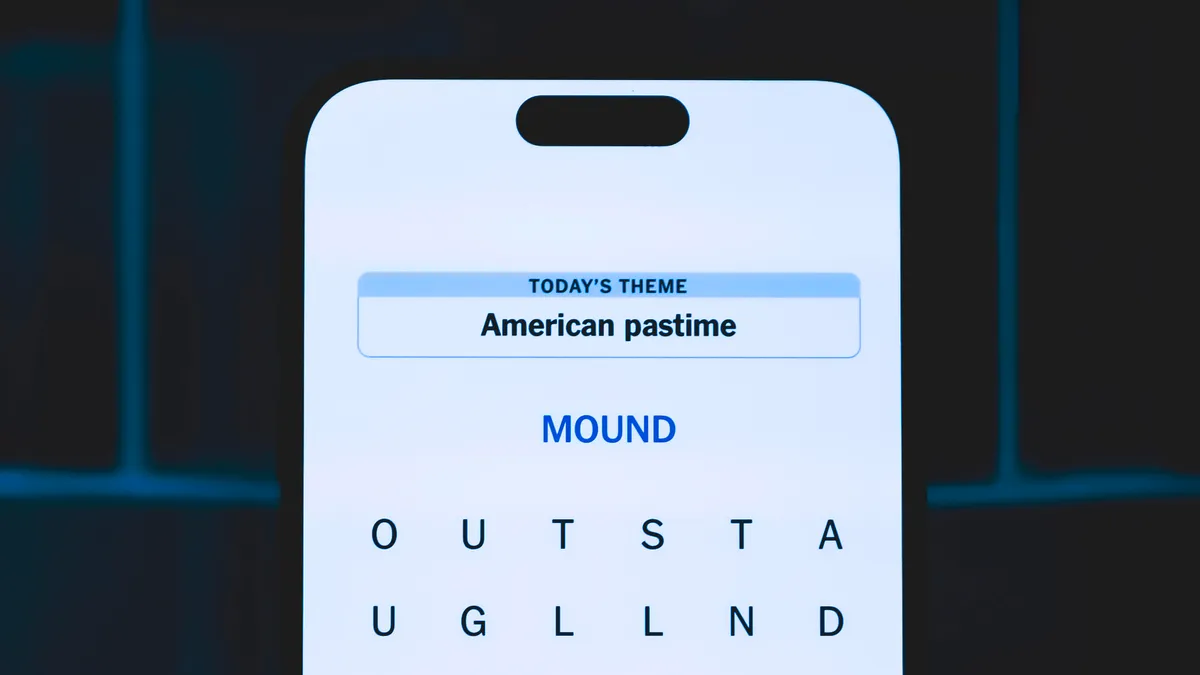
Yesterday’s NYT Strands puzzle was themed “Dressing Up,” and included fancy clothing items. Today’s is “Dressing Down” — but it doesn’t mean to dress sloppily; there’s a different meaning today. Some of the answers are difficult to unscramble, so if you need hints and answers, read on.
If that doesn’t help you, here’s a clue: Don’t yell at me!
Clue words to unlock in-game hints
Your goal is to find hidden words that fit the puzzle’s theme. If you’re stuck, find any words you can. Every time you find three words of four letters or more, Strands will reveal one of the theme words. These are the words I used to get those hints but any words of four or more letters that you find will work:
These are the answers that tie into the theme. The goal of the puzzle is to find them all, including the spangram, a theme word that reaches from one side of the puzzle to the other. When you have all of them (I originally thought there were always eight but learned that the number can vary), every letter on the board will be used. Here are the nonspangram answers:
SCOLD, UPBRAID, ADMONISH, CASTIGATE, REPRIMAND
Today’s Strands spangram
The completed NYT Strands puzzle for March 1, 2026.
NYT/Screenshot by CNET
Today’s Strands spangram is THERIOTACT (THE RIOT ACT). To find it, start with the T that is the first letter on the top row, and wind down.
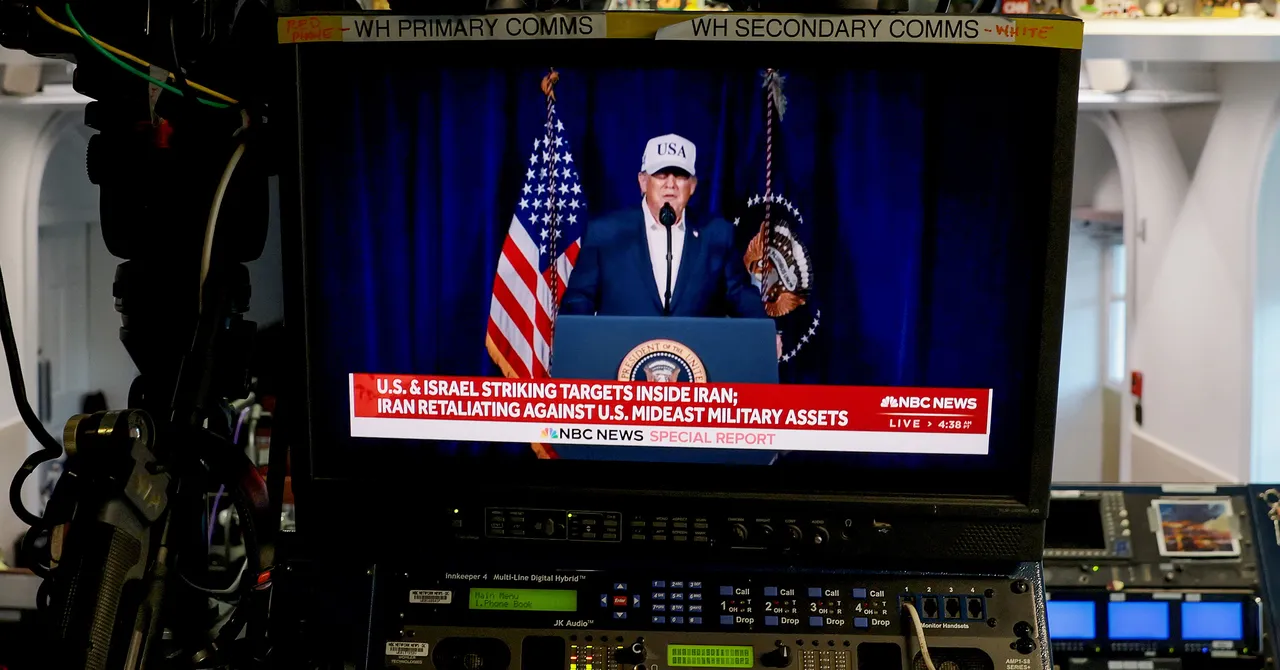
Minutes after Donald Trump announced that the US and Israeli governments had launched a “major combat operation” against Iran in the early hours of Saturday morning, disinformation about the attack and Tehran’s response flooded X.
WIRED has reviewed hundreds of posts on X, some of which have racked up millions of views, that promote misleading claims about the locations and scale of the attack.
Elon Musk’s social media platform is a verifiable mess: In some cases, alleged video footage of the attack shared in posts on X are actually months or years old. In several posts, video footage of apparent attacks have been attributed to incorrect locations. A number of images shared on X appear to be altered or generated with AI. Other posts attempt to pass off video game footage as scenes from the conflict.
Almost all of the most viral posts reviewed by WIRED on Saturday came from accounts with blue check marks, meaning they pay X for its premium service and could be eligible to earn money based on how much engagement their posts generate, even if the content is false. While some posts with disinformation have a community note appended beneath them to correct the record, they remain up on the site, and it’s unclear how many people viewed them before the notes appeared.
One video posted by a blue check mark account claimed to show ballistic missiles over Dubai; the clip actually showed Iranian ballistic missiles fired at Tel Aviv in October 2024. The post has been viewed over 4.4 million times.
One of the most viral clips shared on X in the hours after the attack claims to show an Israeli fighter jet being shot down by Iranian air defense systems. The video has been shared by dozens of accounts, including one post which has been viewed more than 3.5 million times. The provenance of the video is unclear, but there have been no credible reports of any Israeli jets being shot down over Iran on Saturday.
Another account that claims to be an expert in open source intelligence posted a video showing explosions, alongside the caption: “6 Iranian Hypersonic Missiles hit the Indian-invested Israeli Haifa port. Massive damages reported.” The video has been viewed 64,000 times, but the footage was actually captured last July and shows an Israeli attack on the defense ministry in Damascus, Syria.
Advertisement
In a number of cases, pro-Iranian accounts have been using images and footage from Saturday’s attacks to falsely claim successful strikes against Israel. “IRANIAN MISSILE IMPACT IN TEL AVIV RIGHT NOW,” the Iran Observer account wrote in a post featuring an image of Dubai. The post had been viewed over 200,000 times before it was deleted, but dozens of other posts sharing the same image and making the same claims remain on X.
Tehran Times, a news outlet aligned with the Iranian government, posted what appears to be an AI-generated image on X which claims to show that “an American radar in Qatar was completely destroyed today in an Iranian drone strike.” The use of AI generated images was flagged on X by Tal Hagin, a senior analyst with open source intelligence company Golden Owl. While there are reports that drone and missile attacks targeted the US Navy’s 5th Fleet headquarters in Bahrain, there are no reports yet of similar successful attacks in Qatar.
A pro-Trump account, which also features a blue check mark, posted images claiming to show the before and after pictures of the palace of Iranian Supreme Leader Ali Khamenei, which was targeted during Saturday’s missile attacks. (In a post on Truth Social, Trump claimed Khamenei was killed in an attack.) While the after picture appears to accurately show the palace after the attack, the before picture shows the Mausoleum of Ruhollah Khomeini, which is located on the other side of Tehran. The post has been viewed 365,000 times.
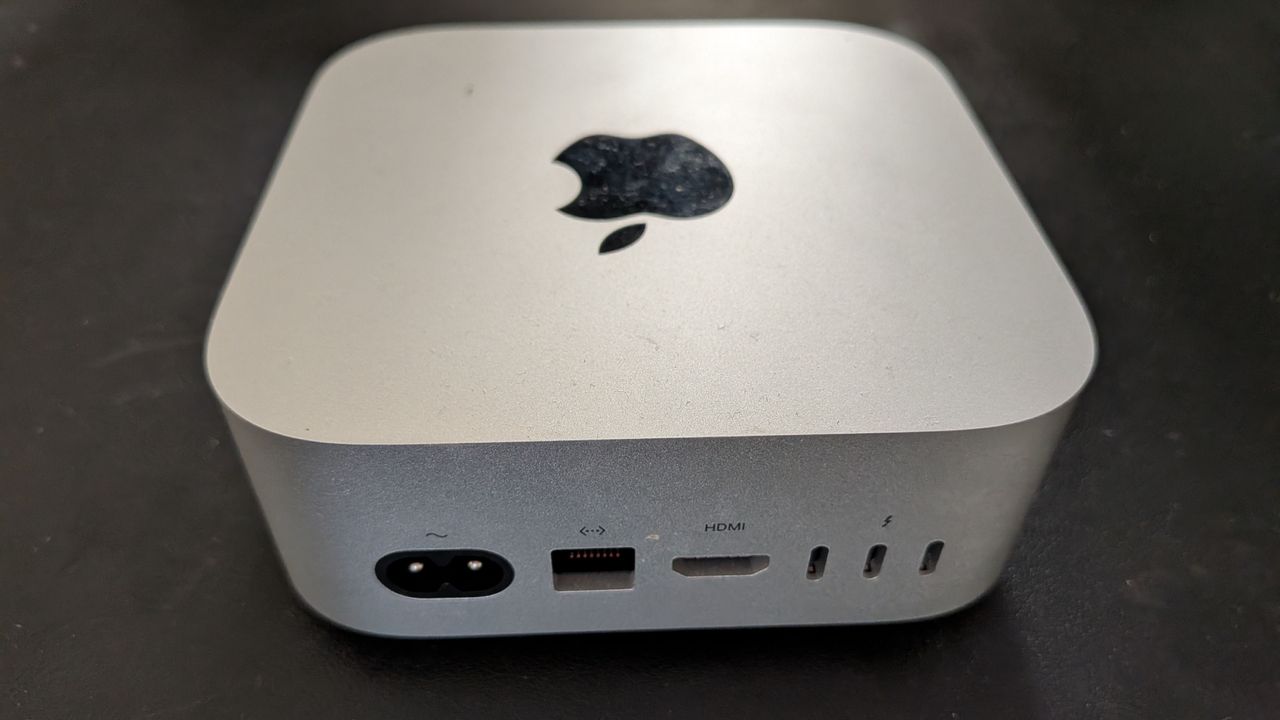
Apple will manufacture the Mac mini in the United States starting later this year
Production will shift from Vietnam and China to a Houston Foxconn facility
The Houston warehouse conversion provides 220,000 square feet of Mac mini assembly space
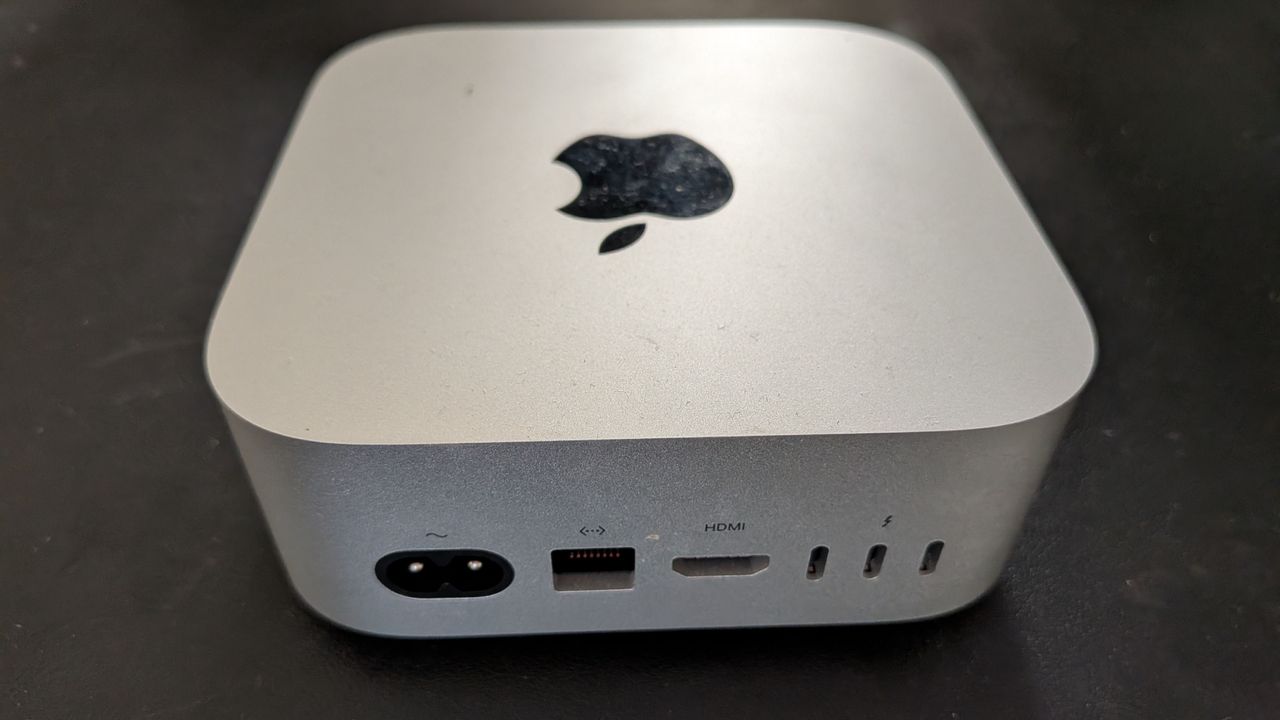
Apple has announced it will begin manufacturing the Mac mini, its compact mini PC, in the United States later this year, shifting part of its production from Vietnam and China.
The company plans to use a Foxconn facility in north Houston, converting a 220,000-square-foot warehouse into manufacturing space.
Apple says this initiative is intended to serve local demand while gradually scaling production to meet broader global needs.
Historical context of US Mac production
Apple previously manufactured high-end Macs in the United States, notably the Mac Pro workstation, which was assembled in Austin starting in 2013.
That operation declined over time, highlighting the challenges of domestic production for complex computers.
Apple’s new Houston plan builds on these earlier efforts, showing an ongoing attempt to bring certain manufacturing operations closer to home, and also aligns with the company’s broader $600 billion investment commitment in the US over four years.
Advertisement
This commitment was prompted in part by tariff exemptions and government pressure to increase domestic investment.
Sign up to the TechRadar Pro newsletter to get all the top news, opinion, features and guidance your business needs to succeed!
The Foxconn facility in Houston currently houses Apple AI server assembly, while the converted warehouse will accommodate the Mac mini production line.
Apple reports that it produces thousands of Mac mini units every week, and the new facility is intended to scale local production over time.
Advertisement
“We’re very excited to tell you that later this year we will be beginning Mac mini manufacturing right here in this space. Over time, we want to scale Mac mini here to serve our customers in this area,” Sabih Khan, Apple’s chief operating officer, told The Wall Street Journal.
While most production will continue in Asia, US-based assembly is expected to address regional demand and reduce reliance on international supply chains.
The Mac mini is popular with software developers and users running AI agent software on desktop systems.
Advertisement
It also complements business laptops in office setups where compact desktops and mobile workstations must operate together efficiently.
However, it remains a niche product for the company, contributing less than 5% of Mac sales globally and under 1% of total Apple revenue.
Its limited share of Apple’s sales suggests domestic production may have minimal effect on global pricing.
Bringing manufacturing to the United States could increase operational costs, which may or may not translate into lower consumer prices.
Advertisement
Apple’s move reflects a focus on supply chain diversification and local presence rather than an immediate pricing advantage.
Ultimately, the success of US Mac production will depend on how effectively the company scales operations and integrates domestic manufacturing into its existing global network.
There are now so many good new games to play, as well as plenty of titles sitting in my backlog, that I didn’t expect to find myself thinking about 2021’s Kid A Mnesia Exhibition on the PS5.
But I recently sat down with a strong drink or two to play it through, while stellar titles like Hollow Knight Silksong sit half-ignored on my Steam Deck.
And it’s a game, or really a virtual experience, that I recommend you also take for a spin. Of course, that’s with the caveat that you’ll probably need to be a Radiohead fan first to get the most out of it.
(Image credit: Future)
Let’s dig into some context before I go any further. Back in the late 1990s and early 2000s, Radiohead were one of the biggest bands, offering somewhat angst-ridden lyrics wrapped up in punchy guitar-forward music that contrasted against the swaggering rock-and-roll of the likes of Oasis. But after their first three albums, Radiohead moved away from the alt-rock sound perhaps best captured in the seminal OK Computer, to a more electronic, textured sound with a bigger focus on abstract lyrics.
Released in April 2000, Kid A was seen as a polarising album for Radiohead; some embraced the creativity and oddness, while others saw it as alienating and perhaps a bit pretentious. 2001’s Amnesiac, which uses additional tracks initially made for Kid A, continued this new sound. Even as a fan of electronica and abstract sounds, I definitely find both Kid A and Amnesiac to be the harder of Radiohead’s albums to listen to; you’re more likely to enjoy listening to them as whole albums than picking out individual tracks.
But with that in mind, I think their weirdness and creativity, with a sprinkle of perceived pretension, make the two albums a great foundation on which to build a game. And thanks to a partnership with Epic Games, and a mass of album artwork and other visual bits the band had some 20 years ago, a strange walking-simulator game was born.
Advertisement
That’s what Kid A Mnesia Exhibition is all about. You start out in a dense wood, with trees rendered in a scratchy, sketched art style, but then find your way to a bunker where the musical and visual experience kicks in.
Sign up for breaking news, reviews, opinion, top tech deals, and more.
Weird wonder
(Image credit: Future)
While there’s nothing to directly interact with in terms of hitting buttons, you can dive down all manner of paths into rooms and corridors that play particular songs off Kid A and Amnesiac in creative ways.
Advertisement
For example, one room sees you step into a space with a load of paper pages featuring sketches and lyrics, accompanied by a modified version of the song In Limbo. As the song progresses, these pages explode in a whirlwind of paper, to me capturing the feeling of being a bit lost or disoriented amidst a mass of ideas, concepts, and thoughts.
(Image credit: Future)
A similar experience is given in a large room with a big box in the middle, accompanied by the underlying bass and electronic tones extracted from Packed Like Sardines In A Crushed Tin Box.
Surrounding the box are small squares featuring the head of a cartoon bear with large teeth – a bit of art the band came up with – that a player can stand on to extract of other elements of the song, from lyrics to distorted guitar bits.
Advertisement
(Image credit: Future)
It’s all rather odd, but captures a bit of the claustrophobic feeling of someone trapped in a job, situation, or environment due to societal pressures of an indifferent modern life; at least going by my interpretation.
The whole game, which should probably only take around two hours to go thorough is packed with moments like this, with some that really bloom into something special.
That’s if you’re willing to embrace the abstract nature of this stage of Radiohead and a whole host of weird visuals, which are as much on you to extract meaning from or to simply absorb as part of the ride.
Image 1 of 8
Advertisement
(Image credit: Future)
(Image credit: Future)
(Image credit: Future)
(Image credit: Future)
(Image credit: Future)
(Image credit: Future)
(Image credit: Future)
(Image credit: Future)
At the end of the exhibition, I felt like I’d had a really interesting, intriguing, and a bit freaky experience of Kid A and Amnesiac that felt so much fresher than simply listening to the albums. And it’s definitely an experience I encourage you to check out, especially as it’s free on the PS5, PC, and Mac.
I also think that the power of the Unreal Engine opens up the path for more such game and music minglings.
Obviously, music already has a huge place in gaming, but if the Kid A Mnesia Exhibition is anything to go by, I think other bands and musicians have more scope than ever to bring their work to life in a virtual world. And I love to see others follow in Radiohead’s footsteps… even if they don’t go anywhere quite as weird.
And of course, you can also follow TechRadar on YouTube and TikTok for news, reviews, unboxings in video form, and get regular updates from us on WhatsApp too.
Xiaomi announced its flagship smartphone series at MWC, made up of the premium Xiaomi 17 Ultra and the more affordable Xiaomi 17.
With that in mind, how does the Xiaomi 17 compare to Google’s current affordable option, the Pixel 10a? If you’re an Android user on a tighter budget, which handset offers more bang for your buck?
To help you decide, we’ve compared the specs of the Xiaomi 17 to the Pixel 10a and noted the key differences below. Otherwise, if you’re considering splurging on the top-end model, make sure you visit Xiaomi 17 vs 17 Ultra instead.
The Pixel 10a is currently available for pre-order ahead of its official launch on March 5th. With a starting price of £499/$599, it’s the cheapest of the Pixel 10 series and comes in a choice between four colours including Lavender, Berry, Fog and Obsidian.
SQUIRREL_PLAYLIST_10208265
Snapdragon 8 Elite Gen 5 vs Google Tensor G4
The Pixel 10a’s announcement was met with controversy, as Google has decided to kit the affordable smartphone with the 2025 Tensor G4 chip, rather than the newer Tensor G5 model. While this may not sound that surprising, as many manufacturers tend to use older chips on their cheaper smartphones, Google usually equipped its entire flagship series with the same chip.
Advertisement
Despite this disappointing choice, we should state that we found Tensor G4 to be a solid chip that offers speedy everyday performance. Although it didn’t receive very high benchmarking scores, this shouldn’t be surprising as the focus of all Google’s Tensor chips is AI performance over sheer power.
In comparison, the Xiaomi 17 runs on Qualcomm’s premium Snapdragon 8 Elite Gen 5 chip. Powering many of the best Android phones, in our experience with Snapdragon 8 Elite Gen 5 we’ve found the chip runs through everything from everyday scrolling to console gaming and even video editing with barely any stutter. Plus, and unsurprisingly, it achieves seriously high benchmark scores – especially when compared to Tensor G4.
Advertisement
Having said that, for everyday uses you really are unlikely to notice that much of a difference between the Xiaomi 17 and Pixel 10a. We’ll be sure to update this versus once we review both phones.
Advertisement
Xiaomi 17 has a telephoto lens
With a main, ultrawide and 5x optical-zoom telephoto lenses – all 50MP – the Xiaomi 17’s Leica camera set-up promises to capture “true-to-life images even under the most challenging lighting conditions.” The specs undoubtedly sound promising, however if photography is important to you, then perhaps the Xiaomi 17 Ultra might be a better fit.
Xiaomi 17 Ultra. Image Credit (Xiaomi)
Otherwise, the Pixel 10a sports a dual-camera set-up which is equipped with a 48MP main and a 13MP ultrawide. Although we’re yet to review the Pixel 10a, it’s the same hardware found in the Pixel 9a which we concluded was able to take detailed and vibrant images across most lighting conditions. In fact, we’ve often hailed the Pixel range as being some of the best camera phones as they deliver accurate results, thanks to Google’s excellent image processing.
While we would have preferred the Pixel 10a to see some hardware tweaks, it does benefit from a few new AI-powered photography tools including Camera Coach which offers guidance on how to take the perfect shot, based on your current shooting environment.
Xiaomi 17 supports 100W charging
Although the Pixel 10a supports 45W charging, which Google promises should take the handset from 0-50% in about 30 minutes, the Xiaomi 17 is a clear winner thanks to its 100W support.
Advertisement
Advertisement
That’s not all, as although both support wireless charging, the Xiaomi 17 boasts 50W support. However, you will need to invest in a compatible wireless charger to actually see those speeds. In comparison, the Pixel 10a supports Qi charging up to just 10W.
Pixel 10a. Image Credit (Google)
Pixel 10a has more of Google’s AI features
One of the key selling points of the entire Pixel range is its plethora of AI features, many of which can be found on the Pixel 10a. These features include Gemini, Circle to Search and Live Translation, plus photo and video editing tools within the Photos app.
However, that’s not to say the Xiaomi 17 is lacking in AI capabilities. In fact, you could argue that the Xiaomi 17 has found the sweet spot of AI features, with enough to be genuinely useful in everyday life, but not enough that it’s the only reason to opt for the handset. For example, like the Pixel 10a, the Xiaomi 17 has Circle to Search and access to Gemini too.
Xiaomi 17 has a 1-120Hz refresh rate
The Xiaomi 17’s 6.3-inch OLED display boasts many premium screen technologies, including a 1-120Hz LTPO refresh rate, a peak brightness of 3500 nits and Xiaomi Shield Glass for scratch resistance. While the Pixel 10a also sports a 6.3-inch display, it’s instead fitted with a 60-120Hz refresh rate. This means it isn’t quite as energy efficient as the Xiaomi 17, which can drop down to just 1Hz when needed.
Advertisement
Advertisement
Otherwise, the Pixel 10a promises a peak brightness of 3000 nits and is fitted with Corning’s 2024 Gorilla Glass 7i for screen protection.
Early Verdict
We’ll be sure to update this versus with more of a conclusive verdict once we review both handsets. However, at this early stage, if you want plenty of power, faster charging and a more varied camera set-up, then the Xiaomi 17 is certainly an appealing choice.
On the other hand, if you’d prefer a stock-Android experience and want to play around with Google’s AI features, then the Pixel 10a remains a solid choice. Having said that, considering there aren’t many differences between the Pixel 10a and Pixel 9a, we’d argue that you could opt for the latter to save a bit of money.
We may receive a commission on purchases made from links.
Generally, garage tools fall into one of two categories. The first covers tools used by most DIY mechanics — this includes tools like socket sets, adjustable wrenches, floor jacks, and power drills. These are essentials that prove their value over years of use, although you still need to know where to splurge and where to skimp on a mechanic’s tool kit.
The other category is tools that effectively pay for themselves the first time you use them. To understand how such tools perform such a feat is simply a case of breaking down the math. The critical part of the equation we need to look at is the cost of taking your car to the workshop. In 2026, average labor rates for mechanics are generally between $120 and $159 per hour, although in some parts of the country, it can cost less than $100, while it can fetch over $200 in others.
Advertisement
In many cases, the service that you pay for covers something relatively simple, like reading a fault code, retracting a brake caliper piston, or checking the cooling system. The point is that, in some of these instances, the cost of the correct tool is less than a single garage visit, and if you’re willing and able to put in a bit of elbow grease, it’s at this stage that the economics become hard to ignore. In the right situations, each of the following garage tools can pay for themselves in a single use.
Advertisement
An OBD-II scanner
BLKstudio/Shutterstock
Few dashboard warnings cause car owners’ anxiety levels to rise and their wallets to flutter more nervously quite like the check engine light. In many cases, the first step a repair shop takes is to hook the vehicle up to a diagnostic tool and retrieve a code that points them towards the fault. While garages charge a wide range of fees for this service, and some even offer it for free, you can generally expect to pay from about $65 to potentially hundreds.
This is where a consumer-grade OBD-II scanner like the ANCEL BD310 can come into play. You can expect to pay about $80 for one of these, although at the time of writing, it was on offer for $59.99 on Amazon. Even arming the equation with the higher of these two figures, there are multiple scenarios where owning a scanner can pay for itself in a single use.
For example, it could identify a cheap and easily identifiable problem, like a loose fuel cap or a failing battery. In cases like this, most home mechanics with moderate skills will be able to perform the work themselves and save on costly garage bills. Another way that such tools could pay for themselves is by identifying serious problems early enough to avert costly repair bills. Finally, you can also use this tool to check the status of used cars before purchasing them, and this could potentially save you from buying a dud.
Advertisement
Brake caliper wind-back tool
Depending on driving style and vehicle type, your brake pads will need replacing every 30,000 to 70,000 miles. Learning how to replace brake pads can reduce garage bills, but there’s a potential stumbling block with rear brake pads.
Front brakes are relatively straightforward; compress the caliper piston, install new pads, and reassemble. Rear brakes introduce a complication that can catch the unwary DIYer off guard. On vehicles with an integrated mechanical parking brake, the rear caliper piston doesn’t simply push back into place. Instead, it must be rotated and compressed simultaneously. This is due to a threaded adjustment mechanism, and trying to force this back with a clamp can damage the caliper.
This complexity can be enough to send owners heading towards garage professionals to get the job done. This, depending on location and vehicle type, can be a costly operation, potentially running to several hundred dollars. For mechanically confident DIYers who fancy tackling brake pad change, a wind-back tool can save the cost of a visit to a professional repair shop.
Advertisement
It’s designed specifically for the task, by applying a steady pressure to the piston while turning it at the same time. The price of these tools varies, but a decent set that doesn’t “break” the bank and certainly won’t cost the equivalent of a mechanic’s time is the Orion Motor Tech 24-piece brake caliper tool. This normally sells on Amazon for $35.39, but you can find it at lower prices as well.
Advertisement
Coolant pressure tester
Diagnosing a coolant system leak can be difficult. However, it’s important that even small leaks are identified and remedied, or major engine damage can potentially happen. Aging hoses, plastic fittings, and water pump gaskets can all develop small leaks over time. Many such leaks only appear under pressure, i.e., when the engine is running. Turn it off, pop the hood, and everything may look fine.
This is why repair shops will often use a coolant pressure tester to diagnose the problem. The cost of this will vary, and some garages won’t charge if subsequent repair work is sanctioned. Depending on the shop and region, charges for coolant system repairs can run from under $100 for a simple hose replacement, to thousands for a head gasket repair.
While replacing a head gasket is a step too far for most DIYers, with minor leaks or issues, a coolant pressure testing kit is another tool that’s kind to your wallet. The tool connects to the radiator or expansion tanks and uses a hand pump to pressurize the system and highlight leaks. For owners comfortable replacing hoses or components, this tool can turn a potentially expensive repair shop visit into a few-dollar driveway task.
The price of such tools can vary from about $30 up to hundreds of dollars. For most home users, however, a system like the Orion Motor Tech coolant pressure test kit, which costs $59.99 on Amazon, is more than adequate and works with a wide range of models.
Advertisement
A compression tester
The car engine is a complex machine that can become temperamental. Finding the root cause of its temperamentality can be tricky; persistent misfires, unexplained power loss, or excessive oil consumption can lead us down a diagnostic trail that is often just an exercise in expensive and frustrating guesswork. Spark plugs, ignition coils, fuel injectors, and sensors all list among the usual suspects that are often replaced one after another to try to solve the problem.
Advertisement
However, before doing a guesswork-led parts shuffle, one critical question should be addressed: Is the engine mechanically healthy? This is the question that a compressor tester can answer.
What a compression tester does is to test each cylinder’s performance in terms of the combustion process and how much energy is produced in the combustion cycle. The pressure tester is used on a cylinder-by-cylinder basis, with each cylinder’s compression measured. If carried out by a repair shop, the cost of such a test can run into hundreds of dollars, and often that’s just for the test.
A model like the JIFETOR compression tester kit costs $18.99 and is suitable for most gas-powered engines. Of course, to make it onto this list, the tool has to be more than just cheap; it also has to pay for itself in a single use. It does this because it can prevent the cost of unnecessary part replacements. Additionally, if a problem is found that a DIY mechanic can repair, it has already saved the cost of a repair shop compression test.
Advertisement
Methodology
Bohdan Bevz/Getty Images
To determine whether each tool could reasonably “pay for itself” in a single use, we compared typical costs using national repair estimators and other listings. Because rates vary by vehicle and region, the figures referenced are commonly reported ranges rather than fixed national averages. We also assumed an average DIY-level mechanic would be manning the tool.
Specific products were chosen based on a combination of professional automotive reviews and customer feedback. Each tool chosen had to have an Amazon rating of between four and five stars, with a decent amount of reviews. Finally, while we’ve tried to pick tools that are broadly compatible across most common vehicle types, and this should always be checked before making any purchase.
Looking for the most recent regular Connections answers? Click here for today’s Connections hints, as well as our daily answers and hints for The New York Times Mini Crossword, Wordle and Strands puzzles.
Today’s Connections: Sports Edition features a diverse range of categories. If you’re struggling with today’s puzzle but still want to solve it, read on for hints and the answers.
Connections: Sports Edition is published by The Athletic, the subscription-based sports journalism site owned by The Times. It doesn’t appear in the NYT Games app, but it does in The Athletic’s own app. Or you can play it free online.
Hints for today’s Connections: Sports Edition groups
Here are four hints for the groupings in today’s Connections: Sports Edition puzzle, ranked from the easiest yellow group to the tough (and sometimes bizarre) purple group.
Yellow group hint: Put money on one option.
Advertisement
Green group hint: Happenings on an NFL field.
Blue group hint: Think Billie Jean King.
Purple group hint: Not a meadow, but …
Answers for today’s Connections: Sports Edition groups
Both IDC and Gartner are warning of declines of more than 10pc in smartphone and budget PC shipments in 2026 due to memory chip shortages.
Global smartphone shipments could decline by nearly 13pc year-on-year in 2026 to 1.1bn units, IDC warns in its quarterly mobile phone tracker, representing the biggest decline in more than 10 years.
Meanwhile, Gartner is warning that “soaring memory costs” could see a decline of 10.4pc in PC shipments worldwide, and it estimates smartphone shipments could fall by 8.4pc year-on-year.
Gartner is forecasting a 130pc surge in combined DRAM and solid-state drive (SSD) prices by the end of 2026, which it says could raise PC prices by 17pc and smartphone prices by 13pc compared to 2025.
Advertisement
“This is the steepest contraction in device shipments witnessed in over a decade,” said Ranjit Atwal, senior director analyst at Gartner. “Higher prices will narrow the range of devices available, prompting buyers to hold on to devices for longer, fundamentally altering upgrade cycles.”
Indeed, Gartner expects PC lifetime to increase by 15pc for business buyers and 20pc for consumers by the end of 2026, and warns that the challenge of managing older devices could increase security vulnerabilities. It also warns that any projected surge in AI PCs will now be delayed.
IDC points out that its current forecast sees a sharp decline from its November forecast amid the “intensifying memory shortage crisis”.
“What we are witnessing is not a temporary squeeze, but a tsunami-like shock originating in the memory supply chain, with ripple effects spreading across the entire consumer electronics industry,” Francisco Jeronimo, VP for worldwide client devices at IDC, warned. “The global smartphone market, particularly Android manufacturers, faces a significant threat.”
Advertisement
Jeronimo goes on to say that it is the vendors at the lower end of the market that will suffer most, particularly in the Android space, while higher end makers like Apple and Samsung are better positioned to navigate the crisis. In fact, it could even allow them to expand their market share while others struggle, he said.
“We expect consolidation as smaller players exit, and low-end vendors face sharp shipment declines amid supply constraints and lower demand at higher price points,” said Nabila Popal, senior research director with IDC’s Worldwide Quarterly Mobile Phone Tracker.
“Ultimately, we expect the sub-$500 entry-level PC segment will disappear by 2028,” said Gartner’s Atwal. “In addition, rising AI PC prices will delay the projected 50pc market penetration of AI PCs until 2028.”
Don’t miss out on the knowledge you need to succeed. Sign up for the Daily Brief, Silicon Republic’s digest of need-to-know sci-tech news.