

Business
Iran’s Supreme Leader Amid Conflicting Reports of Death

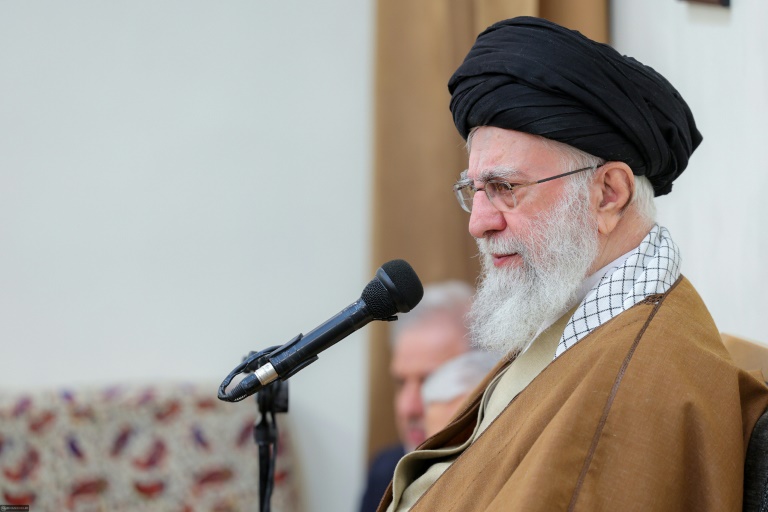
Ayatollah Ali Khamenei, Iran’s supreme leader since 1989, has been at the center of global attention following conflicting reports of his death in joint U.S.-Israeli airstrikes on February 28, 2026. President Donald Trump announced Khamenei was killed, calling it “justice” and the “single greatest chance” for Iranians to reclaim their country. Israeli officials told multiple outlets, including Reuters, The Washington Post and AP, that Khamenei’s body was found after a direct hit on his Tehran compound. However, Iranian state media and officials, including Tasnim, Mehr and Foreign Minister Abbas Araghchi, insist he remains “steadfast and firm in commanding the field,” with no independent confirmation of his fate amid communication blackouts and restricted access.
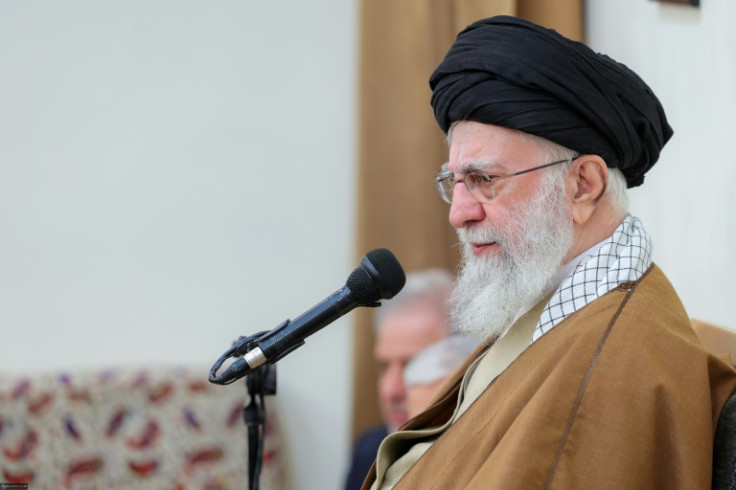
The 86-year-old cleric has shaped modern Iran for nearly four decades, overseeing its nuclear program, foreign policy and the Islamic Revolutionary Guard Corps (IRGC). Here are 10 essential facts about Khamenei amid the ongoing crisis.
1. **Longest-Serving Supreme Leader**
Khamenei became supreme leader on June 4, 1989, following Ayatollah Ruhollah Khomeini’s death. He is the second and longest-serving supreme leader since the 1979 Islamic Revolution, holding near-absolute authority over Iran’s military, judiciary and key institutions under the velayat-e faqih system.
2. **Clerical and Revolutionary Roots**
Born July 17, 1939, in Mashhad, Khamenei grew up in a clerical family. He studied theology in Mashhad and Qom under Khomeini, becoming a protégé during the anti-Shah protests of the 1960s. Arrested multiple times by the Shah’s regime, he rose as a key revolutionary figure.
3. **President Before Supreme Leader**
Khamenei served as Iran’s president from 1981 to 1989, surviving a 1981 assassination attempt that left him partially paralyzed in his right arm. He was a close ally of Khomeini, managing the war with Iraq and consolidating power.
4. **Nuclear Program Architect**
Khamenei has overseen Iran’s nuclear ambitions, issuing a fatwa against nuclear weapons while defending enrichment rights. The program became central to Iran’s deterrence strategy, drawing international sanctions and now direct military targeting.
5. **IRGC Empowerment**
He transformed the IRGC into a powerful economic, political and military force, using it to project influence through proxies like Hezbollah and the Houthis while suppressing domestic dissent.
6. **Hardline Stance on West and Israel**
Khamenei has consistently opposed the U.S. and Israel, labeling America the “Great Satan” and Israel a “cancerous tumor.” His rhetoric has shaped Iran’s foreign policy, including support for anti-Western groups.
7. **Succession Uncertainty**
With no clear successor, Khamenei’s potential death could trigger a power struggle within the Assembly of Experts. His son Mojtaba has been mentioned as a possible candidate, though the process remains opaque.
8. **Domestic Control and Protests**
Khamenei has overseen crackdowns on protests, including the 2022 Mahsa Amini uprising. His rule has centralized power, sidelining moderates and leftists while allowing limited pragmatism for regime survival.
9. **Health and Public Appearances**
Khamenei has appeared frail in recent years, with reports of prostate cancer surgery in 2014. His last major public appearance was limited, fueling speculation about his health before the strikes.
10. **Conflicting Fate Reports**
Trump and Israeli sources claim Khamenei died in strikes on his compound. Iranian outlets deny this, asserting he continues to lead. No verified evidence has emerged amid blackouts, leaving his status unconfirmed as the conflict escalates.
Khamenei’s rule has defined Iran’s post-revolution era, blending ideological rigidity with pragmatic survival tactics. If reports of his death prove true, it would mark the most significant shift since 1979, with profound implications for Iran’s future and the Middle East.

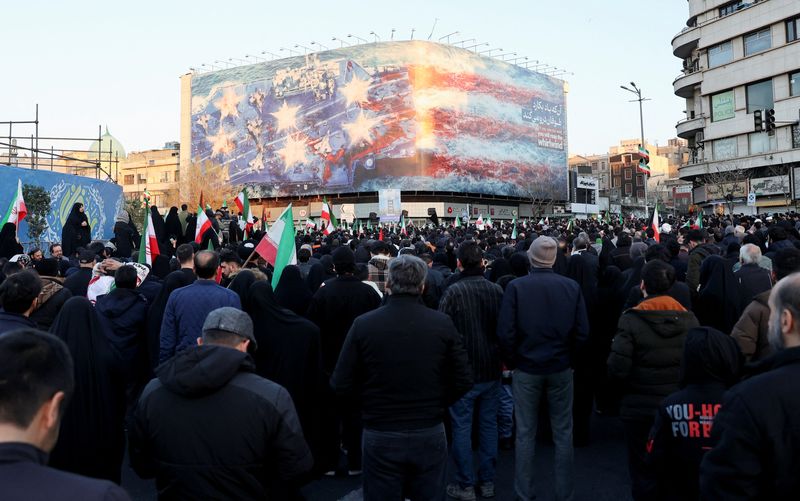

More strikes aimed at Iran after US, Israeli assault kills supreme leader

The Dow Is on Fire This Year. What Ignited the Gains.

Thailand is proposing to reduce visa-free stays for foreign nationals to address overstays and illegal immigration, impacting tourism and businesses.
Key Points
- Proposed Visa Changes: Thailand is considering reducing visa-free stays for foreign nationals from 60 to 30 days to address concerns about overstays and illegal immigration. This potential policy shift aims to balance tourism growth with national security, affecting tourists and businesses relying on current immigration laws.
- Impact on Tourism and Businesses: Tourism professionals are worried that shorter visa-free periods may deter international visitors, particularly retirees and digital nomads.
- Recommendations for Foreign Nationals: Foreign visitors should stay updated on potential changes and ensure adherence to Thai immigration laws. Those planning extended stays are advised to explore alternative visa options and seek guidance from immigration experts to effectively manage these forthcoming regulations.
Thailand’s Immigration Policy Review
Thailand is currently evaluating its immigration policies, particularly the potential reduction of visa-free stays for foreign tourists. A goal of this assessment is to combat the rising issues of visa overstays and illegal immigration. Currently, many nationalities (93) enjoy up to 60 days of visa-free travel, but the increasing number of tourists exceeding this limit has prompted authorities to reconsider the allowed duration. This proposed change may impact various foreign nationals, including digital nomads and retirees, who frequently stay longer in the country, presenting challenges to both them and the hospitality sector.
How such changes could affect foreign visitors and businesses operating in Thailand? With the anticipated reduction, ease of short-term travel for business and leisure could suffer, ultimately influencing foreign investment and the expatriate community’s stability within Thailand.
Balancing Security and Tourism
The Thai government’s primary motivation behind these proposed immigration shifts is improving national security while still promoting a welcoming atmosphere for genuine travelers. As the nation grapples with the rising incidence of visa violations, officials aim to tighten regulations without severely impacting tourism volumes. While immediate concerns from tourism professionals suggest a possible decline in arrivals, some analysts argue that enhanced immigration control could foster a sustainable tourism model in the long run. Foreign nationals are encouraged to remain informed about legal stipulations to ensure compliance and enjoy uninterrupted access to Thailand’s diverse offerings.
Other People are Reading
Constellation Research founder Ray Wang discusses Nvidia’s stock movement ahead of earnings, market uncertainty and the AI race on ‘Making Money.’
OpenAI CEO Sam Altman on Saturday publicly defended his company’s new Pentagon deal, just a day after President Donald Trump ordered federal agencies to cut ties with rival Anthropic.
Hours after the U.S. and Israel launched a joint strike against Iran, Altman took to X to answer questions about the agreement allowing the Department of War (DoW) to deploy OpenAI’s artificial intelligence (AI) models on its classified network.
“I’d like to answer questions about our work with the DoW and our thinking over the past few days,” he said.
In announcing the agreement late Friday, Altman wrote, “AI safety and wide distribution of benefits are the core of our mission. Two of our most important safety principles are prohibitions on domestic mass surveillance and human responsibility for the use of force, including for autonomous weapon systems. The DoW agrees with these principles, reflects them in law and policy, and we put them into our agreement.”
OPENAI REACHES PENTAGON AGREEMENT AS TRUMP ORDERS ANTHROPIC OFF FEDERAL SYSTEMS
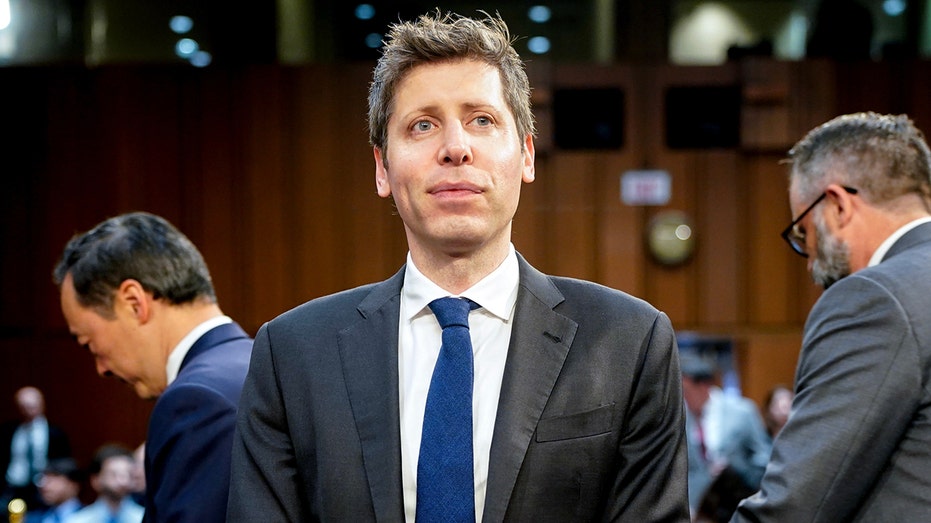
OpenAI CEO Sam Altman defended his company’s Pentagon agreement after President Donald Trump ordered federal agencies to phase out rival Anthropic. (Nathan Howard/Bloomberg via Getty Images / Getty Images)
The OpenAI agreement came as Trump directed every federal agency to stop using Anthropic technology, setting a six-month phase-out period and intensifying the dispute over how AI should be used in military operations.
Secretary of War Pete Hegseth said he was directing the department to designate Anthropic a “supply-chain risk to National Security.”
Anthropic CEO Dario Amodei had refused demands from the DoW to allow its AI to be used for “all lawful purposes,” citing concerns about “mass domestic surveillance” and “fully autonomous weapons.”
When asked why the DoW accepted OpenAI but not Anthropic, Altman said, “Anthropic seemed more focused on specific prohibitions in the contract, rather than citing applicable laws, which we felt comfortable with.” He added that Anthropic “may have wanted more operational control than we did.”
OPENAI’S $110B FUNDING ROUND DRAWS INVESTMENT FROM AMAZON, NVIDIA, SOFTBANK

President Donald Trump ordered federal agencies to cut ties with Anthropic, intensifying a dispute over military AI use. (Saul Loeb/AFP via Getty Images / Getty Images)
Altman said the DoW did not issue any explicit or implicit threats before the agreement was reached, adding that Pentagon officials were “genuinely surprised we were willing to consider” classified work.
He said OpenAI initially planned to do only non-classified work with the Pentagon, but that talks accelerated this week.
“We thought the DoW clearly needed an AI partner, and doing classified work is clearly much more complex. We have said no to previous deals in classified settings that Anthropic took. We started talking with the DoW many months ago about our non-classified work. This week things shifted into high gear on the classified side. We found the DoW to be flexible on what we needed, and we want to support them in their very important mission,” Altman said.
APPLE IMPLEMENTING AGE VERIFICATION TOOL TO ENSURE USERS ARE 18 AND UP FOR SOME APPS
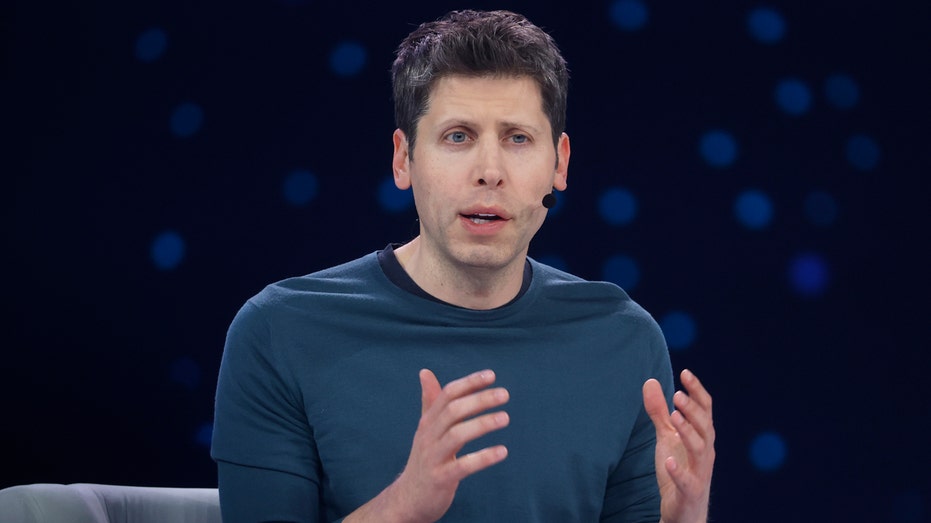
Sam Altman addressed questions on X about OpenAI’s classified work with the Department of War. (Justin Sullivan/Getty Images / Getty Images)
Altman also addressed criticism that the agreement appeared rushed, saying OpenAI moved quickly to “de-escalate the situation.”
“I think the current path things are on is dangerous for Anthropic, healthy competition and the U.S.,” he said. “We negotiated to make sure similar terms would be offered to all other AI labs.”
Altman acknowledged he remains concerned that a future legal dispute could expose OpenAI to the same supply-chain risk designation imposed on Anthropic.
“If we have to take on that fight we will, but it clearly exposes us to some risk,” he said. “I am still very hopeful this is going to get resolved, and part of why we wanted to act fast was to help increase the chances of that.”
ALTMAN CALLS MUSK’S SPACE DATA CENTER PLANS ‘RIDICULOUS’ FOR CURRENT AI COMPUTING NEEDS
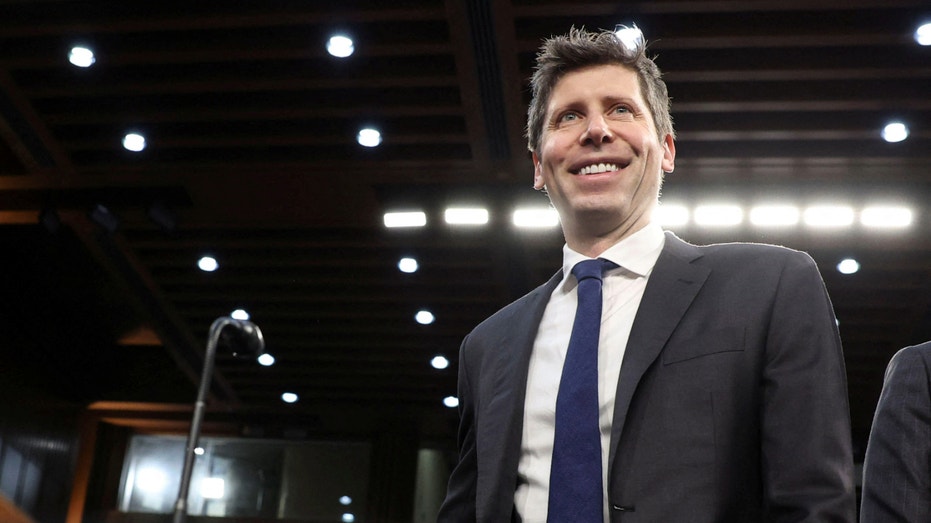
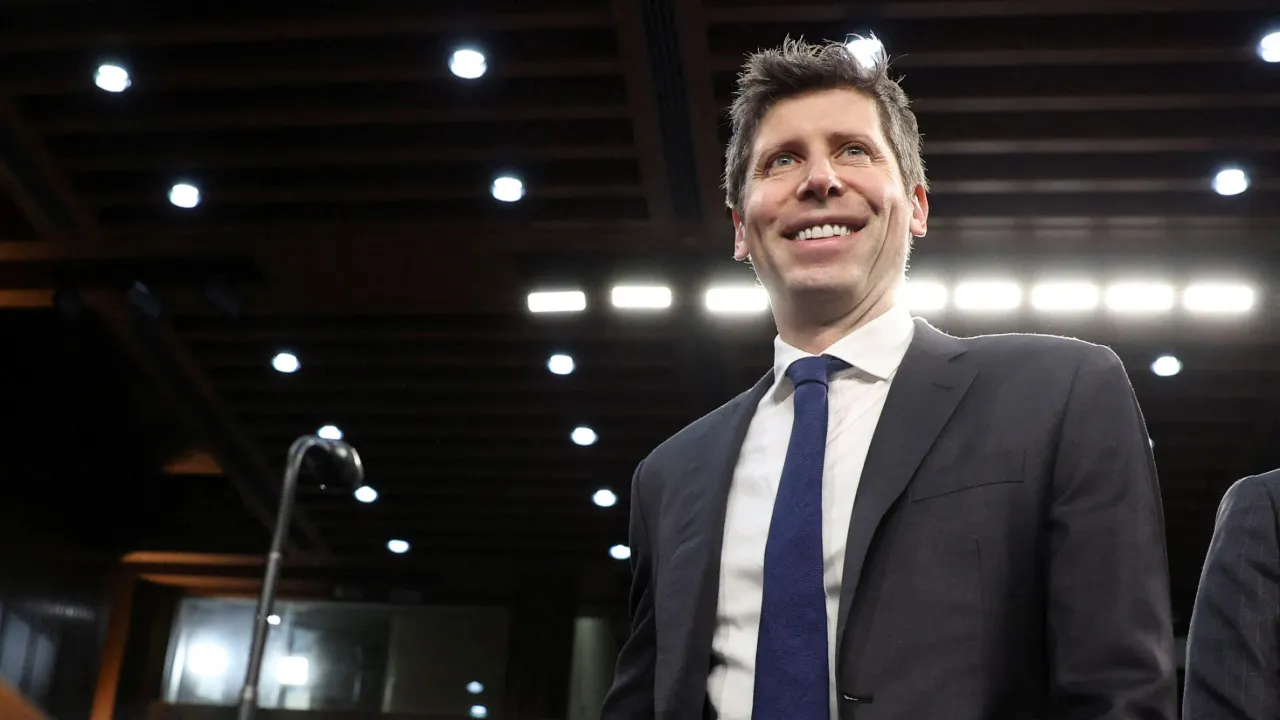
OpenAI CEO Sam Altman arrives to testify before a Senate Commerce, Science, and Transportation Committee hearing titled “Winning the AI Race: Strengthening U.S. Capabilities in Computing and Innovation,” on Capitol Hill in Washington, D.C., on May 8, (Jonathan Ernst/Reuters / Reuters)
Anthropic previously told Fox News Digital that Hegseth’s designation of the company as a supply-chain risk “follows months of negotiations that reached an impasse over two exceptions we requested to the lawful use of our AI model, Claude: the mass domestic surveillance of Americans and fully autonomous weapons.”
Altman also addressed questions about whether the federal government could attempt to nationalize OpenAI or other AI development.
“I obviously don’t know; I have thought about it of course… but it doesn’t seem super likely on the current trajectory,” he said. “That said, I do think a close partnership between governments and the companies building this technology is super important.”
Altman said the most difficult aspect of the agreement to reconcile involved “non-domestic surveillance.”
GET FOX BUSINESS ON THE GO BY CLICKING HERE
“I have accepted that the US military is going to do some amount of surveillance on foreigners, and I know foreign governments try to do it to us, but I still don’t like it,” he said. “I think it is very important that society thinks through the consequences of this; perhaps the single principle I care most about for AI is that it is democratized, and I can see surveillance making that worse.”
“On the other hand, I also respect the democratic process. I don’t think this is up to me to decide,” he added.
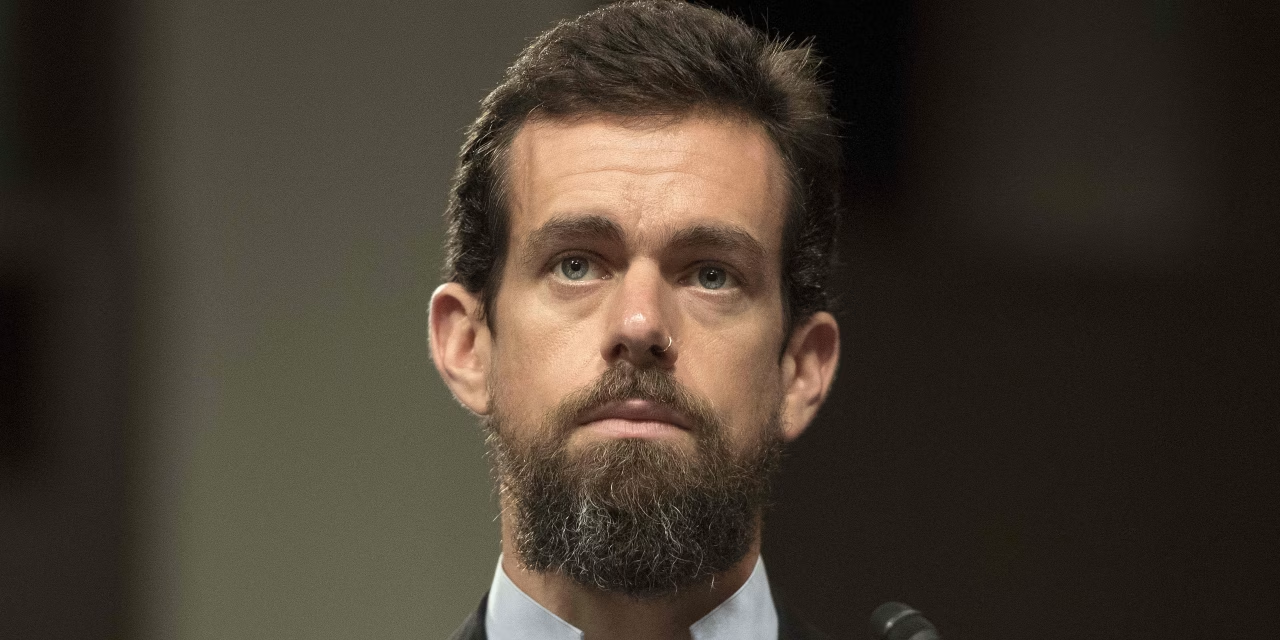
Shares of Block rallied after co-founder Jack Dorsey announced a plan to cut nearly half the payment company’s workforce and restructure it for an AI future.
The Square and Cash App owner’s stock was up 17% Friday to $63.70.
Analysts on Friday put faith in Dorsey’s plan to lay off 40% of the staff, but said the underlying results also looked good.


Xiaomi says February EV deliveries topped 20,000, down from January

Insider Trading Is Shaping Prediction Markets. Polymarket Sees an Edge.

What IonQ’s Surging Stock Says About the Future of Quantum Computing

China’s annual policy summit to focus on tech shift and debt issuance
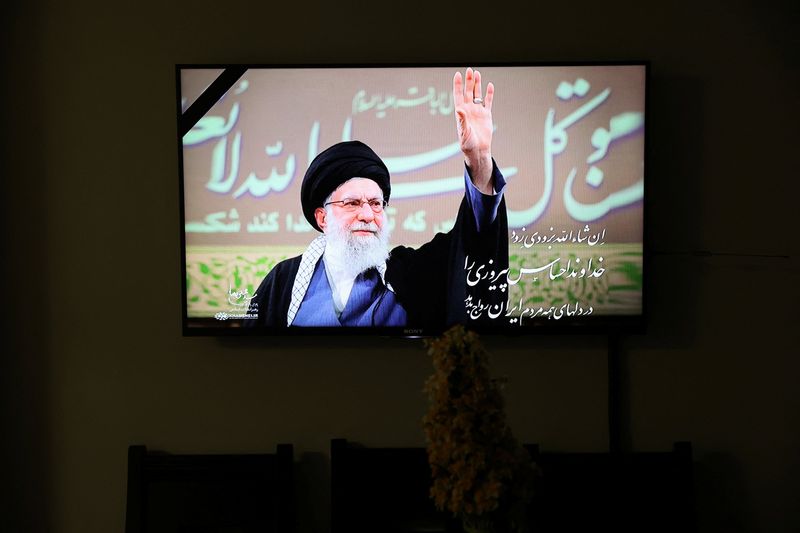

Iran’s Ali Khamenei, who based iron rule on fiery hostility to US and Israel, dies at 86

More strikes aimed at Iran after US, Israeli assault kills supreme leader
Inverness Club gets another U.S. Open

Financial Freedom | Financial Goal #motivation #money


-

 Politics7 days ago
Baftas 2026: Awards Nominations, Presenters And Performers
-

 Sports5 days ago
Women’s college basketball rankings: Iowa reenters top 10, Auriemma makes history
-

 Fashion1 day ago
Weekend Open Thread: Iris Top
-

 Business4 days ago
True Citrus debuts functional drink mix collection
-

 Politics5 days ago
Nick Reiner Enters Plea In Deaths Of Parents Rob And Michele
-

 Politics2 days ago
ITV enters Gaza with IDF amid ongoing genocide
-

 Crypto World5 days ago
XRP price enters “dead zone” as Binance leverage hits lows
-
Sports23 hours ago
The Vikings Need a Duck
-

 Business7 days ago
Mattel’s American Girl brand turns 40, dolls enter a new era
-

 Tech4 days ago
Unsurprisingly, Apple's board gets what it wants in 2026 shareholder meeting
-
 NewsBeat11 hours ago
Dubai flights cancelled as Brit told airspace closed ’10 minutes after boarding’
-

 Business6 days ago
Law enforcement kills armed man seeking to enter Trump’s Mar-a-Lago resort, officials say
-

 NewsBeat3 days ago
Cuba says its forces have killed four on US-registered speedboat | World News
-
 NewsBeat3 days ago
Manchester Central Mosque issues statement as it imposes new measures ‘with immediate effect’ after armed men enter
-
 NewsBeat16 hours ago
The empty pub on busy Cambridge road that has been boarded up for years
-
 NewsBeat6 days ago
‘Hourly’ method from gastroenterologist ‘helps reduce air travel bloating’
-

 Tech6 days ago
Anthropic-Backed Group Enters NY-12 AI PAC Fight
-

 NewsBeat7 hours ago
Abusive parents will now be treated like sex offenders and placed on a ‘child cruelty register’ | News UK
-

 NewsBeat6 days ago
Armed man killed after entering secure perimeter of Mar-a-Lago, Secret Service says
-

 Politics7 days ago
Maine has a long track record of electing moderates. Enter Graham Platner.