

Business
Asia-Pacific Investment in Australia Hits Record Highs in 2025

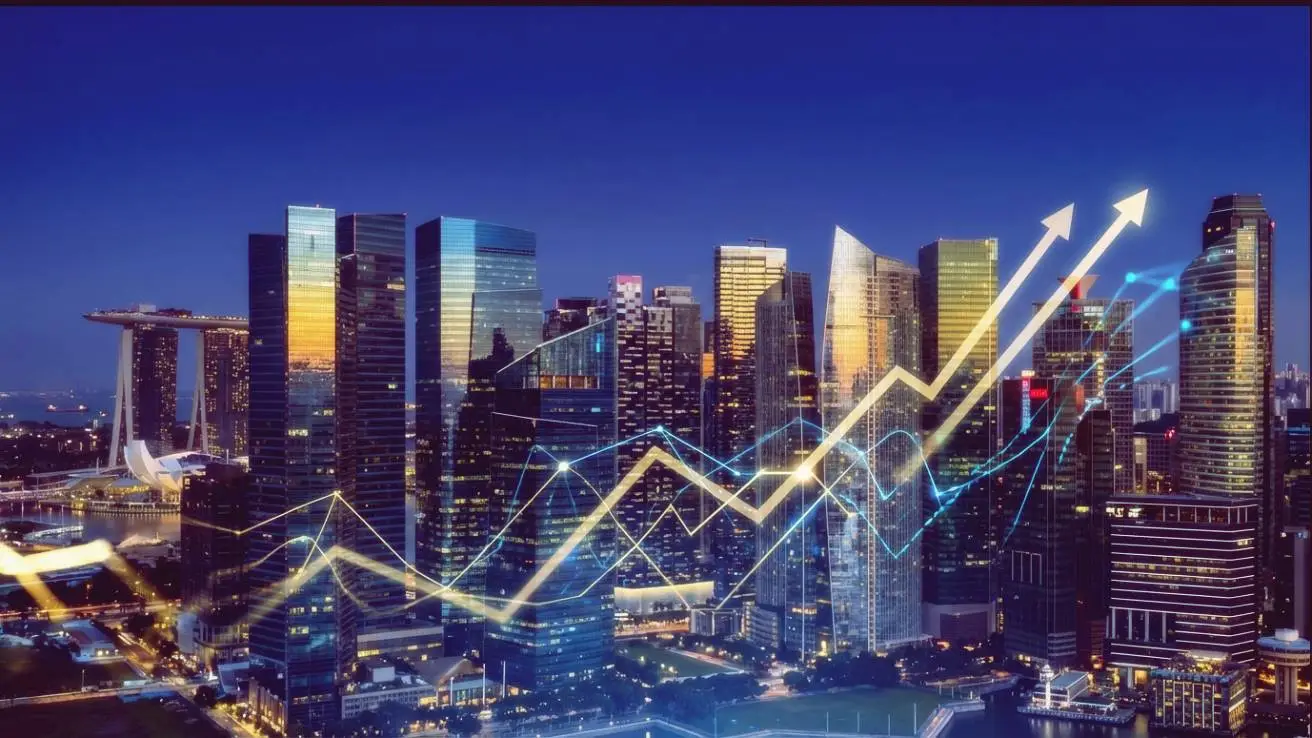
Asian investment into Australia reached a series of record-breaking milestones in 2025, with Japan, Korea, Singapore, and Malaysia reshaping bilateral economic ties through landmark deals and strategic capital deployment, even as global macroeconomic headwinds tested investor confidence across the region.
Key takeaways
- Japan’s M&A market surged 83.9% to US$218.5 billion in 2025, marking the third consecutive year of record Japanese investment into Australia.
- Korea’s POSCO sealed a landmark A$1.2 billion lithium deal while Hanwha cemented its defence presence through a 19.9% stake in Austal, signalling Asia’s deepening strategic ties with Australia.
- Critical minerals, defence, real estate, and renewables are set to dominate Asia-Pacific deal flow into Australia throughout 2026.
These are the central findings of MinterEllison’s 2026 Asia Report: Year in Review, the fifth annual edition of the firm’s flagship Asia practice publication tracking cross-border deal activity, regulatory shifts, and sector-by-sector investment trends across Australia’s key Asian partner economies.
Japan: Unprecedented M&A and Historic Leadership
Japan’s M&A market reached unprecedented levels in 2025, recording 3,472 transactions valued at a combined US$218.5 billion, an extraordinary 83.9% surge compared to 2024.
Sanae Takaichi became Japan’s first female Prime Minister, signalling a decisive pivot toward economic growth and a commitment to lifting defence spending to 2% of GDP.
Japanese investment in Australia reached record levels for the third consecutive year, with real estate, energy security, and data centres emerging as priority sectors. The landmark A$55 billion Mogami-class frigate contract further cemented defence collaboration as a key pillar of the bilateral relationship heading into 2026.
Korea: Lithium Billions and a Expanding Defence Presence
Korea delivered one of the year’s most consequential bilateral transactions. POSCO Holdings committed A$1.2 billion into Mineral Resources’ lithium assets, securing a 30% interest and long-term access to spodumene concentrate from Tier-1 assets at Wodgina and Mt Marion.
Meanwhile, Australia-Korea cross-border investment volumes grew 20% year-on-year in the first three quarters of 2025. On the defence front, Hanwha’s stake in Austal Limited was approved at 19.9%, positioning the Korean conglomerate as Austal’s largest single shareholder and reflecting deepening strategic industrial ties between the two nations.
China: Record Trade Surplus, Subdued M&A
China’s domestic economy showed signs of stabilisation in 2025, posting a record US$1.189 trillion trade surplus while accelerating overseas manufacturing investment across Southeast Asia.
Inbound M&A from Chinese companies into Australia remained subdued, as FIRB approval challenges continued to constrain deal activity.
Australia charted an independent China strategy under its re-elected government, prioritising trade while maintaining security commitments. MinterEllison anticipates 2026 deal flow will emerge primarily through minority equity interests, joint ventures, and licensing agreements in sectors including EVs, mining, biotech, and fintech.
Singapore and Malaysia: Capital, Infrastructure, and Renewables
Singapore delivered political certainty following Prime Minister Lawrence Wong’s landslide election victory, though overall M&A activity softened amid US-driven global headwinds.
Capital markets reform initiatives deployed approximately S$3.95 billion to local asset managers, while IPO fundraising reached its highest level since 2019 at S$2.54 billion. Australian real estate remains a key deployment target for Singapore-based capital in 2026.
Malaysia rounded out a strong year for Southeast Asian investment into Australia, backed by solid GDP growth of 4.7 to 5.0%. Sime Darby Property acquired the largest Melbourne CBD development site in five years, while Gamuda Berhad secured infrastructure contracts exceeding RM8 billion and entered Tasmania’s renewable energy market. Fortescue’s green hydrogen collaboration in Sarawak highlighted the growing maturity of bilateral clean energy ties.
The 2026 Asia Report presents a region demonstrating strategic purpose despite a volatile global backdrop. Critical minerals, defence, real estate, and renewables are expected to drive deal activity across all five markets in the year ahead, reinforcing Australia’s position as a preferred destination for Asian capital.
Other People are Reading

Regional leaders warned Trump of $100+ oil threat, analyst says
U.S. dollar seen strengthening as U.S.-Israel strikes intensify

Steven Cress is VP of Quantitative Strategy and Market Data at Seeking Alpha. Steve is also the creator of the platform’s quantitative stock rating system and many of the analytical tools on Seeking Alpha. His contributions form the cornerstone of the Seeking Alpha Quant Rating system, designed to interpret data for investors and offer insights on investment directions, thereby saving valuable time for users. He is also the Founder and Co-Manager of Alpha Picks, a systematic stock recommendation tool designed to help long-term investors create a best-in-class portfolio.Steve is passionate and dedicated to removing emotional biases from investment decisions. Utilizing a data-driven approach, he leverages sophisticated algorithms and technologies to simplify complex, laborious investment research, creating an easy-to-follow, daily updated grading system for stock trading recommendations.Steve was previously the Founder and CEO of CressCap Investment Research until its acquisition by Seeking Alpha in 2018 for its unparalleled quant analysis and market data capabilities. Prior to that, he had also founded the quant hedge fund Cress Capital Management, after spending most of his career running a proprietary trading desk at Morgan Stanley and leading international business development at Northern Trust.With over 30 years of experience in equity research, quantitative strategies, and portfolio management, Steve is well-positioned to speak on a wide range of investment topics.
Analyst’s Disclosure: I/we have no stock, option or similar derivative position in any of the companies mentioned, and no plans to initiate any such positions within the next 72 hours. I wrote this article myself, and it expresses my own opinions. I am not receiving compensation for it. I have no business relationship with any company whose stock is mentioned in this article.
Seeking Alpha’s Disclosure: Past performance is no guarantee of future results. No recommendation or advice is being given that any particular security, portfolio, transaction or investment strategy is suitable for any specific person. The author is not advising you personally concerning the nature, potential, value or suitability of any particular security or other matter. You alone are solely responsible for determining whether any investment, security or strategy, or any product or service, is appropriate or suitable for you based on your investment objectives and personal and financial situation. Steven Cress is the Head of Quantitative Strategy at Seeking Alpha. Any views or opinions expressed herein may not reflect those of Seeking Alpha as a whole. Seeking Alpha is not a licensed securities dealer, broker or US investment adviser or investment bank.
Business
(VIDEO) Eight Killed as Protesters Storm US Consulate in Karachi After Iran Confirms Khamenei Killed
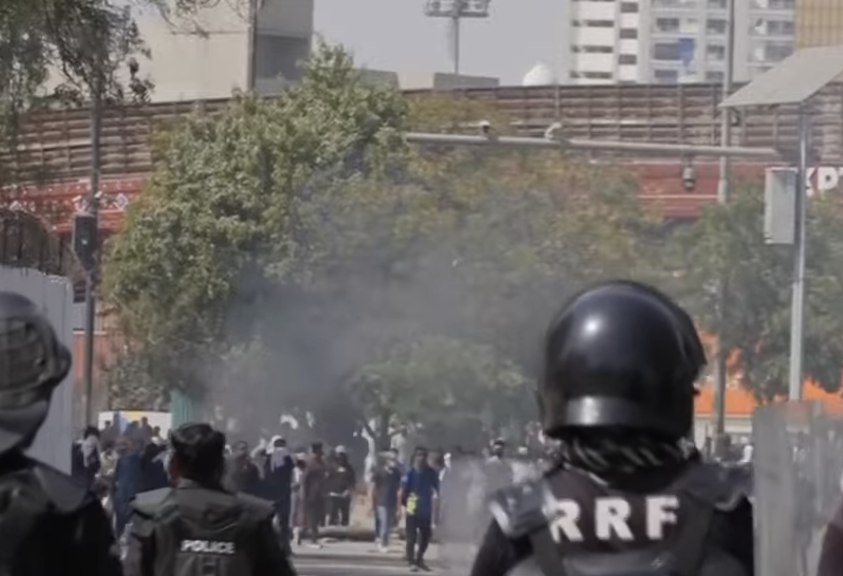
At least eight people were killed and more than 40 injured when thousands of protesters stormed the US Consulate General in Karachi on March 1, 2026, in violent demonstrations triggered by Iran’s official confirmation that Supreme Leader Ayatollah Ali Khamenei was killed in joint US-Israeli airstrikes two days earlier.
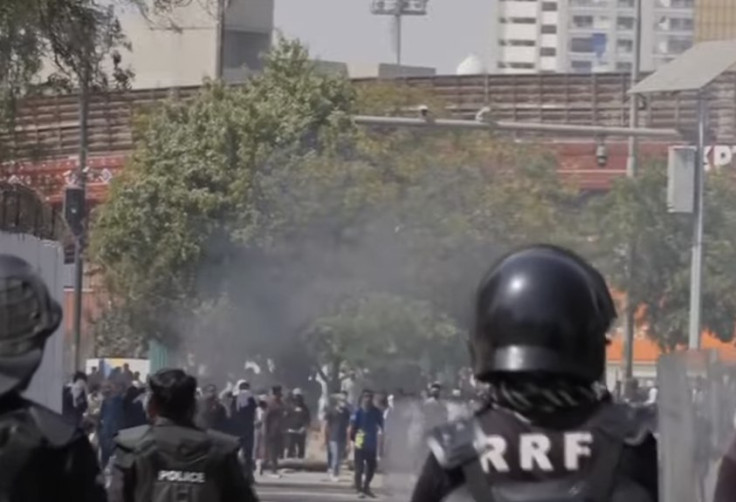
The assault on the heavily fortified diplomatic compound in Clifton began shortly after 2 p.m. local time when a large crowd, estimated at 15,000–20,000 by police, breached outer security barriers despite heavy deployment of Rangers and Sindh police. Demonstrators, many waving Iranian and Palestinian flags and chanting anti-American and anti-Israeli slogans, hurled petrol bombs, stones and fireworks at the perimeter wall while attempting to scale it.
Security forces responded with tear gas, rubber bullets and, according to eyewitness accounts and video footage verified by Reuters and Dawn, live ammunition after protesters set fire to vehicles and tried to force open the main gate. Karachi police spokesperson Atiq Shah confirmed eight deaths — seven protesters and one security guard — and 43 injuries, including 12 police officers and several journalists covering the rally. Hospital officials at Jinnah Postgraduate Medical Centre and Civil Hospital Karachi reported most casualties suffered gunshot wounds or severe burns.
The violence erupted hours after Iran’s state broadcaster IRIB aired a short statement from the office of the Supreme Leader acknowledging Khamenei’s death “as a martyr in defense of the Islamic Republic” during “Zionist-American aggression.” The announcement, read by a somber presenter, ended weeks of conflicting reports that began when US President Donald Trump claimed on February 28 that Khamenei had been killed in strikes on his Tehran residence. Iranian officials initially denied the claim, insisting he was “commanding the field,” but the IRIB broadcast included a pre-recorded video message from Khamenei dated February 25, widely interpreted as his final public statement.
The confirmation ignited outrage across the Muslim world. In Karachi — Pakistan’s largest city and commercial hub with a large Shia population — religious parties including Jamaat-e-Islami, Tehreek-e-Labbaik Pakistan and Majlis Wahdat-e-Muslimeen called for nationwide protests. Rally organizers had announced a “million-man march” to condemn the “martyrdom” of Khamenei and demand Pakistan sever ties with the United States.
By mid-afternoon, protesters had torched at least three vehicles near the consulate and damaged outer fencing. Police fired volleys of tear gas and used water cannons, but the crowd pressed forward, overwhelming initial lines. Video circulated on social media showed masked men attempting to climb the consulate wall while others chanted “Death to America” and “Death to Israel.” Consulate staff were evacuated to a secure location earlier in the day as a precautionary measure, a US Embassy spokesperson confirmed.
Sindh Chief Minister Syed Murad Ali Shah condemned the attack on the consulate as “unacceptable” and ordered a high-level inquiry. Federal Interior Minister Mohsin Naqvi said the government would not tolerate violence against diplomatic missions and promised “strict action” against those responsible. Pakistan’s Foreign Office summoned the US Chargé d’Affaires to lodge a formal protest over the strikes on Iran, while reiterating Islamabad’s call for de-escalation.
The US State Department issued a strong condemnation of the violence, describing the assault as “unacceptable” and urging Pakistani authorities to protect diplomatic personnel and property. “We hold the Government of Pakistan responsible for the safety of our facilities and personnel,” a spokesperson said. The consulate remained closed to the public, with non-essential staff advised to shelter in place.
The Karachi unrest was the most severe of several protests across Pakistan following Khamenei’s confirmed death. Demonstrations also erupted in Lahore, Multan, Quetta and Islamabad, though none reached the same intensity. In Tehran, tens of thousands gathered for Khamenei’s funeral procession, with Acting Supreme Leader Mohammad-Mokhber leading prayers and vowing “severe revenge.”
The US-Israel operation, dubbed “Operation Epic Fury,” targeted Iranian nuclear sites, missile bases and leadership compounds starting February 28. Trump described the strikes as necessary to eliminate threats, while Israeli Prime Minister Benjamin Netanyahu called them pre-emptive. Iran retaliated with missile barrages against Israel and US bases in the Gulf, killing one civilian in Abu Dhabi and injuring several others.
Pakistan’s government has walked a delicate line, condemning the strikes on Iran while maintaining security cooperation with the United States. Prime Minister Shehbaz Sharif spoke with Iranian officials March 1 to express condolences and reiterated Pakistan’s support for Iran’s sovereignty.
Security remained tight around other Western diplomatic missions in Karachi and Islamabad on March 2, with additional Rangers deployed. Authorities imposed Section 144 restrictions banning public gatherings in sensitive areas of Karachi for 48 hours.
The death toll and images of burning vehicles near the consulate have drawn international concern. The United Nations called for restraint, while human rights groups urged Pakistani authorities to investigate the use of lethal force.
As Karachi remained tense and cleanup crews worked through the night, the incident underscored the rapid spillover of the Iran crisis into South Asia, testing Pakistan’s balancing act between domestic religious sentiment and international alliances.

Daniel is an avid and active professional investor.
He runs Crude Value Insights, a value-oriented newsletter aimed at analyzing the cash flows and assessing the value of companies in the oil and gas space. His primary focus is on finding businesses that are trading at a significant discount to their intrinsic value by employing a combination of Benjamin Graham’s investment philosophy and a contrarian approach to the market and the securities therein. Learn more.
Analyst’s Disclosure: I/we have no stock, option or similar derivative position in any of the companies mentioned, and no plans to initiate any such positions within the next 72 hours. I wrote this article myself, and it expresses my own opinions. I am not receiving compensation for it (other than from Seeking Alpha). I have no business relationship with any company whose stock is mentioned in this article.
Seeking Alpha’s Disclosure: Past performance is no guarantee of future results. No recommendation or advice is being given as to whether any investment is suitable for a particular investor. Any views or opinions expressed above may not reflect those of Seeking Alpha as a whole. Seeking Alpha is not a licensed securities dealer, broker or US investment adviser or investment bank. Our analysts are third party authors that include both professional investors and individual investors who may not be licensed or certified by any institute or regulatory body.
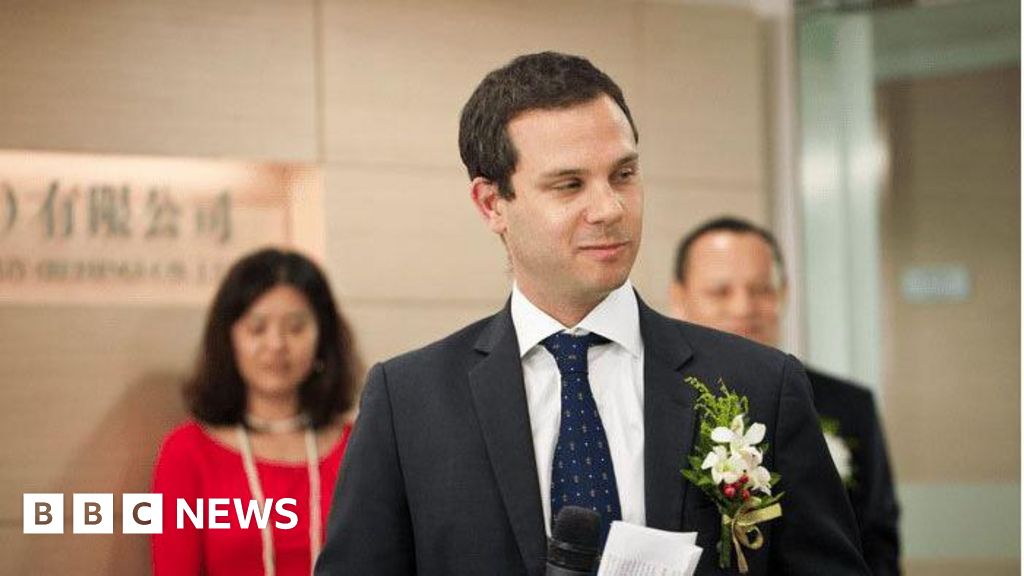
Stern claimed to have been very well connected in China. In one 2011 email he apparently claims to be friends with Louis Cheung, the president of Ping An, one of the world’s largest insurance companies, and Alvin Jiang, the grandson of the former president Jiang Zemin. Stern claims to have met Levin Zhu, the son of the former premier Zhu Rongji.
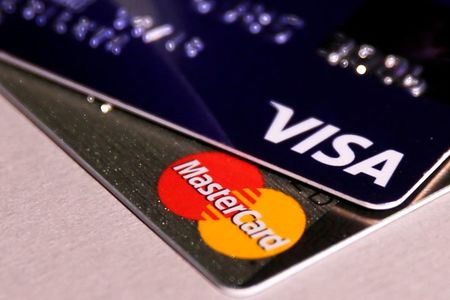
Payments-ocalypse: Could AI agents kill the credit card?
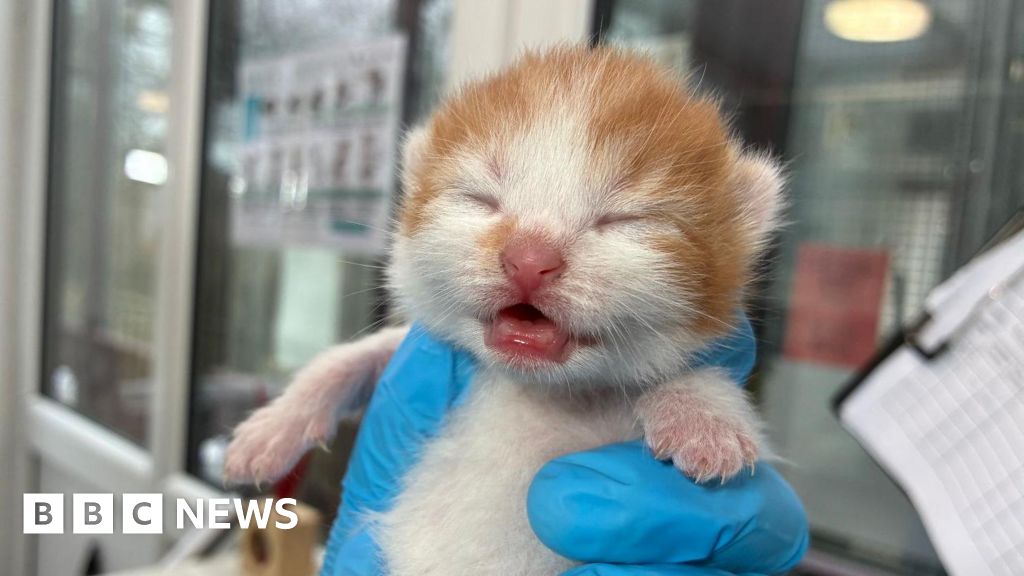
Yorkshire Cat Rescue in Haworth says it paid £282,000 in vet bills in 2025 and rescued 925 animals.
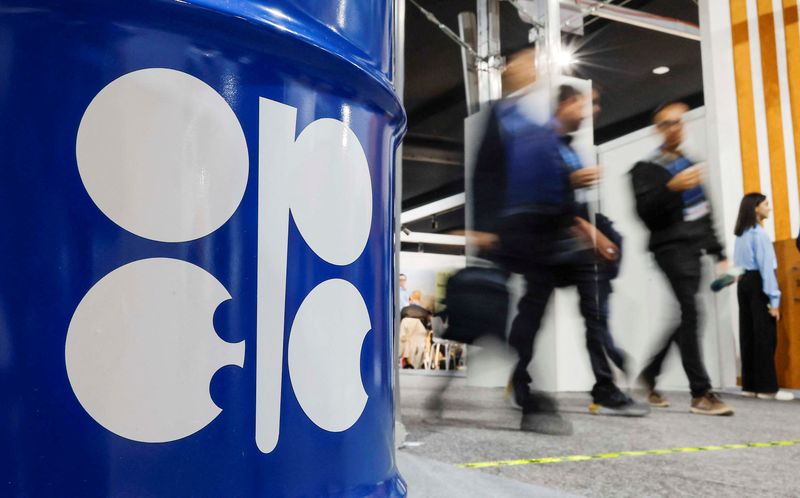

OPEC+ debates oil output boost as US war on Iran disrupts shipments
Business
Gold Surges Past $5,200 as Geopolitical Risks and Trade Uncertainty Drive Safe-Haven Buying in Early 2026
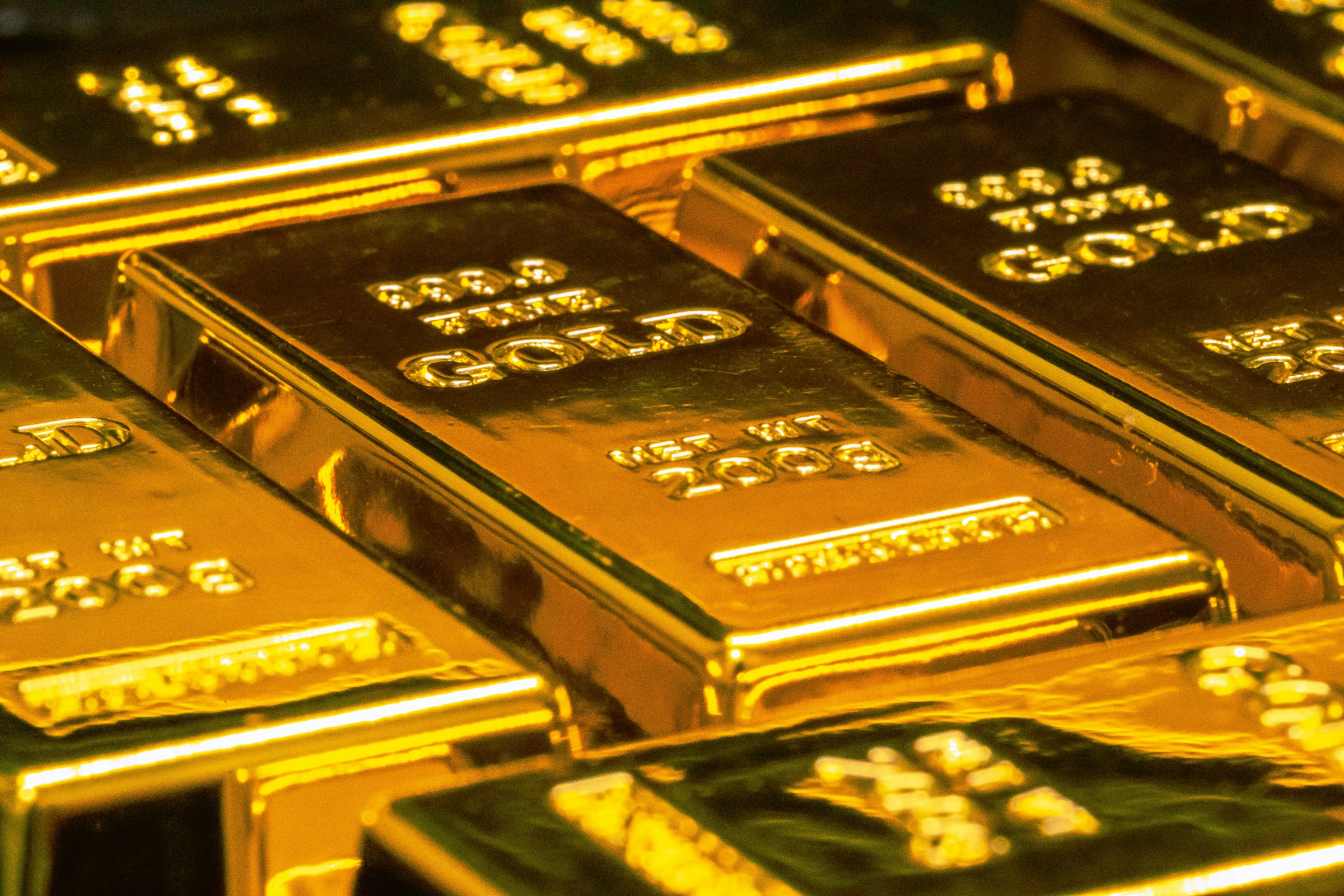
Gold prices climbed sharply in early March trading, with spot gold reaching around $5,278 per ounce on March 1, 2026, up more than 1.8% from the previous close, according to data from major market trackers like Kitco and JM Bullion.
The rally extended gains from late February, when the metal rebounded above $5,200 after a brief pullback, capping a volatile but ultimately positive month. Analysts attribute the move to a confluence of factors: persistent global instability, expectations around U.S. tariff policies under the current administration, and steady institutional buying that has kept the floor elevated.

As of midday March 1 in New York, spot gold was bid at approximately $5,278.20, with asks near $5,280.20, reflecting a daily gain of about $94 per ounce or 1.82%. Other sources showed slight variations, with prices ranging from $5,277 to $5,294 depending on the platform and exact timing, underscoring the metal’s high volatility in the current environment.
The advance comes after gold hit an all-time high of around $5,608 per ounce in January 2026, before a correction in February trimmed gains modestly. Despite the dip, the yellow metal remains up more than 80% year-over-year in many comparisons, highlighting its role as a hedge in turbulent times.
Market participants point to several key drivers behind the latest uptick. Geopolitical risks, including escalating tensions in the Middle East—particularly involving U.S.-Iran dynamics—have bolstered demand for assets perceived as safe stores of value. Reports of potential conflict escalation have kept investors on edge, with gold traditionally benefiting from such uncertainty.
U.S. trade policy has also played a significant role. Proposed global tariffs under President Trump’s administration, aimed at protecting domestic industries, have raised fears of retaliatory measures from trading partners, potentially slowing global growth and fueling inflation. In this scenario, gold serves as an inflation hedge and alternative to weakening fiat currencies.
A softer U.S. dollar has further supported the rally. As the dollar index eased, making dollar-denominated gold more attractive to international buyers, inflows accelerated. Lower real yields on U.S. Treasuries—adjusted for inflation—have diminished the opportunity cost of holding non-yielding bullion.
Central bank purchases remain a structural tailwind. Institutions worldwide added hundreds of tonnes to reserves in 2025, with estimates suggesting similar or slightly lower but still robust buying in 2026—around 800 tonnes annually, equivalent to roughly a quarter of global mine supply. This consistent demand has rewritten the market’s baseline, limiting downside even during periodic corrections.
Retail and institutional investor interest has also surged. Sentiment surveys show high optimism for gold in 2026, with many viewing it as a diversification tool amid equity market jitters and bond volatility.
Analysts from major firms have updated forecasts accordingly. J.P. Morgan raised its long-term outlook, targeting prices toward $5,000 by late 2026 and potentially $6,000 longer-term, driven by ongoing diversification trends away from traditional reserve assets. Other projections, including from UBS and Wells Fargo, see averages in the $4,300–$6,300 range for 2026 quarters, reflecting bullish consensus.
However, not all views are uniformly optimistic. Some warn of potential pullbacks if economic growth accelerates unexpectedly or if geopolitical de-escalation occurs. A stronger dollar or faster-than-expected Federal Reserve rate hikes could pressure prices downward. Trading Economics models suggest gold could reach $5,315 by quarter-end and $5,724 within 12 months, but emphasize risks from policy surprises.
Technically, gold has shown resilience, rebounding from support near $5,000–$5,100 and challenging resistance toward $5,300. Momentum indicators remain bullish, with many traders eyeing $5,300 as the next psychological barrier.
The broader precious metals complex has followed suit, with silver outperforming in recent sessions, compressing the gold-silver ratio and signaling potential leadership shifts in the bull market phase.
For everyday investors, the high prices translate to elevated costs for physical gold products like coins and bars, though many see the current levels as validation of gold’s long-term upward trajectory. Jewelry demand in key markets like India and China has remained steady despite elevated prices, supported by cultural factors.
As March begins, market watchers will monitor upcoming economic data, including U.S. inflation reports and Fed commentary, alongside any developments in trade negotiations and international conflicts. With multiple catalysts aligned, gold appears poised for continued strength in the near term, though volatility is expected to persist.
The metal’s performance in early 2026 underscores its enduring appeal as a hedge against uncertainty in an era of shifting global dynamics. Whether the rally sustains or faces headwinds, gold remains a focal point for investors navigating the complex landscape.

Microsoft urges major changes to Washington data center regulations as bill nears final vote

8 cost of living boosts for families starting in April 2026
Regional leaders warned Trump of $100+ oil threat, analyst says


-

 Sports6 days ago
Women’s college basketball rankings: Iowa reenters top 10, Auriemma makes history
-

 Fashion2 days ago
Weekend Open Thread: Iris Top
-

 Politics6 days ago
Nick Reiner Enters Plea In Deaths Of Parents Rob And Michele
-

 Business5 days ago
True Citrus debuts functional drink mix collection
-

 Politics2 days ago
ITV enters Gaza with IDF amid ongoing genocide
-
Sports1 day ago
The Vikings Need a Duck
-

 Crypto World5 days ago
XRP price enters “dead zone” as Binance leverage hits lows
-

 Tech6 hours ago
Unihertz’s Titan 2 Elite Arrives Just as Physical Keyboards Refuse to Fade Away
-

 Business7 days ago
Mattel’s American Girl brand turns 40, dolls enter a new era
-

 Tech5 days ago
Unsurprisingly, Apple's board gets what it wants in 2026 shareholder meeting
-
 NewsBeat17 hours ago
Dubai flights cancelled as Brit told airspace closed ’10 minutes after boarding’
-

 Business7 days ago
Law enforcement kills armed man seeking to enter Trump’s Mar-a-Lago resort, officials say
-

 NewsBeat3 days ago
Cuba says its forces have killed four on US-registered speedboat | World News
-
 NewsBeat3 days ago
Manchester Central Mosque issues statement as it imposes new measures ‘with immediate effect’ after armed men enter
-
 NewsBeat22 hours ago
The empty pub on busy Cambridge road that has been boarded up for years
-
 NewsBeat6 days ago
‘Hourly’ method from gastroenterologist ‘helps reduce air travel bloating’
-

 Tech7 days ago
Anthropic-Backed Group Enters NY-12 AI PAC Fight
-

 NewsBeat13 hours ago
Abusive parents will now be treated like sex offenders and placed on a ‘child cruelty register’ | News UK
-

 NewsBeat7 days ago
Armed man killed after entering secure perimeter of Mar-a-Lago, Secret Service says
-

 Politics7 days ago
Maine has a long track record of electing moderates. Enter Graham Platner.