

Politics
Suella Braverman Receives Gibraltar Leaders Reality Check

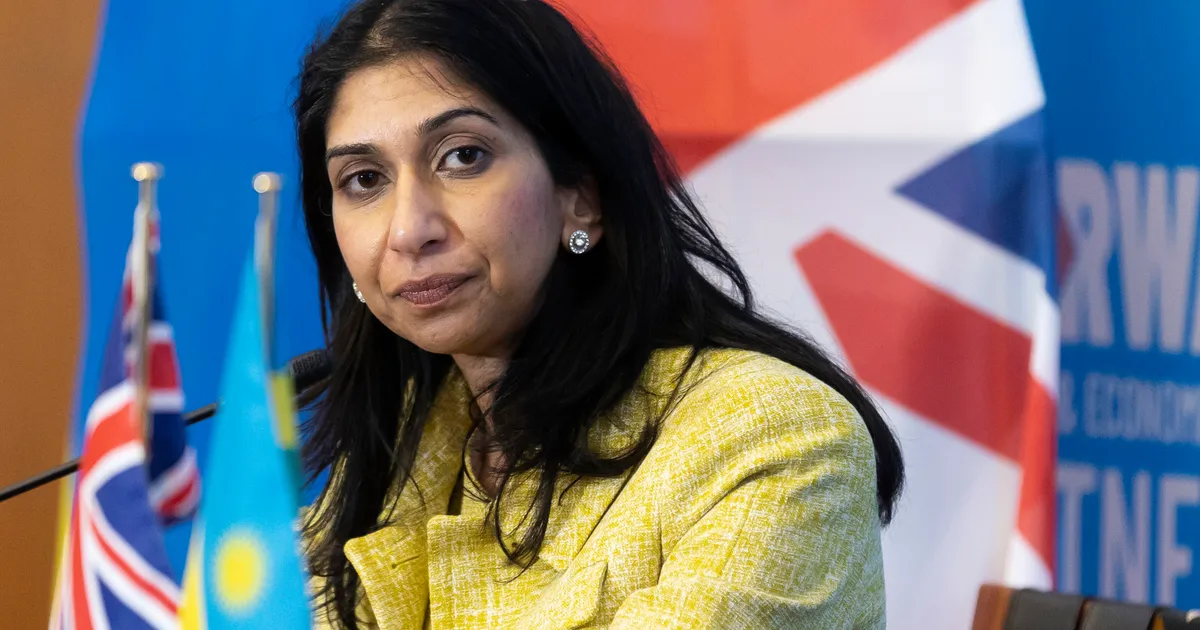
Suella Braverman has been handed a brutal reality check after she hit out at the post-Brexit deal between the UK and European Union over Gibraltar.
The former Tory cabinet minister, who defected to Reform in January, said the Rock was “now British in name only” after a draft treaty set out plans for a “fluid border” with Spain.
Reacting to a Telegraph report that Spain will have the final say on whether UK travellers can enter the British overseas territory, Braverman said on X: “When I predicted that this was going to happen, the First Minster said I was wrong.
“It turned out that he was wrong… or misleading. We have ceded control of Gibraltar to Spain. It is now British in name only. It can’t go on like this.”
The “First Minister” is actually Gibraltar’s chief minister, Fabian Picardo.
Hitting back on X, he said:“Hi Suella Braverman. You have it wrong, starting with the title of my office.
“Please read all the text and the supporting documents and stop playing politics with the People of Gibraltar whose future YOU and your ilk put in great jeopardy with Brexit.
“Stop misleading with your selective quotation of a complex document largely negotiated by YOUR Conservative government when it was in office and YOU were Home Secretary.”

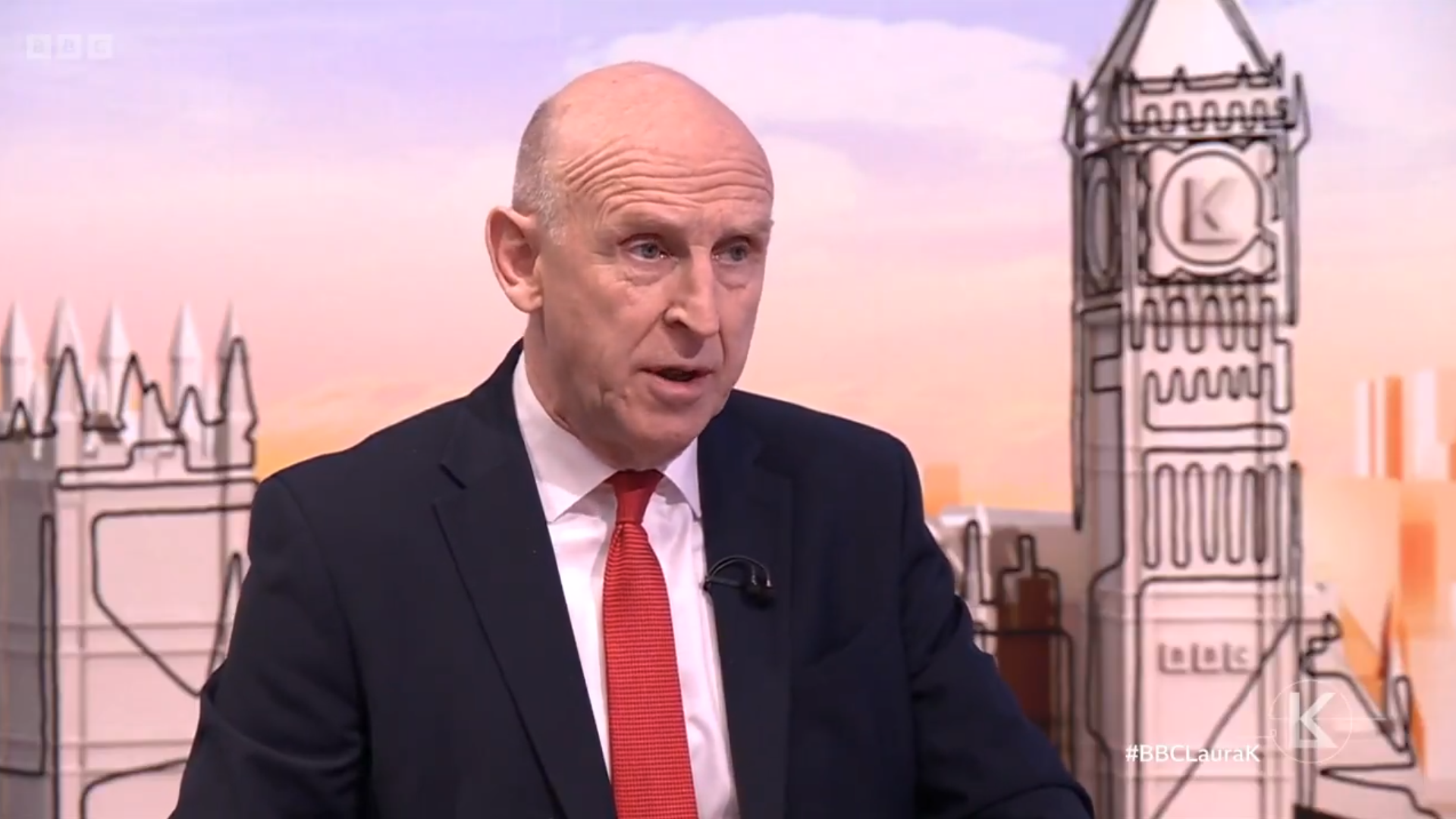
“Britain played no part in the strikes on Iran”
Defence Secretary John Healey says “it is for the US” to explain whether its strikes on Iran are within international law#BBCLauraKhttps://t.co/CkTHGctZ4k pic.twitter.com/1aIAJAiPZe
— BBC Politics (@BBCPolitics) March 1, 2026
John Healey Refuses Six Times to Say if UK Backs Strikes on Iran
Zack Polanski Defends Iranian Regime: It Was Already at the Negotiating Table
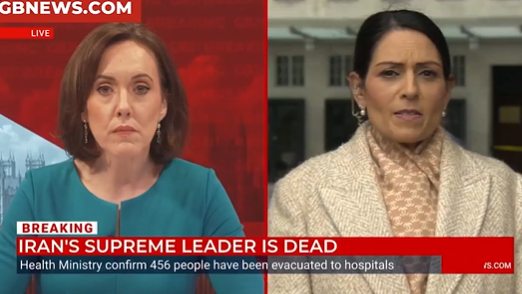
Priti Patel: Once Again Feeble Starmer Sits on the Fence
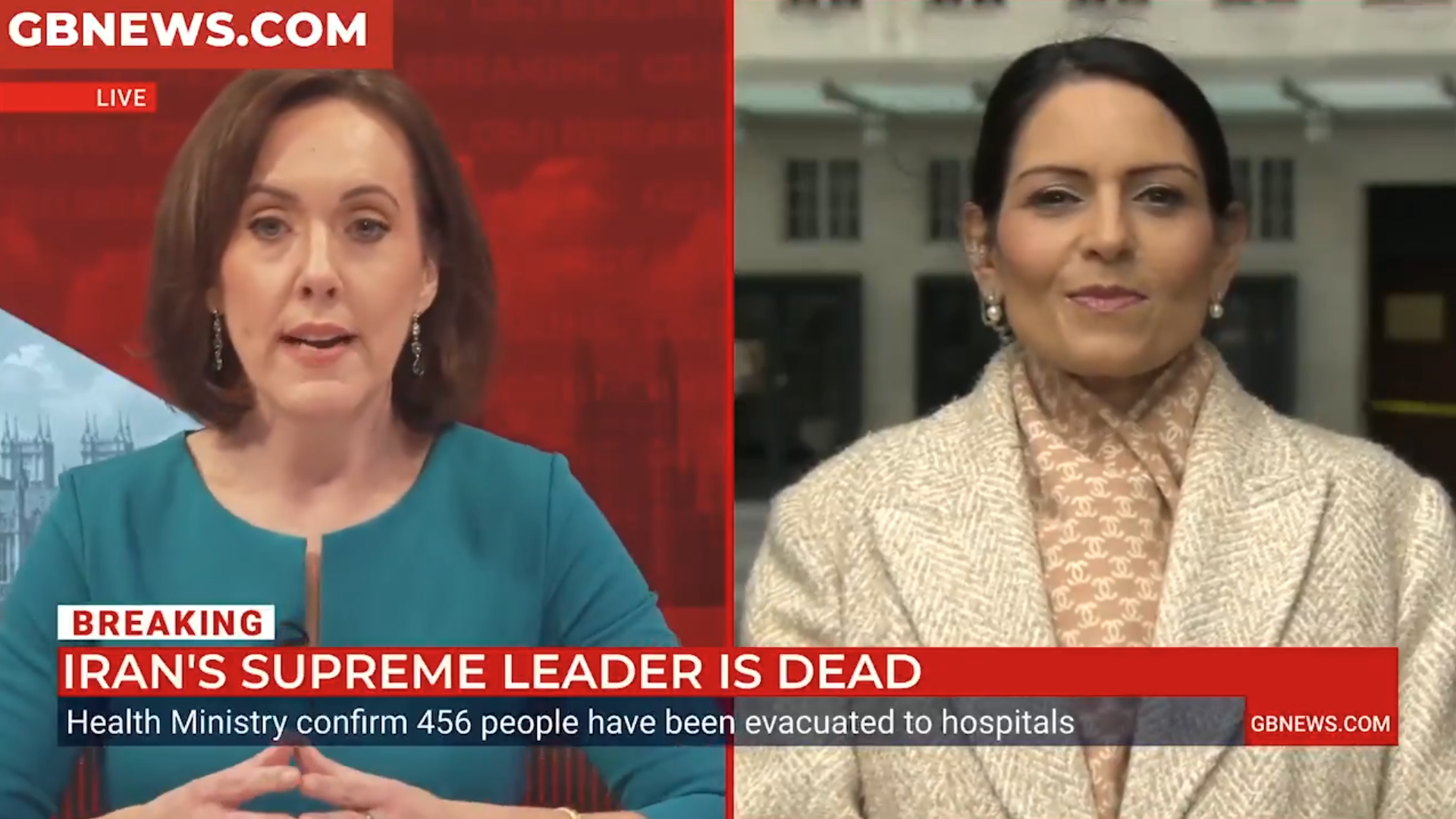
‘Keir Starmer’s statement yesterday was utterly feeble.’
Shadow Foreign Secretary Dame Priti Patel has accused the government of ‘sitting on the fence’ regarding the US-Israel strikes on Iran, calling for a more ‘robust’ stance. pic.twitter.com/EF1Ev3IlKP
— GB News (@GBNEWS) March 1, 2026
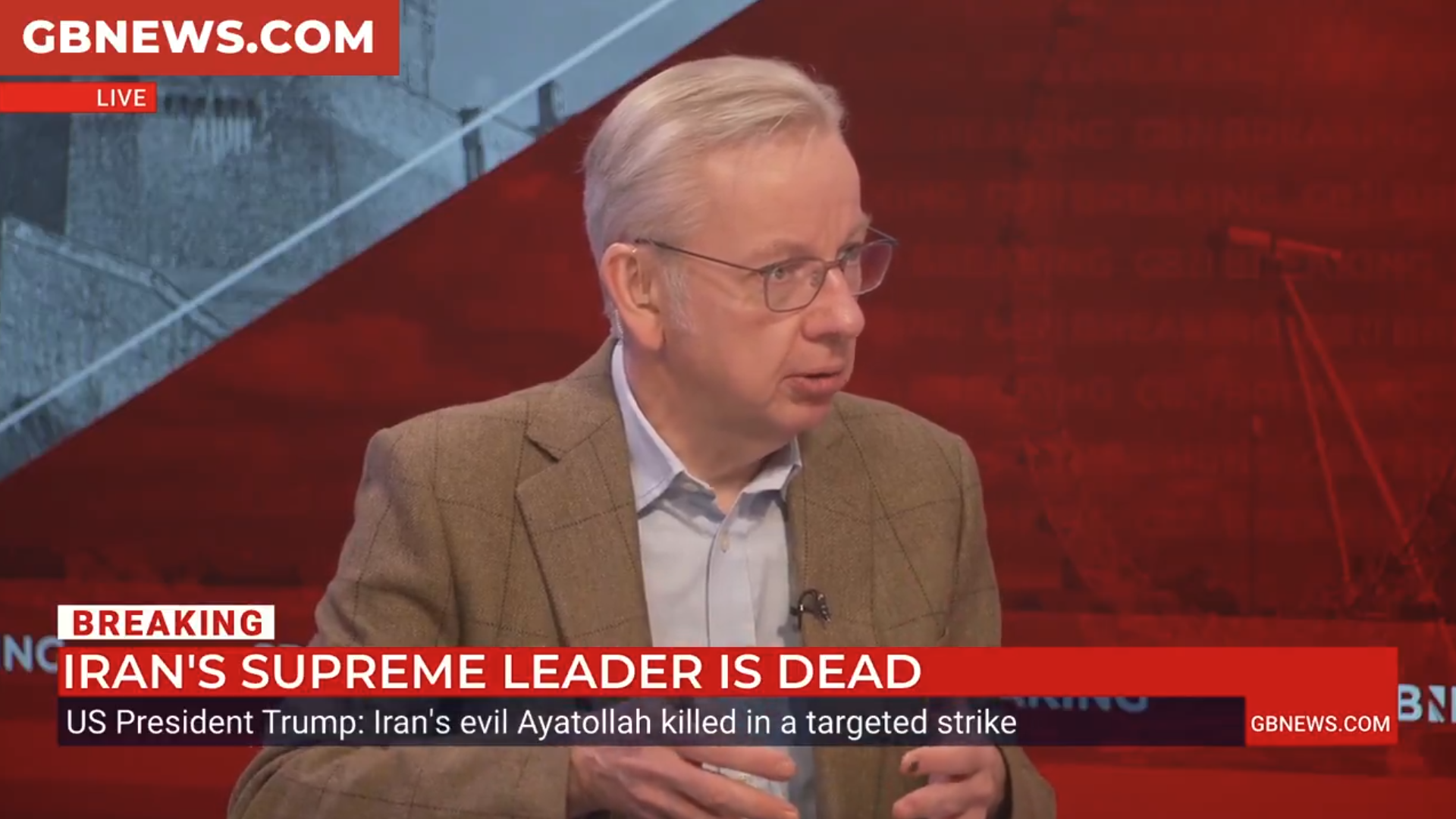
‘Keir Starmer is crippled because he is hock to international law.’
Editor of The Spectator Michael Gove weighs in on the Prime Minister’s response to the Iranian crisis, adding ‘he doesn’t know which way to jump’. pic.twitter.com/TAclEjh3SQ
— GB News (@GBNEWS) March 1, 2026
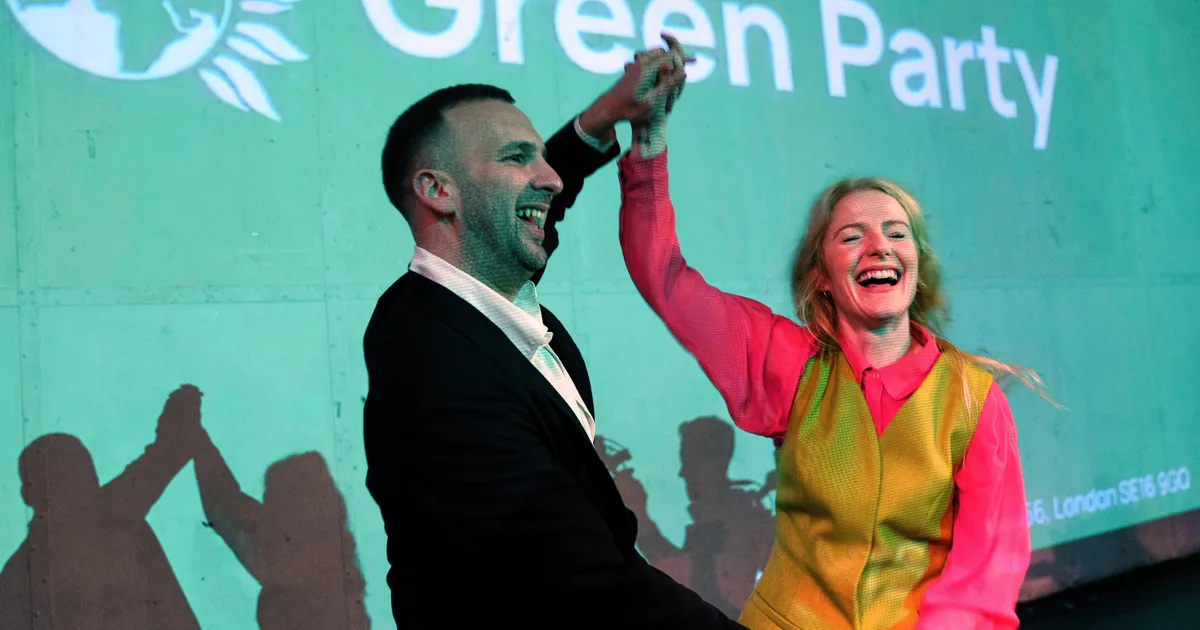
The Green Party’s membership has surged past 200,000 in the wake of their historic victory in the Gorton and Denton by-election.
Party bosses revealed the number of people joining has tripled from 68,000 last September, when Zack Polanski was elected leader.
Polanksi said the party’s latest milestone “is a political turning point”.
“Over 200,000 people have now joined a movement that refuses to accept managed decline, climate delay, or timid politics.
“Across the country, communities are choosing hope over fear and courage over compromise. The victory in Gorton and Denton shows what’s possible when we organise, when we speak clearly and when we stand unapologetically for climate justice, social justice and economic transformation.”
He added: “Let me be absolutely clear: Greens are not here to be disappointed by Labour, but to replace them.
“We will not wait politely for change; we are building it. This membership surge proves that the future of progressive politics belongs to the Greens.”
The Times reported in December that internal data showed Labour’s membership had fallen below 250,000.
Reform UK are currently Britain’s biggest political party, with a membership approaching 300,000.
Qualified plumber Hannah Spencer won Thursday’s by-election with a majority of nearly 4,500.
Reform UK came second, with Labour – which had held the seat with a majority of nearly 13,5000 – came third.
Politics
Politics Home | John Healey Warns UK Bases at Risk Of ‘Indiscriminate’ Strikes After Ayatollah Death

2 min read
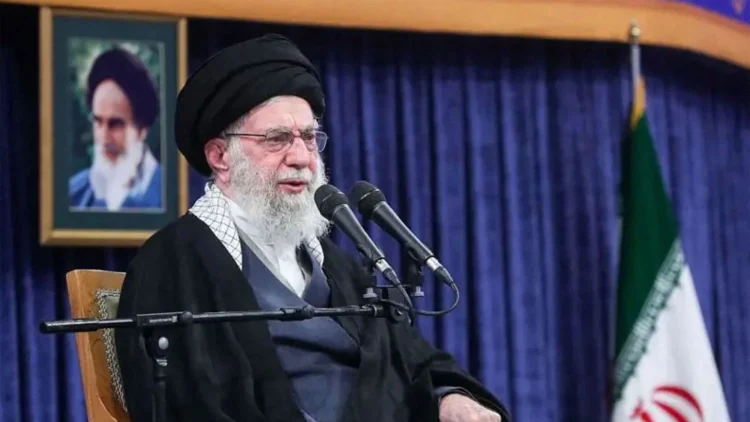
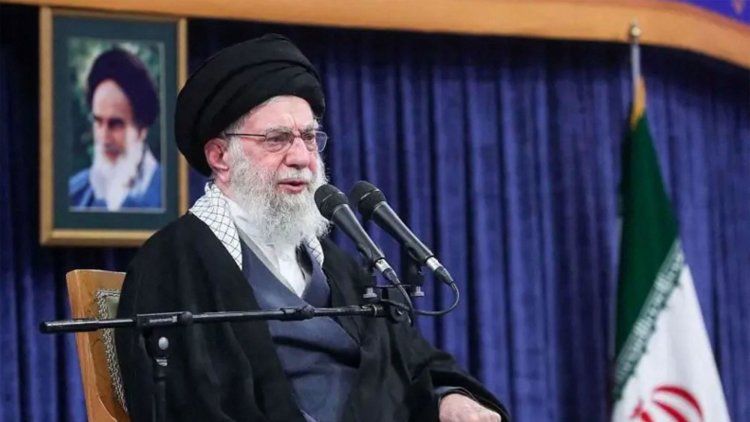
Iran’s Supreme Leader Ayatollah Ali Khamenei has been killed in a coordinated United States and Israeli military offensive.
Defence Secretary John Healey warned that Iran was “lashing out in an increasingly indiscriminate and widespread way” with retaliatory strikes that had endangered British forces and allies in the region.
The 86-year-old Ayatollah, who had ruled Iran since 1989, died on Saturday when precision missiles and aircraft struck his fortified Tehran compound as part of the joint assault targeting more than 500 military and strategic sites across the country.
U.S. President Donald Trump publicly announced the leader’s death, describing Khamenei as “one of the most evil people in history” and branding the operation as a decisive blow against what he called a “source of terror”, vowing that strikes would continue until U.S. objectives were met.
The Islamic Revolutionary Guard Corps (IRGC) vowed to “take a different and tough step of revenge” after promising to conduct “the most devastating offensive” in Iranian history.
Iran has retaliated with ballistic missile and drone attacks on U.S. military positions in the Gulf and infrastructure in allied states, while air-defence systems have been activated across the region. Explosions have been detected over Dubai, Doha, Bahrain, Iraq and Israel.
Healey said that “few people will mourn” Khamenei’s death, describing the Iranian regime as “a source of evil” responsible for internal repression and the export of terror, including threats to the UK.
Speaking to the BBC’s Laura Kussenberg, Healey said Britain is “on top of what’s necessary to keep [the public] safe, to reinforce regional stability, to prevent further escalation”. He refused to say if Britain could join the US-Israeli offensive.
Prime Minister Keir Starmer reaffirmed that Britain was not involved in the U.S.-Israeli strikes, condemning Iran’s retaliatory attacks he urged Tehran to “refrain from indiscriminate military strikes” and to return to diplomatic negotiations.
Starmer also spoke with President Trump on Saturday, discussing the unfolding crisis and clarifying the UK position on defensive operations in the Middle East. Both agreed that Iran must never be able to develop a nuclear weapon, reiterated the need to work closely amongst allies and partners to improve regional security.
British aircraft have been deployed for protective missions, but the Prime Minister reaffirmed that the UK was not a party to the offensive that killed Khamenei, emphasising international law and the need to avoid wider conflict.
It is 2026. Artificial intelligence can write your dissertation, generate your face, and compose a symphony in the style of Beethoven if Beethoven had grown up on SoundCloud. The metaverse exists. (Nobody’s in it, but it exists.)
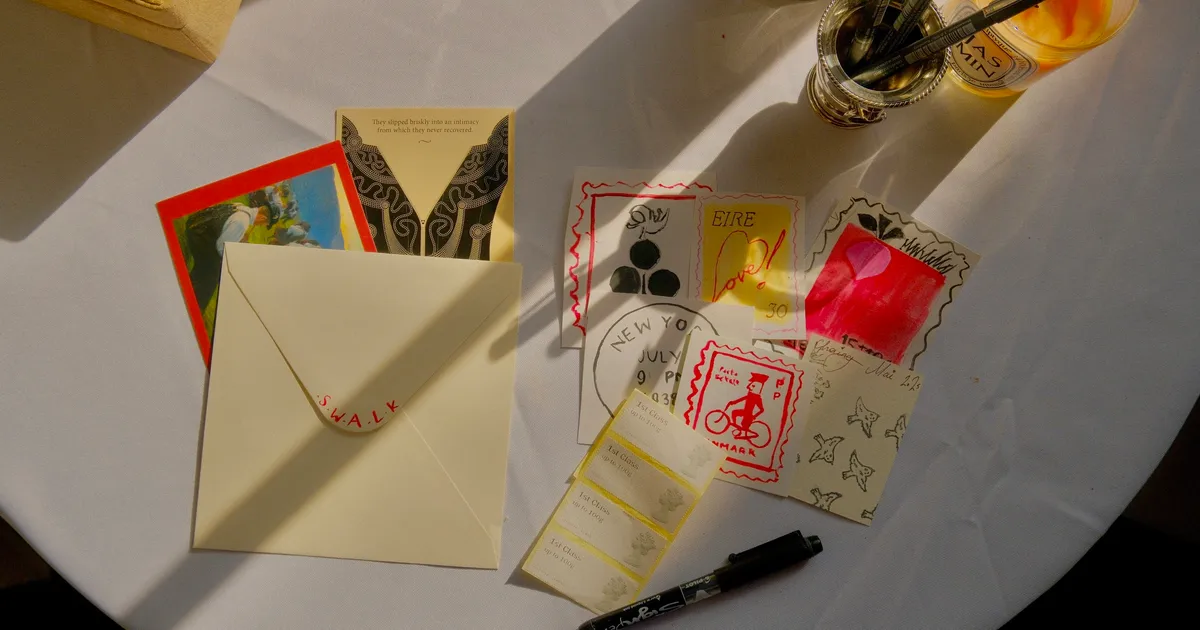
And Gen Z – digital natives, chronically online, the generation that essentially grew up inside a WiFi router – has decided that its preferred form of communication is to write something on paper, lick an envelope, and hand it to a stranger in a red van.
The stamp. The address. The three-week wait. The prayer.
Welcome to the most unexpected cultural trend of the decade: Gen Z has gone postal. The data is, frankly, deranged. Pinterest – which correctly predicted 88% of its 2026 trends and has half a billion monthly users, so we can’t just dismiss this as vibes – has reported searches for “penpal letters” up 35%, “handwritten letters” up 45%, and most importantly, “cute stamps” up a deeply unhinged 105%.
A quarter of Gen Z and millennial users say they are actively rediscovering letter-writing. One hundred and five percent more people are excited about stamps. Those tiny adhesive squares your granny hoards in a biscuit tin next to a broken calculator and some elastic bands.
So what’s going on? Why has a generation with AirDrop, WhatsApp, Snapchat, BeReal, iMessage, Instagram DMs, Signal, Telegram, and the ability to send a 47-second voice note whilst walking to Pret decided that actually, what they really want is to use the postal system?
A few reasons, it turns out. None of them are as simple as “they’re quirky.”
“I’d been doom-scrolling for about four hours,” says one 22-year-old graphic designer from London I spoke to. “I realised I hadn’t actually said anything to anyone. I’d consumed about four thousand opinions and contributed nothing. I felt like a ghost.”
She dug out a notebook, wrote three pages to her university friend in Edinburgh, and posted it on her lunch break. “It took her eleven days to write back. Eleven days where I just… didn’t know? And not-knowing felt weirdly healthy. Like I’d sent something into the world and let it go.”
Eleven days of not knowing. In an era where you can see exactly when someone has read your message, watch the three dots appear and disappear for twenty-two minutes, and infer the entire emotional state of another human being from the speed of their reply, the concept of simply not knowing whether someone got your letter is practically radical.
It is the anti-read-receipt. The anti-notification. The anti-everything.
And people find it a relief.
Here is what a letter categorically cannot do. It cannot be screenshotted and dropped into a group chat. It cannot be ratio’d. It cannot go viral. It cannot be fed into an algorithm that decides who sees it and when. Yes, someone could theoretically photograph it and upload it – but the very act would feel like a breach of the intimacy the letter assumes.
It arrives in one place, for one person, and exists entirely outside the attention economy’s jurisdiction. In an era where a private thought posted at the wrong moment can resurface years later to end a career, there is something quietly radical about a form of communication that leaves no searchable trace, no timestamp, and absolutely no engagement metrics.
“Everything I do online is data,” says a 24-year-old postgraduate student in Durham. “My letter isn’t data. It’s just a letter. Nobody’s going to serve me an ad based on what I wrote to my mate about his break-up. That feels like the bare minimum, but apparently it isn’t.”
He’s not wrong. For a generation whose digital behaviour was monetised since they were in nappies, the concept of communication that nobody is profiting from is, apparently, deeply appealing.
It also helps that the economics of being young in Britain right now are, for want of a better word, catastrophic. Under-30s in the UK now spend more than 30% of their income on rent – more than any other age group – while average rents have climbed £1,616 in a single year. Sixty percent of 18-24 year olds say the pressure to succeed has left them unable to cope. Nearly half report feeling financially insecure.
When you can’t control your rent, your job prospects, or the general direction of civilisation, you can control whether you lick a stamp. A stamp costs £1.35. A piece of paper costs virtually nothing.
And the letter, once sent, belongs entirely to you and the person who receives it, a sealed object travelling through the physical world at its own unhurried pace, indifferent to the algorithm and immune to the ratio.
This is not nostalgia. These are people in their early twenties. They do not remember a world before smartphones. They are not longing for a simpler time they once lived through. They are making a deliberate, rational choice to opt out of a system that has consistently promised connection and delivered anxiety instead.
The metaverse, it turns out, promised a world without limits and produced a space that nobody actually wanted to spend time in. Social media promised community and delivered comparison. The smartphone promised freedom and became, for a significant portion of its users, a documented source of psychological harm.
So they’re writing letters. They’re also buying vinyl, joining running clubs in record numbers, and cooking elaborate meals on a Tuesday evening for absolutely no reason except that it takes an hour and requires both hands and therefore cannot be done while also watching a million 15 second videos. It is all the same impulse: find something that demands your full presence and returns something tangible. Find something that is yours.
Before we get too misty-eyed, it is worth asking whether this is accessible to everyone. Nice stationery costs money. The Pinterest aesthetic, wax seals, vintage stamps, handmade paper, presumably a single artisan candle burning in the background – is not free.
The young person working two jobs with an hour commute each way is not, in all likelihood, sitting down with a fountain pen and a fresh pot of Earl Grey. The trend skews, as these things tend to lean toward people who can afford to be intentional about their consumption.
Fair criticism. But a stamp is £1.35 and paper is practically free, and the impulse behind it, wanting something slow, private, and entirely your own – is not a luxury. It belongs to anyone tired enough to want out of the performance, even briefly. And tiredness, right now, is extremely democratically distributed.
As one cultural commentator put it recently: ”The girls are going analog in 2026.” It reads like a joke. It is, in fact, a data point – and one that says rather a lot about what it feels like to be young right now.
The algorithm can have the rest. The letter is mine.
One of the more disturbing legal cases in recent years has finally been brought to a close. The Crown Prosecution Service’s year-long persecution of Hamit Coskun for burning a copy of the Koran ended in failure at the High Court on Friday. After effectively and repeatedly attempting to punish Coskun for blasphemy, the CPS has finally been sent packing.
It is a rare win for free speech. But the very fact prosecutors were so desperate to convict Coskun, and effectively reintroduce blasphemy laws by the backdoor, should worry us all. In any truly secular and democratic society, Coskun should never have been collared by the authorities in the first place.
It is worth looking at the case in a bit more detail. Coskun arrived in England from Turkey in 2022 as a political asylum seeker. As an Armenian Kurd born and raised in Turkey, he had fled persecution at the hands of the Turkish authorities, and the increasingly theocratic Turkish president, Recep Tayyip Erdoğan.
After his arrival in England, Coskun watched on from afar as Erdoğan eroded secularism and drove Turkey in an Islamist direction. By the beginning of last year, he had had enough. And so, on the afternoon of 13 February, he travelled to the Turkish consulate in Knightsbridge, west London, to make a pointed protest.
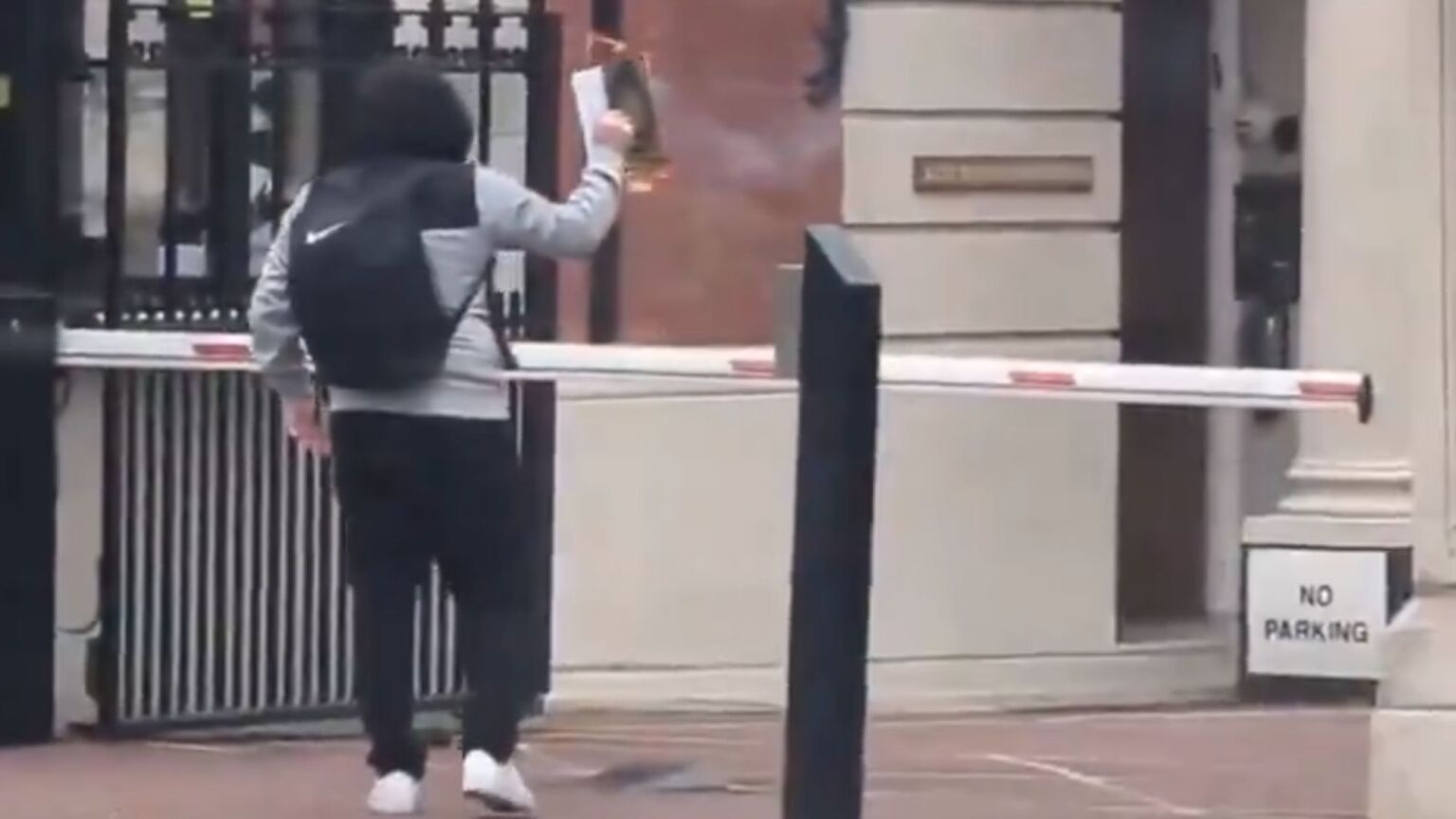
Nothing much happened initially. Coskun set fire to a Koran he had brought with him, and waved it in the direction of the consulate. According to witnesses, he shouted ‘Fuck Islam’ and ‘Islam is the religion of terrorism’. But no one, at first, paid him much attention.
Coskun’s protest would probably have gone unnoticed, were it not for the actions of Moussa Kadri, a 59-year-old Muslim who owned a nearby corner shop. As a recording of the encounter shows, Kadri first rushes towards Coskun, exchanges a few words with him, before disappearing into a nearby building. Minutes later, he returns with a large bread knife. He starts swinging it at Coskun, telling him that he is ‘going to kill’ him, leading Coskun to fall over. Kadri then proceeds to kick him and spit on him while he is prostrate on the ground.
Shortly after this ordeal, another nightmare began – Coskun himself was prosecuted for ‘religiously aggravated disorderly behaviour’. In June, he was convicted in Westminster Magistrates’ Court and fined £240. Disturbingly, the magistrate said Coskun’s assault was proof of how ‘provocative’ his actions had been.
Kadri, on the other hand, was treated almost deferentially. At Southwark Crown Court in September, the judge almost came close to justifying the actions of Coskun’s attacker, saying he had been ‘deeply offended’ by Coskun’s desecration of the ‘Holy Koran’. After pleading guilty to common assault and possessing a knife in public, Kadri was given a suspended sentence and ordered to pay a paltry £150 victim surcharge.
Coskun appealed his conviction, which was rightly overturned in Southwark Crown Court in October. Given blasphemy laws were abolished in England and Wales in 2008, it was a relief to read Justice Bennathan’s judgement:
‘There is no offence of blasphemy in our law. Burning a Koran may be an act that many Muslims find desperately upsetting and offensive. The criminal law, however, is not a mechanism that seeks to avoid people being upset, even grievously upset.’
Yet it seems the CPS didn’t like this verdict one bit. It proceeded to spend hundreds of thousands of taxpayers’ money trying to overturn it and re-convict Coskun. It goes without saying that the CPS had no issue with Kadri’s stunningly lenient sentence.
Any relief at the High Court’s decision this week should therefore be tempered by the actions of the CPS. It should have been acting according to the law, and the secular principles of British society. But instead, it appeared set on convicting Coskun of what amounts to blasphemy.
It is a grim irony that one of the reasons Coskun fled Turkey was precisely because of its lack of religious freedom. ‘I fled to England to flee sectarian politics. Now… I fear it’s followed me here’, Coskun said this week. These words ought to shame a tolerant, supposedly secular nation such as ours.
Hugo Timms is a staff writer at spiked.

Afghan forces fire on Pakistani jets over Kabul as tensions between South Asian neighbours escalate

Crude oil prices to cross $100? What experts predict after US, Israel attack on Iran

Bitcoin Bounces Back Mildly After Iran Conflict Sends Crypto Markets into a Sharp Sell-Off


-

 Sports6 days ago
Women’s college basketball rankings: Iowa reenters top 10, Auriemma makes history
-

 Fashion2 days ago
Weekend Open Thread: Iris Top
-

 Politics6 days ago
Nick Reiner Enters Plea In Deaths Of Parents Rob And Michele
-

 Business5 days ago
True Citrus debuts functional drink mix collection
-

 Politics2 days ago
ITV enters Gaza with IDF amid ongoing genocide
-
Sports1 day ago
The Vikings Need a Duck
-

 Crypto World5 days ago
XRP price enters “dead zone” as Binance leverage hits lows
-

 Tech7 hours ago
Unihertz’s Titan 2 Elite Arrives Just as Physical Keyboards Refuse to Fade Away
-

 Business7 days ago
Mattel’s American Girl brand turns 40, dolls enter a new era
-

 Tech5 days ago
Unsurprisingly, Apple's board gets what it wants in 2026 shareholder meeting
-
 NewsBeat18 hours ago
Dubai flights cancelled as Brit told airspace closed ’10 minutes after boarding’
-

 Business7 days ago
Law enforcement kills armed man seeking to enter Trump’s Mar-a-Lago resort, officials say
-

 NewsBeat3 days ago
Cuba says its forces have killed four on US-registered speedboat | World News
-
 NewsBeat23 hours ago
The empty pub on busy Cambridge road that has been boarded up for years
-
 NewsBeat4 days ago
Manchester Central Mosque issues statement as it imposes new measures ‘with immediate effect’ after armed men enter
-
 NewsBeat6 days ago
‘Hourly’ method from gastroenterologist ‘helps reduce air travel bloating’
-

 Tech7 days ago
Anthropic-Backed Group Enters NY-12 AI PAC Fight
-

 NewsBeat14 hours ago
Abusive parents will now be treated like sex offenders and placed on a ‘child cruelty register’ | News UK
-

 NewsBeat7 days ago
Armed man killed after entering secure perimeter of Mar-a-Lago, Secret Service says
-

 Politics7 days ago
Maine has a long track record of electing moderates. Enter Graham Platner.