Anthropic’s chatbot Claude seems to have benefited from the attention around the company’s fraught negotiations with the Pentagon.
As first reported by CNBC, as of Saturday afternoon, Claude is currently ranked number two among free apps in Apple’s US App Store — the number one app is OpenAI’s ChatGPT, and number three is Google Gemini.
According to data from SensorTower, Claude was just outside the top 100 at the end of January, and has spent most of February somewhere in the top 20. Its ranking has climbed in the last few days, from sixth on Wednesday to fourth on Thursday to second on Saturday (today).
After Anthropic attempted to negotiate for safeguards preventing the Department of Defense from using its AI models for mass domestic surveillance or fully autonomous weapons, President Donald Trump directed federal agencies to stop using all Anthropic products and Secretary of Defense Pete Hegseth said he’s designating the company a supply-chain threat.
So much for that quiet retirement. Just 14 months after selling off the entire Dutton Ranch bar the East Camp in order to spend quality time with Monica (Kelsey Asbille) and Tate (Brecken Merrill), Kayce Dutton is giving it all up home for high-stakes shootouts with gangs, cartels and race warriors.
Either Luke Grimes just really wanted a spinoff of his own, or Taylor Sheridan had a bombshell up his sleeve this whole time. We don’t know how much time has passed since the end of Yellowstone, but the character pivot comes as a major twist regardless, and that’s not the only surprising thing about Marshals.
From the looks of it, the Yellowstone sequel is much more akin to Lioness and Sicario than the series that spawned it.
Advertisement
Tempted? Walmart+ members get Paramount Plus for free, which means you can watch Marshals without paying a cent in the United States. No messy sign-ups or plot holes. Details below…
How to watch Marshals free
Use a VPN to access Marshals from anywhere
NordVPN is the best VPN we’ve tested. Our in-house expert Mike rates it above all others thanks to its streaming capabilities, security and price.
Advertisement
Nothing works as well as Nord when it comes to unblocking streaming platforms.
The sign-up process only takes a minute – and NordVPN costs less than $3/£2.50 a month with our mega-deal below.
If you’re determined to watch Marshals without paying a penny but you’re away from the US when it’s on, combine the Walmart/Paramount free trial with the Surfshark free trial below! Don’t forget to cancel before the free trials end.
2. Connect to a server based in USA (e.g. New York).
Advertisement
3. Fire up Paramount+ or Walmart+. Pro tip: try it in Chrome’s Incognito mode and it should be plain-sailing.
4. Sign up to to Paramount ($8.99) or Walmart (free trial) to catch Marshals for free. Use a Paramount Plus gift card if you don’t have a credit card.
5. Watch Marshals at no cost.
Advertisement
Conclusion
“Montana’s been infiltrated by the most violent criminal network in this hemisphere,” declares Harry Gifford (Brett Cullen) in the Marshals trailer.
The spin-off looks like a dramatic change of tack for Kayce Dutton, and not just because of the Yellowstone finale. Marshals is being billed as a procedural, which suggests a case-of-the-week format.
After he helps an old Navy SEAL teammate track down a bomber, Kayce is recruited by an elite unit of US Marshals. There’s some gentle ribbing over his signature cowboy hat, but he takes no time to settle in and is soon blasting away bad guys.
While it doesn’t appear to be quite as chest-thumpingly pro-US government as Sheridan’s Lioness, it’s still slightly jarring to see Kayce recast so overtly as the establishment man.
Advertisement
“Building walls shuts out the people that you care about,” says Pete Calvin (Logan Marshall-Green), to which Belle Skinner (Arielle Kebbel) responds, “They’re not walls – they’re shields.”
If you’ve missed the Duttons and are keen to check it out, now’s the perfect time to dive into the latest entry in the Yellowstone portfolio, and this might be the smartest – and cheapest – way of doing it.
You may also be interested in…
We test and review VPN services in the context of legal recreational uses. For example: 1. Accessing a service from another country (subject to the terms and conditions of that service). 2. Protecting your online security and strengthening your online privacy when abroad. We do not support or condone the illegal or malicious use of VPN services. Consuming pirated content that is paid-for is neither endorsed nor approved by Future Publishing.
We spend hours testing every product or service we review, so you can be sure you’re buying the best. Find out more about how we test.
Kodak Snapic A1: one-minute review
The Kodak Snapic A1 is a 35mm analog film camera designed and manufactured by Hong Kong-based Reto Production – the same company behind other licensed Kodak analog models like the Ektar H35N and Charmera. Priced from just $99, it’s one of the more affordable ways to dip your toes into the world of film photography, and it comes loaded with enough retro charm to justify that novelty appeal.
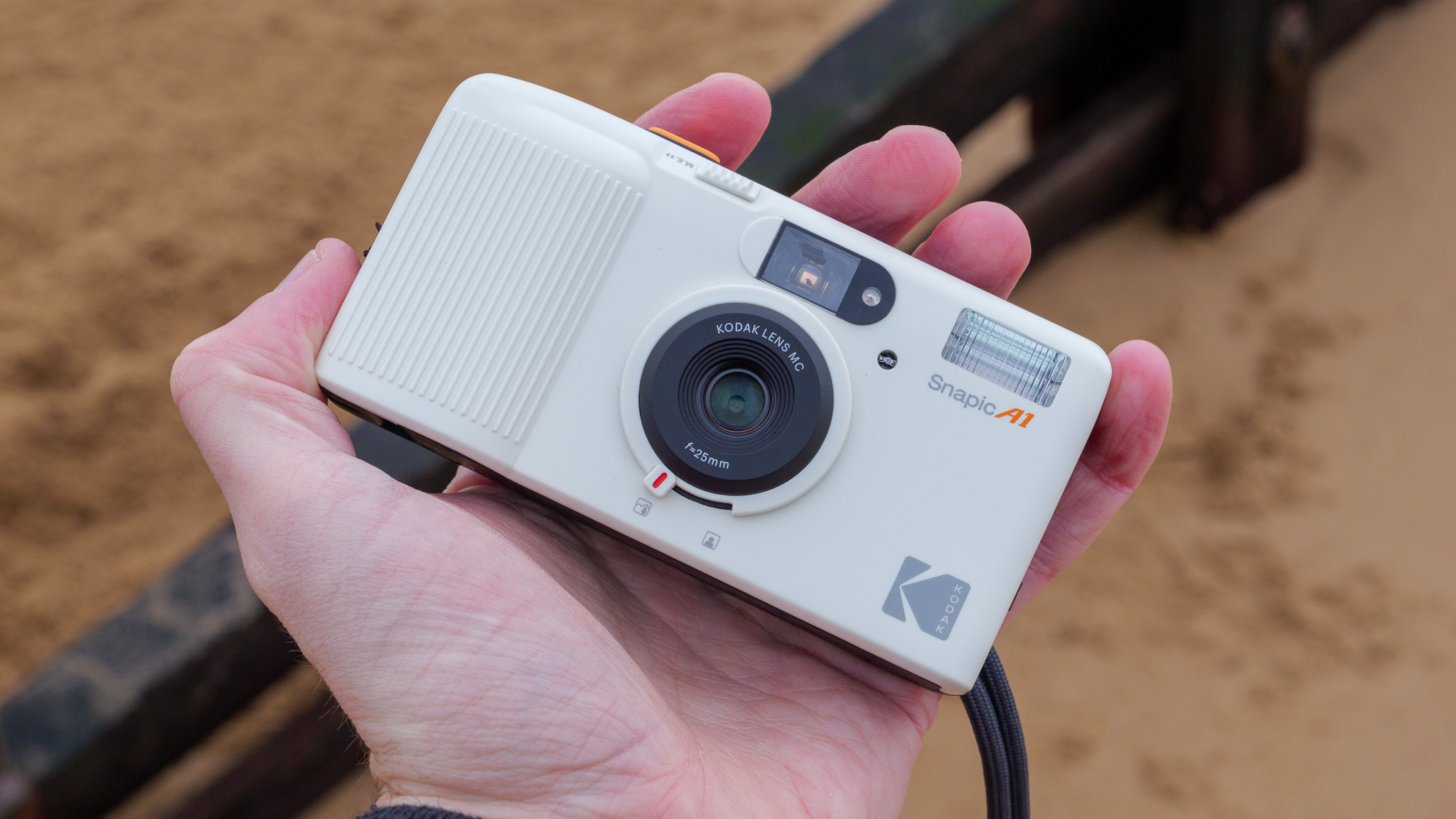
The design is immediately striking. Available in off-white or dark gray, the clean-lined plastic body has just enough Kodak orange on the shutter button and logo to feel authentically branded without going overboard. It’s a look that calls to mind the retro-futuristic aesthetic of classic science fiction movies rather than a straightforward throwback, and in my book that’s a good thing. It slipped into my jacket pockets with ease, and the included neck strap and protective pouch are welcome additions that more budget-focussed cameras often skip.
Advertisement
Feature-wise, you get a three-element glass lens at 25mm with a fixed f/9.5 aperture and 1/100s shutter speed. There are two manual focus settings, plus an auto flash with red-eye reduction, automatic film advance and rewind, and a double-exposure shooting mode. A small but practical OLED panel on top displays battery life, remaining exposures, and current settings. It’s basic by design, but thoughtfully put together.
(Image credit: Future | Sam Kieldsen)
In good outdoor light, I found that the Snapic A1 delivers characterful, grainy 35mm shots with that all-important analog look. Vignetting and some chromatic aberration are present, but these feel like features rather than flaws. Indoors, however, the flash struggles; it lacks the reach and power to properly illuminate subjects beyond a few feet, making indoor shots a more hit-or-miss experience, particularly with slower film.
The main practical gripes are minor but worth flagging. The Mode button sits awkwardly on the left edge of the top plate, and it’s easy to accidentally trigger it depending on how you hold the camera. There’s also no lens cap, which makes the pouch essential rather than optional. And while the price is genuinely affordable for the hardware, film and processing costs ramp up fast. A single 36-exposure roll and a set of digital prints can run close to $40 / £30, meaning the ongoing cost of ownership is considerably higher than buying the camera itself.
Advertisement
Taken as a whole, I think the Kodak Snapic A1 is a fun, well-designed entry point into analog photography – and one of the best new film cameras for the money. It won’t satisfy anyone looking for creative control or technical precision, but for casual shooters who want a stylish, pocketable film camera that just works, it hits the mark at a price that’s hard to argue with.
Kodak Snapic A1: price and availability
$99 / £99 / AU$179
Ongoing costs of 35mm film and processing
The Kodak Snapic A1 is available to buy now, and refreshingly cheap at just $99 / £99 / AU$179.
Sign up for breaking news, reviews, opinion, top tech deals, and more.
Advertisement
Also supplied in the box are two handy accessories: a soft microfiber drawstring pouch for keeping the camera protected when not in use, and a corded strap that’s long enough to fit around the user’s neck or shoulder. Kodak could have shipped this with just a tiny wrist strap, so I was impressed with the extras.
You will, however, need to supply your own batteries (2 x AAA), and there are the added costs of 35mm film, its development and potential printing to consider as well. This can quickly add up: buying a roll of 36-exposure Kodak ColorPlus film and getting some medium-quality digital prints costs me almost £30 in the UK (around $40 / AU$ 57). So, despite the affordability of the hardware, the Snapic A1 isn’t a particularly cheap camera to own.
(Image credit: Future | Sam Kieldsen)
Kodak Snapic A1: specs
Swipe to scroll horizontally
Format:
Advertisement
35mm
Lens:
25mm f/9.5
Focus:
Advertisement
0.5m to infinity (two-stage)
Flash:
Built in
Exposure:
Advertisement
Auto
Battery:
2x AAA
Viewfinder:
Advertisement
Optical, direct vision
Size:
118 x 62 x 35mm, 120g
Advertisement
Kodak Snapic A1: design
Small, stylish and built from sturdy plastic
Just 120g in weight and 118 x 62 x 35mm in size
Film is easy to load thanks to large rear door and auto wind
The top plate’s OLED panel is a clever and very useful touch. (Image credit: Future | Sam Kieldsen)
Kodak (or Reto, to be precise) has kept things pleasingly nostalgic with the styling. The camera body is ABS plastic but built to nice sturdy standards, and its clean lines and ivory white front (it’s also available in a dark gray color finish), with a couple of flashes of classic Kodak orange on the shutter button and logo, bring to mind the retro-futuristic production design of something like 2001: A Space Odyssey. It’s not just another 1950s or 60s-esque camera, and I really like that.
At under 120g and just 118 x 62 x 35mm in size, the camera is genuinely pocket-sized and I found it very easy to bring along to social events and out on hikes. There’s no lens cap to protect the glass front element, which makes the included protective pouch all the more valuable.
While the Snapic A1 is fairly bare-bones in terms of features and functions, it does have some interesting design touches. By flicking a switch underneath the lens, for instance, I could toggle between close-up (0.5 to 1.5m) and far-off (1.5m to infinity) focus. And, up on top, there’s an OLED panel that provides at-a-glance info on remaining exposures, battery life and the current flash and focus settings. It’s monochrome and tiny, but easy to read and perfectly equipped for its job.
(Image credit: Future | Sam Kieldsen)
My main gripe with the design is the placement of the Mode / M.E. button, which sits right on the left edge of the top plate, curving around to the left side of the camera. Often, when I was gripping the camera and about to take a shot, my left forefinger would hit this button and change the shooting mode. Depending on how you hold the camera, this may never become an issue for you, but it forced me to adjust the way I took photos, which I found a little annoying.
Advertisement
Getting film in and out of the camera is easy thanks to a large, easy to open rear door that provides plenty of room to work. There’s a tiny plastic window on the door so that you can instantly see whether or not any film is inside. And, in a nice user-friendly touch, film winds on automatically between shots and will fully rewind once a roll is complete.
Kodak Snapic A1: performance
Strong, characterful 35mm photos
Flash isn’t particularly powerful
Solid battery life
Most cheap 35mm cameras use plastic lens elements, but the Kodak Snapic A1 has a three-element glass lens. It has a wide-angle 25mm focal length and a rather narrow fixed aperture of f/9.5, along with a fixed shutter speed of 1/100s.
There’s the two-stage manual focus I mentioned above, as well as a flash (which can be set to automatic, on or off, and has a red-eye reduction mode), but other than that there’s no way to control your exposures. This is very much a point-and-shoot camera, and while that’s not necessarily a bad thing – simplicity is welcome – it does mean you need to know its limits if you want to get the best out of it.
Image 1 of 1
Advertisement
(Image credit: Future | Sam Kieldsen)
I shot using Kodak ColorPlus 200 speed film, with which the camera performs well outdoors in the daytime. I managed to capture some striking snaps that I’m very happy with, and I love the grainy look of those images. Indoors, however, I found that the flash doesn’t have the reach or power to illuminate subjects more than a few feet away. It may fare better with 800 or 1600 speed film, of course, but in my experience my most successful indoor shots were all close-up portraits, where the flash could do its job properly.
Are the Snapic A1’s photos “high quality” by today’s standards? Not really – if you pull out a 10-year-old smartphone it’ll take sharper, cleaner images than these; there’s noticeable vignetting around the edges, particularly in the corners, and some chromatic aberration too.
Image 1 of 8
(Image credit: Future | Sam Kieldsen)
(Image credit: Future | Sam Kieldsen)
(Image credit: Future | Sam Kieldsen)
(Image credit: Future | Sam Kieldsen)
(Image credit: Future | Sam Kieldsen)
(Image credit: Future | Sam Kieldsen)
(Image credit: Future | Sam Kieldsen)
(Image credit: Future | Sam Kieldsen)
But I don’t think quality is ever really the point with a cheap 35mm camera – the look and feel of analog photos can’t easily be replicated by digital filters and algorithmic tweaking, and you buy an old-fashioned camera like this for, ironically, the novelty of shooting on film. Yes, its photos aren’t noise-free or razor-sharp edge-to-edge, but they have real texture and character.
If you do want to get a little more creative, the Snapic A1 can capture double exposures – just hold down the Mode button to select it, and the OLED panel will make it clear whether you’re shooting the first or second exposure.
(Image credit: Future | Sam Kieldsen)
Battery life feels pretty solid to me. After shooting a 36-exposure roll of film on the camera, the battery indicator still showed as full, and according to Kodak users should be able to shoot around 10 rolls of 24-exposure film on a single pair of AAA alkaline batteries. Your mileage, of course, may vary depending on which batteries you’re using and how frugal you are with the flash.
Advertisement
Should you buy the Kodak Snapic A1?
(Image credit: Future | Sam Kieldsen)
Buy it if…
Don’t buy it if…
Advertisement
Also consider
How I tested the Kodak Snapic A1
Used over a few weeks in different lighting conditions, indoors and outside
Tested with Kodak ColorPlus 200 film
Film sent to Analogue Wonderland for processing and development
Testing a film camera is a much slower process than reviewing a digital camera, because you can’t look at the photos right away. In fact, I reviewed the Kodak Snapic A1 (a sample of which was sent to me by a PR rep) over a period of well over a month, taking it with me to various parties, hikes and events and snapping a photo or two until my 36-exposure roll of Kodak ColorPlus 200 film was spent.
I made sure to use the camera in all kinds of conditions – indoors and outdoors, day and night, bright and overcast – testing out the flash and focus controls.
I then sent the film to UK-based online film retailer and developer Analogue Wonderland for processing. They created digital scans for me to download – I opted not to pay extra for physical prints.
After both vivo and OPPO played around with their Pro flagships and made people rethink what smartphone photography is, Xiaomi has basically said, “without us?” That’s because the Chinese smartphone maker launched two phones yesterday, the Xiaomi 17 and the 17 Ultra, at the Mobile World Congress happening in Barcelona. While both phones look standard on the outside, Xiaomi has done extensive rework on its cameras. The headline feature is a new LOFIC-based 1-inch sensor on the Ultra, promising next-gen HDR and video performance that could rival that of the iPhone.
Xiaomi 17 Ultra: 1-Inch LOFIC Sensor and 200MP Zoom
The Xiaomi 17 Ultra is easily the headline act here. It is also the thinnest and lightest Ultra device Xiaomi has made so far, measuring 8.29mm thick and weighing just over 218g. It protected Xiaomi’s Guardian Structure, which includes Xiaomi Shield Glass 3.0 with improved drop resistance, a high-strength fiberglass back, an aluminum alloy frame, and an IP68 rating.
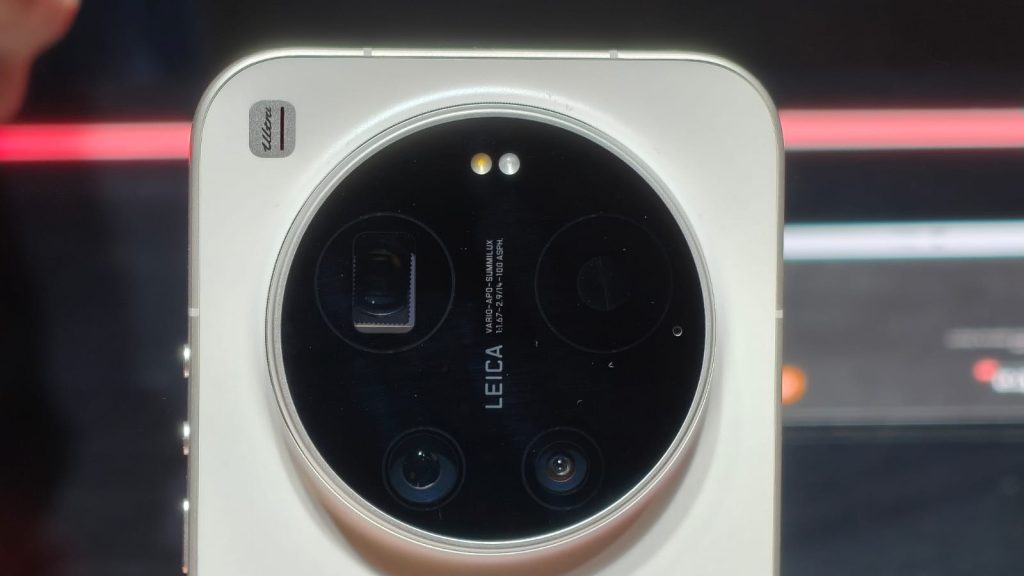
But the real story is the camera system. The Ultra introduces Xiaomi’s first 1-inch LOFIC main camera sensor, called the Light Fusion 1050L. LOFIC technology improves full-well capacity, enabling significantly better HDR performance and dynamic range. In simple terms, it should handle tricky lighting scenes far better than previous generations.
There’s also a Leica 200MP telephoto camera with a 75–100mm mechanical optical zoom. Xiaomi claims it maintains high image quality across the zoom range and can extend to a 400mm-equivalent focal length using advanced sensor tech. That’s serious reach for a smartphone. On the video side, the Xiaomi 17 Ultra supports Dolby Vision and ACES Log recording at up to 4K 120fps on both the main and telephoto cameras, positioning it as a true hybrid tool for creators.
Xiaomi 17: Compact Flagship With Big Ambitions
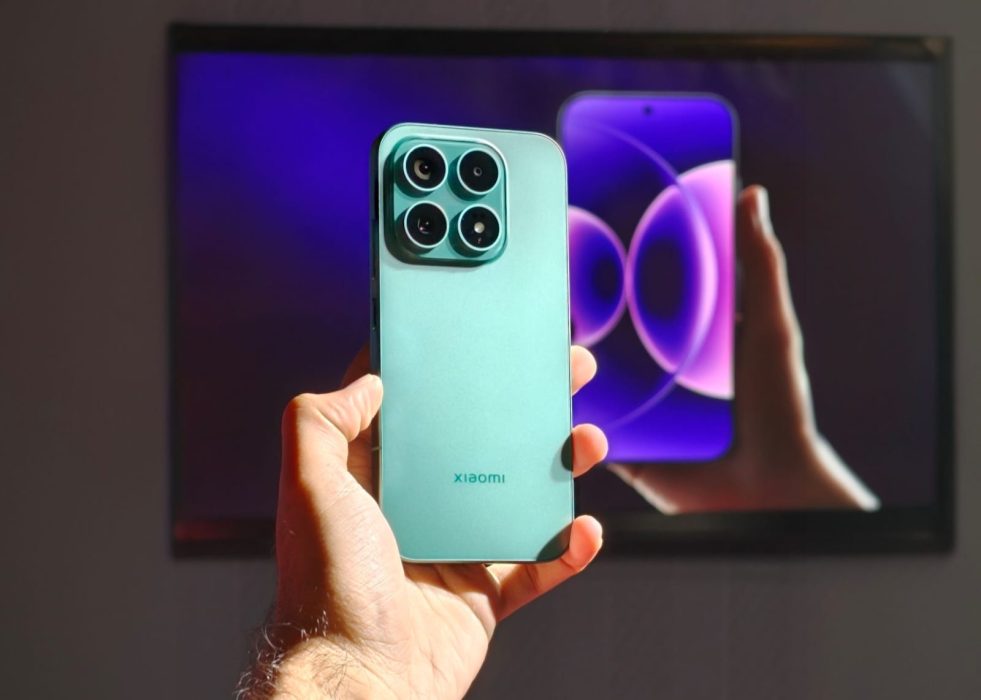
The standard Xiaomi 17 is slimmer at 8.06mm and lighter at 191g, but still packs serious hardware. It features a 1/1.31-inch Light Fusion 950 sensor with 2.4μm 4-in-1 Super Pixel technology, delivering strong dynamic range in varied lighting conditions.
It also includes a Leica 60mm floating telephoto lens that supports portrait photography, macro at 10cm, and up to 20x AI-assisted zoom. On the front, there’s a new 50MP selfie camera with improved autofocus. Like the Ultra, it supports 4K 60fps Dolby Vision and Log recording, making it suitable for creators who prefer a more compact device.
Advertisement
Snapdragon 8 Elite Gen 5 & Big Batteries
Powering the Xiaomi 17 Series is the Snapdragon 8 Elite Gen 5 Mobile Platform, paired with the latest Qualcomm Oryon CPU, Adreno GPU, and Hexagon NPU. Xiaomi says the chip is optimized for heavy tasks like rapid photo capture, gaming, and multitasking, and we will put these claims to the test once we get our hands on the phone.
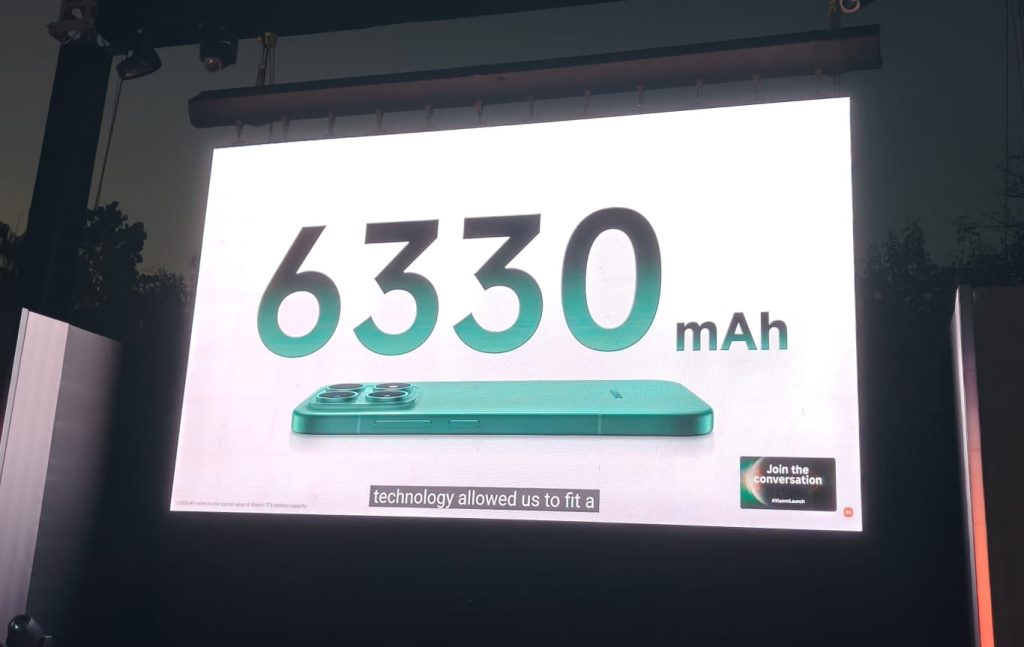
Battery life, however, is where things get a bit confusing. Somehow, the bigger Xiaomi 17 Ultra packs a 6000mAh battery with 90W wired and 50W wireless HyperCharge, while the smaller Xiaomi 17 goes even bigger with a 6330mAh battery and supports 100W wired and 50W wireless charging.
India Launch?
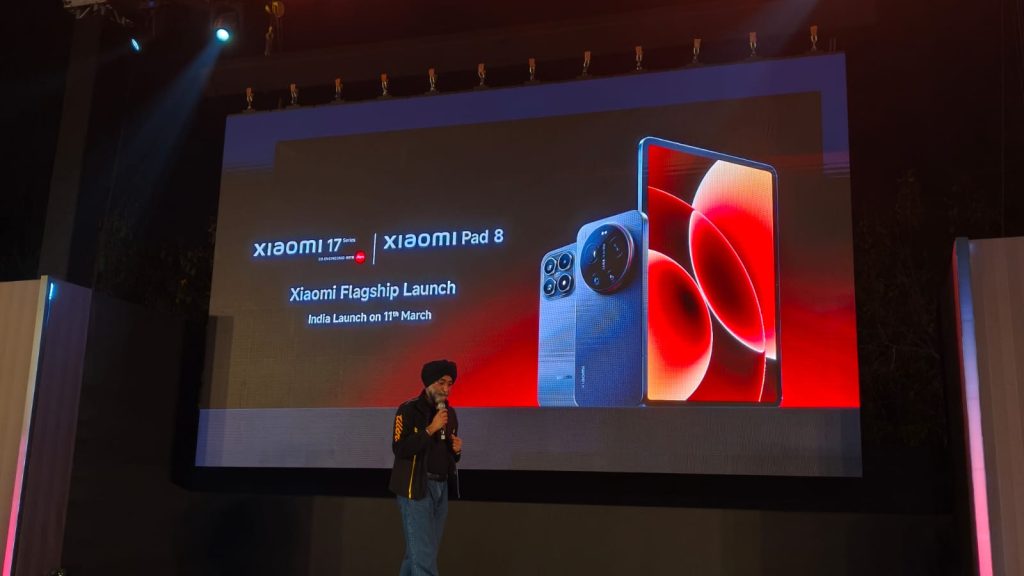
At the Xiaomi 17 series watch party yesterday, the company confirmed that both phones are headed to India on March 11th. Pricing is still under wraps, but given the price increase in European markets, these phones will cost a pretty penny.
Xiaomi and Leica’s Leitzphone wowed me with its incredible photography skills and fancy physical settings wheel, but it’s not the only exciting phone the company launched at this year’s MWC. The base Xiaomi 17 Ultra has many of the Leitzphone’s impressive specs but strips back some of the Leica stuff to be, well, more like a regular phone.
It has the same potent Qualcomm Snapdragon 8 Elite Gen 5 processor, 6.9-inch display and 6,000-mAh battery. The camera hardware is identical too, with the main camera using the same large LOFIC image sensor and the telephoto zoom using moving lens elements for continuous optical zoom. It’s an extremely potent camera setup — I absolutely love the images I’ve taken with it.
So what’s different between this and the Leitzphone? It lacks the physical control wheel around the camera unit for one thing. Though I did enjoy using the dial, especially when I set it to control the exposure compensation, it’s absolutely not a dealbreaker that the 17 Ultra lacks it. There are no Leica color profiles in the camera app that let you mimic the tones you get from Leica’s regular standalone cameras. This is a shame as I adore the look of many of these profiles — especially Leica Chrome — but that’s just one man’s opinion. You may very well never miss them.
Advertisement
The base Ultra doesn’t have the custom black-and-white Leica Android interface either, but I don’t really like it anyway, as I struggle to tell which app is which without proper color cues.
The Photos I’ve Taken on Xiaomi’s Leica Phone Are Some of My Best Ever
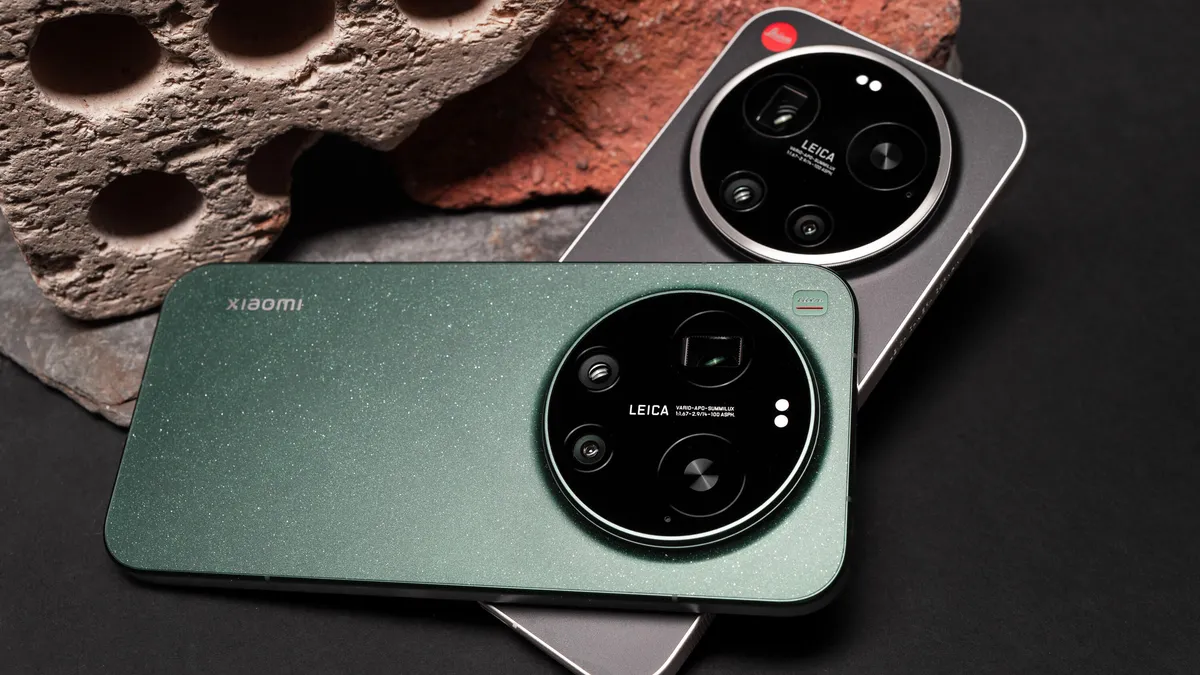
Physically, the Xiaomi 17 Ultra forgoes the Leica red dot logo on the back and the “Leica Camera Germany” etching on the side, which is no big deal if you’re not a Leica fan. Instead of being minimalist black and silver, the 17 Ultra comes in a sparkly, deep green tone that I really like. It reminds me of a fancy kitchen work surface. I honestly mean that as high praise.
The 17 Ultra is ostensibly the same phone as the Leitzphone; it’s just less in-your-face about its Leica credentials. It also comes at a lower price: £1,299 in the UK instead of the £1,699 you’ll need to shell out for the Leica model. Neither phone will be officially offered in the US, but for reference, those prices convert roughly to $1,750 and $2,290.
Is that extra £400 worth it? Well, if you’re a real photo nerd like me and love the idea of having a Leica product in your pocket, then sure. The control wheel and Leica color profiles do make for a superb photography experience. But the base model is still an incredible camera, and that sparkly green design really is lovely.
Advertisement
Watch this: A ‘Robot Phone,’ New Smart Glasses and 6G? Previewing MWC | Tech Today
Greg Kroah-Hartman has updated the projected end-of-life (EOL) dates for several active longterm support kernels via a commit. The provided reasoning? It was done “based on lots of discussions with different companies and groups and the other stable kernel maintainer.” The other maintainer is Sasha Levin, who co-maintains these Linux kernel releases alongside Greg. Now, the updated support schedule for the currently active LTS kernels looks like this:
— Linux 6.6 now EOLs Dec 2027 (was Dec 2026), giving it a 4-year support window.
— Linux 6.12 now EOLs Dec 2028 (was Dec 2026), also a 4-year window.
Advertisement
— Linux 6.18 now EOLs Dec 2028 (was Dec 2027), at least 3 years of support.
Worth noting above is that Linux 5.10 and 5.15 are both hitting EOL this year in December, so if your distro is still running either of these, now is a good time to start thinking about a move.
For Al, it’s an opportunity to experiment with 3D printing itself: tweaking his machines to get the best performance out of them. Other people make small, functional objects that they need in their daily life, like bag clips or spare parts for broken appliances. Some folks go for the ornamental or the aesthetic. The kids in my son’s class all seem obsessed with sci-fi props and fidget toys. The initial RepRap ideal was to replace all commercial fabrication with machines owned by the individual, rather than by companies – it was going to be Marxist revolutionary.
But there’s another group of 3D printer enthusiasts that I think doesn’t get enough coverage, and I’m going to call them the hobbyist industrial designers. These are the people who design a custom dog-poop-bag holder that exactly fits their extra-wide dog leash, not because they couldn’t find one that fit in the pet store, but because it’s simply fun to design and fabricate things. (OK, that’s literally me.)
It’s fun to learn CAD tools, to learn about how things are designed, how they work, and how to manufacture them at least in quantity one. Dreaming, designing, fabricating, failing, and repeating until you get it right is a great joy. And then you get to use the poop-bag holder every day for a few years, until you decide to refine the design and incorporate the lessons learned on the tough streets of practical use.
Advertisement
Of course none of this is exclusive to 3D printing. There were always people who designed-and-built things in the metal machine shop, or made their creations out of wood. In that sense, the 3D printer is just another tool, and the real fun isn’t in using the 3D printer, but rather in the process of bringing things out of your mind and into the world. So maybe there is nothing new here, but the latitude that 3D printing affords the hobby designer is amazing, and that makes it all the more fun, and challenging.
So do you 3D print for necessity, to stick it to the man, to pimp your printer, for the mini-figs, or simply for the joy of the process of making things? It’s all good. 3D printing is a big tent.
And yet, Friday Duolingo’s shares dropped another 14%, after announcing good fourth quarter results but an unpopular direction for its future. Fast Company reports:
— Daily Active Users: 52.7 million (up 30% year-over-year) — Paid Subscribers: 12.2 million (up 28% year-over-year) — Revenue: $282.9 million (up 35% year-over-year) — Total bookings: $336.8 million (up 24% year-over-year)
The company also reported its full-year 2025 financials, revealing that for the first time in its history, it crossed the $1 billion revenue mark for a fiscal year. But the Motley Fool explains that Duolingo’s higher ad loads and repeated pushes for subscription plans “generated revenues in the short term, but made the Duolingo platform less engaging. Ergo, user growth decelerated while revenues rose.” Thursday Duolingo announced a big change to address that, including moving more features into lower-priced tiers. Barron’s reports:
D.A. Davidson analyst Wyatt Swanson, who rates Duolingo stock at Neutral, posited that the push to monetize “led to disgruntled users and a meaningful negative impact to ‘word-of-mouth’ marketing.” Duolingo has guided for bookings growth between 10% and 12% in 2026, compared with the 20% rate the company would have expected to see “if we operated like we have in past years….”
If stock reaction is any indication, investors are concerned about Duolingo’s new focus.
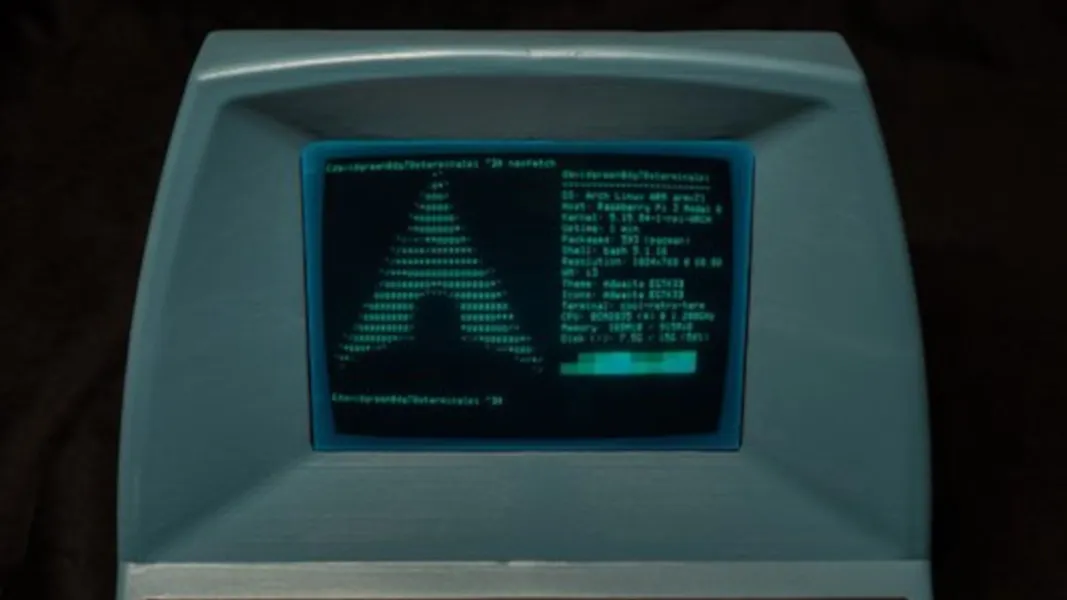
Not so long ago, most computer users didn’t own their own machines. Instead, they shared time on mainframes or servers, interacting with this new technology through remote terminals. While the rise of cloud computing and AI might feel like a modern, more dystopian echo of that era, some look back on those early days with genuine fondness. If you agree, check out this 70s-era terminal replica from [David Green].
The inspiration for this build was a Lear Siegler ADM-3A terminal seen at a local computer festival. These machines had no local computing resources and were only connected to their host computer via a serial connection. The new enclosure, modeled on this design, was 3D-printed and then assembled and finished for the classic 70s look. There are a few deviations from a 70s terminal, though: notably, a flat LCD panel and a Raspberry Pi 3, which, despite being a bit limited by today’s standards, still offers orders of magnitude more computing power than the average user in the 70s would have had access to.
On the software side, there are a few modifications to allow the Pi 3 to emulate a CRT-style display. It also runs the i3 windows manager, which was the easiest way to replicate the feel of an old terminal without going command-line-only. With the Pi’s computing power available, though, it’s easier to run emulators for older computer systems, and there’s perhaps no better way to get a sense of how these systems behaved than to use a replica from the era. Another excellent way is to completely reimagine what these computers could have been like in an alternate past.
The race to regulate artificial intelligence infrastructure has arrived at a crossroads in Washington state.
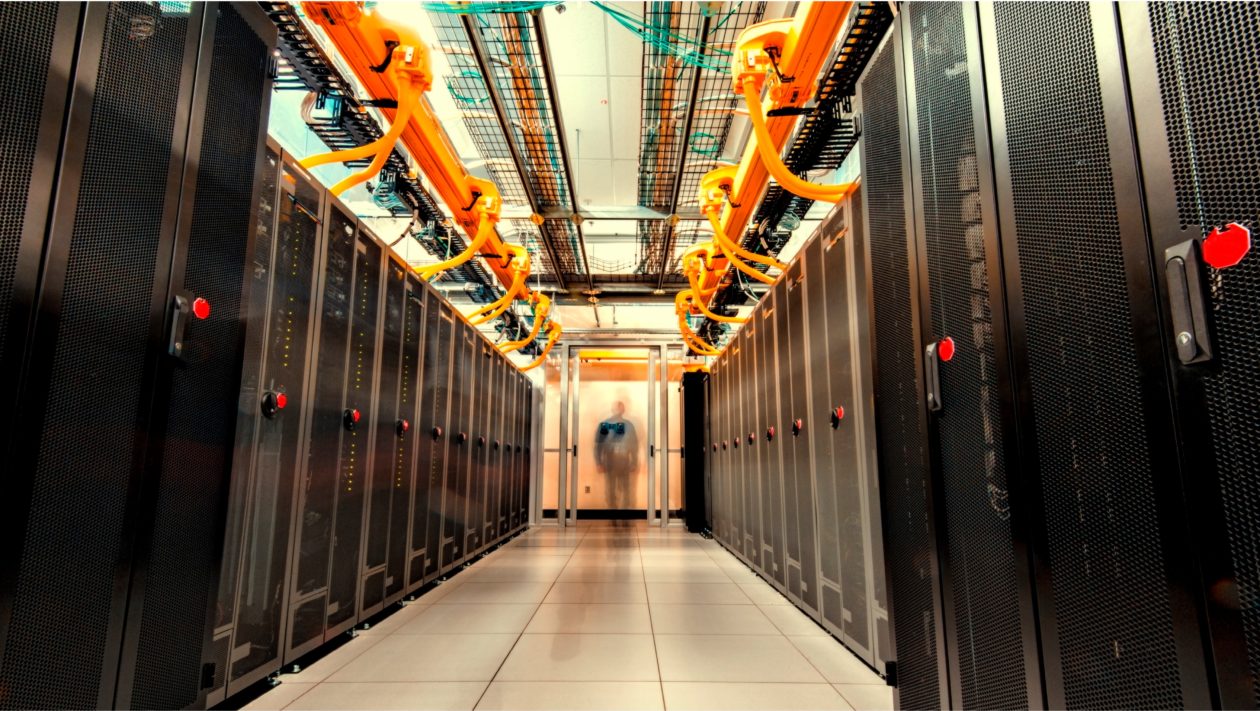
After weeks on the sidelines, Microsoft publicly declared its opposition to a controversial state bill that aims to rein in the environmental and economic impacts of the massive data centers powering the AI boom.
Labeling the proposed regulations “uniquely anti-competitive,” Microsoft’s senior director of Washington state government affairs, Lauren McDonald, urged Senate leaders on Friday evening to reconsider key features of House Bill 2515.
“We respectfully urge the committee not to advance the bill without significant changes,” McDonald said in testimony before the Senate Committee on Ways & Means.
The bill aims would require utilities and data center companies to create agreements that protect rate payers from increased power costs and brings transparency to the environmental impacts of the facilities.
Advertisement
Microsoft, which operates roughly 30 data centers in Washington alone, plans to spend up to $140 billion on global infrastructure this year, while has Amazon committed to spending $200 billion this year on capital expenditures worldwide, predominately for its Amazon Web Services cloud business.
Elected officials, communities and tribal leaders nationwide are increasingly anxious about data center deployments driving up electricity rates with their power-hungry electronics and consuming vast quantities of water to cool the devices. President Trump and other officials are pursuing commitments to ensure tech companies protect ratepayers from price increases.
Tech companies, labor organizations and municipalities that have seen job creation and the benefits of taxes generated by the facilities have pushed back against the regulations. Microsoft President Brad Smith last month launched a community-focused initiative pledging to bear its own electrical costs and emphasizing its support of local taxes.
At the same time, the Seattle Times reported today that Microsoft and Amazon have been working aggressively behind the scenes to weaken HB 2515, and that Amazon is currently “neutral” on the bill. The company, which has historically concentrated its Pacific Northwest data center footprint in Oregon, has not testified publicly on the legislation.
Advertisement
The legislation
HB 2515 has passed the House and is edging closer to a vote from the full Senate — though tech sector opposition could sink the measure. The bill is shifting and evolving with different amendments and new language under consideration. The legislation’s main components include:
Ratepayer Protection: Utilities must create tariffs or policies that insulate ratepayers from short- and long-term financial risks associated with data center energy use.
Transparency: Date centers must publish annual reports on water, energy, refrigerant use, and air pollution, with a comprehensive sustainability report every three years.
Resource Forecasting: Data centers must coordinate with regulators and utilities on energy load forecasting.
Carbon Credits: The availability of free carbon credits to meet state regulations would be limited.
Clean Energy Certification: Facilities that open or expand after July 1, 2026, must certify their use of new clean energy, using 80% clean power by 2030 and all clean energy by 2045.
MacDonald raised concerns at the hearing about the legislation preventing a data center in Malaga, Wash., that was built in 2023 from being able to open later this year, presumably due to the clean energy requirements.
One particularly controversial piece — which was not included in the version of the bill that passed the House but is still being discussed — requires data centers to curtail or stop drawing power from the grid in energy emergency situations. Opponents said the rule could disable facilities that support essential operations such as access to electronic medical records or tech to dispatch first responders.
Seeking statewide standards
Proponents of HB 2515 frame the measure as a necessary step to put rules in place for a sector that is rapidly expanding, stoked by the soaring use of artificial intelligence.
“The game is changing on data centers before our very eyes,” Zach Baker, policy director for the nonprofit NW Energy Coalition, told lawmakers. “The common sense guardrails in this bill are needed to protect affordability, grid reliability and the environment.”
Advertisement
Washington is currently home to approximately 126 data centers and related facilities. Microsoft has the most data centers in the state out of any company, while Sabey Data Centers has eight of the facilities, according to the research firm Baxtel.
Rep. Beth Doglio, D-Olympia, lead sponsor of the legislation, earlier this month testified that 16 new data center projects are planned for Walla Walla and an expansion underway in Vantage is tapping new gas-powered energy.
The bill would create a statewide standard for utilities siting new facilities in their communities, she said. “I just hope that we are able to make sure that we do data centers right in this state.”