

Business
Cabinet clears IIFCL’s IPO plans; modalities being finalised, likely next fiscal: MD Rohit Rishi


The approval has already been conveyed by the Department of Investment and Public Asset Management (DIPAM) to the company, IIFCL‘s newly appointed MD Rohit Rishi told PTI.
“IIFCL (India Infrastructure Finance Company Ltd) is in the process of submitting the requisite details to the government to facilitate finalisation of the modalities, which is expected to materialise in the next financial year,” he said.
The Budget 2026-27 provides emphasis on disinvestment and asset monetisation. The proposed initial public offer (IPO) forms part of the government’s broader disinvestment and capital market listing strategy for public sector entities.
Currently, IIFCL is 100 per cent owned by the central government. Established in 2006, it provides long-term financial assistance to viable infrastructure projects.

The authorised and paid-up capital of the company stood at Rs 10,000 crore and Rs 9,999.92 crore, respectively, as of March 31, 2025.
IIFCL has been registered as an NBFC-ND-IFC with the Reserve Bank of India (RBI) since September 2013 and follows the applicable prudential norms of the Reserve Bank of India.Sharing his vision for the organisation, Rishi said infrastructure development is going to play a pivotal role in the journey towards Viksit Bharat by 2047, and IIFCL has a central role to play as a provider and catalyst of long-term infrastructure finance.
“My vision for the institution can be captured in three words — Improve. Develop. Transform,” said Rishi, who assumed charge of the organisation last month.
“We will improve the quality and scale of infrastructure financing through disciplined appraisal standards and technology-enabled monitoring. As we grow, asset quality and prudent risk management will remain non-negotiable,” he pointed out.
He further said that another goal is to develop a stronger and more diversified long-term funding base.
“Infrastructure requires patient capital. We will deepen our engagement with multilaterals, global investors, and bond markets, and continue innovating in resource mobilisation so that we can provide stable, competitive, long-tenor financing,” he said.
IIFCL will transform its operations by harnessing technology, AI and data analytics to modernise project monitoring, strengthen transparency and enable early risk identification.
At the same time, he said, “We will focus on portfolio diversification into emerging sectors, such as renewable energy, digital infrastructure, EV ecosystems, and green hydrogen”.
Above all, Rishi said, “every decision we take will be anchored in nation-building, ensuring that IIFCL meaningfully contributes to India’s infrastructure-led growth in the decades ahead”.
IIFCL reported a 39 per cent jump in net profit to Rs 2,165 crore for the fiscal year ended in March 2025 against Rs 1,552 crore in the previous fiscal.
The company recorded its all-time high performance, for the fifth year in a row, with record Profit Before Tax (PBT) of Rs 2,776 crore, recording a growth of 37 per cent over the previous year’s Rs 2,029 crore.
In the previous financial year, the company recorded its highest-ever annual sanctions and disbursements of Rs 51,124 crore and Rs 28,501 crore, respectively.
Building on this strong performance, IIFCL continues to sustain its growth momentum and is on track to surpass the previous year’s results. As of January 31, 2026, annual sanctions have already reached Rs 53,217 crore, with disbursements at Rs 25,470 crore.


Azul completes Chapter 11 restructuring, reduces debt by $2.5 billion

Belgium seizes suspected Russian shadow fleet tanker
Business
(VIDEO) Iran Appoints Ayatollah Alireza Arafi to Leadership Following Death of Ayatollah Ali Khamenei
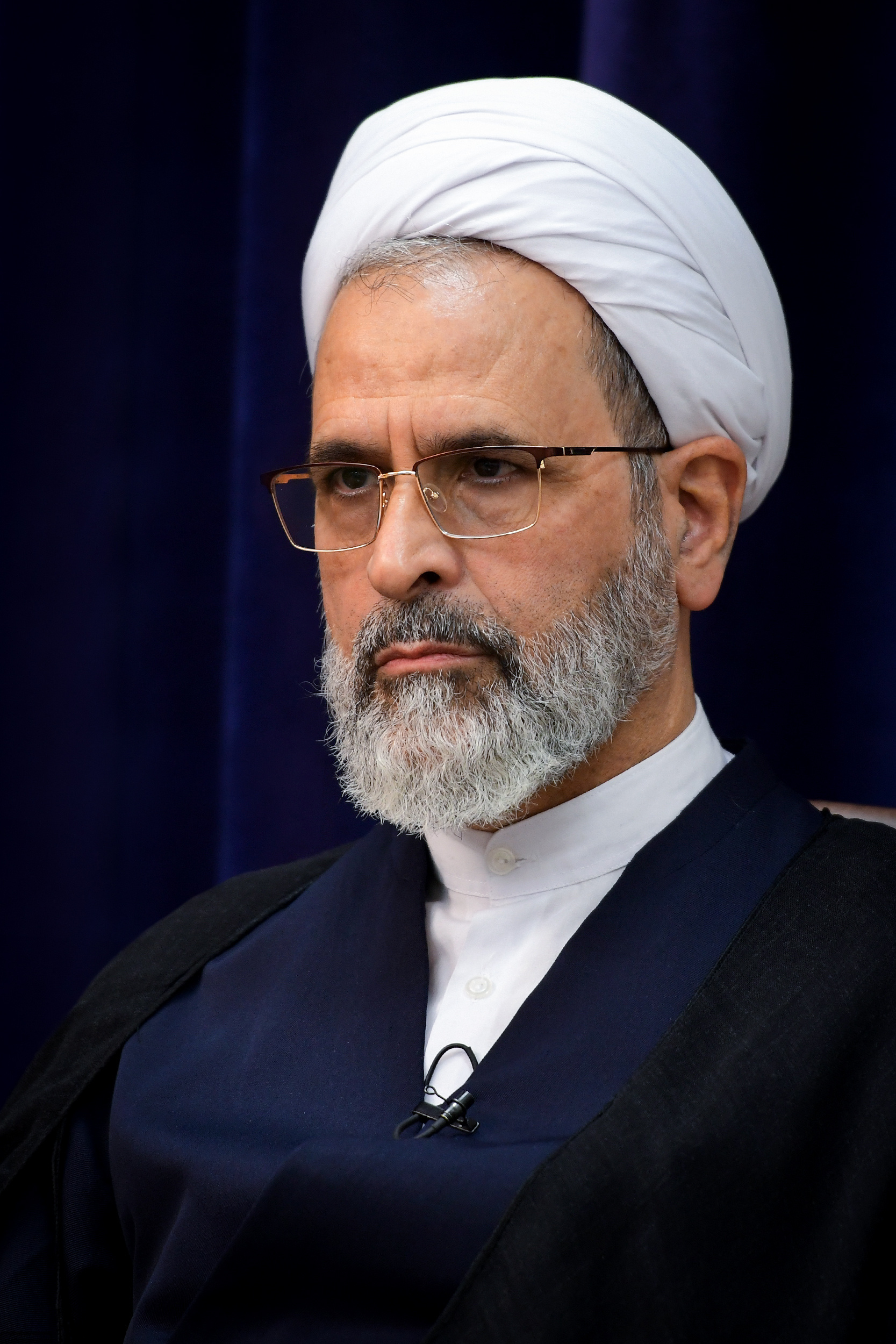
Iran’s political establishment moved swiftly Sunday to stabilize the regime after the killing of Supreme Leader Ayatollah Ali Khamenei in a joint U.S.-Israeli military operation, appointing senior cleric Ayatollah Alireza Arafi as the jurist member of a temporary Leadership Council tasked with fulfilling the supreme leader’s duties during the transition.
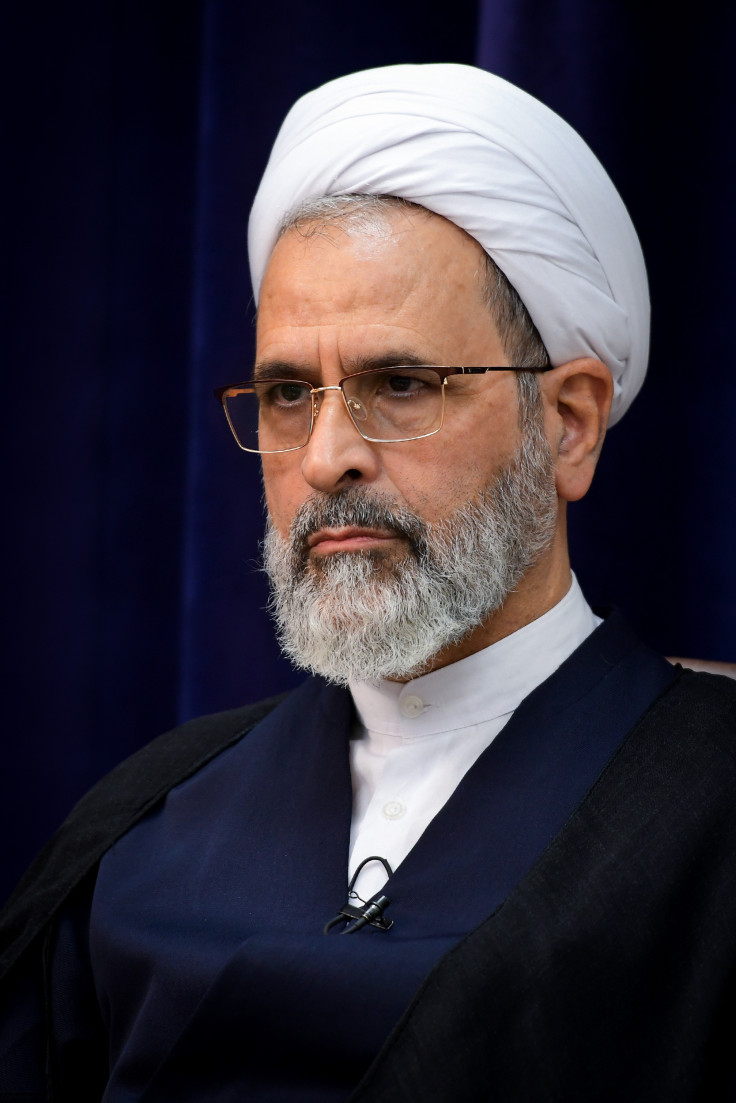
The Expediency Discernment Council elected Arafi to the three-member interim body, which also includes President Masoud Pezeshkian and Chief Justice Gholamhossein Mohseni Ejei, according to state media reports from ISNA and IRNA. The council, formed under Article 111 of Iran’s constitution, will oversee state affairs until the Assembly of Experts—an 88-member clerical body—selects a permanent successor.
Khamenei, 86, who had ruled Iran since 1989, was killed late Saturday in airstrikes on Tehran as part of an ongoing U.S.-Israeli campaign targeting key regime figures and infrastructure. Iranian state television confirmed his death early Sunday, prompting 40 days of national mourning and vows of revenge from officials. President Pezeshkian condemned the strike as “a great crime” and pledged retaliation as a “legitimate right and duty.”
The appointment of Arafi, a 67-year-old cleric and close confidant of the late supreme leader, signals an emphasis on institutional continuity amid escalating conflict. Arafi serves as a member of the powerful Guardian Council, which vets legislation and election candidates, and heads Iran’s nationwide Islamic seminary system. He is also deputy chairman of the Assembly of Experts and previously led Al-Mustafa International University, an institution focused on exporting revolutionary ideology through clerical training.
Analysts describe Arafi as a bureaucratic insider with strong ties to the clerical establishment rather than a hardline military figure or populist. His selection to the interim council positions him prominently in the succession process, though the final decision rests with the Assembly of Experts, which could convene in the coming days or weeks.
The Leadership Council’s formation came hours after Khamenei’s death was announced, with expediency council spokesman Mohsen Dehnavi confirming Arafi’s election via a post on X. The body is expected to manage critical functions, including military command oversight and foreign policy decisions, while avoiding major constitutional changes during the interim period.
The strikes that killed Khamenei marked a dramatic escalation in the long-running shadow war between Iran, the United States and Israel. U.S. President Donald Trump indicated on Truth Social that the operation, supported by Israel, targeted the supreme leader as part of efforts to confront the regime’s nuclear ambitions and regional proxy activities. Israel has continued airstrikes on Tehran and other sites Sunday, with reports of renewed attacks “in the heart of the capital.”
Iranian officials have framed Khamenei’s killing as an act of “state terrorism,” with state media broadcasting images of mourning crowds in Tehran and other cities. A state television presenter was seen crying while reading the official announcement of the supreme leader’s martyrdom.
The transition occurs against a backdrop of heightened regional tensions. Iran-backed militias in Iraq, Lebanon and Yemen have threatened reprisals, while Russia condemned the killing as a “cynical murder” violating international norms. Iraq announced three days of mourning in solidarity.
Under Iran’s system, the supreme leader holds ultimate authority over the armed forces, judiciary and key policy areas, making the interim council’s role crucial for maintaining regime cohesion. The Assembly of Experts, last elected in 2024, is dominated by hardliners vetted by the Guardian Council—Arafi’s own body—raising expectations that the successor will align with the current ideological framework.
Potential long-term candidates include figures like Mojtaba Khamenei, the late leader’s son, though he lacks broad clerical credentials. Other names floated in pre-crisis speculation include Arafi himself, given his institutional leverage, and judiciary head Mohseni Ejei, though the latter’s status remains unconfirmed amid conflicting reports.
Arafi’s background includes fluency in Arabic and English, along with administrative experience that experts say could help navigate the crisis. His appointment to senior roles under Khamenei demonstrated trust in his loyalty and competence, according to Middle East Institute analysis.
As fighting continues, the Leadership Council faces immediate challenges: coordinating defenses against further strikes, managing public outrage and ensuring IRGC and Basij forces remain unified. Arafi, who has headed aspects of the Basij paramilitary in past roles, may play a key part in internal security.
The regime has emphasized stability, with security chief Ali Larijani pledging a swift transition to demonstrate resilience. Yet the unprecedented nature of a supreme leader’s assassination in wartime raises questions about long-term viability, with some analysts warning of potential factional struggles or public unrest.
For now, the focus remains on the interim council’s leadership. Arafi’s elevation positions a seasoned clerical administrator at the center of Iran’s response to what state media calls a “Zionist-American conspiracy.”
As mourning rituals begin and military exchanges persist, the world watches to see whether the Islamic Republic can weather the loss of its longest-serving leader since the 1979 revolution.
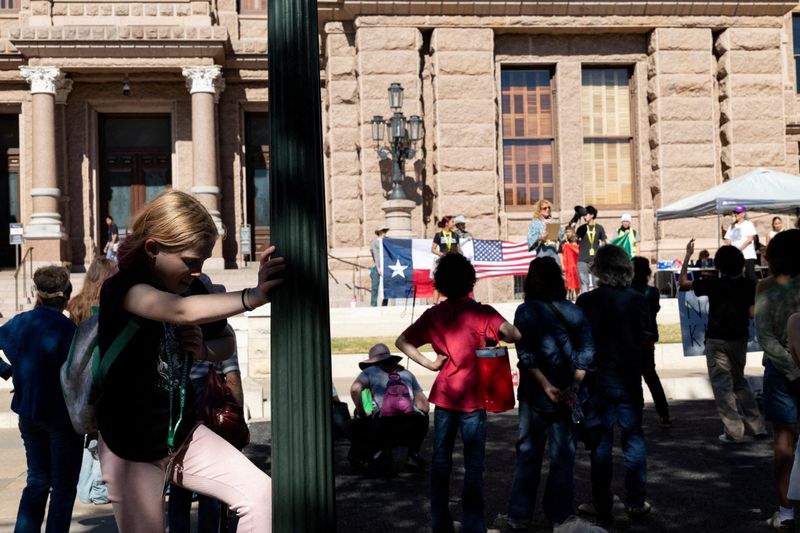

Three dead, 14 injured after shooting in Austin, Texas

The UK Maritime Trade Organisation said a fire on the vessel was now under control.
Business
(VIDEO) LeBron James Joins Kobe Bryant as Second Player in Lakers History to Make 1,000 3-Pointers
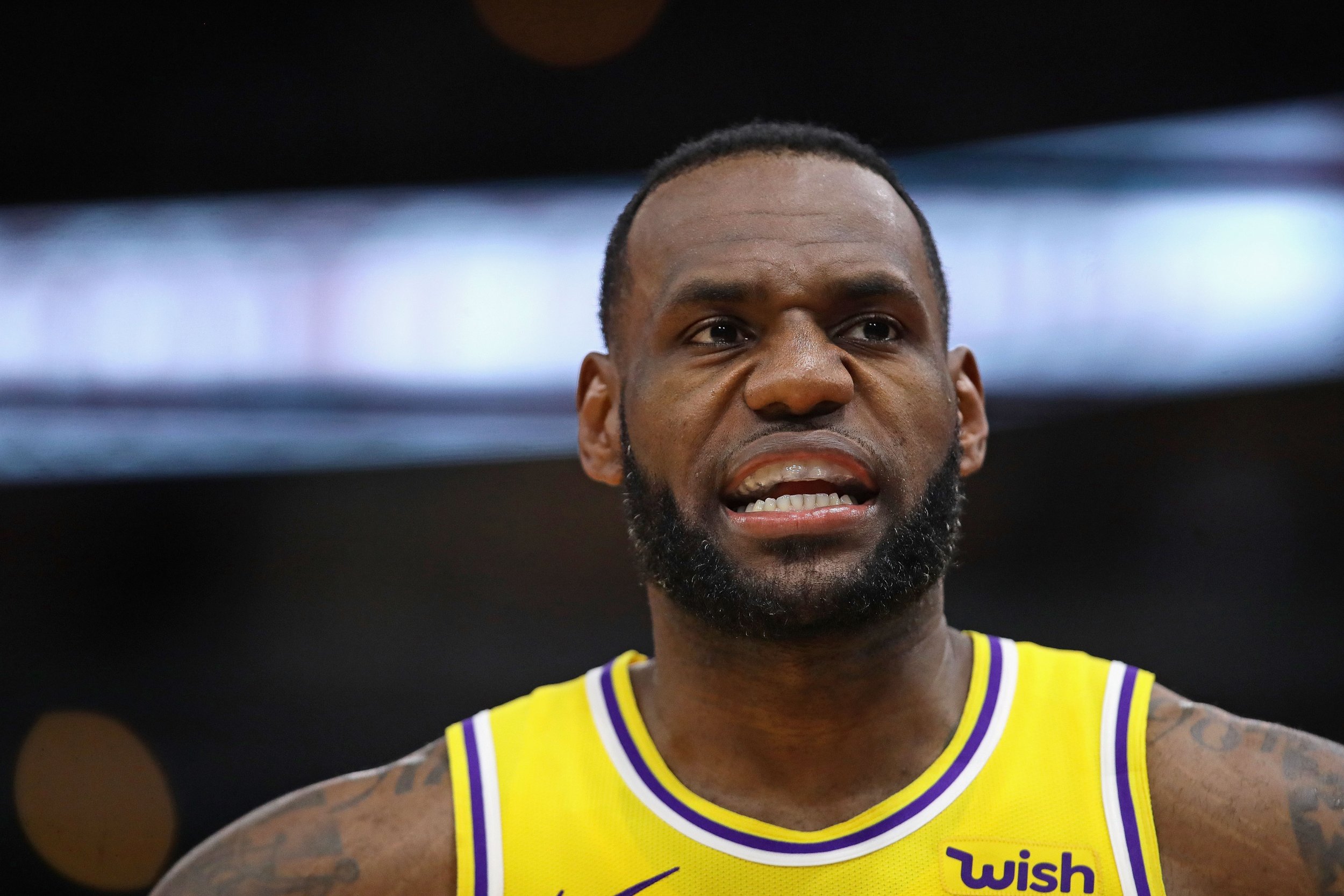
LeBron James etched his name deeper into Los Angeles Lakers lore Saturday night, becoming just the second player in franchise history to make 1,000 three-pointers while wearing the purple and gold, joining the late Kobe Bryant in an exclusive club during a dominant 129-101 road victory over the Golden State Warriors.
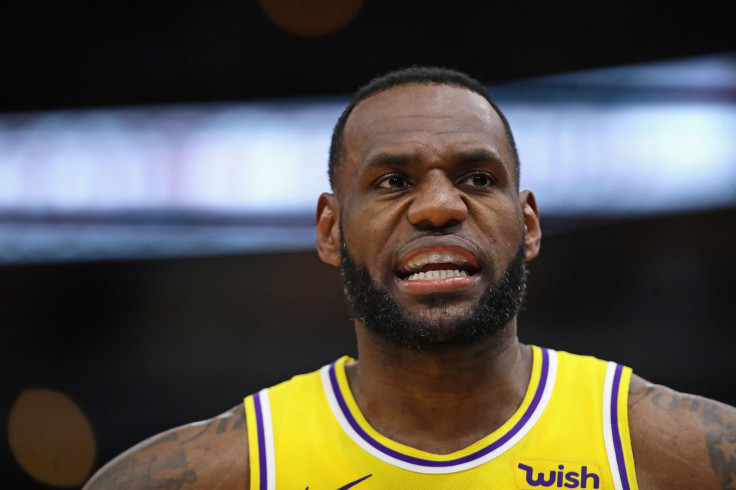
The milestone came early in the first quarter at Chase Center when James drilled his second three-pointer of the game—a step-back jumper from the wing at the five-minute mark—pushing his Lakers total to 1,000. He entered the contest with 998 made threes as a Laker and finished the night with 1,002 after going 4-for-6 from beyond the arc, including his first four attempts.
The 41-year-old superstar joined Bryant, who holds the franchise record with 1,827 career three-pointers made over his 20 seasons with the team. Derek Fisher ranks third with 846, followed by Nick Van Exel (750) and Byron Scott (595), per Lakers statistics.
James’ hot start from deep set the tone for the Lakers (35-24), who snapped a three-game losing streak and improved their playoff positioning in the Western Conference. Luka Dončić led the way with 26 points, including four three-pointers, while adding six rebounds and eight assists in a commanding performance on his birthday. Austin Reaves contributed 18 points, and the bench provided depth with Luke Kennard (16) and Jake LaRavia (15).
James finished with 22 points on 7-of-13 shooting, seven rebounds, nine assists and one steal in 28 efficient minutes. Coach J.J. Redick emptied the bench in the fourth quarter as the lead ballooned to as many as 26 points in the third.
The accomplishment underscores James’ evolution as a shooter since joining the Lakers in 2018. Known earlier in his career for driving to the rim and mid-range mastery, he has adapted his game to the modern NBA’s emphasis on spacing and perimeter shooting. His career three-point total stands at 2,618, with 1,251 made during his Cleveland Cavaliers tenure—making him the first player in NBA history to record 1,000+ threes with multiple franchises.
Saturday’s game highlighted James’ continued elite play late in his 23rd season. Despite turning 41 in December, he averages 21.5 points, 5.7 rebounds, 7.0 assists and 1.1 steals per game while shooting 49.8% from the field, though his three-point percentage sits at 29.9% this season. The milestone three came amid a strong shooting night that helped the Lakers shoot 12-of-22 from deep overall.
The Warriors (31-29) struggled defensively, particularly against the Lakers’ ball movement and transition opportunities. Golden State, missing key pieces due to injuries and roster changes, never mounted a serious challenge after falling behind early.
Postgame, James reflected on the achievement in brief comments to reporters, crediting teammates for creating open looks and acknowledging Bryant’s enduring impact on the franchise.
“It’s special to be in that conversation with Kobe,” James said. “He set the standard here, and to reach this with the Lakers means a lot after everything we’ve been through as a group.”
The feat drew widespread praise across social media and from NBA circles. Former players, analysts and fans highlighted the rarity of a player sustaining high-level production into his 40s while adding new dimensions to his game. Bryant’s widow, Vanessa Bryant, and family members were among those offering congratulations online, underscoring the respect between the two icons despite their different eras.
For the Lakers, the win provided a much-needed boost as they push toward the postseason. With 23 games remaining, the team sits firmly in playoff contention, bolstered by James’ leadership and veteran presence alongside younger talents like Dončić and Reaves.
The milestone also reignites debates about James’ place in the all-time greats conversation. While his scoring titles, championships and records abound, adding franchise-specific feats with the Lakers solidifies his legacy in Los Angeles, where he has won one championship (2020) and consistently performed at an All-NBA level.
As the season progresses, James shows no signs of slowing. With the three-point milestone secured, attention turns to other potential records, including climbing higher on the Lakers’ all-time scoring list—he already ranks among the top in franchise history—and continuing to mentor the next generation.
Saturday’s performance was a reminder of why James remains one of the league’s most dominant forces. In a game that featured fireworks from deep, his historic three stood out as a quiet yet profound addition to an already storied career.


Investors seek harbour in gold as US and Israel strike Iran

Coal-fired power generation is having something of a moment. It isn’t clear just how long it will last.
President Trump is trying to throw a lifeline to coal, the once-dominant fuel source for the U.S. power grid that has been in steep decline for more than 15 years. His efforts, combined with the boom in construction of power-hungry artificial-intelligence data centers, could keep coal plants that were once slated for retirement operating years longer than expected.
Copyright ©2026 Dow Jones & Company, Inc. All Rights Reserved. 87990cbe856818d5eddac44c7b1cdeb8
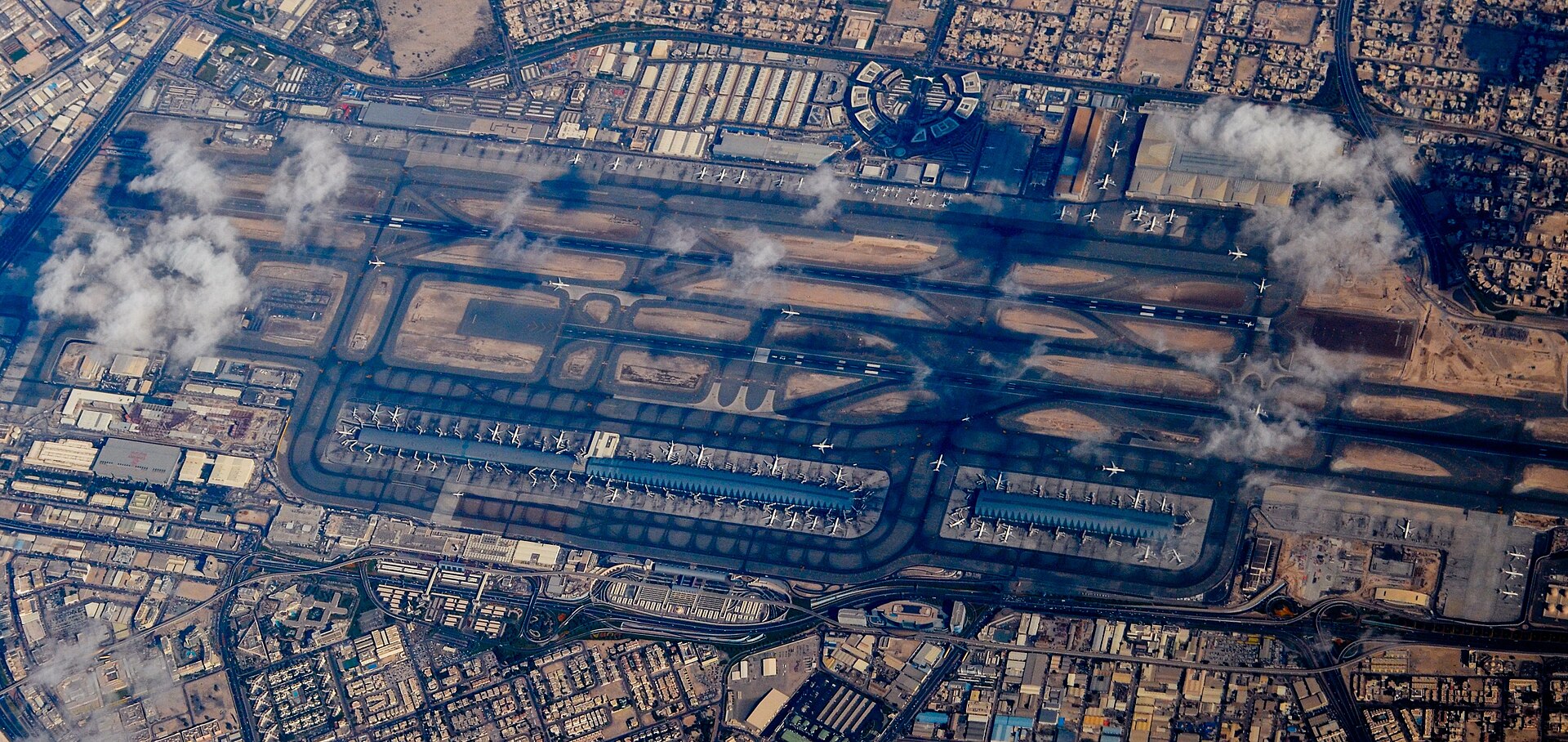
Dubai International Airport (DXB), the world’s busiest hub for international passengers, remained completely closed Sunday with all flight operations suspended until further notice as the United Arab Emirates grappled with the fallout from Iranian retaliatory missile and drone strikes following joint U.S.-Israeli attacks on Iran that killed Supreme Leader Ayatollah Ali Khamenei.
Dubai Airports, the operator of DXB and the secondary Dubai World Central–Al Maktoum International Airport (DWC), confirmed in an official statement that “all flight operations at Dubai International (DXB) and Dubai World Central – Al Maktoum International (DWC) are suspended until further notice.” Passengers were strongly advised not to travel to the airports and to contact their airlines directly for updates. The closure stemmed from UAE airspace restrictions imposed amid the rapidly escalating regional conflict.
The shutdown followed an overnight incident early Saturday that caused minor damage to a concourse at DXB, according to the Dubai Media Office. Four airport staff members sustained injuries, which were described as non-life-threatening, and received prompt medical attention. Emergency response teams quickly contained the situation, and most terminals had already been cleared of passengers under pre-existing contingency plans due to the heightened security environment.
Iranian attacks targeted multiple sites across the Gulf, including Dubai’s iconic Burj Al Arab hotel, where debris from intercepted missiles sparked a minor fire on the outer facade, and Palm Jumeirah island, where smoke plumes were visible. Similar incidents affected Zayed International Airport in Abu Dhabi, where one person was killed and seven injured in a drone strike. Blasts were reported in Doha, Qatar, and other Gulf locations, contributing to widespread airspace closures across the UAE, Qatar, Bahrain, Kuwait and beyond.
Major airlines bore the brunt of the disruptions. Emirates, the flagship carrier based at DXB and one of the world’s largest long-haul operators, extended its suspension of all flights to and from Dubai until 3 p.m. UAE time (11 a.m. GMT) on Monday, March 2. The airline urged affected passengers to check emirates.com for rebooking options or refunds, with flexibility offered for travel booked through March 5. Low-cost carrier flydubai similarly halted operations until the same deadline, while Etihad Airways suspended services to and from Abu Dhabi until early Monday.
Flight tracking data painted a stark picture of the chaos. FlightAware reported more than 19,000 global delays linked to the crisis, while Flightradar24 noted over 3,400 cancellations on Sunday alone across seven key Middle Eastern airports, including DXB, DWC, Abu Dhabi, Doha, Sharjah, Kuwait and Bahrain. The ripple effects stranded tens of thousands of travelers, with some reports estimating over 20,000 affected in Dubai alone. The UAE’s General Civil Aviation Authority activated support measures, including accelerated rescheduling, additional ground resources and welfare assistance such as hotel accommodations and meals for impacted passengers.
The crisis traces back to U.S. and Israeli strikes on Iranian targets late Friday and early Saturday, which eliminated Khamenei and several top officials, prompting Iran’s vow of revenge. Iranian missiles and drones targeted U.S. interests, Israeli sites and Gulf allies perceived as supporting the attacks. The UAE, a key U.S. partner with normalized ties to Israel, found itself in the crossfire despite efforts to maintain neutrality in public statements.
Travelers faced severe hardships. Indian badminton star PV Sindhu reported being stranded at DXB while en route to a tournament in England, highlighting the personal toll. Many passengers slept on terminal floors or sought shelter in nearby hotels as airlines scrambled to reroute or cancel services. European carriers like Lufthansa, KLM and others extended suspensions through the weekend and into the coming week, while global advisories warned against travel over the Middle East.
Dubai’s status as a premier global transit point—handling over 90 million passengers annually pre-crisis and connecting to more than 280 destinations—amplified the impact. The airport’s closure disrupted not just regional travel but long-haul routes between Europe, Asia, Africa and the Americas that rely on DXB for connections.
As of Sunday evening local time, no reopening timeline had been announced. Dubai Airports emphasized close monitoring of the situation and promised updates through official channels. Authorities urged calm and cooperation, with security forces on high alert across the emirate. High-rise residents, including those in the Burj Khalifa, were moved to underground shelters during peak threat periods.
The aviation shutdown compounds broader economic concerns for the UAE, a tourism and trade powerhouse. With Jebel Ali Port also reporting minor incidents from debris, logistics chains faced additional strain. International reactions varied, with some nations condemning the escalation while others called for de-escalation to restore stability.
For now, DXB stands eerily quiet—a stark contrast to its usual bustle of millions of travelers. As the conflict shows no immediate signs of abating, the world’s aviation networks brace for prolonged disruptions, with Dubai at the epicenter of the storm.

In a volatile trading session, the broader Nifty fell 317.90 points, or 1.25%, to close at 25,178.65. The 30-share Sensex tumbled 961.42 points, or 1.17%, to settle at 81,287.19.
Meanwhile, the volatility gauge India VIX ended at 13.70, up 4.89% from the last closing.
Here’s how analysts read the market pulse:
Rupak De, Senior Technical Analyst at LKP Securities, said the index has declined sharply after remaining below its key short-term moving average for three consecutive sessions. It has also slipped beneath the 200-day moving average (DMA), signalling that the prevailing weakness could persist for some time.“The RSI indicator has turned sharply bearish. In the short term, the index may continue to face selling pressure, with rallies likely to be sold into. Immediate support is placed at 25,000 and 24,750, while resistance is seen at 25,370,” De said.
US markets
Frontline indices on Wall Street ended lower on Friday. The Dow Jones Industrial Average fell 521.28 points, or 1%, to close at 48,977.90. The Nasdaq Composite declined 210 points, or 1%, to settle at 22,668.20. Meanwhile, the S&P 500 also finished in the red, though with a relatively milder loss of 0.43
European Markets
European markets also reflected a cautious tone. Spain’s IBEX 35 and France’s CAC 40 declined by as much as 0.73%. Germany’s DAX ended largely flat, while the pan-European Stoxx 600 rose 0.6% and the UK’s FTSE 100 added 0.1%.
Tech View
Nilesh Jain, Vice President and Head of Technical and Derivative Research at Centrum Finverse, said the Nifty has slipped below its crucial 200-day moving average (DMA) placed at 25,350, which is now expected to act as an immediate resistance zone. The index continues to form lower highs and lower lows on the daily chart, indicating a weakening trend, he noted.
“Momentum indicators remain cautious, with the MACD signalling a sell crossover and the RSI gradually trending lower. Meanwhile, India VIX has risen 5% to around 13.50, and any further spike in volatility could intensify downside risks. The key psychological support is now seen at the 25,000 level. The broader technical structure suggests continued weakness, with pullbacks likely to encounter selling pressure,” Jain added.
Most active stocks in terms of turnover
Tejas Networks (Rs 551 crore), Redington (Rs 275), Cholamandalam Financial Holdings (Rs 262 crore), Netweb Technologies (Rs 240 crore), HDFC Bank (Rs 214 crore), State Bank of India (Rs 213 crore) and Bharti Airtel (Rs 182 crore) were among the most active stocks on BSE in value terms. Higher activity in a counter in value terms can help identify the counters with highest trading turnovers in the day.
Most active stocks in volume terms
SpiceJet (Traded shares: 7.17 crore), Vishal Mega Mart (Traded shares: 1.34 crore), Tejas Networks (Traded shares: 1.32 crore), Redington (Traded shares: 99.63 lakh), Ola Electric (Traded shares: 63.35 lakh), Suzlon Energy (Traded shares: 62.71 lakh) and and Steel Authority of India (SAIL, Traded shares: 53.35 lakh) were among the most actively traded stocks in volume terms on BSE.
Stocks showing buying interest
Xtglobal Infotech, Tejas Networks, Shares of Sarda Energy & Minerals, VL E-Governance & IT Solutions, Avadh Sugar & Energy, Foseco India and Foseco India were among the stocks that witnessed strong buying interest from market participants.
52 Week high
On the market breadth front, 100 stocks touched their 52-week highs, while 340 stocks fell to their 52-week lows.
Among those scaling fresh 52-week highs were Aeroflex Industries, Bank of India, Bharat Forge, Cummins India, Data Patterns (India), Eicher Motors and Federal Bank.
Stocks are seeing selling pressure
Among the largecap names were Adani Enterprises, Maruti Suzuki and Bharti Airtel. Other stocks which witnessed significant selling pressure were Fusion Finance, Vishal Mega Mart, Home First Finance, Angel One, R M Drip and Sprinklers Systems, Mahalaxmi Fabric Mills and Apex Frozen Foods.
Sentiment meter favours bears
Heavyweights like ICICI Bank, HDFC Bank and Bharti Airtel dragged the markets with breadth, staying negative in the overall markets. Out of the 4,369 stocks that traded on the BSE on February 27, Friday, 1,574 stocks witnessed advances, 2,633 saw declines while 162 stocks remained unchanged.
(Disclaimer: Recommendations, suggestions, views and opinions given by the experts are their own. These do not represent the views of Economic Times)

Dentist warns to avoid brushing your teeth too hard
Azul completes Chapter 11 restructuring, reduces debt by $2.5 billion

U.S. Authorities Arrest Goliath Ventures Executive for Alleged $328M Crypto Ponzi Scheme


-

 Sports6 days ago
Women’s college basketball rankings: Iowa reenters top 10, Auriemma makes history
-

 Fashion2 days ago
Weekend Open Thread: Iris Top
-

 Politics6 days ago
Nick Reiner Enters Plea In Deaths Of Parents Rob And Michele
-

 Business5 days ago
True Citrus debuts functional drink mix collection
-

 Politics3 days ago
ITV enters Gaza with IDF amid ongoing genocide
-
Sports1 day ago
The Vikings Need a Duck
-

 Tech10 hours ago
Unihertz’s Titan 2 Elite Arrives Just as Physical Keyboards Refuse to Fade Away
-

 Crypto World5 days ago
XRP price enters “dead zone” as Binance leverage hits lows
-

 Tech5 days ago
Unsurprisingly, Apple's board gets what it wants in 2026 shareholder meeting
-
 NewsBeat21 hours ago
Dubai flights cancelled as Brit told airspace closed ’10 minutes after boarding’
-

 Business7 days ago
Law enforcement kills armed man seeking to enter Trump’s Mar-a-Lago resort, officials say
-

 NewsBeat4 days ago
Cuba says its forces have killed four on US-registered speedboat | World News
-
 NewsBeat1 day ago
The empty pub on busy Cambridge road that has been boarded up for years
-
 NewsBeat4 days ago
Manchester Central Mosque issues statement as it imposes new measures ‘with immediate effect’ after armed men enter
-
 NewsBeat6 days ago
‘Hourly’ method from gastroenterologist ‘helps reduce air travel bloating’
-

 Tech7 days ago
Anthropic-Backed Group Enters NY-12 AI PAC Fight
-

 NewsBeat17 hours ago
Abusive parents will now be treated like sex offenders and placed on a ‘child cruelty register’ | News UK
-

 NewsBeat7 days ago
Armed man killed after entering secure perimeter of Mar-a-Lago, Secret Service says
-

 Politics7 days ago
Maine has a long track record of electing moderates. Enter Graham Platner.
-
 NewsBeat5 days ago
Police latest as search for missing woman enters day nine