
CryptoCurrency
Will Pensions Soon Be Paid in Cryptocurrency?

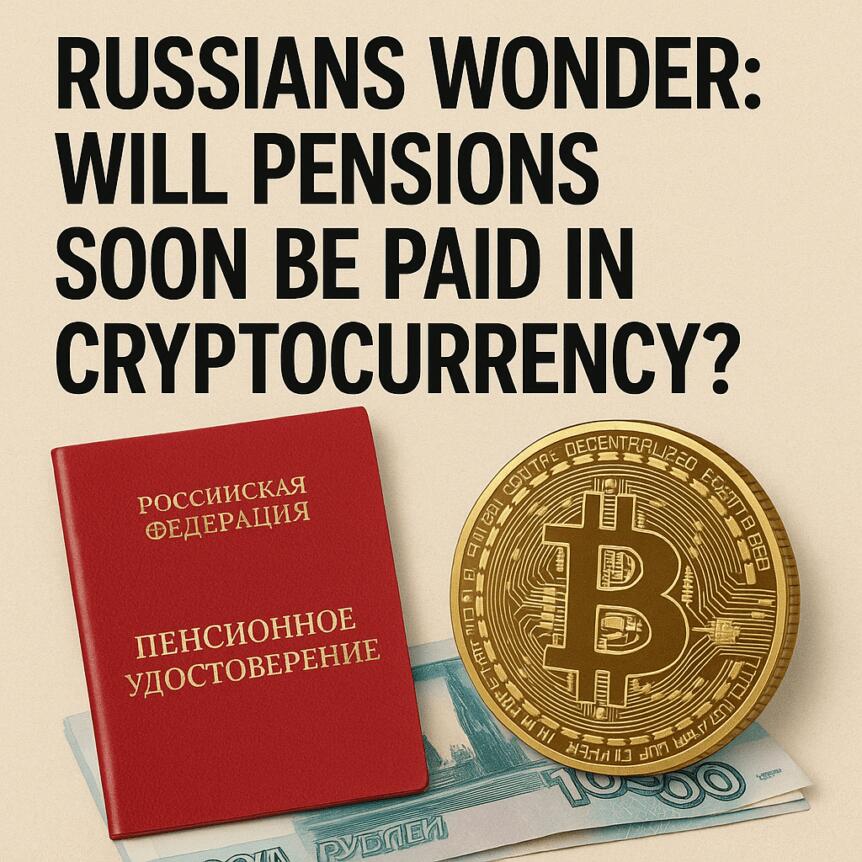
Russia Experiences Growing Curiosity Around Crypto and Pension Payments
As cryptocurrency adoption surges within Russia, questions surrounding the use of digital assets for official pension payments have become increasingly common. The Social Fund of Russia, tasked with managing the nation’s pension system, reports a notable rise in inquiries related to crypto, signaling a shifting interest in digital currencies among the population.
Key Takeaways
- In 2025, the Social Fund’s call center handled approximately 37 million interactions, with a notable increase in crypto-related questions.
- Most inquiries centered on whether pensions could be paid in cryptocurrencies and if crypto mining income influences social benefit calculations.
- The Fund clarified that all pension disbursements are in rubles and that crypto taxation and income are managed by the Federal Tax Service.
- Russia has emerged as Europe’s leading crypto market, surpassing the UK and Germany in volume, driven by institutional activity and DeFi growth.
Market Context
Russia’s expanding role as a major crypto hub reflects broader regional trends and increased mainstream integration of digital assets, despite regulatory ambiguities.
Increasing Crypto Curiosity Amid Regulatory Developments
The rising number of crypto-related questions signals an evolving perspective on digital assets within Russia’s financial landscape. While pension payments remain strictly in rubles, citizens are becoming more engaged with cryptocurrencies for other purposes, including income and investment. The government continues to regulate and monitor these activities; the Federal Tax Service handles crypto taxation details, distinct from social benefit management.
In recent months, Russia has cemented its position as Europe’s largest crypto market. Between July 2024 and June 2025, the country processed $376.3 billion in cryptocurrency transactions, outstripping the UK’s $273.2 billion during the same period, according to Chainalysis. The surge is driven by increased institutional activity, particularly large transfers over $10 million, which rose 86% year-over-year, and a broad uptick in decentralized finance adoption. Retail users and DeFi platforms have also seen substantial growth, with activity jumping eightfold early in 2025, further cementing Russia’s prominence in the region’s crypto economy.
Adding to regulatory movements, the Bank of Russia has proposed allowing retail investors to enter certain parts of the crypto market under specific conditions. The plan entails limited investments, with a knowledge test to qualify and a cap of 300,000 rubles annually, excluding privacy coins. Qualified investors would enjoy broader market access after similar assessments, marking a cautious but progressive step towards integrating digital assets into Russia’s financial ecosystem.
Overall, these developments illustrate a landscape where curiosity about cryptocurrencies continues to flourish, even amid ongoing regulatory and political considerations.



