



Connect with us
DAPA Banner

Tech

Google expands access to Project Genie, its AI tool that turns photos and text into explorable worlds

Published

on


Under the hood, Project Genie evolves from Genie 3, a world model first demonstrated by Google DeepMind last year. Unlike fully 3D game engines, world models don’t construct continuous 3D geometry. Instead, they generate video sequences that appear interactive, adjusting what’s shown in response to input commands. That gives the…
Read Entire Article
Source link

Continue Reading
Click to comment

You must be logged in to post a comment Login

Leave a Reply

Tech

Cyberattack on vehicle breathalyzer company leaves drivers stranded across the US

Published

on

A cyberattack on a U.S. vehicle breathalyzer company has left drivers across the United States stranded and unable to start their vehicles.

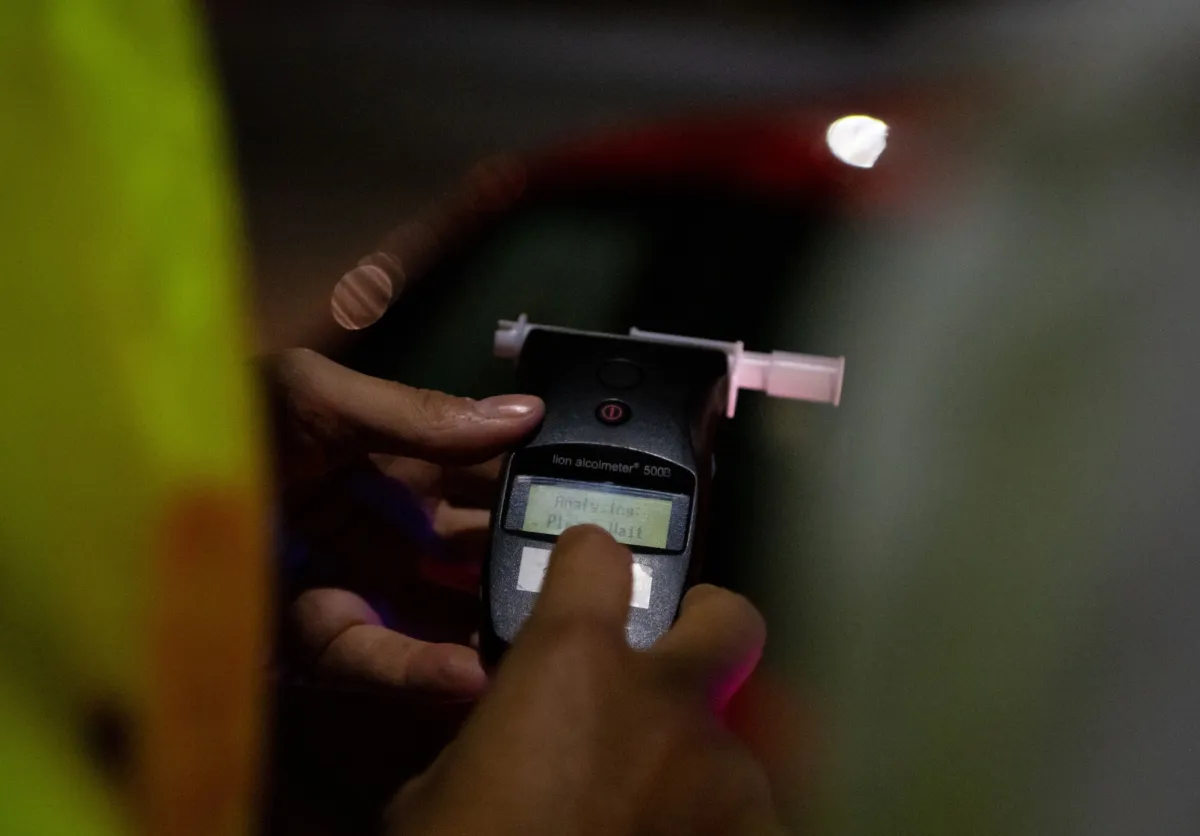
The company, Intoxalock, says on its website that it is “currently experiencing downtime” after a cyberattack on March 14. Intoxalock sells breathalyzer devices that fit into vehicle ignition switches, and is used by people who are required to provide a negative alcohol breath sample to start their car.

Intoxalock spokesperson Rachael Larson confirmed to TechCrunch that the company had been hit by a cyberattack. Larson said the company took steps to “temporarily pause some of our systems as a precautionary measure.”

These breathalyzer devices need to be calibrated every few months or so, but the cyberattack has left Intoxalock unable to perform these calibrations. The company said customers whose devices require calibration may experience delays starting their vehicles.

Advertisement

Drivers posting on Reddit say that cars are unable to start if they miss a calibration, effectively locking drivers out of their vehicles.

According to local news reports across Maine, drivers are experiencing lockouts and some have been unable to start their vehicles. One auto shop in Middleboro told WCVB 5 in Boston that it has had cars parked in its lot all week due to the cyberattack.

News reports from across the United States show drivers are affected from New York to Minnesota, and drivers have been unable to drive because their vehicle-based breathalyzers cannot be immediately calibrated.

Intoxalock would not say what kind of cyberattack it was experiencing, such as ransomware or if there was a data breach, or whether it had received any communications from the hackers, including any ransom demands. The company’s technology is used in 46 states, its website says, and it claims to provide services to 150,000 drivers every year.

Advertisement

Intoxalock did not provide an estimated timeline for its recovery.

Source link

Continue Reading

Tech

At Palantir’s Developer Conference, AI Is Built to Win Wars

Published

on

It’s a chilly March morning in the undisclosed mid-Atlantic hotel hosting Palantir’s developer conference. The defense contractors, military officers, and corporate executives in attendance are unprepared for the weather; they’d assumed the previous day’s mid-70s temperatures would hold. A cold rain turns to steady snowfall, and Palantir passes out heavy blankets. As people move between open-air pavilions, it looks like they were pulled from shipwrecks. Nonetheless, spirits are high. To this self-selecting crowd, Palantir is delivering on its promises. The company’s stock price is soaring. The gathering is infused with the giddy groupthink of a multilevel marketing event.

After securing an invite to the conference—a task made challenging by Palantir’s disapproval of WIRED’s recent coverage—I was eager to get an inside glimpse of the mysterious company. Founded in 2003 by Peter Thiel and his then obscure former Stanford classmate Alex Karp, the company has become part of the Pentagon’s AI-based combat transformation. In the past few years, though, its biggest growth has been in the commercial sector. “The commercial business is growing at 120 percent year over year. We’re very proud of the 60 percent growth in government, but they’re not even on the same glide slope,” says Palantir’s CTO, Shyam Sankar, who is also part of a four-person contingent of tech execs serving as lieutenant colonels in the Army Reserve.

Generative AI has helped fuel Palantir’s rise, supercharging the hands-on support the company provides to its customers. Early in its evolution, Palantir would embed “forward deployed engineers” into companies, helping them weave Palantir’s software into their operations. Large language models allowed Palantir to build products with more power, and now the engineers concentrate on helping customers build their own tools with Palantir’s technology. “Every time those models got better it seemed like they were tailor-made exactly for us,” says Ted Mabrey, an early employee who now heads the commercial business. Sankar elaborates: “Our whole thesis has been that we’re building Iron Man suits for cognition,” he says. “We were rate-limited by the number of people, the creativity of the questions, all those sorts of things. And then [with Gen AI] that rate limiter was eliminated, and that changed the rate of growth.”

The morning’s keynotes include a US Navy vice admiral, the officer in charge of the Maven AI battlefield project, and executives from Accenture, GE Aerospace, SAP, and the Freedom Mortgage Corporation. The range reflects the company’s trajectory from defense work to the commercial sector. During the breakfast hour I watch a demo from a family-run fashion business with 450 employees. CEO Jordan Edwards of Mixology Clothing says that he found Palantir through an Instagram ad, and that the AI-powered system has transformed his business. He uses Palantir’s software to help make buying decisions and then has it send emails to negotiate prices. For one line he sells, “it drove a 17-point margin swing—from losing $9 a unit to gaining $9 a unit,” he claims. Edwards now describes himself as a “forward deployed CEO.”

Advertisement

Even though Palantir’s major growth is in the commercial sector, its soul remains in defense contracting. During its long struggle to become part of the defense establishment (at one point, it sued the Army to be considered for a contract), it adopted a focus on outcomes. Palantir likes to think that this experience forced it to adopt a level of rigor that has allowed it to eclipse its rivals in the commercial arena. One chapter of Sankar’s just-published book, Mobilize: How to Reboot the American Industrial Base and Stop World War III, is called “The Factory Is the Weapon.” Both Sankar and CEO Alex Karp believe that American industry, especially in Silicon Valley, has shown insufficient patriotism. Their hope is that Palantir’s example will inspire other corporations to produce national defense products in addition to their consumer work.

Karp’s introductory remarks at the conference emphasized how defense work defines the company, especially now that America is at war. Atypically garbed in a blazer (“This is to convince my family I have a job,” he jokes), he says that normally, he would be talking to commercial customers about how to make them wealthier and happier and help them destroy their competitors. (He refers to rivals as “noncompetition” because in his mind, they don’t rank in Palantir’s class.) But with an active battlefield in Iran, the company’s sole priority is now supporting the troops. “At Palantir we were built to give our warfighters … an unfair advantage,” he says. “It was, ‘Yeah, we’re going to really F- our enemies.’ And I take great pride in that.”

Source link

Advertisement
Continue Reading

Tech

Amnezia Free launches in Brazil as citizens turn to VPNs amid new mandatory age checks

Published

on


  • Amnezia VPN Free is now officially available for users located in Brazil
  • The free version only tunnels traffic for specific blocked websites and apps
  • The launch comes as Brazil has enforced new mandatory age checks

Open-source privacy provider Amnezia VPN has announced that its free VPN service is now officially available to users in Brazil. The launch aims to provide an accessible, zero-cost workaround for citizens navigating changes in the country’s internet landscape.

Announced via the company’s official X account, the rollout is specifically tailored to the Brazilian market. Unlike the full-service Amnezia Premium, which encrypts all device traffic and allows users to spoof their location across 20 global locations, Amnezia Free utilizes a highly targeted approach. The free tier uses split-tunneling to route only specific, socially important websites and apps through the encrypted tunnel. All other internet traffic remains on the user’s regular connection, utilizing their actual IP address.

Advertisement

Source link

Continue Reading

Tech

‘Project Hail Mary’ Creator Andy Weir Just Taught Me a Surprising Thing About Sci-Fi

Published

on

Ryan Gosling heads to space in Project Hail Mary, the big-budget sci-fi adventure movie from Oscar-winning directing duo Phil Lord and Christopher Miller that hit theaters this weekend. The film, adapted from Andy Weir’s best-selling novel of the same name, finds school teacher Ryland Grace immersed in a top-secret government operation. The sun is dying, and he’s enlisted to find out why and to stop it. 

If I didn’t mention the people involved in the movie, that description can easily be pegged to a variety of space disaster films that have come and gone. But this ain’t no Michael Bay movie. In fact, Project Hail Mary is unlike most titles of its kind in that the story avoids the bleak, hopeless tone that comes with galactic doom-and-gloom, race-against-time survival tales. And there’s an alien in there, to boot.

When I settled in for the IMAX press screening, the person introducing Project Hail Mary said it is ultimately a story about the power of friendship. I rolled my eyes at the notion, but I ate my words once the credits rolled. It is exactly that, and it shows how a simple emotional connection and a drive to solve a shared problem can bring together people from different backgrounds, including a rock-spider alien without a face.

Advertisement

“It’s a bromance,” Weir told me over Zoom. “It’s a story of two people who become friends and then work together. So collaboration, cooperation… I’m optimistic and have these positive views of humanity and stuff, and therefore I project those views onto imaginary aliens.” 

A behind the scenes image of author Andy Weir on the space ship set for Project Hail Mary.

Author Andy Weir on the set of Project Hail Mary.

Advertisement

Amazon MGM Studios

I had the opportunity to chat with Weir earlier this week about Project Hail Mary. I wanted to explore the story’s hopeful, fun vibe, and the celebrated sci-fi author taught me a few things he learned when he first brought the story to life.

“I believe humanity is pretty frickin’ awesome,” he began, “and I think we do great things, especially when we’re pushed. So, I think we’re an amazing species, and we do amazing things.”

That’s a perspective that makes Project Hail Mary such a breath of fresh air. I told him so, acknowledging the “science is cool” message the movie imparts early on, when Grace is seen teaching his students. In turn, he put on his proverbial teacher hat and schooled me on a deeper concept that underlies nearly all space exploration stories in science fiction.

“I wrote down a list of everything that I think an alien species would need to have to get up to the point where they can make a spaceship,” he said. “What do you need?”

Advertisement

(Insert my baffled blink and shoulder shrug, here.)

Production still from Project Hail Mary showing Ryan Gosling in an astronaut suit in his ship.

Ryan Gosling stars in Project Hail Mary.

Amazon MGM Studios

“You need information transfer, which means you need language,” he continued. “You need to be able to communicate with each other, which allows knowledge to live beyond a given individual member of the tribe. It’s like grandpa told me how to weave this rope, and now I’m going to tell my grandson how to weave the rope, and that knowledge stays with the tribe, right?” 

Advertisement

Yes. But so far, this all seemed pretty basic. What does this have to do with spacecraft? I did my best not to interrupt.

“And then I thought of another really important aspect: having a tribe,” he continued. “You have compassion and concern for other members of your tribe. You’re like, ‘I care about that guy even though, if he dies, it doesn’t affect me directly.’ That evolves so that the tribe as a whole cares about each other. So it’s almost like a single multi-family entity, right?” 

Production still from Project Hail Mary of Ryan Gosling and Sandra Huller standing among a group of scientists.

Ryan Gosling and Sandra Hüller star in Project Hail Mary.

Advertisement

Amazon MGM Studios

Right, so not like Star Trek: The Next Generation’s alien species, the Borg. I was pretty proud of this statement, which I actually said out loud. 

And, without skipping a beat, he corrected me: “The most compassionate thing the Borg can do is assimilate people. Because then they’re part of the Borg, which is the best thing you can be like.”

I suppose if Weir didn’t make it as a writer, he, like Gosling’s Grace, could’ve carved out a solid career as a teacher. Anyway, back to the lesson…

“In order to get to the point where you’re making a spaceship, your species must have the concept of compassion and concern for each other,” he said, while watching my mind being blown in real time. “You would never have made a spaceship if you didn’t have that.”

Advertisement

What does this all have to do with the overall optimistic vibe of the movie? Well, as he told me, the film’s emotional foundation (which absolutely includes empathy, compassion and concern) is built on the friendship between Ryland and his new alien friend, whom he names Rocky. 

“When Rocky and Ryland meet in space on spaceships that their respective species built, they are both entities that, by definition, have to have this concept of compassion and concern for the other,” he said. “This concept of empathy and concern is a necessity to get where we are. It’s the best part of humanity. And I think any intelligent alien race we meet would also have to have it.”

I’ll be honest. I’ve been thinking about this conversation for days, putting this idea to the test against every science fiction movie I’ve seen involving space travel. Suddenly, I’m viewing the genre in a whole new, optimistic light. 

That led me to drill down into the movie’s good-feeling vibe, which is also in the book. Why did Weir decide to make this seemingly terrifying scenario feel, well, so joyful?

Advertisement

“It’s just an outcrop, an outgrowth of my worldview, I suppose,” he said. While there are themes of teamwork, friendship and hope throughout the movie, Weir added that he made Project Hail Mary without an agenda or clear-cut lesson. 

“All I want from any of my words is to entertain. There’s no messaging, there’s no moral. I’m not trying to change any of your beliefs or induce any beliefs. All I want when you leave the theater or when you put my book away is for you to think, ‘That was cool. I’m glad I experienced that.’”

Well, it was cool. And I am absolutely glad I experienced it. You win, Andy. You win.

Advertisement

Source link

Continue Reading

Tech

TransAstra’s Bold Plan to Bag Asteroids and Haul Their Riches Home

Published

on

TransAstra Asteroid Mining Bag
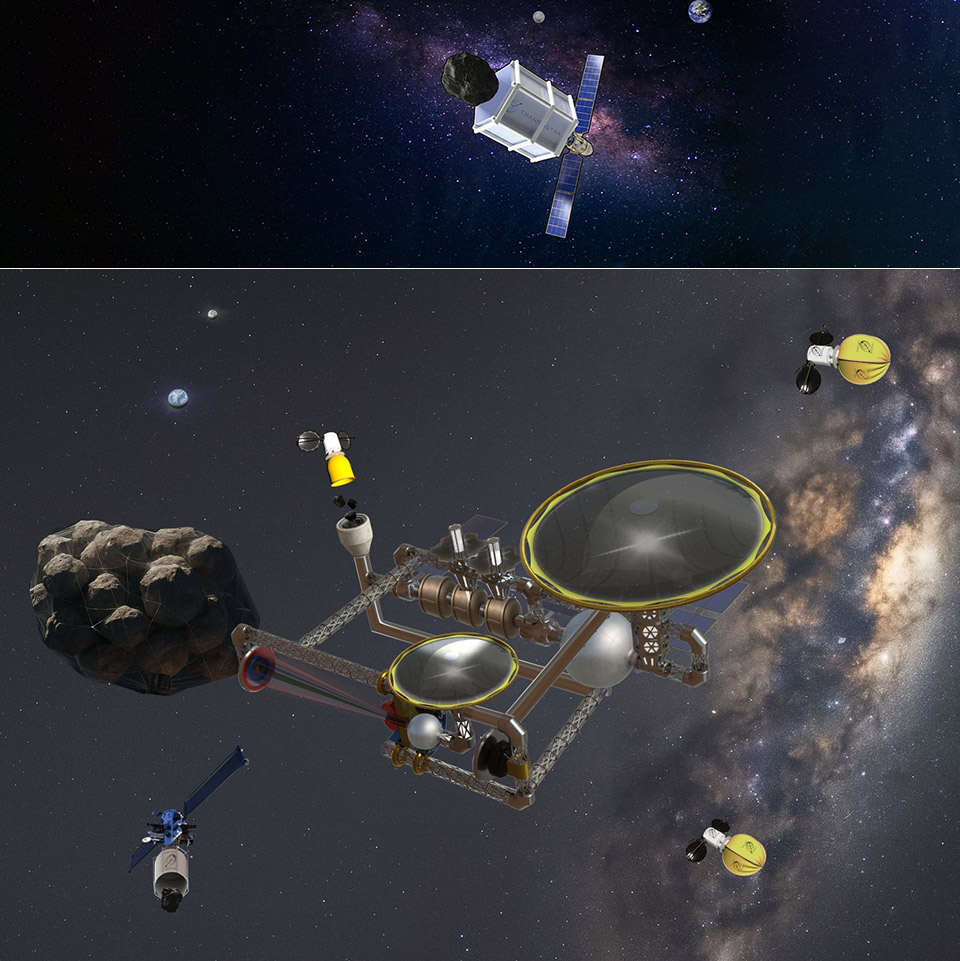
Small asteroids occasionally come close enough to Earth to provide potentially significant resources such as water for rocket fuel and metals for construction panels. TransAstra, a Los Angeles-based startup, has developed a device to grab the rocks whole and draw them into a nearby orbit, where personnel can break them down into useful components.


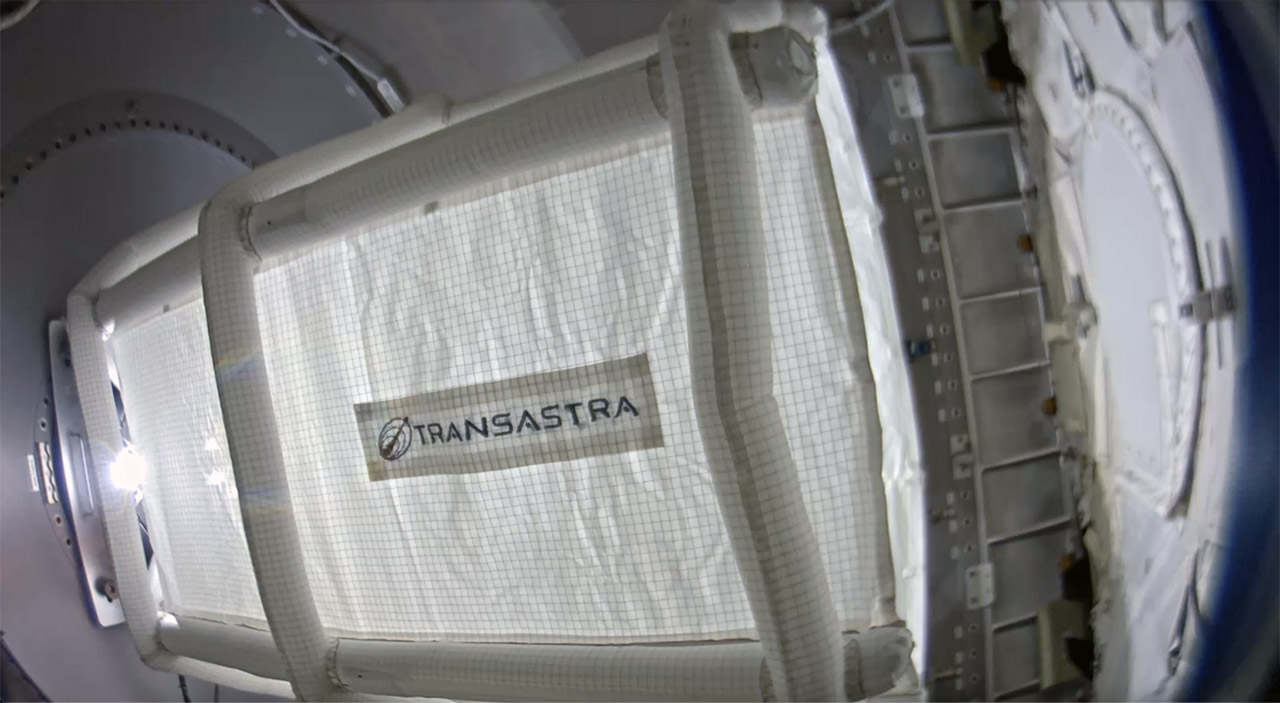
Engineers equip a spacecraft with the company’s capture mechanism before sending it out to meet one of approximately 260 tiny asteroids, each measuring barely 20 meters wide and weighing around 100 tons. At the capture site, the bag unfolds from its folded condition and wraps completely around the tumbling boulder. Once it has a firm grip on the entire object, the edges pull in tight to keep everything secure for the lengthy journey back to their destination. The bag, or capture device, is the center of the entire operation. It is made of robust laminates used in aerospace operations, which have the advantage of remaining flexible even in the extreme cold of space. Last fall, a 1-meter test version made it to the International Space Station, where it was inflated, opened, and closed several times in a vacuum chamber. The same design is now three stories tall thanks to a $2.5 million NASA contract and matching private funds. The full-scale prototypes will be tested at the Jet Propulsion Laboratory just before the first genuine asteroid run can begin.


LEGO Technic NASA Artemis Space Launch System Rocket Building Toy for Boys & Girls – STEM Learning…
  • BUILD AN OFFICIAL NASA ROCKET – Kids prepare to explore outer space with the LEGO Technic NASA Artemis Space Launch System Rocket (42221) building…
  • 3-STAGE ROCKET SEPARATION – Young builders can turn the hand crank to watch the rocket separate in 3 distinct stages: solid rocket boosters, core…
  • STEM BUILDING TOY FOR KIDS – This educational rocket kit was created in collaboration with NASA and ESA to showcase the authentic system that will…

TransAstra originally called the first significant effort the New Moon mission. An investor and customer paid for a research that detailed every process, from locating the correct rock to carefully parking it. Researchers from the University of Central Florida, Purdue University, and the Jet Propulsion Laboratory all arrived to assess the flight trajectories, potential spacecraft requirements, and costs. The investigation is expected to be completed by the end of May, paving the way for a possible launch this year or next, with the spacecraft meeting its target between 2028 and 2029.

TransAstra Asteroid Mining Bag
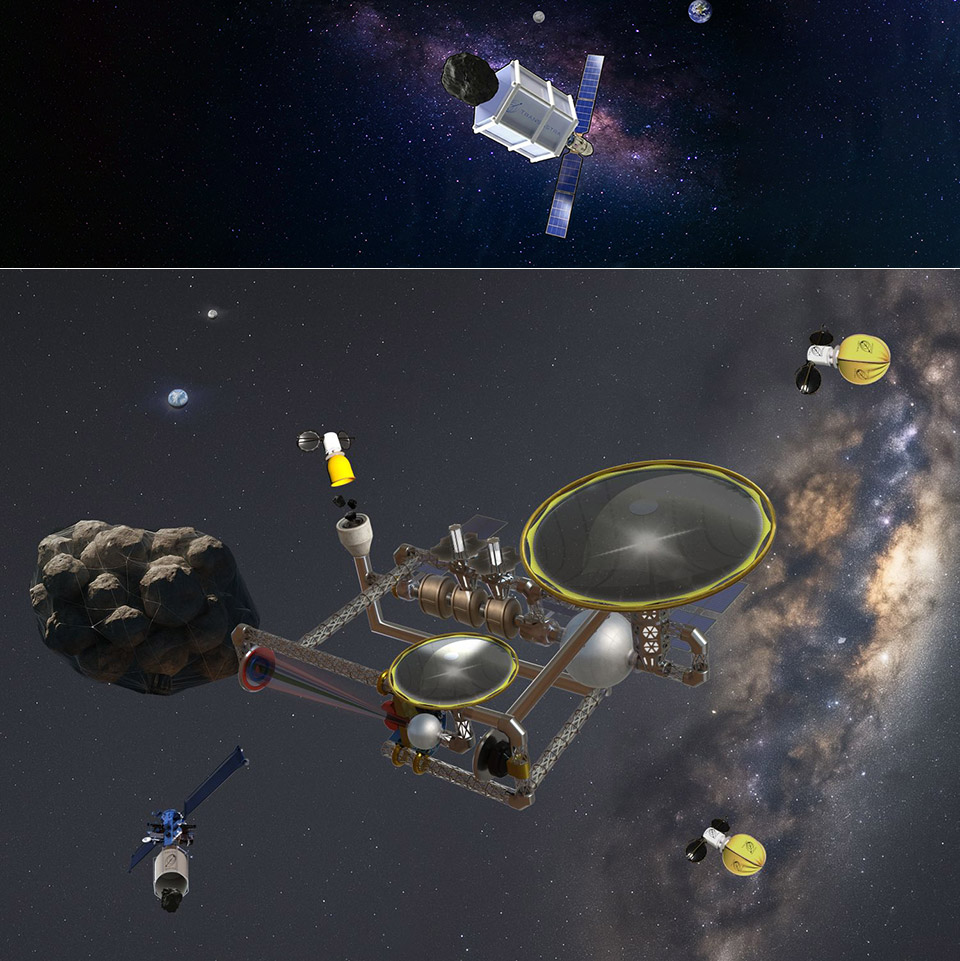
Once that bagged asteroid has arrived in a stable location within the Earth-Moon system, the real work begins. At the New Moon processing facility, robotic arms and heaters separate the water ice first. The water is converted into rocket fuel, which can later be utilized to power other spacecraft. The metals that remain are stamped into solar arrays or radiation shields, leaving only simple building blocks or shielding material, all of which remains in orbit, ensuring that nothing heavy is lifted off Earth.

For now the company is keeping its focus tight. Over the next decade the plan is to send reusable robotic craft on multiple runs, gradually gathering material from dozens or even hundreds of asteroids at a single processing location. Each mission is expected to bring back around 100 tons of material at a cost of a few hundred million dollars, which is a dramatic improvement over previous sample return missions that spent well over a billion dollars to retrieve little more than a handful of space dust. With so many potential targets within reach and missions stacking up over time, TransAstra believes the total haul could eventually climb to around a million tons of usable material.
[Source]

Advertisement

Source link

Continue Reading

Tech

Sidewalk scooter riders, beware: AI-powered ‘Lime Vision’ will soon call you out

Published

on

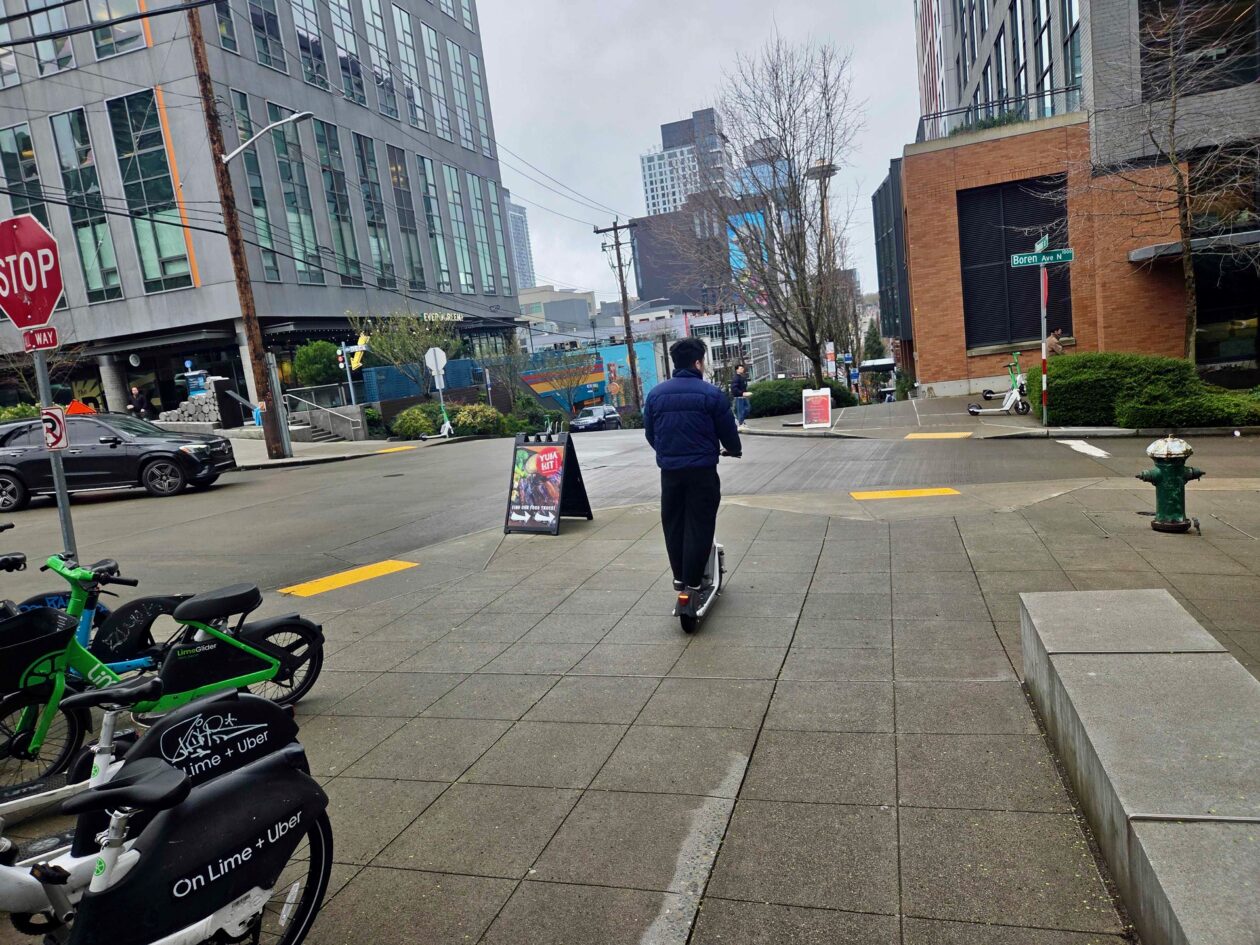
A Lime e-scooter rider cruises past on the sidewalk in Seattle’s South Lake Union neighborhood, home to Amazon HQ. New tech on the scooters coming this summer will generate audible and app alerts warning riders to move to a safer riding area. (GeekWire Photo / Todd Bishop)

Lime scooters in Seattle are going to start policing their own riders, using cameras and AI to catch — and call out — bad behavior in real time.

The San Francisco-based micromobility company’s newly developed “Lime Vision” system will make its national debut in Seattle this summer, using a front-mounted camera and a trained AI model to detect whether a rider is in the road, a bike lane, or on the sidewalk.

When bad behavior is detected, the scooter emits an audible alert and sends a real-time notification to the Lime app, warning the rider to move to a safer location.

“The audible alert very clearly makes you and others around you aware that the vehicle is not where it’s supposed to be,” said Parker Dawson, Lime’s senior regional lead of government relations for the Pacific Northwest.

The rollout is part of a broader set of planned safety features aimed at protecting both riders and pedestrians, and will eventually extend to Lime’s e-bike fleet.

Advertisement

Reckless riding can be a serious problem, especially for riders who don’t wear a helmet. KUOW reported last year that Seattle’s Harborview Medical Center saw 163 serious injuries in 2024 from e-scooter or e-bike mishaps, many of them head injuries.

Lime scooters and bikes lined up in downtown Seattle. (GeekWire File Photo / Kurt Schlosser)

Half of Lime’s 7,000 standing scooters in Seattle will be outfitted with the Lime Vision by June 1 — utilizing a mix of new devices and retrofits — just in time for the massive influx of visitors expected for the FIFA World Cup. The remainder of the fleet will be completed in the following months.

It’s the latest evolution of the City of Seattle’s e-bike and e-scooter share program, which currently includes both Lime and Bird.

Lime, which operates in more than 280 cities across nearly 30 countries, arrived in Seattle in July 2017, and counts the city as its oldest active market and a global testing ground for new hardware, including throttled e-bikes and the “LimeGlider” sit-down scooter.

With 15,000 deployed devices, including bikes, Lime riders recorded more than 10 million trips in Seattle in 2025, with Pike Place Market ranking as the top destination in all of North America last year.

Advertisement

To help manage the volume, the Seattle Department of Transportation began adding more than 200 new parking “corrals” downtown and around the city last fall to alleviate sidewalk clutter and encourage proper docking.

GeekWire is in touch with SDOT about the Lime Vision technology, and we’ll update this post when there’s more information to share.

Source link

Advertisement
Continue Reading

Tech

Amazon is giving smartphones a second try, and you can probably guess what it’s all about

Published

on

Amazon burned its fingers with the Fire Phone back in 2014. The device, personally overseen by Jeff Bezos, lasted barely over a year before Amazon pulled the plug and wrote off $170 million in unsold inventory. Now, the company is taking another shot at the smartphone market.

According to Reuters, Amazon is developing a new phone internally under the codename “Transformer.” The project is part of a group called ZeroOne, which focuses on building breakthrough devices. It is led by J Allard, a former Microsoft executive who helped bring the Xbox and Zune to market.

What will the Amazon phone actually do?

The phone is being designed as a personalization device, one that keeps you connected to Alexa, Prime Video, Prime Music, and Amazon shopping throughout your day. A key focus is AI integration, which could eliminate the need for traditional app stores entirely. Think less scrolling through apps and more just asking Alexa to get things done.

The concept is similar to what Carl Pei described as the future of Nothing phones in his recent SXSW interview.

Advertisement

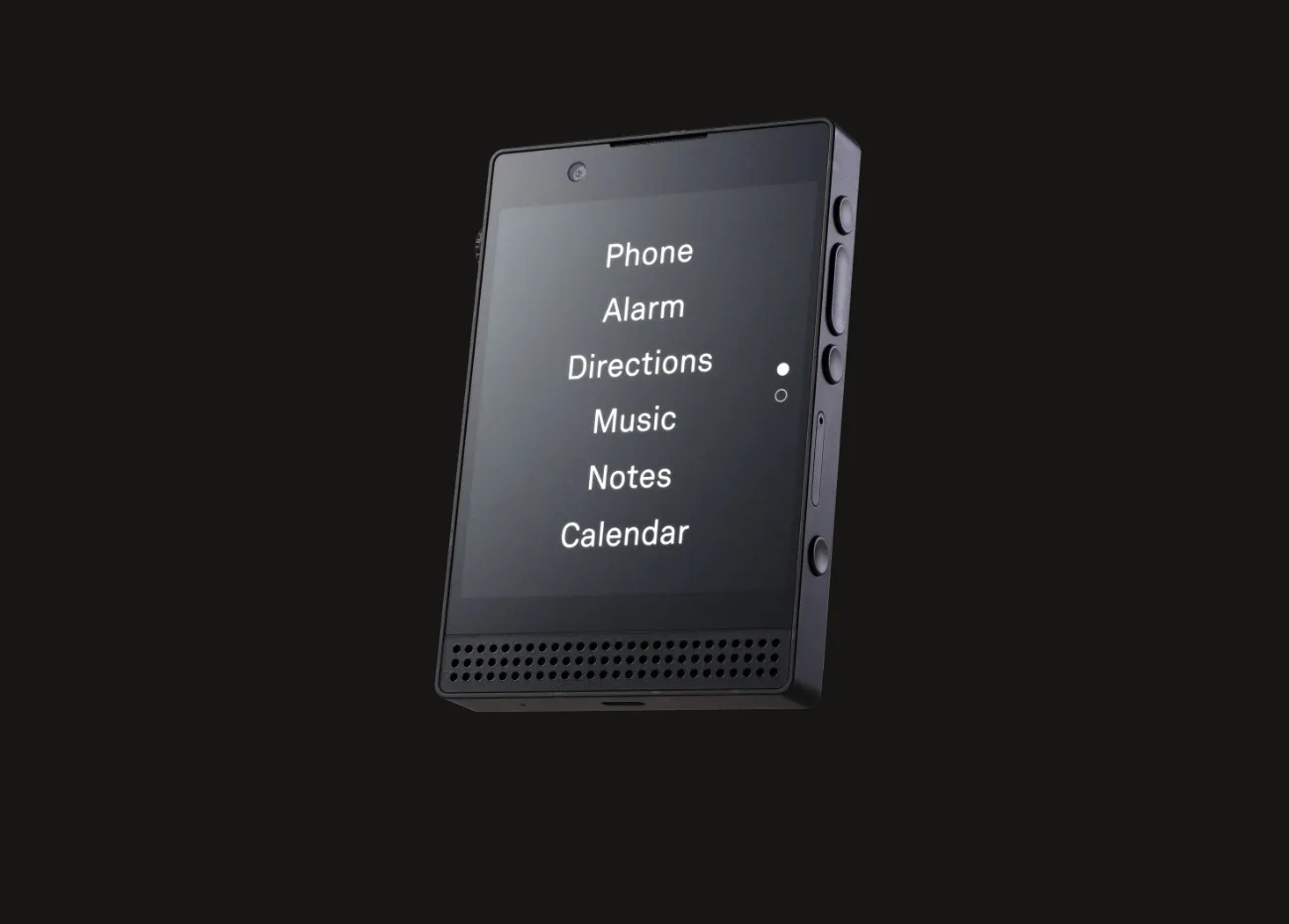
Interestingly, Amazon has also explored a “dumbphone” version with limited features, partly inspired by the Light Phone. A simpler device could help Amazon pitch it as a second phone that cuts through the noise rather than adding to it. 

Will it actually work this time?

That’s the big question. The Fire Phone failed because it lacked popular apps, overheated, and gave people very little reason to ditch their iPhones or Android devices. Amazon faces the same challenge now, with Apple and Samsung still controlling roughly 40% of global smartphone sales between them.

Amazon is betting that a phone built around Alexa and its massive ecosystem might be different. Whether consumers agree is another story entirely. The timeline for Transformer remains unclear, and Reuters notes it could still be scrapped.

In my opinion, the dumbphone idea would be a better starting point for Amazon. Competing in an already saturated smartphone market would be difficult, so positioning an AI-powered “dumbphone” as a secondary device that assists with shopping could be an idea users get behind.

Source link

Advertisement
Continue Reading

Tech

ByteDance is selling its Moonton game unit to Savvy Games for a cool $6 billion

Published

on

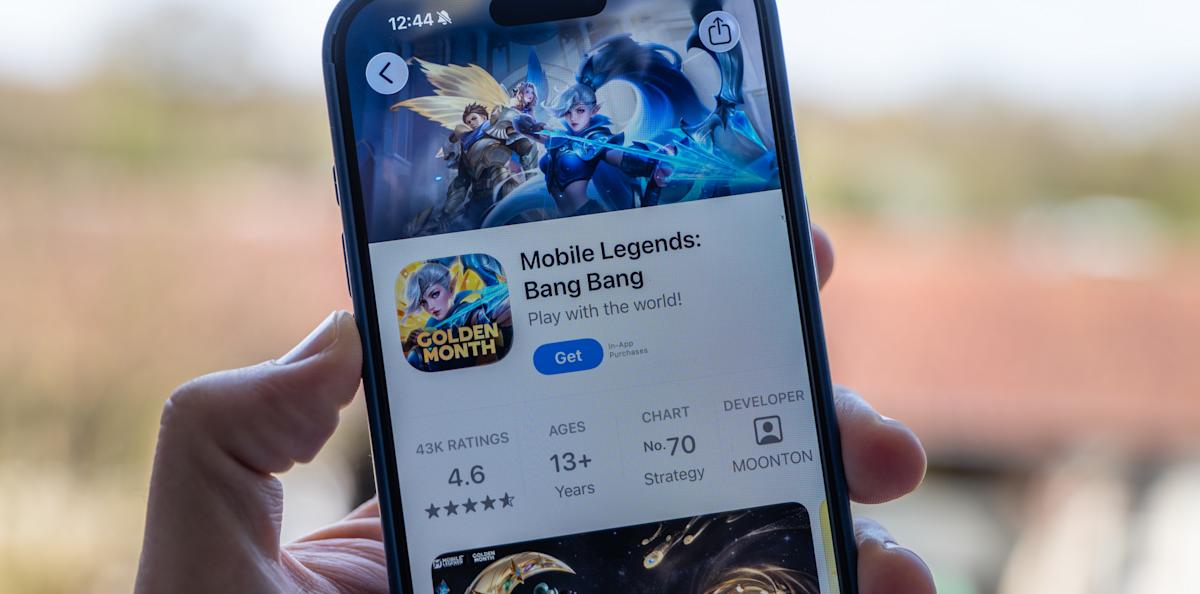
Following discussions first reported on earlier this year, ByteDance has agreed to sell its games unit Moonton to Savvy Games Group for $6 billion. Moonton is known for mobile titles popular in Asia like Mobile Legends: Bang Bang, which has been downloaded 1.5 billion times. The transaction is set to be finalized in the “near future,” according to an internal memo from Moonton’s CEO seen by Bloomberg.

ByteDance has been winding down its gaming arm and shopping Moonton since 2023, just two years after it first acquired the developer. Around that same period, the TikTok parent was shuttering its Nuverse gaming arm, which published notable titles like Marvel Snap and Ragnarok X: Next Generation. The company has since shifted its focus to AI, competing with Chinese rivals to develop chatbots and foundational models.

Savvy Games, which is owned by Saudi Arabia’s Public Investment Fund (PIF), has been going in the opposite direction. Last year the company (via its subsidiary Scopely) acquired Pokémon Go developer Niantic for $3.5 billion. PIF was also among the key investors that purchased Electronic Arts in a blockbuster $55 billion deal last year. The Saudi fund holds a 7.5 percent stake in Nintendo as well.

The sale is the latest chapter in the recent gaming industry consolidation that saw around 45,000 jobs lost in a brutal three-year period between 2022 and 2025. According to a recent GDC study, one-third of US video game industry workers were laid off over the last two years.

Advertisement

Source link

Continue Reading

Tech

Blackberry's ghost still haunts Apple in lawsuits that have nothing to do with them

Published

on

Years after Blackberry phones died and the firms technology patents were sold off, Apple is in court trying to block details of its old deals from reaching iPhone rival Xiaomi.

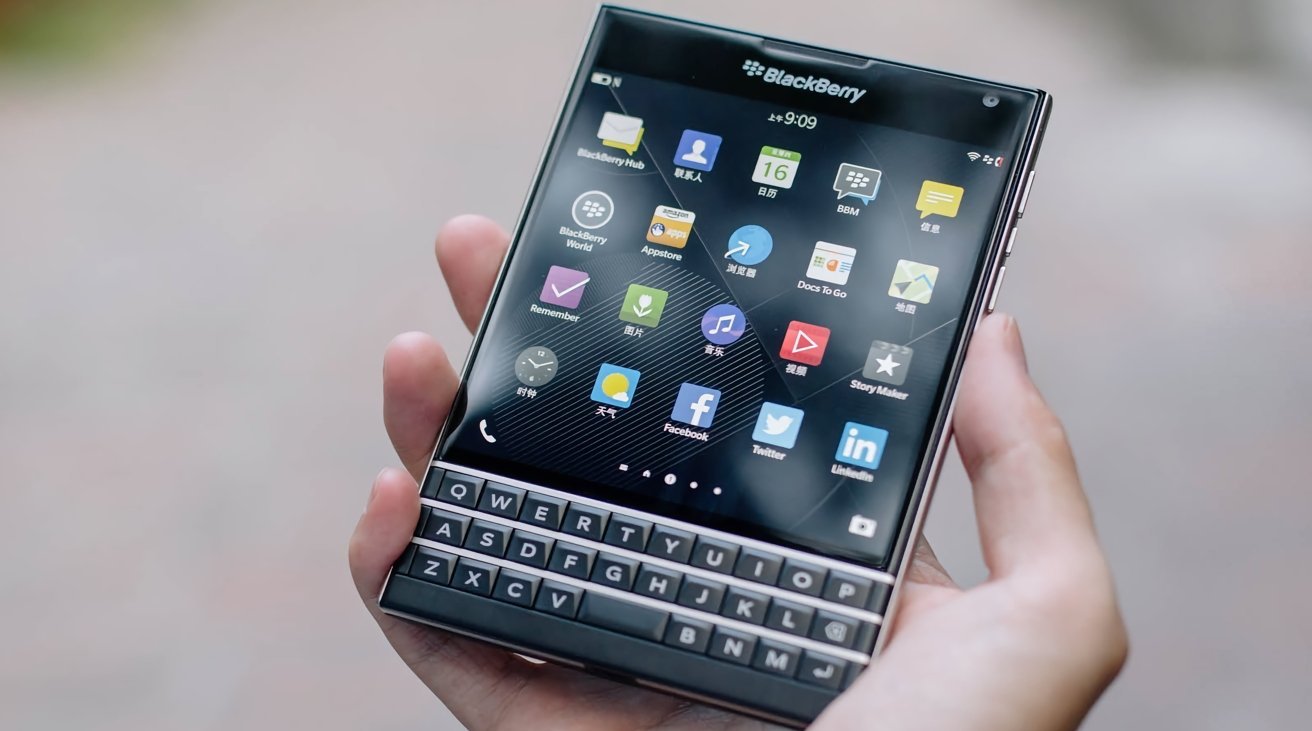
Hand holding a BlackBerry smartphone with square touchscreen, colorful app icons, and a three-row physical QWERTY keyboard, against a softly blurred outdoor background
Blackberry phones are long gone, but the technology behind them is still the subject of patent disputes

Blackberry phones stopped working back in 2022, but the company sold off its patents and already been doing licensing deals. Now according to Courthouse News, patent law firms want details of those licenses.
Apple has gone to court to stop it.
Continue Reading on AppleInsider | Discuss on our Forums

Source link

Continue Reading

Tech

Illinois Wants To Make Speed Limiters Mandatory For Some Drivers

Published

on


Illinois Secretary of State Alexi Giannoulias was sworn in on January 9, 2023. He soon made it a priority not only to bring his state into the digital age by any means necessary, but also to improve safety on its roadways. In February 2026, he expanded the state’s Electronic Lien and Titling System, effectively eliminating paper titles by mandating that the system go fully digital by July 1, 2026. Now, he’s going after reckless drivers in the Land of Lincoln.

House Bill 4948, first introduced in February 2026, would establish the Intelligent Speed Assistance Program. The goal of this program is to reduce high-speed crashes and traffic fatalities, specifically involving drivers convicted of reckless driving and those going over 100 miles per hour. If found guilty, the courts could order drivers to install a certified intelligent speed assistance system on every vehicle owned by or registered to that individual. Furthermore, they won’t be able to hop behind the wheel of another motor vehicle that doesn’t have one of these speed-limiting devices installed.

Said device will need to remain on the vehicle for at least 12 months, or for however long that person’s license was suspended or revoked — whichever duration is longer. Should the Intelligent Speed Assistance Program be signed into law, it would take effect January 1, 2027.

Advertisement

House Bill 4948 would punish reckless driving

These speed-limiting devices may seem like your car’s about to become a snitch, but it instead works as an ever-present monitor that will “intelligently” maintain the vehicle’s speed at the posted limit in any given area. They’re more like the many alcohol ignition interlock device (IID) programs around the country that essentially imbed a breathalyzer into the car to prevent drunk driving. Speed limiting technology has also been proposed in New York. In fact, similar legislation has already passed in Virginia, which will become the first state to implement this technology when the law goes into effect on July 1, 2026.

In Illinois, in addition to requiring the convicted person to bear the cost of installing and maintaining the device (unless the court deems them financially unable to do so), House Bill 4948 also requires the convicted person to prove that the device was installed and officially request permission before they can remove it. Tampering with or evading the device — or assisting another person to do so — may very well result in a Class A misdemeanor. In fact, failure to follow any of the program’s requirements may result in your license being suspended or revoked and may include a civil and/or monetary penalty.

Advertisement

The office of the Secretary must approve all necessary rules and regulations for this Intelligent Speed Assistance Program, including any exemptions (e.g., for someone who must drive an employer-owned vehicle as part of their job). They must also compile and approve a list of service providers capable of installing, servicing, inspecting, and removing approved devices, among other things. Of course, this all depends on whether the bill can survive committee hearings, and both chambers must vote on its approval before it passes.


Advertisement

Source link

Continue Reading

Trending

Copyright © 2025