

Business
Minnesota Lawmakers Propose Statewide Ban on Crypto ATMs Amid Surge in Elder Fraud Scams

Minnesota lawmakers have introduced legislation that would impose a complete ban on cryptocurrency kiosks — commonly known as crypto ATMs or Bitcoin ATMs — across the state, marking one of the most aggressive regulatory moves against the machines in the United States as fraud complaints targeting elderly residents continue to rise.
House File 3642, sponsored by DFL Rep. Erin Koegel, co-chair of the House Commerce Finance and Policy Committee, was introduced February 23, 2026, and discussed in committee February 26. The bill prohibits anyone from “placing or operating a virtual currency kiosk” anywhere in Minnesota and would repeal the existing regulatory framework established in 2024, which included a $2,000 daily transaction limit for new customers, mandatory risk disclosures, a 72-hour cooling-off period and refund mechanisms for certain victims.
If passed, Minnesota would become one of the first — if not the first — U.S. states to enact a full statewide ban on physical crypto kiosks. The proposal follows testimony from local law enforcement and the Minnesota Department of Commerce highlighting a wave of scams, many involving “pig butchering” schemes where victims are tricked into transferring cash to kiosks for supposed cryptocurrency investments or emergencies.
Sergeant Jake Lanz of the St. Paul Police Department told the committee that crypto kiosks have become a primary tool for fraudsters, with cases often involving overseas actors draining savings from vulnerable older Minnesotans. One example cited during hearings involved an elderly victim losing $80,000 through repeated deposits at kiosks after being manipulated by scammers posing as trusted contacts. State officials reported millions in losses, with the elderly disproportionately affected.
The Minnesota Department of Commerce has strongly endorsed the bill, planning to introduce broader consumer protection measures in coming days. The agency has argued that existing safeguards have proven insufficient against sophisticated fraud, and a ban is the most effective way to eliminate the vector.
Crypto kiosks allow users to insert cash and purchase digital assets like Bitcoin, with operators charging high fees — often 12-25% or more. Proponents of the ban say the machines enable irreversible, hard-to-trace transfers that scammers exploit, particularly in “grandparent scams” or romance frauds. Critics of the industry note that many victims are instructed to use kiosks to send funds quickly, believing they are helping a loved one or investing legitimately.
The proposal has drawn support from law enforcement and consumer advocates, including AARP Minnesota, which has highlighted the disproportionate impact on seniors. No major opposition testimony was reported during the initial hearing, though industry groups could mobilize as the bill advances.
Minnesota’s move fits into a broader national trend of tightening controls on crypto kiosks. In 2025, cities like Spokane, Washington, banned the machines locally, and states including California, Maine and Iowa imposed strict daily transaction limits (often $1,000) and fee caps. Vermont extended a moratorium on new kiosks through mid-2026. West Virginia advanced licensing and transaction-limit bills in February 2026, while Indiana considered a ban before weakening it to regulations.
Nationwide, the Federal Trade Commission and FBI have warned of escalating crypto-related fraud, with losses in the billions annually. Crypto kiosks, numbering around 34,000 in the U.S., are concentrated in convenience stores, gas stations and malls, making them accessible but vulnerable to abuse.
Industry representatives argue bans go too far, potentially stifling legitimate use for remittances, unbanked populations or quick conversions. They contend education, better operator compliance and federal oversight — rather than outright prohibition — would address scams more effectively. Some point out that kiosks are regulated as money transmitters in many states, and fraud often stems from external scammers rather than the machines themselves.
The bill’s fate remains uncertain. It must advance through the House Commerce Finance and Policy Committee, then the full House and Senate before reaching Gov. Tim Walz. Minnesota’s legislative session runs through May 2026, giving time for amendments or compromises.
Supporters hope the measure will protect vulnerable residents and set a precedent for other states grappling with similar fraud spikes. Critics worry it could push activity underground or limit access to digital assets in a state with growing crypto interest.
As hearings continue and public testimony mounts, Minnesota’s proposed ban highlights the tension between innovation in digital finance and consumer protection in an era of rising scams.



Safe haven Japanese yen and Swiss franc gain after weekend Iran strikes
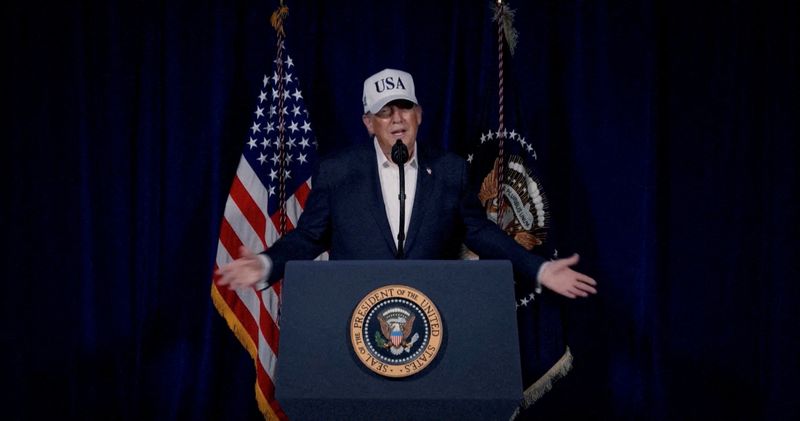

US is sinking Iran’s Navy, Trump says
MCCAIG/iStock via Getty Images
Market Overview
US equities advanced in the fourth quarter, registering a sizable return for 2025. Markets were bolstered by robust corporate earnings, resilient consumer spending, and solid economic growth, although anxiety about lofty valuations in the technology sector and concerns


Just one in four Americans support US strikes on Iran, Reuters/Ipsos poll finds

Rhythm reports positive Phase 3 data for hypothalamic obesity drug
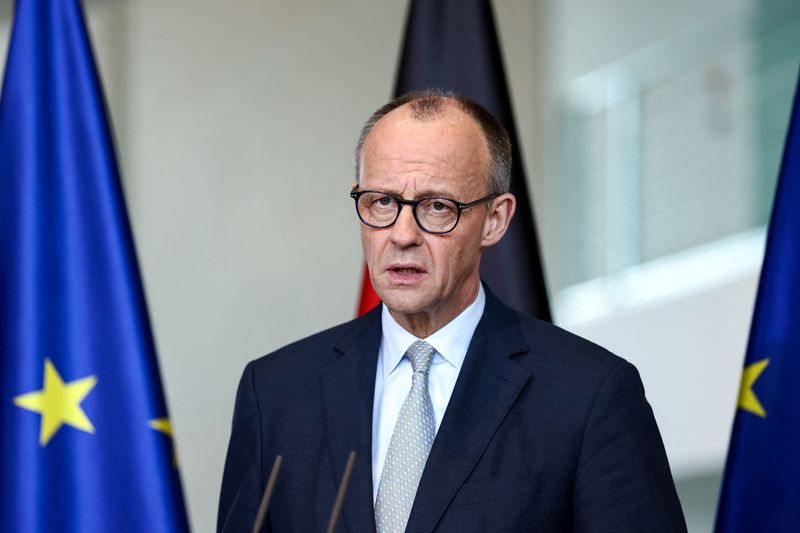

Germany’s Merz calls for plan for ’day after’ in Iran
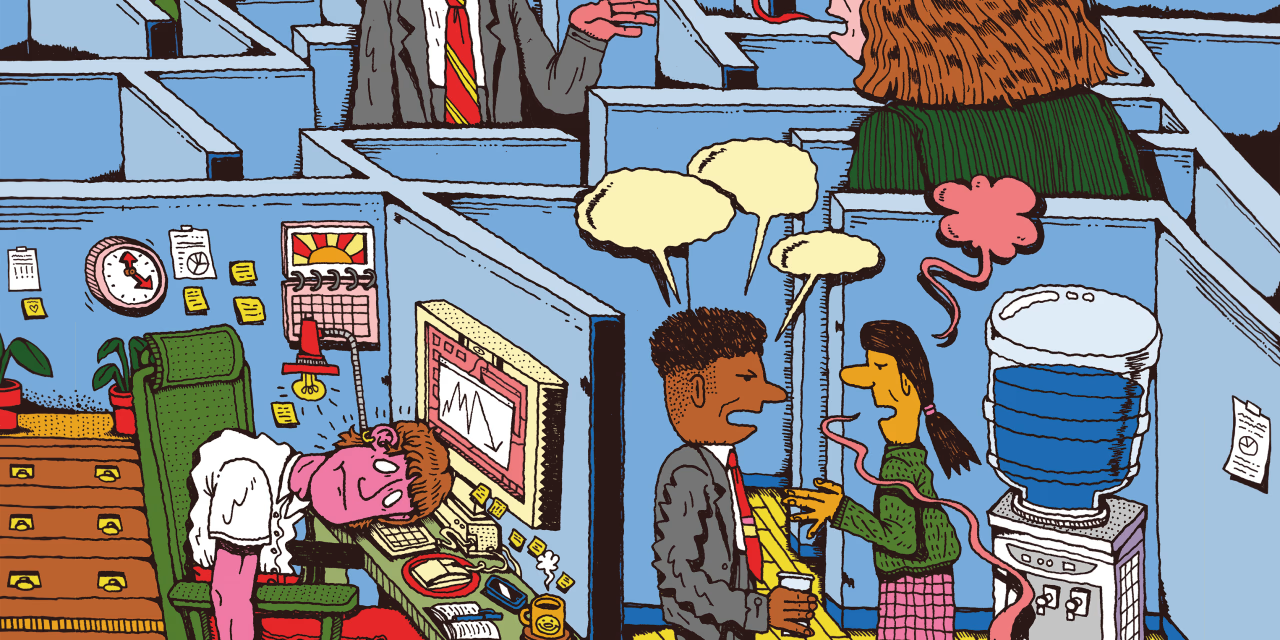
The workplace can be a tricky place to navigate. Almost everything we do at work—identifying the experts, managing tough feedback from a boss, figuring out how to work in teams made up of different personalities—comes down to our ability to manage relationships. And to do so, we need savvy social skills.
Most employees acquire those skills over time—by learning from their nonwork relationships, watching how colleagues behave in the office, and by seeing what happens when they stumble in their own workplace interactions.
Copyright ©2026 Dow Jones & Company, Inc. All Rights Reserved. 87990cbe856818d5eddac44c7b1cdeb8

Golden Heaven Group announces $18 million private placement and warrant amendment

Available for 29 days
Professor Ha-Joon Chang is inspired by his passion for food to reflect on why economics matters – or, as he puts it, “a hungry economist explains the world”.
Omnibus of five episodes, where he zooms in on familiar foods:
* Garlic
* Bananas
* Okra
* Rye
* Chocolate
He uses the histories behind each – where they come from, how they’re cooked and consumed and what they mean to different cultures – to explore economic theories.
Witty and thought-provoking, Professor Chang sets out to challenge ideas about the free-market economy which he believes have been too easily accepted for decades.
Read by Arthur Lee.
*** Professor Ha-Joon Chang teaches economics at SOAS University of London, and is one of the world’s leading economists. His books include Economics: The User’s Guide, Bad Samaritans and 23 Things They Don’t Tell You About Capitalism.
*** Reader Arthur Lee is a British actor of Korean descent who made his international debut on HBO Cinemax’s Strike Back in 2015 and who recently appeared in Doctor Who. Arthur grew up mostly in London, but also spent several years in South Korea advancing his knowledge of Korean language and culture.
Abridged and produced by Elizabeth Burke
Executive Producer: Jo Rowntree
A Loftus Media production for BBC Radio 4, first broadcast in September 2022.
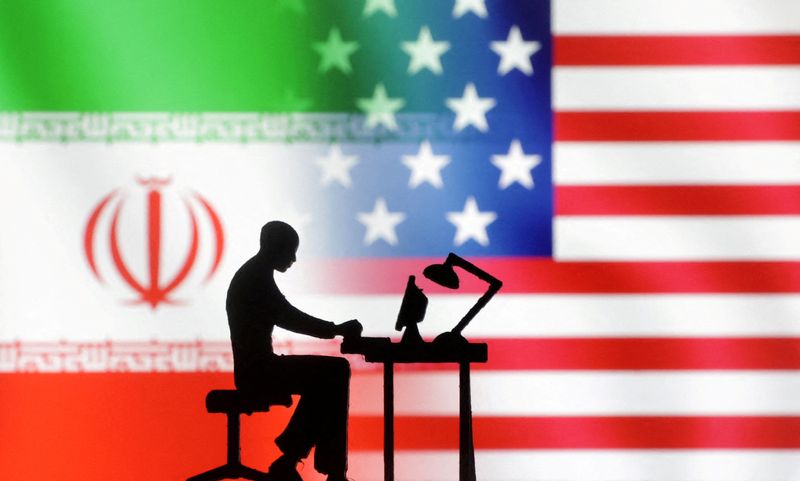

Hackers hit Iranian apps, websites after US-Israeli strikes

Z Score of Bitcoin-to-Gold Ratio Signals ‘Major’ Rally Coming: Analyst

The Scariest Film On Netflix Is Carried By Two Star Trek Greats

Arsenal vs Chelsea LIVE: Premier League result, latest updates and fan reaction


-

 Sports6 days ago
Women’s college basketball rankings: Iowa reenters top 10, Auriemma makes history
-

 Fashion2 days ago
Weekend Open Thread: Iris Top
-

 Politics6 days ago
Nick Reiner Enters Plea In Deaths Of Parents Rob And Michele
-

 Business5 days ago
True Citrus debuts functional drink mix collection
-

 Politics3 days ago
ITV enters Gaza with IDF amid ongoing genocide
-
Sports2 days ago
The Vikings Need a Duck
-

 Tech15 hours ago
Unihertz’s Titan 2 Elite Arrives Just as Physical Keyboards Refuse to Fade Away
-

 Crypto World5 days ago
XRP price enters “dead zone” as Binance leverage hits lows
-

 Tech5 days ago
Unsurprisingly, Apple's board gets what it wants in 2026 shareholder meeting
-
 NewsBeat1 day ago
Dubai flights cancelled as Brit told airspace closed ’10 minutes after boarding’
-

 NewsBeat4 days ago
Cuba says its forces have killed four on US-registered speedboat | World News
-
 NewsBeat1 day ago
The empty pub on busy Cambridge road that has been boarded up for years
-
 NewsBeat4 days ago
Manchester Central Mosque issues statement as it imposes new measures ‘with immediate effect’ after armed men enter
-

 NewsBeat4 hours ago
‘Significant’ damage to boarded-up Horden house after fire
-
 NewsBeat6 days ago
‘Hourly’ method from gastroenterologist ‘helps reduce air travel bloating’
-

 NewsBeat22 hours ago
Abusive parents will now be treated like sex offenders and placed on a ‘child cruelty register’ | News UK
-
 NewsBeat5 days ago
Police latest as search for missing woman enters day nine
-

 Business4 days ago
Discord Pushes Implementation of Global Age Checks to Second Half of 2026
-

 Business3 days ago
Only 4% of women globally reside in countries that offer almost complete legal equality
-
 Sports6 days ago
2026 NFL mock draft: WRs fly off the board in first round entering combine week