

Business
10 Milestones He Says Will Happen by 2030

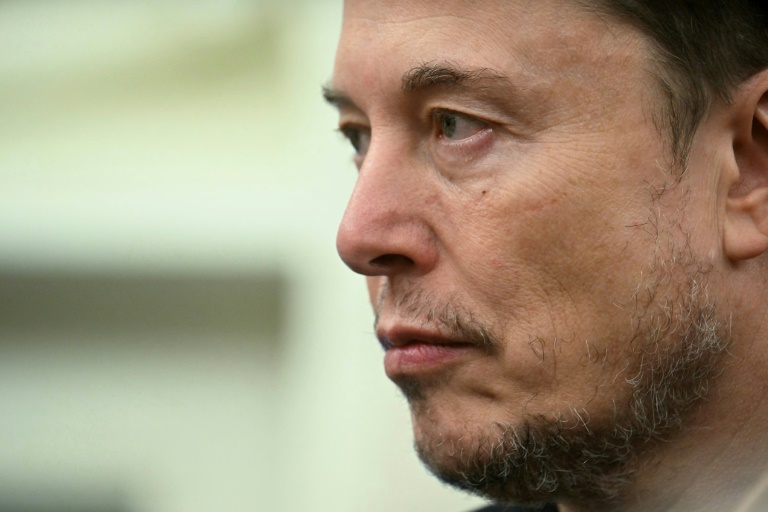
Elon Musk, the billionaire CEO of Tesla, SpaceX, xAI and Neuralink, has made a series of ambitious forecasts about technology, society and humanity’s future, many targeting the end of this decade. In recent interviews, Davos panels and X posts through early 2026, Musk has outlined visions of artificial superintelligence, widespread robotics, extended human lifespans and economic abundance driven by AI and automation. While critics often note his timelines frequently slip, his predictions continue to shape discussions on the pace of innovation. Here are 10 key things Musk has predicted will be achieved or surpassed by 2030.
1. AI Surpasses Combined Human Intelligence
Musk has repeatedly stated he is “confident” that by 2030 — or as early as 2029-2031 — artificial intelligence will exceed the collective intelligence of all humans on Earth. Speaking at Davos in January 2026, he said AI could become smarter than any single human by the end of 2026 or 2027, with superintelligence following shortly after. He views this as inevitable given exponential progress in models like those from xAI and others.
2. Billions of Humanoid Robots Transform Labor
Musk predicts billions of humanoid robots — primarily Tesla’s Optimus — will exist by 2030 or shortly after, saturating human needs and making work largely optional. He has said robots could outnumber people in beneficial scenarios, handling physical tasks from manufacturing to household chores. In 2026 remarks, he tied this to economic abundance where money becomes less relevant.
3. Robot Surgeons Outnumber Human Doctors
By 2030, Musk forecasts more Optimus robots performing high-quality surgery than all human surgeons combined. He argues robots will eliminate human error, provide consistent precision and make world-class care universally accessible, solving doctor shortages and time constraints.
4. Human Lifespans Extend Dramatically — Possibly Toward Immortality
Musk has aligned with views that AI-driven medicine will double lifespans or more by the early 2030s, potentially leading to effective immortality through biological fixes. He has echoed predictions that aging’s “biological clock” becomes solvable, enabling humans to live far longer than today.
5. Work Becomes Optional, Money Less Relevant
In 10-20 years (placing significant change by 2030-2040), Musk predicts work will be like a hobby — optional, akin to playing sports or video games. With AI and robotics producing goods and services faster than money supply grows, he says retirement savings will matter less as abundance eliminates scarcity.
6. Unsupervised Full Self-Driving and Robotaxi Networks Widespread
Musk has claimed Tesla will achieve unsupervised Full Self-Driving (true autonomy without human intervention) and deploy widespread robotaxi fleets across the U.S. by the end of 2026, with massive scale-up through 2030. He envisions millions of autonomous Cybercabs and owner vehicles earning income as robotaxis.
7. Neuralink Implants in Over 1 Million People
Musk predicts Neuralink will augment more than 1 million humans by 2030, with combined input/output bit rates exceeding 1 megabit per second. He has said brain implants could replace smartphones, allowing thought-based messaging, device control and streaming by the end of the decade.
8. Starship Cargo Missions to Mars Begin
SpaceX plans uncrewed Starship cargo flights to Mars starting in 2030 for research, development and exploration, at costs around $100 million per metric ton. Musk has outlined scaling to support eventual human missions, though crewed landings are targeted later (possibly 2029-2031, with 2030s as a key buildup phase).
9. Global Economy Experiences Unprecedented Abundance
Musk envisions an “explosion in the global economy beyond all precedent” by 2030 through ubiquitous cheap AI and robotics. He argues this will create a post-scarcity environment where goods, services and energy (via solar) become nearly free, rendering traditional economic worries obsolete.
10. Humanity Takes Major Steps Toward Multiplanetary Life
While full Mars colonization is longer-term, Musk sees 2030 as pivotal for infrastructure: frequent Starship launches, lunar base progress (prioritized before Mars), and cargo missions laying groundwork for self-sustaining cities. He has shifted some focus to the Moon but maintains Mars as the ultimate goal for species survival.
Musk’s timelines often face skepticism due to past delays (e.g., full self-driving, Optimus production). Yet his 2026 statements — from Davos to podcasts — consistently paint 2030 as a transformative horizon where AI, robotics and space travel converge to redefine human existence. Whether these predictions hold remains one of technology’s biggest open questions.



Safe haven Japanese yen and Swiss franc gain after weekend Iran strikes


US is sinking Iran’s Navy, Trump says
MCCAIG/iStock via Getty Images
Market Overview
US equities advanced in the fourth quarter, registering a sizable return for 2025. Markets were bolstered by robust corporate earnings, resilient consumer spending, and solid economic growth, although anxiety about lofty valuations in the technology sector and concerns


Just one in four Americans support US strikes on Iran, Reuters/Ipsos poll finds

Rhythm reports positive Phase 3 data for hypothalamic obesity drug


Germany’s Merz calls for plan for ’day after’ in Iran
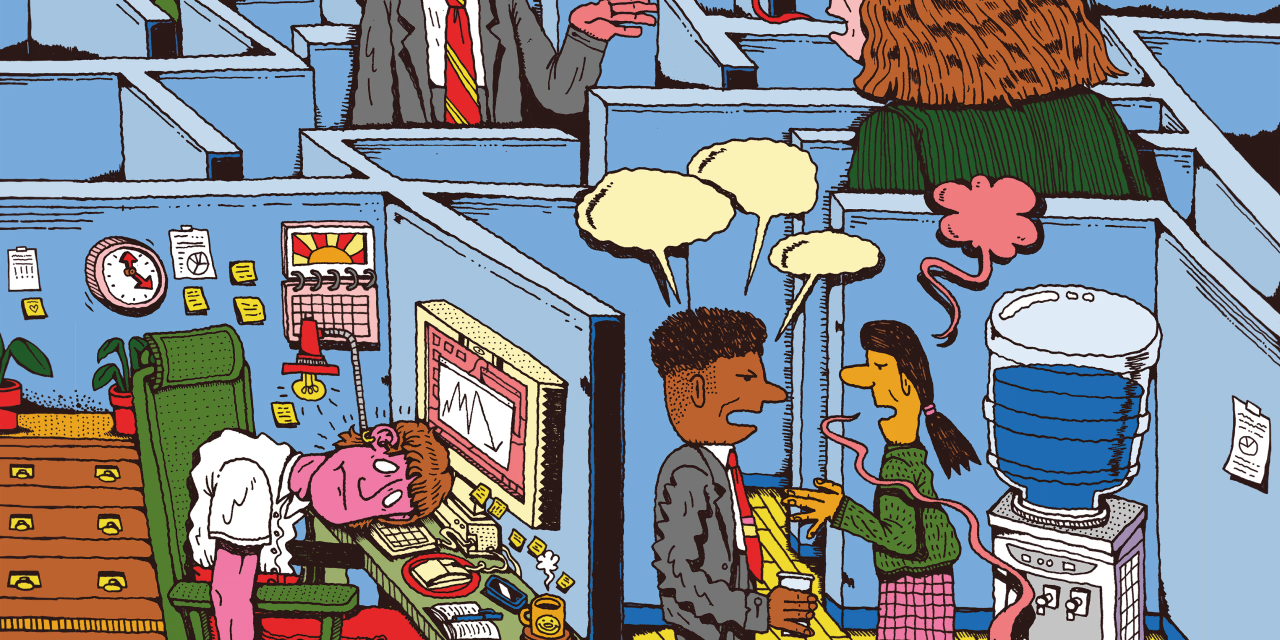
The workplace can be a tricky place to navigate. Almost everything we do at work—identifying the experts, managing tough feedback from a boss, figuring out how to work in teams made up of different personalities—comes down to our ability to manage relationships. And to do so, we need savvy social skills.
Most employees acquire those skills over time—by learning from their nonwork relationships, watching how colleagues behave in the office, and by seeing what happens when they stumble in their own workplace interactions.
Copyright ©2026 Dow Jones & Company, Inc. All Rights Reserved. 87990cbe856818d5eddac44c7b1cdeb8

Golden Heaven Group announces $18 million private placement and warrant amendment
Available for 29 days
Professor Ha-Joon Chang is inspired by his passion for food to reflect on why economics matters – or, as he puts it, “a hungry economist explains the world”.
Omnibus of five episodes, where he zooms in on familiar foods:
* Garlic
* Bananas
* Okra
* Rye
* Chocolate
He uses the histories behind each – where they come from, how they’re cooked and consumed and what they mean to different cultures – to explore economic theories.
Witty and thought-provoking, Professor Chang sets out to challenge ideas about the free-market economy which he believes have been too easily accepted for decades.
Read by Arthur Lee.
*** Professor Ha-Joon Chang teaches economics at SOAS University of London, and is one of the world’s leading economists. His books include Economics: The User’s Guide, Bad Samaritans and 23 Things They Don’t Tell You About Capitalism.
*** Reader Arthur Lee is a British actor of Korean descent who made his international debut on HBO Cinemax’s Strike Back in 2015 and who recently appeared in Doctor Who. Arthur grew up mostly in London, but also spent several years in South Korea advancing his knowledge of Korean language and culture.
Abridged and produced by Elizabeth Burke
Executive Producer: Jo Rowntree
A Loftus Media production for BBC Radio 4, first broadcast in September 2022.
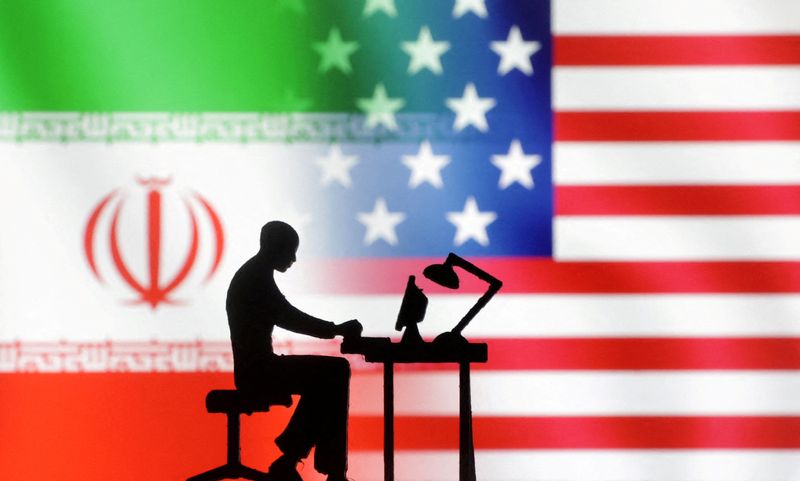

Hackers hit Iranian apps, websites after US-Israeli strikes

Russia’s horror threat against Europe as they warn ‘it’s time to strike’

PENDLE Targets $30 After 86% Crash: Is DeFi’s Only Yield Protocol Set for a 5,000% Comeback?

How to make short-game adjustments based on your lie


-

 Sports6 days ago
Women’s college basketball rankings: Iowa reenters top 10, Auriemma makes history
-

 Fashion2 days ago
Weekend Open Thread: Iris Top
-

 Politics6 days ago
Nick Reiner Enters Plea In Deaths Of Parents Rob And Michele
-

 Business5 days ago
True Citrus debuts functional drink mix collection
-

 Politics3 days ago
ITV enters Gaza with IDF amid ongoing genocide
-
Sports2 days ago
The Vikings Need a Duck
-

 Tech15 hours ago
Unihertz’s Titan 2 Elite Arrives Just as Physical Keyboards Refuse to Fade Away
-

 Crypto World5 days ago
XRP price enters “dead zone” as Binance leverage hits lows
-

 Tech5 days ago
Unsurprisingly, Apple's board gets what it wants in 2026 shareholder meeting
-
 NewsBeat1 day ago
Dubai flights cancelled as Brit told airspace closed ’10 minutes after boarding’
-

 NewsBeat4 days ago
Cuba says its forces have killed four on US-registered speedboat | World News
-
 NewsBeat1 day ago
The empty pub on busy Cambridge road that has been boarded up for years
-
 NewsBeat4 days ago
Manchester Central Mosque issues statement as it imposes new measures ‘with immediate effect’ after armed men enter
-

 NewsBeat4 hours ago
‘Significant’ damage to boarded-up Horden house after fire
-
 NewsBeat6 days ago
‘Hourly’ method from gastroenterologist ‘helps reduce air travel bloating’
-

 NewsBeat22 hours ago
Abusive parents will now be treated like sex offenders and placed on a ‘child cruelty register’ | News UK
-
 NewsBeat5 days ago
Police latest as search for missing woman enters day nine
-

 Business4 days ago
Discord Pushes Implementation of Global Age Checks to Second Half of 2026
-

 Business3 days ago
Only 4% of women globally reside in countries that offer almost complete legal equality
-
 Sports6 days ago
2026 NFL mock draft: WRs fly off the board in first round entering combine week