News Beat
The history of Blands Corner in Darlington

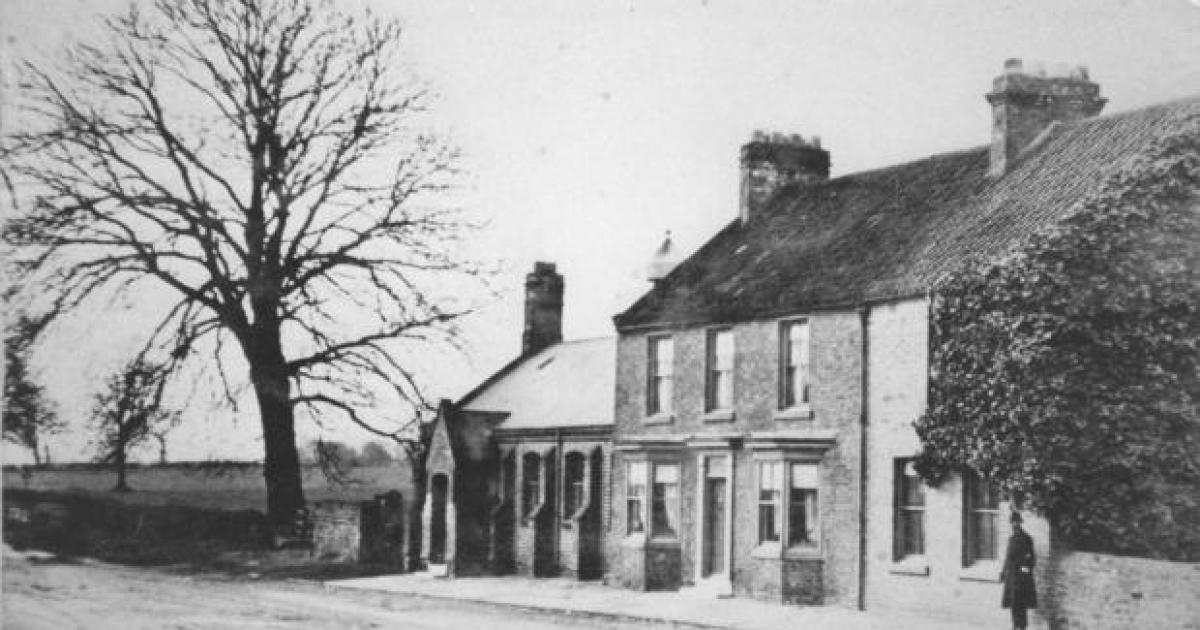
The triangular site between the A67 and A167 takes its name not from dull surroundings but from one of the town’s earliest motorists.
Long before roundabouts and bypasses, this was known as Angel’s Corner, named after the Angel Inn, which stood on the junction for centuries.
The inn served mule-train drivers who hauled coal from Durham to Yorkshire industries.

While the men drank inside, their animals grazed the surrounding Blackwell fields.
The coming of the railways ended the mule trade, and the Angel closed in 1873.
It later became a servants’ training school and then a local school before being overtaken by a new kind of traveller.
Just after the First World War, a motor repair business opened in the Angel’s old outbuildings, run by Mr Bland.
He added a distinctive, rounded showroom, sold Triumph cars, possibly American-made Selden vehicles, and supplied Cleveland petrol, later absorbed into Esso.
Although Mr Bland’s business was short-lived, the name stuck.
By the early 1930s, the site was operating as Blackwell Garage, but the junction had already become known locally as Blands Corner.

The site continued as a garage through several owners until 1971, when the old inn, school and garage buildings were cleared.
They were replaced by the headquarters of the Cleveland Car Company, opened by Lady Anne Pease, whose grandfather founded the firm in 1904.
The business later became part of the Reg Vardy dealership and was redeveloped again in 1996 into a sprawling “motor village”.
Today, it forms part of the Evans Halshaw chain.
Despite decades of redevelopment, one historic feature survives.
Tucked away near the lane to Blackwell Grange Golf Club is a granite animal drinking trough, installed in 1913 by the Metropolitan Drinking Fountain and Cattle Trough Association.

The charity was founded in 1859 to provide clean drinking water for people and animals at a time when cholera was a constant threat.
Darlington’s trough was placed here to serve the cattle and sheep driven long distances to the town’s weekly markets.
The association still exists today, restoring historic fountains and funding new ones worldwide.
Blands Corner briefly made headlines during the Second World War.

On May 1, 1942, a German bomber being chased by a British fighter dropped four high-explosive bombs on a field behind the garage.
Buildings around Blackwell were badly damaged, including High Linhams, a large house overlooking the River Tees.
Greenhouses and garages were destroyed, windows were blown out across the area, and even two miles away in Hurworth Place.
Remarkably, the only confirmed casualties were chickens.
The wartime censor prevented newspapers from naming the location, referring only to “a North-East village”.