Connect with us

Business

Thailand Braces for Economic Ripples as Middle East Conflict Escalates

Published

on

Thailand Braces for Economic Ripples as Middle East Conflict Escalates

Bangkok, March 2, 2026 – As tensions in the Middle East reach a boiling point with US-Israeli strikes on Iran and retaliatory missile attacks across the Gulf, Thailand finds itself on the frontline of indirect economic fallout. Despite being thousands of kilometers away, the Kingdom’s heavy reliance on imported oil, global trade, and tourism exposes it to surging energy prices, market volatility, and supply chain disruptions. With the Strait of Hormuz—a critical chokepoint for 20% of global oil—at risk, experts warn of potential shortages and inflationary pressures that could derail Thailand’s fragile post-pandemic recovery.

Energy Security: The 60-Day Buffer

The Ministry of Energy has declared a state of “total security,” implementing a ban on all petroleum exports to prioritize domestic stockpiles.

  • The Reserve Status: As of today, Thailand holds 7,660 million liters of crude and refined oil—sufficient for 60 days of domestic consumption. This includes 22 days of stock currently in transit, much of which has already cleared the critical Strait of Hormuz.
  • The Price “Risk Point”: While the National Fuel Fund is currently being used to stabilize pump prices, officials have flagged Wednesday, March 4, as a critical tipping point. If global diesel prices break the $100 per barrel mark, retail price hikes in Thailand may become unavoidable.
  • Power Contingency: In a strategic shift, coal-fired and hydroelectric plants have been ordered to maximum capacity to reduce the Kingdom’s reliance on imported Liquefied Natural Gas (LNG), which fuels 60% of Thailand’s electricity.

Trade & Exports: Navigating the “War Surcharge”

The Ministry of Commerce has mobilized 58 Thai Trade Centers worldwide to conduct daily risk assessments. While the Middle East is a high-growth market for Thai goods, the immediate threat is logistical.

  • Shipping & Insurance: Freight rates and maritime insurance premiums are expected to spike. The government is coordinating with state financial institutions to provide liquidity support for exporters facing these rising costs.
  • Export Exposure: Canned fruits, rubber products, and automotive parts are the most vulnerable sectors. In response, Thailand is accelerating a pivot toward “safe-haven” markets in South Asia, Africa, and Latin America.

Tourism: Sentiment vs. Safety

While Thailand remains a geographically distant “safe haven,” the aviation sector is feeling the pressure of a shifting “War Economy.”

  • Rerouted Airways: Thai Airways and other carriers are bypassing Middle Eastern conflict zones, leading to longer flight times and higher fuel surcharges on European routes.
  • Market Shift: High-spending tourists from the GCC (Gulf Cooperation Council) and Israel—who spend an average of 100,000 THB per trip—are seeing significant travel disruptions. Tourism authorities are now monitoring “sentiment shifts” as travelers reconsider long-haul trips amid global instability.

Labor & Humanitarian Response

Prime Minister Anutin Charnvirakul has prioritized the safety of the 77,000+ Thai workers currently in the region, primarily in Israel, the UAE, and Saudi Arabia.

  • Evacuation Readiness: The Royal Thai Air Force (RTAF) has put its Airbus A319/A320 and C-130 Hercules fleet on standby.
  • The Tehran Corridor: A primary evacuation route has been established through India (Indira Gandhi International) to extract the approximately 300 Thai nationals currently in Iran.

Strategic Outlook: Thailand’s Economic Defense

Sector Key Risk Government Response
Energy Strait of Hormuz closure 60-day reserve; Export ban; Coal/Hydro max output
Trade Freight & Insurance spikes Liquidity support; Market diversification (South Asia/Africa)
Currency Baht volatility Bank of Thailand monitoring “safe-haven” capital flows
Tourism Airspace closures Rerouting flights; Focus on APAC regional markets

Energy Sector Under Pressure

Thailand, as a net oil importer heavily reliant on energy supplies from the Middle East, faces heightened vulnerability to the ongoing conflict’s impact on global crude prices. Brent crude has already surged to the $90-$100 per barrel range due to fears of supply disruptions, with diesel prices likely to follow suit. Domestic fuel costs are expected to rise sharply, with a significant increase anticipated around March 4, further straining household and business budgets.If the conflict persists, electricity and cooking gas (LPG) expenses may also climb, contributing to broader inflationary pressures.

Despite this, the government maintains a modest 2026 inflation forecast of 0.3%, relying on measures such as 61 days of oil reserves and the Oil Fuel Fund’s capacity to mitigate price volatility.Additionally, LNG imports are set to increase to 13 million tonnes this year, up from 10 million tonnes previously, offering some diversification and reducing reliance on oil-based energy sources.

The Federation of Thai Industries (FTI) has raised concerns that a closure of the Strait of Hormuz could severely impact Thailand’s oil imports, resulting in rapid depletion, potential shortages, and prolonged high costs.

Advertisement

Tourism and Air Travel Chaos

The conflict has triggered mass airspace closures, resulting in 9,600 flight delays and cancellations worldwide.

Thailand’s tourism sector, still in recovery and heavily reliant on high-spending visitors from the Middle East, faces challenges ahead. Airport closures and rising ticket prices may discourage travelers from Israel and Gulf states, resulting in revenue losses. On a brighter note, some tourists might opt for safer destinations like Thailand, but the overall short-term impact is expected to be negative.

Financial Markets

Volatility and Safe Havens Geopolitical jitters are shattering hopes for global rate cuts, with oil prices elevated, equity markets tumbling, and currencies under strain. The Thai baht faces depreciation risks from capital outflows, while gold surges as a safe haven. Meanwhile, central banks are grappling with the challenge of balancing inflation control and economic growth, as uncertainty clouds future monetary policies. Investors are closely watching developments, seeking stability in assets like U.S. Treasuries and the Japanese yen, which have traditionally been viewed as secure during turbulent times.

Thailand is currently better prepared for an energy shock than in previous crises due to its robust fuel fund and strategic reserves. However, the prolonged nature of this conflict could test the limits of these buffers by mid-April.

Advertisement

Continue Reading

Continue Reading
Click to comment

Leave a Reply

Your email address will not be published. Required fields are marked *

Business

Savills appointed to Swindon Designer Outlet

Published

on

Business Live

The major retail location was recently acquired by Frasers Group

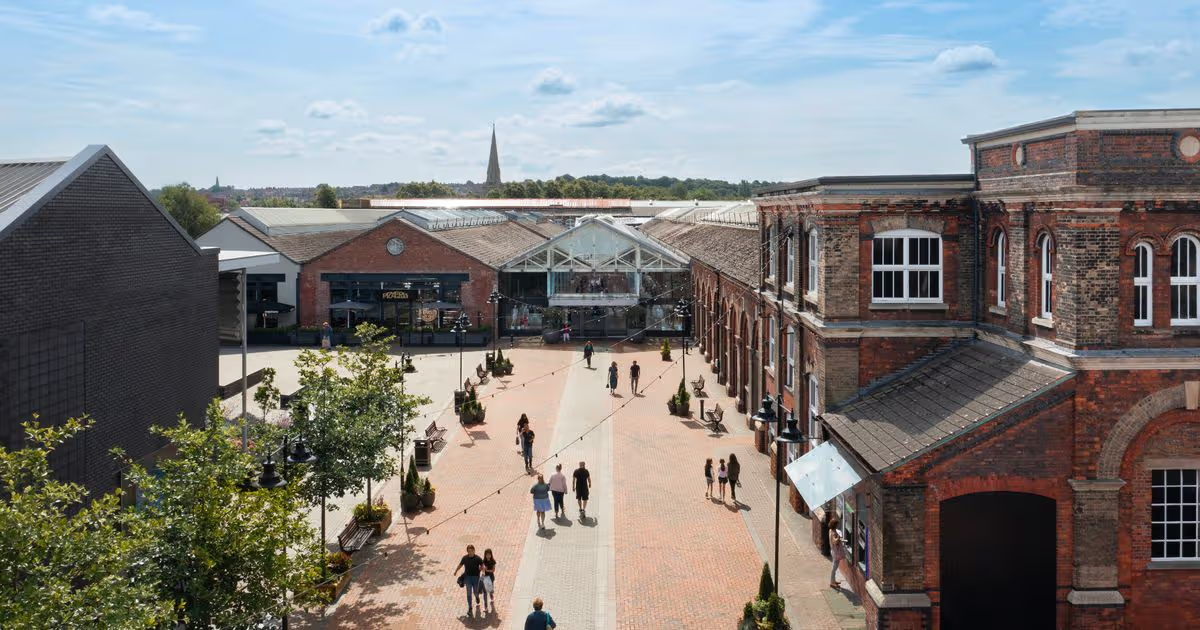
Swindon Designer Outlet.

Swindon Designer Outlet

Savills has been appointed by Frasers Group to provide property management services to Swindon Designer Outlet. The retail scheme, which extends to 250,000 sq ft and comprises of 110 units, is located in the historic Great Western Railway buildings in the centre of Swindon.

The retail destination has experienced a sustained rise in footfall, turnover and average spend, supported by the arrival of new brands such as Rituals and Crocs. This has been alongside reinvestment from long standing tenants. which include Polo Ralph Lauren, Reiss, Tommy Hilfiger, New Balance and Nike.

Its recent acquisition by Frasers Group represents a significant addition to its growing retail portfolio and reflects continued confidence in the performance and potential of the outlet sector.

READ MORE: Premier League and FA-backed Exeter playing fields project gets under wayREAD MORE: Helicopter maker Leonardo ‘hopeful’ about future of Somerset factory

Advertisement

Savills will provide property management and operational support across the scheme, ensuring the smooth running of a destination with complex heritage considerations and a diverse occupier mix

Saagar Sachdev, director, London retail and leisure, property management at Savills, said, “Designer Outlet Swindon is a well-established destination with a strong track record and a unique setting.

“Alongside its offering of leading global brands, there is a commitment to fostering a vibrant local community through initiatives such as a weekly street food market and the ‘Makers Yard’ craft market.

Joining an established and expanding group of outlet centres under Savills management, this appointment reflects our depth of sector expertise, from working closely with occupiers to maintaining an environment that meets the expectations of both brands and visitors.

Advertisement

“It also further strengthens our specialist expertise in the outlet sector, enabling us to add value through operational enhancements, brand curation and long term asset stewardship.”

Continue Reading

Business

Private sector investment essential for Bristol to meet its net zero climate goals, council chiefs say

Published

on

Business Live

Official says ‘there isn’t enough public sector money to achieve decarbonisation of cities’

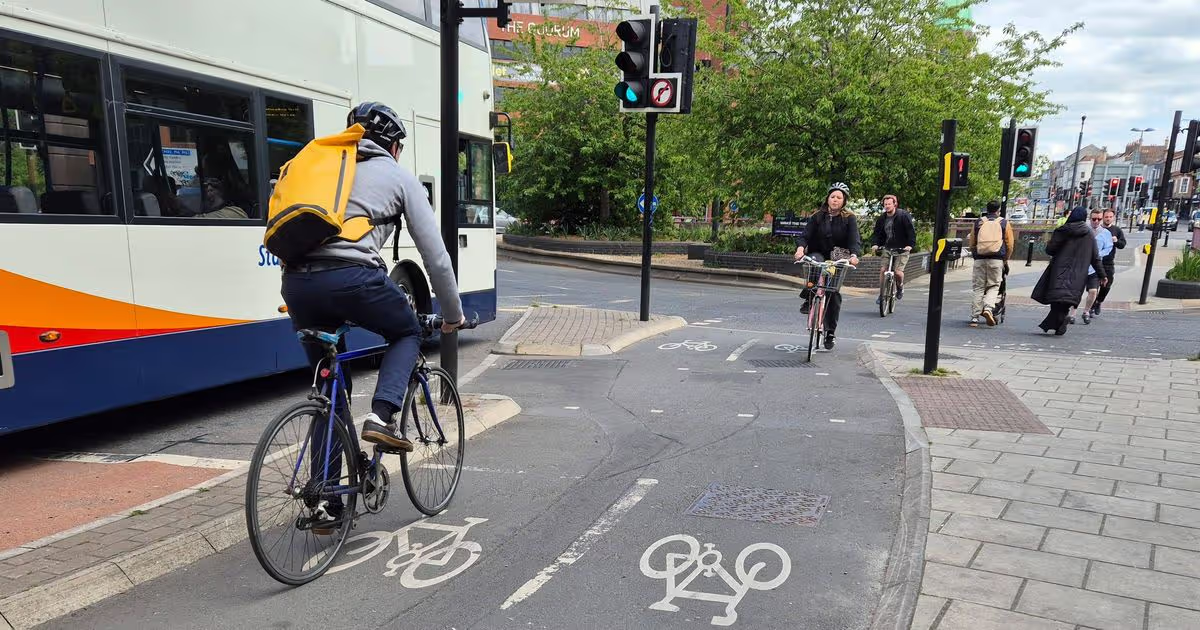
Old Market Gap bike lane

The Old Market Gap bike lane(Image: Local Democracy Reporting Service)

A lack of cash is jeopardising Bristol’s net zero climate goals and millions of pounds are needed from the private sector. Bristol has slashed how much greenhouse gas is emitted locally in the past two decades, but there is not enough public funding to reach net zero emissions.

Advertisement

Bristol City Council has published a long list of 90 actions in the push to reach net zero. But many of these rely on uncertain funding from the government, companies or investors. One big ticket item was recently removed as the West of England Combined Authority withdrew support.

Blocking through-traffic on Park Street was expected to drive up the number of people taking the bus, walking or cycling. But the West of England chose not to pay for it, so the scheme won’t go ahead – an example illustrating the precarious nature of lots of climate actions. An update on the net zero plan was given to the environment policy committee on Thursday, February 26.

Green Cllr Martin Fodor, chair of the environment committee, said: “It’s important to demonstrate to our partners that we’re taking this seriously, playing our part, and we’re looking for those partnerships and funders. I’m really impressed with the amount of funding that’s been brought in – locally, nationally, European and internationally – that has helped contribute to actions here.

“We’re still looking, so that we can do all the things that are in the action plan.”

Advertisement

So far the action plan has included replacing 36,000 street lights with efficient LEDs, saving over £1 million a year in energy bills; installing better insulation in buildings making them cheaper to heat; replacing diesel vans with electric vehicles, which also reduces air pollution; and training council staff on topics such as how to reduce climate-warming greenhouse gas emissions.

New bike paths and bus lanes have helped encourage more people to cycle or take public transport instead of driving cars. And the landmark City Leap deal was signed between the council, Ameresco and Vattenfall, paving the way for hundreds of millions of pounds investment into generating renewable energy and expanding the district heat networks, among other work.

However much Bristol does reduce its greenhouse gas emissions, the climate is still forecast to warm up over the coming years, bringing extreme heatwaves, storms and floods. Work has begun on an analysis called the Keep Bristol Cool framework, which explores how to protect Bristolians from the effects of much hotter summers, including planting trees for better shade.

One way the council has tried to overcome the lack of cash is by getting locals to invest in its climate action plan. More than £2 million has been raised already via an innovative scheme, where the council sells bonds to investors. The money helps pay for measures to cut carbon emissions, while also providing a better return than standard savings accounts.

Advertisement

Alex Ivory, the council’s climate change team manager, said: “Everybody in this sector realises there isn’t enough public sector money to achieve decarbonisation of cities. A large amount of it will have to come from the private sector.”

Transport emits the most greenhouse gases in Bristol, Government figures show

Transport emits the most greenhouse gases in Bristol, these Government figures show(Image: Local Democracy Reporting Service)

Cllr Fodor added: “We’re seen as one of the places that has really demonstrated how to have a whole spectrum of funding of different scales, from the million odd through the hundred million potentially. That’s really good news. It’s not enough yet, but it’s a good start.”

Getting the private sector to pay for projects raises a question about a lack of scrutiny. Labour has been trying to get an update to the environment committee on how the City Leap deal is going so far, as much of Bristol’s planned climate actions will be delivered by this project. But Cllr Fodor declined a request to bring a scrutiny paper to the committee.

Labour Cllr Kye Dudd, a former cabinet member who was instrumental in the City Leap deal, said: “I’ve been asking for a general scrutiny paper on how well that’s doing, probably for about a year now. It’s a 20-year project and a lot of money. This committee needs to be having regular updates, and we’ve not had one in the last two years. I think that’s a bit disappointing.”

Advertisement

Cllr Fodor replied that the committee would monitor the individual projects in City Leap. He added that its performance is the responsibility of the strategy and resources policy committee, rather than the environment committee.

Continue Reading

Business

Asian airline stocks fall on Iran tensions, surging oil prices

Published

on


Asian airline stocks fall on Iran tensions, surging oil prices

Continue Reading

Business

Lenovo Unveils ‘AI Workmate Concept’ Meant to Help You with Productivity, Workload, and More

Published

on

Lenovo AI Workmate Concept

Lenovo has unveiled the new “AI Workmate Concept” during their presentation at the Mobile World Congress (MWC) 2026. This new concept is a robot-like desk companion that aims to help users with their work and more.

The new robot-like desk companion can hear voice commands, scan documents, interact with users, and more, making it a notable desk buddy for different kinds of needs, mainly focused on productivity.

Lenovo ‘AI Workmate Concept’ Unveiled at MWC 2026

Lenovo’s new AI Workmate Concept turned heads over at MWC 2026 as the company touched on robotics in this latest tech, as well as expanded on its generative artificial intelligence developments.

Combining the two, the company came up with a robot-like desk buddy that is capable of helping out and boosting one’s workflow.

Advertisement

The AI Workmate Concept is a proof-of-concept development from Lenovo, focusing on translating human actions into “digital outcomes through natural interaction.” According to Lenovo, it is an “always-on desk companion” that offers support for gesture, spatial, voice, and writing interactions via its on-device AI.

The proof-of-concept robot has eyes via its LCD, and it is meant to be set on one’s desk. Additionally, it can also beam content to a desk or wall using its projection capabilities.

Lenovo’s Productivity and Workload Desk Buddy

Lenovo’s AI Workmate Concept is supposed to be a desk buddy, but it is also recommended to have a wall or empty desk nearby so it can project content.

The new proof-of-concept is the latest addition to the massive developments from Lenovo, which were unveiled during CES 2026, including the Lenovo Qira AI ecosystem for its consumer tech devices.

Advertisement

Users may ask the AI-powered desk companion for help on “scanning and summarizing documents, organizing notes, and assisting in the creation of presentations and other work content.”

The company calls this desk companion an exploration of physical and spatial AI. It seems Lenovo is now looking to enter the professional ecosystem meant to assist in productivity and work.

Originally published on Tech Times

Advertisement
Continue Reading

Business

Why Gas Prices Could Be Headed Higher After U.S. Attack on Iran

Published

on

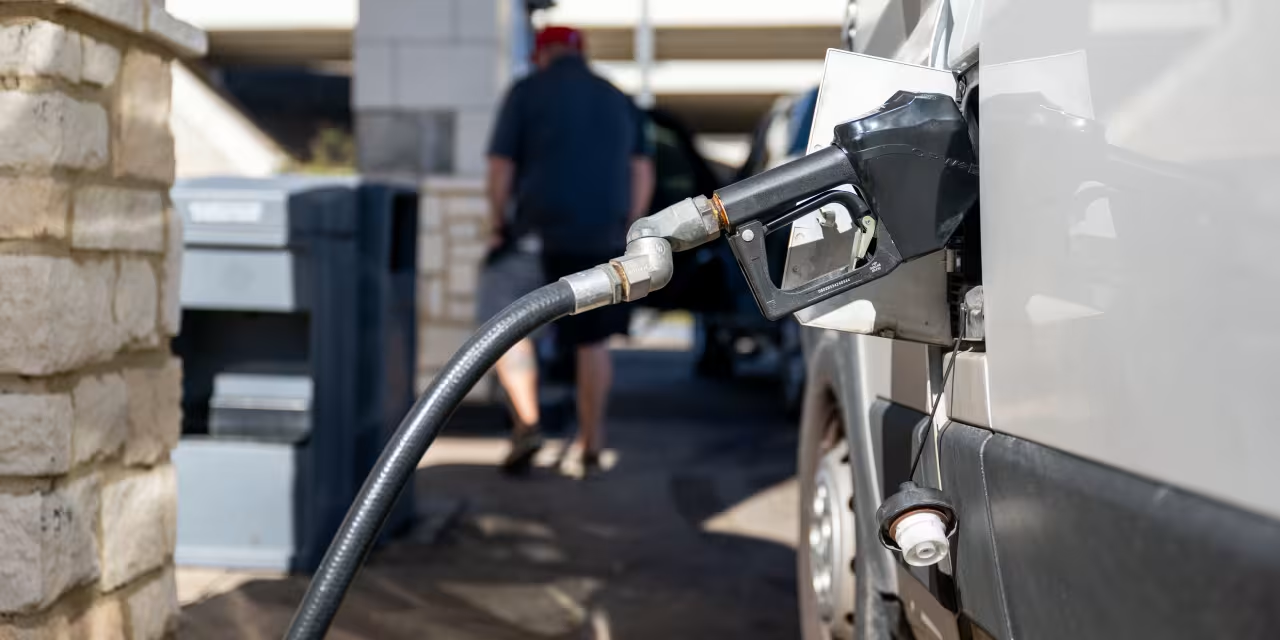
Why Gas Prices Could Be Headed Higher After U.S. Attack on Iran

Why Gas Prices Could Be Headed Higher After U.S. Attack on Iran

Continue Reading

Business

Argentina’s Milei says to pursue lower taxes and electoral system reform

Published

on

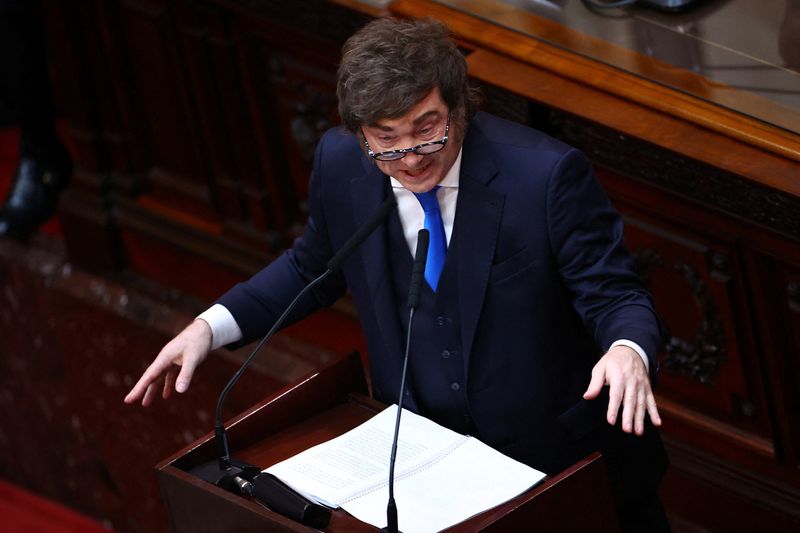
Argentina’s Milei says to pursue lower taxes and electoral system reform


Argentina’s Milei says to pursue lower taxes and electoral system reform

Continue Reading

Business

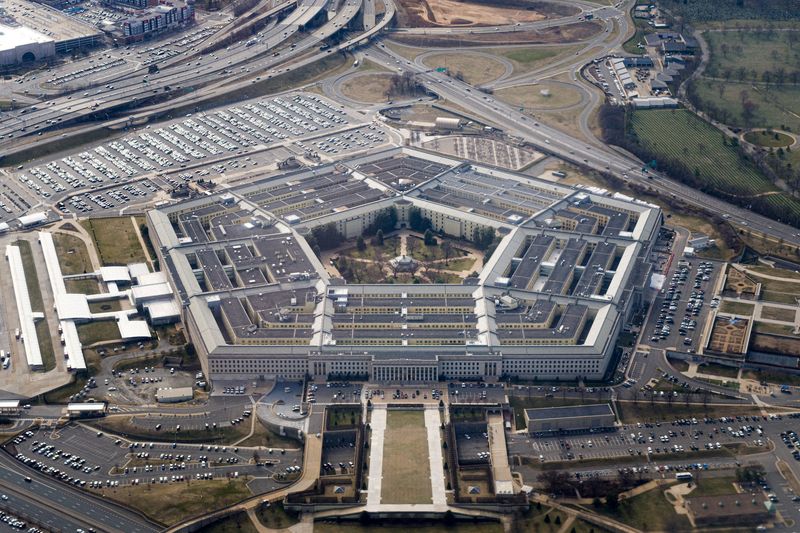
Pentagon tells Congress no sign that Iran was going to attack US first, sources say

Published

on

Pentagon tells Congress no sign that Iran was going to attack US first, sources say


Pentagon tells Congress no sign that Iran was going to attack US first, sources say

Continue Reading

Business

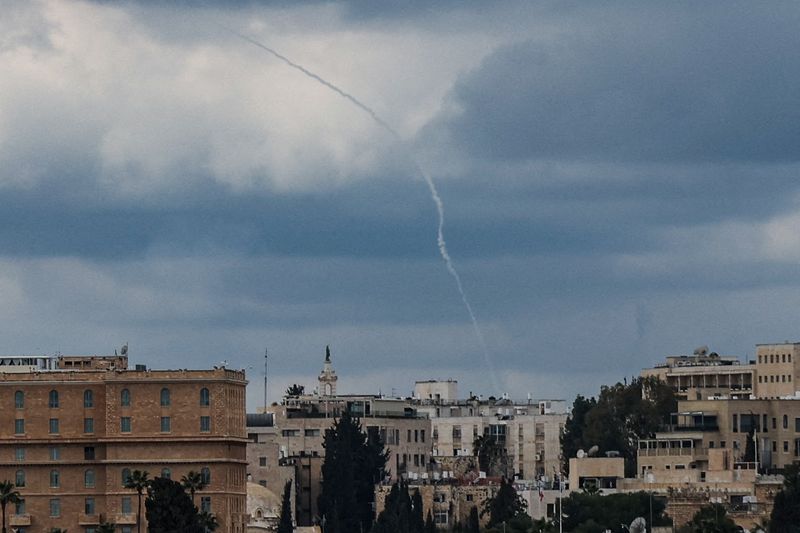
Israel strikes Lebanon following Hezbollah attacks, widening Iran conflict

Published

on

Israel strikes Lebanon following Hezbollah attacks, widening Iran conflict


Israel strikes Lebanon following Hezbollah attacks, widening Iran conflict

Continue Reading

Business

BOJ deputy governor Himino says more interest rate hikes likely

Published

on


BOJ deputy governor Himino says more interest rate hikes likely

Continue Reading

Business

Australia stock exchange hunts for new chief as lawsuit, regulatory lapses loom

Published

on

Australia stock exchange hunts for new chief as lawsuit, regulatory lapses loom


Australia stock exchange hunts for new chief as lawsuit, regulatory lapses loom

Continue Reading

Trending

Copyright © 2025