
News Beat
New cover-up law delayed over concerns it will not fully apply to MI5

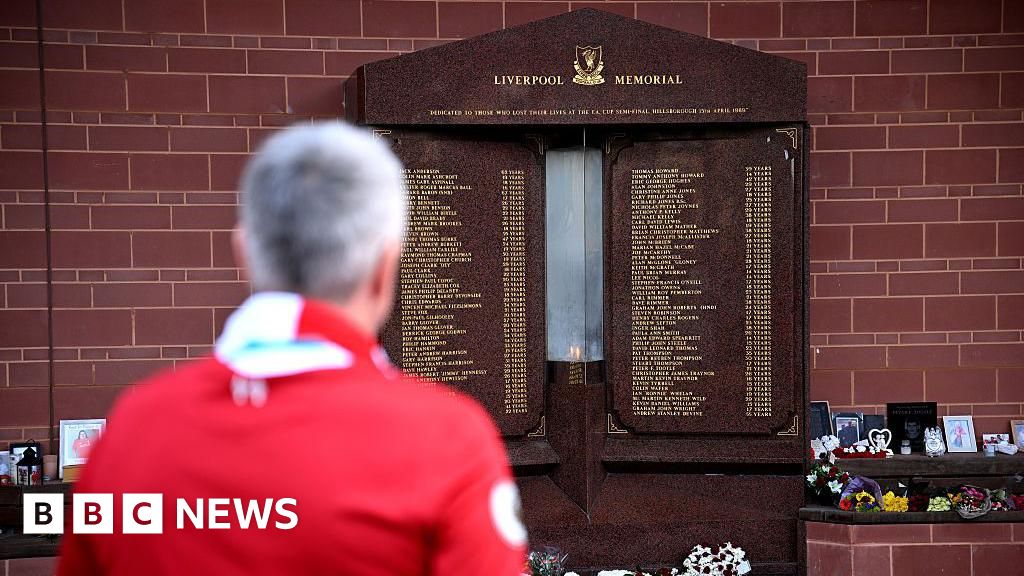
The next stage of a new law being designed to stop cover-ups has been temporarily delayed after MPs raised concerns about whether it would apply fully to the security services.
Last week, families of Manchester Arena attack victims wrote to the prime minister urging him to ensure the so-called Hillsborough Law applied to individual employees of MI5, MI6 and GCHQ.
A third reading of the bill was scheduled for Wednesday, but the government has confirmed the remaining stages will now take place next Monday, allowing time for amendments to be considered.
Earlier, a government source told the BBC the delay would allow further “tweaking” of the bill to address issues raised by MPs.
The prime minister’s official spokesperson said on Tuesday: “This government will not bring forward legislation that would put the national security of the UK or lives at risk.
“On Friday, we brought forward a series of amendments to address concerns that the bill did not apply to individual employees of the intelligence agencies. But we’re determined to get this right.”
The government will “continue to listen to stakeholders on all sides of the debate to make sure the bill strikes the careful balance that is required”, No 10 added.
Earlier, sources told the BBC the reading had been pushed back because of growing concern from MPs of different parties.
The new law follows campaigning by families affected by the 1989 Hillsborough disaster that claimed 97 lives.
Police leaders were found to have spread false narratives about that disaster, blaming Liverpool fans, and withheld evidence of their own failings.
It has also been supported by the families of victims of the 2017 Manchester Arena bombing.
A public inquiry found MI5 had not given an “accurate picture” of the key intelligence it held on the suicide bomber who carried out that attack.
The law will create a new legal duty on public bodies and servants to act truthfully and fully support investigations into the state, ensuring wrongdoing is not concealed with criminal sanctions for breaches.
However, as things stand, the ancillary “duty of candour” will not fully apply to individual MI5 officers, unlike people who work for organisations such as the police.
Pete Weatherby KC, a director of the Hillsborough Law Now (HLN) campaign which is assisting with the bill, told the BBC he had been “misled” by the government during negotiations.
He said the campaigners had agreed a position where a key part of the law would apply to individual intelligence officers, but the government then added a “buried” clause to the draft legislation that would prevent it from working as intended.
It is understood that ministers are considering amendments suggested by HLN. The campaigners have opposed the government’s own amendments.
Known as the Public Office (Accountability) Bill, the new law has three pillars:
- The first establishes a general duty of candour on all public officials, meaning they will be required to tell the truth proactively in their working life
- The second is an ancillary duty of candour that applies to official investigations, which includes inquiries and inquests
- The third is set to re-balance funding for legal representation for state bodies and victims during inquiries
In their letter to Sir Keir Starmer last week, the families of five people killed in the Manchester bombing asked: “How many times must MI5 show that it cannot be trusted before something is done?”
They added that they were “dismayed” that the current way the draft bill was written would allow MI5 and other intelligence organisations to “escape the full duty of candour responsibility”.
“Every security and intelligence officer should be required the tell the truth, and the leaders of the organisations should also bear full responsibility,” they wrote.
They have yet to receive a response.



