
News Beat
Trump is sending funds from Venezuela oil to a bank in Qatar: report

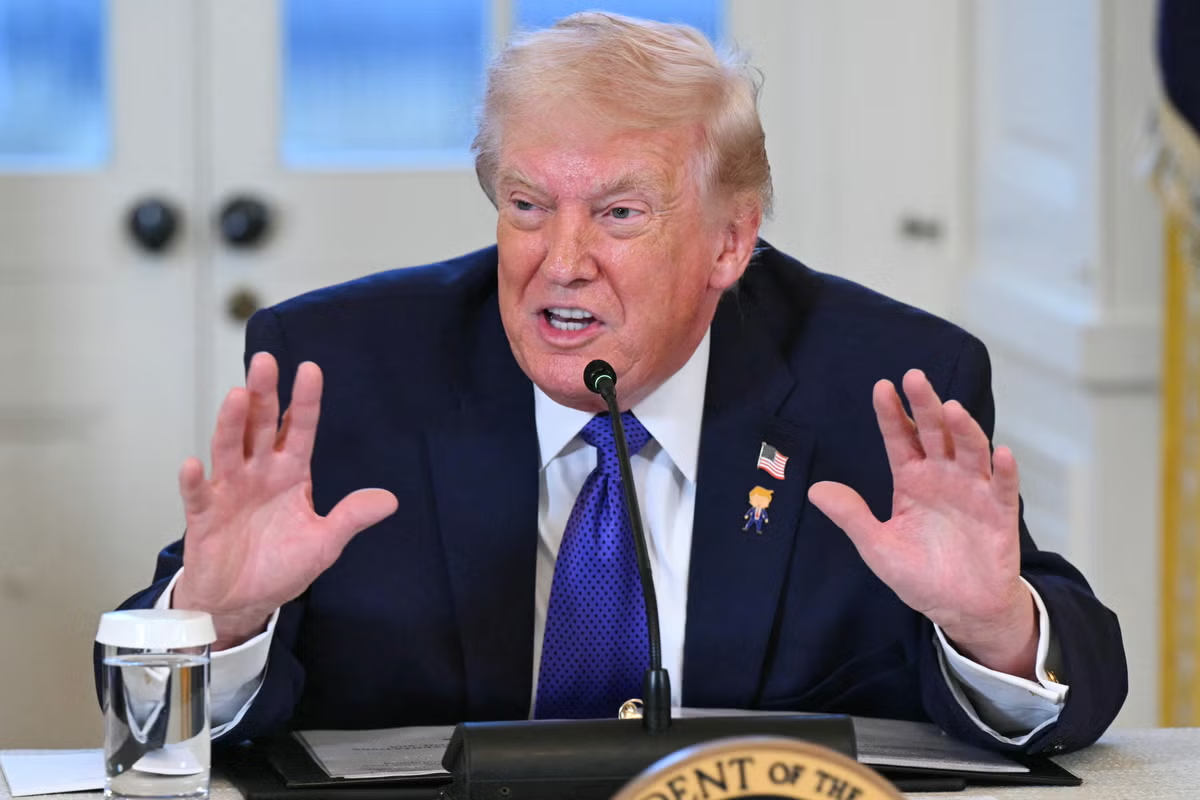
President Donald Trump’s administration will keep the money generated from the sale of Venezuelan oil across multiple bank accounts, the largest of which is located in Qatar, according to a report.
Senior officials told Semafor that the U.S. has now completed its first sale of the South American country’s oil in a deal worth $500 million.
They justified the decision to hold some of the proceeds in the Gulf state, rather than in U.S. banks, by pointing out that it is a neutral location from which the funds could be freely and safely moved without risk of seizure.
Massachusetts Sen. Elizabeth Warren, the ranking Democrat on the Senate Finance Committee, hit out at the strategy and said: “There is no basis in law for a president to set up an offshore account that he controls so that he can sell assets seized by the American military.
“That is precisely a move that a corrupt politician would be attracted to.”

Trump’s friendly relationship with Qatar was previously placed under the spotlight last May when he was heavily criticized for accepting a $400 million Boeing jet as a gift from the country.
The U.S. finds itself in control of Venezuela’s natural resources after its forces swept into Caracas in the early hours of Saturday, January 3, and abducted its then-president Nicolas Maduro and his wife, Cilia Flores, subsequently removing them to New York to answer federal drug trafficking charges.
Maduro pleaded not guilty in a Manhattan court and insisted he was still Venezuela’s rightful leader.
In the aftermath of the operation, Trump, flanked by senior members of his cabinet, announced that Washington would “run” Venezuela until the country was stable enough to hold free and fair presidential elections.
That also meant taking control of up to 50 million barrels of the country’s oil – selling it and distributing the proceeds back to Caracas.
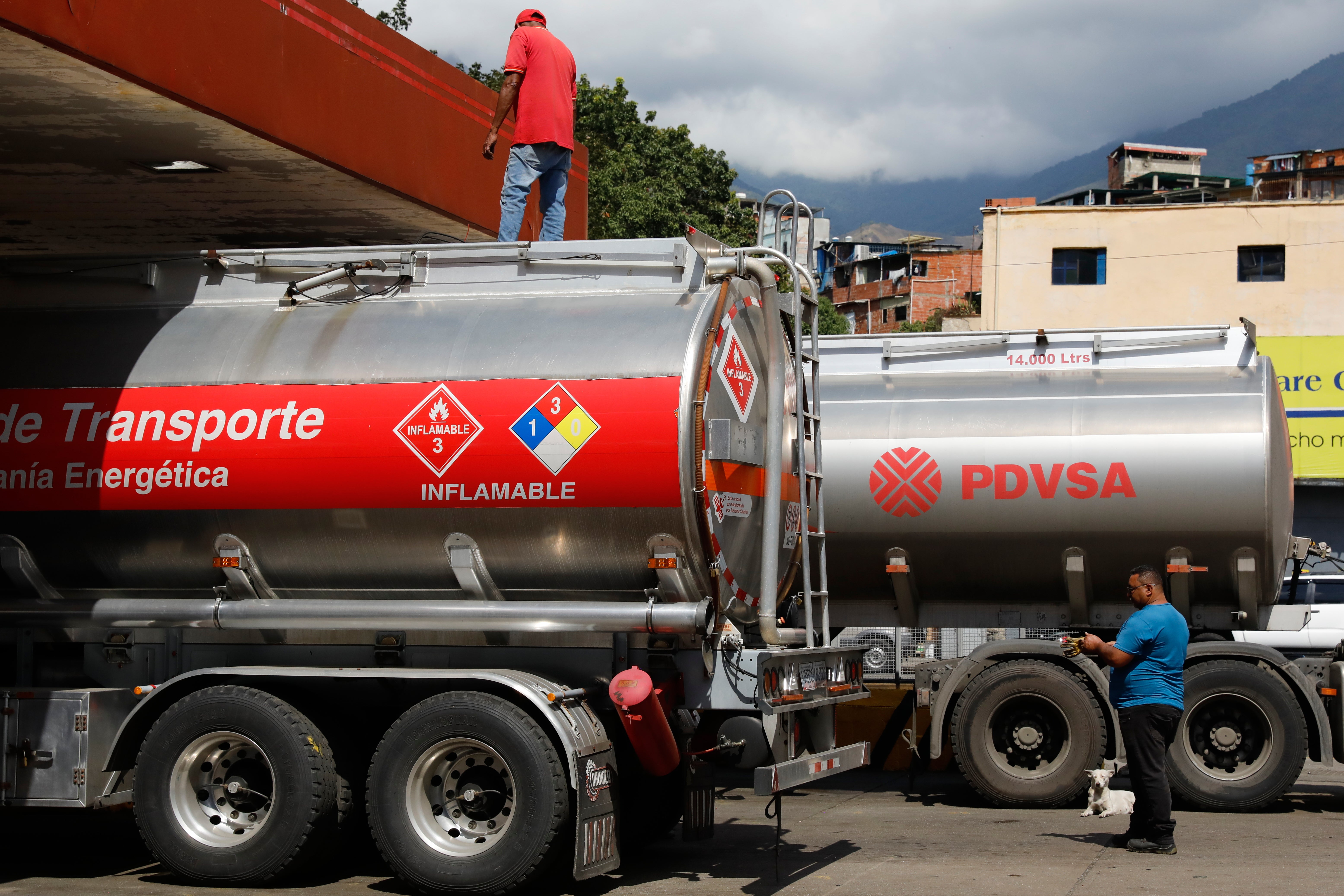
White House spokesperson Taylor Rogers told The Independent: “President Trump brokered a historic energy deal with Venezuela, immediately following the arrest of narco-terrorist Nicolas Maduro, that will benefit the American and Venezuelan people.
“President Trump’s team is facilitating positive, ongoing discussions with oil companies that are ready and willing to make unprecedented investments to restore Venezuela’s oil infrastructure. President Trump is protecting our Western Hemisphere from being taken advantage of by narcoterrorists, drug traffickers, and foreign adversaries.”
The Independent has also reached out to the Treasury for comment.
The president signed an executive order last Friday setting the conditions for those deals and blocking courts or creditors from impounding any revenue, a step he deemed necessary given that the petrostate owes an estimated $170 billion to international bondholders, oil companies, and other stakeholders.
When Trump met with oil executives at the White House last week, he made it clear to ConocoPhillips CEO Ryan Lance that the U.S. is “not going to look at what people lost in the past, because that was their fault.”
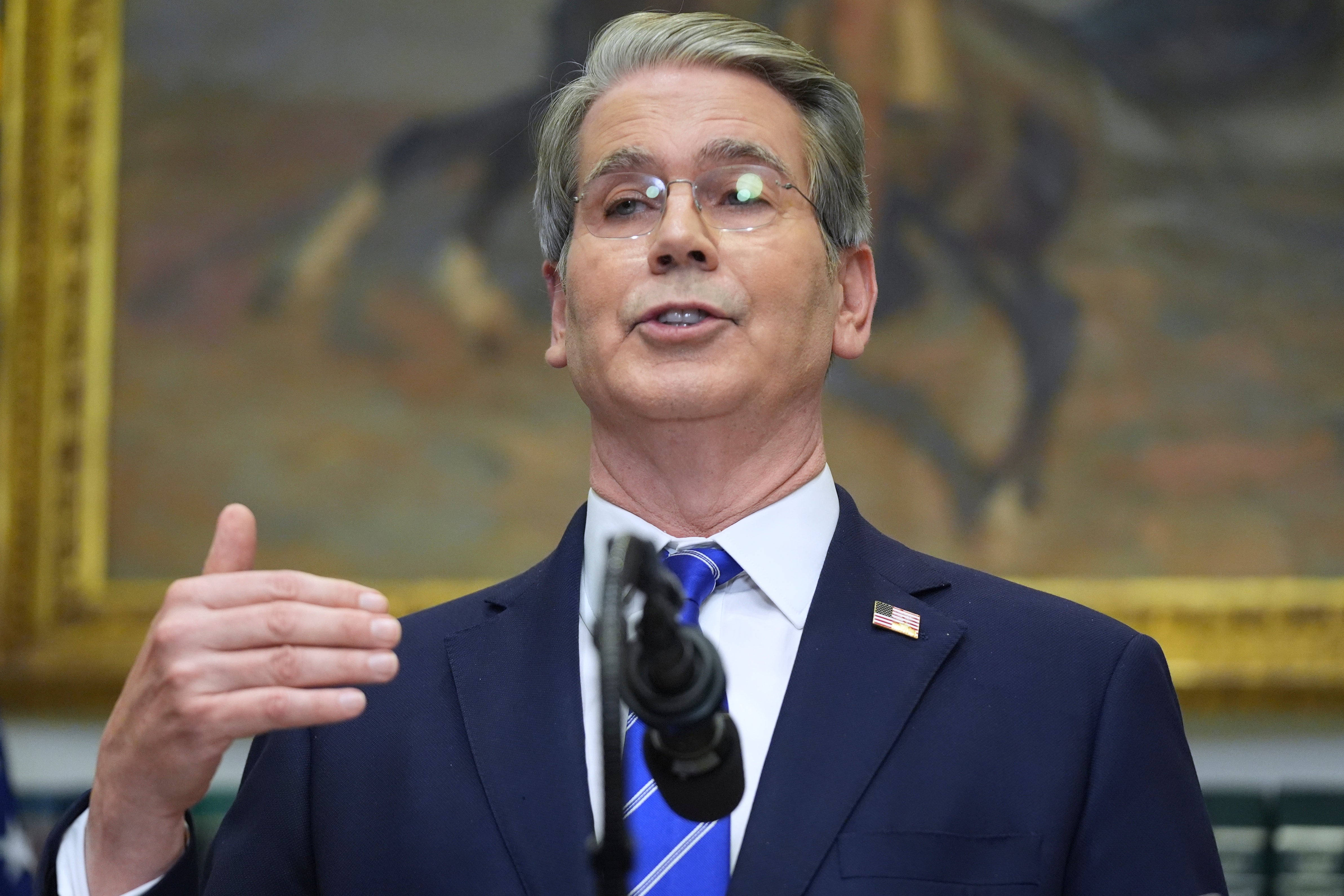
Treasury Secretary Scott Bessent offered more details in discussion with the Economic Club of Minnesota, saying that his department “will oversee the accounts” and then, at the direction of Trump and Secretary of State Marco Rubio, “be in charge of the disbursement that goes back into Venezuela.”
“The Treasury’s role will be making sure the funds get to the proper place,” he added. “We’re the bankers here; we don’t direct the funds.”
A Treasury spokesperson told Semafor: “The United States Treasury is fully committed to supporting President Trump’s efforts on behalf of the people of Venezuela.”
The administration has work to do on persuading the oil companies to be as cooperative after Trump received a significant rebuff from ExxonMobil CEO Darren Woods during his meeting with the energy industry executives.
“We’ve had our assets seized there twice, and so you can imagine to re-enter a third time would require some pretty significant changes from what we’ve historically seen here,” Woods told the president, referring to the fallout from Hugo Chavez’s moves to nationalize Venezuela’s hydrocarbon sector between 2004 and 2007.
“If we look at the legal and commercial constructs and frameworks in place today in Venezuela today, it’s uninvestable.”
Trump later told reporters aboard Air Force One Sunday as he returned to Washington from Mar-a-Lago: “I’ll probably be inclined to keep Exxon out. I didn’t like their response. They’re playing too cute.”



