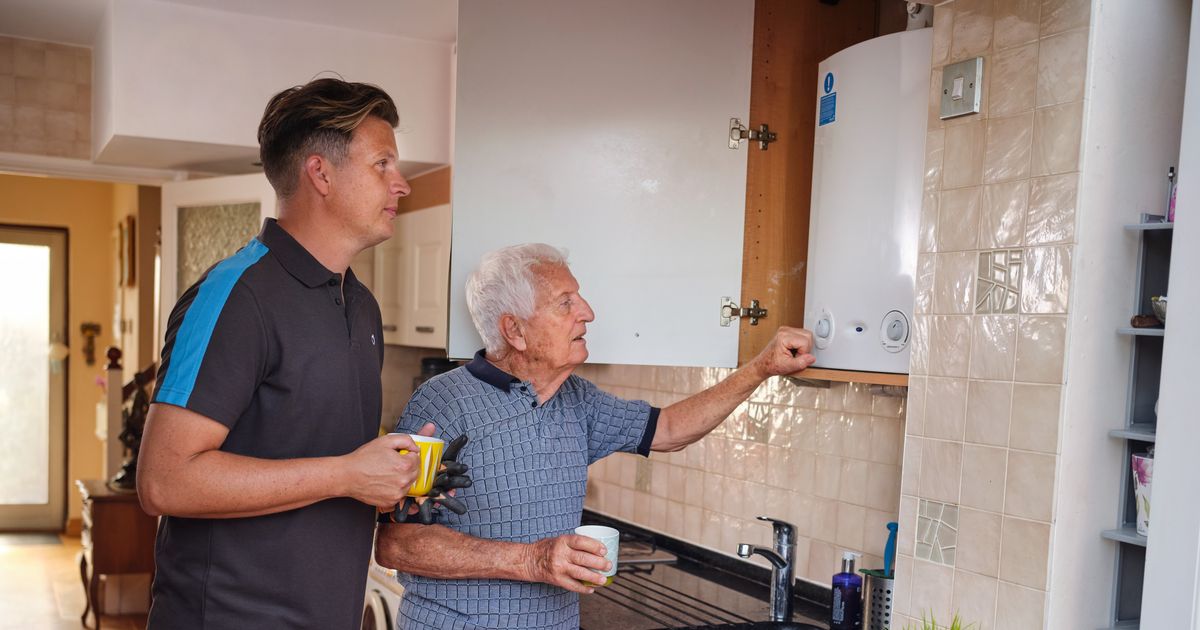
British Gas is reporting an increase in callouts from homeowners
British Gas is witnessing a spike in emergency callouts from homeowners because of a specific issue, it said. They have been grappling with low boiler pressure, as yo-yoing temperatures leave some properties without heating or hot water.
The energy giant anticipates roughly 35,000 customers nationwide will require boiler assistance this week, with low pressure ranking among the most frequent winter malfunctions. The problem typically arises after radiators have been bled or when there’s a minor leak in the system, though many instances can be sorted swiftly with straightforward home checks. To help households restore their heating rapidly, British Gas engineer Ella Teakle offers down-to-earth guidance on tackling dropping boiler pressure, including how to safely inspect and repressurise systems.
British Gas provides same-day engineer visits to anyone across the UK left without heating or hot water. Last winter alone, over 1.2 million customers relied on British Gas engineers to repair faulty boilers and get their heating and hot water back on track.
Ella, a service and repair engineer at British Gas, said: “With temperatures fluctuating, we’re seeing a big increase in low boiler pressure issues, which can cause heating or hot water to stop working. If your heating or hot water suddenly stops working, don’t panic.
“Checking the pressure gauge is a good first step and, in many cases, it can be an easy fix. But if you’re not confident carrying out checks yourself, it’s always best to call an expert.”
British Gas engineer Ella’s tips if you think your boiler pressure is low
Check your system pressure
If you suddenly find yourself without heating or hot water, it could be due to low water pressure in your boiler. This often occurs after bleeding radiators or if there’s a minor leak, so it’s crucial to inspect pipes, radiators and the boiler for any signs of dampness.
Take a look at the pressure gauge on the front of your boiler. It should typically read between 1 and 1.5 bar. If it’s under 1 bar, the pressure is too low and the system may require repressurising.
Repressurise the boiler safely
Repressurising your boiler simply involves introducing more water into the system. Most modern combi boilers utilise a filling loop, but the process can differ, so always consult your boiler manual first.
How to repressurise your boiler
Switch off the boiler and allow it to cool. Locate the filling loop, usually a flexible silver hose with a valve at each end, and ensure it’s securely connected.
Slowly open both valves so they align with the pipe. You should hear water flowing.
Keep an eye on the pressure gauge and close the valves once it hits between 1 and 1.5 bar. Turn the boiler back on and press the reset button if necessary.
Know when to call an expert
If the pressure continues to drop, you notice signs of a leak, or you’re not comfortable performing these checks, it’s best to call in an engineer rather than attempting further fixes yourself. Additional guidance on boiler pressure and how to safely repressurise a boiler can be found at https://www.britishgas.co.uk/the-source/fix-it-yourself/how-to-repressurise-your-boiler.html