
News Beat
Baby wraps treated with insecticide could help slash malaria cases, say researchers

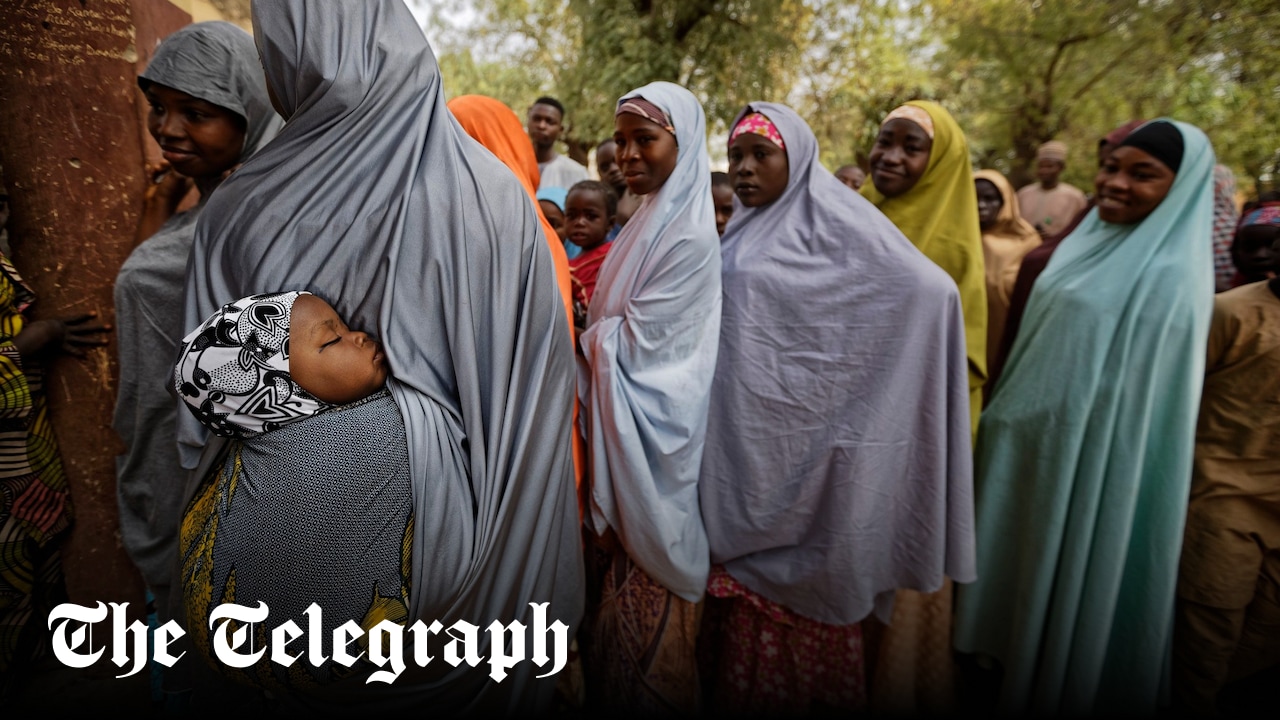

Although the cost–benefit calculation appears clear – a small risk of minor skin reactions versus the potentially fatal consequences of malaria – convincing manufacturers to treat baby wraps with permethrin may prove difficult.
Companies may be wary of reputational damage or consumer backlash, particularly when products are designed for infants, as illustrated by the long-running controversy faced by Johnson & Johnson over its talc-based baby powder, which it ultimately withdrew from markets despite disputing health claims.
Still, Dr Boyce remains optimistic.
“There may be private-sector solutions here – perhaps companies would want to sell treated wraps,” he said. “One advantage is that, economically, women are already buying these wraps, so there’s no behavioural change required.
“From that perspective, all you’re asking is whether, for a small additional cost, they would choose a wrap that has been treated and helps protect their child from malaria. We haven’t done the studies yet, but I imagine it would be highly cost-effective,” he said, adding the difference in price would probably be somewhere in the realm of $0.50.
The other problem is drug-resistance.
At least 81 per cent of malaria-endemic countries in Africa have reported mosquito resistance to pyrethroids, the family to which permethrin belongs.
“Permethrin resistance, or pyrethroid resistance, is already all over Africa, in African mosquitoes, probably 90 per cent have the genetic mutations that confer resistance,” said Dr Boyce.
“So the question is, why did our study work? I would say, all those resistance mechanisms prevent the killing of the mosquito, but we’re not interested in killing the mosquito – it’s great if we do, but we want the mosquito to be deterred from landing on the child, to repel it.
“And so our study would certainly support the idea that even when mosquitoes are resistant to being killed by pyrethroids, they’re still repelled. The goal was not to kill every single mosquito. If we can just keep the mosquitoes from landing on the child, then that’s a success,” he added.



