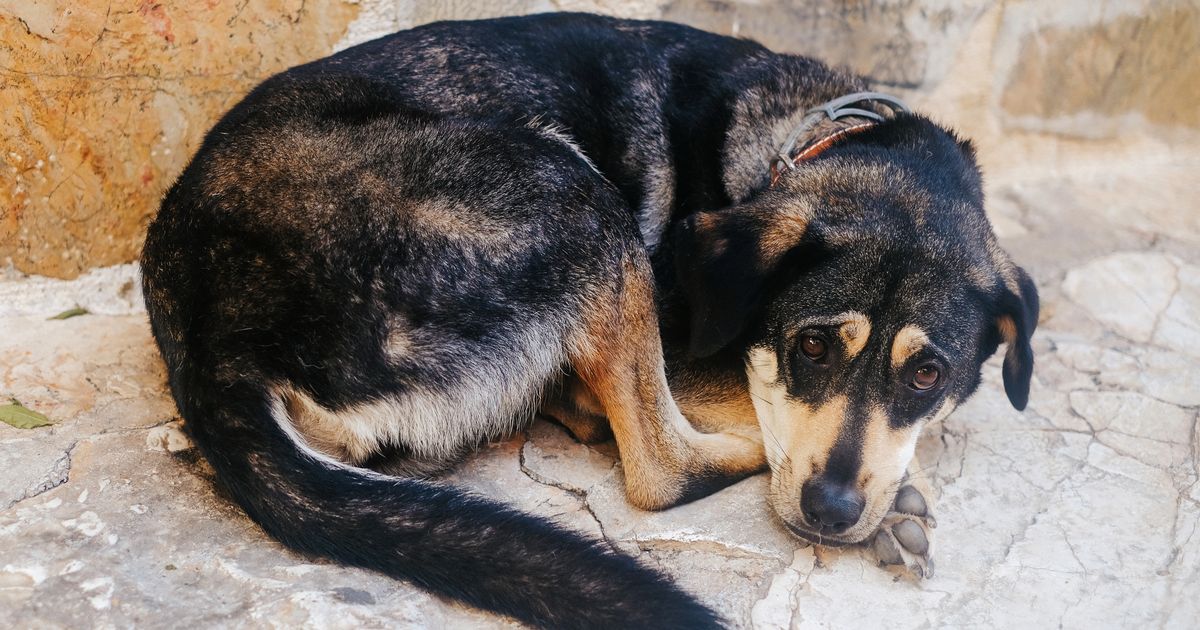
Canine parainfluenza virus is common in UK dogs and causes kennel cough, which is normally mild but can develop into pneumonia in puppies and elderly dogs. Here’s how to spot the warning signs
Whilst many across Britain continue to face the threat of an emerging flu strain that’s putting pressure on the NHS, our pets face their own viral risks. These canine viruses can spread easily amongst dogs and potentially trigger serious health complications.
Though uncommon in Britain, the canine influenza virus targets dogs’ respiratory systems in much the same way human flu affects people. Crucially, however, there’s no evidence of this virus jumping from dogs to humans.
A more prevalent threat to British pets is canine parainfluenza (CPIV), a separate condition that attacks the lungs and causes persistent inflammation. This virus is also among the leading culprits behind kennel cough, otherwise known as infectious tracheobronchitis.
Advice from animal welfare charity Blue Cross explains: “While a nuisance, kennel cough is not normally dangerous and is likely to need no treatment at all. But in puppies, elderly dogs or those with existing illnesses, the condition can be more serious and can develop into pneumonia.
“Depending on the germs which have caused the virus, some strains of the infection can also be more severe than others.”
Symptoms of canine parinfluenza and kennel cough
Kennel cough, which affects the respiratory system, often presents with a persistent cough as an early sign. It’s important to note that kennel cough is a broad term and can be caused by factors other than canine parainfluenza.
Nonetheless, this condition can trigger various symptoms, including:
- Sneezing
- Gagging
- Discharge from the eyes
- Higher than normal temperature
- Fatigue or less energy
- Vomiting
- Retching
- Lack of appetite
- Runny nose or discharge coming from the nose
Usually, these symptoms should resolve naturally within a few weeks, provided your dog stays well-hydrated and receives ample rest and care. However, in certain instances, it might be best to consult a vet for professional medical advice.
Getting treatment for canine parainfluenza and kennel cough
Guidance from PetMD states a vet may conduct several tests to ascertain whether your dog has canine parainfluenza and assess its severity. These could include nasal swabs, blood tests, X-rays, and additional tests to eliminate other potential infection sources like heartworm.
Fortunately, since most dogs recover from a canine parainfluenza infection independently, vets typically offer supportive treatment to ensure their comfort. This may encompass anti-inflammatory and anti-cough medications.
Bear in mind that vaccines are available to safeguard your dog from severe infections like canine parainfluenza. The DHPP five-in-one vaccine, for instance, offers protection against a range of serious illnesses such as canine hepatitis, canine adenovirus, and canine parvovirus.
If your pet hasn’t been vaccinated yet and you’re worried about potential severe infections, consult your vet about the suitability of this vaccine for your pet. More information on kennel cough and how to identify it in your pet can be found on the Blue Cross website here.