

As St David famously said, “do the small things well

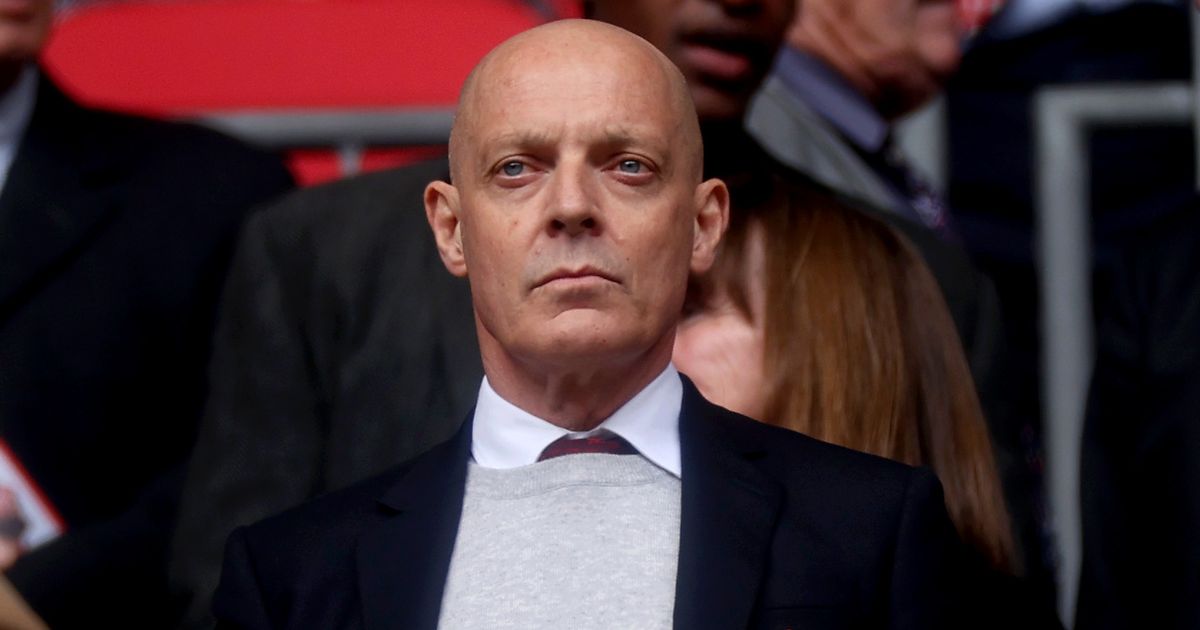
Sir David Brailsford(Image: Eddie Keogh – The FA/The FA via Getty Images)
We’ve been there. Every January, founders have the same temptation namely that this will be the year they reinvent the business. A new strategy, a refreshed brand, a restructure, a new system or a new set of targets all sounds bold and decisive and gives everyone in the organisation a sense that momentum is returning.
The problem is that reinvention can quickly become a distraction from the work that actually drives performance and is far less glamorous such as tightening the basics, removing friction, and doing the right things consistently enough that results improve month after month.
Most businesses don’t stall because they lack ideas, but because the day-to-day engine is running with too much waste in it. Leads come in but aren’t followed up fast enough, quotes and proposals drag because nobody owns the next step and customers raise the same issues repeatedly because the business fixes symptoms rather than causes.
As a result, delivery becomes inconsistent, quality varies, and margins quietly leak through rework, inefficiencies and poor handovers with management time getting swallowed by meetings that create activity but not progress.
READ MORE: Welsh housing market forecast for strong first quarterREAD MORE: Welsh allergy diagnostics firm Reacta Healthcare named one of the UK’s fastest-growing tech firms
When those are the real issues then “reinvention” often becomes a way of avoiding a simpler truth namely that the business doesn’t have a strategy problem but an execution problem.
That doesn’t mean reinvention is never needed as sometimes the market moves and the business model no longer fits and we’ve all experienced customers that change how they buy, competitors who undercut the business, technology altering the cost base, or regulation shifts demand. Equally, change may be the only way forward if the business has grown but the operating model hasn’t kept up with decisions stalling at the top of the organisation, accountability unclear, and delivery varies wildly
But those situations are rarer than most leaders like to admit and more often, the business is fundamentally sound but actually needs greater focus and discipline rather than a wholesale reinvention.
As St David famously said, “do the small things well” and in business, the case for incremental improvement is critical for success and whilst small improvements don’t look powerful in isolation, together they can transform performance.
For example, if response times, conversion rates, delivery speed, quality and cash discipline are improved by a small amount each month, the gap between the business and competitors becomes significant by the end of the year.
This was the philosophy adopted by Sir David Brailsford in transforming Team GB Cycling into world beaters by focusing on making numerous tiny, 1% improvements across all aspects of an operation. That is why such “marginal gains” matters as a practical philosophy for leaders and founders as it’s about building a business that gets better predictably rather than occasionally.
The starting point is being honest about where performance is constrained as most businesses don’t have ten priorities but have one or two bottlenecks that shape everything else. It might be lead generation. However more often it is lead handling. It might be sales but in reality, it’s the speed of quoting or the discipline of following up with customers.
It might be cashflow, but the cause is weak credit control and inconsistent billing. Unfortunately, too many organisations misdiagnose these issues because it is easier to announce a transformation programme than to change the daily behaviours that create predictable outcomes.
If founders want 2026 to be a better year, the question is not “what big thing can we launch?” but “what routines do we need to run relentlessly?”
The businesses that outperform in uncertain conditions tend to have a weekly rhythm that keeps the machine tuned. They know what’s happening in the pipeline, they track cash and listen to customers systematically. They also fix what breaks rather than accepting it as normal and build simple operating disciplines and then protect them from the noise.
That shift from initiatives to routines is where the real advantage sits as a company that responds to enquiries within hours rather than days will beat a competitor with a better-looking strategy deck.
A firm that quotes quickly and follows up properly will beat one that spends months redesigning its branding while leads go cold. A team that tightens handovers and reduces rework will beat one that buys new software but keeps the same chaotic processes. None of this is revolutionary, but it is where profit and growth actually come from.
There is also a people element that gets overlooked when we focus only on strategies and systems. Teams don’t become energised because you unveil a new set of values or announce a new “vision”. They become energised when work becomes easier to deliver well, when priorities are clear, when small problems are fixed quickly and when progress is visible.
Consistent improvement creates confidence, confidence improves performance and performance gives you options.
So where does that leave reinvention which many say is at the heart of innovative organisations? It shouldn’t necessarily be something that is done at the beginning of every year but more as a targeted response to clear evidence. If your proposition, your market position or your operating model is genuinely broken, then change it but it’s important not to confuse novelty with progress.
Most of the time, the fastest route to better performance is not through dramatic reinvention but a disciplined programme of incremental improvements that focus on the few things that really move the needle.
Therefore, the smartest ambition for 2026 is to build the year around consistency everywhere else by doing the basics better than last year, responding faster and protecting margin.
That that won’t produce a dramatic announcement in January about how the business is going to be revolutionised but if founders do it week after week, it will produce something far more valuable by the end the year namely a business that is measurably stronger, easier to run, and better positioned for whatever the economy throws at it next.



