
Business
Dubai wellness-led districts drive high-value real estate demand in 2025

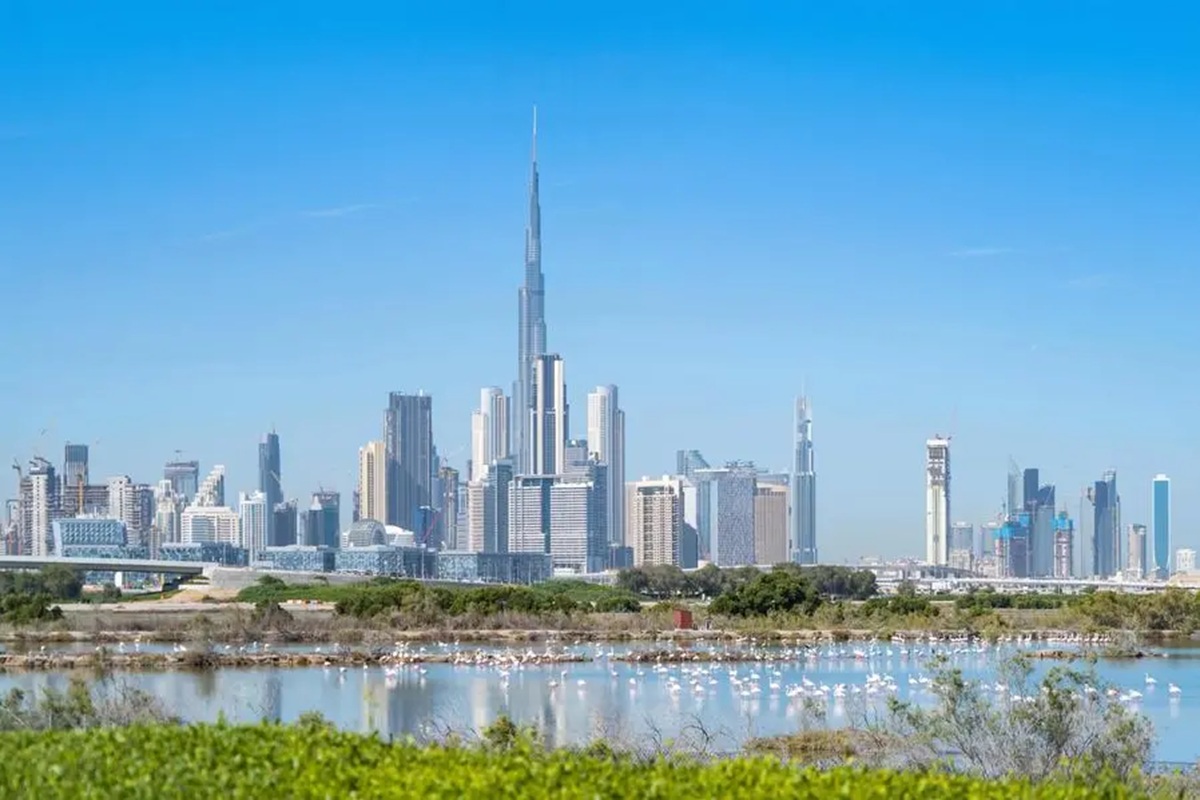
The Dubai real estate market is evolving beyond pure luxury and speculative investment, with buyers and investors increasingly prioritising wellness, green living, and community-focused environments.
Low-density layouts, integrated amenities, and access to open spaces are now key drivers of residential demand across the emirate.
According to the Dubai Land Department (DLD), Dubai attracted approximately 94,700 investors in the first half of 2025, representing a 26 per cent increase compared to H1 2024.
These investors contributed to more than 91,000 residential transactions valued at AED262.1bn ($71.4bn), a 36.4 per cent year-on-year increase in value.
Recent analysis by Emirati real estate developer Amaal shows that districts combining green spaces, wellness-oriented amenities, and low-density planning are dominating high-value residential sales, defined as transactions above AED10m ($2.72m).
Based on this analysis, five districts have emerged as Dubai’s leading wellness-led real estate locations.
1. Meydan (Nad Al Sheba)
Meydan, including Nad Al Sheba, combines proximity to Downtown Dubai with low-density residential layouts and expansive green corridors. Walkable streets, landscaped parks, and access to equestrian and sports facilities have positioned the district as one of Dubai’s most wellness-oriented communities.
In the second half of 2025, Q3 data shows average apartment prices in Meydan rising to approximately AED1,543 per sq ft ($420 per sq ft) compared with the previous year.
More than 70 per cent of residential transactions now take place off-plan, highlighting strong buyer confidence in districts offering planned infrastructure and long-term livability.
2. Mohammed Bin Rashid City (MBR City)
Mohammed Bin Rashid City is emerging as a benchmark for green, family-oriented living, integrating central parks, landscaped streets, and pedestrian-friendly layouts with luxury villas and townhouses.
Transaction reports show that MBR City features prominently among Dubai’s top neighbourhoods for high-value sales.
In Q3 2025, the district recorded a notable number of luxury deals across villas and large-format homes, reflecting sustained demand for wellness-driven planning close to Downtown Dubai.
3. Dubai Hills Estate
Dubai Hills Estate epitomises suburban wellness, with a central park, golf course, jogging tracks, and tree-lined streets supported by integrated retail, schools, and community amenities.
This self-contained, walkable environment continues to attract families and long-term residents. Studies indicate that Dubai Hills Estate recorded rental occupancy rates of around 86.5 per cent in H1 2025, underlining strong and consistent community demand.
4. Palm Jumeirah
Globally recognised for luxury, Palm Jumeirah also offers a wellness-led lifestyle through waterfront villas, landscaped promenades, and private beach access. Outdoor exercise areas and green settings combine exclusivity with health and recreation.
Palm Jumeirah led Dubai’s ultra-luxury residential market in 2025, accounting for the highest number of homes sold above $10 million in Q2 2025, reinforcing its long-term appeal amid limited new supply.
5. Emirates Hills
Emirates Hills remains Dubai’s most exclusive green villa enclave, characterised by expansive gardens, private pools, and access to golf courses and parklands. Its low-density design prioritises privacy and wellness while maintaining proximity to key urban centres.
Data shows that Emirates Hills consistently ranks among Dubai’s top districts for high-value villa transactions. Ultra-luxury villas reached approximately AED 4,929 per sq ft ($1,342 per sq ft) in H1 2025, among the highest price levels in the emirate.
Wellness defines Dubai’s next property cycle
Dubai’s residential market is increasingly shaped by wellness, sustainability, and lifestyle integration rather than speculation alone.
With more than 61,800 residential units under construction in 2025, districts that successfully integrate green infrastructure, walkable streets, and community-focused amenities are expected to outperform the wider market, marking the next phase in Dubai’s real estate evolution.



