

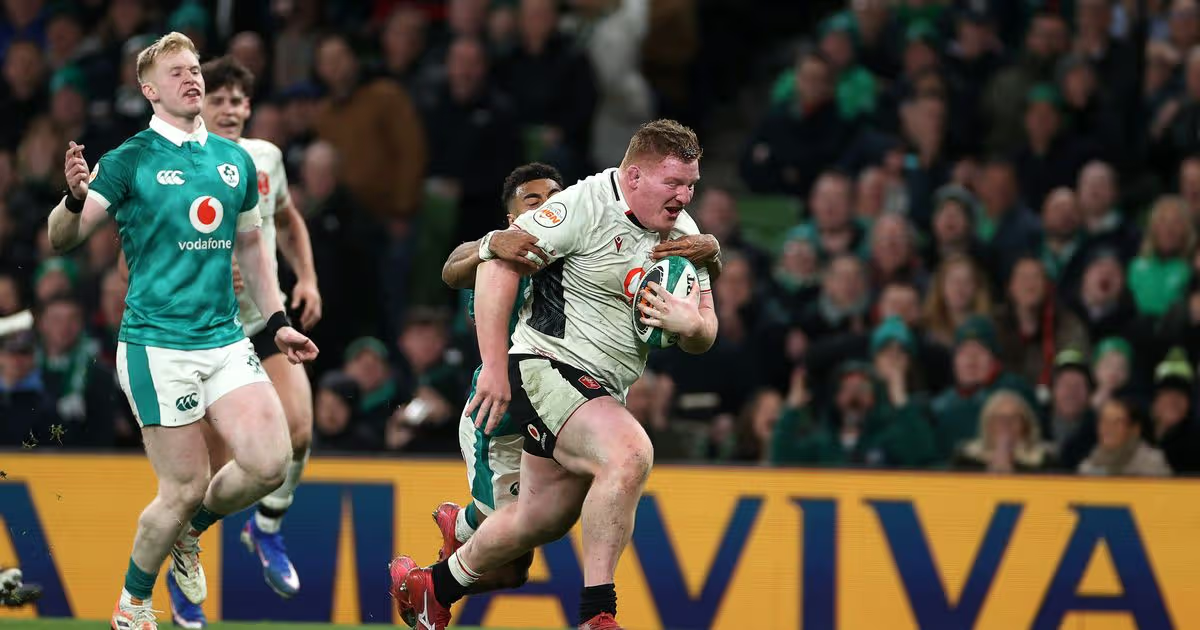
The Wales prop produced a moment of magic in the Six Nations clash in Dublin
Rhys Carre delighted and amazed Wales fans in equal measure with his remarkable try against Ireland in the Six Nations.
With Steve Tandy’s side seemingly set to be heading into half-time 12-3 down in Dublin, the Saracens prop raced in for a score from 30-odd metres to make it a two-point game at the break. As well as capping a spirited Welsh first-half performance, the try stunned many watching both at home and in the Aviva Stadium.
In the coaching box, attack coach Matt Sherratt couldn’t hide his smile, while coach Dan Lydiate was also grinning as he handed the front-row a water bottle.
Two more men delighted by the score were former Wales internationals Dan Biggar and Jamie Roberts, with both working for ITV as pundits.
“I think if you were a betting man, you’d have maybe Rhys Carre to score tonight from a free-kick or tap penalty,” said Biggar. “But not in the way he scored this.
“This is absolutely brilliant. Great from Tomos Williams to keep the game going the same way.
“When you’ve got an athlete like this in your team… he does Tadhg Furlong on the outside, sells a ridiculous dummy and shows some real pace to get in.
“Just a brilliant score for Wales and Rhys Carre.”
Get the latest Wales Rugby merch at Kitbag

The Six Nations is running from February 5 to March 14 and Wales Rugby fans can get the latest jerseys, hoodies and more at Kitbag.
Former Wales centre Roberts added: “It’s an incredible score from a loosehead prop from 30 metres out. Unbelievable.
“The thing I love most about this try as well is Wales had a scrum free-kick around halfway, the clock was in the red. But they had the bravery to go multi-phase, seven or eight phases, and they manufactured space on the edge.
“Usually you see back-rows finishing this try. For a prop to finish this. Special player, special moment.”
Biggar joked that the distance would be “45 metres” by Saturday, with Irish legend Brian O’Driscoll quipping that French try-scoring sensation Louis Bielle-Biarrey would need to “watch his back now!”
Posting on X, former Wales international Tom Shanklin noted that previous Wales coaches Warren Gatland and Wayne Pivac had dropped Carre over fitness concerns.
“What a try by Carre,” said Shanklin. “Can you believe they didn’t think he was fit or good enough for international rugby,” complete with a laughing emoji.
Roberts was also delighted with the Welsh defensive efforts from the first-half, hailing them as the best Wales had produced in the last year.
“We talk about attack,” said Roberts. “That is the best defensive half of Welsh rugby I have seen in a year or two.
“The impact, the stopping power on the gainline. We spoke about the Irish back-five and how powerful they are in the carry, just the ferocity they’ve been met with by that Welsh defence.
“Unbelievable in that first-half and it’s keeping them in this match.”



















































You must be logged in to post a comment Login