
News Beat
The researchers reshaping the future of women-led business in Yorkshire – Positive News

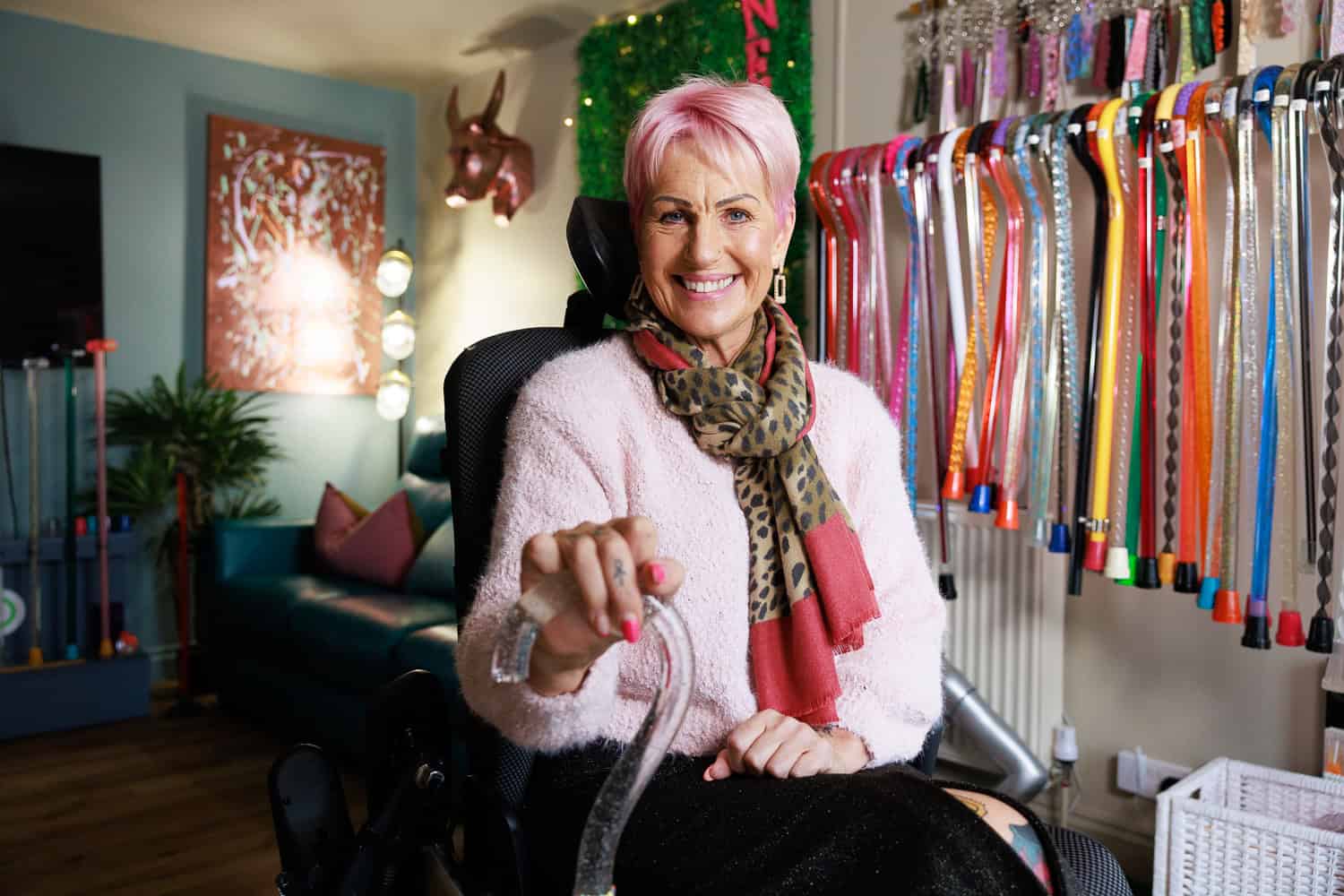
Lyndsay Mitcheson, founder of walking stick company Neo Walk, is part of a tenacious group of entrepreneurs, researchers and advocates who are working to break barriers for female-led business in York and North Yorkshire
In York, entrepreneurship is far from a level playing field. Across the city and the North Yorkshire region there are more than 23,000 fewer self-employed women than men, and men remain nearly twice as likely to work for themselves. The gap shows up in investment too. Female-led organisations raised only £62,000 of equity, compared with £3.8m raised by male-led counterparts.
They’re stark figures that have come out of a new report highlighting the persistent barriers facing women entrepreneurs in York and North Yorkshire. The uplifting news? A group of researchers, entrepreneurs and advocates in the region – led by the University of York’s business support community Enterprise Works – is now addressing these systemic challenges.
Critically, the research undertaken to inform the report was drawn directly from local female entrepreneurs, to ensure it reflected their experiences.
Lyndsay Mitcheson is one of them. In 2010, she lost her leg after a serious MRSA infection. Her life changed overnight, as did her relationship with her own body. As she took the literal and metaphorical steps needed to return to normality, she found herself frustrated by the walking sticks available to her. They were, as she puts it, all “grey or flowery”.
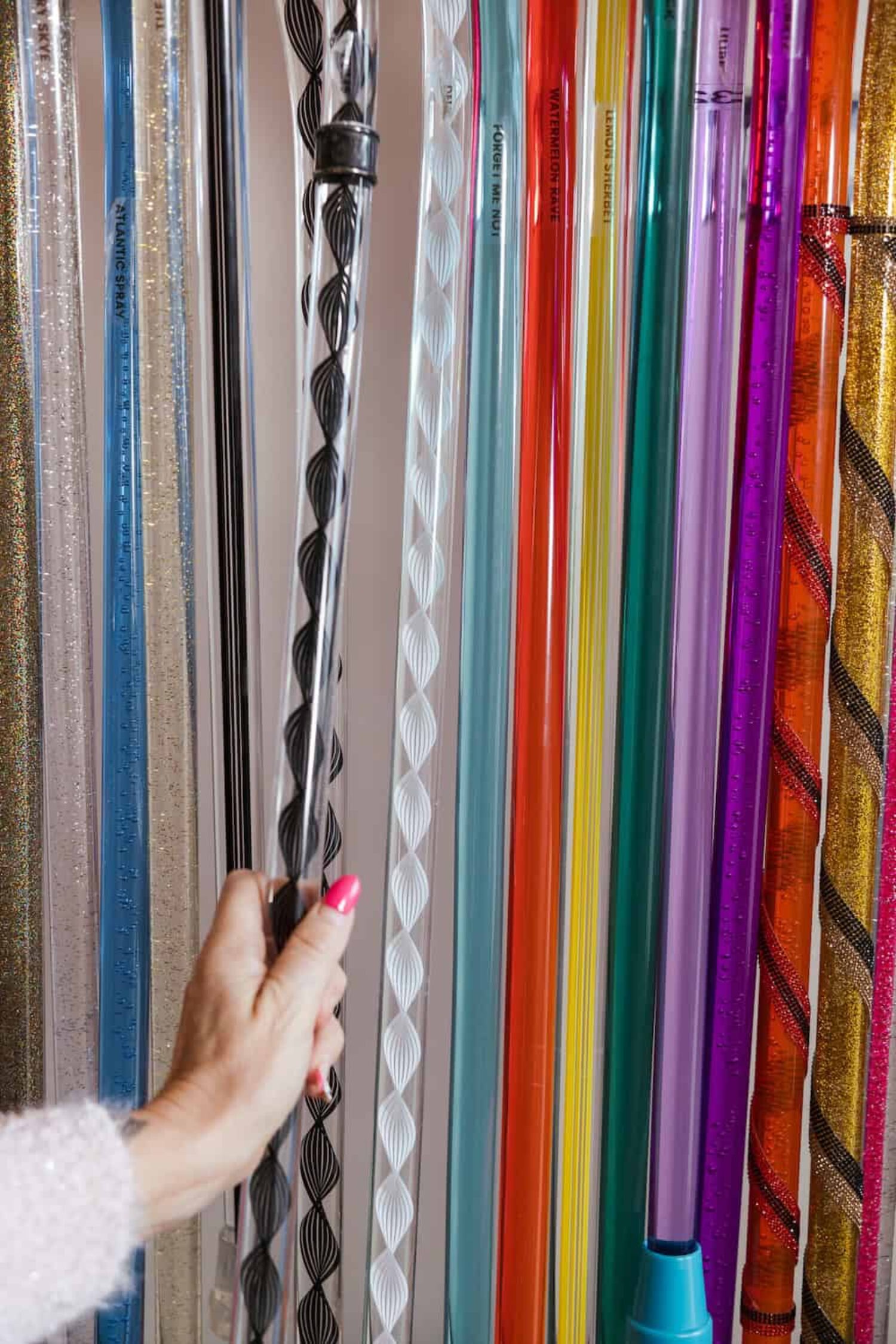
Neo Walk creates custom walking sticks in a multitude of colours and patterns. Image: Joanne Crawford
So, she decided to make her own. It was clear acrylic, and to her surprise, people stopped her in the street to comment on it. The conversation had shifted to the unique stick instead of her disability, and the feeling “was priceless,” she says. She wanted others to experience that. And so Neo Walk was born.
Today the North Yorkshire-based company creates custom walking sticks in every shade imaginable, from glittery winter silvers to aquamarine and emerald. It ships internationally and counts Selma Blair and Christina Applegate among its customers.
But Mitcheson’s success has not been straightforward. Nearly a decade passed between making that first stick in her kitchen and employing her first member of staff. Alongside the sheer graft, she grappled with imposter syndrome and, significantly, the challenge of being taken seriously as a woman, let alone a disabled one.
“There’s often quite a lot of pity. ‘Isn’t she good for trying?’ You get that attitude quite a lot,” she says. This made approaching financial institutions even more daunting. “I didn’t feel that I could go looking for finance because I didn’t feel I would have been taken seriously,” she continues.
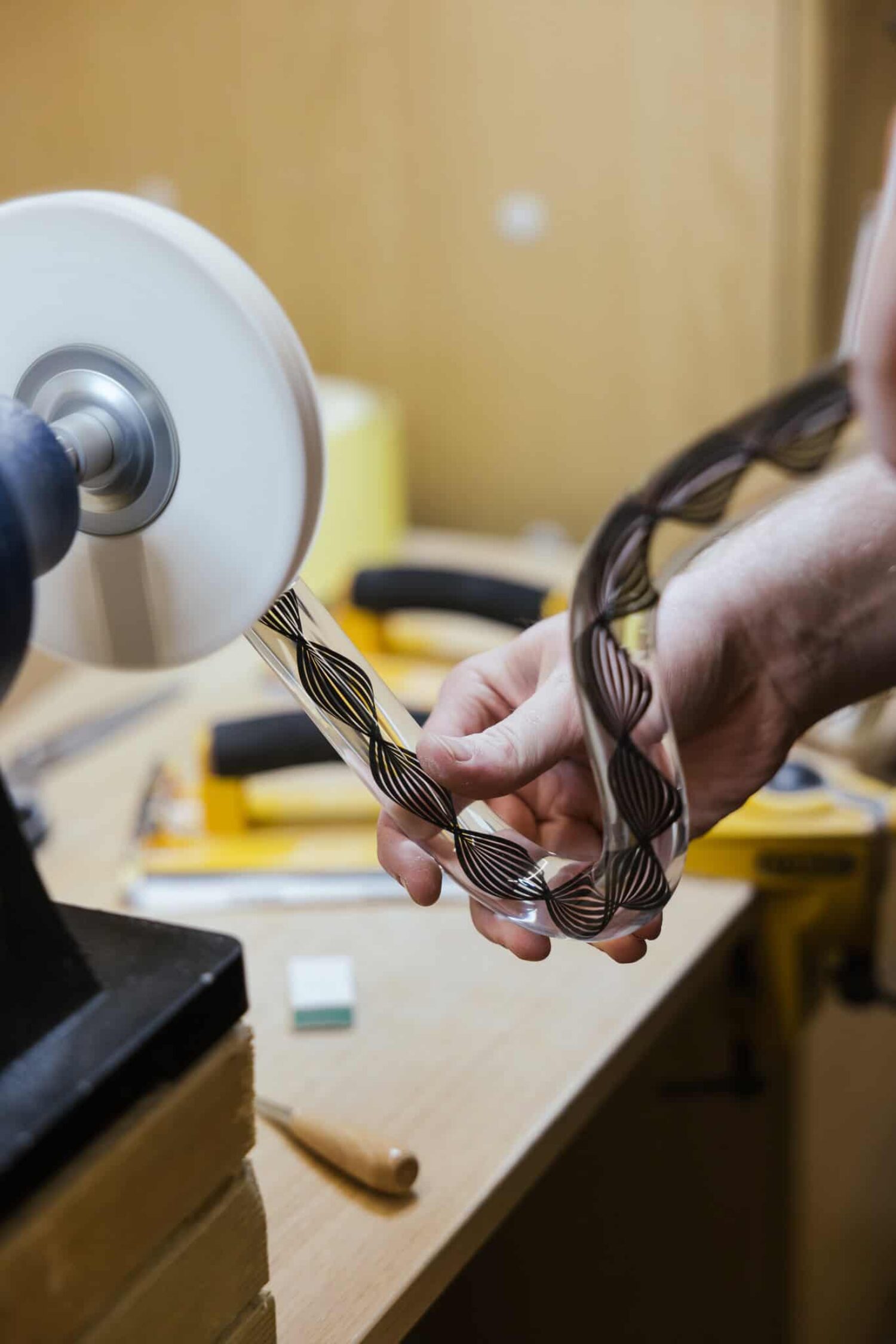
New Walk’s sticks are customisable and made to order. Image: Joanne Crawford
It’s a sentiment expressed all too often by female entrepreneurs, alongside lack of access to mentorship and the high mental load that comes with running a business alongside the commitments of everyday life. But, according to the report, significant prizes are up for grabs if these barriers were removed: up to 165,000 jobs and an additional £2.6bn in GVA – gross value added – the value generated in the production of goods and services.
There’s another even more astonishing potential gain: the £250bn of new revenue that could be realised in the UK, if women started and scaled businesses at the same rate as men.
It’s a figure Andrea Morrison likes to drop into conversation. An entrepreneur herself, she is also the regional chair for the Federation of Small Businesses (FSB) for Yorkshire, the Humber and North East England. A few years ago she sat in on a local authority meeting that focused on the area’s 10 year economic strategy. “I happened to drop in that [£250bn stat]. You could literally hear a pin drop, because nobody had heard that figure before,” she says.
“I could see the power of research, of data, of showing them the figures. And this has now become a mantra of mine. That data is kryptonite to stereotypes.”
Spurred on, she and her colleagues at the FSB then approached the University of York to undertake more detailed research into the issue. Working collectively across all the regional business support providers and a range of national banks, the resulting partnership and report has driven a high degree of collective action.
Professor Kiran Trehan (below), pro-vice-chancellor for enterprise partnerships and engagement at the university, led the research, but many more, such as the Yorkshire and Humber Policy Engagement and Research Network, The York Policy Engine, have contributed. Scores of local entrepreneurs and business leaders have backed the findings as well, including the chair of the York and North Yorkshire Combined Authority’s business board, Jennifer Wood.
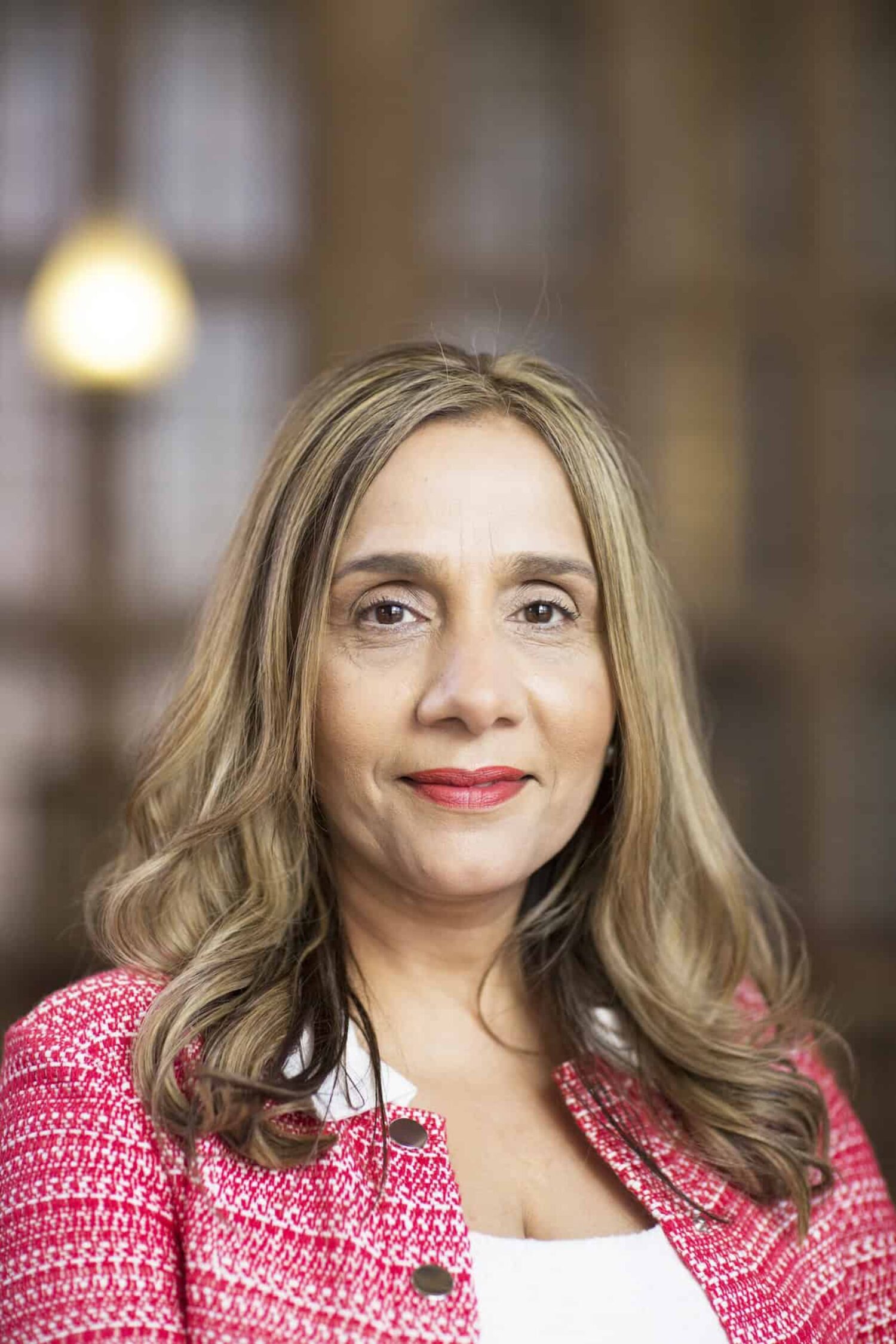
Professor Kiran Trehan led the research at the University of York. Image: University of York
The team will now publish a 10-point plan outlining what needs to happen next. Already, the findings have driven change in business support provision, by focusing on the seven priority areas outlined in the report: mentorship, customer acquisition, retention and pricing, and access to finance among them. “It’s clear we’ve reached a tipping point,” says Trehan. “There’s no denying the enormous economic value that female-led enterprise brings, both regionally and nationally. And every single stakeholder agrees. Now it’s time to help them thrive.”
For Mitcheson, the next step begins far earlier. “We’ve got to go into schools and tell these young girls that they can be entrepreneurs, designers, and they can go in for the big boy jobs.”
Main image: Joanne Crawford
-
165,000
The number of jobs to be gained by removing barriers to female entrepreneurship in York and North Yorkshire
-
£
2.6
bnThe amount of GVA – gross value added – the region could add



