
Business
Safety Guidelines for Handling Ultra-Low Temperature Freezers

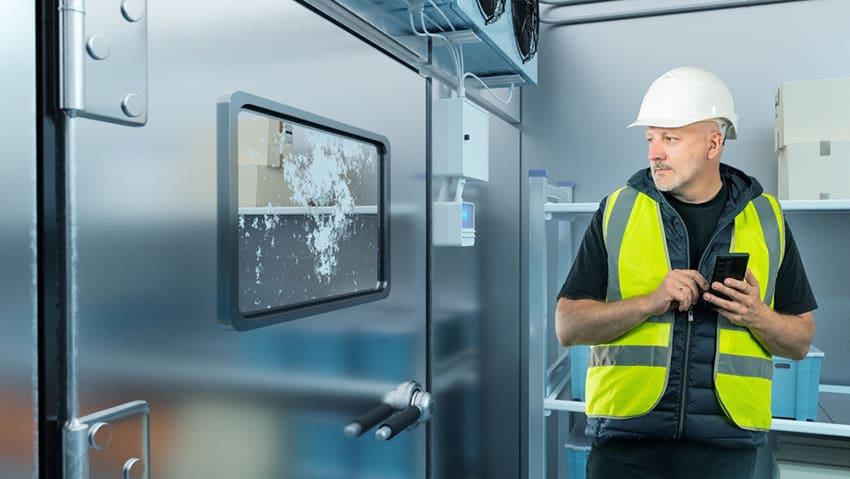
Critical to the operation of pharmaceutical sites and biobanks, ultra-low temperature freezers protect valuable samples. They safeguard high-value biological materials that cannot be replaced if damaged.
A single handling error can lead to personal injury, equipment failure, or irreversible sample loss, which makes safety practices essential.
These freezers operate under extreme thermal and electrical conditions. Exposure to subzero environments, high-powered compressors, and sensitive control systems creates risks that demand structured procedures. Facilities that rely on equipment like a freezer -40C, must apply disciplined handling standards to protect both staff and stored materials.
Core Safety Principles
Safe operation begins with recognition of the risks inherent to ultra-low temperature systems. Extremely cold surfaces can cause instant skin injury, while rapid temperature changes place stress on materials and seals. Operators must approach these units as specialized industrial equipment with potential physical and electrical hazards.
Access control and role assignment reduce safety risks. Only trained personnel should interact with freezer interiors, perform sample retrieval, or adjust operating parameters. Limiting access ensures that only individuals familiar with hazards are present, reducing the likelihood of accidental exposure, freezer damage, or improper sample handling.
Personnel Training Requirements
Proper training is the foundation of safe freezer operation. Operators must receive instruction in normal operation, alarm response, emergency shutdown procedures, and equipment-specific safety protocols. Training should combine theoretical knowledge with hands-on demonstration to reinforce correct behaviors.
Periodic refresher training is necessary. Staff must stay aware of updates in operational procedures, emergency protocols, and manufacturer recommendations. Continuous education ensures that personnel remain prepared to handle both routine tasks and unexpected events safely.
Personal Protective Equipment
Personal protective equipment is critical when interacting with ultra-low temperature freezers. Direct contact with frozen metal surfaces or ice can cause frostbite in seconds. Operators must wear insulated gloves, face shields, and protective clothing designed for subzero exposure.
Protective gear must remain dry and intact. Moisture reduces insulation effectiveness and increases the risk of cold injury. Proper maintenance of personal protective equipment ensures consistent safety for all personnel accessing freezer compartments.
Exposure Time Management
Minimizing exposure to extreme cold reduces the risk of injury and maintains internal freezer conditions. Doors should remain open only for the necessary time to retrieve samples. Pre-planning retrieval activities helps avoid repeated or prolonged exposure.
Batch retrieval strategies can further enhance safety. Grouping samples needed for the same procedure prevents frequent door openings, stabilizes internal temperatures, and reduces physical strain on personnel. These practices also improve operational efficiency and protect sample integrity.
Key personal safety practices include:
- Wearing insulated gloves and face protection
- Avoiding direct skin contact with metal surfaces
- Reporting numbness, tingling, or cold-related injuries immediately.
Facility and Environmental Controls
The surrounding environment is critical to safe freezer operation. Proper ventilation dissipates heat generated by compressors and prevents oxygen displacement in enclosed spaces, which can pose suffocation risks. Facility planning must account for airflow patterns and ensure adequate clearance around units.
Floor and structural support must be sufficient for the freezer’s weight and stored materials. Electrical systems require dedicated circuits with proper grounding to reduce fire hazards. Backup power solutions, such as emergency generators, provide operational continuity during power outages, protecting both samples and personnel.
Safe Storage and Organization
Proper sample organization enhances safety and maintains internal temperature stability. Overloading compartments restricts airflow, strains compressors, and increases the likelihood of temperature fluctuations. Storage racks should allow air circulation and easy access to frequently used samples.
Labeling and inventory systems reduce retrieval time, minimizing door-open duration. Clear organization prevents accidental exposure to extreme cold and maintains consistent freezer performance. Well-documented storage procedures also support compliance with institutional policies and regulatory requirements.
Recommended storage practices include:
- Using racks and containers designed for ultra-low temperatures
- Avoiding overfilled compartments
- Maintaining accurate, updated inventory logs
- Positioning frequently accessed samples near the front of the freezer.
Maintenance and Emergency Preparedness
Regular maintenance ensures safe and reliable freezer operation. Ice accumulation or damaged seals can increase door resistance, cause compressor strain, and allow temperature fluctuations. Addressing these issues promptly reduces risk to personnel and stored materials.
Emergency preparedness is essential. Alarm systems must alert staff to power outages, temperature deviations, or mechanical malfunctions. Backup storage, such as secondary freezers or dry ice, safeguards critical samples during extended interruptions.
Routine Inspection Procedures
Routine inspections detect hazards before they result in incidents. Visual checks of door seals, hinges, and internal compartments identify wear and potential failure points. Testing alarms and monitoring devices ensures timely alerts during equipment deviations.
Inspection documentation provides accountability, identifies recurring issues, and guides preventive maintenance. Clear records support both operational safety and regulatory compliance, ensuring long-term equipment reliability.
Emergency Response Planning
Emergency response protocols must be well-defined and accessible. Staff should understand procedures for power failure, temperature excursions, and mechanical faults without exposing themselves to electrical or cold-related injury.
Regular drills familiarize personnel with response actions. Having contact lists for technical support, accessible backup storage, and routine alarm testing improves readiness. Practiced procedures reduce response time and protect both samples and staff during emergencies.
Emergency readiness measures include:
- Clearly documented procedures for equipment failure
- Accessible alternative storage solutions
- Contact information for technical and safety personnel
- Routine alarm and system checks.
Sustaining Safe Operations
Safe operation is an ongoing process. Procedures must evolve as equipment ages, operational requirements change, or staff roles rotate. Regular review and improvement of safety guidelines ensure that risks remain minimized and standards remain consistent.
Embedding safety into daily routines fosters a proactive culture. Staff who follow established protocols, report hazards promptly, and respect operational limits contribute to long-term reliability. Consistent application of safety practices ensures that ultra-low temperature freezers perform optimally while protecting personnel and invaluable biological materials.



