

News Videos
WARNING: IT’S HAPPENING AGAIN

🤯 DOMINATE THE BOTTOM 🤯
🎁 UNLOCK 2 BONUS VIDEOS 🎁
⬇️ JOIN THE WAITLIST NOW ⬇️
https://cryptocrewuniversity.com/mr5
🌍 Trade Like A Tourist
💪 Or Join The Pros
🎯 FFA Is Where The Real Ones Go
https://cryptocrewuniversity.com/ffa
Subscribe for Bitcoin and crypto market updates, exclusive trade alerts, and top trading strategies!
🔔 Subscribe Now ➡️ https://www.youtube.com/cryptocrewuniversity
🚀 Start Your Crypto Journey Today!
✅ Get Free Market Insights & Trade Alerts
✅ Explore Our Brand-New Courses (Recover Your Losses!)
📺 Watch Our Most Viral Bitcoin & Crypto Videos:
🔹 When To Sell Cryptocurrency – 3 Simple Steps (Taking Profit)
🔹 When To Buy Cryptocurrency – 3 Simple Steps (Maximize Profit)
🔹 EVERYONE IS WRONG ABOUT BITCOIN 100K – THIS HAPPENS INSTEAD (5.3 Theory Latest)
🔹 Bitcoin Is Going To Make You Lose All Your Money… Do This Instead
🔹 How To Find The Bottom Of The Crypto Bear Market | Step by Step
🔥Don’t Miss Our Top Playlists🔥
🔹 Trading Education/Strategy Playlist
🔹 When Bottom, When Moon, When Buy Bitcoin, When Sell Cryptocurrency Shorts Playlist
🔥 Follow Crypto Crew University For More Crypto Content:
Timestamps:
0:00 Intro
3:03 Gaussian Channel – 5 Day
4:57 2014
5:15 2018
5:45 2022
6:13 Current Cycle
15:41 3 Data Points
19:61 Possible Surprise Bottom
Twitter: https://twitter.com/CryptoCrewU
Facebook: https://www.facebook.com/people/Steve-Courtney/100085131747114/
TikTok: https://www.tiktok.com/t/ZTdtxAXQj/
Rumble: https://rumble.com/c/c-5605509
Spotify Podcast: https://podcasters.spotify.com/pod/show/crypto-crew-university
📩 Questions About Our Courses, Trade Alerts, or Bitcoin Indicators?
Email us anytime!
📧 info@CryptoCrewUniversity.com
⚡ Important Disclaimer:
🚨The information contained on YouTube or the Crypto Crew University YouTube Channel (“Channel”) is provided for general informational purposes only. The information provided is not intended to be a substitute for professional investment, tax, accounting, or legal advice. Crypto Crew University (the “Company”) is not engaging in services as a securities brokerage, investment advisor, tax, accounting, or legal services provider to the viewers of this website, nor is the Company extending any solicitation or offer to the viewers to sell or buy any cryptocurrencies or securities. The viewers should engage their own professional qualified financial, legal, or tax advisor. The Company is not liable to the viewer for any possible claims or damages arising from any decision they make based on the content of YouTube or this Channel. The viewers’ use of YouTube or this Channel and any reliance on the information contained therein is at the viewers’ own risk. The Company makes no representation or warranties about the accuracy or completeness of the information contained on this Channel or YouTube. Any testimonials or descriptions of past trading experiences published on this Channel or YouTube are not typical, not indicative of future results or performances, and are not intended to be a representation, warranty or guarantee that similar results will be obtained. Any links or references to external sources are provided solely for convenience and do not necessarily imply that the Company endorses, sponsors, promotes, or is affiliated with the external sources. 🚨
WARNING: IT’S HAPPENING AGAIN
#crypto
#bitcoin
#cryptocurrency
source


uh-oh Crypto founder Charles Hoskinson warns do not pass the CLARITY Act.
⭐ Follow Altcoin Daily on 𝕏: https://twitter.com/AltcoinDaily
✅ Bitunix (no kyc, $10,000 bonus): https://www.bitunix.com/register?vipCode=AltcoinDaily
🟡 50% deposit bonus on first $100 on WEEX: https://www.weex.com/events/welcome-event?vipCode=oz5p&qrType=activity
Timestamps:
0:00 – Crypto founder issues DIRE WARNING!
8:47 – What you can expect going forward.
🎁 Altcoin Daily Merch: https://m046hz-bk.myshopify.com
🟣 Best Crypto Exchange To Trade ($12,000 Bonus): https://www.coinw.com/en_US/register?r=ALTCOINDAILY
🔴 $30k USDT bonus with Phemex with our link: https://phemex.com/a/k/ALTCOINDAILY30
🔵 $30k bonuses with our link – Buy & Trade Crypto on Bybit: https://partner.bybit.com/b/altcoindaily
🟢 $8k bonus on Bitget Exchange with our link: https://bonus.bitget.com/AltcoinDaily
Altcoin Daily in Spanish: www.youtube.com/@AltcoinDailyenEspanol
Follow Altcoin Daily:
www.twitter.com/AltcoinDaily
www.instagram.com/thealtcoindaily/
Join Altcoin Daily on Telegram: https://t.me/AltcoinDailyANN
Hit Like, Share, and Subscribe for more daily cryptocurrency news
Altcoin Daily, the best cryptocurrency news media online!
Video by Aaron:
www.instagram.com/aarontarnold/
www.twitter.com/aarontarnold
For business inquires email: info.altcoindailyio@gmail.com
**Note: My overall opinion is that the name of the game is to accumulate as much Bitcoin as possible. Alts are interesting but a lot more speculative. I use them to accumulate more Bitcoin & Ethereum.
***********************************************************************
🏺Support The Channel!!🏺(We Get A Kickback From Affiliate Links)
Protect and store your crypto with a Ledger Nano:
https://shop.ledger.com/?r=4b0f6c5711dc
Robinhood exchange has crypto & stocks:
https://join.robinhood.com/aarona-78df3a8
***********************************************************************
Altcoin Daily, the best cryptocurrency news media online!
#bitcoin #cryptocurrency #news #btc #ethereum #eth #cryptocurrency #litecoin #altcoin #altcoins #forex #money #best #trading #bitcoinmining #invest #trader #cryptocurrencies #top #investing #business #success #investment #finance #coinbase #binance #stocks #wallstreet #investor #wealth #bullish #crash #collapse #economy #cnbc #cryptolive #altcoindaily
***NOT FINANCIAL, LEGAL, OR TAX ADVICE! JUST OPINION! I AM NOT AN EXPERT! I DO NOT GUARANTEE A PARTICULAR OUTCOME I HAVE NO INSIDE KNOWLEDGE! YOU NEED TO DO YOUR OWN RESEARCH AND MAKE YOUR OWN DECISIONS! THIS IS JUST EDUCATION & ENTERTAINMENT! USE ALTCOIN DAILY AS A STARTING OFF POINT!
This is NOT an offer to buy or sell securities.
Investing and trading in cryptocurrencies is very risky, as anything can happen at any time.
This information is what was found publicly on the internet. This information could’ve been doctored or misrepresented by the internet. All information is meant for public awareness and is public domain. This information is not intended to slander, harm or defame any of the actors involved but to show what was said through their social media accounts. Please take this information and do your own research.
*The channel is not responsible for the performance of sponsors and affiliates.
Most of my crypto portfolio is Bitcoin, then Ethereum, but I hold many cryptocurrencies, possibly ones discussed in this video.
cryptocurrency, crypto, altcoin, altcoin daily, news, best investment, top altcoins, best crypto investment, ethereum, xrp, crash, crash, price, prediction, podcast, interview, finance, stock, investment, too late, bitcoin, cryptocurrency news, bitcoin news, cryptocurrency news media online, best crypto investments, 2026 prediction, should I buy ethereum?, blackrock, donald trump, coin bureau, binance, coinbase, trading crypto, trade, make money, cryptosrus, bitcoin today, bitcoin cnbc, altcoin news,
source
News Videos
21 Principles Of Financial Freedom Will Change Your Future | Brian Tracy’s Life Advice 2024
21 Principles Of Financial Freedom Will Change Your Future | Brian Tracy’s Life Advice 2024
Explore the power of Financial Freedom with our inspirational speech, crafted and compiled to bring you the essential principles from Brian Tracy on financial management and shaping your future. We present to you 21 highly valuable and practical principles to help you achieve the Financial Freedom you aspire to. In this video, we not only share knowledge but also convey inspiration and essential strategies to help you apply them to your daily life. Enjoy the advice and soul-shaping wisdom from Brian Tracy, one of the world’s top speakers on time and financial management. Don’t miss the opportunity to experience a profound and meaningful conversation space, where we share success stories and life experiences, helping you better understand how to apply Brian Tracy’s principles to your daily life.
#financialfreedom #briantracy #lifeadvice #wealthbuilding #motivationradio #2024
▶SPEAKER:
This content has been independently crafted and synthesized by our team, without copying or drawing inspiration from any other sources. We were inspired by the extensive knowledge and profound insights of Brian Tracy to share this message with the audience.
Subscribe to our channel using this link for a constant flow of instructional and motivational videos to help you grow in every part of your life : https://www.youtube.com/channel/UCNX6…
▶The music, footage, and vocals in this video were created entirely by our team. We took great care to produce every element from scratch, ensuring a unique and original experience for our audience.
This video has no negative impact on the original work. The video has been used under fair use, repurposed with the intent of educating and motivate others.
Copyright Disclaimer Under Section 107 of the Copyright Act 1976, allowance is made for “fair use” for purposes such as criticism, commenting, news reporting, teaching, scholarship, and research. Fair use is a use permitted by copyright statute that might otherwise be infringing. Educational or personal use tips the balance in favor of fair use.
source
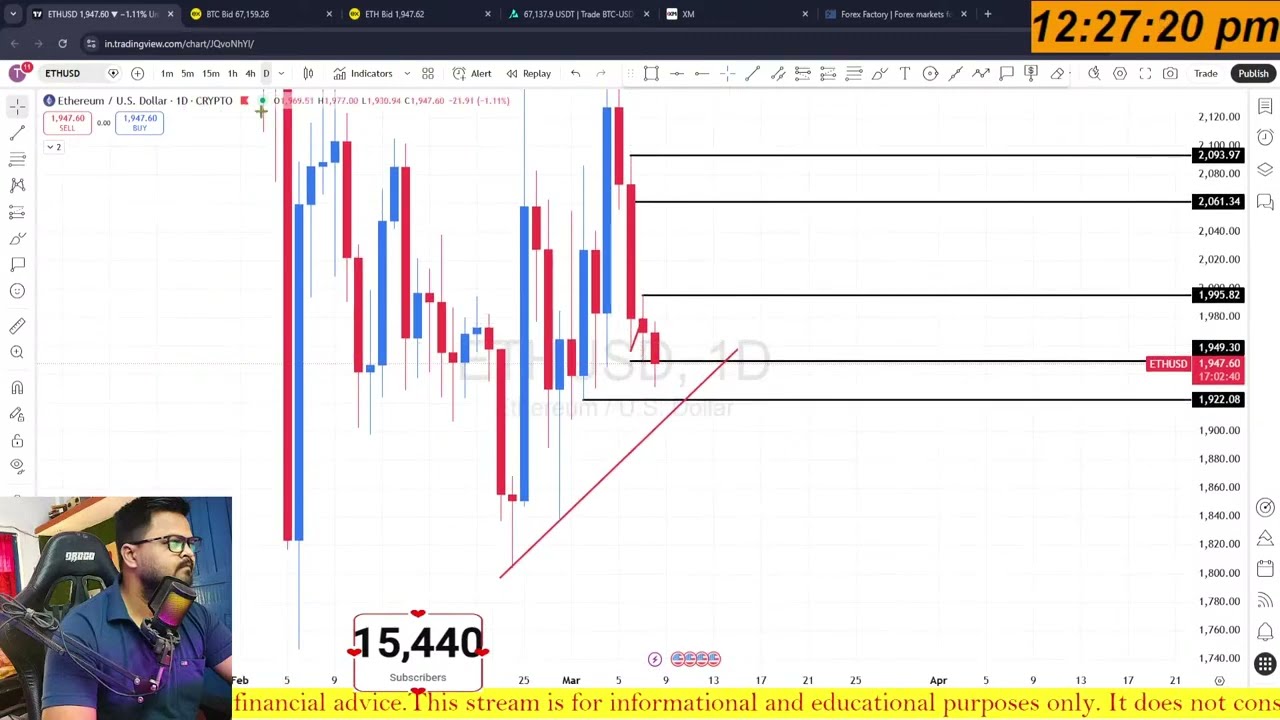
News Videos
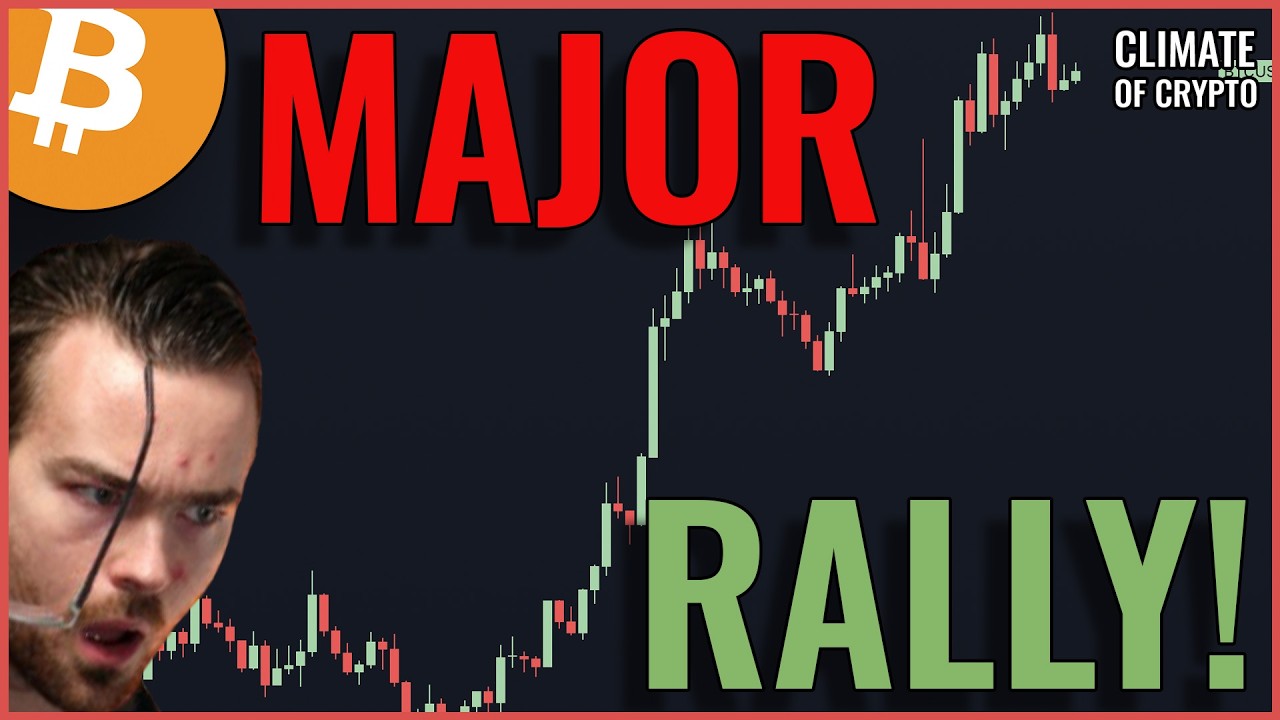
Bitcoin EXPLODING After Stocks RALLY! $80k Bitcoin Incoming?! Bitcoin Price Prediction 2026
Are you ready?
🚨🚨 Top-Tier Crypto Trading Starts Here 🚨🚨
🎁 Earn Up to $130 INSTANTLY, $30,000 CASHBACK & join exclusive campaigns just by trading 🎁
👉 Claim your spot now: https://www.toobit.com/t/btDDtE 👈
Sign up for NordVPN and stay SAFE and PRIVATE while browsing online! For a special offer go to: https://Nordvpn.com/Jebb
🚨🚨 Sign Up For Phemex and Earn a brand new iPhone 16 pro max, and thousands of dollars of other bonuses!: https://phemex.com/en/promo/activity/780?referralCode=DE7ME9
🚨🚨 CRYPTO RETIREMENT ACCOUNT HERE 🚨🚨
Sign up for iTrustCapital and get a $100 funding bonus after you fund your account: https://www.itrustcapital.com/go/crypto-jebb 👈
🚨🚨 Sign Up For the First Cohort Trading Group (FCTG) and start trading with myself and other expert traders RIGHT NOW! (Jebb20 20% OFF CODE ALREADY APPLIED IN LINK):
https://checkout.teachable.com/secure/247946/checkout/order_wkmp5wdc?coupon_code=JEBB20
Sign up for iTrustCapital, and get a $100 funding bonus after you fund your account!!: https://www.itrustcapital.com/go/crypto-jebb
🚨🚨 Sign up for the Cryptocurrency Technical Analysis Academy and start your journey towards Bitcoin MASTERY!: (COUPON CODE ALREADY APPLIED!)
https://bitcoinacademy.teachable.com/p/ct2a?coupon_code=2026
🚨🚨 Sign up for the Financial Sovereignty Academy and start your journey towards financial prosperity!: (JEBB20 20% OFF CODE ALREADY APPLIED IN THE LINK!)
https://checkout.teachable.com/secure/247946/checkout/order_fxx0sw7k?coupon_code=JEBB20
Sign up for Financial Coaching with me and get on the Financially Sovereign path: https://checkout.teachable.com/secure/247946/checkout/order_9y903ky1
GET LUX ALGO: https://luxalgo.com/?rfsn=5721802.692b0c
I am not a financial adviser; this is not financial advice. I strongly encourage all to do their own research before doing anything with their money. All investments/trades/buys/sells etc. should be made at your own risk with your own capital.
source
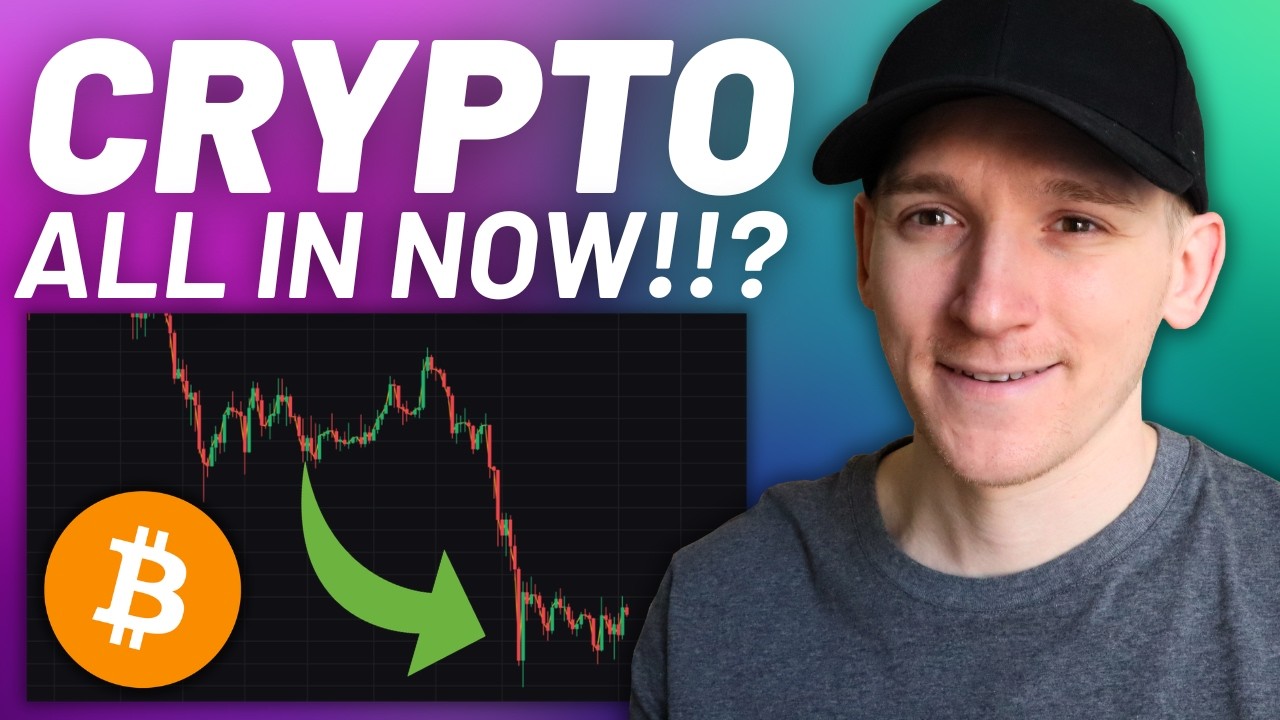
Crypto update – Bitcoin has relief
MoneyZG Crypto Investor Course: https://moneyzg.academy
My Ultimate Crypto Investing Guide & Community
Bybit $30,000 Bonus: https://bit.ly/Bybit-ZG
My Top Centralised Exchange (No US/UK Allowed👇🏻)
Blofin $10,040 & VIP Bonus: https://bit.ly/Blofin-ZG
Best Crypto Day Trading Exchange
Trade on Kraken: https://bit.ly/Kraken-MZG
Best Fiat On/Off Ramp For USA (USD, GBP, EUR, AUD, CAD, CHF, JPY)
FOLLOW ME:
X: https://bit.ly/Twitter-ZG
Instagram: https://bit.ly/Instagram-ZG
TikTok: https://www.tiktok.com/@moneyzg
TIMESTAMPS:
USEFUL VIDEOS:
Bybit: https://youtu.be/L7_LjF1YsKw
Apex: https://youtu.be/MxjjBUUBO1Y
Blofin: https://youtu.be/zrx0OP3iJC0
This video is for entertainment purposes only. It is not financial advice and is not an endorsement of any provider, product, asset or service. I assume no liability for errors or omissions. I disclaim responsibility for losses. I disclaim liability for loss or damage via your use of third party sites. Crypto is high risk; you can lose all your money. You are not protected if something goes wrong. Links above include affiliate links. I’m part of an affiliate network and I receive compensation from partnering websites. Do NOT trade products or on platforms that are unsuitable or restricted in your jurisdiction. Bonuses and communications not intended for UK.
source

Guess who’s back…..back again!? Chico’s back!! Today I’m revealing the *SECRET* altcoins I’ve been buying since I’ve been gone!! 2 years away from crypto…what crypto coins have I been stacking!? Tune in to this special live stream to find out
🏺*Cryptocurrency Donations Support The Channel*🏺
ETH: 0x6c0596D9770e7e09EeA148587917717b97172d49
BTC: 3LVCPuVcPp33sgBLU8XNnfaybhTA2bSD29
SOL: 4t1EyPM6QgcZw8k8zdyEzzpYWS9sdcmBZC4xX7ejDD8N
💼Business Inquiries💼
thechicocrypto@gmail.com
Where I like to trade Bitcoin & Ethereum (GMX DEX)👇
https://gmx.io/#/?ref=ChicoCrypto42069
The Chain for AI Agents LUKSO 🤖
https://lukso.network
https://universaleverything.io
🤫►► ► Chico Crypto Exclusive Links ◄◄◄🤫
🔥Join The Chat On Telegram: t.me/RealChicoCrypto
🐦Follow Chico Crypto on Twitter: / chicocrypto
🐦Follow Blockchain Leaks on Twitter: / leaksblockchain
📷Chico Crypto on Instagram Here: / chicocrypto
Disclaimer
The information contained herein is for informational purposes only. Nothing herein shall be construed to be financial legal or tax advice. The content of this video is solely the opinions of the speaker who is not a licensed financial advisor or registered investment advisor. Purchasing cryptocurrencies poses considerable risk of loss. The speaker does not guarantee any particular outcome. Past performance does not indicate future results.
This information is what was found publicly on the internet. This information could’ve been doctored or misrepresented by the internet. All information is meant for public awareness and is public domain. This information is not intended to slander harm or defame any of the actors involved but to show what was said through their social media accounts. Please take this information and do your own research.
source
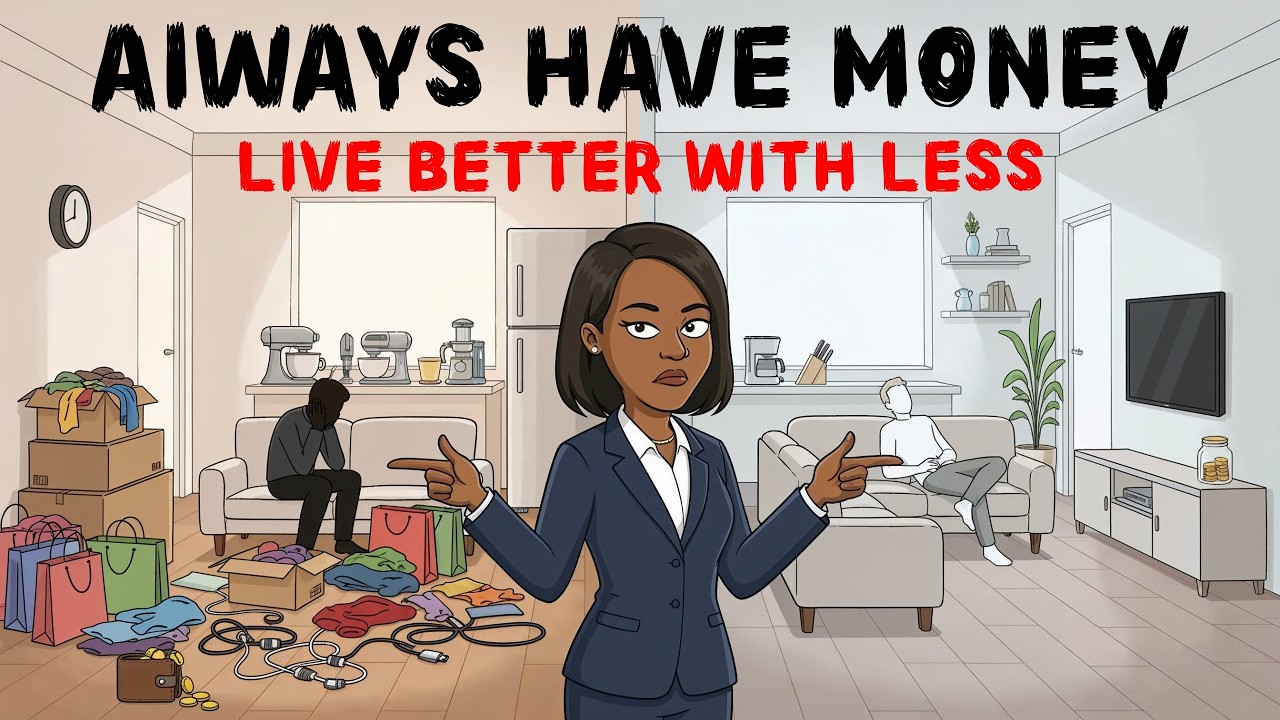
Minimalism isn’t about deprivation. It’s about creating financial margin by reducing the hidden costs of “stuff” and stopping lifestyle creep before it traps your income. This video lays out ten minimalist money rules you can apply immediately, including cost-per-use thinking, the replacement test, spending friction systems, and how to define “enough” so you can save, invest, and build real optionality.
Two people can live in the same neighborhood with similar rent and end up in completely different financial realities—not because of income, but because of how much lifestyle maintenance their possessions demand. This video explains the minimalist rules that consistently separate people who always have money from people who feel broke even on a strong salary.
You’ll learn how to calculate the real cost of ownership, build simple decision rules that prevent accumulation, and shift your definition of wealth away from visible consumption and toward financial optionality. The aim is practical: reduce recurring drain, increase savings capacity, and make “having money” the default outcome of your daily choices.
▬▬▬▬▬▬▬▬▬▬▬▬▬▬▬▬▬▬▬▬▬▬▬▬▬▬▬▬▬▬▬▬▬▬▬▬▬▬▬▬▬▬▬▬▬
👉 Subscribe for more insights on achieving financial freedom! https://www.youtube.com/channel/UCFPfloFwa6X2UddqRH83rAA?sub_confirmation=1
▬▬▬▬▬▬▬▬▬▬▬▬▬▬▬▬▬▬▬▬▬▬▬▬▬▬▬▬▬▬▬▬▬▬▬▬▬▬▬▬▬▬▬▬▬
🔵 Relevant hashtags: #personalfinance #investing #investingforbeginners #wealthbuilding #moneymindset #moneytips #financialfreedom #passiveincome #stockmarket #indexfunds #etfs #dividendinvesting #budgeting #savingmoney #debtfreejourney #retireearly #financialliteracy #moneymanagement #sidehustle #buildwealth
▬▬▬▬▬▬▬▬▬▬▬▬▬▬▬▬▬▬▬▬▬▬▬▬▬▬▬▬▬▬▬▬▬▬▬▬▬▬▬▬▬▬▬▬▬
‼️ Disclaimer ‼️
I’m not a financial advisor, lawyer, therapist, or any other licensed professional. The content on this channel is for educational and entertainment purposes only. Everything shared here reflects my personal opinions and should not be taken as financial, investment, legal, medical, or relationship advice. Any stories, examples, or characters used are composite illustrations meant to explain ideas, not to represent real people or specific situations. Real-life outcomes vary widely because everyone’s circumstances are different, and any statistics referenced may come from studies with limitations and may not apply to every individual. Always do your own research and consider your full situation before making important decisions. When needed, consult a qualified professional who understands your personal circumstances.
source
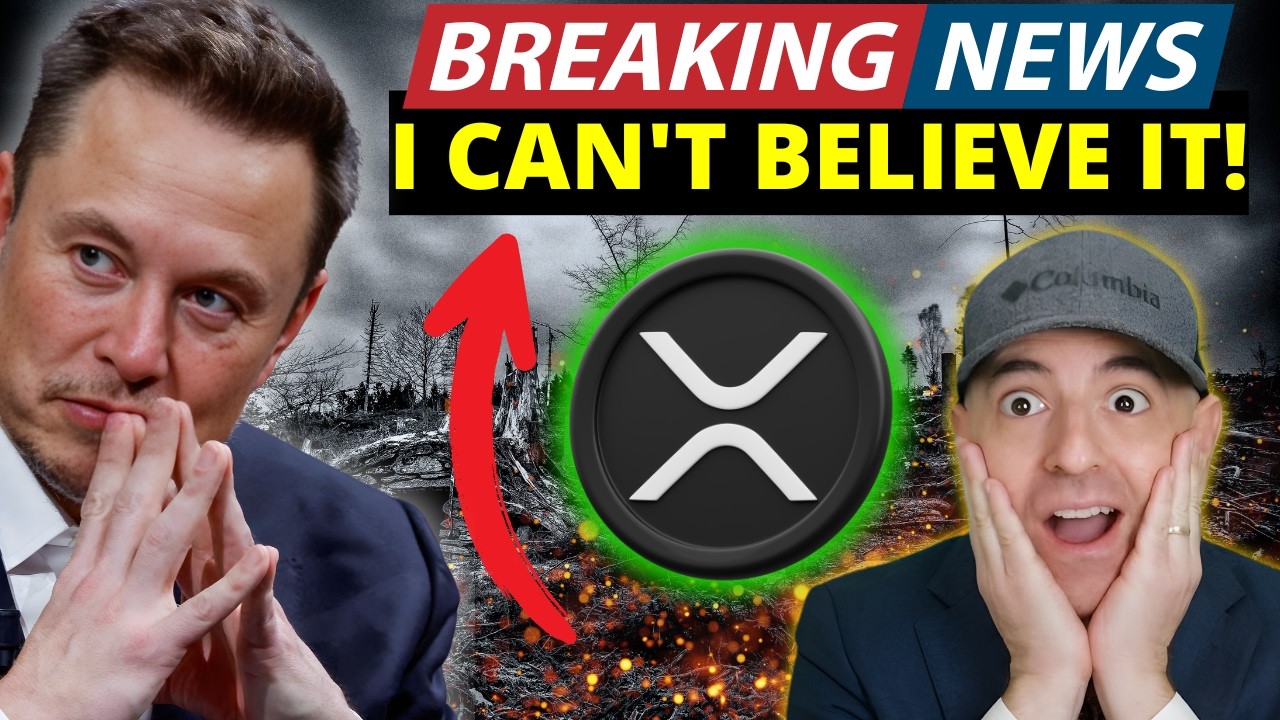
XRP – Elon Musk Makes Surprising Move! The Real Reason Xrp And Crypto Pumping!
The new Telegram group, join here, it is open and FREE to all – https://t.me/+LoW1GDD5rOI1YjM0
#xrp #xrpnews #xrpripple #cryptonews #crypto
My Website with all my affiliate links (Bydfi, BTCC) where you can get access to the Whale group – https://moneymakeravilev.kit.com/f54fe06808
Follow me on X – https://x.com/MakerLev
DISCLAIMER: Avi Lev, including but not limited to any guests appearing in his videos, are not financial/investment advisors, brokers, or dealers. They are solely sharing their personal experience and opinions; therefore, all strategies, tips, suggestions, and recommendations shared are solely for entertainment and educational purposes. There are financial risks associated with investing, and Avi Lev’s results are not typical; therefore, do not act or refrain from acting based on any information conveyed in this video, webpage, and/or external hyperlinks. For investment advice please seek the counsel of a financial/investment advisor(s), and conduct your own due diligence
Some of the links are affiliate links
COMMENT DISCLAIMER: I WILL NEVER CONTACT YOU IN ANYWAY (ON ANY PLATFORM). IF YOU GET CONTACTED BY ANYONE CLAIMING TO BE ME, IT IS NOT ME. FOR EXAMPLE, COMMENTS SHOWING WHATSAPP NUMBERS ARE NOT ME. ADDITIONALLY, PEOPLE HAVE THE ABILITY TO CALL YOU USING AI TECHNOLOGY SO IT SOUNDS LIKE ME. THIS AGAIN IS NOT ME. NEVER WILL I CONTACT YOU IN ANY WAY. PLEASE DO NOT CLICK ON ANY LINKS IN THE COMMENT SECTION BELOW. DO NOT RESPOND OR INTERACT WITH ANYONE ON ANY PLATFORM CLAIMING TO BE ME OR WORKING ON MY BEHALF – THEY ARE SCAMMERS.
This video is for informational and entertainment purposes only. It does not constitute financial, investment, or trading advice.
I am not a financial advisor. All opinions expressed in this video are my own or those of the individuals referenced.
You should always do your own research and consult with a licensed professional before making any financial decisions.
Cryptocurrency investments carry risk, and past performance is not indicative of future results.
The mention of any price targets, predictions, or market commentary should be understood as opinion — not fact or guarantees
The company’s services and content are not directed to, and are not intended for,residents of Israel
This channel provides global crypto market analysis and educational content in English. Our content is created for a global audience and is NOT intended for, marketed to, or directed at residents of Israel. All content is for informational purposes only and does not constitute financial advice.
tags –
xrp price,xrp price prediction,crypto news,xrp news,xrp ripple,ripple xrp,xrp news today,ripple xrp news,xrp crypto,xrp news today now,xrp today,xrp lawsuit,ripple news,xrp ripple news,xrp analysis,xrp coin,crypto news today,ripple price,xrp 2021,xrp sec,xrp technical analysis,xrp prediction,ripple sec news,cryptocurrency news
xrp price,xrp price prediction,crypto news,xrp news,xrp ripple,ripple xrp,xrp news today,ripple xrp news,xrp crypto,xrp news today now,xrp today,xrp lawsuit,ripple news,xrp ripple news,xrp analysis,xrp coin,crypto news today,ripple price,xrp 2021,xrp sec,xrp technical analysis,xrp prediction,ripple sec news,cryptocurrency news
xrp price,xrp price prediction,crypto news,xrp news,xrp ripple,ripple xrp,xrp news today,ripple xrp news,xrp crypto,xrp news today now,xrp today,xrp lawsuit,ripple news,xrp ripple news,xrp analysis,xrp coin,crypto news today,ripple price,xrp 2021,xrp sec,xrp technical analysis,xrp prediction,ripple sec news,cryptocurrency news
xrp price,xrp price prediction,crypto news,xrp news,xrp ripple,ripple xrp,xrp news today,ripple xrp news,xrp crypto,xrp news today now,xrp today,xrp lawsuit,ripple
source

Keir Starmer says UK economy is robust but could face damage from prolonged Iran conflict

Sonic Labs launches USSD stablecoin backed by US Treasuries

2026 Players Championship odds: Scottie Scheffler tops favorites


-

 Politics6 days ago
Alan Cumming Brands Baftas Ceremony A ‘Triggering S**tshow’
-
Business3 days ago
Form 8K Entergy Mississippi LLC For: 6 March
-

 Fashion3 days ago
Weekend Open Thread: Ann Taylor
-

 Tech4 days ago
Bitwarden adds support for passkey login on Windows 11
-
 Sports4 days ago
499 runs and 34 sixes later, India beat England to enter T20 World Cup final | Cricket News
-

 News Videos4 hours ago
10th Algebra | Financial Planning | Question Bank Solution | Board Exam 2026
-

 Sports2 days ago
Three share 2-shot lead entering final round in Hong Kong
-

 Sports1 day ago
Braveheart Lakshya downs Lai in epic battle to enter All England Open final | Other Sports News
-

 Tech7 days ago
Cynus Chess Robot: A Chess Board With A Robotic Arm
-

 Business6 days ago
Guthrie Disappearance Enters Fifth Week as Family Visits Memorial
-

 NewsBeat4 days ago
Piccadilly Circus just unveiled ‘London’s newest tourist attraction’ and it only costs 80p to enter
-

 Business22 hours ago
Search for Nancy Guthrie Enters 37th Day as FBI Probes Wi-Fi Jammer Theory
-
 Politics3 days ago
Top Mamdani aide takes progressive project to the UK
-

 Entertainment3 days ago
Hailey Bieber Poses For Sexy Selfies In New Luscious Lip Thirst Traps
-
 Sports6 days ago
Jack Grealish posts new injury update as Man City star enters crucial period
-
 Crypto World5 days ago
New Crypto Mutuum Finance (MUTM) Reports V1 Protocol Progress as Roadmap Enters Phase 3
-

 Tech4 days ago
ACIP To Discuss COVID ‘Vaccine Injuries’ Next Month, Despite That Not Being In Its Purview
-
Entertainment5 days ago
Harry Styles Has ‘Struggled’ to Discuss Liam Payne’s Death
-
 NewsBeat4 days ago
Good Morning Britain fans delighted as Welsh presenter returns to host ITV show
-

 Tech1 hour ago
Despite challenges, Ireland sixth in EU for board gender diversity