

News Videos
Kouri Richins’ DEEP Financial Troubles and Crimes, with Law & Crime’s Angenette Levy



Guess who’s back…..back again!? Chico’s back!! Today I’m revealing the *SECRET* altcoins I’ve been buying since I’ve been gone!! 2 years away from crypto…what crypto coins have I been stacking!? Tune in to this special live stream to find out
🏺*Cryptocurrency Donations Support The Channel*🏺
ETH: 0x6c0596D9770e7e09EeA148587917717b97172d49
BTC: 3LVCPuVcPp33sgBLU8XNnfaybhTA2bSD29
SOL: 4t1EyPM6QgcZw8k8zdyEzzpYWS9sdcmBZC4xX7ejDD8N
💼Business Inquiries💼
thechicocrypto@gmail.com
Where I like to trade Bitcoin & Ethereum (GMX DEX)👇
https://gmx.io/#/?ref=ChicoCrypto42069
The Chain for AI Agents LUKSO 🤖
https://lukso.network
https://universaleverything.io
🤫►► ► Chico Crypto Exclusive Links ◄◄◄🤫
🔥Join The Chat On Telegram: t.me/RealChicoCrypto
🐦Follow Chico Crypto on Twitter: / chicocrypto
🐦Follow Blockchain Leaks on Twitter: / leaksblockchain
📷Chico Crypto on Instagram Here: / chicocrypto
Disclaimer
The information contained herein is for informational purposes only. Nothing herein shall be construed to be financial legal or tax advice. The content of this video is solely the opinions of the speaker who is not a licensed financial advisor or registered investment advisor. Purchasing cryptocurrencies poses considerable risk of loss. The speaker does not guarantee any particular outcome. Past performance does not indicate future results.
This information is what was found publicly on the internet. This information could’ve been doctored or misrepresented by the internet. All information is meant for public awareness and is public domain. This information is not intended to slander harm or defame any of the actors involved but to show what was said through their social media accounts. Please take this information and do your own research.
source
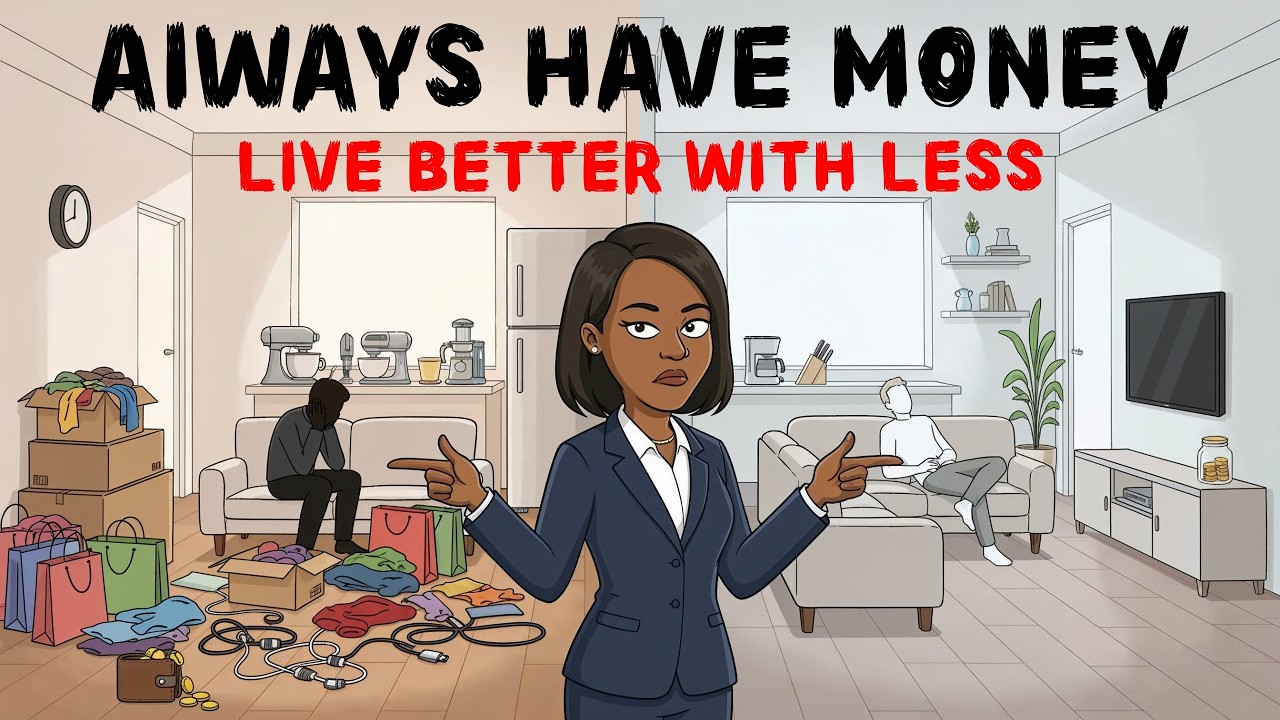
Minimalism isn’t about deprivation. It’s about creating financial margin by reducing the hidden costs of “stuff” and stopping lifestyle creep before it traps your income. This video lays out ten minimalist money rules you can apply immediately, including cost-per-use thinking, the replacement test, spending friction systems, and how to define “enough” so you can save, invest, and build real optionality.
Two people can live in the same neighborhood with similar rent and end up in completely different financial realities—not because of income, but because of how much lifestyle maintenance their possessions demand. This video explains the minimalist rules that consistently separate people who always have money from people who feel broke even on a strong salary.
You’ll learn how to calculate the real cost of ownership, build simple decision rules that prevent accumulation, and shift your definition of wealth away from visible consumption and toward financial optionality. The aim is practical: reduce recurring drain, increase savings capacity, and make “having money” the default outcome of your daily choices.
▬▬▬▬▬▬▬▬▬▬▬▬▬▬▬▬▬▬▬▬▬▬▬▬▬▬▬▬▬▬▬▬▬▬▬▬▬▬▬▬▬▬▬▬▬
👉 Subscribe for more insights on achieving financial freedom! https://www.youtube.com/channel/UCFPfloFwa6X2UddqRH83rAA?sub_confirmation=1
▬▬▬▬▬▬▬▬▬▬▬▬▬▬▬▬▬▬▬▬▬▬▬▬▬▬▬▬▬▬▬▬▬▬▬▬▬▬▬▬▬▬▬▬▬
🔵 Relevant hashtags: #personalfinance #investing #investingforbeginners #wealthbuilding #moneymindset #moneytips #financialfreedom #passiveincome #stockmarket #indexfunds #etfs #dividendinvesting #budgeting #savingmoney #debtfreejourney #retireearly #financialliteracy #moneymanagement #sidehustle #buildwealth
▬▬▬▬▬▬▬▬▬▬▬▬▬▬▬▬▬▬▬▬▬▬▬▬▬▬▬▬▬▬▬▬▬▬▬▬▬▬▬▬▬▬▬▬▬
‼️ Disclaimer ‼️
I’m not a financial advisor, lawyer, therapist, or any other licensed professional. The content on this channel is for educational and entertainment purposes only. Everything shared here reflects my personal opinions and should not be taken as financial, investment, legal, medical, or relationship advice. Any stories, examples, or characters used are composite illustrations meant to explain ideas, not to represent real people or specific situations. Real-life outcomes vary widely because everyone’s circumstances are different, and any statistics referenced may come from studies with limitations and may not apply to every individual. Always do your own research and consider your full situation before making important decisions. When needed, consult a qualified professional who understands your personal circumstances.
source
XRP – Elon Musk Makes Surprising Move! The Real Reason Xrp And Crypto Pumping!
The new Telegram group, join here, it is open and FREE to all – https://t.me/+LoW1GDD5rOI1YjM0
#xrp #xrpnews #xrpripple #cryptonews #crypto
My Website with all my affiliate links (Bydfi, BTCC) where you can get access to the Whale group – https://moneymakeravilev.kit.com/f54fe06808
Follow me on X – https://x.com/MakerLev
DISCLAIMER: Avi Lev, including but not limited to any guests appearing in his videos, are not financial/investment advisors, brokers, or dealers. They are solely sharing their personal experience and opinions; therefore, all strategies, tips, suggestions, and recommendations shared are solely for entertainment and educational purposes. There are financial risks associated with investing, and Avi Lev’s results are not typical; therefore, do not act or refrain from acting based on any information conveyed in this video, webpage, and/or external hyperlinks. For investment advice please seek the counsel of a financial/investment advisor(s), and conduct your own due diligence
Some of the links are affiliate links
COMMENT DISCLAIMER: I WILL NEVER CONTACT YOU IN ANYWAY (ON ANY PLATFORM). IF YOU GET CONTACTED BY ANYONE CLAIMING TO BE ME, IT IS NOT ME. FOR EXAMPLE, COMMENTS SHOWING WHATSAPP NUMBERS ARE NOT ME. ADDITIONALLY, PEOPLE HAVE THE ABILITY TO CALL YOU USING AI TECHNOLOGY SO IT SOUNDS LIKE ME. THIS AGAIN IS NOT ME. NEVER WILL I CONTACT YOU IN ANY WAY. PLEASE DO NOT CLICK ON ANY LINKS IN THE COMMENT SECTION BELOW. DO NOT RESPOND OR INTERACT WITH ANYONE ON ANY PLATFORM CLAIMING TO BE ME OR WORKING ON MY BEHALF – THEY ARE SCAMMERS.
This video is for informational and entertainment purposes only. It does not constitute financial, investment, or trading advice.
I am not a financial advisor. All opinions expressed in this video are my own or those of the individuals referenced.
You should always do your own research and consult with a licensed professional before making any financial decisions.
Cryptocurrency investments carry risk, and past performance is not indicative of future results.
The mention of any price targets, predictions, or market commentary should be understood as opinion — not fact or guarantees
The company’s services and content are not directed to, and are not intended for,residents of Israel
This channel provides global crypto market analysis and educational content in English. Our content is created for a global audience and is NOT intended for, marketed to, or directed at residents of Israel. All content is for informational purposes only and does not constitute financial advice.
tags –
xrp price,xrp price prediction,crypto news,xrp news,xrp ripple,ripple xrp,xrp news today,ripple xrp news,xrp crypto,xrp news today now,xrp today,xrp lawsuit,ripple news,xrp ripple news,xrp analysis,xrp coin,crypto news today,ripple price,xrp 2021,xrp sec,xrp technical analysis,xrp prediction,ripple sec news,cryptocurrency news
xrp price,xrp price prediction,crypto news,xrp news,xrp ripple,ripple xrp,xrp news today,ripple xrp news,xrp crypto,xrp news today now,xrp today,xrp lawsuit,ripple news,xrp ripple news,xrp analysis,xrp coin,crypto news today,ripple price,xrp 2021,xrp sec,xrp technical analysis,xrp prediction,ripple sec news,cryptocurrency news
xrp price,xrp price prediction,crypto news,xrp news,xrp ripple,ripple xrp,xrp news today,ripple xrp news,xrp crypto,xrp news today now,xrp today,xrp lawsuit,ripple news,xrp ripple news,xrp analysis,xrp coin,crypto news today,ripple price,xrp 2021,xrp sec,xrp technical analysis,xrp prediction,ripple sec news,cryptocurrency news
xrp price,xrp price prediction,crypto news,xrp news,xrp ripple,ripple xrp,xrp news today,ripple xrp news,xrp crypto,xrp news today now,xrp today,xrp lawsuit,ripple
source

From Food Stamps to Financial Freedom | Our Untold Story (Episode 1)
Before the millions of followers… before the billions of views… before the life we live today, there was a very different reality.
In this first episode of our podcast, we share the real story of where we started. From humble beginnings and times when money was tight, to discovering the power of social media and completely changing the trajectory of our lives.
This isn’t just a story about going viral. It’s about taking risks, believing in something bigger, working through the struggles, and building a life we once only dreamed about.
We’re just two normal people who decided to bet on ourselves, and social media ended up changing everything.
In this episode we talk about:
• Our upbringing and early struggles
• Life when we were on food stamps
• How social media first entered our lives
• The moment everything started to change
• The reality behind building a life online
• What we’ve learned from billions of views
If you’re chasing a dream, building a business, or wondering if social media can really change your life, this episode is for you.
Welcome to the beginning of our story.
source
Our AI models have updated the 2026 XRP targets, revealing a significant disconnect between market panic and a projected H2 surge. This video analyzes potential XRP targets, presenting multiple value scenarios for 1,000 XRP and outlining a step-by-step approach to exit strategies. This deep xrp analysis offers insights for navigating the market, even as headlines scream about a market correction. Subscribe for more in-depth crypto news and strategic insights into the evolving banking system.
—————————————————————–
📚 Learn:
👉 https://cheekyschool.com/
👉 Grab 50% OFF with this Code: YT50OFF
Educational resource only – no guarantees of financial outcome.
🔗 Free Educational 𝗗𝗶𝘀𝗰𝗼𝗿𝗱:
👉 https://discord.gg/cheekycrypto
🧠 This is a community for educational discussion only.
🚫 No financial advice is provided.
👨💼 Admins and moderators are not licensed financial professionals.
📱 Learn More About UNITY
👉 https://unitynodes.io/
🔗 Kraken XRP DEAL
👉 Special Link: https://kraken.pxf.io/c/6189776/3300403/10583
👉 Full T&Cs: https://www.kraken.com/en-de/legal/affiliate-incentive-25-xrp-terms
—————————————————————–
🎥 OUR YOUTUBE CHANNELS
🔹 Follow Cheeky Crypto 𝗼𝗻 YouTube: / @CheekyCrypto
🔹 Follow Cheeky Crypto Trading 𝗼𝗻 YouTube: / @CheekyCryptoPlus
🔹 Follow Cheeky Crypto News 𝗼𝗻 YouTube: / @CheekyCryptoNews
🔹 Follow Cheeky Crypto Education 𝗼𝗻 YouTube: / @CheekyCryptoEducation
🔹 Follow Cheeky Crypto Unfiltered 𝗼𝗻 YouTube: / @Cheeky_Crypto_Unfiltered
—————————————————————–
📱 FOLLOW US ON SOCIAL MEDIA
🐦 Follow us 𝗼𝗻 𝗫: / cheekycrypto
📘 Follow us 𝗼𝗻 𝐅𝐚𝐜𝐞𝐛𝐨𝐨𝐤: / cheekycrypto
—————————————————————–
Check out our Affiliate Offers:
We may earn a commission if you sign up through the link below.
👉 https://portal.cheekycrypto.io/cheeky-crypto-affiliate-links/
—————————————————————–
⚠️ 𝗕𝗘𝗪𝗔𝗥𝗘 𝗢𝗙 𝗦𝗖𝗔𝗠𝗠𝗘𝗥𝗦 𝗜𝗡 𝗢𝗨𝗥 𝗖𝗢𝗠𝗠𝗘𝗡𝗧𝗦 𝗔𝗡𝗗 𝗖𝗢𝗠𝗠𝗨𝗡𝗜𝗧𝗬 𝗖𝗛𝗔𝗡𝗡𝗘𝗟𝗦 ⚠️
🛑 DISCLAIMER:
This is a channel for entertainment purposes only. All opinions expressed by the hosts and guests should not be construed as financial advice.The views of guests and hosts do not necessarily reflect those of the channel.
We do not promote any get-rich-quick schemes, trading strategies that guarantee returns, or risky financial behavior.
All trading decisions are your own responsibility. Viewers are strongly encouraged to do their own research.
Trading cryptocurrencies carries a significant risk of loss, and no outcome is guaranteed. This Channel does not offer financial services or securities and does not guarantee any results.
Affiliate offers are intended only for non-UK residents.
This content complies with YouTube’s Harmful and Dangerous Content policies and is intended for mature audiences interested in learning about blockchain technology. Some links are affiliate offers.
We may earn a commission if you sign up through them, at no additional cost to you.
These platforms are not recommendations and are shared for informational purposes only.
Offers vary and may not be available in all regions. Please consult your local laws and financial advisor before participating.
—————————————————————–
Timestamps
source
📲 Join Our Official WhatsApp Channel (Instant Updates)
10th Std 👉 https://whatsapp.com/channel/0029VbBVi3y23n3adQwWmV3E
✔ Exam Updates
✔ Free Resources
✔ Important Announcements
☎️ Student Helpdesk / Helpline Numbers
📞 8806502845
📞 8237173829
📞 8149174639
📱 Download Our Learning App (Pradeep Giri College & School)
🔹 Android App 👉 https://eduthor.page.link/R3cX
🔹 iOS (Apple) App👉 https://apps.apple.com/in/app/myinstitute/id1472483563
🔐 iOS Org Code: GYUZW
📌 Access:
🔹Live & Recorded Lectures
🔹Notes & PDFs
🔹Course Enrollments
🔹Doubt Solving
💻 Web Access (Laptop / Desktop Users)
🔐 How to Login:
1️⃣ Open your browser & visit web.classplusapp.com
2️⃣ Enter your Org Code → Verify
3️⃣ Enter your Mobile Number
4️⃣ Login using OTP
🎥 Step-by-Step Tutorials
▶ App Login Guide: https://youtu.be/JA27LeAdDHA
▶ Course Enrollment Guide: https://youtu.be/KQqgeIr1Njs
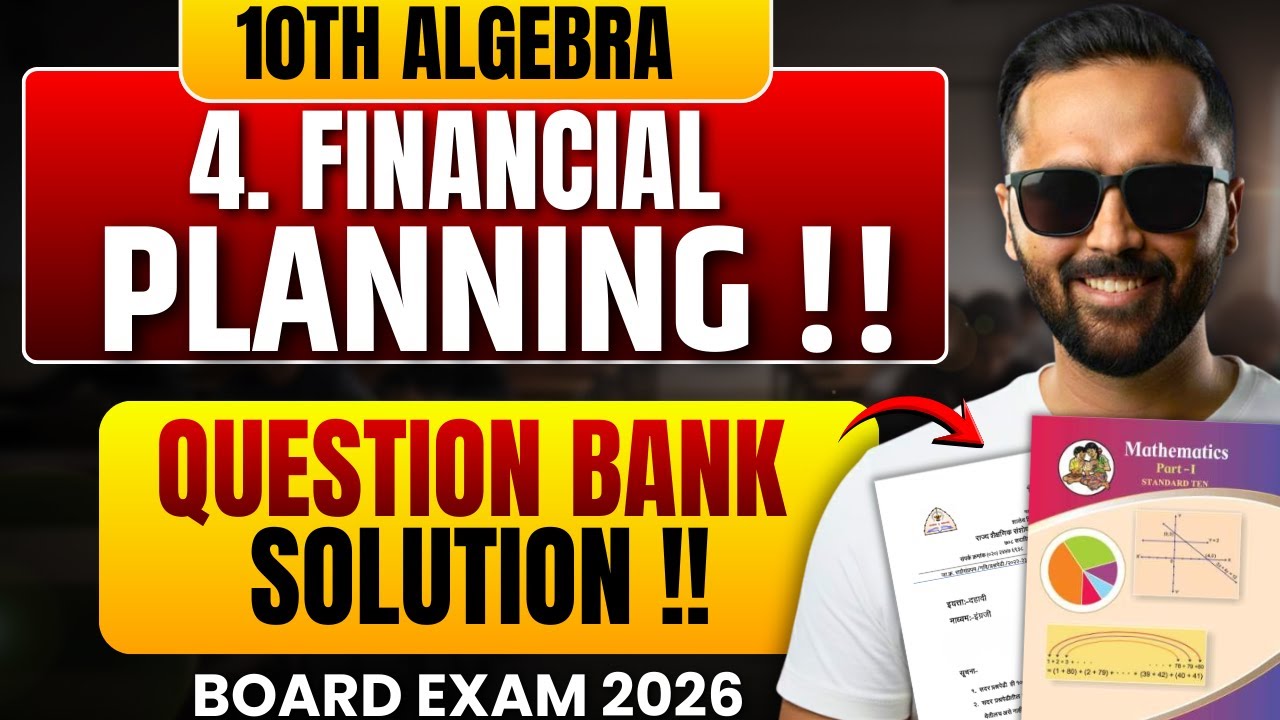
In this LIVE session, we are covering
📘 10th Algebra – Chapter 4 Financial Planning
📗 Complete Question Bank with step-by-step solutions
🔥 Perfect session for Board Exam 2026 (Maharashtra Board) students
🎯 Popular Courses on This Channel
📘 10th Dangal Batch
📘 Crash Courses
🔥 Best Videos (Must Watch)
▶ Marathi Grammar Oneshot : https://youtu.be/YnP9QhJav8w
▶ English Grammar Oneshot : https://youtu.be/jETvPIIxkGA
▶ Marathi Writing Skills : https://youtu.be/KKNU2fO0NT4
▶ Geometry Oneshot : https://youtu.be/ZNaeK0OO8gw
▶ All in One Hindi Grammar & Writing Skills : https://youtu.be/s_56snF9vIE
📸 Follow Us on Social Media
📷 Instagram – Study Updates & Reels
👉 GIRI Tutorials: https://www.instagram.com/giri_tutorials_official
👨🏫 Mentor & Educator
👉 Pradeep Giri Sir: https://www.instagram.com/pradeepgiri3334
✅ Subscribe for Daily Learning Videos
✅ Like 👍 Share 📤 Support ❤️
✅ Turn ON Notifications 🔔
#10thAlgebra
#FinancialPlanning
#SSCBoard2026
#BoardExam2026
#10thMaths
#AlgebraMaths
#MaharashtraBoard
#SSCMaths
#Class10Maths
#MathsLive
RELATED TOPICS :
10th Algebra Financial Planning
Financial Planning Question Bank
SSC Maths Board Exam 2026
10th Maths Algebra Chapter 4
Maharashtra Board Maths
SSC 10th Maths Important Questions
source

Balancing job offers, contract clauses, and personal finance demands. When financial support meets strained family relationships, accountability becomes key. #FinancialSupport #FamilyDynamics #JobOffers #PersonalFinance #Accountability
source

#Bitcoin #Crypto #Finance
Bitcoin is breaking out past $71,000 as momentum returns to the crypto market, while traditional markets are moving in the opposite direction. As stocks dump across the board, capital appears to be rotating back into Bitcoin, pushing price through key resistance and reigniting bullish sentiment. The divergence highlights Bitcoin’s growing reputation as an alternative asset during periods of equity weakness, with traders closely watching whether this breakout can hold and trigger a broader move higher across the crypto market.
🎙 Guests
Aya Kantorovich – https://x.com/aya_kantor
🚀 Connect & Learn
Join The Wolf Pack Community Channel (Free Telegram) – Daily crypto market updates + direct chat with Scott: https://t.me/+34ihhgJnZYRlOWU8
Join The Wolf Pack News Channel (Free Telegram) – Daily crypto news & technical analysis with Scott: https://t.me/+Jzsrl5Xp9NJmMDk0
Free Wolf Den Newsletter – Crypto news & market analysis every weekday: https://thewolfden.substack.com/
📊 Featured Trading Tools
Arch Public – Hedge-fund-level algorithmic trading tools: https://archpublic.com/
Trading Alpha – Pro-grade crypto indicators (Code: 10OFF): https://tradingalpha.io/?via=scottmelker
📲 Follow Scott Melker
Twitter/X: https://x.com/scottmelker
Website: https://www.thewolfofallstreets.io/
Spotify: https://spoti.fi/30N5FDe
Apple Podcasts: https://apple.co/3FASB2c
📩Promote your brand with The Wolf of All Streets. For sponsorship & partnership opportunities, contact info@thewolfofallstreets.io
⚠️ Disclaimer
The views and opinions expressed here are solely my own and should in no way be interpreted as financial advice. This video was created for entertainment. Every investment and trading move involves risk. You should conduct your own research when making a decision. I am not a financial advisor. Nothing contained in this video constitutes or shall be construed as an offering of financial instruments or as investment advice or recommendations of an investment strategy or whether or not to “Buy,” “Sell,” or “Hold” an investment.
source
Thanks to Monarch for partnering with me! Start your free trial and get 50% off your first year of total money clarity using my link https://monarchmoney.yt.link/Nr5IVl9 or code phil50.
Sources here: https://www.patreon.com/posts/152498845/
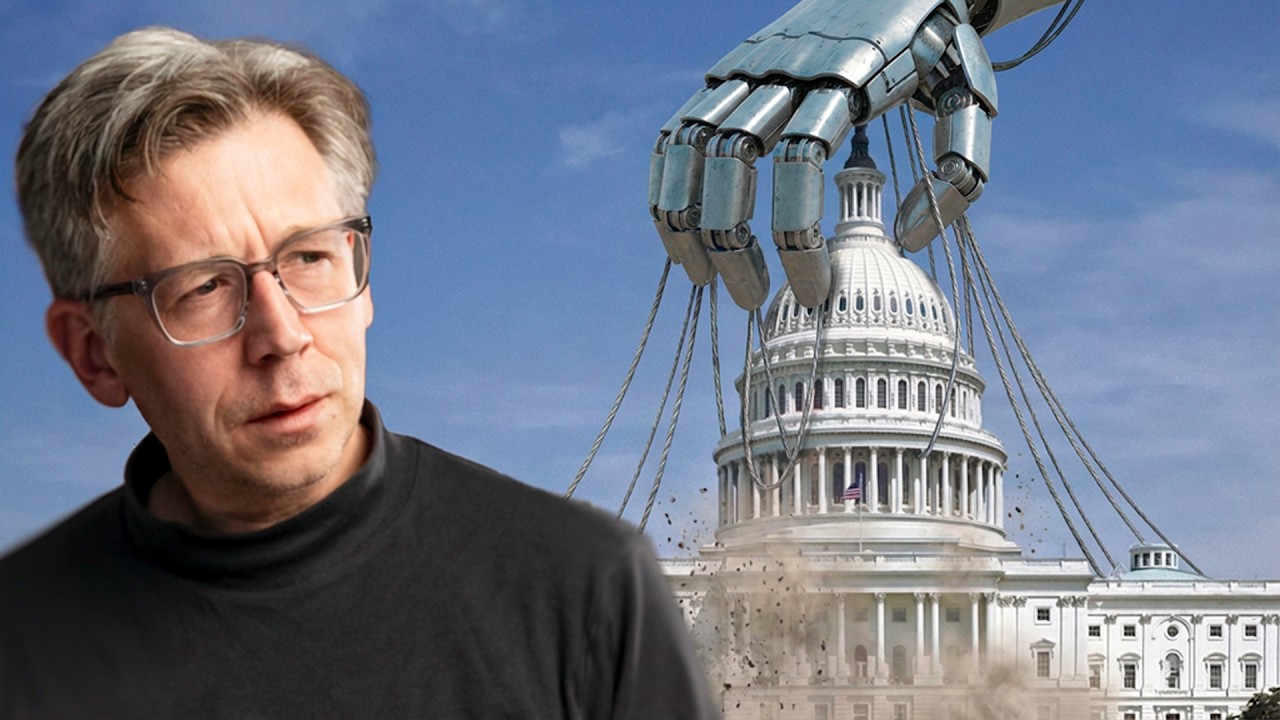
The 2026 election cycle is officially the first AI election, and New York’s 12th congressional district candidate Alex Bores is at the center of the political battlefield. Following his introduction of the RAISE Act to establish artificial intelligence safety protocols, Bores became the primary target for dueling tech industry billionaires. This video breaks down the unprecedented influx of artificial intelligence politics into local congressional races, illustrating how federal preemption debates and state-level AI regulation are shaping the future of American elections and tech lobbying.
At the heart of this conflict is a massive spending war between rival AI super PACs representing fundamentally opposed philosophies. On one side, the deregulation-focused Leading the Future super PAC—heavily funded by OpenAI executives like Greg Brockman and venture capital firm a16z—is utilizing affiliate groups like Think Big PAC to launch negative attack ads. On the opposing side, Anthropic has heavily funded Public First Action, utilizing sub-PACs like Jobs and Democracy and Dream NYC to support pro-regulation candidates. This proxy war pits the accelerationist strategies of OpenAI against the safety-driven, effective altruism network associated with Anthropic CEO Dario Amodei.
Understanding this AI super PAC landscape is crucial for navigating the broader intersection of technology and government in the 2026 AI election. Beyond individual candidates like Alex Bores, the battle encompasses national policy frameworks, military contractor relations with companies like Palantir, and the soaring rates of tech lobbying in Washington. Whether driven by competitive business advantages, national security concerns regarding export controls against China, or the complex ethical frameworks of effective altruism, the corporate fight to control AI regulation will definitively alter the political landscape for years to come.
Find me elsewhere:
Instagram: https://www.instagram.com/philedwardsinc/
Twitter: https://twitter.com/philedwardsinc
Patreon: https://www.patreon.com/philedwardsinc
Some music by the inimitable Tom Fox via Chromatic: https://tfbeats.com/
Where I get some music (Free trial affiliate link):
https://share.epidemicsound.com/olkrqv
My camera, as of February 2022 (affiliate link):
https://amzn.to/3HDcWVz
My main lens: https://amzn.to/3IteXEK
My main light: https://amzn.to/3pjO0M8
My main light accessory: https://amzn.to/3M6eL0j
source
💜 Thanks for supporting the channel! Like, share, and comment if this helped clarify what’s really happening.
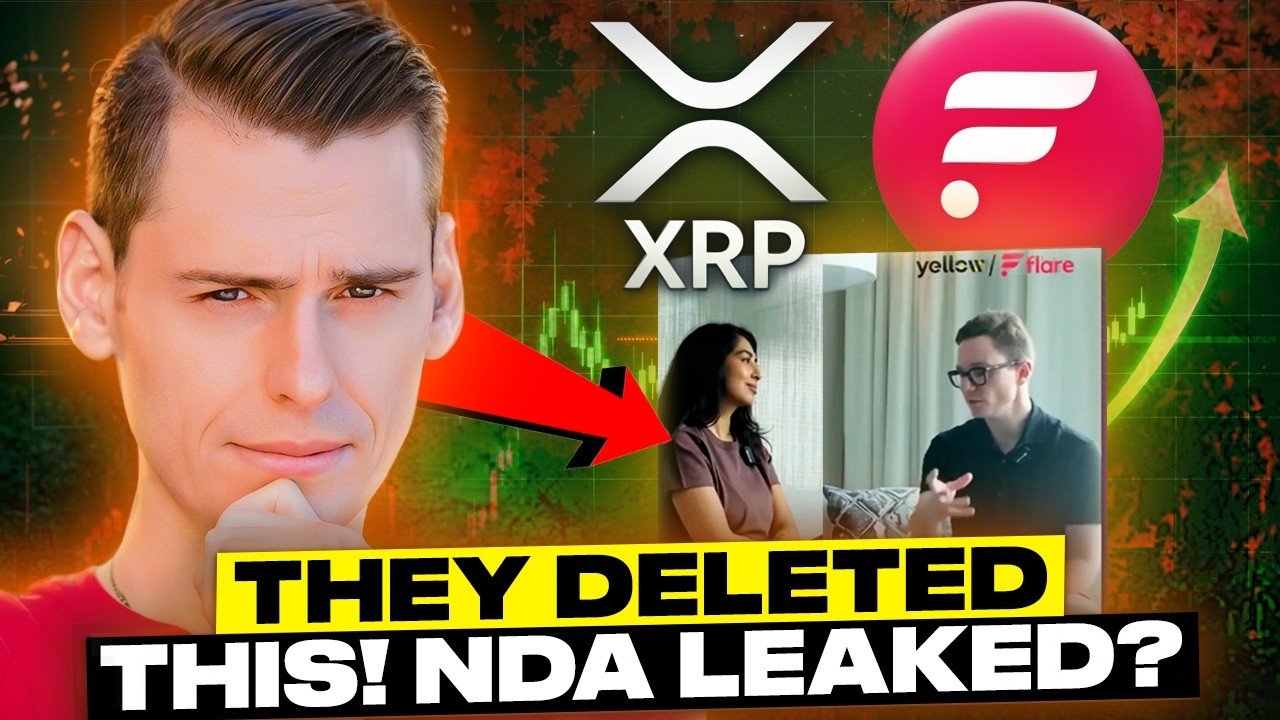
FLAREDEVHUB LINK: https://x.com/FlareDevHub/status/2028396122771747165
⭐Join my Community
➖ https://discord.gg/cryptonairz
🔵 Uphold | Trade, Spend & Earn XRP
➖ U.S. Debit Card: https://uphold.sjv.io/559kj9
➖ Uphold Website: https://uphold.sjv.io/dOmGMq
➖ XRP Rewards: 4% Elite Card / 2% Virtual Card
🟢 Hardware Wallets I Use for XRP
➖ D’CENT Biometric (1x) | 18% Off ($159→$129)
Biometric Wallet – Affiliates
➖ D’CENT Biometric (2x) | 31% Off ($318→$219)
Biometric Wallet 2X Package – Affiliates
➖ Ledger | Official Store
https://www.ledger.com/crypto-sensei
🔗Contact & Collaborations
▸ Collab & Partnerships: partnerships@cryptosensei.net
▸ Business: cryptosensei@cryptonairz.com
▸ Collabs: BD Manager | @Jaalyn_T (Telegram)
▸ Collab Form: https://forms.gle/E6fskio5BBvd4zVn9
▸ Social Links: https://linktr.ee/Crypt0Sensei
(Partnerships & Brand Deals Only | No Agencies)
⚪FREE XRP Newsletter | https://joincryptonairz.com/Newsletter
🔴Full Legal & Regulatory Disclaimer
https://docs.google.com/document/d/1T_wTsSkXDZqdgKDUOKfIEKF-a7ur2kX8gw-e3aAq_Q4/edit?usp=sharing
#crypto #shorts #xrpledger #xrp #ripple #cryptonews #xrpnews #cryptocurrency
#crypto #cryptocurrency #cryptonews #cryptoinvesting #altcoins #blockchaintechnology #cryptomarket #cryptotrading #xrpnews #ripplexrp #ripplecrypto #xrppriceprediction #xrpupdate #xrpholders #xrparmy #nextcryptotoexplode #bestcryptoinvestment #cryptobullrun #cryptomillionaire #cryptonews #xrpnews #xrptoday
source

Little Hulton rape victim ‘unsure it was the right man’

Former psychiatric hospital site in Carmarthenshire transformed into health and wellbeing campus

Bitcoin price outlook weakens as oil jumps on Hormuz risks


-

 Politics6 days ago
Alan Cumming Brands Baftas Ceremony A ‘Triggering S**tshow’
-
Business3 days ago
Form 8K Entergy Mississippi LLC For: 6 March
-

 Fashion3 days ago
Weekend Open Thread: Ann Taylor
-

 Tech4 days ago
Bitwarden adds support for passkey login on Windows 11
-
 Sports4 days ago
499 runs and 34 sixes later, India beat England to enter T20 World Cup final | Cricket News
-

 News Videos2 hours ago
10th Algebra | Financial Planning | Question Bank Solution | Board Exam 2026
-

 Sports2 days ago
Three share 2-shot lead entering final round in Hong Kong
-

 Sports1 day ago
Braveheart Lakshya downs Lai in epic battle to enter All England Open final | Other Sports News
-

 Tech7 days ago
Cynus Chess Robot: A Chess Board With A Robotic Arm
-

 Business6 days ago
Guthrie Disappearance Enters Fifth Week as Family Visits Memorial
-

 Crypto World7 days ago
Why Nexo Is Reentering the US After the 2023 Crypto Lending Crackdown
-

 NewsBeat4 days ago
Piccadilly Circus just unveiled ‘London’s newest tourist attraction’ and it only costs 80p to enter
-

 Business20 hours ago
Search for Nancy Guthrie Enters 37th Day as FBI Probes Wi-Fi Jammer Theory
-

 Entertainment2 days ago
Hailey Bieber Poses For Sexy Selfies In New Luscious Lip Thirst Traps
-

 Politics3 days ago
Top Mamdani aide takes progressive project to the UK
-
 NewsBeat7 days ago
Handcuffed presenter Jonathan Ross’ sweet admission about marriage to wife of 38 years
-
 Sports6 days ago
Jack Grealish posts new injury update as Man City star enters crucial period
-

 Crypto World5 days ago
New Crypto Mutuum Finance (MUTM) Reports V1 Protocol Progress as Roadmap Enters Phase 3
-

 Tech4 days ago
ACIP To Discuss COVID ‘Vaccine Injuries’ Next Month, Despite That Not Being In Its Purview
-
Entertainment5 days ago
Harry Styles Has ‘Struggled’ to Discuss Liam Payne’s Death