

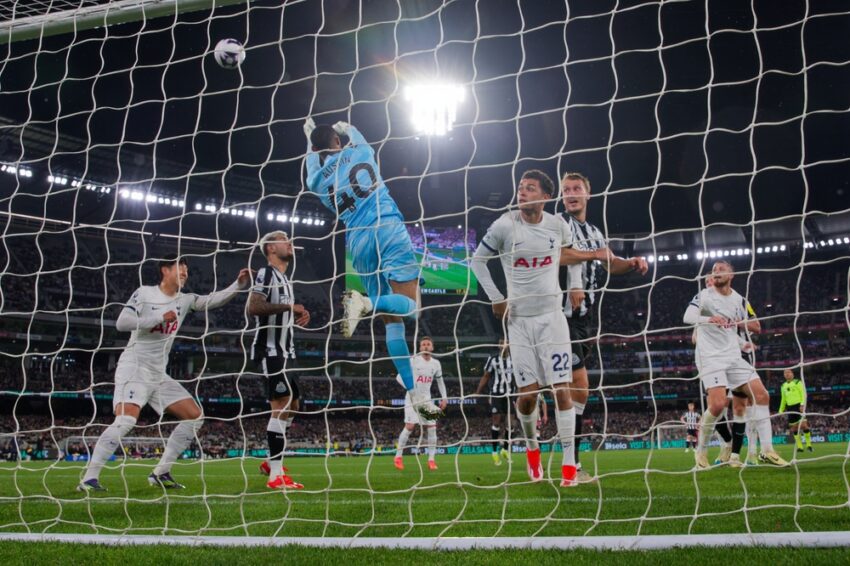
The presence of gambling firms on Premier League shirts was not part of the competition’s early commercial fabric. In the first season after the league’s foundation in 1992, shirt sponsorship was led by technology and consumer brands rather than betting or gaming companies.
Traditional industries like beverages and electronics held many of the early deals. These kinds of sponsors helped build the league’s global appeal long before online gambling operators entered the market. Historical shirt sponsor data shows the shift from physical brands to online services over time.
By the mid-2000s, gambling companies began to explore football shirt sponsorship with intent and money. The industry’s expansion followed changes in UK gambling regulation, notably the 2005 Gambling Act which broadened where firms could advertise. That shift gave operators access to sports audiences beyond television and print. Online casinos and sportsbooks started to bid for visibility. Clubs gained substantial revenues from these deals, with gambling sponsors often offering more than traditional brands. Some deals included incentives related to promotions like the 888sport sign up offer and similar new customer deals that tied club exposure to direct commercial activity online.
Early Growth and First Sponsors
Gambling sponsorship on Premier League shirts gained real traction in the late 2000s. Tottenham Hotspur was one of the first high-profile clubs among the league’s “big clubs” to take a gambling sponsor. From 2006 until 2010, Tottenham wore the logo of a casino company on their shirts during matchdays. That early deal showed other clubs that there was a commercial path to harness betting and gaming brands. Over the following seasons, more teams followed that path and the number of gambling-related logos increased season after season.
By the 2017-18 season, nine Premier League clubs had a gambling brand featured on their shirts. Industry observers drew attention to the varied origins of these companies. Many focused on international markets while using the Premier League’s broadcast reach to raise profile. Some brands were little known in the UK itself. Nonetheless they paid for visibility on shirts and in global broadcasts. Those deals helped clubs build commercial income that supplemented broadcast revenue and matchday income.
Boom Years and Widespread Adoption
The trend continued into the early 2020s, and by the 2024-25 season more than half of the Premier League teams had a gambling operator as their front-of-shirt sponsor. BBC Sport reported that 11 out of 20 clubs carried gambling branding on matchday jerseys that season. These included teams of different sizes and histories in the top flight. This broad adoption reflected both the wealth that operators brought and the competition for commercial income among clubs.
Clubs such as Aston Villa, Bournemouth, Brentford, Crystal Palace, Everton, Fulham, Leicester City, Nottingham Forest, Southampton, West Ham United and Wolves each displayed a gambling company logo prominently on shirts during 2024-25. That pattern showed the depth of betting industry involvement in the league’s commercial relationships. Global data reported that these deals together were worth over one hundred million pounds in combined value in that season. Clubs valued this as part of their revenue mix given the global audience the Premier League offered.
Commercial Logic and Market Forces
The rationale of the clubs was quite simple. This is because bookmakers and casinos have considerable advertising budgets and consider the concept of football sponsorship an effective means of reaching their consumers. Indeed, the Premier League coverage is worldwide, and the number of fans watching the league is immense each week. The market of online gambling, covering sports and casinos, grew immensely from the beginning of the 2000s.
It was beneficial for operators to align their brand with football clubs within competitive sponsorship markets. Football fans interacted with their football clubs every week. This affiliation was used by betting operators to retain their brands in the memory of football fans. New customer promotions, such as offers associated with specific football matches or sign-up bonuses, are part and parcel of such commercial activity associated with sponsorships. They supplemented sponsorship displayed on football club strips by developing additional marketing schemes that include online and other forms of content.
Regulation and the Move Toward Change
As gambling sponsorship grew, regulators and public health advocates raised questions about the visibility of betting advertising in sport. The UK’s gambling regulator engaged with clubs to ensure compliance with licensing rules. In some cases the regulator warned clubs over promoting brands that did not hold a valid licence to operate in Britain. That highlighted legal and reputational risks clubs faced in managing international sponsorship agreements.
In April 2023, Premier League clubs agreed a voluntary transition away from having gambling companies on the front of matchday shirts by the start of the 2026-27 season. The league and clubs saw this as a way to respond to broader concerns about gambling advertising without waiting for government legislation. Under the agreement clubs can honour existing deals until they expire and can continue to work with partners in other areas such as sleeve sponsorship and advertising boards. That transition gives affected teams time to secure alternative commercial partners.
Current Landscape and Future Outlook
For the 2025-26 Premier League season, there remains a deep presence of gambling branding on shirts and other club assets. Teams maintain these partnerships under contracts that run through the transitional period agreed with the league. Even as the ban on front-of-shirt gambling sponsorship approaches, the industry continues to be a key part of commercial football. Clubs offset some of the revenue pressures that come from broadcast cycles by leveraging these deals.
Looking to the future, the way in which clubs run their commercial operations will change. The prohibition on gambling sponsors of the front of the shirt is likely to transform the way in which clubs go about securing sponsors. Different sectors and international brands in the travel, finance, and technology sectors may well compete more aggressively for space on the front of the shirt. The ever-changing landscape of regulations is likely to affect not only those sponsoring the front of the shirt but also the sectors and the way in which gambling companies choose to market themselves in and around football.



