NEWYou can now listen to Fox News articles!
One of the 26 people charged in an alleged bribery and point-shaving scheme to fix NCAA Division I men’s basketball games and Chinese Basketball Association (CBA) games has pleaded guilty, United States Attorney David Metcalf announced.
Jalen Smith, a 30-year-old from Charlotte, North Carolina, entered a guilty plea before U.S. District Court Judge Nitza I. Quiñones Alejandro on Monday in connection with the scheme, as well as charges related to an unlawful possession of a firearm.
Smith pleaded guilty to bribery in sporting contests, and aiding and abetting, conspiracy to commit wire fraud, wire fraud, and possession of a firearm by a felon.
CLICK HERE FOR MORE SPORTS COVERAGE ON FOXNEWS.COM
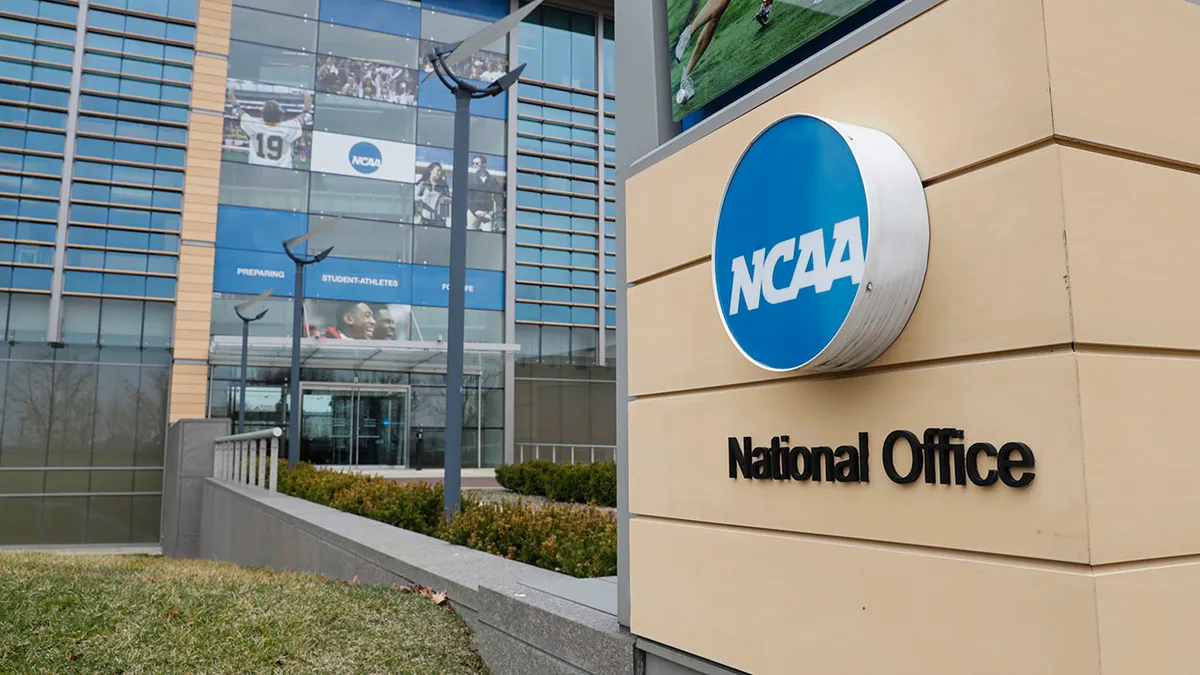
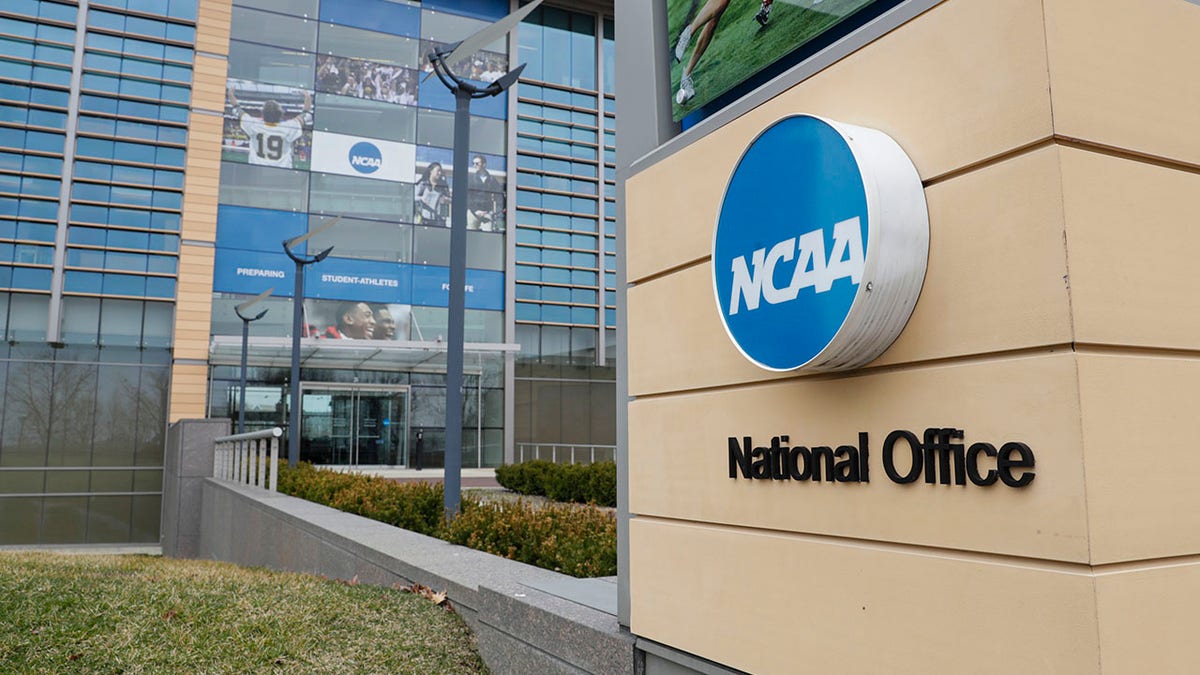
The NCAA headquarters in Indianapolis is shown on Thursday, March 12, 2020. (AP Photo/Michael Conroy, File)
An unsealed indictment back in January noted Smith was engaged in the scheme to influence or fix NCAA and CBA men’s basketball games from at least “in or about September 2022 through at least in or about February 2025.”
Co-conspirators enlisted Smith as a “fixer,” where they would work together with others to recruit and bribe NCAA Division I men’s basketball players to underperform and ensure their team failed to cover spreads during games from the 2023-24 and 2024-25 seasons.
“Through various sportsbooks, Smith helped to arrange for large wagers to be placed on those games, betting against the team whose player or players they had bribed to engage in this point-shaving scheme,” the United States Attorney’s Office said in a press release.
NCAA PRESIDENT RESPONDS TO INTEGRITY CONCERNS AFTER ALLEGED POINT-SHAVING SCHEME LEADS TO DOZENS OF ARRESTS
“Smith and other fixers approached and communicated with the players, in person and through social media, text message communications, and cellular telephone calls, offering the players bribe payment, usually ranging from $10,000 to $30,000 per game.”
With today’s college athletes being paid via name, image and likeness (NIL) brand deals, Smith and other fixers “specifically targeted college players for whom the bribe payments would meaningfully supplement.”
A generic view of a basketball on a court. (Brett Carlsen/Getty Images)
It was found that more than 39 players on more than 17 different NCAA Division I men’s basketball teams were involved in the bribery and point-shaving scheme, with fixing or attempted fixing on more than 29 NCAA games.
The fixers were making “wagers totaling millions of dollars,” with players who were involved collectively receiving hundreds of thousands of dollars in bribe payments.
Smith faces a maximum sentence of five years in jail, three years of supervised release, and a $250,000 fine for the bribery in sporting contests charge, up to 20 years for each count of conspiracy to commit wire fraud, and a maximum 15 years for the firearms charge.
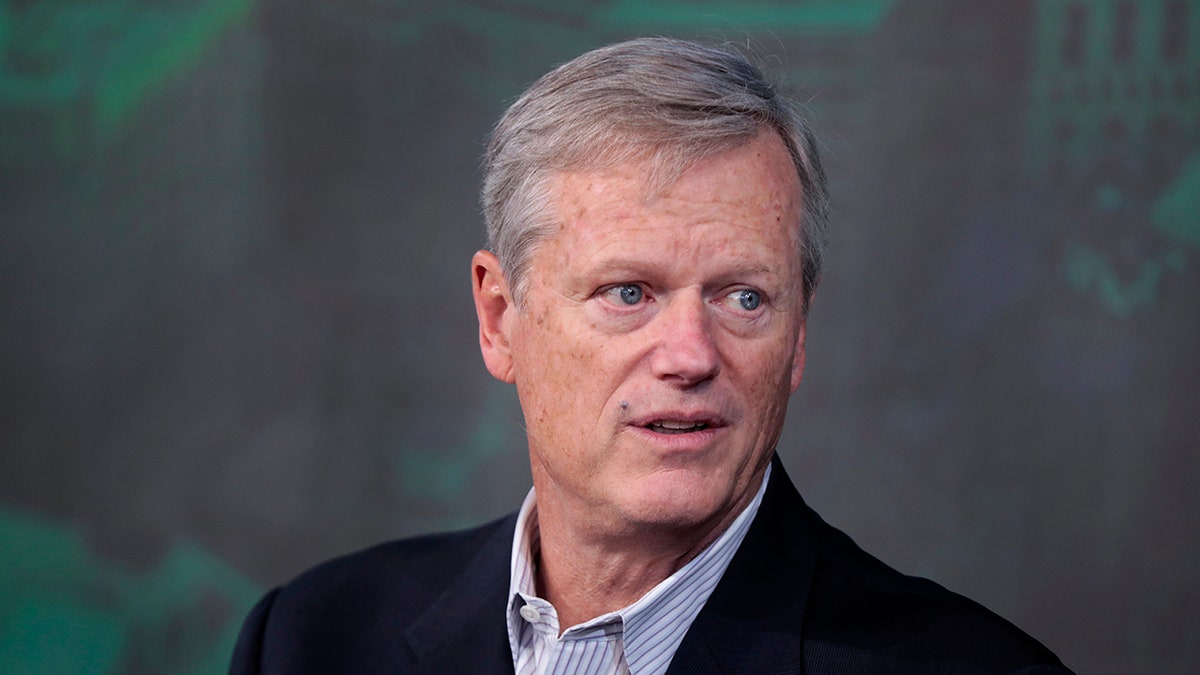
NCAA president Charlie Baker responded to the point-shaving scheme in January.
NCAA president and former Massachusetts governor Charlie Baker is interviewed by Boston Globe Sports writer Chris Gasper at the Globe Summit 2023. (Pat Greenhouse/The Boston Globe via Getty Images)
CLICK HERE TO GET THE FOX NEWS APP
“Protecting competition integrity is of the utmost importance for the NCAA. We are thankful for law enforcement agencies working to detect and combat integrity issues and match manipulation in college sports,” NCAA President Charlie Baker said in a statement.
Baker said the indictments were “not entirely new information to the NCAA,” as it had conducted “integrity investigations into approximately 40 student-athletes from 20 schools over the past year.”
Fox News’ Ryan Morik contributed to this report.
Follow Fox News Digital’s sports coverage on X and subscribe to the Fox News Sports Huddle newsletter.
Scott Thompson is a sports writer for Fox News Digital.