Connect with us

NewsBeat

I never made roast potatoes that were this crunchy until I used Mary Berry’s 1 ingredient

Published

on

I never made roast potatoes that were this crunchy until I used Mary Berry's 1 ingredient

Following Mary Berry’s roast potato recipe, a simple sprinkle of one simple ingredient creates the crunchiest, most delicious roast potatoes with golden, crispy exteriors.

Undoubtedly, the crowning glory of any Sunday roast, getting your roast potatoes spot-on, is absolutely essential. If you’re chasing those perfectly crispy roasted spuds with crackly, golden shells and fluffy, melt-in-your-mouth middles, then you’ve come to the right place.

Advertisement

I’ve honestly never produced roast potatoes quite as crunchy and scrumptious as these, and it’s entirely down to Mary Berry’s straightforward recipe featuring one surprising ingredient. The trick that transforms these spuds into perfection? A modest sprinkling of semolina over the potatoes once they’ve been parboiled.

It might sound bonkers, but this secret ingredient roughens up the surface of the potatoes so they roast into crunchy brilliance every single time.

Extra texture creates additional surface area, which leads to deeper caramelisation and phenomenal crispiness in the oven.

Should you not have semolina to hand, plain flour will do the job. You’ll still achieve fantastic roast potatoes with soft, pillowy centres, though they won’t quite match the crunchiness.

Beyond delivering crispiness, semolina contributes a delicate, nutty flavour that complements the wholesome taste of potatoes beautifully.

Besides semolina, I opted for goose fat to roast the potatoes in, as Mary Berry favours this over oil.

I’d previously never tried goose fat for making roast potatoes, and it genuinely elevated them to another level. Goose fat possesses a wonderfully rich flavour that enhances roast potatoes magnificently.

It also boasts a high smoking point, allowing it to tolerate considerably higher temperatures than most standard oils, which delivers crispier roast potatoes.

Ingredients

  • Maris Piper potatoes, peeled and quartered
  • Four tablespoons of goose fat
  • 30g of semolina
  • Salt, to taste

Ensure our latest lifestyle and travel headlines always appear at the top of your Google Search by making us a Preferred Source. Click here to activate or add us as Preferred Source in your Google search settings.

Method

I kicked things off by cranking up my oven to 200C Fan, then popped the peeled and chopped spuds into a saucepan filled with cold, salted water.

Advertisement

I brought the water to a rolling boil and let it bubble away for around 10 minutes, until the edges started to soften up a bit.

I drained the potatoes in a colander until they were bone dry, then chucked them back into the saucepan and gave them a good shake to roughen up the edges. I sprinkled over the semolina and salt, then shook everything again until they were nicely coated.

I heated a large, shallow roasting tin in the oven until piping hot, then added the goose fat to the tin and left it to heat for eight minutes until it was smoking.

Advertisement

Next, I carefully tipped in the potatoes, making sure to roll them around in the fat until they were well coated.

I slid the tray back into the oven and roasted the potatoes for roughly 50 minutes until they were golden brown and crispy. I made sure to turn the potatoes halfway through the cooking time.

To serve, I dusted the roasties with a sprinkle of sea salt to draw out that last bit of moisture, just to give them an extra hit of crispiness.

Source link

Advertisement
Continue Reading
Click to comment

Leave a Reply

Your email address will not be published. Required fields are marked *

NewsBeat

Foraged mushrooms and sea beet featured in British meals in the 16th century. Why not today?

Published

on

Foraged mushrooms and sea beet featured in British meals in the 16th century. Why not today?

Wild garlic, oyster mushrooms and sea beet were once regularly gathered and eaten as part of meals across the UK. Today, some people have concerns about eating food growing in the woods or hedgerows, but are keen to discuss why – as our research shows.

Our small study looked at current public attitudes to eating wild foods in the English county of Dorset.

In previous centuries, knowledge about what to pick and eat and even how to cook was passed down through generations.

In 16th-century Britain, rural households ate pottage (a kind of soup made from oats) and foraged for other ingredients including sorrel and leeks. Coastal communities gathered samphire and sea beet, while hazelnuts were gathered from forests and hedgerows. Wild game, such as rabbit and deer, and freshwater eels were considered ordinary foods for those who could find them.

Advertisement

My team’s research into public attitudes to “wild food” was based in Dorset, a strongly agricultural county. Working with an experienced forager, we selected ten foods growing wild in the county and available around the UK. We then asked a mix of farmers and people in the food industry including chefs and experienced foragers about whether they would feel comfortable eating these items.


À lire aussi :
How Paris’ working-class dining experience is reshaping restaurant economics in France


When shown photographs of commonly available edible species including nettles, mushrooms (wood ear and oyster), blackberries, wild garlic, elder, cleavers (a native wildflower), hawthorn, hazelnut, and sea beet, many participants expressed surprise about how little they knew about the foods growing in their back gardens and nearby woods.

One farmer in the group said: “I grew up in the countryside, I was always curious about plants and what was growing outside. But I’m always surprised about how little I know and I’m someone who loves plants.” The people we spoke with were not confident about how to identify food sources on their doorsteps and add them into their cooking.

Advertisement

Two people out of the group of 11 correctly identified the two types of mushrooms, wood ear and oyster, that are common in Dorset and widely foraged globally. Several participants admitted they were a bit afraid of eating mushrooms. One farmer said that wild mushrooming “terrifies me a little bit”.

A foraging expert said: “A lot of people are scared because they’re told when they’re a kid, don’t touch the mushrooms, they might be poisonous.”

Urban foraging is a new trend in Germany.

One grower said that consumers have become used to buying all their food from shops, but they are less comfortable with buying, or finding, foraged food. Participants said they would be comfortable buying oyster mushrooms in a supermarket, but they would feel less secure buying them at a market, for instance.

Advertisement

But we found some participants were enthusiastic about trying out new wild ingredients. One said: “If you can eat something that you’ve grown, picked or foraged, it kind of has a special feeling about it.”

Another said: “I’m going to have them. It’s free! I mean, why wouldn’t you?”

It should be noted that inexperienced foragers should seek guidance on which fungi are safe to eat as not all are edible, and some are poisonous.

Participants’ perspectives shifted after discussing foraging and consumption. One participant commented: “This shows the loss of knowledge and understanding of how to find and eat wild foods, even in rural communities.”

Advertisement

Wild foods, such as the ones in our study, were once part of a staple diet but are not widely available in supermarkets, although a few do crop up at farmers’ markets. Examples of these include wild garlic, wood ear mushrooms, elderflower, nettle, cleavers, hawthorn, sea beet, chickweed and sea purslane.

Rebuilding knowledge about local wild foods could help reconnect people with their food environment.

Source link

Advertisement
Continue Reading

NewsBeat

Grim Coronation Street scenes as abuser Theo confronts Todd with a knife | Soaps

Published

on

Grim Coronation Street scenes as abuser Theo confronts Todd with a knife | Soaps
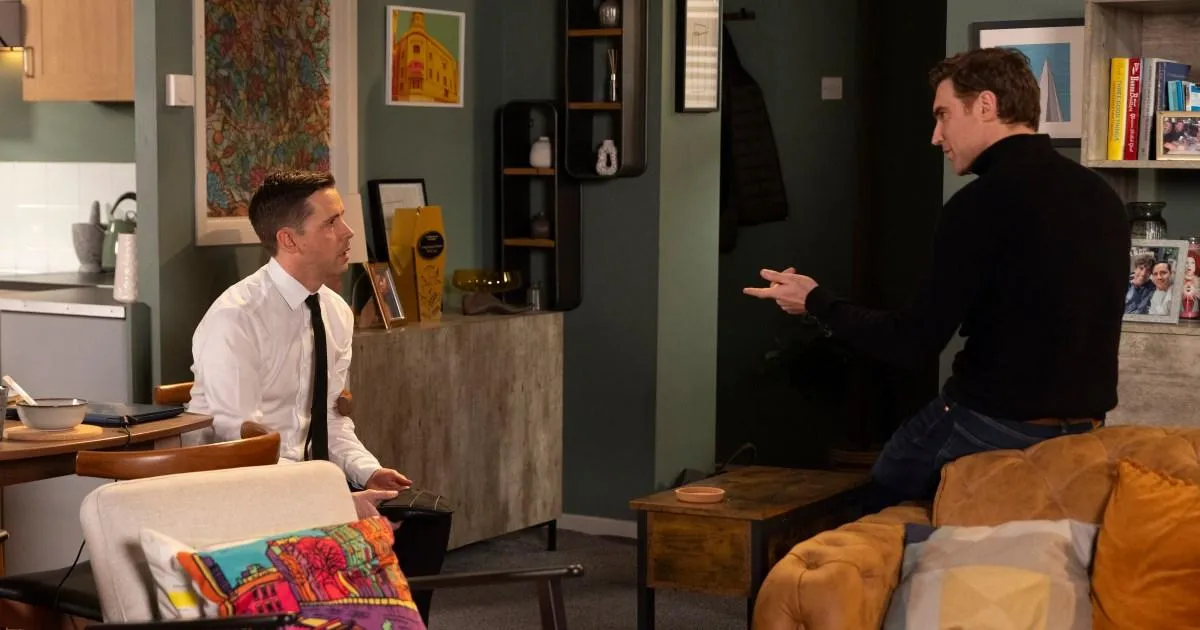
Theo Silverton’s birthday ended with a terrifying situation for Todd Grimshaw (Picture: ITV)

Theo Silverton (James Cartwright) pushed Todd Grimshaw (Gareth Pierce) to breaking point in tonight’s Coronation Street when he threatened him in horrifying scenes.

It was supposed to be a happy day for the couple as they celebrated Theo’s birthday, but his impossibly high expectations, manipulative and controlling behaviour and explosive temper resulted in a quick downward spiral.

Todd’s gift of a blender clearly fell short of Theo’s expectations, even after Todd explained how he thought it would be something Theo could get good use from given his enjoyment of exercise and healthy eating.

Add to that the fact that Todd had had to ask Theo for the money to buy his present, and Theo had given him only £200 and warned that it also needed to cover his birthday meal, and it seems Todd was being set up to fail from the get-go.

Advertisement

Unfortunately, Theo made it clear that he wasn’t impressed by spending the rest of the day making digs about Todd’s gift-giving.

Theo only grew more agitated when Todd turned up late to his birthday meal at the Bistro due to a situation at work.

Maria, Gary, Theo and Todd at lunch together in the Bistro in Corrie
Theo deliberately racked up a huge bill for Todd (Picture: ITV)

In a bid to get back at Todd for this, Theo ordered the most expensive wine on the menu and racked up an enormous bill, which was only made worse when he insisted that they pay for Gary Windass (Mikey North) and Maria Connor’s (Samia Longchambon) meals too.

And by ‘they’, he, of course, meant Todd.

Viewers will recall that Theo previously increased his control over Todd by taking control of his bank account and cutting up his cards. The move came after Theo found Todd’s credit card bill, and he insisted that he was doing it to help keep their finances on track.

Advertisement

Though he brushed off Todd’s concerns by assuring him that he just had to ask when he needed cash, Theo left Todd in a difficult situation when he disappeared for a week leaving Todd with no access to his money.

Editorial use only Mandatory Credit: Photo by ITV/Danielle Baguley/Shutterstock (16333097d) Coronation Street - Ep 11786 Friday 30th January 2026 Theo Silverton, as played by James Cartwright, cuts up Todd Grimshaw's, as played by Gareth Pierce, bank cards and Todd agrees that he'll use cash from now on in a bid to curb his spending. 'Coronation Street' TV Show, Episodes 11777 - 11789 UK - Jan 2026 Coronation Street, is a British ITV long running television soap opera set in the fictional North of England town of Weatherfield, near Manchester. Created by Tony Warren, the series was first broadcast on December 9th, 1960, and was produced by ITV Granada.
Theo has been controlling Todd’s finances (Picture: ITV/Shutterstock)

In tonight’s episode, when faced with the bill, Todd was forced to admit that he couldn’t afford to pay it, leaving Theo furious at having to pick up the tab on his birthday.

Of course, he refused to acknowledge the fact that it was down to his actions, even suggesting that Todd pay with his card instead of cash, leaving Todd frustrated.

Don’t miss a Soaps scoop! Add us as a Preferred Source

As a loyal Metro Soaps reader, we want to make sure you never miss our articles when searching for stories. We have all the latest soaps news, spoilers, videos, and interviews, with a vibrant community of highly engaged readers.

Click the button below and tick Metro.co.uk to ensure you see stories from us first in Google Search.

Advertisement

Add us as a Preferred Source

Soaps authors collage Fact box image only Picture: Metro
Now you can ensure you never miss a story from the Soaps team

By the time they got home, Theo was drunk and in a bad mood, and Todd asked him not to drink any more alcohol for the evening.

This only made Theo angrier, and he launched into a rant about how terrible his birthday had been.

Advertisement
Theo argues with Todd in Corrie
Will Todd find the courage to leave Theo? (Picture: ITV)

When Todd offered to make them some coffee, Theo’s tirade continued, as he threw mugs and containers at a horrified Todd.

As Theo searched the drawer for spoons, Todd leapt into action and tried to calm him down, only for Theo to reach for a knife and threaten Todd with it.

Todd’s reaction was devastating, as he urged Theo to use the knife to ‘put him out of his misery’, asserting that he couldn’t put up with living like this any longer.

Will this be a reality check for Theo and his vile behaviour, or will Todd find the courage to leave before Theo gets the chance to hurt him again?

Advertisement

Source link

Advertisement
Continue Reading

NewsBeat

Prince Harry and Meghan Markle’s ‘turning point’ in relationship with royals

Published

on

Prince Harry and Meghan Markle's 'turning point' in relationship with royals

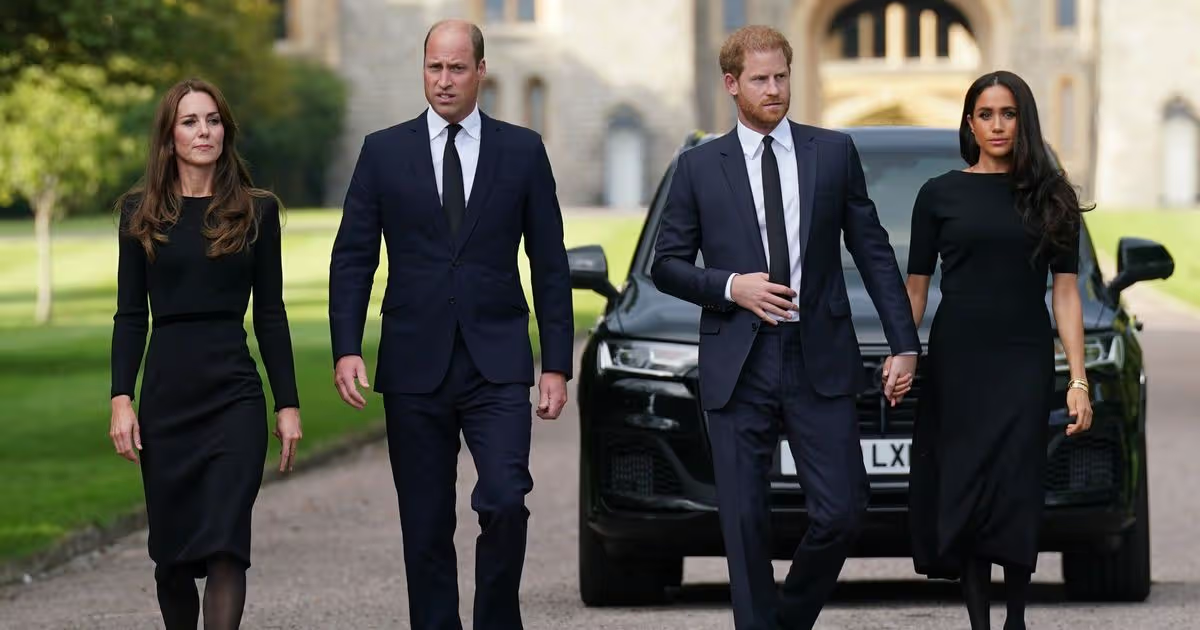
It’s said Prince Harry and Meghan Markle, known as the Duke and Duchess of Sussex, have recently had a strained relationship with members of the royal family, such as Prince William and Princess Kate

The “turning point” in Prince Harry and Meghan Markle’s relationship with the royal family was just before the couple announced they were leaving for the US, an expert has said.

It is understood “something must have happened” before the Duke and Duchess of Sussex made the bombshell declaration in January 2020. Grant Harrold, a former royal butler, said the couple had a healthy relationship with the Prince and Princess of Wales until they quit The Firm, and they became known as the “Fab Four”.

But it was reportedly in the months before their announcement when their relationship appeared to sour. Mr Harrold said: “We saw William, Kate, Harry, and Meghan do so many things together initially, but the turning point was a few months before the announcement that they were stepping away from royal duties. They were doing events in the summer prior to that, so something must have happened in between.”

Advertisement

Speaking on behalf of OLBG, Mr Harrold said Prince William was “genuinely happy” his brother had met someone. Photographs taken of the four together in 2019, including a snap at Windsor Castle in Berkshire, captured just how close they were.

READ MORE: Meghan shares sweet message for daughter Lilibet when she’s older on International Women’s DayREAD MORE: Royals plunged into chaos as BBC axes huge event after Andrew shame in major shake-up

However, Express US reports “something must have happened” and then Harry and Meghan left the UK. In a statement released when they made this decision, the couple said: “After many months of reflection and internal discussions, we have chosen to make a transition this year in starting to carve out a progressive new role within this institution

Advertisement

“We intend to step back as ‘senior’ members of the royal family and work to become financially independent, while continuing to fully support Her Majesty the Queen. It is with your encouragement, particularly over the last few years, that we feel prepared to make this adjustment.”

READ MORE: Harry and Meghan reveal ‘sensitivity’ by ‘avoiding’ awkward clash with William

It is believed Harry and Meghan did not consult Queen Elizabeth or the then-Prince Charles before releasing their bombshell statement in early 2020. Since then the Duke of Sussex, 41, told The Telegraph: “I don’t think he fully appreciated the impact the statement would have in terms of them not consulting the Queen. He regrets that.”

Harry and Meghan’s bombshell statement led the Queen to issue her own comment, confirming the couple were no longer “full-time working members of the royal family.”

Advertisement

In the statement, she said she would have “preferred” the Sussexes to stay, but admitted she understood the decision and supported their “wish to live a more independent life as a family while remaining a valued part of my family.”

Source link

Continue Reading

NewsBeat

High school teacher killed after student ‘runs him over in prank gone wrong’

Published

on

High school teacher killed after student 'runs him over in prank gone wrong'

Jason Hughes, 40, a popular maths teacher tragically died after he slipped and was allegedly run over by a student who was behind the wheel of a pickup truck

A beloved teacher tragically died after a student allegedly ran him over “in a prank gone wrong.”

Advertisement

Married maths teacher and dad-of-two Jason Hughes, 40, died when a toilet papering prank went horribly wrong. His death comes after school officials warned of previous pranks that had gone “too far.”

Teens, including Jayden Ryan Wallace, 18, threw toilet paper at Mr Hugh’s garden, with the rolls being a key part of the prank, police said. But when Mr Hughes came out of his home, the teenagers got into two different vehicles to flee – one of which was Wallace’s pickup truck.

READ MORE: Gerry Adams spotted in stab vest as ex-Sinn Fein leader in court for IRA bomb decisionsREAD MORE: Brit husband of mum who shot children then herself is brother of Sky Sports presenter

Advertisement

But Mr Hughes slipped on the road as he approached the vehicle and was run over be Wallace’s truck, the Hall County Sheriff’s Office said of the March 6 incident. Wallace stopped and attempted to administer aid to Mr Hughes until paramedics arrived.

Tragically, Mr Hughes later died in hospital. Wallace, Elijah Tate Owens, 18, Aiden Hucks, 18, Ana Katherine Luque, 18, and Ariana Cruz, 18, all of Gainesville, Georgia, were arrested at the scene.

Wallace has been charged with first-degree vehicular homicide and reckless driving in connection with the death. The four other teens were charged with criminal trespass and littering on private property.

Following Mr Hughes’s death, his family said they would support dropping the charges. They told The New York Times: “This is a terrible tragedy, and our family is determined to prevent a separate tragedy from occurring, ruining the lives of these students.”

Advertisement

“This would be counter to Jason’s lifelong dedication of investing in the lives of these children,” he said. Wallace and Mr Hughes were close Matt Williams, a friend of the late teacher told ABC News: “The family wants to make clear that they knew these kids and they loved them and these kids loved the Hughes’s. This was not a malicious act.”

Mr Hughes’s family said the teacher knew the prank was going to happen and had been excited for it. The statement said: “We are thankful for the outpouring of prayers and support as we grieve the loss of Jason.

“We ask that you continue to pray for our family and also for the students involved in the accident along with their families. Please join us in extending grace and mercy to them as Christ has done for us.”

Advertisement

A GoFundMe campaign, which has far exceeded its goal, said Mr Hughes was a father to two young boys and was married at the time of his death. The campaign said: “Jason’s life was a blessing to so many, and his untimely passing will be indescribably difficult.”

Source link

Continue Reading

NewsBeat

MPs vote to reject social media ban for under-16s

Published

on

MPs vote to reject social media ban for under-16s

The age limit had been backed by peers earlier this year after growing calls from campaigners including actor Hugh Grant.

Supporters of the Australian-style ban said parents are in “an impossible position” over the online harms their children are being exposed to.

Others, including the NSPCC, warned a ban could drive teenagers into unregulated corners of the internet.

Advertisement

MPs voted 307 to 173, majority 134, against the proposed change to the Children’s Wellbeing and Schools Bill, which was brought forward by Conservative former minister Lord Nash.

However, a ban could still come in future after the Commons supported a Government bid to give additional powers to the Secretary of State.

Source link

Advertisement
Continue Reading

NewsBeat

Six Nations: England are sticking together, not cracking up – Tom Roebuck

Published

on

Tom Roebuck

Highly rated Bath attack coach Lee Blackett was appointed to the England set-up in September after a successful secondment on the summer tour of Argentina and the United States.

Scrum-half Ben Spencer, who worked under him at Bath, insists Blackett is operating as he did at club level.

“He’s definitely been himself,” said Spencer.

“He’s a great guy, he’s brilliant around the lads and he’s one of those guys who really gets the best out of people.

Advertisement

“He’s always speaking really positively around the group about scoring four tries in every game that we play.

“So in terms of that, I’ve definitely seen the same side of Lee that we saw at Bath.

“We’re all in this together, coaches, players, we’re going through a tough time at the minute. We had a great 2025 and that’s where we want to get back to and the only way we’re going to do it is together.”

Spencer says the faith is mutual, with the coaches giving the players freedom to go off-script and ignore a gameplan in which contestable high balls are a key way of moving up the pitch, if they see another opportunity.

Advertisement

“We’re absolutely given the licence,” said Spencer, who kicked the ball 14 times out of hand, the most of any player, in the defeat by Italy.

“It’s something that Lee talks about and Steve talks about in terms of playing what we see.

“So yeah, in terms of going away from plan, it’s not an issue.”

Source link

Advertisement
Continue Reading

NewsBeat

The best bathroom scales and smart body monitors to track your health, tried and tested

Published

on

The best bathroom scales and smart body monitors to track your health, tried and tested

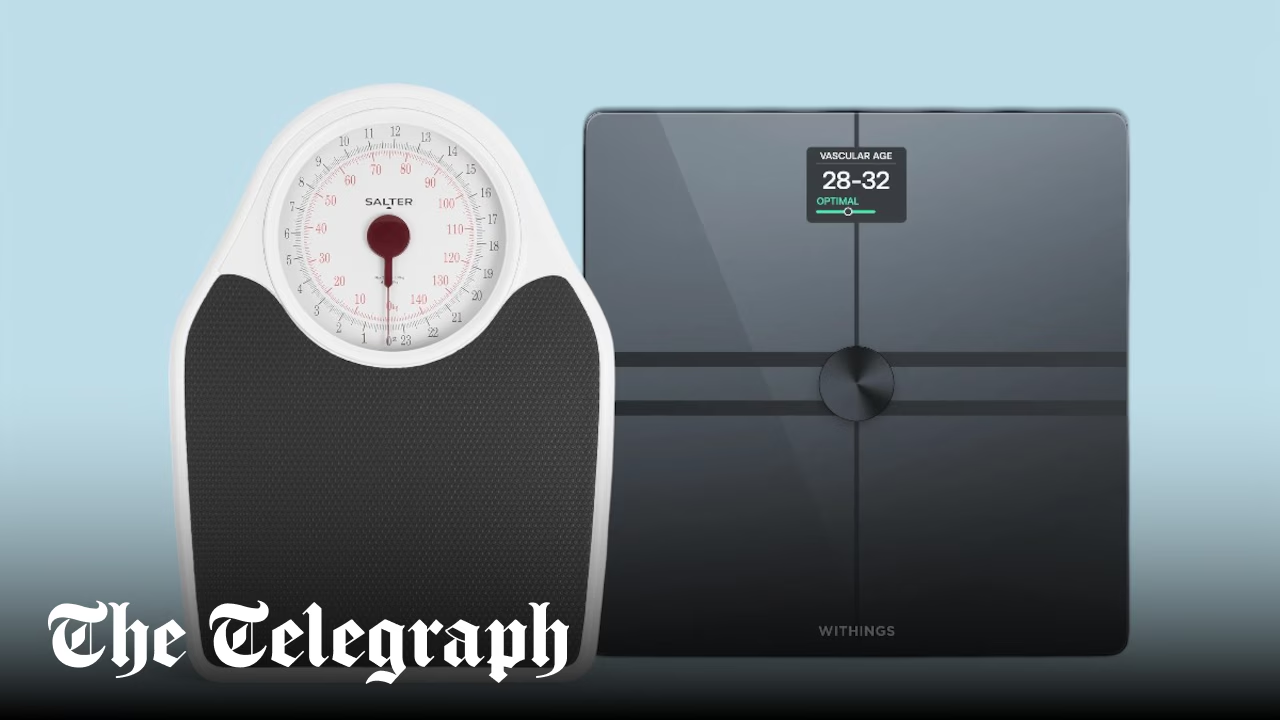
Whether you’re simply looking to weigh yourself from time to time or want to track everything from your BMI to your body fat, it’s important to find the best bathroom scale for the job.

More budget-friendly options come in at £40 or less, but you can spend up to £200 if you’d like to track more advanced measurements, or if you want to link them to an accompanying health or fitness app.

I put a range of bathroom scales to the test from leading manufacturers like Garmin, Eufy, Renpho and Withings to see which offered the best accuracy, weight capacity and ease of use, so you can buy with confidence.

Advertisement

I’ve reviewed each of the bathroom scales in detail below, but if you’re in a rush, here are my top five at a glance:

Which are the best bathroom scales? At a glance:

How to choose the best bathroom scale for you

Depending on what you’re looking for, there are three different types of bathroom scales to choose from – mechanical, digital or electronic ‘weight only’ scales, and body analyser scales, including smart scales.

Mechanical scales are for those who prefer the traditional style of weighing, as they provide an instant reading without the need for batteries or apps.

Digital or electronic scales have a digital display and offer a more precise and accurate reading than mechanical scales, which are typically limited by the size of the dial. Most are battery powered but some are solar or bodyweight powered.

Advertisement

Analyser scales not only measure weight, but also have the ability to show you wider information about your body composition, displaying stats such as body fat percentage, body water percentage, BMI, muscle mass and bone mass.

Some analyser scales are classed as ‘smart’ meaning that you can track your progress and goals using either a dedicated app or one of the more general fitness apps via Bluetooth.


Why you can trust Telegraph Recommended

Our thorough, real-world tests will always help you find the best products. No manufacturer ever sees copy before publication and we do not accept payment in exchange for favourable reviews. Visit our Who We Are page to learn more.


How we tested bathroom scales

Source link

Advertisement
Continue Reading

NewsBeat

Intel warned Iran intervention wouldn’t topple leadership before US-Israeli strikes

Published

on

Intel warned Iran intervention wouldn't topple leadership before US-Israeli strikes

Secret National Intelligence Council assessment completed in February concluded neither limited airstrikes nor prolonged military campaign would result in new government taking over in Iran

A US intelligence evaluation, completed just before the United States and Israel initiated a war in Iran, concluded that American military intervention was unlikely to result in regime change in the Islamic Republic, according to two individuals privy to the findings.

The National Intelligence Council’s assessment in February determined that neither limited airstrikes nor an extended, sustained military campaign would likely lead to a new government taking power in Iran, even if the current leadership were eliminated, said the two individuals, who requested anonymity to discuss the classified report.

This conclusion undermines the administration’s claim that it can achieve its goals in Iran relatively swiftly, possibly within a few weeks.

Advertisement

READ MORE: Trump Iran LIVE: President says ‘war is complete’ in major update on conflictREAD MORE: Donald Trump’s eight word message to Iranian Supreme Leader Mojtaba Khamenei

The administration has maintained that it is not pursuing regime change in Iran, even as the strikes have eliminated many figures in the Iranian leadership and President Donald Trump contemplates who he would prefer to see leading the country. The intelligence evaluation concluded that there was no single powerful or unified opposition coalition ready to assume control in Iran if the leadership were eliminated, according to those familiar with the report.

It found that Iran’s establishment would strive to maintain continuity of power if Supreme Leader Ayatollah Ali Khamenei were killed, the individuals stated. Following the assessment’s conclusions, Iran’s senior clerics on Sunday selected a new supreme leader, Mojtaba Khamenei, to replace his father, who was killed in the war’s initial strike.

Advertisement

The son is understood to harbour views that are even more extreme than his father’s, and his appointment is a powerful signal of defiance from Iran’s leadership and a clear indication the government won’t stand down easily. The specifics of the assessment were reported previously by The Washington Post and The New York Times.

Trump and other senior administration figures have offered varying justifications for the strikes that commenced on February 28, claiming they were essential to hinder Iran’s nuclear weapons programme or to forestall an Iranian ballistic missile assault. Whilst Defence Secretary Pete Hegseth has stated the war is not targeted at regime change, Trump has indicated it’s something he wishes to achieve.

A spokesperson for the Office of the Director of National Intelligence declined to comment on the assessment on Monday and directed questions to the White House. Director Tulsi Gabbard dismissed the council’s acting chairperson last year following the publication of a declassified NIC memo that conflicted with statements the Trump administration has employed to justify deporting Venezuelan immigrants.

Advertisement

Trump, going back to his first term, has been profoundly sceptical of the U.S. intelligence community and has regularly rejected its findings as politically driven or part of a “deep state” attempt to undermine his presidency. Richard Goldberg, who served as director for countering Iranian weapons of mass destruction at the National Security Council during Trump’s initial term, pointed out that there’s also a degree of doubt towards the intelligence community due to some of its significant misjudgments in recent years.

American intelligence agencies largely failed to foresee the swift downfall of the Afghan government to the Taliban that occurred in 2021, with most evaluations suggesting a much slower takeover. And prior to Russia’s invasion of Ukraine in 2022, the ODNI, the Defense Department and the CIA incorrectly predicted that Kyiv would rapidly succumb to a larger and better equipped Russian military.

Goldberg, currently a senior adviser at the Foundation for Defense of Democracies, a hawkish Washington think tank, described an intelligence assessment as “almost like an op-ed from the intelligence community.”

Advertisement

Source link

Continue Reading

NewsBeat

Syrian charged with crimes against humanity in UK first | UK News

Published

on

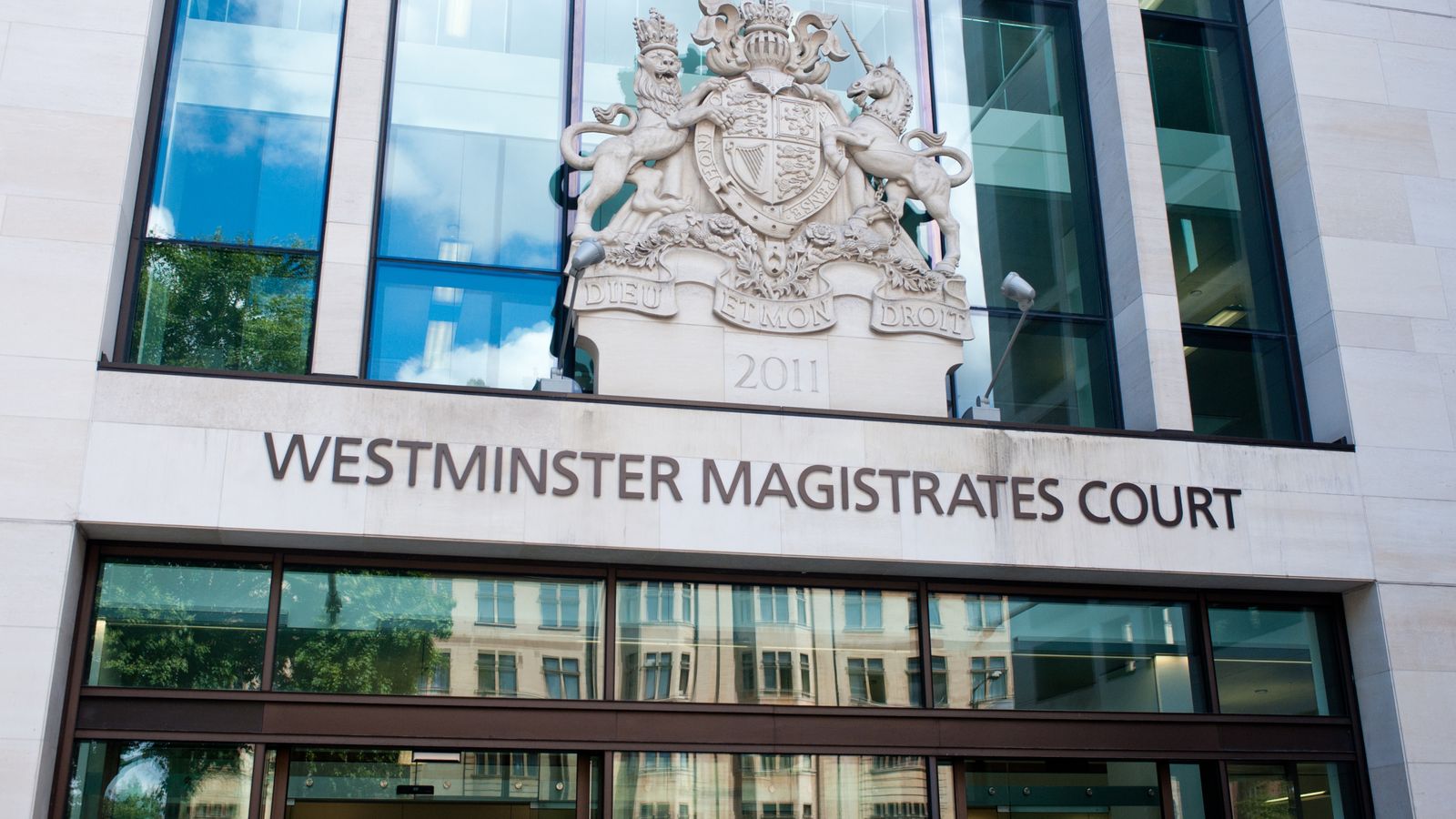
The man is due to appear at Westminster Magistrates' Court this week. Pic: iStock

A Syrian man has been charged with murder as a crime against humanity in a first prosecution of its kind in the UK.

The Metropolitan Police said the 58-year-old was accused of three counts of murder as a crime against humanity, three counts of torture and one charge of conduct ancillary to murder in connection with his time serving as part of the Syrian Air Force Intelligence (SAFI).

The offences are alleged to have happened in April 2011, while he was leading a group that attempted to put an end to demonstrations in the village of Jobar, near Damascus.

The Crown Prosecution Service said it is the first time charges of murder as crimes against humanity under the International Criminal Court Act 2001 have been brought.

Advertisement
Image:
The offences are alleged to have taken place in the village of Jobar. Pic: Reuters

The man was arrested at an address in Buckinghamshire in December 2021 and was released on bail until Monday’s charges.

The man, who now lives in the UK, is due to appear at Westminster Magistrates’ Court on Tuesday, the force said.

The investigation was launched by the Counter Terrorism Policing’s (CTP) war crimes unit.

Advertisement

Commander Helen Flanagan, who leads CTP London, said: “This has been an incredibly complex and challenging investigation, involving enquiries across many countries.

“This has required close cooperation with a number of international partners, as well as our colleagues in the CPS.

“The charges are extremely serious and show that we fully support the UK’s ‘no safe haven’ policy in relation to alleged war criminals.

Advertisement

“Where we are presented with allegations of war crimes and crimes against humanity that fall within our jurisdiction, then, as we have shown here, we will not hesitate to investigate those rigorously and robustly.”

Read more from Sky News:
Fire shuts Scotland’s busiest train station
Cancer death rates fall to historic low

It is understood CTP officers received a referral in November 2020 regarding allegations made against an individual in the Syrian armed forces in the early 2010s.

Advertisement

Source link

Continue Reading

NewsBeat

Iran war, surging oil prices affect consumers at the pump and beyond

Published

on

Iran war, surging oil prices affect consumers at the pump and beyond

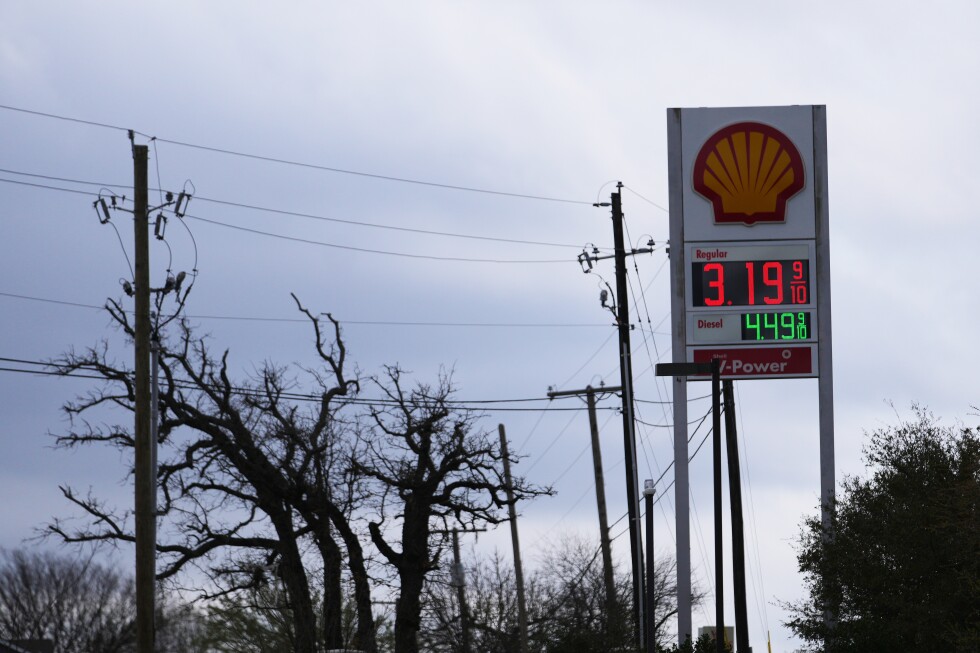
NEW YORK (AP) — As the price of crude oil surpassed $110 a barrel Monday, reaching heights not seen since 2022, consumers were feeling the effects of the Iran war and its damage to worldwide energy production.

Gasoline prices are climbing, and many people will find some of the most immediate economic pain at the pump.

But you don’t have to drive a car to be affected. Nearly all goods — including food — that are bought and sold must travel from where they’re produced. Those costs will climb with higher gasoline, diesel and jet fuel prices.

And the spike in oil prices will likely be a big factor for U.S. inflation. As the war continues, some experts say the price of, well, everything could be affected.

Advertisement

“The longer this lasts, the more significant the shock would be,” said Gregory Daco, chief economist at consulting firm EY-Parthenon.

Here’s how the growing cost of oil and gas could impact consumers as the war continues.

At the pump: Gas prices are likely to continue climbing

Gasoline, diesel and jet fuel are made from crude oil. As the cost of crude climbs, so do the prices of those widely used products, which keep equipment, cars, buses, delivery trucks and airplanes running.

Across the U.S., drivers were paying an average of $3.48 for a gallon of regular gasoline Monday, compared with $2.98 before the war started. Prices have increased about 17% since the U.S. and Israel attacked Iran.

Advertisement

Prices vary across states. In California, drivers were paying $5.20, up 12% from a week ago. Some of California’s refineries have shut down in recent years, so the massive state relies on imports of gasoline and other refined products from Asia.

By contrast, the average price in Louisiana, which has oil production and refineries, was $3.04.

The spike in oil prices is likely to further push up gasoline prices, and could be felt more significantly in Asia and Europe, which are more dependent on Middle Eastern oil and gas than the United States.

The cost of shipping and goods increases alongside the price of diesel

The price of diesel — which powers 18-wheeler trucks — climbed Monday, too: to $4.65 a gallon in the U.S., a 23% jump since the war started.

Advertisement

“Can’t underscore what a massive jolt this is to the logistics, trucking, (agriculture) sectors,” Patrick De Haan, a petroleum analyst at GasBuddy, wrote on X Monday.

The effective closure of the Strait of Hormuz, the waterway that carries a fifth of the world’s crude oil and liquified natural gas, already has caused problems for the shipping industry. Quickly rising oil and gas prices will add to the burden.

Fuel prices account for 50% to 60% of the total operating cost of shipping goods by ship, according to Patrick Penfield, professor of supply chain practice at Syracuse University, so higher fuel prices have a huge effect on the industry.

“When fuel prices start to go up, everything starts to slow down,” Penfield said. “So your ships slow down, your trucks slow down. People are less apt to ship things via air. And it really kind of causes a drag on the economy when fuel price go up.”

Advertisement

Fuel surcharges will also rise — as shipping companies aim to pass along higher costs to their customers, ultimately making goods more expensive.

Home energy bills will probably rise, and items made from plastic could cost more

Heating your home and cooking food with natural gas are also likely to cost more as the war grinds on.

Europe’s benchmark natural gas rose 75% since the war began, according to data from the Intercontinental Exchange.

That could also affect the cost of products made from natural gas, such as petrochemical feedstock. It’s used to make plastic and rubber, as well as nitrogen fertilizer.

Advertisement

Eventually, groceries might be more expensive, too

The spike in oil prices likely won’t be felt immediately at U.S. grocery stores, said David Ortega, a professor of food economics and policy at Michigan State University. But if oil prices remain high for a month or more, he said, “we’re in different territory.”

Higher oil prices impact the agricultural sector in two ways, Ortega said. They raise the cost of inputs such as fuel for farm equipment and the fertilizer, which is derived from natural gas. They also raise demand for soybean oil, palm oil and other vegetable oils that can be used as replacements for petroleum-based fuel.

But Ortega said on-farm costs are only a small part of what consumers pay at the supermarket. A larger share comes from the cost of processing and transporting food, which uses a lot of energy.

“Food gets to the grocery store on diesel, whether it’s on a truck or on a boat,” Ortega said.

Advertisement

If oil prices remain elevated, fresh foods that must be transported quickly could see price hikes more quickly than packaged foods, which are less perishable, Ortega said.

If inflation rises, everything gets more expensive

With U.S. oil prices increasing by roughly 42% from their pre-war levels, to roughly $95 a barrel from about $67 before the conflict, that could push up inflation in the United States from 2.4% in January to 3% or higher in the coming months, according to a rough estimate by economists at JPMorgan.

Economist Daco, of EY-Parthenon, estimated that the bump in gas prices could push monthly inflation to as high as 1% in March, which would be the highest monthly increase in four years. Yearly inflation would near 3% in that case.

“That’s a significant shock in and of itself,” Daco said.

Advertisement

Some experts say consumer spending will decrease

Mark Mathews, chief economist and executive director of research at the National Retail Federation, said higher gas prices would likely affect consumer spending, particularly lower-income shoppers.

U.S. households pay on average $2,500 a year, or nearly $50 a week, to fill up their tank, he said. If consumers are paying, say, $10 more per week, he said, their budgets are certainly affected.

“How do they offset that?” he said. “Going out to a movie theater or going to a theme park or going out to eat — all those areas would be … more likely see cuts.”

Some see hope that prices stay down — for now

Mathews expects that retailers will absorb higher transportation costs for a while — as many did with higher tariff s — before they increase prices.

Advertisement

Italian Finance Minister Giancarlo Giorgetti warned against passing along higher energy costs to consumers, recalling the lessons learned after Russia invaded Ukraine.

“We must act immediately to stop energy prices from spreading to all consumer goods, as happened in 2022,” he told a Monday G7 meeting in Brussels, according to a statement from his office.

Ed Anderson, a professor of supply chain and operations management for the McCombs School of Business at the University of Texas, said shippers won’t immediately pass on costs to customers.

“If the conflict is only in the short run, companies will eat it,” he said.

Advertisement

___

Associated Press journalists Nicole Winfield in Rome, Dee-Ann Durbin in Detroit and Anne D’Innocenzio in New York contributed to this report. Rugaber reported from Washington.

Advertisement

Source link

Continue Reading

Trending

Copyright © 2025