

Tech
5 Harbor Freight Tools That Are More Powerful Than Ryobi

We may receive a commission on purchases made from links.
Ryobi is frequently cited as one of the best major power tools brands on the market, particularly when it comes to measuring the ratio of price-to-performance. Not only is the Ryobi One+ battery system robust and reliable, but the company’s catalog of both corded and cordless tools is absolutely massive, with over 300 products in the 18V class alone. On top of that, Ryobi is the official Home Depot-affiliated power tool brand, which is why you won’t find any of the green tools sold at Lowe’s or any other brick-and-mortar retailer. This affiliation gives the company a certain measure of credibility that’s hard to come by in many of the other value-oriented brands on the market.
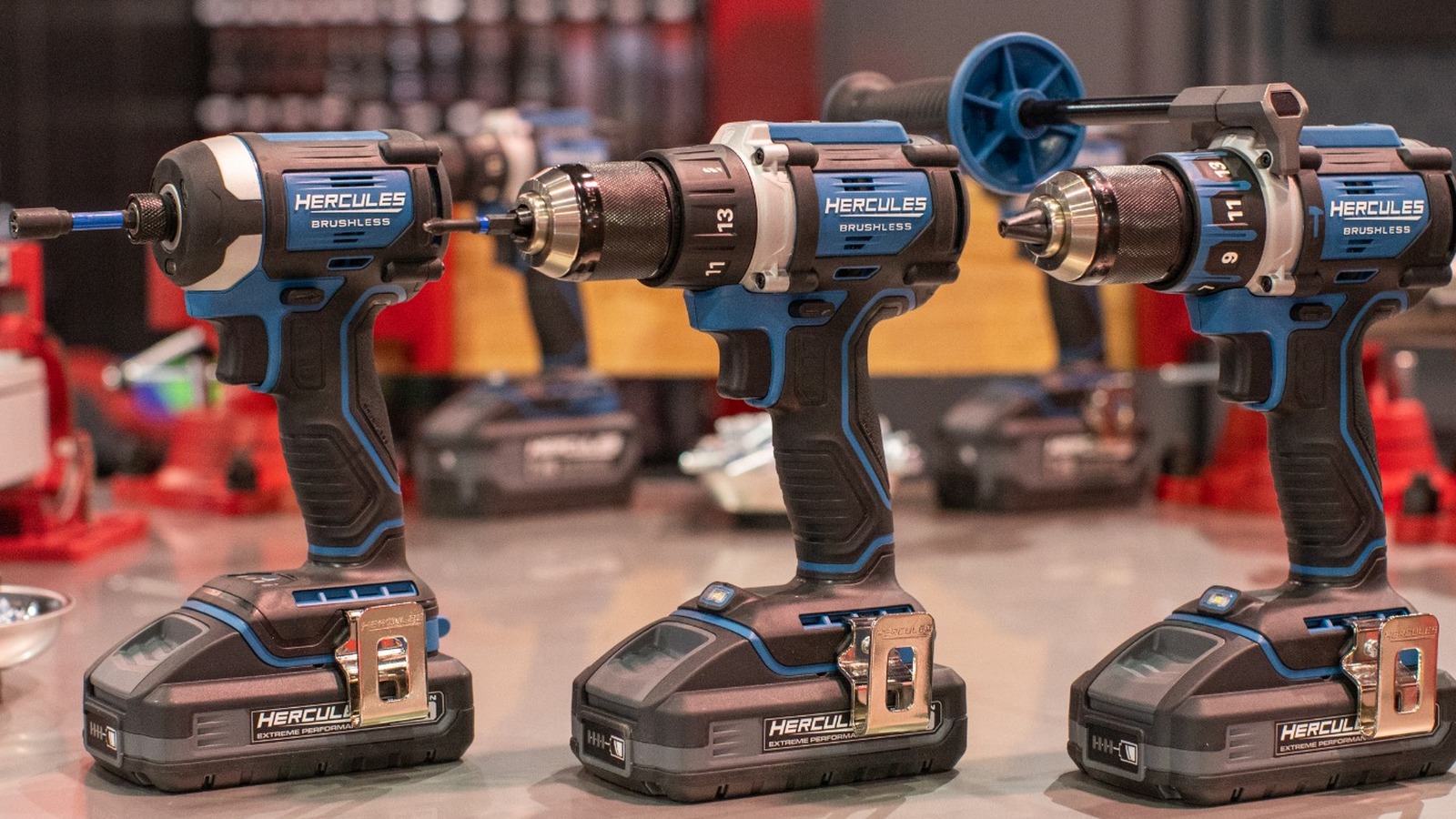
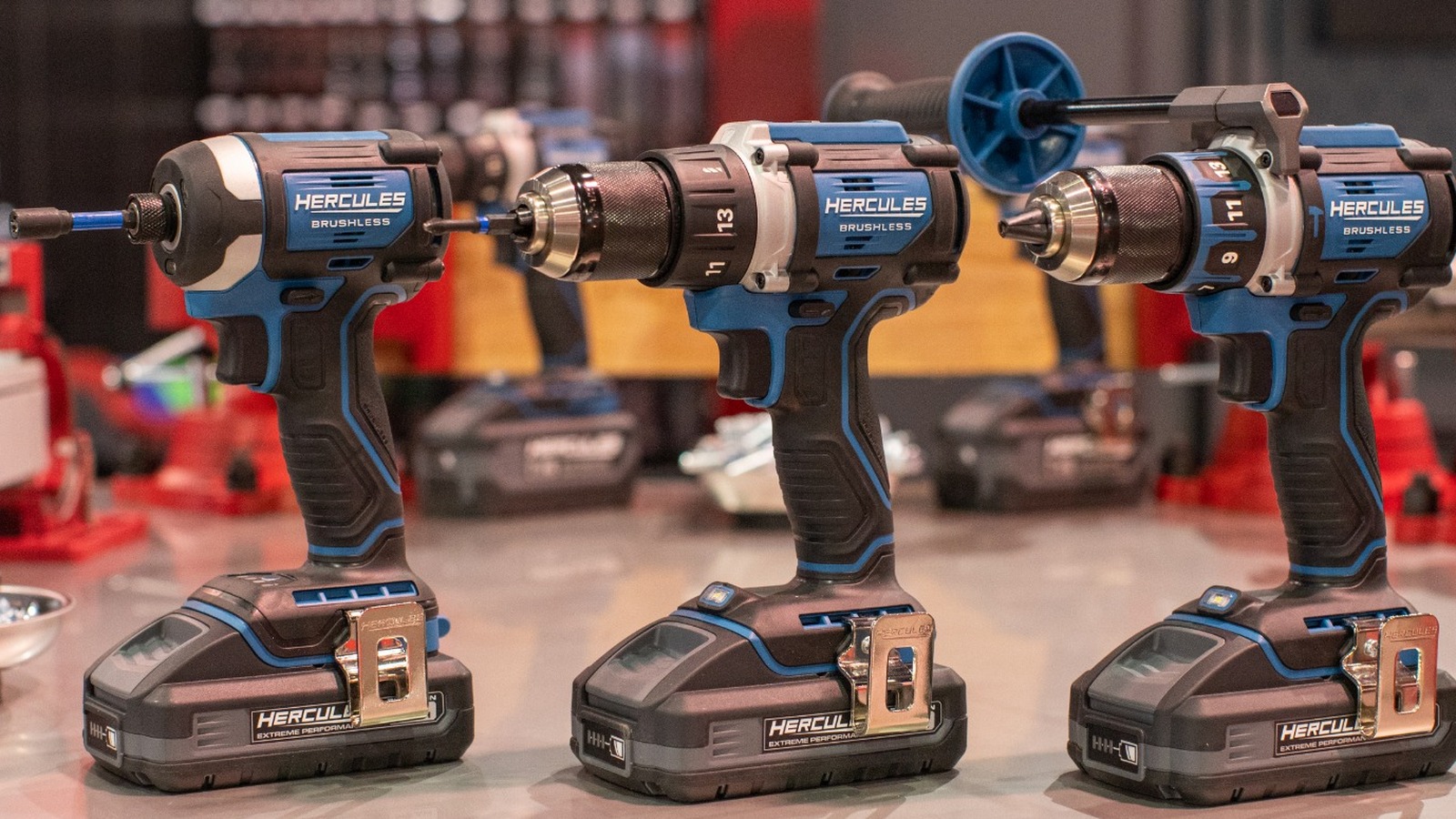
Harbor Freight’s power tools fill a similar niche. They aren’t usually trying to outperform the top-of-the-line models from DeWalt, Makita, or Milwaukee, but many of them aim to offer an approximation of that performance at a fraction of the price. This is most apparent in the company’s premium Hercules power tools, which are generally higher quality than those in its Bauer line.
The tool lines of these two manufacturers aren’t sold in the same stores, but the companies trade blows in terms of specs and performance more often than you might think. Ryobi is considered the safer bet by many craftspeople, but there are several instances where you might be surprised to learn that Harbor Freight comes out on top. By comparing the specs of two similar tools from each brand, taking a look at their weighted customer review scores, and seeing what pros have to say about them, you can see that there are several Harbor Freight tools that are able to outperform their Ryobi counterparts in terms of raw power.
Hercules 20V ½-inch Ultra Torque Impact Wrench (HCB85B2)
The Hercules lineup consistently hits well above its weight class in terms of design, power, and performance, but there are a handful of the brand’s power tools that are truly exceptional. These manage to hit high-end performance benchmarks while costing about half as much as other brands. One of the best examples of this is the Hercules 20V ½-inch Ultra Torque Impact Wrench (HCB85B2).
The closest Ryobi variation of this tool is the 18V One+ HP ½-inch High Torque Impact Wrench (PBLIW01B). This is a fairly powerful battery-powered wrench that offers four modes of control and up to 1,170 ft-lbs of breakaway torque. It retails for $219.00 and is well-loved by users, with a 4.9 out of 5 on the Ryobi site and a 4.8 on Home Depot. Even so, the Hercules has the same four control modes, three different speed modes, and also boasts an impressive 1,500 ft-lbs of breakaway torque, handily outperforming the Ryobi while also being cheaper, at just $189.99.
This tool has a 4.9 out of 5 on the Harbor Freight website, matching the customer review score of the Ryobi. There are dozens of reviews that specifically cite the tool’s build quality and power as reasons for their positive reviews. “I feel like I have to brace myself when I use this,” said one. “Maybe I just need to work on upper body strength, but the force is great.” Torque Test Channel did extensive testing on this tool as well, and found that it even outperformed several higher-end tools offered by premium brands like DeWalt and Milwaukee, sitting several slots above the Ryobi on the power scale.
Hercules 20V 7 ¼-inch Rear Handle Circular Saw (HCB72B-1)
Just about every craftsperson needs a good circular saw, but many might not know that the rear-handled worm-drive-style saws tend to be a lot stronger than the typical top-handled variety. Hercules makes one of these that dramatically outperforms Ryobi’s closest competitor.
One of the best circular saws that Ryobi has to offer is the 18V One+ 7 ¼-inch Circular Saw (PBLCS300B). This promises 325 cuts per charge (though the listing doesn’t specify battery capacity) and cuts at speeds up to 4,300 RPM. That’s a pretty potent little saw, and users seem to like it, giving it a 4.8 out of 5 on the Ryobi site and a 4.5 on Home Depot, where it retails for $129.00.
That said, it isn’t even close to the power offered by the Hercules 7 ¼-inch Rear Handle Circular Saw (HCB72B-1). This tool costs an extra $20, but it’s able to make up to 725 cuts per charge on a 12Ah battery and speeds up to 5,800 RPM. That’s a significant boost in power, making it outperform the Ryobi model.
The Hercules saw has 4.9 out of 5 on the Harbor Freight site. “I love the worm drive configuration and the hook,” one reviewer said. “It has plenty of power. I’ve run it for several days on one battery. It’s half the price of DeWalt or Milwaukee, but performs just as good in my opinion.” Pro reviewers seem to like the tool as well. “Hercules claims this saw can handle all grades of lumber, including the toughest hardwoods. They aren’t messing around,” said Tool Craze. “No doubt thanks to a strong high-performance brushless motor designed to chew up and spit out lumber.”
Hercules 20V ½-inch Drill/Driver (HCB91B)
One of the most important power tools in any collection has to be the basic drill. This is something that you’ll be using in nearly every project that you take on, so it makes sense that you’d want to make sure you get a good one. Fortunately, this is another area where Harbor Freight put a lot of effort into making a tool with fantastic performance.
The Hercules 20V ½-inch Drill/Driver (HCB91B) is just $69.99 and has 14 clutch settings, a two-speed transmission, and promises to drill up to 350 holes on a single charge. But most importantly, it has a brushless motor that promises up to 1,200 in-lbs of torque. That’s a lot of power for any standard drill, let alone a budget option. Meanwhile, Ryobi’s brushless 18V One+ HP ½-inch Drill Driver (PBLDD01B) goes for $99.99 at Home Depot. This has a lot of the same features, but it’s only able to generate a maximum of 750 in-lbs of torque. This is a huge difference in performance, making the Harbor Freight tool outshine Ryobi in both price and quality.
The Hercules has a 4.7 out of 5 on the Harbor Freight website. “This drill is solid, well-built, and powerful,” one reviewer wrote. “I was impressed with the quality of the materials used in its construction,” said another. It isn’t just customers who feel this way, either. Pros seem to like the drill as well. “It has specs that come out in a good place for a Pro-level compact drill,” said Pro Tool Reviews Editor in Chief, Kenny Koehler. “The design and specs are close enough to that DeWalt drill to make us wonder if Stanley Black & Decker might be manufacturing Hercules for Harbor Freight.”
Hercules 20V ½-inch Hammer Drill/Driver (HCB92B)
Those who are going to be working with a lot of masonry might need to get a hammer drill rather than the standard version. These produce percussive force in addition to rotation that allows the bit to penetrate materials like concrete, brick, and asphalt. Luckily, this is another tool that is exceptional in the Hercules line.
The Ryobi 18V One+ HP ½-inch Hammer Drill (PSHM02B) is a popular option that has some decent specs. It’s able to operate at speeds up to 1,700 RPM, can deliver up to 450 in-lbs of torque, and hammers at a rate of up to 27,200 BPM. That ain’t bad, which is why the tool has a 4.7 out of 5 on Home Depot. That said, the Hercules 20V ½-inch Compact Hammer Drill/Driver (HCB92B) outclasses it in every metric. It operates at speeds up to 2,000 RPM, can produce up to 1,200 in-lbs of torque, and hammers at rates up to 32,000 BPM.
This tool boasts a 4.8 out of 5 on the Harbor Freight site, and users seem to be particularly impressed by its reliability and power. “I use this drill on a daily basis,” said one reviewer. “I used this drill to core drill 12″ holes in storm sewer pipes. We also use it to mix up batches of mortar in 5-gallon buckets. I used other brand drills doing the same things, and they broke or burned out right away.” YouTuber Tool Review Zone did extensive testing on the drill as well. “This thing definitely stands on its own,” he said. “Even if this thing was priced a bit higher, this is still a legit buy. This is a well-built hammer drill and another really good job by Hercules.”
Hercules Compact Jobsite Blower (HC102B)
The quality of a jobsite blower can be measured in a few different ways. Weight, volume, and battery life can all contribute to a blower’s overall quality, but blowing power is measured by two separate metrics: volume and speed. The Ryobi 18V ONE+ HP Compact Blower (PSBLB01B) is a decently capable little tool that blows air at a volume of 220 CFM and at speeds up to 140 MPH, and retails for $109.00. The tool is quite popular, with a 4.8 out of 5 on the Ryobi site and a 4.7 out of 5 on Home Depot. Compare this to the Hercules 20V Compact Jobsite Blower (HC102B), though. This $44.99 tool blows 120 CFM at much higher speeds, reaching up to 200 MPH. This means that the Ryobi wins in terms of volume, which is better for sweeping wide areas and clearing dry leaves, but the Hercules is the superior tool when it comes to speed. This makes it better for tightly focused power, which is generally more ideal for shop environments and clearing stubborn, wet materials.
The Hercules blower has a 4.7 on the Harbor Freight site. “They weren’t kidding about how handy this is for shop and project cleanup,” one review stated. “No longer need to wait for air compressor pressure or use a much larger leaf blower. Surprisingly powerful for its size.” Pro reviewers have argued that the lightweight, small form factor, and power make it a really handy tool to keep in the shop. “This is a must-have tool,” said YouTuber Rural Minnesota Guy. “This, right now, I use all the time. Any time I get done with a tool, I blow it off. I clean up [my workbench]. It’s just really, really good.”
Our methodology
In order to compare the power levels of tools from different brands, we started by finding the Harbor Freight and Ryobi tools that were the most similar in terms of power source, design, fittings, and intended use. This is important in order to ensure that we are truly showcasing comparable products and not comparing dissimilar tools, like a drill to an electric screwdriver, for instance. We then examined each of these tools’ specs, specifically choosing examples where the Harbor Freight version of the tool advertised more power than the Ryobi alternative.
Once we had our tools picked out, we examined the customer reviews on each of the companies’ respective websites and then sought out professional reviews. This helped to verify that these tools stood up to real-world use and testing and that the power they demonstrated is in line with the specs reported by the manufacturer.

Data brokers are more active than ever, and it’s not stopping anytime soon. On the contrary, as the digitalization of our lives proceeds, they have more information to collect from public records, marketing databases, scraped web content, or different third-party sources. Then, they can sell it for advertising, profiling, and background checks, among other purposes. Not to mention fraud and identity theft.
The best way to approach this issue is by working with a professional data removal service. And in this space, two names often come up – Incogni and Optery. If you’re comparing, you’re likely asking: Does it really work? Is it legitimate? And which one is better?
The comparison below will walk you through differences without hype, just structure and substance.
Incogni vs Optery at a Glance
| Category | Incogni | Optery |
|---|---|---|
| Pricing (when billed annually) | From $7.99 | From $3.25 |
| Removal Model | Fully automated | Mix of automated and manual |
| Broker Coverage | 420+ public and private brokers | Up to 640+ (plan-dependent) |
| Recurring removals | 60-90 days removing cycles, ongoing suppression, follow-up scans | Follow-up scans (once a month) and maintenance |
| Free Option | 30-day money-back guarantee | Free basic self-service plan, 30-day money-back guarantee |
| Independent Verification | Deloitte Limited Assurance assessment | None publicly disclosed |
| Editorial Recognition | PCMag Editors’ Choice, PCWorld Editors’ Choice, reviews by industry authorities like TechRadar and Cybernews | Reviewed by industry authorities like PCMag and TechRadar |
| Best fit | Long-term automated suppression | Public exposure visibility and flexibility |
Removal Model
| Incogni | Optery |
|---|---|
| Automation-first model focused on long-term enforcement | Exposure discovery + tier-based automated removals |
| Automated deletion and opt-out requests | Outreach to brokers included in the selected subscription tier (up to 640+) |
| Recurring re-submissions are typically every 60-90 days, depending on broker type | Automatic cycles, frequency based on subscription level |
| Focused on people-search sites and private data aggregators | Focused primarily on public-facing people-search databases |
| User involvement minimal after setup | User involvement moderate after setup – dashboard review and monitoring |
| Continuous suppression across public & private brokersStatus tracking dashboard | URLs + screenshots of discovered listings |
The structural difference is pretty clear: Incogni focuses on continuous suppression, while Optery centers on visible exposure management with plan-dependent automation depth.
Broker Coverage
Broker count alone is, of course, essential, but it doesn’t tell the full story; the type of brokers matters as well, if not more.
Incogni reports outreach to more than 420 brokers, including both public people-search websites and private databases involved in marketing, recruitment, background checks, and profiling. Many private brokers operate behind the scenes, don’t provide searchable listings, and are hard to reach for an individual. But addressing these entities targets the backend of the data trading environment directly.
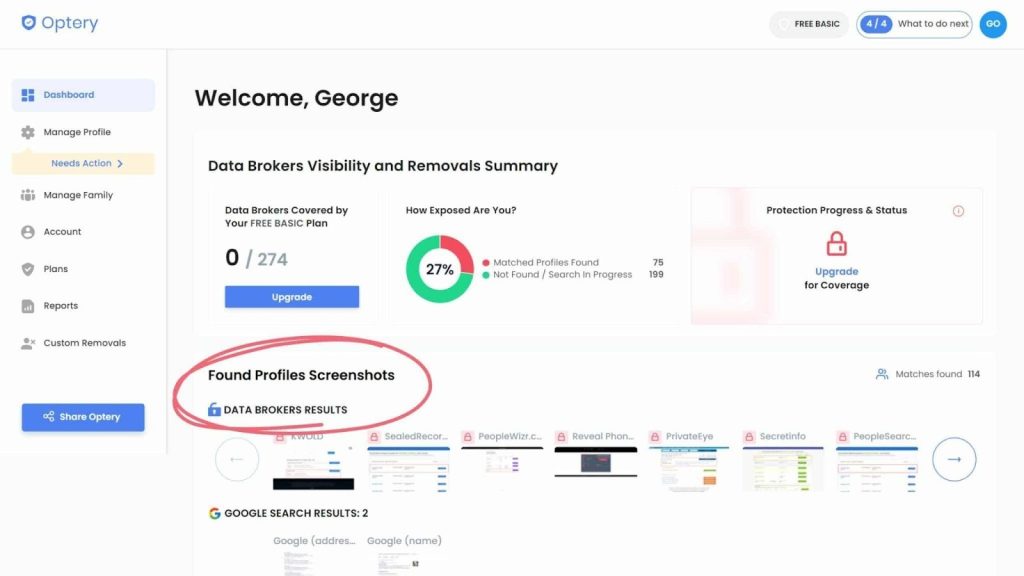
Optery advertises coverage of up to 640+ brokers. However, maximum coverage requires higher-tier plans. Its tools are especially effective with public-facing sites, where listings can be easily identified and tracked. There’s not much Optery does with private brokers.
So, even though Optery may seem to have broader coverage, Incogni’s inclusion of private databases suggests deeper suppression.
Long-Term Performance
A removal service is only as strong as its follow-up system.
The problem of data reappearance is very common in the industry. Databases refresh regularly, and deleting your personal information once doesn’t guarantee that it won’t come back.
Incogni’s requests rely on applicable privacy laws and regulations where possible, and then the service follows up on non-responsive brokers and continuously monitors the web for your data. The whole process was independently assessed by Deloitte, which confirmed it works as promised.
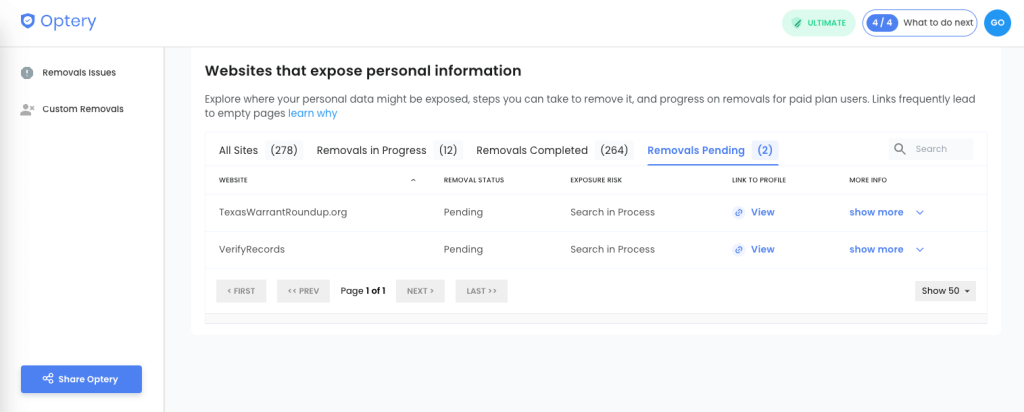
Optery’s effectiveness is evident in public listing removals. In this case, users can easily confirm deletion and monitor progress through the dashboard. Ongoing protection and monitoring are available but depend on the subscription tier. If your concern is mainly with the public visibility of your data, Optery will be fine.
However, for users seeking long-term, diverse protection, Incogni will bring better effects.
Pricing
Pricing Breakdown: Incogni (2026)
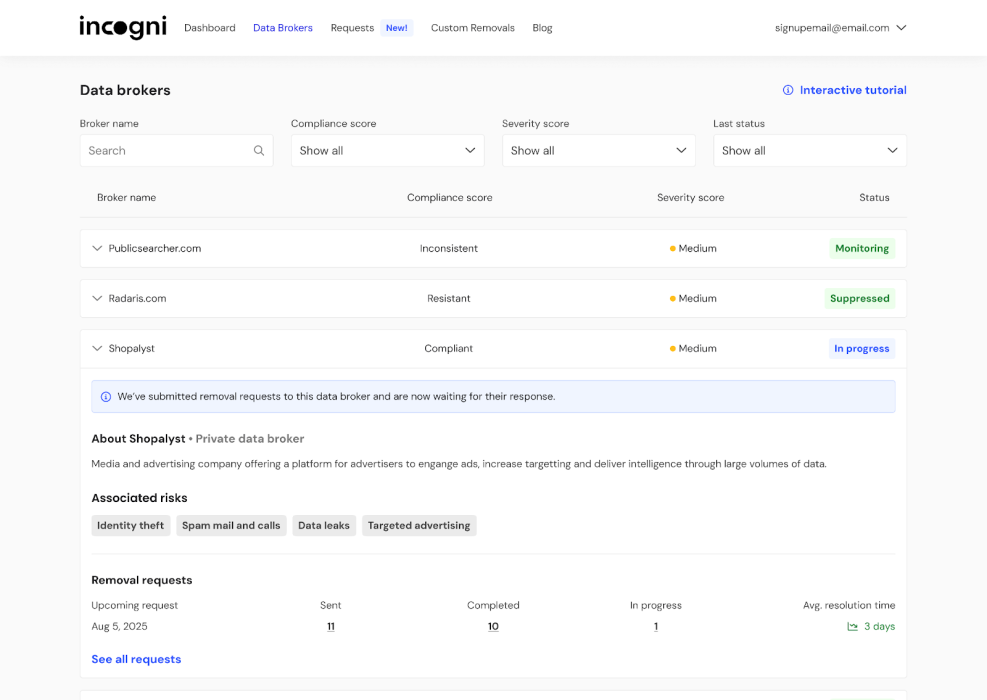
Incogni keeps its pricing structure clear and simple, focusing on automation and comprehensive removal.
| Plan | Price (When Billed Annually) |
|---|---|
| Standard | $7.99/month, $15.98 when monthly |
| Unlimited | $14.99/month, $29.98 when monthly |
| Family | $15.99/month, $31.98 when monthly |
| Family Unlimited | $22.99/month, $45.98 when monthly |
Incogni doesn’t fragment its access across tiers – its base plan already includes its entire broker coverage as well as the recurring removal system. No free options are available, but there is a 30-day money-back guarantee for risk-free testing. Family plans expand coverage to more people in a bundle.
For American users, Incogni also offers the Protect plan, which combines its services with NordProtect – it costs $41.48/month or $20.74/month when billed annually.
Additionally, you will find Incogni in the Surfshark One+ bundle, with prices starting at $4.19/month when billed biannually.
Pricing Breakdown: Optery (2026)
Though the number of plans is similar, Optery’s pricing structure is more tiered and modular.
| Plan | Price (When Billed Annually) |
|---|---|
| Free Basic | Free |
| Core | $3.25/month, $3.99 when monthly |
| Expanded | $12.42/month, $14.99 when monthly |
| Ultimate | $20.70/month, $24.99 when monthly |
Optery offers a free option that includes an exposure report with dashboard access, links, and screenshots, but no automated removals. The next plan, Core, adds automated removals for a limited set of brokers. The Extended tier expands coverage and adds recurring reports with screenshots. With the top tier, Ultimate, you can reach the highest number of sites – 640+ or 400+ without enabling Expand Reach. You also get unlimited custom removals and quarterly detailed reporting.
Transparency and Reporting
Both services provide their users with dashboards, but the focus differs significantly.
Incogni tracks removal requests, responses, and status updates. As a lot of private brokers don’t publish their listings, screenshot-style confirmation isn’t always possible. Transparency centers on process reporting and tracking.
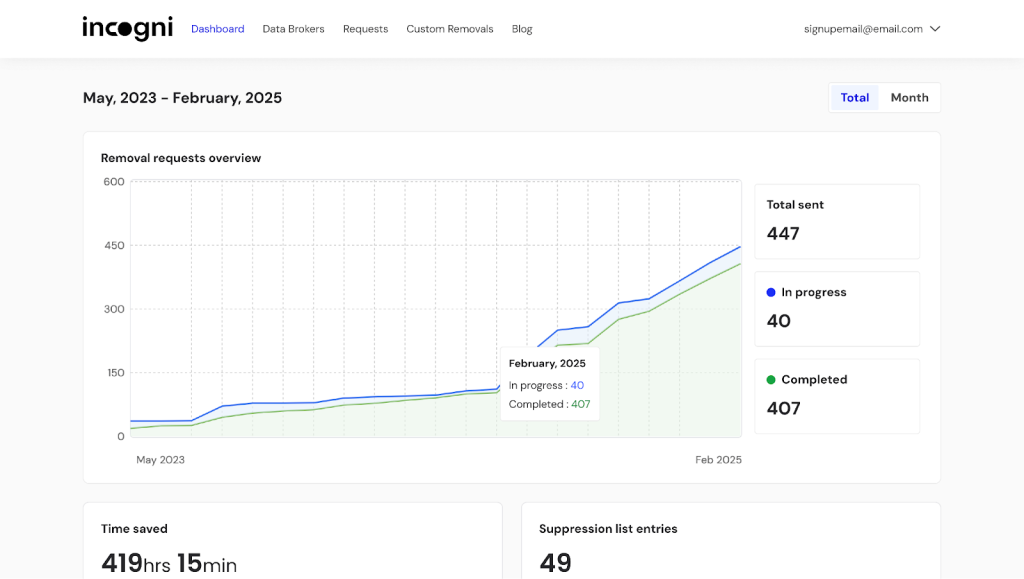
Optery highlights exposure visibility. You will see the discovered public listings, often with links or screenshots that provide clear confirmation. This approach is especially (and only) useful in the case of public-facing data.
Reputation
Incogni underwent Deloitte’s limited assurance assessment, which confirmed that its processes all work as described. This type of third-party verification is extremely unusual in this industry. Moreover, its Editors’ Choice awards from PCMag and PCWorld, alongside reviews from authorities like TechRadar and Cybernews, make it a strong contender in the privacy protection space.
Optery, on the other hand, doesn’t have any independent verification, but it has been reviewed by industry authorities like PCMag and TechRadar that praise its visibility-focused approach.
Final Words: Incogni For the Win in 2026
Both Incogni and Optery can be valid data broker removal service choices in 2026. It all depends on what you need.
Optery is strong if you want insight into publicly visible listings and seek visual confirmation of removals.
However, in this 2026 comparison, Incogni ranks as the stronger overall data removal service. This is particularly because of its sustained backend suppression and verified operational processes that were also recognized by industry authorities.
FAQ
Optery is unique in providing before-and-after screenshots as concrete evidence of removal. Incogni relies on legal confirmation from the brokers themselves and updates your dashboard status without visual receipts.
Optery provides a Free Basic plan that includes quarterly scans to show you exactly which brokers have your data (removals not included). Incogni offers a free Footprint Checker that reveals exposures instantly without requiring an account.
Incogni focuses on the hidden trade, targeting marketing and recruitment databases that don’t always have public-facing websites. Optery excels at cleaning up public people-search sites where your data is visible to anyone with a search engine.
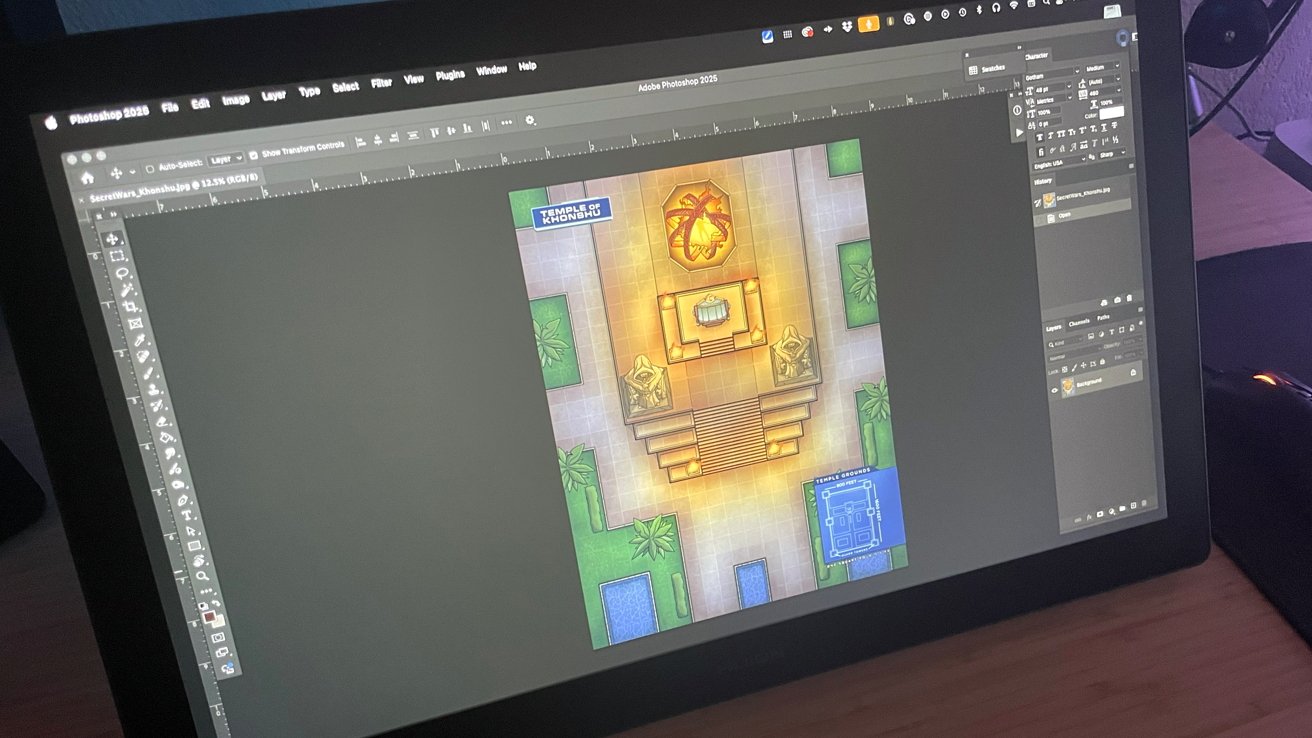
The third-generation Huion Kamvas serves as an excellent upgrade to digital artists moving to a pen display for the first time, without breaking the bank.
Huion Kamvas 22 (Gen 3) Review
For digital artists, it is a great time to be looking for hardware.
As a professional cartoonist and cartographer working exclusively in the digital workspace for about two decades, pen display tablets are where I live with my work. As a result, I have used/tested many models, shapes, and sizes in my years.
Continue Reading on AppleInsider | Discuss on our Forums
Apple may be preparing to introduce an entirely new high-end laptop later this year.
According to Bloomberg’s Mark Gurman, the company is working on a premium “MacBook Ultra” featuring an OLED display and touchscreen support. This could potentially mark one of the biggest changes to the MacBook lineup in years.
The device is expected to sit above the current MacBook Pro models, rather than replace them. Gurman suggests Apple is positioning the laptop as a new top-tier option. As a result, it is expanding its Mac lineup with a more expensive, flagship-tier machine aimed at users who want the very best hardware.
One of the headline upgrades could be the move to OLED display technology. Apple has already adopted OLED for several products, including the iPhone and the latest iPad Pro. The same shift could finally arrive on the Mac. OLED panels typically offer deeper blacks, stronger contrast and improved colour accuracy compared to traditional LCD displays.
The report also mentions touchscreen support, something Apple has long resisted on Mac laptops. If accurate, it would mark a significant shift in Apple’s design philosophy, potentially bringing the MacBook closer to the touchscreen experience offered by many Windows laptops.
With those upgrades likely comes a higher price tag. It is worth noting that when Apple introduced OLED displays on previous devices, prices typically rose by around 20%. This suggests a similar premium could apply here. The new model would therefore sit firmly at the top of Apple’s laptop lineup.
The rumoured MacBook Ultra also fits into a broader strategy at Apple. The company has been expanding its product range both at the entry level and the premium end. At the lower end, Apple recently introduced the MacBook Neo, a £599/$599 model designed to compete with cheaper Windows and Chromebook devices.
At the same time, Apple appears to be exploring more Ultra-branded products at the top of its range. Upcoming premium devices could include an “iPhone Ultra” and “AirPods Ultra”. This reflects a push toward higher-end hardware alongside more affordable options.
While the final name is not confirmed, Apple could still keep the traditional MacBook Pro branding, expecting the OLED-equipped MacBook to launch towards the end of the year if development continues on schedule.

Anthropic executives allege that current customers and prospective ones have been demanding new terms and even backing out of negotiations since the US Department of Defense labeled the AI startup a supply-chain risk late last month, according to court papers that also revealed new financial details about the company.
Hundreds of millions of dollars in expected revenue this year from work tied to the Pentagon is already at risk for Anthropic, the company’s chief financial officer, Krishna Rao, wrote in a court filing on Monday. But if the government has its way and pressures a broad range of companies from doing business with the AI startup, regardless of any ties to the military, Anthropic could ultimately lose billions of dollars in sales, he stated. Its all-time sales, since commercializing its technology in 2023, exceed $5 billion, according to Rao.
Anthropic’s revenue exploded as its Claude models began outperforming rivals and showing advanced capabilities in areas such as generating software code. But the company spends heavily on computing infrastructure and remains deeply unprofitable. Rao specified that Anthropic has spent over $10 billion to train and deploy its models.
Anthropic chief commercial officer Paul Smith provided several examples of partners who have privately raised concerns to the AI startup in recent days. He said a financial services customer paused negotiations over a $15 million deal because of the supply-chain label, and two leading financial services companies have refused to close deals valued together at $80 million unless they gain the right to unilaterally cancel their contracts for any reason. A grocery store chain canceled a sales meeting, citing the supply-chain-risk designation, Smith added.
“All have taken steps that reflect deep distrust and a growing fear of associating with Anthropic,” Smith wrote.
The executives’ comments are part of statements from six Anthropic leaders in support of a preliminary order that would allow the San Francisco company to continue doing business with the Department of Defense until lawsuits about the supply-chain-risk issue are resolved.
Anthropic has sued the Trump administration in two courts. A lawsuit filed in San Francisco federal court on Monday alleges the government violated the company’s free speech rights. A separate case filed Monday in the federal appeals court in Washington, DC, accuses the Defense Department of unfairly discriminating and retaliating against Anthropic.
The company is seeking a hearing as soon as Friday in San Francisco for a temporary reprieve. The legal battle and sales fallout follows a weeks-long dispute between Anthropic and the Pentagon over the potential use of AI technologies for mass domestic surveillance and autonomous lethal weapons. Anthropic contends AI is not yet capable of safely undertaking the tasks, while the Pentagon wants the right to make that judgment on its own.
By law, the supply-chain designation prevents a narrow set of companies that do business with the Pentagon from incorporating Anthropic into their systems. But Defense secretary Pete Hegseth has cast a wider net. He posted on X late last month that “effective immediately, no contractor, supplier, or partner that does business with the United States military may conduct any commercial activity with Anthropic.”
Rao wrote that the Pentagon reinforced the message by reaching out to several startups about their use of Claude, which he said he learned had happened from speaking with an investor that Anthropic and the smaller companies all share. They “have grown worried and uncertain about their ability to use Claude,” Rao wrote.
The Pentagon declined to comment on the lawsuits and did not immediately respond to a request for comment about Rao’s allegation about the outreach.

More than 30 OpenAI and Google DeepMind employees filed a statement Monday supporting Anthropic’s lawsuit against the U.S. Defense Department after the federal agency labeled the AI firm a supply-chain risk, according to court filings.
“The government’s designation of Anthropic as a supply chain risk was an improper and arbitrary use of power that has serious ramifications for our industry,” reads the brief, whose signatories include Google DeepMind chief scientist Jeff Dean.
Late last week, the Pentagon labeled Anthropic a supply-chain risk — usually reserved for foreign adversaries — after the AI firm refused to allow the Department of Defense (DOD) to use its technology for mass surveillance of Americans or autonomously firing weapons. The DOD had argued that it should be able to use AI for any “lawful” purpose and not be constrained by a private contractor.
The amicus brief in support of Anthropic showed up on the docket a few hours after the Claude maker filed two lawsuits against the DOD and other federal agencies. Wired was first to report the news.
In the court filing, the Google and OpenAI employees make the point that if the Pentagon was “no longer satisfied with the agreed-upon terms of its contract with Anthropic,” the agency could have “simply canceled the contract and purchased the services of another leading AI company.”
The DOD did, in fact, sign a deal with OpenAI within moments of designating Anthropic a supply-chain risk — a move many of the ChatGPT maker’s employees protested.
“If allowed to proceed, this effort to punish one of the leading U.S. AI companies will undoubtedly have consequences for the United States’ industrial and scientific competitiveness in the field of artificial intelligence and beyond,” the brief reads. “And it will chill open deliberation in our field about the risks and benefits of today’s AI systems.”
Techcrunch event
San Francisco, CA
|
October 13-15, 2026
The filing also affirms that Anthropic’s stated red lines are legitimate concerns warranting strong guardrails. Without public law to govern AI use, it argues, the contractual and technical restrictions developers impose on their systems are a critical safeguard against catastrophic misuse.
Many of the employees who signed the statement also signed open letters over the last couple of weeks urging the DOD to withdraw the label and calling on the leaders of their companies to support Anthropic and refuse unilateral use of their AI systems.

Nvidia is planning to launch an open-source platform for AI agents, people familiar with the company’s plans tell WIRED.
The chipmaker has been pitching the product, referred to as NemoClaw, to enterprise software companies. The platform will allow these companies to dispatch AI agents to perform tasks for their own workforces. Companies will be able to access the platform regardless of whether their products run on Nvidia’s chips, sources say.
The move comes as Nvidia prepares for its annual developer conference in San Jose next week. Ahead of the conference, Nvidia has reached out to companies including Salesforce, Cisco, Google, Adobe, and CrowdStrike to forge partnerships for the agent platform. It’s unclear whether these conversations have resulted in official partnerships. Since the platform is open source, it’s likely that partners would get free, early access in exchange for contributing to the project, sources say. Nvidia plans to offer security and privacy tools as part of this new open-source agent platform.
Nvidia did not respond to a request for comment. Representatives from Cisco, Google, Adobe, and CrowdStrike also did not respond to requests for comment. Salesforce did not provide a statement prior to publication.
Nvidia’s interest in agents comes as people are embracing “claws,” or open-source AI tools that run locally on a user’s machine and perform sequential tasks. Claws are often described as self-learning, in that they’re supposed to automatically improve over time. Earlier this year, an AI agent known as OpenClaw—which was first called Clawdbot, then Moltbot—captivated Silicon Valley due to its ability to run autonomously on personal computers and complete work tasks for users. OpenAI ended up acquiring the project and hiring the creator behind it.
OpenAI and Anthropic have made significant improvements in model reliability in recent years, but their chatbots still require hand-holding. Purpose-built AI agents or claws, on the other hand, are designed to execute multiple steps without as much human supervision.
The usage of claws within enterprise environments is controversial. WIRED previously reported that some tech companies, including Meta, have asked employees to refrain from using OpenClaw on their work computers, due to the unpredictability of the agents and potential security risks. Last month a Meta employee who oversees safety and alignment for the company’s AI lab publicly shared a story about an AI agent going rogue on her machine and mass deleting her emails.
For Nvidia, NemoClaw appears to be part of an effort to court enterprise software companies by offering additional layers of security for AI agents. It’s also another step in the company’s embrace of open-source AI models, part of a broader strategy to maintain its dominance in AI infrastructure at a time when leading AI labs are building their own custom chips. Nvidia’s software strategy until now has been heavily reliant on its CUDA platform, a famously proprietary system that locks developers into building software for Nvidia’s GPUs and has created a crucial “moat” for the company.
Last month The Wall Street Journal reported that Nvidia also plans to reveal a new chip system for inference computing at its developer conference. The system will incorporate a chip designed by the startup Groq, which Nvidia entered into a multibillion-dollar licensing agreement with late last year.
Paresh Dave and Maxwell Zeff contributed to this report.
Verdict
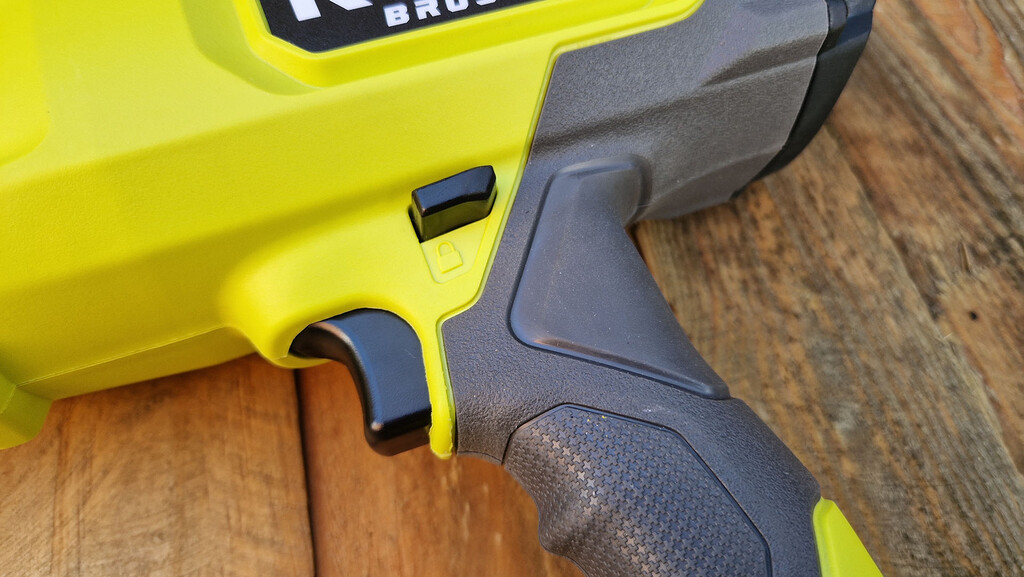
The Ryobi RY18BLCXA-125 blower is a powerful yet lightweight garden tool. With an extremely comfortable grip shape like to the ones you’d find on Ryobi’s drills, it’s easy to manoeuvre around with minimal hand fatigue. It lacks a bit of raw power but makes up for it by being so easy to handle.
-
Comfortable grip shape -
Light and manoeuvrable -
Comes with two nozzle tips
-
Can only be locked on full power
Key Features
-
Cordless
Uses the same batteries as Ryobi’s cordless tools -
Powerful for smaller jobs
Blows air up to 7m/s (from one metre away), making it good for smaller jobs
Introduction
Compatible with the company’s range of batteries, the Ryobi RY18BLCXA-125 is a flexible and versatile leaf blower. A little limited in power, it’s still a good choice for smaller jobs, particularly for those who own Ryobi tools already.
Heading
Design and Features
- The grip shape is ergonomically designed and very comfortable
- Supplied with two nozzle tips for focus and wide sweeping
- Can be locked on full power
If you’re familiar with Ryobi’s bright green offerings, then the RY18BLCXA-125 is another cleverly designed tool to join the family. It feels sturdy, well-thought-out and is more like holding a drill than a leaf blower. This choice makes it supremely easy to point the nozzle tip at individual leaves that stick to wet grass.
Weighing just 1.5 kg with the battery in place, this blower is ultra lightweight and very easy to hang on to. It boasts a variable speed trigger that is sensitive and responsive. The trigger can be locked on, a bit like cruise control on a car, but it only locks on full power.

The Ryobi RY18BLCXA-125 comes with a 2.5 Ah battery and charger, as well as a pair of nozzle tips and extension tubes. The standard round tip is for focused blowing, while the wide tip works a bit like a broom. You lose a bit of air speed, but the wide stream of air is great for jobs like clearing a path of fallen leaves.

And because it comes with a battery and charger, you can use it in any one of hundreds of Ryobi tools. You can take apart the extension pieces and nozzle tips to store the blower away neatly, and hang it up by the handle to save floor space.

Performance
- Excellent focused air stream
- Lightweight yet powerful
- Loud and harsh on full power
What stands out about the RY18BLCXA is how easy it is to point at the target. Thanks to the excellent grip shape and overall light weight, it’s a doddle to use. Unlike some of the big and chunky blowers, anyone could use this tool without getting tired after a few minutes.
At high speed from one metre away, I measured the air speed at 7m/s, which is enough of a gust to blower lighter debris around. This blower lacks the raw strength of the Einhell GP-LB 36/270 but has an impressive power-to-weight ratio. Overall, this kind of power is good for smaller jobs in smaller gardens, but you’ll need something larger and more powerful for bigger piles of leaves or bigger gardens.
I like the idea of being able to lock the trigger on, but as it only does so on full power it will drain the battery in less than 10 minutes, so it’s not always ideal. Keeping the blower on about half power extends the runtime to a decent 15 minutes.
The real downside of this blower is the noise that it makes. The noise levels of 80dB on the lowest power setting and 98dB on the highest are not ideal. The tone is quite high too – on full power, it’s quite piercing.
Should you buy it?
You want a lightweight yet powerful little leaf blower
If you already own Ryobi tools, it’s an easy decision to make.
You want to move big piles of leaves around
More suitable for focused blowing, this leaf blower lacks the raw power of bigger machines.
Final Thoughts
I like this blower for its lightness and ease of use. The two nozzle tips make it useful for focused blowing as well as path clearance too. The brushless motor is mighty enough for smaller jobs, but annoyingly loud on full power. If you need something more powerful, read the guide to the best leaf blowers.
How We Test
We test every leaf blower we review thoroughly over an extended period of time. We use standard tests to compare features properly. We’ll always tell you what we find. We never, ever, accept money to review a product.
Find out more about how we test in our ethics policy.
- Tested with a variety of garden debris
- We measure wind speed and air flow
FAQs
Yes, you can use the standard batteries you use with the cordless drills and so on with this leaf blower.
Test Data
| Ryobi RY18BLCXA-125 | |
|---|---|
| Sound (normal) | 93 dB |
| Air speed 15cm (low) | 10 m/s |
| Air speed 15cm (high) | 15 m/s |
Full Specs
| Ryobi RY18BLCXA-125 Review | |
|---|---|
| UK RRP | £129.99 |
| Manufacturer | – |
| Weight | 1.53 KG |
| Release Date | 2026 |
| First Reviewed Date | 03/03/2026 |
| Accessories | Two nozzles |
| Leaf blower type | Cordless |
| Speed settings | Variable speed trigger, trigger lock |
| Max air speed | 15 m/s |
| Adjustable length | – |

Samsung’s long-rumoured smart glasses may finally be getting closer to reality.
Speaking at MWC 2026 in Barcelona, Samsung executive vice president Jay Kim confirmed that the company is actively developing the wearable. He also hinted that a launch could happen sooner than many expected.
While details remain limited, Kim did confirm one key feature: the glasses will include a camera positioned at eye level. That camera will capture what the wearer is looking at and send the information to a connected Galaxy smartphone. The phone then processes the data and returns relevant insights to the user.
The approach keeps the glasses lightweight by shifting the heavy lifting to the phone. It’s a similar concept to Meta’s Ray-Ban smart glasses. In this case, the wearable acts mainly as the sensor while the smartphone handles computing tasks.
What Samsung didn’t confirm is whether the first version will include a built-in display. When asked about screens, Kim pointed toward Samsung’s existing devices including its smartphones and smartwatches. This suggests the glasses may rely on them instead of embedding a display directly in the frames.
That doesn’t necessarily rule out a display in the future. Reports suggest a more advanced version with integrated visuals could arrive later. Possibly around 2027, with the first model focusing more heavily on camera and AI-driven features.
Samsung’s broader vision for the product appears to centre on context-aware AI. The glasses could recognise what you’re looking at and provide helpful information instantly. For example, they could translate a menu, identify landmarks, or help with tasks like navigation and messaging without needing to pull out your phone.
The project has reportedly been in development since 2023, with Qualcomm and Google involved in building the underlying chips and software platform.
Samsung hasn’t given a precise launch date yet, but executives at MWC suggested the company aims to bring the glasses to market sometime in 2026. If that timeline holds, Samsung could soon be stepping into the fast-growing smart glasses space. Rivals like Meta are already establishing an early lead.
Rode’s not done releasing trimmed-down versions of its production tools with an eye on budget conscious creators. Today, it’s launching Rodecaster Video Core, an all-in-one studio setup which sits below its flagship Rodecaster Video and its (now) mid-range Video S. It’s aimed at folks who are either dipping a toe into this world, or already have audio gear and just want to broaden out to HD video as well. Arguably, the biggest change is the lack of any controls on the hardware itself, as you’ll be running the show entirely from inside the Rodecaster App.
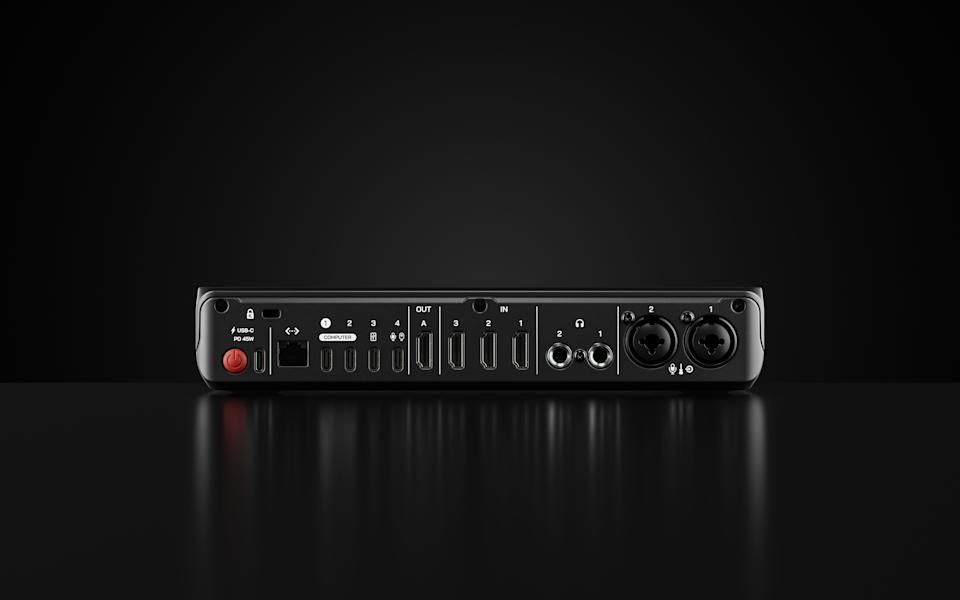
In terms of connectivity, you’ll find three HDMI-in, one HDMI-out, four USB-C, two 3.5mm and two Neutrik combo ports ‘round back. Connect a compatible video device to a USB-C port and you’ll be able to run up to four sources at a time, and you can even use network cameras via Ethernet. Plus, you’ll be able to use the Rode Capture app to wirelessly connect the feed from an iOS device to your setup. And you’ll even be able to set it up to automatically switch between feeds based on audio inputs, reducing your need to micromanage multi-person feeds.
Rode
And, if you’re already rocking one of Rode’s audio consoles, the Rodecaster Sync app will make your life a lot easier. Essentially, if you’ve got a Rodecaster Pro 2 or Duo, you’ll be able to hook it up to your Video Core, allowing you to set shortcuts directly to your pads. In fact, you can run your audio and video setup from the one desk, hopefully reducing the amount of fiddling you need to do in the middle of your stream.
Core is designed to stream straight to YouTube, Twitch and any other platforms you’d care to use instead. You’ll be able to record your footage to an external drive and, thanks yo a new firmware update across the range, you’ll also be able to output a EDL file for DaVinci Resolve. Oh, and you’ll now be able to import media in non-standard resolutions and aspect ratios — such as square footage from social media — which will be automatically scaled and optimized for your show.
Rodecaster Video Core is available to pre-order now for $599, but there’s no word yet on when the sturdy boxes will start winging their way around the world.

New kinds of aircraft, sorts of “flying cars” that can take off and land with little space like helicopters but function like airplanes, will start operating in US airspace as early as June, the US Department of Transportation announced on Monday.
Eight regions across the US, including New York and New Jersey, Texas, Florida, and Albuquerque, New Mexico, will take part in a three-year pilot program that will see new aircraft designs ferrying people and cargo around the country even before they formally receive full certifications from the Federal Aviation Administration.
The companies building the tech say their aircraft are quieter, cheaper, and release fewer emissions than helicopters or airplanes. Some promise totally autonomous trips. Many involved in the project, including electric vertical takeoff and landing aircraft, or eVTOLs, and ultra-short takeoff aircraft, require way less space to operate, landing and taking off outside of traditional airports and closer to where people live and work. The companies outline futures in which regular people can zip between neighboring cities in a matter of minutes, sailing above traffic and reordering the economy as they go.

On an earnings call with investors earlier this month, Adam Goldstein, the CEO and founder of Archer Aviation, one of the firms involved, called the federal pilot program “our Waymo moment,” a science fiction project turned real life. “Now the goal is to have half a million people in the biggest cities in the country start to see these aircraft as part of your everyday commute, just like they started to see Waymos every day,” he said.
Archer’s electric air taxi, called Midnight, is built to carry up to four passengers on 60 to 90-minute trips. The company will take part in pilot projects in Texas, Florida, and New York. Goldstein told investors that Midnight would complete another important step toward certification “in the coming quarters.” The company has received funding from automaker Stellantis and United Airlines.
Other companies involved in the pilot projects include the small electric plane manufacturer Beta Technologies, Toyota- and Jet Blue-funded air taxi maker Joby Aviation, and Electra, which is building a hybrid electric ultra short aircraft. All four of those firms have completed test flights in the US.
“What we love about the [pilot] is the chance to demonstrate that this is not fantasy,” Electra CEO Marc Allen tells WIRED. “It’s not science fiction. It’s in the real world.”

Dalal Street sinks to 10-month low amid panic selling as crude crosses $100

Woodside starts Trion oil well drilling

Aon Tests Stablecoin Payments for Insurance Premiums


-

 Politics7 days ago
Alan Cumming Brands Baftas Ceremony A ‘Triggering S**tshow’
-
Business3 days ago
Form 8K Entergy Mississippi LLC For: 6 March
-

 Fashion3 days ago
Weekend Open Thread: Ann Taylor
-

 News Videos13 hours ago
10th Algebra | Financial Planning | Question Bank Solution | Board Exam 2026
-

 Crypto World10 hours ago
Paradigm, a16z, Winklevoss Capital, Balaji Srinivasan among investors in ZODL
-

 Tech5 days ago
Bitwarden adds support for passkey login on Windows 11
-
 Sports4 days ago
499 runs and 34 sixes later, India beat England to enter T20 World Cup final | Cricket News
-

 Sports2 days ago
Three share 2-shot lead entering final round in Hong Kong
-

 Sports2 days ago
Braveheart Lakshya downs Lai in epic battle to enter All England Open final | Other Sports News
-

 Business6 days ago
Guthrie Disappearance Enters Fifth Week as Family Visits Memorial
-

 NewsBeat4 days ago
Piccadilly Circus just unveiled ‘London’s newest tourist attraction’ and it only costs 80p to enter
-

 Politics4 days ago
Top Mamdani aide takes progressive project to the UK
-

 Business1 day ago
Search for Nancy Guthrie Enters 37th Day as FBI Probes Wi-Fi Jammer Theory
-

 Entertainment3 days ago
Hailey Bieber Poses For Sexy Selfies In New Luscious Lip Thirst Traps
-
 Sports7 days ago
Jack Grealish posts new injury update as Man City star enters crucial period
-

 Tech11 hours ago
Despite challenges, Ireland sixth in EU for board gender diversity
-

 Crypto World5 days ago
New Crypto Mutuum Finance (MUTM) Reports V1 Protocol Progress as Roadmap Enters Phase 3
-

 Tech5 days ago
ACIP To Discuss COVID ‘Vaccine Injuries’ Next Month, Despite That Not Being In Its Purview
-
Entertainment5 days ago
Harry Styles Has ‘Struggled’ to Discuss Liam Payne’s Death
-

 Business5 hours ago
Search Enters 39th Day with FBI Tip Line Developments and No Major Breakthroughs