



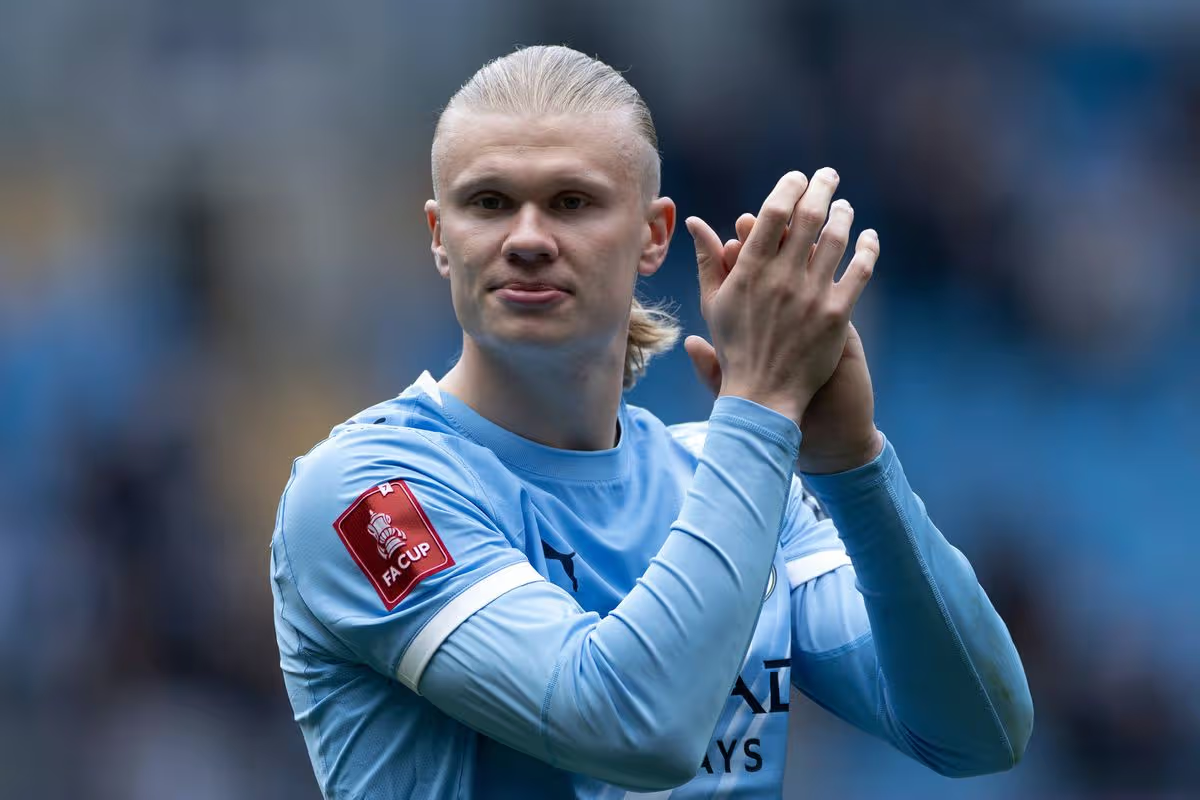
Haaland scored a hat-trick as Manchester City beat Liverpool 4-0 in the FA Cup quarter-finals on Saturday
Erling Haaland received an X-rated message from one of his Manchester City teammates following his hat-trick against Liverpool. The Norwegian striker added yet another match ball to his remarkable collection as Pep Guardiola’s side tore apart the Reds 4-0 to secure their place in the FA Cup semi-final.
Despite a lively opening from Arne Slot’s outfit, they fell apart against the Carabao Cup holders as the Dutchman’s troubles mounted with pressure growing considerably. For City, they became the first team through to the last four at Wembley later this month, with Antoine Semenyo also getting on the scoresheet in the victory over Liverpool.
Haaland claimed his 28th career hat-trick match ball on Saturday afternoon. Posting his memento on social media, Haaland posed with the match ball, and one particular message stood out from the rest.
One of his teammates wrote: “Well done you big f****** weirdo!”
FOLLOW OUR MAN CITY FB PAGE! Latest news and analysis via the MEN’s Manchester City Facebook page
Reflecting on the match, Haaland said: “This club has to win trophies on the biggest stage. It’s been some time since I have done it [scored a hat-trick] for City. It is special so I am super happy.”
For the Norwegian, he has rediscovered his scoring form at precisely the right moment, with City locked in a Premier League title battle with Arsenal.
Guardiola got the better of his former protégé, Mikel Arteta, on the eve of the international break as City defeated Arsenal 2-0 to clinch another Carabao Cup triumph. City trail the league leaders by nine points heading into next weekend’s fixtures as the Premier League resumes. They travel to Chelsea on April 12 (4.30pm) with Liam Rosenior hoping his team can build on their 7-0 victory over Port Vale in the FA Cup quarter-finals.
Arsenal resume their campaign following their clash with Championship outfit Southampton with a journey to Sporting CP in the Champions League. After their quarter-final meeting with Viktor Gyokeres’ previous club, they welcome Bournemouth on April 11 (12.30pm).
Pep Lijnders heaped praise on the City star following their triumph over his old side. The City assistant said: “I worked with a lot of good strikers, with a lot of goals, with a lot of finals and trophies.
“Erling scored the 12th hat-trick today for Man City and the second goal was insane.
“He weighed the attack, he flies, the way he puts the ball into the corner. I love these old-school striker goals.
“I am not saying he carries Norway, but we all know how important he is for them, he feels that responsibility.
“It is clear then that not everything throughout a long season will go your way, but it shows character again and mentality that he comes back in this fashion.”















































You must be logged in to post a comment Login