
Business
Adelaide Tops List of Australia’s Most Affordable Cities in 2026 as Cost of Living Pressures Persist

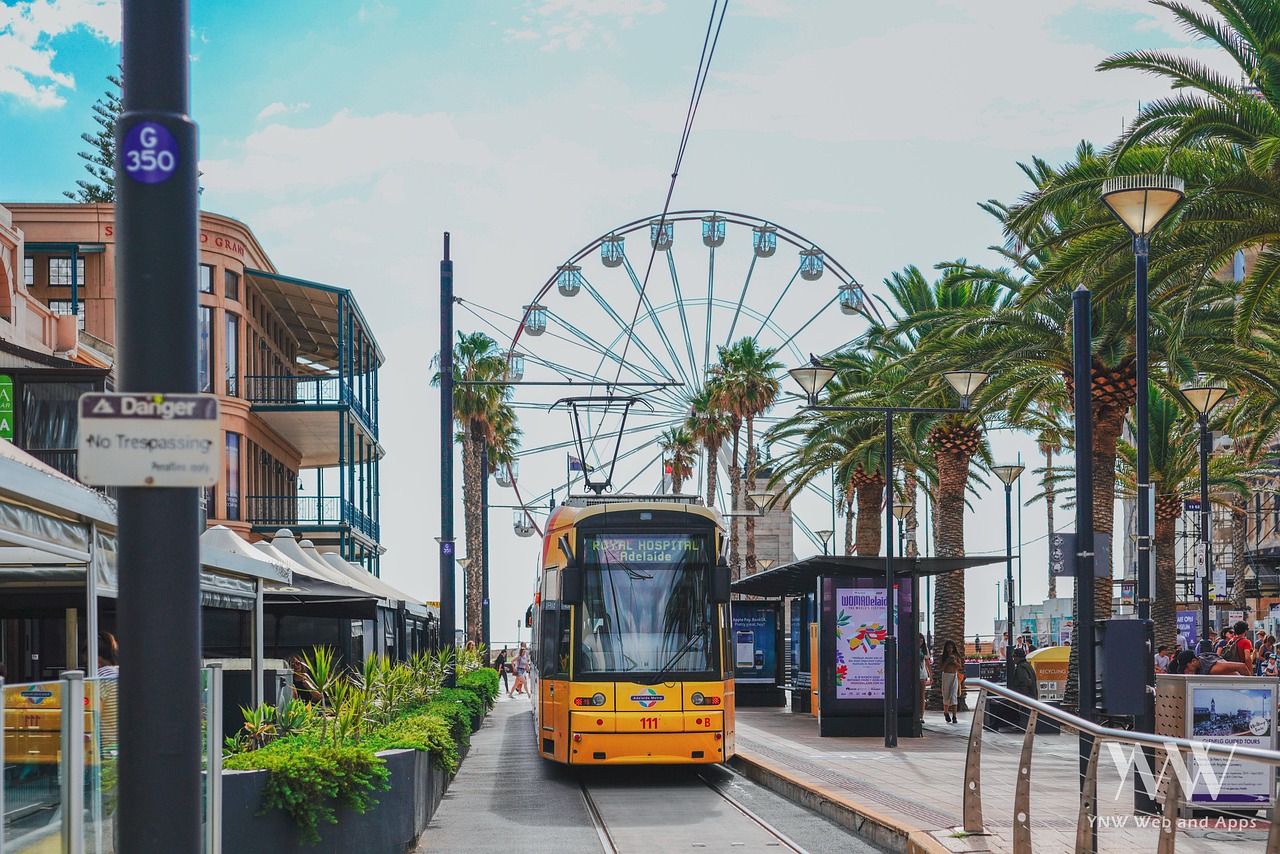
As housing prices and living expenses continue to climb in Australia’s major metropolitan centers, many residents, students, and new migrants are turning to smaller cities and regional hubs for relief. In 2026, affordability has become a key factor in relocation decisions, and several cities stand out for offering a high quality of life without the financial strain of Sydney or Melbourne.
Based on recent data from housing reports, migration trends, and cost-of-living indexes, here are the 10 most affordable cities to live in Australia in 2026, ranked by average rent, food costs, transport, and overall lifestyle value.
1. Adelaide, South Australia
Adelaide remains the most affordable capital city in Australia, offering a balanced lifestyle with cultural richness, excellent public transport, and low housing costs.
- Average weekly rent: AUD $420 for a 2-bedroom apartment
- Public transport: AUD $30/week with concession options
- Lifestyle perks: Wine regions, beaches, festivals, and a thriving arts scene
Adelaide’s affordability is especially attractive to students and retirees. The city also boasts strong healthcare infrastructure and a growing tech sector.
2. Hobart, Tasmania
Hobart offers a slower pace of life and stunning natural beauty, making it ideal for those seeking tranquility without sacrificing urban amenities.
- Average weekly rent: AUD $450
- Groceries and dining: 10–15% cheaper than mainland cities
- Unique appeal: Proximity to national parks, MONA museum, and clean air
While housing prices have risen slightly, Hobart remains budget-friendly compared to other capitals.
3. Darwin, Northern Territory
Darwin’s tropical climate and laid-back lifestyle make it a hidden gem for affordability.
- Average weekly rent: AUD $430
- Utilities: Lower than national average due to solar incentives
- Job market: Strong in mining, defense, and tourism
Darwin’s multicultural population and outdoor lifestyle attract both young professionals and families.
4. Cairns, Queensland
Cairns is a tourism hotspot that doubles as a cost-effective place to live, especially for those working in hospitality or remote industries.
- Average weekly rent: AUD $400
- Transport: Compact city layout reduces commuting costs
- Lifestyle: Gateway to the Great Barrier Reef and Daintree Rainforest
Cairns offers affordable living with access to world-class nature and adventure.
5. Ballarat, Victoria
Ballarat is a regional city with historical charm and modern amenities, just 90 minutes from Melbourne.
- Average weekly rent: AUD $380
- Education: Home to Federation University
- Community vibe: Strong local culture and family-friendly neighborhoods
Ballarat’s affordability and proximity to Melbourne make it ideal for commuters and students.
6. Toowoomba, Queensland
Known as the “Garden City,” Toowoomba offers low living costs and a strong sense of community.
- Average weekly rent: AUD $370
- Healthcare and education: Well-developed regional services
- Climate: Mild summers and cool winters
Toowoomba is popular among retirees and families seeking a peaceful lifestyle.
7. Launceston, Tasmania
Launceston combines heritage architecture with affordability, making it a top choice for creatives and remote workers.
- Average weekly rent: AUD $390
- Food and transport: Among the lowest in the country
- Natural beauty: Tamar Valley wine region and Cataract Gorge
Launceston’s charm and cost-effectiveness continue to attract new residents.
8. Bendigo, Victoria
Bendigo is a regional hub with a growing economy, especially in health and education.
- Average weekly rent: AUD $400
- Public transport: Reliable and inexpensive
- Cultural scene: Art galleries, festivals, and heritage sites
Bendigo offers a metropolitan feel without the Melbourne price tag.
9. Rockhampton, Queensland
Rockhampton is a regional city with affordable housing and strong employment in agriculture and mining.
- Average weekly rent: AUD $360
- Utilities and groceries: Below national average
- Outdoor lifestyle: Fishing, hiking, and riverfront parks
Rockhampton is ideal for those seeking affordability and access to nature.
10. Albury-Wodonga (NSW/VIC Border)
This twin-city region offers cross-border benefits and affordable living.
- Average weekly rent: AUD $370
- Transport and services: Shared infrastructure between NSW and VIC
- Community: Diverse population and growing job market
Albury-Wodonga is increasingly popular among remote workers and young families.
Comparison Table: Weekly Rent & Key Perks
| City | Avg Weekly Rent | Key Perks |
|---|---|---|
| Adelaide | $420 | Culture, transport, healthcare |
| Hobart | $450 | Nature, clean air, arts |
| Darwin | $430 | Tropical climate, job diversity |
| Cairns | $400 | Reef access, tourism jobs |
| Ballarat | $380 | History, proximity to Melbourne |
| Toowoomba | $370 | Gardens, family-friendly |
| Launceston | $390 | Wine region, heritage charm |
| Bendigo | $400 | Culture, regional economy |
| Rockhampton | $360 | Nature, mining/agriculture |
| Albury-Wodonga | $370 | Border benefits, growing market |
What Makes a City “Affordable”?
Affordability isn’t just about rent. Key factors include:
- Cost of groceries and dining
- Public transport and fuel prices
- Healthcare and education access
- Job opportunities and wage levels
- Community services and safety
Cities like Adelaide and Ballarat score well across all categories, making them ideal for long-term living.
Risks and Trade-Offs
While affordable cities offer financial relief, there are trade-offs:
- Limited job markets in smaller cities
- Fewer entertainment options compared to major capitals
- Slower public transport in regional areas
- Weather extremes (e.g., Darwin’s wet season, Hobart’s cold winters)
It’s important to weigh lifestyle preferences against budget constraints.
Who Should Consider Moving?
- Students: Lower rent and living costs make regional cities ideal for study
- New migrants: Easier visa pathways and community support
- Remote workers: Affordable housing with good internet access
- Retirees: Peaceful environments and healthcare access
Outlook for 2026 and Beyond
With inflation pressures and housing shortages in major cities, regional migration is expected to grow. Governments are investing in infrastructure and incentives to support decentralization.
Affordable cities like Adelaide, Ballarat, and Toowoomba are likely to see population growth, rising demand, and gradual increases in housing prices — making 2026 a smart time to relocate.



