
Business
Asian stocks fall after tech selloff, gold gains

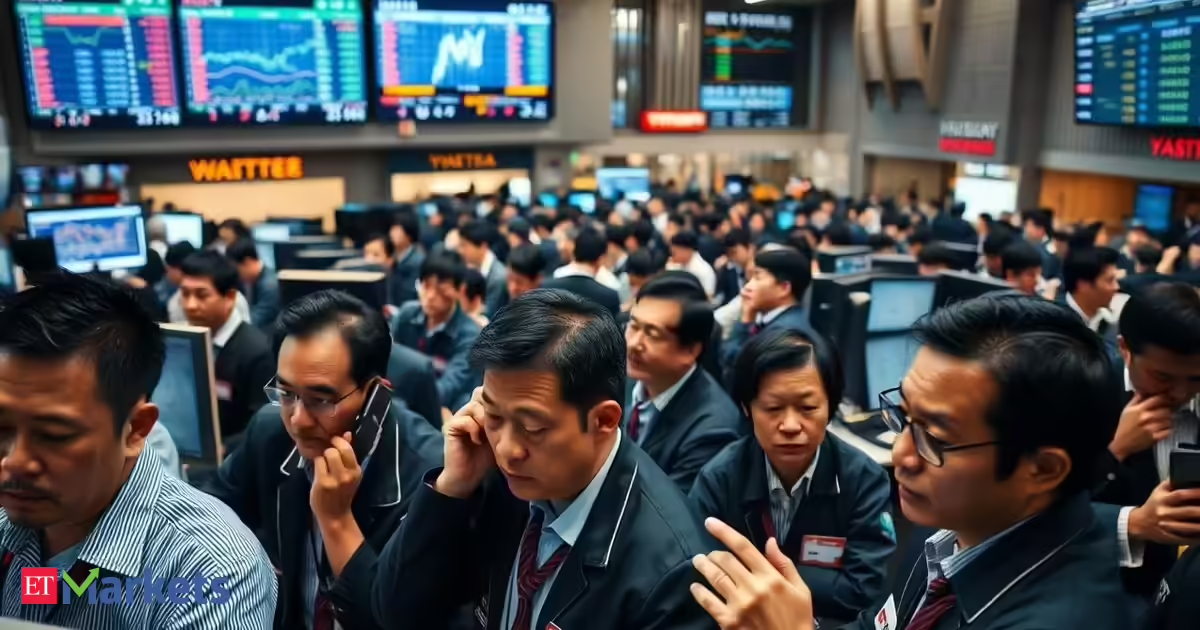
The MSCI Asia Pacific Index dropped 0.3% at the open. The Kospi Index in South Korea — a poster child for artificial intelligence investments and the best-performing index worldwide this year — led the losses, dropping 1.6%.
The Asian moves came after the Nasdaq 100 saw its worst two-day rout since October, breaching its 100-day moving average, a level seen by some technical analysts as a harbinger for more losses. Futures contracts for US gauges, however, rose 0.3% in early Asian trading, indicating selling pressure may be easing.
Elsewhere, gold and silver advanced, continuing their rebound from a historic plunge, while Bitcoin trimmed some of its losses. The yen was a touch weaker at 156.93 to a dollar on Thursday, extending its losses with elections in Japan set for the weekend. The Bloomberg Dollar Spot Index held its gains from the prior session.
The tech-heavy selloff reflected further concerns among investors regarding tech valuations, high levels of spending and the potential for AI to cannibalize established software business models. In tech-related earnings, Alphabet Inc. shares fell in extended trading after outlining an ambitious capital spending plan, while Arm Holdings Plc slipped post-market on a disappointing sales forecast, and Qualcomm Inc. gave a lackluster revenue outlook.

“There might be a glass half full and a glass half empty perspective on the moves here,” said Kyle Rodda at Capital.com. “On the one hand, tech stocks are potentially too richly valued. On the other hand, the strength in the market is broadening out in a sign of improving economic fundamentals.”
 Bloomberg
In other corners of the market, Bitcoin hovered near $73,000, with prediction traders betting the world’s most popular cryptocurrency will drop below $65,000. Treasuries were mixed on Wednesday, with the short-end of the curve rallying. The US two-year yield fell two basis points while the 10-year ended one basis point higher.
The pound and euro were steady ahead of interest rate decisions due later Thursday. The European Central Bank and Bank of England are expected to leave rates unchanged.
Meanwhile, clear signs of momentum behind the tech sell-off emerged. The iShares MSCI USA Momentum Factor ETF plunged 3.7%, while a Goldman Sachs Group Inc. basket that goes long high-beta momentum names and short the opposite tumbled 9.8%.
Rotation out of tech was the main theme during the US session and software firms saw another wave of selling, but moves were bigger in chipmakers. A Bloomberg gauge of the so-called Magnificent Seven companies fell 1.8%.
What Bloomberg strategists say…
What looks like a brutal equity rotation away from concentration is actually proving to be a bright spot for the broader market. US equities are experiencing a rotation that in the moment seems painful, but was ultimately inevitable.
— Brendan Fagan, Macro Strategist.
Traders are also paying attention to the moves in the precious metals. Gold and silver rose for a third consecutive day after retreating from a record on Friday.
Precious metals soared last month in a rally underpinned by speculative momentum, geopolitical upheaval and concerns about the Federal Reserve’s independence. The surge came to a sudden halt at the end of last week, with silver seeing its biggest ever daily drop on Friday and gold plunging the most since 2013.
Gold traded just above $5,000 an ounce and silver was about $89.
In the US, service providers saw the strongest back-to-back growth since 2024 as business activity picked up even as employment barely expanded. While companies added fewer jobs than expected, recent data has pointed to limited layoffs.
Elsewhere, US President Donald Trump and President Xi Jinping of China discussed trade and geopolitical flashpoints, including Taiwan, during a Wednesday call ahead of a planned face-to-face meeting later this year.
In commodities, oil fell for the first time in three days after Iran confirmed it would hold negotiations with the US, easing the immediate risk of military strikes against the OPEC producer.

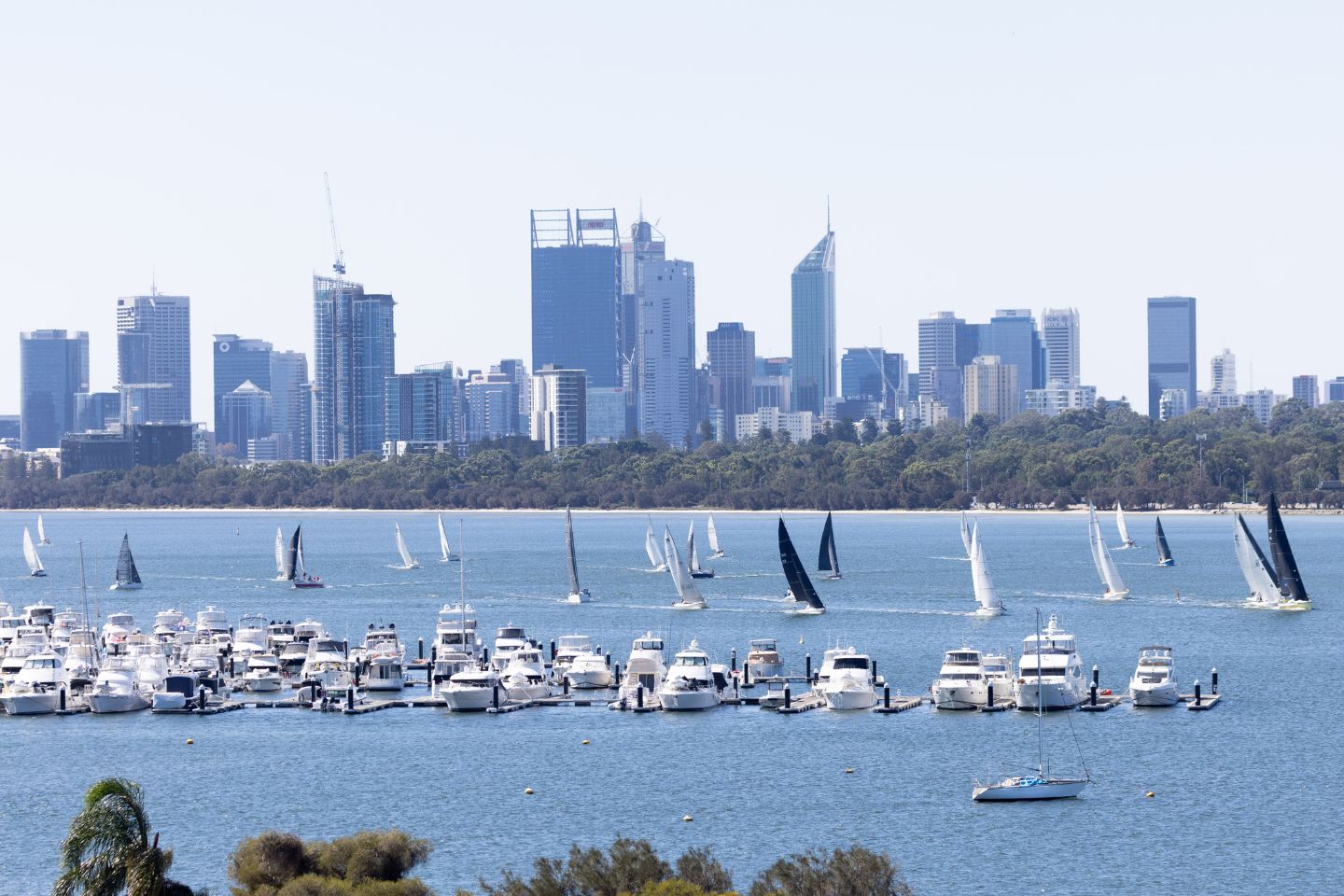
A spat over river views between owners of multi-million-dollar houses in Applecross has escalated to the state’s highest court.
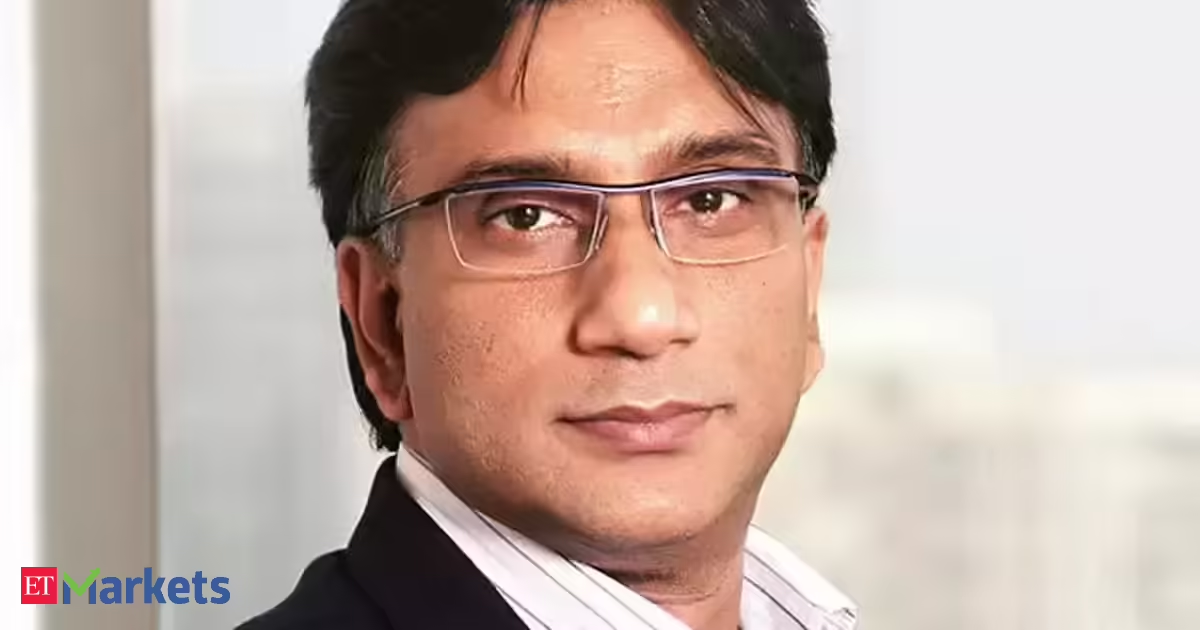
Speaking on the scale of the escalation, Aziz said, “Look, it is very difficult to say how bad or how big it is going to be or how long it is going to last.” He noted that while the recent spike in oil prices reflects rising market anxiety, “the spike in the oil market clearly shows you that the market is nervous… but that is not the story.” According to him, the global oil market has become increasingly fragmented, making widely tracked benchmarks less relevant for key economies. “The oil market has been fragmented completely… Brent reflects the Atlantic Basin, but countries like China and India depend on the Middle East,” he said, adding that regional benchmarks tell a more accurate story. “Oman and Dubai prices were already above 150… and the India basket was at $145,” Aziz pointed out, concluding that “we need to stop looking at Brent… Oman and Dubai prices are what really matter for Asian economies.”
On the US Federal Reserve’s policy outlook, Aziz pushed back against expectations of easing, maintaining that his view has consistently ruled out rate cuts this year. “We did not have a rate cut in 2026 in the beginning of the year and in fact, the next move would be a rate hike in 2027,” he said. He emphasized that this assessment is rooted in labour market dynamics rather than recent geopolitical developments. “This has nothing to do with the war… it was based on US labour market dynamics,” Aziz explained. Even modest job growth, he argued, could sustain inflationary pressures. “Even a modest improvement in jobs… will push wages up and keep inflation above 2%,” he said. He also highlighted a more cautious stance from the Fed on energy-driven inflation, noting that policymakers indicated they would not look through such price increases “too likely.”
Turning to bond markets, Aziz said the more important development is not just the rise in yields but the shift in expectations reflected in the yield curve. “The market took the Fed call in a hawkish tone… and flattened the curve,” he observed, adding that “it is the flattening… rather than the move up in the 10-year rate that is the bigger story.” As inflation concerns persist and hopes for rate cuts fade, he expects this trend to continue. “As hopes of rate cuts in 2026 fade… you are going to see much more flattening,” he said. Aziz also warned that if inflation becomes entrenched, it could start affecting demand. “If inflation becomes sticky… you are going to start seeing demand destruction,” he said, adding that even the anticipation of such a slowdown could influence market pricing. “In a demand destruction environment… it is hard to see the 10-year actually blow up,” he noted.
Overall, Aziz’s assessment points to a more complex global backdrop where traditional indicators may not fully capture underlying risks. With oil markets fragmenting, inflation staying persistent, and central banks remaining cautious, investors may need to look beyond surface-level signals to navigate the evolving landscape.
Business
Micron Technology, Inc. 2026 Q2 – Results – Earnings Call Presentation (NASDAQ:MU) 2026-03-19

Q2: 2026-03-18 Earnings Summary
EPS of $12.20 beats by $3.47
| Revenue of $23.86B (196.29% Y/Y) beats by $4.35B

Seeking Alpha’s transcripts team is responsible for the development of all of our transcript-related projects. We currently publish thousands of quarterly earnings calls per quarter on our site and are continuing to grow and expand our coverage. The purpose of this profile is to allow us to share with our readers new transcript-related developments. Thanks, SA Transcripts Team
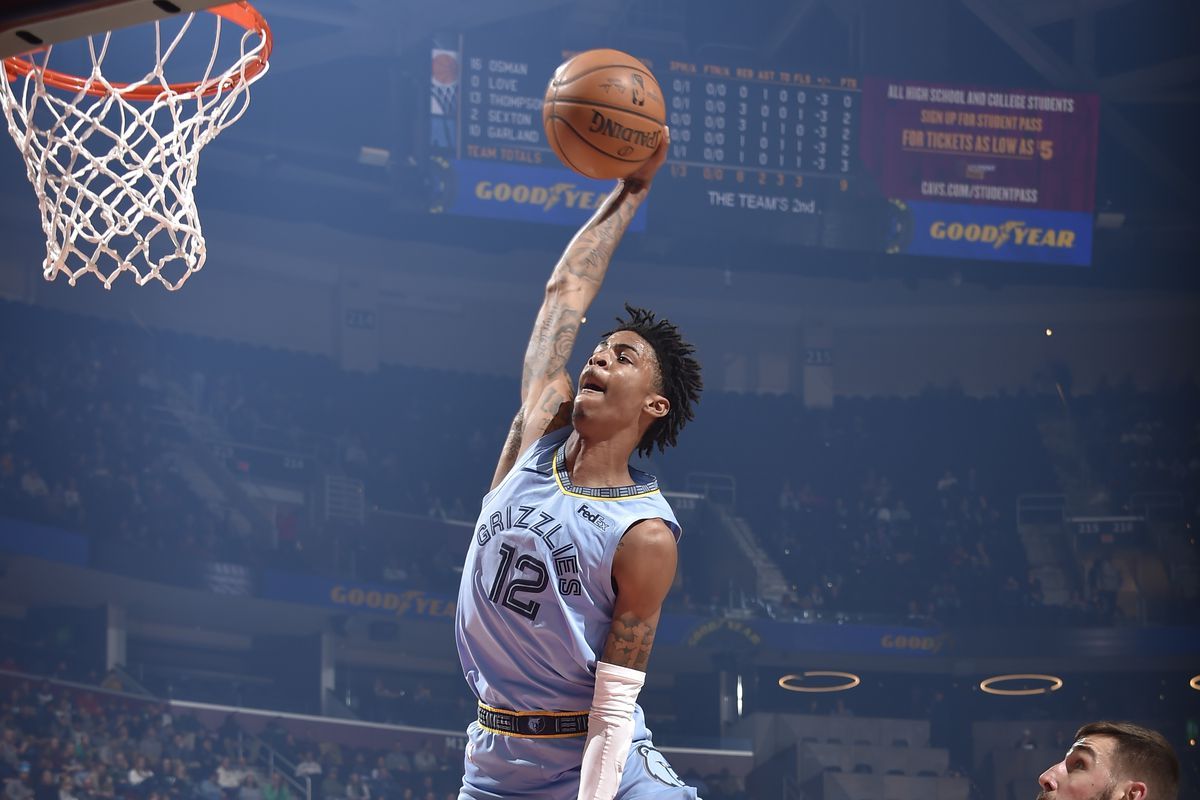
MEMPHIS, Tenn. — Nike Basketball and Memphis Grizzlies star Ja Morant have partnered with the iconic “Jurassic Park” franchise to launch a themed sneaker pack for the Nike Ja 3, blending cinematic nostalgia with high-performance basketball design.

The collaboration, unveiled in mid-March 2026, features two distinct colorways — the “Raptor” and “Explorer” — inspired by the 1993 Steven Spielberg film and its enduring legacy. The pack draws from Morant’s personal affinity for the movie series, channeling elements like Velociraptor motifs, amber fossils and classic park branding into the signature silhouette.
The Nike Ja 3 “Raptor” (style code IU7240-001) adopts a menacing anthracite base with yellow ochre and bright crimson accents, mimicking the scaly texture and predatory vibe of the film’s raptors. Jagged overlays fade from golden yellow to dark grey, evoking dinosaur skin, while red “blood” accents on the branding add intensity. The tongue features the classic Jurassic Park logo in red, and the insoles display a duo of Velociraptors — one per shoe — that combine for a full scene when paired.
The “Explorer” (IU7240-300) pays homage to the iconic Jurassic Park tour vehicles, with a tropical-inspired palette including green and earthy tones. Details replicate the truck’s rugged aesthetic, complete with park emblems and subtle nods to the film’s adventure elements.
Both pairs include collectible extras: custom graphic insoles forming a dinosaur panorama, amber egg-shaped hangtags preserving Morant’s logo like the movie’s DNA-trapped mosquito, and special packaging that extends the theme. The design continues the narrative-driven approach that has defined the Ja 3 line since its 2025 debut, with Morant emphasizing personal storytelling in his signatures.
The pack releases Friday, April 10, 2026, at 10 a.m. ET via Nike SNKRS, Nike.com and select retailers. Pricing starts at $135 for men’s sizes, $112 for big kids (GS) and $97 for little kids (PS). Full-family sizing ensures accessibility for collectors and young fans alike.
The collaboration arrives amid a strong rollout for the Ja 3, Morant’s third signature model. Since launching in August 2025, the shoe has gained traction for its low-to-the-ground feel, responsive cushioning and bold aesthetics tailored to Morant’s explosive style. Earlier 2026 drops included playful themes and homages, but the Jurassic Park pack stands out for its scale and cultural tie-in.
Morant, sidelined at times this season due to injuries, has remained a creative force off the court. He has teased unreleased Ja 3 looks on social media, building hype for upcoming releases. The “Jurassic Park” project marks one of his most ambitious co-design efforts, blending his love for the franchise with Nike’s storytelling expertise.
Sneaker enthusiasts and film fans have reacted positively to the reveal, with early images generating buzz on platforms like Instagram and X. Commentators praise the attention to detail — from the amber hangtag to the combined insole art — as elevating the pack beyond typical athlete collabs.
The drop aligns with broader trends in basketball footwear, where narrative-driven partnerships increasingly dominate. Nike’s success with licensed IP collaborations, including past film and pop culture tie-ins, positions this pack for strong demand.
As April 10 approaches, anticipation builds for what could be one of the standout releases of 2026. For Morant, the project reinforces his influence in sneaker culture, extending his impact beyond the hardwood.
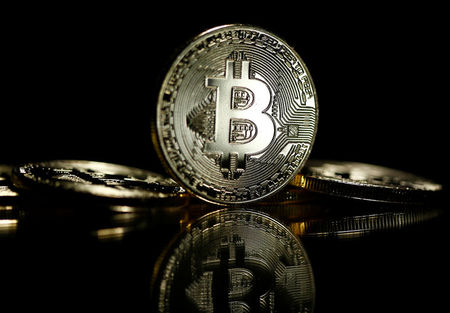
Bitcoin price today: slides below $71k as traders pare Fed cut bets

The state government has appointed a state fuel controller to oversee the distribution of petrol and diesel supplies, particularly to the regions, where shortages are becoming more evident.
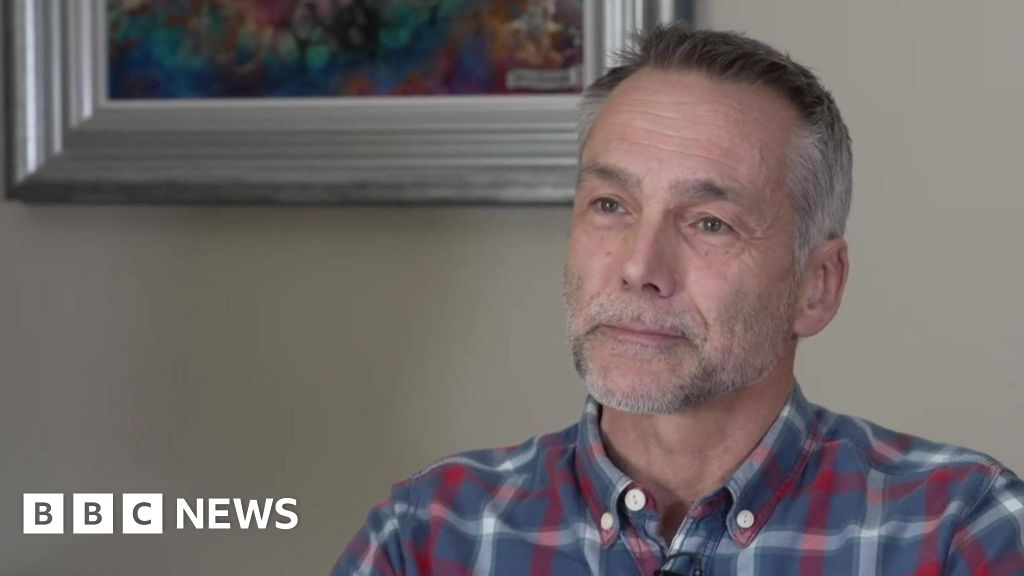
Lawrence Salvoni worries not only about the price he has to pay, but the security of his supply.
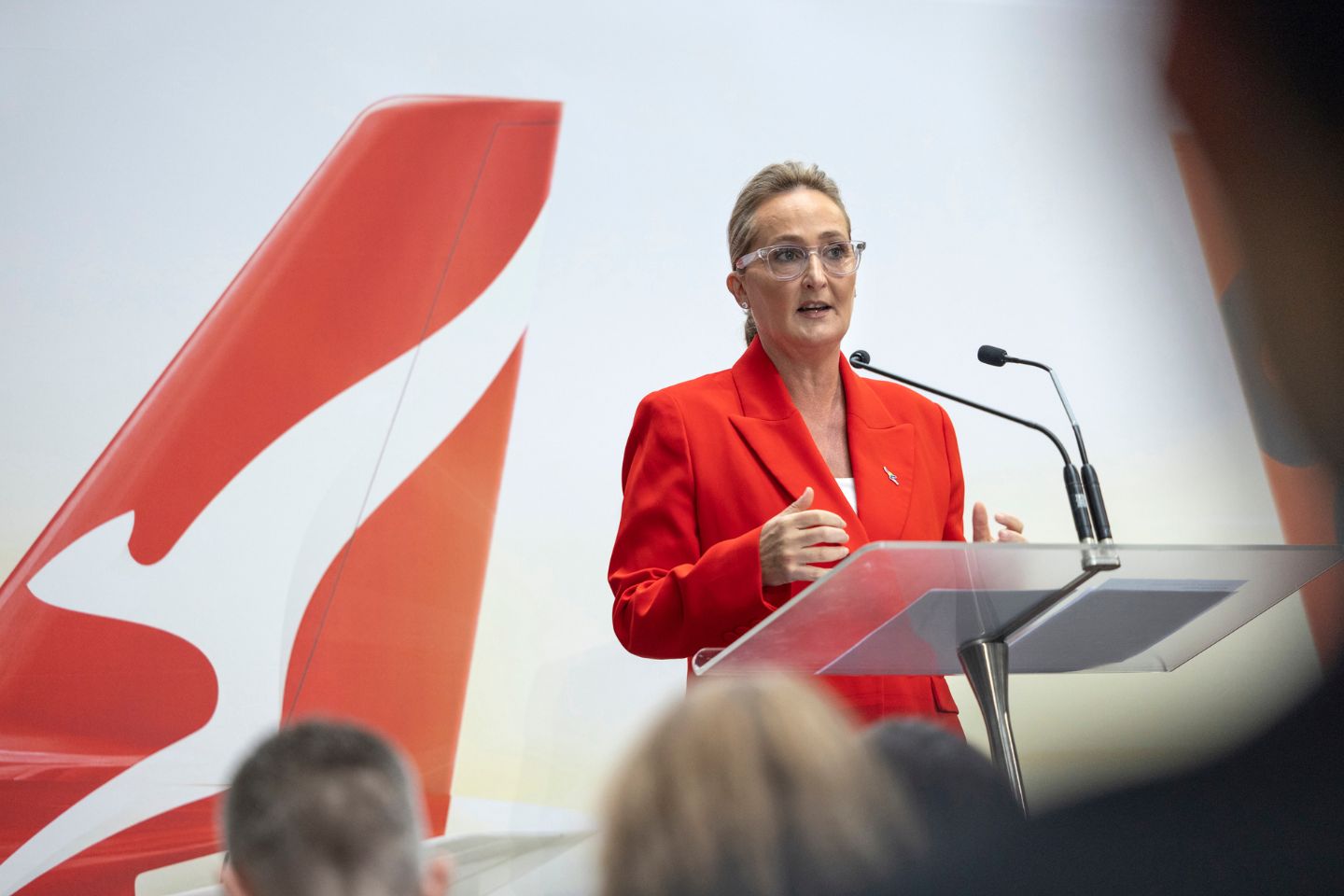
Qantas Group reports $1.46b profit and announces sweeping reset for Frequent Flyer program.

The scheme provides £500 to support low-income families welcoming a new baby in the London borough.
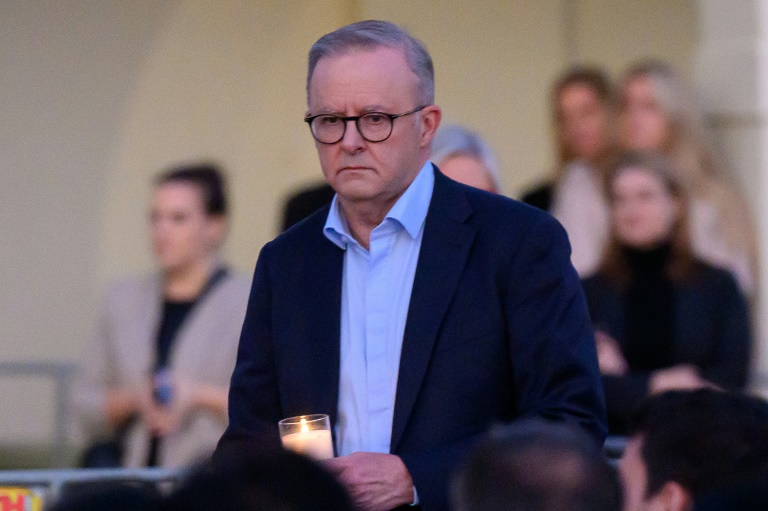

Prime Minister Anthony Albanese is assuring Australians that the country’s fuel supply is secure amidst the ongoing Iran war.
His assurance comes as the Australian Competition and Consumer Commission (ACCC) announced that it will be investigating the country’s major fuel suppliers.
Fuel Supply Is Secure, Says Albanese
According to a report by Sky News, Albanese has reminded Australians to only take fuel that they need and avoid hoarding.
“I want to assure Australians at this time that Australia is well prepared. Our fuel supply is currently secure. However, I want us to be over prepared,” said the prime minister.
“I reiterate today my message to Australians is please do not take more fuel than you need,” he added. “That is how you can help. That is the Australian way.”
Albanese has also assured that more measures that will help Australians will be announced in the coming days
ACCC Announces Investigation on Major Fuel Suppliers
His comments come just as the ACCC announced that it is investigating major fuel suppliers in the country over alleged anti-competitive conduct. Albanese has confirmed that the investigation has been launched and that he is aware of it.
According to The Guardian, among the major fuel suppliers that will be investigated are Ampol, BP, Mobil and Viva Energy.
As part of the investigation, the ACCC will look into reports about diesel availability for independent wholesalers and distributors in regional and rural parts of the country.
“It is not our usual practice to publicly announce investigations, but given the significance of the issue, the ACCC is confirming this enforcement investigation,” ACCC Chair Gina Cass-Gottlieb said in a statement.
“It is important that fuel market participants and the community know that we are closely watching market conduct in relation to all fuels and we will not hesitate to act swiftly to enforce Australia’s competition and consumer laws,” she added.

XRP Is Sinking Because Of This “Surpise!”

Kids as young as nine being locked up for their own safety, warns head of secure education facility

Applecross resident sues neighbour over alleged blocked river views


-
 Crypto World5 days ago
HYPE Token Enters Net Deflation as HyperCore Buybacks Outpace Staking Rewards
-

 Tech3 days ago
Your Legally Registered ‘Motorcycle’ Might Not Count Under Proposed US Law
-

 Fashion6 days ago
Weekend Open Thread: Addict Lip Glow
-
 Tech2 days ago
Are Split Spacebars the Next Big Gaming Keyboard Trend?
-
Sports5 days ago
Why Duke and Michigan Are Dead Even Entering Selection Sunday
-

 Business4 days ago
Search for Savannah Guthrie’s Mother Enters Seventh Week with No Arrests
-

 Business5 days ago
US Airports Launch Donation Drives for Unpaid TSA Workers as Partial Government Shutdown Enters Fifth Week
-
Crypto World5 days ago
Coinbase and Bybit in Investment Talks: Could Bybit Finally Enter the US Crypto Market?
-

 Business3 days ago
Australian shares drop as Iran war enters third week
-

 Business5 days ago
Country star Brantley Gilbert enters growing non-alcoholic beer market
-

 Crypto World3 days ago
Crypto Lender BlockFills Enters Chapter 11 with Up to $500M in Liabilities
-

 Sports5 days ago
College Basketball Best Bets: Conference Tournament Semifinal Picks
-

 Politics22 hours ago
The House | The new register to protect children from their abusers shows Parliament at its best
-

 Business6 days ago
Trump demands Powell cut rates as Iran conflict raises energy prices
-

 Fashion3 days ago
25 Celebrities with Curly Hair That Are Naturally Beautiful
-

 News Videos14 hours ago
RBA board divided on rate cut, unusually buoyant share market | Finance Report | ABC NEWS
-

 Crypto World6 days ago
Senate Votes to Include CBDC Ban in Bipartisan Housing Bill
-

 NewsBeat6 days ago
Deane Road crash near Bolton colleges and university
-

 News Videos6 days ago
Tom Lee: The 100x Opportunity EVEN Bigger Than Bitcoin (New Ethereum Prediction 2026)
-

 Crypto World14 hours ago
Canada’s FINTRAC revokes registrations of 23 crypto MSBs in AML crackdown


You must be logged in to post a comment Login