
Business
Bank of Thailand Lowers Policy Rate to 1.25% Amid Economic Pressures

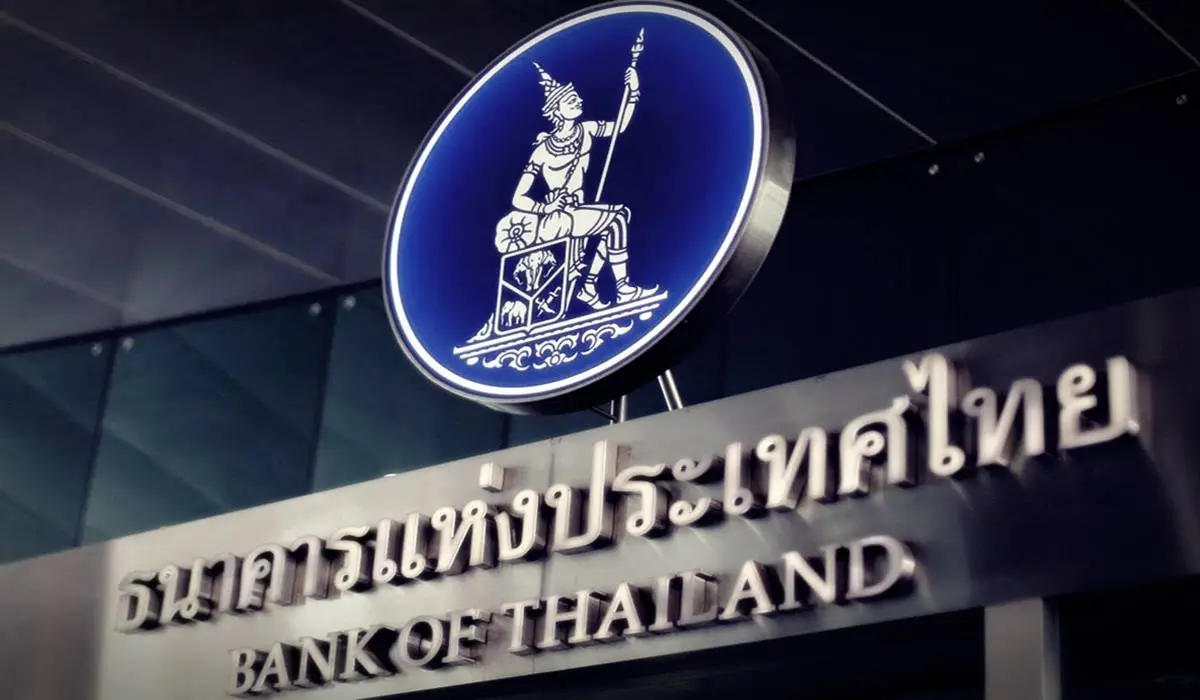
The Bank of Thailand has lowered its benchmark interest rate to 1.25%, the country’s lowest level since 2022, in a bid to shore up a slowing economy and counter persistent currency strength. The Monetary Policy Committee (MPC) voted unanimously on Wednesday to cut the one‑day repurchase rate by 25 basis points, marking the third reduction in just over a year.
The move was widely anticipated, with 23 of 24 economists surveyed by Bloomberg predicting a cut. Policymakers cited weakening domestic demand, softer export performance influenced by U.S. trade policies, and temporary disruptions in manufacturing as key pressures weighing on growth.
The Thai baht has appreciated against the U.S. dollar, ranking among the strongest in the region, following changes in market expectations regarding the U.S. Federal Reserve’s policy interest rate outlook and Thailand-specific factors.
The central bank now forecasts GDP expansion of 2.2% in 2025, slowing to 1.5% in 2026 before recovering modestly to 2.3% in 2027. Tourism remains uneven, particularly among short‑haul markets, while recent flooding in southern Thailand has added to near‑term economic drag.
The committee cited slowing economic growth and subdued inflation as key factors influencing their decision. By lowering the rate, the central bank aims to stimulate borrowing and investment, supporting overall economic activity. Analysts believe this move signals the bank’s commitment to maintaining a pro-growth stance amid global economic uncertainties.
Key Points
1. Policy Rate Cut
- The MPC unanimously cut the policy rate by 0.25 percentage points, from 1.50% to 1.25%, effective immediately.
- The decision aims to support economic recovery amid slowing growth and rising risks.
2. Economic Outlook (2025–2027)
- Growth projections: 2.2% in 2025, 1.5% in 2026, 2.3% in 2027.
- The economy is slowing due to:
- Weaker private consumption
- U.S. trade policy impacts on exports
- Temporary manufacturing disruptions
- Fewer short‑haul tourists
- Flooding in southern Thailand
- Recovery expected in 2027 but still below potential, with services leading growth.
3. Inflation Trends
- Headline inflation revised down to -0.1% (2025), 0.3% (2026), 1.0% (2027).
- Inflation remains subdued due to:
- Lower global energy prices
- Government subsidies
- Weak demand
- Deflation risk considered low, but the MPC will monitor closely.
Inflation is expected to remain subdued, with headline inflation revised down to –0.1% for 2025, rising gradually to 1.0% by 2027. Officials attribute the muted price environment to lower global energy costs, ongoing government subsidies, and weak consumer demand. While the MPC sees limited risk of deflation, it pledged to monitor price dynamics closely.
Analysts say the rate cut underscores the central bank’s commitment to supporting growth amid global uncertainty. By easing borrowing costs, the MPC aims to stimulate investment and consumption while complementing broader government measures designed to revive momentum in Southeast Asia’s second‑largest economy.



