Connect with us

Business

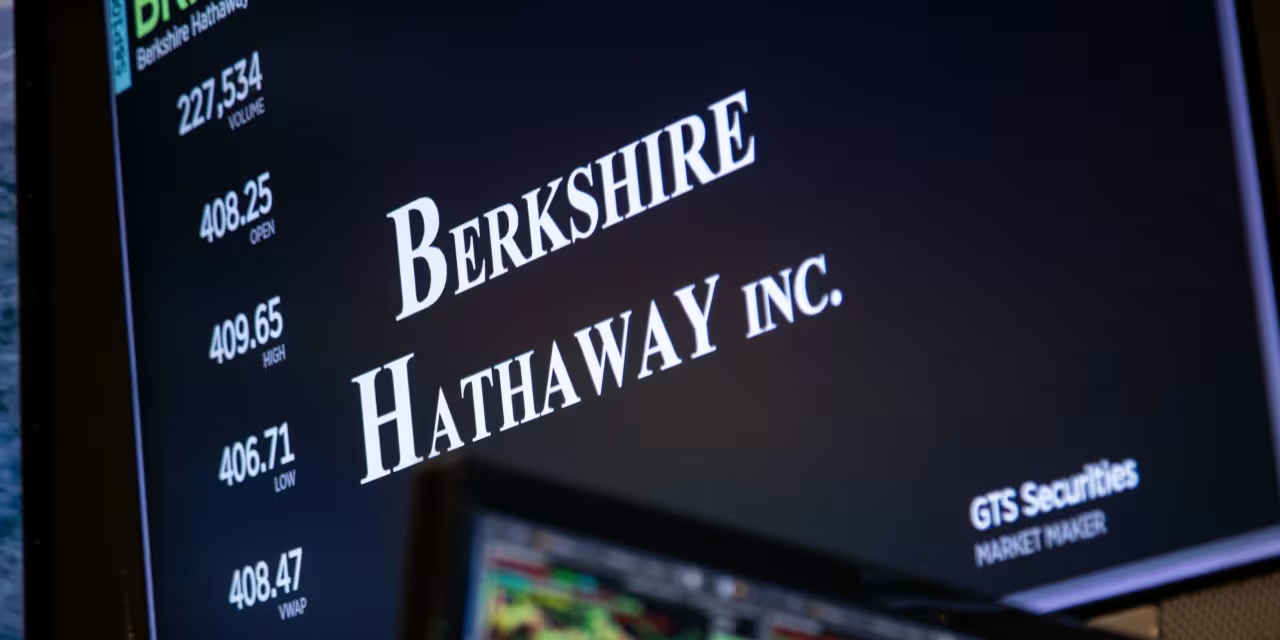
Berkshire Hathaway Operating Earnings Fell 30% in Fourth Quarter. There Were No Stock Buybacks.

Published

on

Berkshire Hathaway Operating Earnings Fell 30% in Fourth Quarter. There Were No Stock Buybacks.
Continue Reading
Click to comment

Leave a Reply

Your email address will not be published. Required fields are marked *

Business

Suspect Identified in Austin Bar Shooting That Killed 2, Injured 14

Published

on

AUSTIN, Texas — Authorities have identified the gunman in a deadly mass shooting early Sunday outside Buford’s Backyard Beer Garden on West Sixth Street as 53-year-old Ndiaga Diagne, a naturalized U.S. citizen originally from Senegal, as the FBI investigates possible ties to terrorism amid reports the suspect wore clothing featuring an Iranian flag and phrases like “Property of Allah.”

Austin Texas Shooting: Suspect Identified in Austin Bar Shooting That
Austin Texas Shooting: Suspect Identified in Austin Bar Shooting That Killed 2, Injured 14

Diagne, who lived in Pflugerville, a suburb north of Austin, opened fire just before 2 a.m. local time on March 1, 2026, using both a pistol and a rifle, according to Austin Police Chief Lisa Davis. He drove past the popular beer garden multiple times in an SUV before stopping, firing shots from the vehicle window at people on the patio and sidewalk, then exiting to continue the attack. Responding officers, already positioned nearby in the bustling nightlife district, confronted him at an intersection and fatally shot him, ending the rampage.

The incident left two civilians dead at the scene and 14 others wounded, three of whom were in critical condition Sunday morning, per Austin-Travis County EMS Chief Robert Luckritz. Paramedics arrived within 57 seconds of the initial 1:59 a.m. call, treating 17 patients total. Three were pronounced dead on site, including Diagne.

The FBI has joined the investigation, citing “indicators of potential ties to terrorism,” though officials stressed it remains too early for a definitive motive determination. A law enforcement source told The Associated Press that Diagne’s clothing included an Iranian flag emblem and declarations of “Property of Allah,” raising questions about ideological motivations amid heightened U.S.-Iran tensions following recent military escalations in the Middle East.

Diagne immigrated to the U.S. in 2006 and became a naturalized citizen in 2012, according to federal sources and media reports. Austin police officially confirmed his identity Sunday evening and released a photo of the suspect. No criminal history or prior law enforcement interactions were immediately detailed.

Advertisement

Witnesses described chaos and “pandemonium” as gunfire erupted in the crowded entertainment district, a vibrant strip of bars, music venues and restaurants near the University of Texas campus. One bystander captured video of the final moments, showing officers engaging the armed suspect as he approached with his weapon raised. People fled in panic, with some hiding behind vehicles or inside nearby establishments.

University of Texas President Jim Davis confirmed students were among those affected, though specific details on their conditions were not released. The campus community expressed grief and support for victims.

Texas Gov. Greg Abbott ordered increased patrols and surveillance statewide in response. “We will not be intimidated, and we will not be terrorized,” he said in a statement. Local leaders, including U.S. Rep. Greg Casar, D-Austin, condemned the violence and called for swift justice.

The rapid police response drew praise from Austin Mayor Kirk Watson, who credited officers and first responders with saving lives. Officers transitioned quickly from routine patrols to confront the active shooter, firing after Diagne refused to drop his weapon.

Advertisement

The shooting occurred outside Buford’s, not inside, sparing patrons from direct entry by the gunman. The bar, a roadhouse-style spot known for its outdoor space, was packed with weekend crowds typical of Sixth Street’s lively scene.

Blood donations surged in response, with South Texas Blood & Tissue rushing 20 units from San Antonio to Austin hospitals. Community leaders urged continued support for victims and families.

The incident adds to a string of gun violence tragedies in Texas and nationwide, renewing debates over public safety in nightlife areas and access to firearms. No immediate legislative proposals emerged Sunday, but officials promised a thorough review.

The FBI’s terrorism probe will examine Diagne’s background, online activity, travel history and potential connections to extremist ideologies or foreign influences. Investigators recovered the suspect’s weapons and vehicle for forensic analysis.

Advertisement

As of Monday afternoon local time, three victims remained in critical condition, while others stabilized. Identities of the deceased civilians have not been released pending family notifications.

Authorities continue to urge anyone with information or video footage to contact the Austin Police Department or FBI tip lines. The scene on West Sixth Street remained cordoned off for evidence collection into Sunday evening.

The tragedy has shocked Austin, a city often ranked among the safest large U.S. metros, and highlighted vulnerabilities in crowded public spaces amid global geopolitical strains.

Advertisement

Continue Reading

Business

Exxon Mobil Stock Rallies on Oil Price Surge Amid U.S.-Iran Conflict Escalation

Published

on

Logo of the Exxon Mobil Corp is seen at the Rio Oil and Gas Expo and Conference in Rio de Janeiro

Shares of Exxon Mobil Corp. (NYSE: XOM) climbed sharply in early trading Monday as escalating U.S.-Iran military conflict drove oil prices higher, boosting prospects for the world’s largest publicly traded oil company amid fears of supply disruptions in the Middle East.

Exxon Mobil stock opened higher and traded around $160-$161 in pre-market and early sessions on March 2, 2026, reflecting gains of 4-5% or more from Friday’s close of $152.50. The advance came after Brent crude surged as much as 10-13% toward $80 per barrel and West Texas Intermediate rose over 8% to near $73, triggered by attacks on ships near the Strait of Hormuz and broader regional strikes. Energy stocks broadly outperformed as investors sought hedges against geopolitical risks.

Logo of the Exxon Mobil Corp is seen at the Rio Oil and Gas Expo and Conference in Rio de Janeiro
Logo of the Exxon Mobil Corp

The rally marks a reversal from recent concerns over potential oil price softness in 2026. The U.S. Energy Information Administration had forecast WTI averaging $53.42 per barrel next year, down from $65.40 in 2025, due to rising inventories. But the sudden conflict has injected a substantial risk premium, with analysts warning prices could hit $100 or more if disruptions persist.

Exxon Mobil, with vast upstream operations in the Permian Basin and Guyana, stands to benefit directly from elevated crude values. The company’s integrated model — spanning exploration, production, refining and chemicals — provides resilience, though refining margins could face pressure if product demand softens amid economic fallout from higher energy costs.

Friday’s close at $152.50 represented a 2.67% gain on heavy volume of over 30 million shares, capping a strong February where the stock hit a 52-week high near $157. Year-to-date performance remains robust, with shares up significantly from 2025 lows around $98, driven by solid fundamentals and shareholder returns.

Advertisement

The company’s latest earnings, reported Jan. 30 for the fourth quarter of 2025, showed adjusted earnings per share of $1.71, beating estimates of $1.63. Full-year 2025 earnings totaled $28.8 billion, down from 2024 but supported by advantaged volumes and cost savings. Exxon distributed $37.2 billion to shareholders in 2025, including $17.2 billion in dividends — the second-highest among S&P 500 firms — and $20 billion in buybacks. It plans similar repurchases through 2026.

Dividend yield hovers around 2.7%, with the quarterly payout at $1.03 per share (annualized $4.12). The ex-dividend date for the most recent was Feb. 12, 2026, with payment on March 10.

Analyst sentiment remains mixed. Consensus price target sits around $140-$142, implying modest downside from recent levels, with ratings averaging “Hold.” High targets reach $171, while lows are $111. Firms like Wells Fargo maintain “Overweight” at $156-$183, citing strong assets and low-carbon initiatives. However, some flag overvaluation if oil prices revert lower post-conflict.

Exxon advances low-carbon efforts, targeting multiple carbon capture startups in Texas and Louisiana in 2026, plus first LNG from Golden Pass in March. These add long-term optionality amid energy transition pressures.

Advertisement

Market cap exceeds $635 billion, with a P/E ratio near 22.8 based on trailing EPS of $6.69. Beta of 0.35 reflects lower volatility than the broader market.

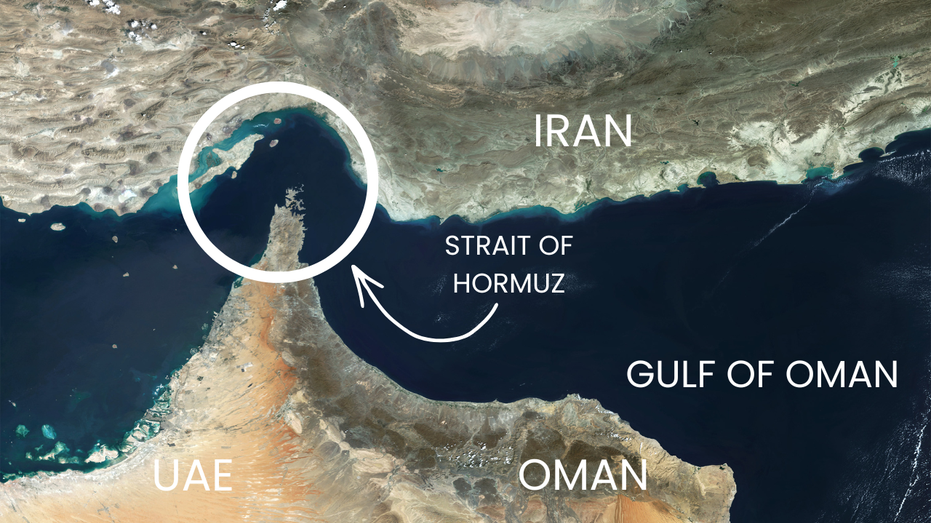
The Iran conflict dominates near-term sentiment. U.S. and Israeli strikes, including the reported killing of Iran’s Supreme Leader, prompted Iranian retaliation hitting Gulf infrastructure and shipping. The Strait of Hormuz — handling 20% of global oil — faces effective disruptions from tanker halts and insurance withdrawals.

Energy analysts note Exxon’s low-cost production and balance sheet strength position it well for sustained higher prices. Upstream earnings could surge, offsetting potential downstream weakness.

Broader markets opened lower Monday, with S&P 500 futures down 1-1.5% as risk-off flows favored safe havens like gold and the dollar. Airlines and consumer stocks faced pressure from higher fuel costs.

Advertisement

Exxon executives, including Senior VP Jack Williams, are scheduled to speak at the Morgan Stanley Energy & Power Conference March 3 in New York, potentially providing updates on operations and outlook.

Investors monitor conflict developments closely. A quick de-escalation could pull oil prices back, pressuring shares; prolonged tensions favor energy majors like Exxon.

Next earnings report is expected May 1, 2026, for Q1, with consensus EPS around $1.53.

As geopolitical risks reshape energy markets, Exxon Mobil remains a bellwether for oil sector performance, blending traditional strengths with strategic diversification.

Advertisement
Continue Reading

Business

(VIDEO) President Donald Trump Predicts Iran Conflict Could Last ‘Four Weeks or Less’

Published

on

President Donald Trump's inner circle has long spoken of China as the arch-enemy, with some suggesting that ending the Ukraine war will free up resources to counter Beijing

WASHINGTON — President Donald Trump said Sunday the U.S.-led military operation against Iran could last “four weeks or less,” describing it as a planned, time-limited campaign even as strikes escalated into a third day and Iranian retaliatory attacks spread to Israel, Gulf states and U.S. assets, killing American troops and prompting fears of a broader regional war.

President Donald Trump's inner circle has long spoken of China as the arch-enemy, with some suggesting that ending the Ukraine war will free up resources to counter Beijing
AFP

In multiple interviews and statements over the weekend, Trump outlined a four-week timeline for achieving U.S. objectives, which he has not fully detailed but appear to include degrading Iran’s military capabilities, nuclear infrastructure and leadership following the killing of Supreme Leader Ayatollah Ali Khamenei in the opening salvos Saturday.

“It’s always been a four-week process,” Trump told the Daily Mail in a phone interview. “We figured it will be four weeks or so. It’s always been about a four-week process so — as strong as it is, it’s a big country — it’ll take four weeks, or less.” He offered similar assessments to The New York Times, suggesting four to five weeks if needed, and emphasized the operation — dubbed “Operation Epic Fury” in some reports — was “ahead of schedule” and proceeding with “heavy and pinpoint bombing” that would continue uninterrupted.

Trump released a video address on Truth Social acknowledging the first U.S. casualties: three service members killed and five seriously wounded, likely in Kuwait where American forces are based. “We pray for the full recovery of the wounded and send our immense love and eternal gratitude to the families of the fallen,” he said. “And sadly, there will likely be more before it ends. That’s the way it is.”

The Pentagon confirmed the deaths Sunday, marking the initial American losses in the conflict that began with massive U.S. and Israeli airstrikes targeting Revolutionary Guard facilities, air defenses, naval assets and nuclear-related sites. Iranian state media reported hundreds killed domestically, including 555 cited by the Red Crescent, with Natanz among sites hit.

Advertisement

Iran responded with waves of missiles and drones targeting Israel, U.S. allies in the Gulf and American installations. Explosions rocked Dubai, Abu Dhabi and Doha, while Israel reported intercepting barrages and retaliating against Hezbollah in Lebanon after the Iran-backed group fired rockets, ending a fragile truce. Beirut’s southern suburbs saw heavy Israeli strikes, killing at least 31 and injuring 149, per Lebanese authorities.

In Kuwait, officials reported several U.S. warplanes crashing, with crews surviving, amid drone interceptions. A U.S. Embassy compound in Kuwait was reportedly hit. Saudi Arabia’s Ras Tanura refinery sustained damage from a related incident, further disrupting energy flows.

Trump reiterated openness to talks but expressed skepticism. “They want to talk, and I have agreed to talk,” he told one outlet, though an Iranian security adviser declared no negotiations with the U.S. would occur. Trump called on Iranian generals to “hand power to the nation’s people” or adopt a compliant model like post-Maduro Venezuela, offering contradictory visions of regime change or managed transition.

The escalation has widened dramatically. Hezbollah vowed to confront U.S. and Israeli “aggression,” launching projectiles that prompted Israeli warnings of prolonged fighting. Protests erupted in some Iranian cities denouncing the war, while others celebrated Khamenei’s death amid uncertainty over succession.

Advertisement

Oil prices surged amid fears of Strait of Hormuz disruptions, with tanker traffic halted and Gulf airspace largely closed, stranding travelers and crippling aviation hubs like those in Abu Dhabi, Dubai, Kuwait and Bahrain.

Critics, including some in Congress and analysts, questioned the lack of a clear endgame or exit strategy, warning the conflict could drag on far beyond Trump’s estimate and suck the U.S. into a quagmire. “Where does this go?” one observer asked, noting Iran’s size, proxies and alliances with Russia and others complicate a quick resolution.

Trump dismissed such concerns, insisting ample munitions and forces would sustain intensity without difficulty. He threatened overwhelming response if Iran escalated further, posting on Truth Social: “THEY BETTER NOT DO THAT… BECAUSE IF THEY DO, WE WILL HIT THEM WITH A FORCE THAT HAS NEVER BEEN SEEN BEFORE!”

The operation’s third day saw continued U.S.-Israeli airstrikes on Iran, with Israel expanding to Hezbollah targets in Lebanon. Iran launched fresh missile volleys at Israel, described by its military as “opening the great gates of fire.”

Advertisement

Global responses varied: allies expressed support for defending against Iranian threats, while others urged de-escalation. The U.N. Security Council remained deadlocked.

As combat rages, Trump’s timeline offers a benchmark amid mounting casualties and regional chaos. Whether the conflict resolves in weeks or expands remains uncertain, with the Middle East on edge and global markets reacting sharply.

Advertisement

Continue Reading

Business

Swiss National Bank raises willingness to counter franc’s ’excessive’ appreciation

Published

on

Swiss National Bank raises willingness to counter franc’s ’excessive’ appreciation


Swiss National Bank raises willingness to counter franc’s ’excessive’ appreciation

Continue Reading

Business

Cardiff Capital Region equity fund backs the growth of energy innovation firm Sero

Published

on

Business Live

Sero is looking to scale up with a contracted pipeline to improve the energy efficiency of a further 10,000 homes

Sero founders left to right Andy Sutton and James Williams.

The Cardiff Capital Region’s £50m equity fund has made its latest investment backing the growth plans of energy innovation venture Sero.

The Cardiff-based firms works with local councils and housing associations to provide energy services and retrofit in up to 2,500 homes, with a further contracted pipeline of up to 10,000 homes. It operates across South Wales, the south west and southern England and London.

The company blends retrofit and energy expertise with proprietary technology that spans strategy support to ongoing energy management services.

The region, through its Innovation Investment Capital (IIC) fund, which is managed by Capricorn Fund Managers, has not disclosed the value of its investment into Sero. Around half of the £50m has already been invested in firms across the region, including Mazuma, Space Forge and Transcend Packaging. A sixth deal, in a co-investment, will be confirmed shortly.

Advertisement

READ MORE: Welsh fintech firm Delio Wealth looking to expand on its acquisition by US firmREAD MORE: Swansea Council to fight WRU in court as announcement escalates Welsh rugby war

The funding round is the latest for Sero and builds on a £6m investment from Cardiff-based bank Hodge and Legal & General Capital in 2023.

James Williams, Sero chief executive, said: “IIC’s investment is a vote of confidence in Sero’s vision and technology and was driven by a clear alignment between CCR and Sero, which both share the aim of using innovative solutions to drive down bills, cut carbon emissions and deliver better, more comfortable homes for residents. With this support, we will accelerate deployment of our energy-efficiency solutions, deepen partnerships with housing providers and unlock new pathways for sustainable growth.”

Kellie Beirne, chief executive of the Cardiff Capital Region – a statutory body covering the ten local authorities of south-east Wales said: “Supporting Sero reflects strategic backing of our local companies that leverage innovation to deliver strong commercial and societal outcomes.

Advertisement

“Sero’s growth trajectory, rooted in technology and its contribution to improving the energy efficiency of housing stock, makes it a compelling story. We are proud to back a business that not only drives economic value but also supports meaningful climate action and community benefit in our region.”

Lynda Stoelker, Capricorn Fund Managers’ chief operating officer and chair of the IIC investment committee, added: Sero fits well within the IIC’s investment philosophy, combining sustainable technology, scalable growth potential and a mission-centric business model. We see this investment as a strong strategic and financial fit that contributes to regional development and decarbonisation objectives.”

Professional advisory firm PwC advises the fund with investment research and sourcing. Rob Asplin, PwC partner, said: “Sero was recognised as an investment opportunity for the fund due to its blend of technology-enabled solutions, strong leadership and robust market opportunity within the energy efficiency and retrofit sector. These qualities align with the fund’s investment criteria and its mandate to help scale regional innovators with the potential to deliver measurable impact.”

Hugh James provided legal advise to the fund on the deal. Gerallt Jones, partner and head of corporate/commercial for the Cardiff headquartered firm, said; ““The IIC investment in Sero highlights the strong investor confidence in innovative businesses that are delivering scalable, sustainable solutions in the Cardiff Capital Region. IIC has become a key player in the investment landscape and we are delighted to have worked with the team on another significant investment in a business contributing to the economic growth of the region.”

Advertisement
Continue Reading

Business

CBI Survey: Private sector set to decline but City bucks trend

Published

on

Business Live

Business and professional services in the City set for best quarter since 2024

A general view of the London City skyline

A general view of the City of London skyline(Image: 2024 Getty Images)

Private sector activity is expected to contract over the coming quarter but firms operating within business and professional services are poised to enjoy their strongest period since 2024, according to the UK’s foremost industry body.

Advertisement

The Confederation of British Industry (CBI) has revealed that the majority of firms anticipate a fall in activity over the next three months, with its weighted balance reading registering at -13 per cent.

Industry figures attributed the downturn in activity to declining distribution sales, coupled with a drop in manufacturing output. Service sector business volumes were also forecast to decrease, with consumer-facing businesses particularly exposed to the slowdown.

However, the CBI also suggested that activity expectations within business and professional services had improved, representing the most encouraging set of figures since the quarter to October 2024, as reported by City AM.

The results mirror a quiet sense of confidence amongst City firms, where consultancies, advisory businesses and other financial services organisations predominate.

Advertisement

CBI researchers further noted that private sector expectations were the least pessimistic since November 2024 — the month following Chancellor Rachel Reeves’ decision to raise employment taxes via increased national insurance contributions totalling some £25bn.

Charlotte Dendy, the CBI’s economic surveys manager, described the upturn in business confidence as “notable” despite continuing to sit below long-term averages.

“Businesses continue to highlight the impact of recent Budgets on costs, alongside weak customer confidence and a broader lack of demand indicating that the mood remains fragile,” Dendy said.

“While the Spring Forecast may not carry the full weight of a Budget, it still provides an important moment for the Chancellor to double down on the government’s growth mission.

Advertisement

“With business costs continuing to weigh on private sector activity, growth and investment, broader solutions must be found on lowering business energy costs and on the practical implementation of the Employment Rights Act.”

The survey also revealed that workforce numbers are expected to decline further in the three months to May, partially due to workplace rights reforms introduced through the Employment Rights Act.

The CBI and other trade organisations secured a compromise with the government to abandon ‘day one’ rights for unfair dismissal but a raft of other reforms, including enhanced powers for unions to organise strikes and expanded sick pay guarantees, could increase regulatory burdens on businesses.

A series of consultations on the bill will launch in February, covering areas such as maternity leave and trade union membership.

Advertisement
Continue Reading

Business

UK launches consultation asking for views on under-16s social media ban

Published

on

UK launches consultation asking for views on under-16s social media ban

Discussions over what measures to implement to protect children’s wellbeing will last for three months.

Continue Reading

Business

Deepfake attack: 'Many people could have been cheated'

Published

on

Deepfake attack: 'Many people could have been cheated'

The boss of the Bombay Stock Exchange was recently targeted in what is a growing global problem.

Continue Reading

Business

Tax the Rich. Why That Chant Is Louder Than Ever.

Published

on

Tax the Rich. Why That Chant Is Louder Than Ever.

Tax the Rich. Why That Chant Is Louder Than Ever.

Continue Reading

Business

RWS appoints Stephen Lamb as chief financial officer

Published

on


RWS appoints Stephen Lamb as chief financial officer

Continue Reading

Trending

Copyright © 2025