
Business
Brokerage that nailed gold, silver bull run targets fresh record highs


Samco’s 3-year target for gold is $7,040 while silver can trade anywhere between $140-210.
Edited excerpts from a chat with the market expert on why the gold and silver bull run isn’t over yet:
Samco was among the first to have given bullish calls on silver which has played out very well. Do you think the white metal has topped out and won’t go back above the $100-mark anytime soon?
We were the first ones to call out a bull market in silver back when it was trading around $23/troy ounce. Silver still remains a high conviction idea with a bullish outlook for the long term. The fundamentals of the silver market which drove the prices from $23 to $121 haven’t changed much. Silver is entering its sixth consecutive year of structural deficit due to inelastic by-product supply and surging demand from solar energy and electric vehicles.

Despite the sharp correction, silver is still outperforming gold. China has classified silver as a strategic asset, restricting exports and driving Shanghai physical premiums to record highs. Silver prices in Shanghai are still quoting at a premium of around $91 compared to $75 in the US. We believe that recent price dips are strategic buying opportunities for a secular bull market that has not yet peaked.
One view in the market is that gold will outperform silver in 2026 and that appears to be playing out as well. What do you think?
The gold to silver ratio had dipped to a low of 43 in January 2026. Over the last 12 years the level of 65 has acted as strong support for the ratio. A falling ratio means gold is underperforming silver and vice versa. Over the last 6 months silver was playing catch up with gold as it was massively undervalued compared to gold which was also one of the reasons for being bullish on silver. Now that silver has caught up and probably even went slightly ahead in terms of outperformance, we are seeing a role reversal and gold will take leadership while silver consolidates.Any targets that you have for both gold and silver?
Ever since gold broke out above the sideways consolidation in December 2023 we have been talking of these three levels – 2,608, 3335, 4750. These are Fibonacci projections drawn from September 2011 peak to December 2015 bottom in gold. The next extension level that comes after this is $7,040. This is a 3-year target that we are holding for gold. Silver normally trades at 2-3% the price of gold in precious metals bull run. So if gold trades at $7,040 then silver could trade anywhere between $140-210 in the same period.
For many investors, asset allocation is going for a toss as equity is struggling and bullion is leading to FOMO. Would you go on the extent of recommending a 50:50 allocation to precious metals and equity for someone who is moderately aggressive but has a 4-5 year horizon?
It cannot happen that you give a 50:50 allocation to equities and gold once and forget about it for the next 4-5 years. Asset allocation will have to be much more dynamic and tactical depending on the macro developments and the investor’s own risk profile. So for someone with an appetite for risk the allocation goes as high as 50% but it may not be suitable for everyone.
If the de-dollarisation theory, linked to rising US debt level, plays out, then we could be seeing a multi-year bull run in gold. What are the odds of that happening from a macro perspective?
US debt currently stands at $39 trillion. According to certain projections, the US is going to add $2.4 trillion in debt each year for the next 10 years. This will push the US debt to $64 trillion by 2036. The US currently spends more than a trillion dollars per year to service this debt. US interest expense and gold price are positively correlated. If the US pays more interest on its debt then naturally it will flood the monetary system with dollars which has been losing its purchasing power over the years.
Richard Nixon took the US dollar off the gold standard on 15 August 1971. Gold prices have grown with a CAGR of 9% since then. If this rate of growth were to continue then gold will trade above $10,000 by 2036.
WGC data shows that central banking buying of gold slowed down in 2025 in volume terms. Is the central bank to gold what FIIs are to Indian largecap stocks?
Central banks bought gold to the tune of 1080 tonnes in 2022, 1050 tonnes in 2023, 1092 tonnes in 2024 and 863 tonnes in 2025. There is a drop of 20% in 2025 compared to 2024. Now compare this with investment demand in gold during the same period: 1125 tonnes in 2022, 951 tonnes in 2023, 1185 tonnes in 2024 and 2175 tonnes in 2025. The demand from investment has nearly doubled. So, although buying has slowed down I don’t think this is going to be a major hurdle for gold prices.
What makes you believe that the entire commodity basket, and not just precious metals, will see a supercycle? Help us understand how the rally in gold, silver and even copper for that matter can spill over to impact oil and gas?
Gold is the leader of all commodities because it responds first to monetary debasement and inflation expectations. Historically, oil lags gold. In the past reflationary cycles of 1971-80 and 2000-2008 too gold led the rally and oil participated later. The current degree of oil’s underperformance relative to gold is unprecedented, suggesting oil is poised for a massive catch-up phase. We believe that we are in a commodity supercycle which is driven by a shift towards hard assets from soft assets. This cycle transcends precious metals because systematic underinvestment has created structural deficits across the entire commodity basket.
For someone who wants to play the commodity or precious metals boom via the equity route, do you think commodity exchange, gold financers, oil producers and miners can also see significant upside?
All of the above are leveraged plays to benefit from the commodity basket. Take gold miners for example. Vaneck Gold Miners ETF tracks the world’s largest gold mining companies. Gold has moved up by 146% since 1st January 2024 but the ETF has moved up by 234% in the same period. So one can definitely ride the commodity supercycle indirectly through the routes you listed above.
Can proxy investing via the equity route beat the returns of owning the commodity itself as operating leverage would be on the side of existing players?
Proxy investing through equities can outperform the underlying commodity because miners and producers have operating leverage. A 10% rise in the commodity price can translate into a much larger increase in earnings due to fixed costs. However, equity returns also embed management risk, capital allocation discipline, debt levels, and valuation multiples, which can dilute that advantage.

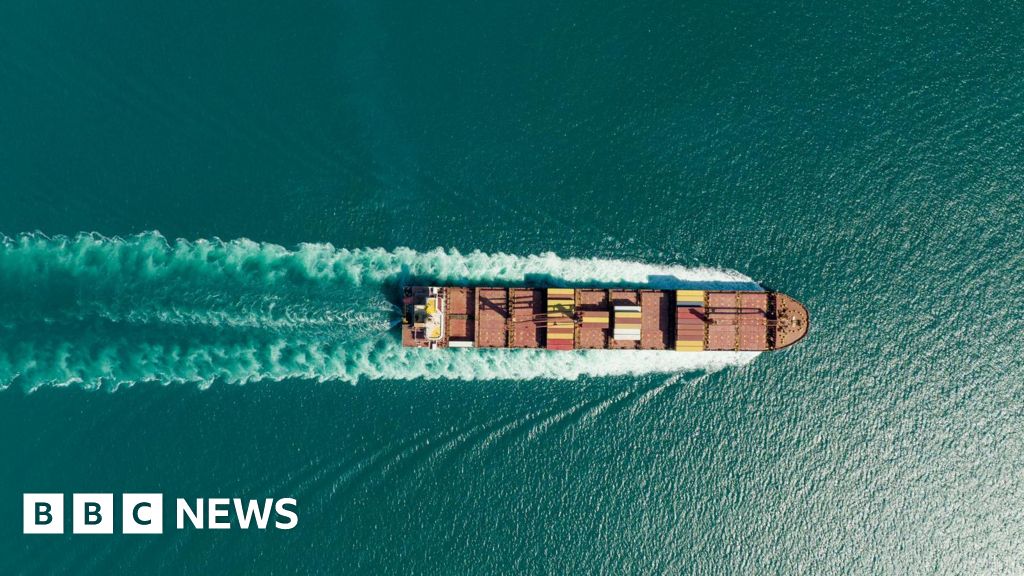
It appears to be the first ship owned by a major European firm to go through the strait since the conflict began.
Non-Farm Payrolls For March Large Beat On Expectations; Markets Closed For Good Friday

Financial influencer Taylor Price joins ‘Varney & Co.’ to break down how shifting your mindset can help Americans grow wealth and achieve the American Dream.
A growing number of financial influencers are shifting the conversation away from spreadsheets and toward psychology, arguing that mindset, not math, may be the biggest barrier to building wealth.
Financial influencer Taylor Price joined FOX Business’ Ashley Webster on “Varney & Co.” to discuss how reframing financial habits can change long-term outcomes.
RETIREMENT ‘MAGIC NUMBER’ JUMPS AS AMERICANS GROW ANXIOUS ABOUT THEIR FINANCIAL FUTURES
Price said many Americans are held back not by a lack of knowledge, but by how they think about money in the first place.
“Money is more mental than it is mathematical,” Price said.
‘Mornings with Maria’ jobs panel reacts to the blowout March report as hiring crushes expectations, unemployment dips to 4.3%, and experts weigh what it means for inflation, Fed policy and the path of the U.S. economy.
Her framework uses a “money tree” concept to simplify how wealth is built over time. She explained that each part of the tree represents a different financial layer, from income to savings to investing, helping people better understand how their decisions compound.
“We start by planting the seed, the scarcity mindset versus the growth mindset,” Price said. “It’s the difference between I can’t get ahead to I know my choices are gonna compound over time.”
LABOR DEPARTMENT’S PROPOSAL IS A ‘HUGE STEP’ FOR YOUR 401(K), BLACKROCK’S NEFOUSE SAYS
She added that building stability starts with a strong foundation, especially during uncertain economic conditions.
“When it comes to bad weather in the economy, especially today, guess what? That tree holds us together within the roots, our savings accounts, our emergency funds,” Price said.
Summit Global Investments CIO Dave Harden discusses the market amid the conflict in the Middle East and his top picks on ‘The Claman Countdown.’
Price also pointed to mindset as a key driver of behavior, arguing that belief systems can directly shape financial outcomes.
“Thinking that they can’t when, yes, if you believe you can’t, you won’t. But if you believed you can, you will,” she said.
Drawing on behavioral science, Price said people tend to notice more opportunities once they shift their thinking.
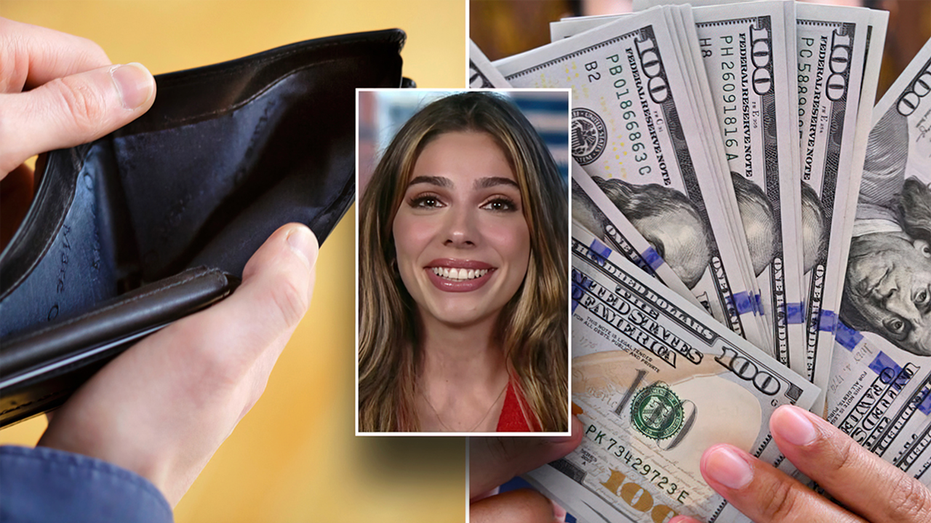
TikTok finance influencer Taylor Price says “Money is more mental than it is mathematical” on Stuart Varney’s “Varney & Co.” (FOX Business/Getty Images / FOXBusiness)
“You’re gonna find opportunities because your brain is now trained to see how can I make more money,” Price said.


Data available as early as two days after week’s close.


More functional products are making their way into retailers.
Business
(VIDEO) Iran Claims US F-15E Strike Eagle Shot Down Over Iran With Wreckage Images Released
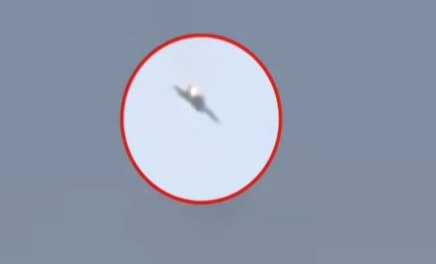
Iranian air defenses shot down a U.S. Air Force F-15E Strike Eagle fighter jet over central Iran on Friday, U.S. officials confirmed, as Tehran released images of wreckage that appeared to match the twin-engine strike fighter and escalated claims of capturing the crew.

A senior U.S. official told Reuters that the aircraft was downed and a search-and-rescue operation was underway for its two crew members — the pilot and weapons systems officer. The Pentagon has not released further details on the jet’s unit or mission, but multiple reports identified it as an F-15E from the 494th Fighter Squadron, part of the 48th Fighter Wing based at RAF Lakenheath in Britain and deployed in support of U.S. Central Command operations.
Iran’s semi-official Tasnim News Agency, affiliated with the Islamic Revolutionary Guard Corps, published photos Friday showing scattered debris, including what aviation experts identified as a vertical stabilizer and other F-15E components with distinctive markings. Iranian officials initially claimed the downed aircraft was an advanced F-35 stealth fighter, but images clearly depicted wreckage consistent with the non-stealth F-15E Strike Eagle.
The incident marks a significant escalation in the ongoing U.S.-Israeli military campaign against Iranian targets, dubbed Operation Epic Fury by some accounts. It comes amid weeks of airstrikes on Iranian nuclear facilities, missile sites and proxy forces, with Iran vowing retaliation for what it calls aggression against its sovereignty.
U.S. Central Command has faced previous unverified Iranian claims of downing American aircraft, including earlier assertions involving F-15Es and F-35s that were denied or attributed to other causes such as friendly fire incidents over Kuwait. In one prior case, three F-15Es were reportedly lost to allied defenses in Kuwait early in the conflict, though pilots returned to operations.
Friday’s event appears to be the first confirmed loss of a U.S. combat jet over Iranian territory. Iranian state media reported the jet was engaged by IRGC air defense systems while conducting strike operations. Tehran also circulated unverified claims that the crew ejected and one or both airmen may have been captured on the ground, though U.S. officials have not corroborated any capture and emphasized the active rescue effort.
“The aircraft was operating in support of ongoing missions when it was lost,” a U.S. defense official said on condition of anonymity to discuss sensitive operations. “We are actively searching for the crew and monitoring the situation closely.”
The F-15E Strike Eagle is a highly capable all-weather fighter-bomber used for precision strikes, close air support and air superiority missions. It carries a crew of two and is equipped with advanced radar, electronic warfare systems and a wide array of munitions. The 494th “Panthers” squadron has a storied history, having participated in operations across the Middle East for decades.
Aviation analysts noted that while the F-15E is not stealthy like the F-35, its robust design and defensive aids make it difficult to down. Iranian claims of using advanced surface-to-air missiles to achieve the hit would represent a notable success for Tehran’s layered air defense network, which includes Russian-supplied systems and indigenous developments.
Photos released by Tasnim showed twisted metal, a large crater and identifiable F-15E parts strewn across what appeared to be arid Iranian countryside. One image highlighted tail markings consistent with U.S. Air Force European Command assets. Experts cautioned that while the debris aligns with an F-15E, independent verification of the location and circumstances remains limited due to restricted access in Iran.
The downing risks further inflaming tensions in a conflict that has already drawn in regional actors and raised concerns about broader escalation involving Russia, China or other powers. Israel has conducted parallel operations, and the U.S. has deployed additional naval and air assets to the Persian Gulf region, including carrier strike groups.
Pentagon spokesman Maj. Gen. Pat Ryder declined to confirm specifics on the aircraft model or crew status during a Friday briefing but acknowledged “hostile action” as a possible cause. “Our forces remain committed to the mission while prioritizing the safety of our personnel,” Ryder said.
Iranian Supreme Leader Ayatollah Ali Khamenei praised the air defenses in a statement, calling the incident proof of Iran’s resolve. “The aggressors will pay a heavy price for every violation of our airspace,” he said via state media.
This is not the first time Iran has showcased wreckage to bolster its claims. In past incidents involving drones and missiles, Tehran has released imagery for propaganda purposes. However, ground photos of a manned fighter jet represent a rarer and more provocative development.
U.S. search-and-rescue assets, including specialized helicopters and fixed-wing aircraft, were reported active near Iranian borders, though operating from international or allied airspace to avoid further losses. Iranian media shared video purportedly showing U.S. rescue attempts, which Tehran claimed were repelled.
The two-person crew of an F-15E typically includes an experienced pilot and a weapons systems officer responsible for targeting and electronic warfare. Both wear ejection seats, giving them a chance of survival even in high-threat environments. Their fate — whether rescued, in custody or otherwise — could dictate the next phase of the conflict.
Military analysts warn that a confirmed pilot capture would create immense pressure on the U.S. administration to respond, potentially through special operations or intensified airstrikes. Past incidents, such as the 2019 downing of a U.S. drone by Iran, led to heightened alerts but stopped short of direct manned aircraft losses.
The broader context involves U.S. and Israeli efforts to degrade Iran’s nuclear program and ballistic missile capabilities following years of sanctions and diplomatic standoffs. Strikes have targeted sites near Natanz, Fordow and other locations, with Iran responding via missile barrages toward Israel and proxy attacks in the region.
Friday’s event occurred as the conflict entered what some describe as a more intense phase, with increased sorties over Iranian territory. The loss of even one F-15E, while not crippling to U.S. airpower, highlights vulnerabilities in operations against a defended adversary and could influence future tactics, such as greater reliance on standoff weapons or stealth platforms.
Congressional leaders from both parties called for briefings on the incident. “The safety of our troops is paramount, and any attack on U.S. forces demands a decisive response,” said Senate Armed Services Committee Chairman Roger Wicker, R-Miss.
The U.S. has not ruled out retaliation but emphasized de-escalation pathways through backchannel communications. Diplomatic efforts involving Qatar, Oman and European allies continue in hopes of preventing a wider war.
As night fell in the region, the search for the crew remained the immediate priority. U.S. officials expressed confidence in recovery capabilities but acknowledged the challenges of operating near or over hostile territory.
The F-15E has a strong safety record overall, but combat losses in contested airspace are a grim reminder of the risks inherent in power projection. Previous U.S. jet losses in the Middle East have been rare since the 1991 Gulf War and 2003 Iraq invasion.
Iran’s ability to publicize the wreckage so quickly suggests its intelligence and media apparatus was prepared. State television aired footage of jubilant crowds and military officials inspecting debris.
For the families of the crew, the hours since the incident have been marked by uncertainty. The Air Force has protocols for notifying next of kin, though details were withheld pending confirmation.
This developing story underscores the volatile nature of the U.S.-Iran confrontation. While previous Iranian claims often proved exaggerated or false, the combination of U.S. confirmation of a loss, released imagery and an active rescue mission points to a serious combat event.
As investigations proceed, questions linger over the exact missile system used, the jet’s altitude and mission profile, and whether electronic warfare or other factors played a role. Independent analysts will scrutinize the debris photos for clues on impact type and aircraft configuration.
The incident could also affect domestic U.S. politics, with critics questioning the scope of operations against Iran and supporters urging stronger action to protect forces.
In the skies over the Middle East, operations continue. Additional F-15Es, F-16s, F-35s and bombers remain on station, ready to prosecute targets while crews maintain heightened vigilance against air defenses.
The downing of the F-15E serves as a stark illustration that even advanced Western fighters face risks when penetrating sophisticated integrated air defense systems. It may prompt reviews of rules of engagement and force protection measures.
Tehran, meanwhile, seeks to leverage the event for domestic unity and international messaging, portraying Iran as capable of defending itself against superpower aggression.
U.S. allies, including Britain — whose base hosts the implicated squadron — expressed concern and offered support for the rescue effort. NATO members have been monitoring the situation closely.
As of late Friday, no further losses were reported, but the fog of war persists. The coming days will likely bring more clarity on the crew’s status and potential U.S. responses.
The episode adds another chapter to the long history of U.S.-Iran military friction, from the 1980s tanker war to today’s high-tech aerial contest. With wreckage on the ground and a rescue underway, the human and strategic costs are once again in sharp focus.
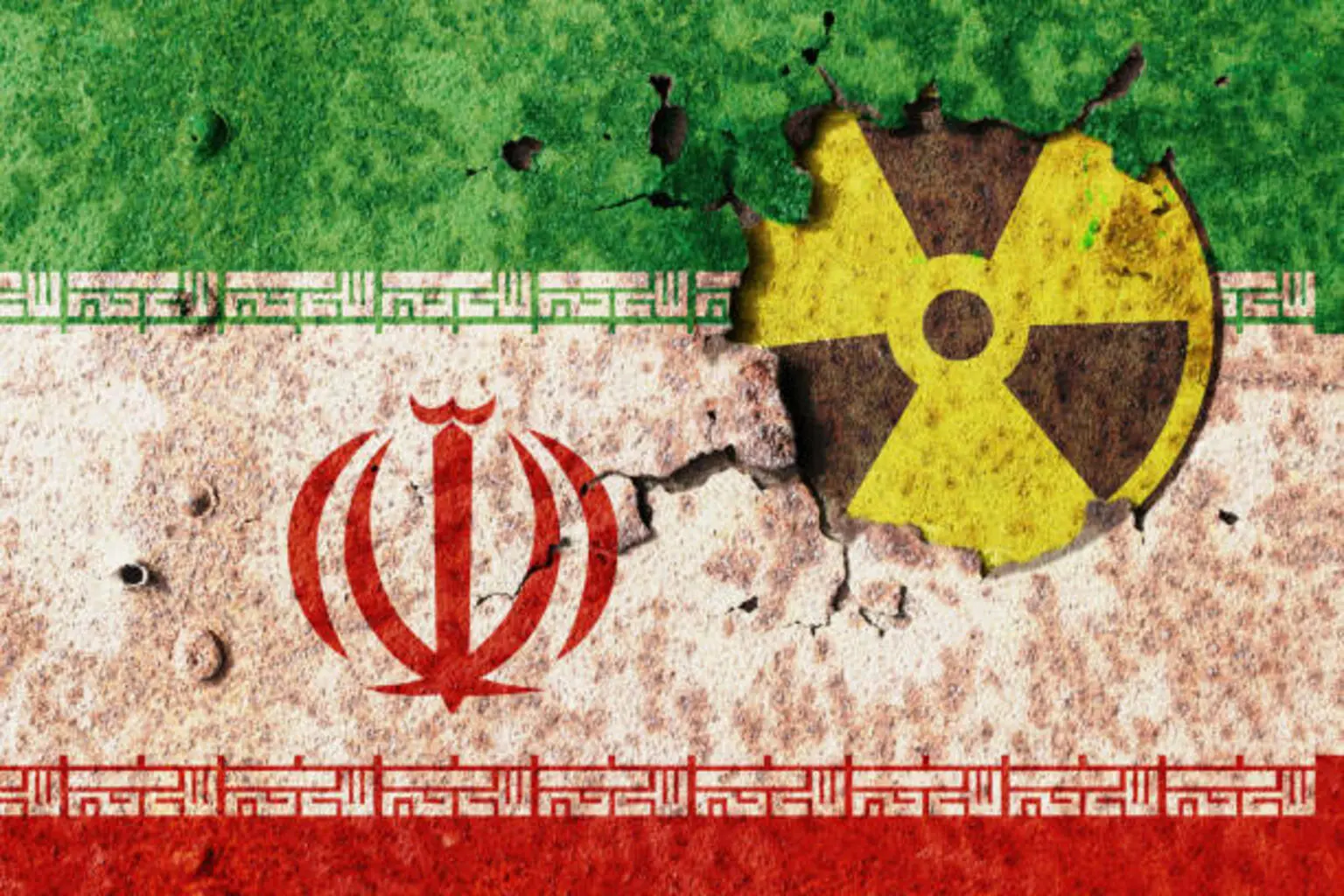
Why It May Be Time To Load Up Soon
Business
Scottie Scheffler Remains Heavy Favorite to Win 2026 Masters as Defending Champion Rory McIlroy Seeks Repeat
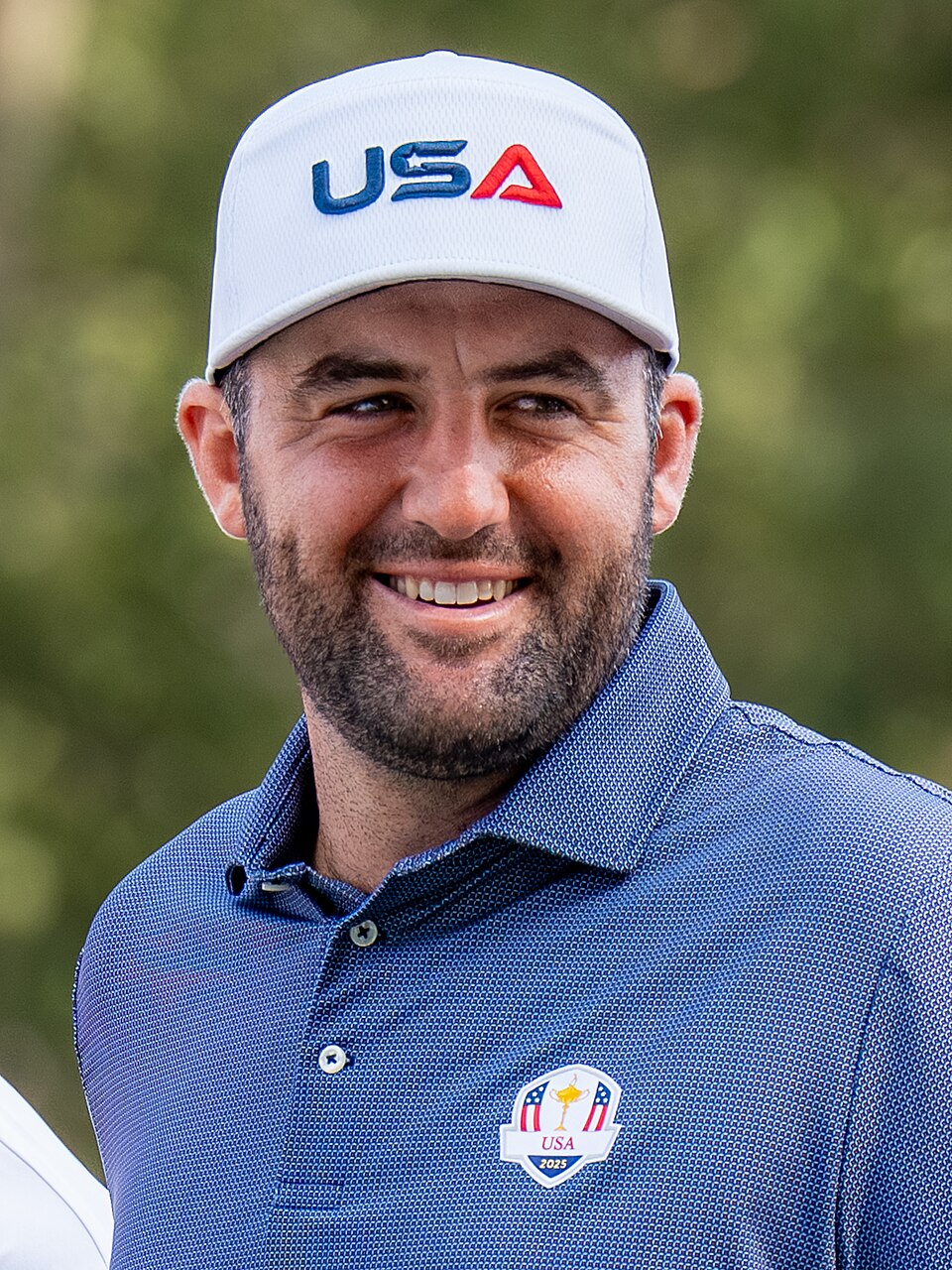
World No. 1 Scottie Scheffler enters the 2026 Masters Tournament as the clear betting favorite to claim his third green jacket in five years, with early odds listing him between +400 and +550 across major sportsbooks just days before the first round at Augusta National.

Scheffler, who has won two of the last three Masters (2022 and 2024), has posted consistent contention at the event despite a fourth-place finish in 2025. His iron play, short game and ability to navigate Augusta’s demanding layout make him the most reliable contender in a star-studded field.
Defending champion Rory McIlroy, who completed the career Grand Slam with a dramatic playoff victory over Justin Rose in 2025, sits as a co-second or third favorite at around +1000 to +1100. A back-to-back win would make him the first repeat Masters champion since Tiger Woods in 2001-02, but recent form concerns and a reported back issue have caused his odds to drift slightly from earlier futures.
Bryson DeChambeau and Jon Rahm round out the top tier, both hovering near +1000 across books like FanDuel and DraftKings. DeChambeau has shown strong recent Augusta form with back-to-back high finishes, while Rahm, the 2023 winner, continues to post solid major results even while competing primarily on LIV Golf.
Xander Schauffele and Ludvig Åberg follow closely at +1400 to +2000, with Schauffele boasting multiple top-10s at the Masters in recent years and Åberg emerging as one of the game’s brightest young talents.
Top 5 Early Picks for 2026 Masters Winner (Based on Consensus Odds and Form as of Early April 2026)
Here are the top five contenders according to aggregated betting odds from sportsbooks including BetMGM, DraftKings, FanDuel and others:
- Scottie Scheffler (+400 to +550) — The overwhelming favorite. Scheffler has added multiple majors since his last Masters win and remains the best all-around player in the world. His ball-striking gives him an edge on Augusta’s fast, firm greens and tricky second shots. Many models project him near the top of the leaderboard.
- Bryson DeChambeau (+1000) — The two-time U.S. Open champion has transformed his approach to Augusta, emphasizing precision over raw power. Recent strong showings make him a live threat for his first green jacket.
- Jon Rahm (+850 to +1200) — The 2023 Masters winner brings proven Augusta success and elite short game. Despite LIV Golf commitments, he has stayed competitive in majors and offers strong each-way value.
- Rory McIlroy (+1000 to +1100) — As defending champion and fresh off completing the Grand Slam, McIlroy carries immense momentum and Augusta experience (multiple top-10s). A repeat would be historic, but nagging fitness questions add uncertainty.
- Xander Schauffele (+1400 to +1800) or Ludvig Åberg (+1400 to +2000) — Schauffele delivers consistent contention at majors with five recent top-10s at the Masters. Åberg, a rising star, has the length and composure to contend in only his second or third appearance.
Current 2026 Masters Odds Snapshot (Approximate Consensus as of April 3, 2026)
- Scottie Scheffler: +405 to +550
- Jon Rahm: +850 to +1200
- Rory McIlroy: +1000 to +1100
- Bryson DeChambeau: +1000 to +1075
- Xander Schauffele: +1400 to +1800
- Ludvig Åberg: +1400 to +2000
- Cameron Young / Matt Fitzpatrick / Tommy Fleetwood: +2000 to +2500 range
- Collin Morikawa, Justin Rose, Patrick Reed: +2500 to +3800
Odds vary by sportsbook and continue to fluctuate with late withdrawals, practice round performances and weather forecasts. Augusta National’s par-72 layout rewards precision iron play, scrambling and experience on its lightning-fast greens — factors that favor veterans like Scheffler, McIlroy and Rahm while leaving room for surprises from players such as Fitzpatrick or Reed, who have strong course history.
The 2026 field features approximately 90-93 players, including all past champions with lifetime exemptions, recent major winners and top-ranked professionals. Tiger Woods remains a sentimental longshot at +15000 despite limited recent competitive play.
Analysts note that while Scheffler is the deserved favorite, the Masters has a history of delivering drama. Past champions like McIlroy (now seeking repeat) and Rahm know the unique demands of the course, while emerging talents like Åberg could capitalize on any early mistakes by the frontrunners.
Practice rounds this week will offer key insights into form, particularly how players handle the par-5s (where recent winners have feasted) and the treacherous back nine. Weather in early April often plays a role, with wind and firm conditions amplifying the difficulty.
For bettors, value may lie beyond the top names. Some experts highlight Matt Fitzpatrick at +2500 for his recent form surge, while others point to consistent Augusta performers like Patrick Reed (+3000-plus) who have multiple top-10s here.
The tournament tees off April 9, with the traditional par-3 contest on Wednesday. All eyes will be on whether Scheffler can solidify his status as the game’s dominant force or if McIlroy can etch his name deeper into Masters lore with a historic defense.
Regardless of the outcome, the 2026 Masters promises another week of unforgettable moments at golf’s most iconic venue.

Form 8K US Gold Corp For: 3 April
Business
Jim Carrey’s 10 Most Inspiring Quotes Continue to Resonate in 2026 as Actor Reflects on Life and Legacy
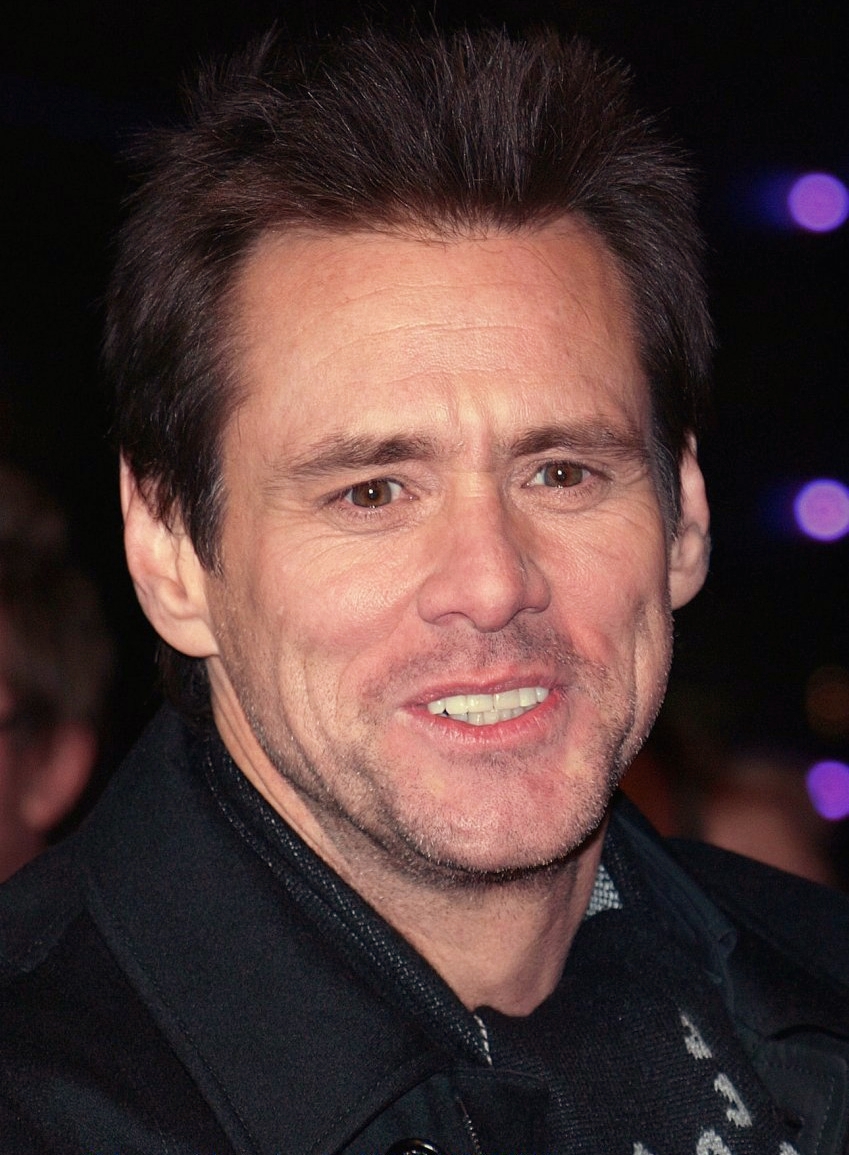
More than three decades after bursting onto the global stage with rubber-faced antics in films like “Ace Ventura: Pet Detective,” “The Mask” and “Dumb and Dumber,” Jim Carrey remains one of Hollywood’s most quoted figures — not just for his comedic one-liners but for his deeply philosophical and motivational insights on success, fear, love and the human experience.
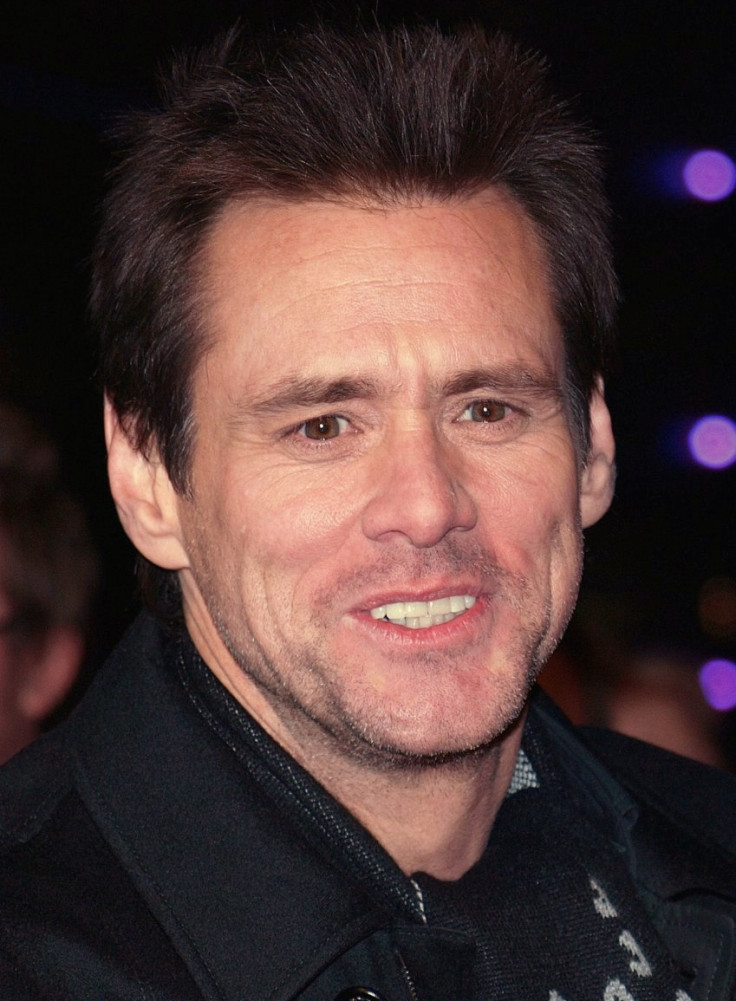
As the 64-year-old Canadian-American actor made a rare public appearance in February 2026 to accept an Honorary César award in Paris — where some fans noted his changed look and introspective tone — his timeless quotes have surged in popularity across social media and self-help circles. From his famous 2014 Maharishi University commencement address to reflections shared in recent interviews, Carrey’s words blend humor, vulnerability and hard-won wisdom.
Here are 10 of the best and most enduring Jim Carrey quotes, drawn from speeches, interviews and public statements that continue to inspire millions in 2026:
- “You can fail at what you don’t want, so you might as well take a chance on doing what you love.” Often cited as one of Carrey’s most powerful pieces of advice, this line stems from stories about his father, who took a “safe” accounting job only to lose it, teaching young Jim a lasting lesson about risk and passion. It has become a mantra for entrepreneurs and creatives worldwide.
- “I think everybody should get rich and famous and do everything they ever dreamed of so they can see that it’s not the answer.” Delivered with characteristic candor, this quote reflects Carrey’s own journey from poverty to superstardom and his realization that external success does not guarantee inner fulfillment. It remains widely shared in discussions about happiness and materialism.
- “Your need for acceptance can make you invisible in this world. Don’t let anything stand in the way of the light that shines through this form. Risk being seen in all of your glory.” From his 2014 commencement speech, this encourages authenticity over people-pleasing and has resonated with audiences grappling with social media pressures and identity in the 2020s.
- “So many of us choose our path out of fear disguised as practicality.” Carrey warned graduates against settling for safe but unfulfilling lives, drawing from his father’s experience. The quote frequently appears in motivational content aimed at career changers and dreamers.
- “The effect you have on others is the most valuable currency there is.” Emphasizing kindness and impact over wealth, this line highlights Carrey’s shift toward more meaningful living and has gained traction in leadership and wellness communities.
- “Life opens up opportunities to you, and you either take them or you stay afraid of taking them.” A straightforward call to courage, this quote underscores Carrey’s belief in embracing uncertainty, a theme that echoes through his transition from slapstick comedy to more dramatic roles like “The Truman Show” and “Eternal Sunshine of the Spotless Mind.”
- “It is better to risk starving to death than surrender. If you give up on your dreams, what’s left?” Carrey’s raw honesty about perseverance has motivated countless fans facing setbacks, reinforcing the idea that passion outweighs security.
- “You are ready and able to do beautiful things in this world, and as you walk through those doors today, you will only have two choices: love or fear. Choose love.” Another gem from the 2014 speech, this binary choice between love and fear has become a cornerstone of Carrey’s philosophical outlook and is often quoted in spiritual and personal development circles.
- “As far as I can tell, it’s just about letting the universe know what you want and then working toward it while letting go of how it comes to pass.” This reflects Carrey’s interest in manifestation and surrender, ideas he has explored in interviews about creativity and detachment from outcomes.
- “If you aren’t in the moment, you are either looking forward to uncertainty, or back to pain and regret.” A reminder to practice mindfulness, this quote aligns with Carrey’s later career focus on presence, painting, and inner peace amid Hollywood’s chaos.
Carrey’s quotes often trace back to personal hardships. Born James Eugene Carrey in Newmarket, Ontario, in 1962, he grew up in a family that faced financial collapse when his father lost his job. The young comedian dropped out of high school to help support his family and honed his impressions while working as a janitor. His big break came on “In Living Color” in the early 1990s, leading to a string of blockbuster hits that made him one of the highest-paid actors of the era.
By the late 1990s and early 2000s, Carrey sought deeper roles, earning Golden Globe wins for “The Truman Show” and “Man on the Moon.” He has spoken openly about battling depression and using comedy as a way to process pain, famously saying his focus was “to forget the pain of life… mock the pain, reduce it. And laugh.”
In recent years, Carrey has stepped back from the spotlight, pursuing painting and writing while making selective returns. In 2025, he reprised his role as Dr. Ivo Robotnik in “Sonic the Hedgehog 3,” earning praise and a Kids’ Choice Award. As of early 2026, he was announced to return for “Sonic the Hedgehog 4,” signaling continued interest in family-friendly projects.
His February 2026 appearance at the César Awards in Paris — where he delivered part of his speech in French, honoring his family’s roots — sparked online discussion about his more subdued demeanor and philosophical reflections. Carrey spoke warmly of his late father and the lessons of love, generosity and laughter, reinforcing themes found throughout his quotes.
Fans and critics alike note that Carrey’s words have aged well in an era of uncertainty, social media validation-seeking and mental health awareness. His emphasis on choosing love over fear, pursuing authentic passions and recognizing the limits of fame aligns with broader cultural conversations in 2026 about well-being and purpose.
Psychologists and motivational speakers frequently reference Carrey in talks about resilience and self-actualization. Social media platforms show steady engagement with his quotes, especially among younger audiences discovering his deeper side beyond the ’90s comedies.
Carrey has also addressed spiritual themes, once describing himself as shifting from “experiencing the Universe” to feeling like “the Universe experiencing a guy.” Such statements, paired with his quotes on consciousness and presence, have drawn interest from those exploring mindfulness and existential questions.
Despite occasional rumors and viral clips questioning his appearance or mindset in 2026, Carrey’s core message remains consistent: embrace your true self, take risks, and prioritize inner peace over external achievements.
As he approaches his mid-60s with projects on the horizon, including potential live-action “The Jetsons” talks, Carrey continues to prove that his influence extends far beyond the screen. His quotes serve as accessible entry points to profound ideas, reminding audiences that even a global superstar grappled with the same fears and doubts that touch everyone.
In a world still recovering from economic pressures, technological disruption and shifting values, Jim Carrey’s blend of humor and hard truth offers both laughter and guidance. Whether through his iconic movie lines like “Allllllrighty then!” or his soul-searching reflections, the actor-comedian-philosopher leaves a lasting imprint.
For many, these 10 quotes encapsulate why Carrey transcends the label of mere funnyman. They capture a man who rose from janitor to icon, only to discover — and generously share — that the real treasure lies in how we choose to live, love and show up for others each day.
‘When war creates winners who are already wealthy, something has gone very wrong’

French-owned ship passes through Strait of Hormuz

Kalshi hires ex-Democratic strategist amid legal troubles


-

 NewsBeat7 days ago
The Story hosts event on Durham’s historic registers
-

 NewsBeat24 hours ago
Steven Gerrard disagrees with Gary Neville over ‘shock’ Chelsea and Arsenal claim | Football
-

 Sports7 days ago
Sweet Sixteen Game Thread: Tide vs Michigan
-
Entertainment4 days ago
Fans slam 'heartbreaking' Barbie Dream Fest convention debacle with 'cardboard cutout' experience
-

 Business19 hours ago
No Jackpot Winner and $194 Million Prize Rolls Over
-

 Crypto World2 days ago
Gold Price Prediction: Worst Month in 17 Years fo Save Haven Rock
-
 Entertainment6 days ago
Lana Del Rey Celebrates Her Husband’s 51st Birthday In New Post
-

 Tech5 days ago
The Pixel 10a doesn’t have a camera bump, and it’s great
-
Crypto World3 days ago
Dems press CFTC, ethics board on prediction-market insider trades
-

 Tech5 days ago
Avatar Legends: The Fighting Game comes out in July and it looks pretty slick
-

 Sports3 days ago
Tallest college basketball player ever, standing at 7-foot-9, entering transfer portal
-

 Tech3 days ago
EE TV is using AI to help you find something to watch
-

 Fashion6 days ago
Amazon Sundays: Soft Spring Layers
-

 Business2 days ago
Login and Checkout Issues Spark Merchant Frustration
-

 Fashion7 days ago
When Evening Dressing Gets Colorful for Spring
-

 Tech5 days ago
Elon Musk’s last co-founder reportedly leaves xAI
-

 Tech3 days ago
How to back up your iPhone & iPad to your Mac before something goes wrong
-

 Tech4 days ago
Apple will hide your email address from apps and websites, but not cops
-

 Politics4 days ago
Should Trump Be Scared Strait?
-

 Crypto World4 days ago
U.S. rule change may open trillions in 401(k) funds to crypto
You must be logged in to post a comment Login