Connect with us

Business

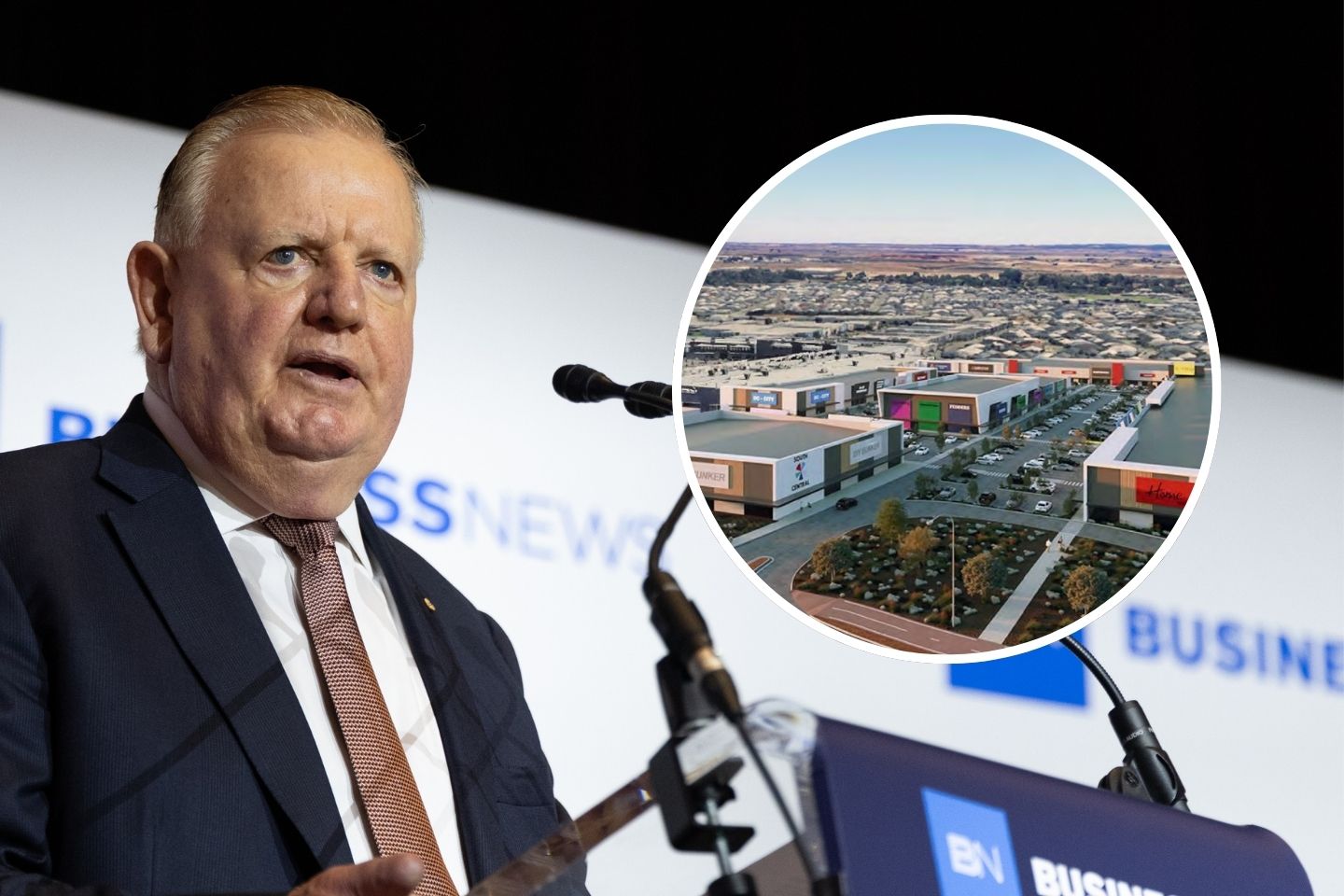
Bunnings wins AI facial recognition stoush

Published

on

Bunnings wins AI facial recognition stoush

Bunnings has won the right to use facial recognition technology in its stores, in a ruling which could have major implications for Australians’ privacy rights.

Continue Reading
Click to comment

Leave a Reply

Your email address will not be published. Required fields are marked *

Business

Luxury automaker Aston Martin announces major workforce reduction cuts

Published

on

Luxury automaker Aston Martin announces major workforce reduction cuts

British luxury automaker Aston Martin said on Wednesday that it will cut up to 20% of its workforce as tariff and regulatory headwinds along with a challenging market backdrop weigh on the business.

The company said the cuts will result in an annualized savings of about 40 million pounds ($54 million), most of which will occur this year. The company employs about 3,000 workers.

Advertisement

Aston Martin didn’t specify when the cuts would occur this year, and they include the 5% workforce reduction the company announced last year.

The company also announced that it would trim its five-year capital spending plan to 1.7 billion pounds from 2 billion pounds by delaying investment in electric vehicle technology.

JANUARY LAYOFFS ROSE TO THE HIGHEST LEVEL FOR THE MONTH SINCE 2009

Aston Martin DBX SUVs in a manufacturing plant.

Aston Martin announced plans to cut up to 20% of its workforce in a cost-cutting push. (Chris Ratcliffe/Bloomberg via Getty Images)

Best known as the car brand driven by James Bond, the company has struggled to generate cash and manage its debt of 1.38 billion pounds.

Advertisement

Aston Martin has received injections of capital from Canadian billionaire and Chairman Lawrence Stroll and through deals.

UPS TO CUT 30,000 MORE JOBS AMID TURNAROUND PLAN

An Aston Martin DBS convertible with the top down.

Aston Martin said that tariffs have been particularly disruptive to the auto industry. (Martyn Lucy/Getty Images)

The company said U.S. tariffs had been “extremely disruptive” and demand had also been “extremely subdued” in China, the world’s biggest auto market.

Aston Martin said it expected further cash outflows in 2026, but also predicted “material improvement” in its financial performance.

Advertisement

It has a target for gross margins in the high 30% range and adjusted earnings before interest and taxes near breakeven, helped by around 500 deliveries of its new Valhalla hybrid supercar.

AMAZON TO CUT 16,000 ROLES AS IT LOOKS TO INVEST IN AI, REMOVE ‘BUREAUCRACY’

A man walking outside an Aston Martin dealership

Aston Martin is working to improve its financial performance. (John Keeble/Getty Images)

The company made an operating loss of 259.2 million pounds in 2025.

As part of its efforts to improve its finances, it struck a 50-million-pound deal to sell the perpetual branding rights to its Formula One team last week.

Advertisement

GET FOX BUSINESS ON THE GO BY CLICKING HERE

Reuters contributed to this report.

Continue Reading

Business

Nvidia and other tech stocks lead Wall Street higher

Published

on

Nvidia and other tech stocks lead Wall Street higher

US stocks rose Wednesday and erased their losses for the week so far, as Nvidia and other technology companies led the way.

Continue Reading

Business

Form 10Q Hamilton Beach Brands Holding Co Class A For: 25 February

Published

on


Form 10Q Hamilton Beach Brands Holding Co Class A For: 25 February

Continue Reading

Business

A Modern Approach to Mental Health with Psylaris

Published

on

More than one in five UK employees feel unable to discuss their mental health in the workplace, according to new research. The analysis reveals that 7.5 million workers struggle with anxiety, depression or stress that is caused or exacerbated by their jobs, yet do not feel safe disclosing their difficulties to employers.

In recent years, mental health care has undergone a significant transformation. Advances in technology, combined with changing lifestyles and increased awareness of psychological wellbeing, have made online therapy not only acceptable but often preferable.

One of the most promising developments within this field is the digital delivery of Eye Movement Desensitisation and Reprocessing (EMDR). Psylaris is at the forefront of this innovation, offering accessible, secure and effective therapeutic solutions that respond to the needs of today’s clients.

Understanding EMDR Therapy

EMDR is a well-established, evidence-based therapy primarily used to help individuals process traumatic or distressing experiences. Traditionally delivered in a face-to-face setting, EMDR works by helping the brain reprocess memories that have become “stuck”, reducing their emotional intensity over time. It has been widely recognised for its effectiveness in treating post-traumatic stress disorder (PTSD), anxiety, phobias and other trauma-related conditions.

While the core principles of EMDR remain unchanged, the way it is delivered has evolved. Through carefully designed digital platforms, it is now possible to offer remote EMDR without compromising clinical quality or safety.

The Rise of Remote Therapy

Remote therapy has grown rapidly, driven by the need for flexibility, privacy and accessibility. For many people, attending in-person sessions can be challenging due to work schedules, mobility issues, geographical distance or personal circumstances. Online therapy removes many of these barriers, allowing clients to engage in treatment from the comfort of their own homes.

Advertisement

Psylaris recognises that convenience should never come at the expense of therapeutic effectiveness. By combining clinical expertise with advanced digital tools, the organisation ensures that clients receive high-quality care regardless of location.

How Psylaris Delivers Remote EMDR

Psylaris has developed a secure and user-friendly environment specifically designed for digital mental health care. Remote EMDR sessions are conducted by trained professionals who guide clients through the therapeutic process using video communication and specialised online tools for bilateral stimulation.

These sessions closely mirror traditional EMDR therapy, while also offering unique advantages. Clients often report feeling more relaxed in familiar surroundings, which can support emotional openness and engagement. Therapists are able to tailor sessions to individual needs, maintaining the same ethical standards, confidentiality and professional oversight expected in face-to-face therapy.

Benefits for Clients and Professionals

The benefits of online EMDR extend beyond convenience. Clients gain greater control over their therapy journey, with increased flexibility in scheduling and reduced travel-related stress. This can lead to higher consistency in attendance and, ultimately, better therapeutic outcomes.

Advertisement

For professionals, digital delivery allows for more efficient practice management and the ability to reach clients who might otherwise have limited access to specialised trauma care. Psylaris supports practitioners with reliable technology, ongoing innovation and a strong commitment to clinical excellence.

A Future-Focused Vision for Mental Health

Mental health care continues to evolve, and digital solutions will play an increasingly important role in shaping its future. Psylaris is committed to responsible innovation, ensuring that new approaches are grounded in scientific research and ethical practice. By embracing technology while preserving the human connection at the heart of therapy, Psylaris offers a balanced and forward-thinking model of care.

Conclusion: Accessible, Effective and Human-Centred Care

Remote therapy is no longer a temporary solution; it is a permanent and valuable part of modern mental health care. With its focus on quality, accessibility and innovation, Psylaris demonstrates how remote EMDR can be delivered safely and effectively. For individuals seeking support, and for professionals looking to expand their practice, Psylaris represents a trusted partner in the ongoing journey towards psychological wellbeing.

Advertisement

Continue Reading

Business

Japanese Yen Slides on China Export Bans, Rate-Hike Tensions

Published

on

Alexander Osipovich hedcut

The yen slumped against the dollar on Tuesday after Beijing escalated its pressure campaign against Tokyo and signs emerged of potential tensions between Japan’s new prime minister and its central bank chief over monetary policy.

The Japanese currency weakened 0.9% against the U.S. dollar, sinking to its lowest level in more than two weeks.

The move followed what trading firm Bannockburn Capital Markets described as the “double whammy” of new Chinese export restrictions and a report of remarks made by Prime Minister Sanae Takaichi during a closed-door meeting with the head of the Bank of Japan.

Continue Reading

Business

JPMorgan’s Jamie Dimon warns current markets echo 2008 financial crisis

Published

on

JPMorgan's Jamie Dimon warns current markets echo 2008 financial crisis

JPMorgan Chase CEO Jamie Dimon issued a warning that some of the conditions in financial markets are reminding him of the years leading up to the 2008 financial crisis.

“Unfortunately, we did see this in ’05, ’06, ’07, almost the same thing,” Dimon said Monday in remarks at JPMorgan Chase’s annual investor day. “The rising tide was lifting all boats, everyone was making a lot of money, people leveraging to the hilt. The sky was the limit.”

Advertisement

“I think today, the rising tide is lifting all boats. My own view is people are getting a little comfortable that this is real – these high asset prices and high volumes and that we don’t have any kind of problem whatsoever,” he added.

“I don’t know how long it’s going to be great for everybody. I see a couple of people doing some dumb things. They’re just doing dumb things to create [net interest income],” Dimon added without referencing any specific institutions, while noting that JPMorgan Chase is being “quite cautious” and that the firms will “stick to our own rules.”

TRUMP SUES JPMORGAN CHASE AND CEO JAMIE DIMON FOR $5B OVER ALLEGED ‘POLITICAL’ DEBANKING

JPMorgan Chase CEO Jamie Dimon

JPMorgan Chase CEO Jamie Dimon warned that there could be risks building in financial markets. (Al Drago/Bloomberg via Getty Images)

He went on to say that the biggest competitors to the nation’s largest bank are back, including rivals from Europe and Japan. He said that’s “good for the world” but cautioned that “I just don’t know how long it’s going to be great for everybody.”

Advertisement

Dimon said that there is “always a surprise in a credit cycle” and that certain sectors may appear more stable than they actually are in the lead up to the emergence of a crisis.

“This time around, it might be software, because of AI,” Dimon said. “There’s moving tectonic plates underneath it, it causes the industry to be challenged.”

JAMIE DIMON WARNS FEDERAL RESERVE SUBPOENA ‘NOT A GOOD IDEA’

Ticker Security Last Change Change %
JPM JPMORGAN CHASE & CO. 303.50 +6.07 +2.04%

“There will be a cycle one day. I don’t know what confluence of events will cause that cycle. My anxiety is high over it. I’m not assuaged by the fact that asset prices are high. In fact, I think that adds to the risk,” he said.

Advertisement

Last fall, Dimon issued a similar warning about credit markets as JPMorgan Chase took a $170 million write-off following the bankruptcy of subprime auto lender and dealership Tricolor.

JAMIE DIMON WARNS OF ‘COCKROACHES’ IN US ECONOMY AS CREDIT CONCERNS GROW

Jamie Dimon on the US economy

Dimon warned last fall about possible issues in credit markets. (Jeenah Moon/Bloomberg via Getty Images)

He also noted that the bankruptcy of auto parts maker First Brands suggested there could be some credit problems looming in the economy.

“When you see one cockroach, there are probably more, and so everyone should be forewarned of this one,” Dimon said at the time. “First Brands, I’d put in the same category, and there are a couple of other ones out that I’ve seen put in similar categories. We always look at these things, and we’re not omnipotent – we make mistakes too.”

Advertisement

GET FOX BUSINESS ON THE GO BY CLICKING HERE

“We’ve had a credit bull market now for the better part of since 2010,” he added. “These are early signs there might be some excess out there because of it. If we ever have a downturn, you’re going to see quite a few more credit issues.”

Continue Reading

Business

AT&T (T) Stock Trades Near $28.35 After Strong 2025 Performance, Fiber Expansion Fuels 2026 Outlook

Published

on

Citing regulatory uncertainty around the classification of broadband Internet, AT&T said Wednesday it will pause capital investments in 100 cities.

AT&T Inc.’s stock held steady near $28.35 in late February 2026, closing at $28.35 on February 24 after a 0.60% decline, as the telecommunications giant builds on record 2025 results, aggressive fiber network growth, and a commitment to return more than $45 billion to shareholders through 2028 via dividends and buybacks.

Citing regulatory uncertainty around the classification of broadband Internet, AT&T said Wednesday it will pause capital investments in 100 cities.
AT&T

As of February 24, 2026, AT&T (NYSE: T) traded in a session range of $28.19 to $28.80 with volume of approximately 34.5 million shares. The shares have risen about 20.9% over the past 30 days and 6% over the past 12 months, trading near the upper end of their 52-week range from $22.95 to $29.79. Market capitalization stands around $198-202 billion, reflecting investor confidence in AT&T’s strategic shift toward fiber broadband and 5G services.

The momentum stems from AT&T’s fourth-quarter and full-year 2025 earnings reported January 28, 2026. The company posted strong financial performance, with revenue and earnings exceeding expectations in key areas. Adjusted EPS for Q4 reached $0.52, topping consensus estimates of $0.46 by $0.06. Full-year results showed improved profitability, driven by fiber subscriber additions, broadband growth, and cost discipline following the WarnerMedia spinoff.

AT&T highlighted significant progress in its fiber strategy. The company completed the acquisition of Lumen Technologies’ Mass Markets fiber business in early February 2026, adding access to more than 1 million fiber subscribers and expanding its footprint in high-growth markets. This deal strengthens AT&T’s position as a leading fiber provider, with plans to accelerate deployment and capture additional broadband demand. Recent spectrum licenses and fiber assets have also earned recognition, contributing to a 20.18% stock return over the past month in some analyses.

Management guided for solid growth in 2026, projecting mid-single-digit broadband subscriber increases, continued margin expansion, and strong free cash flow. The board reaffirmed its commitment to shareholder returns, planning to distribute more than $45 billion between 2026 and 2028 through dividends and share repurchases. The quarterly dividend remains at $0.2775 per share, yielding approximately 3.9-4%, with ex-dividend dates supporting consistent income for investors.

Advertisement

AT&T to Release First-Quarter 2026 Earnings on April 22, with a conference call scheduled for 8:30 a.m. ET that day. The release and materials will be available on the investor relations website. Analysts anticipate updates on fiber rollout progress, service revenue trends, and any refinements to full-year guidance amid competitive pressures from T-Mobile and Verizon.

Wall Street sentiment leans positive. Consensus among analysts rates T a Buy or Moderate Buy, with average 12-month price targets around $30.33—implying modest upside from current levels. Some firms highlight AT&T’s undervaluation relative to peers, citing fiber expansion, debt reduction, and reliable dividends as key drivers. Bernstein maintained a Buy rating in mid-February, emphasizing network investments and potential for earnings growth.

Challenges include debt levels from past acquisitions, competition in wireless and broadband, and regulatory scrutiny on spectrum and pricing. However, AT&T’s focus on high-margin fiber services, 5G coverage, and cost efficiencies has improved its financial profile significantly since the media spinoff.

Upcoming catalysts include Q1 2026 earnings in late April, where subscriber metrics, broadband penetration, and capital spending updates will be scrutinized. Positive execution on fiber goals and shareholder returns could sustain momentum; any slowdowns in growth or macro headwinds might introduce volatility.

Advertisement

AT&T remains a cornerstone of U.S. telecommunications, with its vast network, fiber push, and dividend reliability appealing to income-focused investors. As the company advances its broadband strategy and returns capital aggressively, shares appear positioned for steady performance in 2026 amid a stabilizing macro environment.

Continue Reading

Business

Pfizer (PFE) Stock Holds Near $27.14 After Q4 2025 Beat, Reaffirms 2026 Guidance Amid COVID Decline

Published

on

Nvidia To Report Quarterly Earnings

Pfizer Inc.’s stock traded modestly higher near $27.14 in late February 2026, closing at $27.14 on February 24 after a 0.30% gain, as the pharmaceutical giant builds on solid fourth-quarter and full-year 2025 results that beat expectations while reaffirming its 2026 outlook despite anticipated revenue pressures from declining COVID-19 products and patent expirations.

Illustration shows Pfizer logo

As of February 24, 2026, Pfizer (NYSE: PFE) traded in a session range of $27.08 to $27.42 with volume of approximately 34.7 million shares. The shares have risen about 6-7% over the past month and remain near the upper end of their 52-week range from around $20.92 to $27.94. Market capitalization stands near $153-154 billion, reflecting cautious optimism amid a transitional period for the company.

The performance follows Pfizer’s fourth-quarter and full-year 2025 earnings released February 3, 2026. The company reported full-year revenue of $62.6 billion, down 2% operationally year-over-year, but non-COVID portfolio revenues grew 6% operationally. Fourth-quarter revenue reached $17.6 billion, down 3% operationally, while adjusted diluted EPS for Q4 hit $0.66, beating consensus estimates of around $0.56-$0.57 by $0.09-$0.10. Full-year adjusted diluted EPS came in at $3.22, above prior guidance ranges.

Excluding contributions from Comirnaty and Paxlovid, the company delivered strong underlying growth driven by oncology, rare disease, and other key franchises. Management highlighted disciplined execution, cost savings, and margin expansion, with adjusted gross margin reaching 76% for the year. Free cash flow remained robust, supporting $9.8 billion in dividend payments and investments in R&D and business development, including the Metsera acquisition and other deals adding to the obesity and immunology pipeline.

Pfizer reaffirmed its full-year 2026 guidance, projecting revenue of $59.5 billion to $62.5 billion and adjusted diluted EPS of $2.80 to $3.00. The outlook incorporates approximately $5 billion in expected COVID-19 product revenues and a roughly $1.5 billion negative impact from products facing loss of exclusivity (LOE). Non-COVID and non-LOE revenues are anticipated to grow about 4% operationally at the midpoint. The guidance also reflects productivity savings of $7.2 billion targeted by end-2026, manufacturing program savings of $1.5 billion by 2027, and continued investment in approximately 20 key pivotal study starts planned for 2026.

Advertisement

CEO Albert Bourla described 2025 as “a very good year” marked by strong execution, while noting 2026 as a catalyst-rich period with pivotal trials advancing, including in obesity (ultra-long-acting assets from Metsera) and oncology (PD-1 x VEGF bispecific from 3SBio). The company emphasized its late-stage pipeline strength and strategic focus on high-value therapeutic areas to offset headwinds.

Analysts remain mixed but generally constructive on the long-term outlook. Consensus among 22 analysts rates PFE a Hold, with average 12-month price targets around $27.70—implying modest upside of about 2% from recent levels. Targets range from lows near $23-$24 to highs of $35, reflecting divergence on pipeline execution and revenue risks. Some firms maintain Buy ratings citing undervaluation and dividend appeal (yield around 6.3-6.4%), while others express caution over patent cliffs and modest growth prospects.

The next earnings report, for first-quarter 2026, is expected in late April or early May 2026. Investors will scrutinize updates on non-COVID growth, pipeline milestones, cost discipline, and any refinements to full-year guidance amid evolving macro and policy dynamics.

Pfizer continues navigating a post-COVID landscape with a diversified portfolio, robust cash flow, and aggressive R&D investment. While near-term revenue faces headwinds from declining pandemic products and LOE impacts, the company’s scale, pipeline advancements, and shareholder returns position it for potential recovery as new therapies launch in coming years. With shares trading at attractive multiples relative to historical averages and peers, Pfizer remains a core holding for income-focused investors seeking stability in healthcare.

Advertisement
Continue Reading

Business

Trump says admin will lower housing costs, keep home values up

Published

on

Trump says admin will lower housing costs, keep home values up

President Donald Trump said his administration plans to make housing more affordable for new homebuyers while keeping home values high for existing homeowners.

Trump delivered his State of the Union address to a joint session of Congress on Tuesday night and touted the lower cost of new mortgages since he took office in January 2025.

Advertisement

“Mortgage rates are the lowest in four years and falling fast, and the annual cost of a typical new mortgage is down almost $5,000 just since I took office. One year,” Trump said.

“Low interest rates will solve the Biden-created housing problem while at the same time protecting the values of those people who already own a house that really feel rich for the first time in their lives. We want to protect those values; we want to keep those values up. We are going to do both. And we are going to keep it that way,” the president added.

FHFA CHIEF SAYS TRUMP DEPLOYED $200B TO SLASH MORTGAGE RATES, CLAIMS IMPACT WAS IMMEDIATE

Donald Trump leaves the White House

President Donald Trump touted the decline in mortgage rates since he took office during his State of the Union address. (Kent Nishimura/Reuters)

Data from Freddie Mac shows that the average rate on a 30-year fixed mortgage declined from 7.04% in January 2025, when Trump began his second term, to the current 6.01%.

Advertisement

While lower interest rates can help with the affordability of mortgages taken out by new homeowners, they have an inverse relationship with home prices, as lower rates stimulate demand among prospective buyers, which pushes home values higher.

That dynamic can counteract the affordability improvements from lower mortgage rates by increasing the size of the mortgage, as both elements factor into the owner’s monthly payments.

Investors have noted that the most effective way to lower home prices would be to expand the supply of homes, though they cautioned that most of the laws and regulations are governed at the state and local level, which gives the federal government few options.

EFFORTS TO REIN IN WALL STREET LANDLORDS COULD PUSH US HOME PRICES UP, INVESTORS SAY

Advertisement
Construction workers builds home with US flag in background

Investors say expanding the supply of homes is the best way to make homeownership more affordable for Americans. (Joshua Lott/Bloomberg via Getty Images)

Trump also discussed his plan to ban institutional investors from buying large numbers of homes, citing the experience of a State of the Union guest who he said was outbid for 20 homes by “gigantic investment firms that bypassed inspection. Paid all cash and turned those houses into rentals, stealing away her American dream.”

The president said that stories like those prompted his executive order banning large investment firms from buying homes and called on Congress to make the ban permanent, adding that, “We want homes for people, not for corporations.”

Trump’s order directs federal regulators to promote home sales to individuals and to issue guidance preventing federal programs from facilitating single-family home sales to Wall Street investors. The order also mandates antitrust scrutiny of institutional home purchases and calls on Congress to codify the changes into law.

TRUMP MOVES TO BLOCK WALL STREET FROM BUYING SINGLE-FAMILY HOMES IN SWEEPING NEW EXECUTIVE ORDER

Advertisement
A For-Sale sign in Williston, North Dakota.

Lower interest rates bring more buyers into the market, which can push home values higher. (Andrew Burton/Getty Images)

Jake Krimmel, senior economist at Realtor.com, said of the move that, “In particular, large institutional investors represent a relatively small share of the national housing stock, and because their activity is often highly localized, it remains an open question whether banning new purchases would meaningfully shift metro-level markets.”

National Association of Home Builders CEO Jim Tobin said that his organization has been engaged with the administration to push policies that could help lower the cost of building new homes, adding that “corporate investment in housing has been a driver of new home construction.”

Wall Street firms including Blackstone, American Homes 4 Rent and Progress Residential have bought thousands of homes since the 2008 financial crisis prompted a wave of foreclosures. Firms owned about 3% of all single-family rental homes by June 2022, government data showed.

GET FOX BUSINESS ON THE GO BY CLICKING HERE

Advertisement

Those firms dispute that their investments have stoked inflation in housing prices, with Blackstone noting it has been a net seller of homes for the last decade.

Reuters contributed to this report.

Continue Reading

Business

Rocket Companies (RKT) Stock Rises to $17.71 Ahead of Q4 2025 Earnings, Analysts Watch for Mortgage Recovery

Published

on

Nvidia To Report Quarterly Earnings

Rocket Companies Inc.’s stock climbed 3.63% to close at $17.71 on February 24, 2026, snapping a recent losing streak as investors positioned for the company’s fourth-quarter and full-year 2025 earnings report on February 26, with focus on mortgage origination trends, servicing growth from the Mr. Cooper acquisition, and progress toward profitability in a volatile interest rate environment.

Rocket Companies Inc

As of February 24, 2026, Rocket Companies (NYSE: RKT) traded in a session range of $16.58 to $17.75 with volume exceeding 23.9 million shares. The shares have shown volatility year-to-date in 2026, down from early January levels near $20 but up significantly from 2025 lows around $10.94. Market capitalization stands around $37 billion, reflecting cautious optimism amid ongoing mortgage market challenges.

The February 24 gain followed analyst previews and options activity signaling potential volatility around earnings. Consensus estimates call for Q4 revenue of approximately $2.26 billion to $2.30 billion—up sharply from prior-year levels due to higher origination volumes—and EPS near $0.00 to $0.08, a modest improvement from losses in comparable periods. Full-year 2025 revenue is projected at $6.32 billion, with EPS around -$0.14.

The earnings mark a pivotal moment as Rocket integrates its pending acquisition of Mr. Cooper Group, expected to create the largest U.S. mortgage servicer with a combined servicing base nearing 10 million loans. The deal, announced in prior periods, aims to build a “flywheel” of origination, servicing, and technology to capture volume when rates decline. Analysts note that lower rates in 2026 could drive refinancing activity, benefiting Rocket’s platform.

Rocket’s Q3 2025 results, reported earlier, showed adjusted revenue of $1.78 billion, adjusted EBITDA of $349 million, and adjusted diluted EPS of $0.07, with strong client experience metrics and technology advantages highlighted. The company continues emphasizing its vertically integrated model, including Rocket Mortgage, Rocket Homes, and related services, to navigate a high-rate environment that has suppressed purchase and refinance demand.

Advertisement

Recent news includes a Super Bowl ad partnership with Redfin emphasizing neighborly homeownership, released February 6, 2026, and ongoing efforts to support small businesses in mortgage-related services. Institutional activity showed mixed moves, with Rhumbline Advisers increasing its stake by 68.2% in Q3 2025, adding shares worth about $4.11 million.

Analyst sentiment remains mixed. Consensus among covering firms leans Hold, with average 12-month price targets around $20.50 to $21.57—implying 15-22% upside from recent levels. Some firms express caution due to rate sensitivity and integration risks from Mr. Cooper, while others highlight potential for earnings recovery if mortgage volumes rebound. Options markets have priced in meaningful moves around the February 26 release, with elevated implied volatility and skewed positioning.

Rocket’s strategy focuses on technology and data advantages to enhance client experience and operational efficiency. The company anticipates 2026 as a recovery year for mortgage activity, with guidance updates expected on the earnings call at 4:30 p.m. ET on February 26. Positive commentary on origination growth, servicing scale, or cost controls could extend gains; any signs of prolonged weakness in housing might pressure shares further.

Rocket Companies, founded as Quicken Loans and rebranded, remains a leader in U.S. mortgage origination and servicing. Its platform approach and acquisition strategy position it to benefit from eventual rate relief and housing market stabilization. As earnings approach, investor attention will center on execution amid macro uncertainty and the path to consistent profitability.

Advertisement
Continue Reading

Trending

Copyright © 2025