
Business
Causes, Relief, and Tips for Comfort

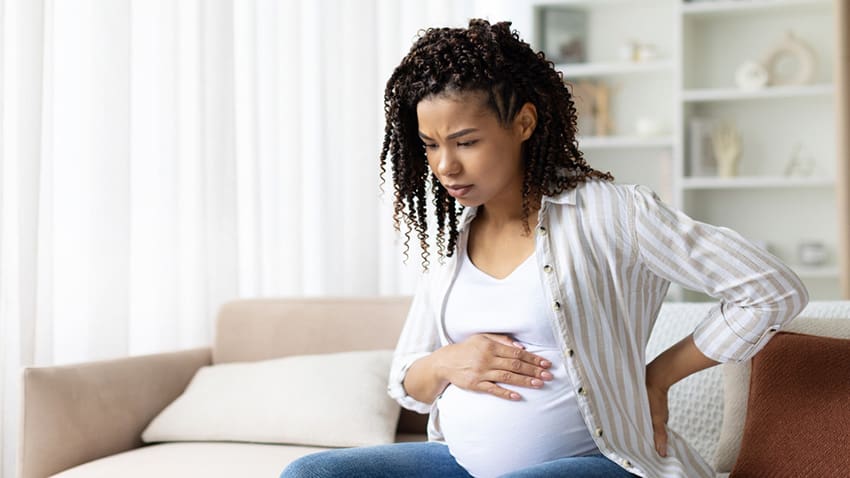
Back pain during pregnancy is among the most common complaints of pregnant women. When your body changes to fit the baby, the extra weight and altered posture can just put a pressure on your back and cause you to have pain. Learning all the causes and the steps to take will give you the relief that you need during pregnancy.
This article is a resource to help you understand what mainly causes back pain in pregnancy and how to alleviate it practically. The methods from correcting the posture and doing gentle stretches to wearing the right gear can assist in lessening the pain, and in enhancing your health and happiness during this special period.
Back Pain During Pregnancy: Common Causes
Many women experience back pain during pregnancy, which is typically the result of the bodily changes that occur in order to accommodate the baby. Identifying the factors that contribute to the pain can just enable you to make decisions that will either avert or alleviate the discomfort. These causes are, among others, the following:
- Posture changes: When your belly gets bigger, your center of gravity changes and therefore your lower back is put under extra pressure.
- Weight gain: The burden that the baby and the changes in your body place on your spine and back muscles is what causes the weight gain.
- Hormonal changes: Among pregnancy hormones is relaxin, one that loosens ligaments and joints and thus can cause back pain.
- Muscle separation: The abdominal muscles may be stretched or separated, thus the back muscles will be less supported.
- Stress and fatigue: Among the causes of back pain are also emotional stress and physical tiredness that can lead to the tightening of back muscles.
When Back Pain During Pregnancy Usually Starts
Back pain during pregnancy is possible at any time, but is most frequently associated with the second and third trimesters. After the development of the baby, the extra weight and the changes in the posture cause the spine and the back muscles to be more pressurized and discomfort appears. A few women may feel a slight pain in early pregnancy, which is usually due to hormonal changes that loosen the ligaments and joints.
For a great number of people, the discomfort becomes significantly more due to the progression of the pregnancy. During the second trimester, posture changes and the growing belly can put pressure on the lower back resulting in pain. While in the third trimester, back pain is at its maximum most of the time due to the increased weight and muscle fatigue.
Back Pain During Pregnancy by Trimester
Back pain during pregnancy is different for each trimester, and knowing the changes can help you cope with the pain.
First Trimester:
The back pain might be extremely mild and could be the result of hormone changes that loosen ligaments and joints in preparation for pregnancy. Some women may also experience general tiredness and abdominal discomfort, which will put more strain on the back.
Second Trimester:
When the belly gets bigger, the center of gravity moves forward that makes the lower back under a lot of pressure and sore. Just correcting your posture a little and doing some gentle stretching may give you some relief.
Third Trimester:
Back pain is usually at the maximum level because of the extra weight, muscle fatigue, and the spine being under stress. The use of a supporting aid, like the Momcozy pregnancy belly support band, can contribute to the alleviation of the pressure, the improvement of the posture, and the facilitation of the daily activities.
Safe Ways to Relieve Back Pain During Pregnancy
Pregnancy back pain is very common, however, there are safe means of pain relief. Altering your posture slightly, doing some gentle stretching and giving yourself some support can be a tremendous relief to you. Here are some very simple methods:
- Sitting and standing properly: Try to maintain your back straight and your shoulders relaxed.
- Working with support: A pregnancy belly band can be a wonderful aid in removing the lower back pressure.
- Doing gentle stretching: Gentle stretching or a prenatal yoga session can do a lot not only to make your back stronger but also more flexible.
- Lifting things in a safe way: Just bending your knees and keeping your back straight is enough when you are lifting something.
- Sleeping in comfort: Should you be a side sleeper, a pillow placed between your knees can provide you with the required support.
- Applying heat or cold: Using a warm compress or a cold pack for heating or cooling a sore area is a very effective method to relax your body muscles.
- Moving regularly: You should not be sitting or standing for long periods. Instead, short walks or gentle movements should be done.
Sleeping Positions for Back Pain During Pregnancy
Finding a comfortable sleeping position can have a major impact on how you manage back pain during pregnancy. The right position, along with adequate support, can not only just alleviate pressure on your spine but also help you get a better sleep.
- Sleep on your side: Left side sleeping is ideal as it enhances blood circulation to the baby and also takes the load off your back.
- Place a pillow between your knees: This allows your hips and spine to be in the same line thus relieving the lower back of any pain.
- Support your belly: Putting a small pillow or a pregnancy pillow under your belly will help in taking the weight off your back and pelvis.
- Raise your upper body a bit: The use of extra pillows can take the pressure off your back as well as assist in the management of heartburn.
- Do not sleep on your back: Flat lying can lead to more pressure on your spine. Thus, your back pain during pregnancy will become worse.
- Maintain the same side: Always try to sleep on the same side during the night so as not to overwork one side of your body.
- Perform gentle stretches before sleeping: Mild stretching or prenatal yoga will help loosen your back muscles and thus sleeping will be more comfortable.
When to Call a Doctor for Back Pain During Pregnancy
Back pain can be commonly felt by most women during pregnancy. If you experience any of the symptoms below, do not hesitate to seek medical assistance immediately:
- A sudden, sharp, or continuous pain in an area that is difficult to locate
- Regular cramping or rhythmic lower back pain that may be sign of preterm labor
- Walking, standing, or balancing becoming difficult due to the pain
- Past trauma or a fall followed by back pain
- A history of trauma or a fall followed by back pain
- Back pain accompanied by severe abdominal pain or pressure
Conclusion
Back pain during pregnancy is normal, but one should refrain from ignoring uncharacteristic or extreme symptoms. Making an appointment with your physician at the earliest opportunity and employing the aid of a device such as the Momcozy pregnancy belly support band will not only make the pregnancy period more comfortable, but also be beneficial to your overall health.



