
Business
Coca-Cola Stock Dips 1.4% to $77 as Shares Pull Back from Recent Highs Amid Consumer Caution

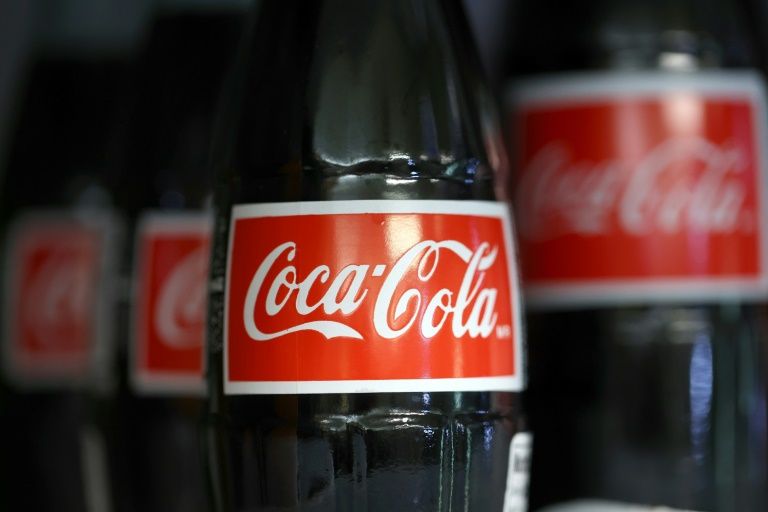
Shares of The Coca-Cola Company (NYSE: KO) declined modestly Friday, March 6, 2026, trading around $76.75 to $77.03 midday, down approximately 0.3% to 1.4% from Thursday’s close of $77.03 to $78.10 in recent sessions, reflecting a broader pullback from February’s all-time highs near $82 amid ongoing consumer budget pressures and geopolitical volatility.

The Atlanta-based beverage giant opened near $76.80 to $77.68, with intraday ranges from lows around $76.35-$76.50 to highs of $76.90-$77.72. Volume remained elevated at over 3-23 million shares in early trading, consistent with recent activity. The stock has now retreated about 6% from its February 27 peak of $81.56-$82.00, its highest close in recent history, but remains up roughly 10% year-to-date in 2026 and about 10-12% over the past year.
The dip follows a strong but volatile start to the year, with KO hitting record territory in late February before softening. Analysts attribute the recent weakness to macro headwinds, including higher energy costs from Middle East tensions and cautious consumer spending in key markets like North America and Asia. Despite these pressures, Coca-Cola’s defensive profile — bolstered by pricing power, brand strength and consistent dividends — continues to attract income-focused investors.
The company reported fourth-quarter and full-year 2025 results on February 10, 2026, showing resilience amid softer soda demand in developed markets. Net revenues grew 2% to $11.82 billion in Q4, missing some estimates of over $12 billion, while organic revenues (non-GAAP) rose 5%, driven by 4% price/mix growth and 1% volume increase. Comparable EPS grew 6% to $0.58, with full-year comparable EPS up 4% to $3.00 and reported EPS surging 23% to $3.04 due to one-time factors.
For 2026, management guided organic revenue growth of 4%-5%, in line with or slightly below 2025’s 5% pace, alongside expected EPS growth of 7%-8%. The outlook reflects confidence in pricing strategies to offset input costs, though executives noted challenges from inflation-squeezed budgets pushing consumers toward cheaper alternatives. Rival PepsiCo’s recent price cuts on snacks highlighted competitive dynamics in the broader consumer packaged goods space.
Coca-Cola’s dividend remains a cornerstone appeal. The company announced its 64th consecutive annual increase in early 2026, with the forward yield around 2.67% at current levels (quarterly dividend $0.515, annualized $2.06). The ex-dividend date is March 13, 2026, drawing income investors amid market uncertainty. The low payout ratio provides room for future hikes, supporting its Dividend King status.
Analyst sentiment stays positive, with a consensus Buy rating from 13-16 firms. Average 12-month price targets range from $80.58 to $84.33, implying 4-10% upside from current levels, with highs up to $87. Firms like Citi maintain Buy calls, citing durable brand equity and digital transformation efforts. Some models suggest potential for $95 in optimistic scenarios, driven by sustained mid-single-digit growth.
Market capitalization hovers around $330-335 billion. The stock trades at a forward P/E in the mid-20s, reasonable for a stable consumer staple with predictable cash flows. Year-to-date performance of about 10% outpaces the S&P 500’s modest gains, underscoring KO’s defensive appeal in volatile times.
Broader influences include participation in the Citi 2026 Global Consumer & Retail Conference on March 9, where CFO John Murphy is scheduled to present, potentially offering fresh insights on strategy. The company continues emphasizing innovation in low- and no-sugar options, ready-to-drink teas and sustainability initiatives to adapt to shifting preferences.
Despite the pullback, Coca-Cola’s fundamentals remain solid: global reach, pricing discipline and a fortress balance sheet position it well for economic uncertainty. With earnings due April 28, 2026, investors will watch for signs of volume stabilization and margin resilience.
As trading continues, the stock’s modest decline reflects short-term caution rather than fundamental concerns. Long-term holders value its reliability, while new buyers may see the dip as an entry point for a blue-chip dividend play.

Business
Manny Pacquiao Prepares for April Exhibition Against Ruslan Provodnikov While Mayweather Rematch Talks Heat Up
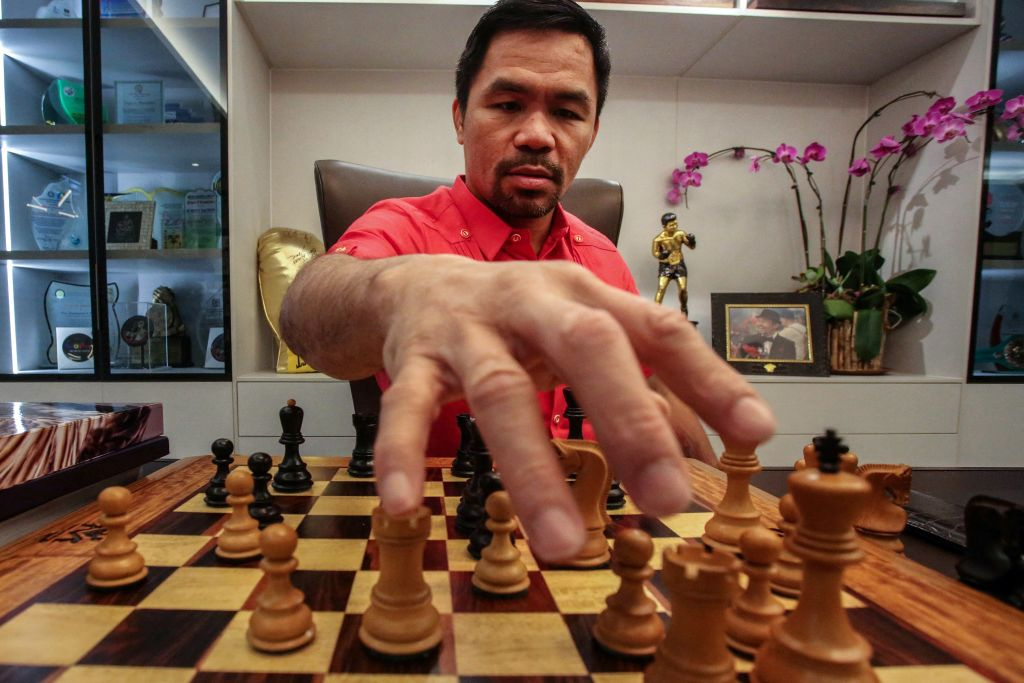
Boxing legend Manny Pacquiao is set to return to the ring on April 18, 2026, for a 10-round welterweight exhibition against former junior welterweight champion Ruslan Provodnikov at the Thomas & Mack Center in Las Vegas, marking his second outing since emerging from a four-year retirement.

The bout, promoted by Banner Promotions in association with Manny Pacquiao Promotions, serves as another step in the 47-year-old Filipino icon’s unlikely comeback journey. Tickets are already on sale via Pacquiao’s official website, with the event billed as “The Road to Glory.” Pacquiao, a former eight-division world champion and 2025 International Boxing Hall of Fame inductee, previously fought to a controversial draw against WBC welterweight champion Mario Barrios in July 2025.
Pacquiao expressed enthusiasm in a statement, saying he carries the Philippines with him every time he fights and that the support from his country and fans worldwide continues to inspire him. The matchup with Provodnikov — nicknamed “The Siberian Rocky” — reunites Pacquiao with a rugged former sparring partner known for his aggressive style and power, though the Russian has not fought professionally since 2016.
Comeback Context and Shifting Plans
Pacquiao’s return to boxing after retiring in 2021 has been marked by ambition and schedule adjustments. He initially targeted world title opportunities, including potential bouts against champions like Rolando “Rolly” Romero, but plans evolved. The April exhibition against Provodnikov was confirmed in mid-February after earlier dates for a more competitive return shifted. Some reports in late March indicated the April 18 date might move to June to better align with broader plans, though promoters have not issued a final update.
The 2025 Barrios fight, which ended in a draw despite Pacquiao landing significant volume, reignited public interest in the “Pac-Man.” At 46 during that bout, he showed flashes of his legendary speed and footwork, though questions about age and ring rust persisted. Pacquiao has since trained rigorously, maintaining that he still has unfinished business in the sport he dominated for nearly two decades.
Mayweather Rematch Buzz
Beyond the Provodnikov exhibition, speculation swirls around a potential blockbuster rematch with Floyd Mayweather Jr. Pacquiao confirmed negotiations are underway, with some reports pointing to a September 2026 showdown at The Sphere in Las Vegas, possibly streamed on Netflix. Promoters, including Jas Mathur of Pacquiao’s team, have described the prospective bout as “historic” rather than mere nostalgia, emphasizing its global appeal more than a decade after their controversial 2015 encounter.
Mayweather, who defeated Pacquiao by unanimous decision in a welterweight title unification bout that generated record pay-per-view numbers, has teased his own exhibition activity. A Pacquiao-Mayweather II would undoubtedly shatter financial records again, though both fighters are well into their 40s and the contest would likely carry exhibition elements.
Pacquiao has framed his current activity as driven by passion and national pride rather than purely financial motives. He has repeatedly stated that he fights for the Philippines and its people, a theme consistent throughout his career.
Life Beyond the Ring
Pacquiao has stepped back from active politics, describing the field as “dirty” in 2025 interviews and choosing to focus on boxing and family. The former senator and one-time presidential contender had filed candidacy papers for a Senate return in past cycles but now appears committed to the ring. He continues philanthropic work and community engagement in the Philippines, where he remains a national hero.
In addition to boxing, Pacquiao has been involved in other sporting endeavors, including supporting chess events bearing his name, such as the Manny Pacquiao International Chess Festival held earlier in 2026 in General Santos City. These activities highlight his broader influence as a sports figure and role model in his home country.
At 47, Pacquiao maintains a disciplined training regimen under longtime trainer Freddie Roach’s guidance in past camps, though specifics for the Provodnikov fight remain under wraps. He has spoken about the physical demands of returning at an advanced age but insists his love for the sport outweighs the risks.
Legacy and Cultural Impact
Pacquiao’s career stands as one of boxing’s most remarkable. From humble beginnings in General Santos City to becoming the only fighter to win world titles in eight weight divisions, he transcended the ring to become a global superstar, politician and philanthropist. His fights against Oscar De La Hoya, Ricky Hatton, Miguel Cotto and others defined an era of pay-per-view dominance.
The current comeback chapter divides fans. Some celebrate the opportunity to see a living legend one more time, while others worry about potential health risks or diminished performance. Promoters frame the exhibitions as celebratory events that allow Pacquiao to stay active without the full rigors of a championship schedule.
The April 18 card in Las Vegas will likely feature additional bouts under Manny Pacquiao Promotions, building on the fighter’s history of delivering exciting events. An undercard with rising prospects or fellow Filipino talents could add national flavor for the large diaspora expected to attend or watch.
Outlook for Pacquiao in 2026
As spring 2026 progresses, all eyes remain on whether the Provodnikov exhibition proceeds on April 18 or shifts, and how quickly talks for a Mayweather rematch advance. Regardless of the opponent, Pacquiao’s presence alone guarantees attention in a sport that has long revered his speed, power and charisma.
The Filipino icon has repeatedly defied expectations throughout his career — winning titles late into his 30s and now mounting a comeback in his late 40s. While the physical prime may be long past, his heart and determination continue to inspire millions.
For boxing fans, the coming months offer a chance to witness history in the making once more. Whether it leads to another world title attempt or culminates in a lucrative Mayweather rematch, Manny Pacquiao’s 2026 journey ensures the “Pac-Man” remains a central figure in the sweet science.
Pacquiao’s message remains consistent: He fights not just for himself, but for his country and the dreams of underdogs everywhere. As tickets sell and training intensifies, the boxing world waits to see if lightning can strike twice — or more — for one of the sport’s all-time greats.


I run my own boutique law firm, focusing on investment transactions and disputes. Trained at top U.S. law schools and leading Wall Street law firms, I write here primarily to sharpen my own thinking and to engage with my followers. I endeavor to respond to any substantive comments on my articles. My goal is to identify potential 5–10 baggers at the small- and mid-cap stage through careful fundamental analysis of businesses, financials, and valuations. I focus on early-commercial-stage life sciences companies, insurers, homebuilders, and select consumer-facing businesses. If an article of mine fails to make an intelligent 8th grader understand its thesis, I will skip that opportunity.
Analyst’s Disclosure: I/we have a beneficial long position in the shares of DECK either through stock ownership, options, or other derivatives. I wrote this article myself, and it expresses my own opinions. I am not receiving compensation for it (other than from Seeking Alpha). I have no business relationship with any company whose stock is mentioned in this article.
Seeking Alpha’s Disclosure: Past performance is no guarantee of future results. No recommendation or advice is being given as to whether any investment is suitable for a particular investor. Any views or opinions expressed above may not reflect those of Seeking Alpha as a whole. Seeking Alpha is not a licensed securities dealer, broker or US investment adviser or investment bank. Our analysts are third party authors that include both professional investors and individual investors who may not be licensed or certified by any institute or regulatory body.
Iran Is Noise, Artificial General Intelligence Is The Signal, Nvidia Is The Trade

Duolingo's AI Splurge Is A Reason To Buy, Not Sell (Upgrade)
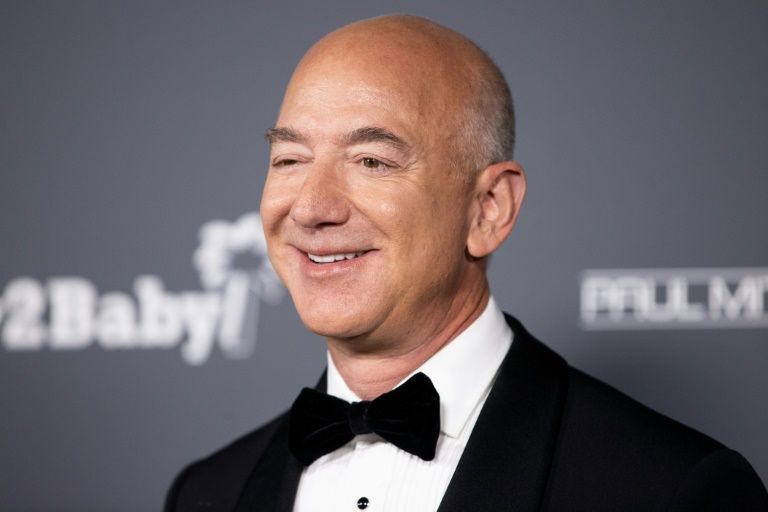
Jeff Bezos, the billionaire founder of Amazon and owner of The Washington Post, made headlines in March 2026 when his space company Blue Origin filed ambitious plans with federal regulators for “Project Sunrise,” a proposed network of up to 51,600 satellites designed to function as an orbital data center.

The filing with the Federal Communications Commission on March 19 seeks approval for a constellation of sun-synchronous satellites operating between 500 and 1,800 kilometers in altitude. Blue Origin described the project as a way to shift energy- and water-intensive computing away from Earth, easing pressure on terrestrial resources while advancing space-based computation capabilities. The proposal comes shortly after Amazon challenged aspects of rival SpaceX’s satellite plans, highlighting growing competition in the emerging orbital infrastructure sector.
Blue Origin’s move underscores Bezos’ continued heavy investment in space ambitions even after stepping down as Amazon’s CEO. The company, which has faced delays in its New Glenn heavy-lift rocket and paused New Shepard suborbital tourist flights for at least two years, is positioning itself in multiple satellite markets, including communications and now data processing in orbit. Analysts see the project as part of a broader race among tech giants and space firms to dominate next-generation infrastructure, though regulatory hurdles, spectrum allocation and orbital congestion concerns remain significant.
Washington Post Struggles and Leadership Changes
Closer to Earth, Bezos’ ownership of The Washington Post has drawn scrutiny amid ongoing financial and editorial challenges. In February 2026, the newspaper implemented broad layoffs, prompting Bezos to issue his first public statement on the cuts. He emphasized data-driven decision-making while acknowledging the difficulties facing traditional media.
The Post’s CEO Will Lewis stepped down amid backlash over the job reductions, with CFO Jeff D’Onofrio assuming the top role. Observers have described the situation as awkward for Bezos, whose hands-off approach since acquiring the paper in 2013 for $250 million has contrasted with the deep cost-cutting now underway. Circulation and advertising challenges persist, raising questions about the long-term viability of the storied publication under billionaire ownership.
Bezos has largely remained silent on day-to-day editorial matters, but the layoffs fueled criticism that the paper is being “gutted” in ways that align with broader industry pressures and political headwinds.
Personal Life and High-Profile Appearances
On the personal front, Bezos and his wife Lauren Sánchez Bezos continued to generate tabloid attention with their lavish lifestyle. The couple rang in 2026 with a star-studded New Year’s Eve celebration aboard superyachts in St. Barts, joined by celebrities including Leonardo DiCaprio and his girlfriend Vittoria Ceretti. Photos of the pair dancing and enjoying the Caribbean sun circulated widely, with some outlets noting Bezos appearing energetic yet occasionally “worn out” trying to match his wife’s high-energy social pace.
The couple, who married in a high-profile 2025 Venice wedding, have also been named lead sponsors for the 2026 Met Gala and its Costume Institute exhibition, further cementing their place in elite cultural circles. Sánchez, a former television personality and aviator, has taken an increasingly visible role alongside Bezos in both philanthropy and public events.
Rumors of prenuptial agreements tied to Bezos’ vast fortune — estimated around $220-230 billion — surfaced around the wedding, though details remain private. His ex-wife Mackenzie Scott continues her high-profile philanthropy, making significant donations in early 2026 independent of Bezos’ activities.
Reflections on Amazon Legacy and Future Vision
Bezos has occasionally reflected publicly on Amazon’s early days. In recent interviews and appearances, he recalled the grueling process of raising seed capital, describing 60 investor meetings as among the hardest of his life, with many questioning the very concept of the internet. He has also reiterated core principles like customer obsession that guided Amazon’s growth into one of the world’s most valuable companies.
In March 2026, Bezos made bold comments on the future of computing, suggesting subscription-based cloud services could largely replace traditional personal computers as artificial intelligence reshapes technology consumption. His remarks align with Amazon Web Services’ dominant position in cloud infrastructure, though he no longer serves as CEO.
Speculation persists about Bezos potentially becoming the world’s first trillionaire, with some earlier projections pointing to 2026 as a possible milestone, driven by Amazon stock performance and his diversified holdings.
Blue Origin’s Broader Space Ambitions
Beyond the satellite data center proposal, Blue Origin continues work on lunar landers and orbital missions. The company has signaled plans for more frequent launches, though it has encountered setbacks, including the temporary pause in crewed New Shepard flights from its West Texas facility.
The orbital data center concept joins other Blue Origin initiatives in low- and medium-Earth orbit, potentially competing not only with SpaceX but also with Amazon’s own Project Kuiper satellite internet constellation. The overlapping interests highlight the complex dynamics within Bezos’ empire.
Environmental and regulatory questions loom large for large satellite constellations, including light pollution, space debris risks and energy demands for ground stations. Blue Origin’s filing emphasizes sustainability benefits by moving compute off-planet, but critics argue such projects could exacerbate orbital crowding.
Outlook for Bezos in 2026
At 62, Bezos shows no signs of slowing his multifaceted pursuits. From pushing the boundaries of space infrastructure to navigating media ownership challenges and enjoying a high-profile personal life, he remains one of the most influential figures in technology, business and culture.
The coming months will test Blue Origin’s ability to turn ambitious filings into operational reality while The Washington Post seeks stability under new leadership. Meanwhile, Bezos’ cultural footprint — from Met Gala sponsorship to celebrity social circles — ensures he stays in the public eye.
As artificial intelligence, space commercialization and traditional media evolve rapidly, Bezos’ moves across his portfolio will continue shaping industries and sparking debate. Whether through orbital data centers or editorial decisions at legacy newspapers, the Amazon founder’s long shadow extends far beyond e-commerce.
For now, Project Sunrise represents the latest chapter in Bezos’ quest to expand humanity’s reach — and computing power — beyond Earth, even as earthly concerns at The Washington Post demand attention.

SEOUL, South Korea — Stray Kids are gearing up for a busy 2026 with a new full album, an expansive world tour and continued global expansion, building on their momentum as one of K-pop’s most prolific and self-produced acts.

The eight-member JYP Entertainment group — Bang Chan, Lee Know, Changbin, Hyunjin, Han, Felix, Seungmin and I.N — revealed ambitious plans for the year in their “STEP OUT 2026” video released on Dec. 31, 2025. The announcement included a new album, a large-scale tour, fan meetings and additional fan-focused content, exciting STAYs worldwide as the group celebrates its eighth anniversary.
On March 25, 2026 — marking their debut anniversary — Stray Kids dropped the digital single “별, 빛 (STAY)” (Star, Light – STAY), a heartfelt track dedicated to their loyal fandom. The song serves as the title track for the upcoming special compilation album “REPLAY: STAY WITH YOUR WINGS,” initially planned for earlier in the year but restructured with the single released first and the full digital version expected later in 2026. The project features unreleased solo tracks and material from past tours, offering fans a deeper look into the members’ individual artistry.
‘STEP OUT 2026’ Blueprint for the Year
In the “STEP OUT 2026” video, the members outlined a packed schedule that underscores their signature high work ethic and direct engagement with fans. Alongside the new album and tour, plans include fan meetings, festival appearances, the return of signature content like “Kids Room,” and global SKZOO pop-up stores featuring the group’s popular mascot characters.
JYP Entertainment has confirmed the group will make a full comeback with a new album, though an exact release date remains unannounced as of late March 2026. Industry speculation and fan discussions point to a potential drop in the third or fourth quarter, allowing time for thorough preparation after their active 2025 schedule that included the “DO IT” SKZ IT TAPE release.
The upcoming tour is expected to build on the success of previous world tours, likely visiting major cities across Asia, North America, Europe, Latin America and Australia. Exact dates and venues have not yet been revealed, but anticipation is high following sold-out shows and record-breaking attendance in prior years.
Anniversary Single Honors STAYs
The March 25 release of “별, 빛 (STAY)” was positioned as a special gift to fans on the group’s eighth anniversary. The track’s warm, emotional tone reflects gratitude and the unbreakable bond between Stray Kids and STAY, a theme consistent with the group’s fan-centric approach since debut.
The special album “REPLAY: STAY WITH YOUR WINGS” was first teased as part of the sixth-generation STAY membership kit in January 2026. It was originally slated for a February release but shifted strategy, with the title track coming as a digital single in the first quarter and remaining tracks to follow digitally later. The compilation is expected to include solo songs performed during the 5-STAR Dome Tour and other unreleased material, giving fans a “replay” of cherished moments while introducing fresh content.
Self-Produced Identity and Recent Momentum
Stray Kids have built a reputation for self-production, with leader Bang Chan, Changbin and Han (collectively 3RACHA) heavily involved in songwriting, composition and arrangement. This hands-on approach has allowed them to maintain a distinct sound blending hip-hop, rock, electronic and experimental elements.
Their 2025 activities, including the “DO IT” release with double title tracks, kept them in the spotlight and set the stage for 2026 ambitions. The group has consistently broken records on global charts, sold out arenas and expanded their influence through variety content, fashion and brand partnerships.
As they enter their ninth year, Stray Kids continue to emphasize authenticity and connection with fans. The “STEP OUT 2026” plans reflect confidence after years of steady growth, positioning them as leaders in the fourth-generation K-pop scene even as newer acts emerge.
Fan and Industry Reactions
STAYs have responded enthusiastically to the 2026 roadmap, flooding social media with excitement over the promised album and tour. Some fans noted the ambitious scope amid discussions comparing activity levels across K-pop groups, but supporters defended the group’s work ethic as consistent with their identity.
Critics and industry observers view the plans as a natural progression for a group known for frequent releases and strong live performances. The inclusion of solo tracks in the special album highlights the members’ individual talents, potentially paving the way for future subunit or solo projects while strengthening the collective brand.
Global expansion elements, such as SKZOO pop-ups, demonstrate JYP’s strategy to deepen international engagement beyond music, tapping into merchandise and experiential marketing.
Challenges and Outlook
Navigating a demanding schedule while maintaining quality remains a challenge for any top-tier act. Stray Kids have spoken openly in the past about balancing creativity, health and rest, and 2026’s plans will test that equilibrium.
With a new album on the horizon, fans speculate on sonic evolution — perhaps more mature themes, bolder experimentation or continued genre fusion. The group’s history suggests the project will feature self-written tracks that reflect their current mindset and experiences.
The world tour is expected to deliver high-energy performances with elaborate staging, fan interactions and setlists blending hits with new material. Festival appearances could further boost visibility in key markets.
As March 2026 draws to a close, the anniversary single “별, 빛 (STAY)” serves as a touching reminder of the group-fan relationship that has fueled Stray Kids’ journey. With more music and live shows ahead, 2026 is shaping up as another landmark year for the self-producing idols who have consistently “stepped out” beyond expectations.
Whether through heartfelt ballads dedicated to STAY or high-octane comeback tracks, Stray Kids show no signs of slowing down. Global audiences eagerly await the next chapter as the group continues to write its own story on its terms.


As a detail-oriented investor with a strong foundation in finance and business writing, I focus on analyzing undervalued and disliked companies or industries that have strong fundamentals and good cash flows. I have a particular interest in sectors such as Oil&Gas and consumer goods. Basically, anything that has been unloved for unjustified reasons that could offer substantial returns. Energy Transfer is one of those companies that I came across when no one wanted to touch it and now I can’t resolve myself to sell it. I will always focus more on long-term value investing but I can sometimes lose myself in possible deal arbitrage such as with Microsoft/ Activision Blizzard, Spirit Airlines/Jetblue (that one still hurts), and Nippon/U.S. Steel (perfect exit at $50.19). I tend to shun businesses that I can’t understand either high-tech or certain consumer goods such as fashion (give me a Levi’s jeans). I don’t understand why anyone would invest in cryptocurrencies as well. Through Seeking Alpha, I aim to connect with like-minded investors, share insights, and build a collaborative community of individuals seeking superior returns and informed decision-making, currently on a quest to review every public company.
Analyst’s Disclosure: I/we have no stock, option or similar derivative position in any of the companies mentioned, and no plans to initiate any such positions within the next 72 hours. I wrote this article myself, and it expresses my own opinions. I am not receiving compensation for it (other than from Seeking Alpha). I have no business relationship with any company whose stock is mentioned in this article.
Seeking Alpha’s Disclosure: Past performance is no guarantee of future results. No recommendation or advice is being given as to whether any investment is suitable for a particular investor. Any views or opinions expressed above may not reflect those of Seeking Alpha as a whole. Seeking Alpha is not a licensed securities dealer, broker or US investment adviser or investment bank. Our analysts are third party authors that include both professional investors and individual investors who may not be licensed or certified by any institute or regulatory body.


I am a CPA and financial consultant with over two decades of experience in financial reporting. This professional background informs my lifelong passion for investing, where I combine a natural appetite for curiosity with a disciplined, long-term approach. Through the Conviction Queue, I focus on identifying quality, founder-led businesses at attractive valuations. My primary goal is to provide deep analysis on companies with sustainable growth potential that are built to be held for years.
Analyst’s Disclosure: I/we have a beneficial long position in the shares of CAVA either through stock ownership, options, or other derivatives. I wrote this article myself, and it expresses my own opinions. I am not receiving compensation for it (other than from Seeking Alpha). I have no business relationship with any company whose stock is mentioned in this article.
Seeking Alpha’s Disclosure: Past performance is no guarantee of future results. No recommendation or advice is being given as to whether any investment is suitable for a particular investor. Any views or opinions expressed above may not reflect those of Seeking Alpha as a whole. Seeking Alpha is not a licensed securities dealer, broker or US investment adviser or investment bank. Our analysts are third party authors that include both professional investors and individual investors who may not be licensed or certified by any institute or regulatory body.

Micron: AI Memory Paradox Could Send Demand Exploding Despite Margin Risks
Former State Department deputy special envoy Ellie Cohanim discusses ongoing talks between U.S. officials and Iran over its nuclear program on ‘The Bottom Line.’
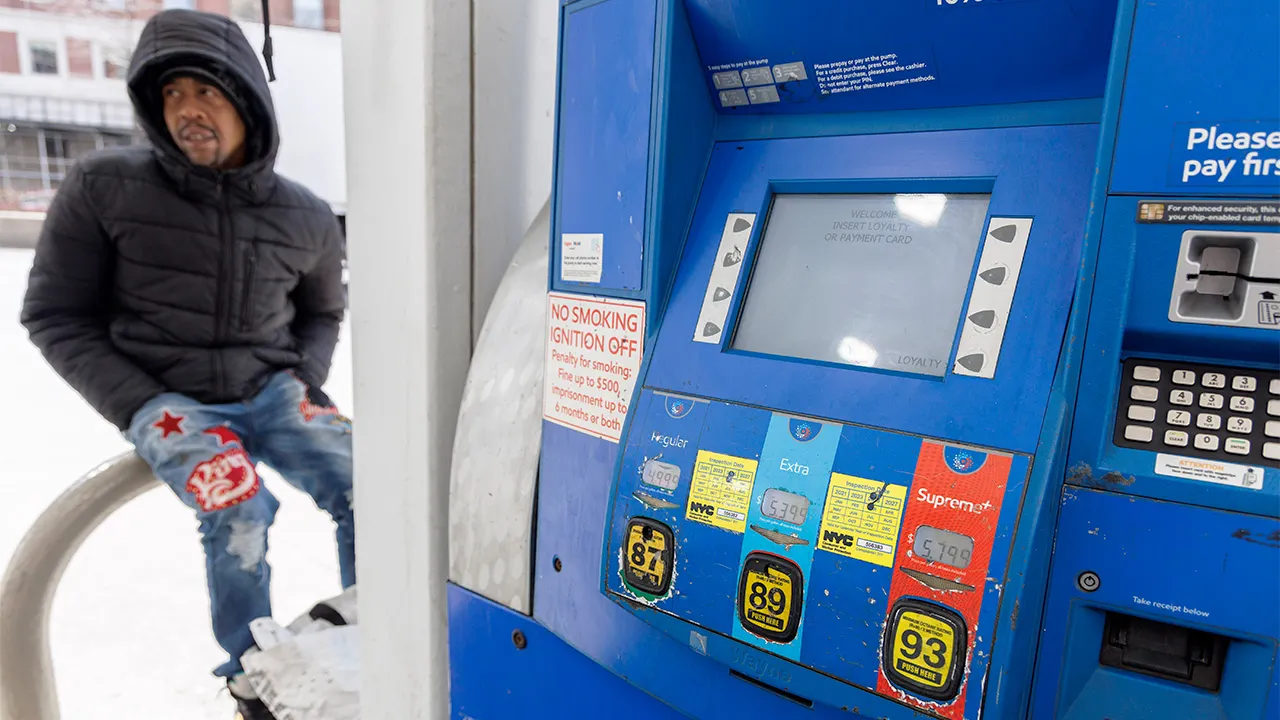
Oil prices have surged more than 40% since the start of the Iran conflict, rattling global energy markets and raising concerns that U.S. drivers could see further increases at the pump.
Analysts say consumers may not have felt the full impact yet, as higher crude costs typically take weeks to filter through to retail gasoline prices. Even if oil stabilizes, pump prices could continue rising in the near term.
“More than likely there is more to come, because there’s usually a lag between crude prices and what consumers pay at the pump,” said Phil Flynn, a FOX Business contributor and senior market analyst at Price Futures Group.
Michael Mische, a supply chain expert and professor at the University of Southern California, also predicted the worst is not over, telling FOX Business: “There’s more still to come.”
“There is a lag, and prices will continue to work their way through the system,” he said.
IRAN WAR COULD PUSH INFLATION HIGHER THIS YEAR, GOLDMAN SACHS SAYS
Prices are seen at a gas station in Downtown Brooklyn, New York, United States, on March 18, 2026. (Matthew Hoen/NurPhoto via Getty Images / Getty Images)
U.S. benchmark West Texas Intermediate crude closed at $99.64 a barrel on Friday, remaining elevated after a volatile stretch tied to the conflict. While prices were on track for their first weekly decline in more than a month, they remain sharply higher than pre-conflict levels.
The rally follows supply disruptions linked to U.S. and Israeli strikes on Iran, which analysts estimate have removed roughly 10 million to 11 million barrels per day from global markets, tightening supply.
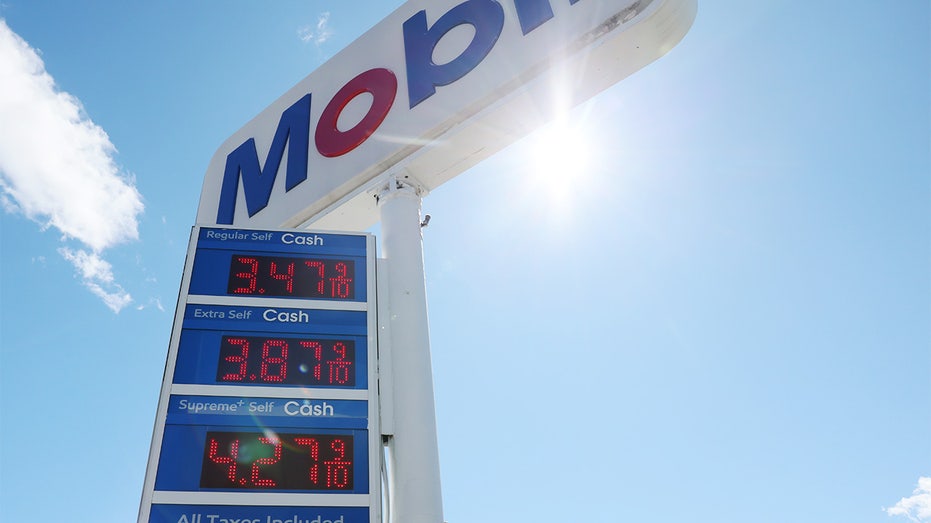
Gas prices are displayed at a Mobile Gas station on March 17, 2026 in the Kensington neighborhood of the Brooklyn borough in New York City. (Michael M. Santiago/Getty Images)
Geopolitical uncertainty continues to drive the market. The U.S. has extended a deadline for Iran to reopen the Strait of Hormuz—a critical route for global oil shipments—while also weighing additional military action. Prices could fall if the conflict eases but are likely to remain above pre-conflict levels, while a prolonged escalation could push prices higher.
IRAN WAR FUELS ASIA ENERGY CRUNCH AS INDIA, JAPAN, OTHERS FEEL STRAIN
“Even with this supply shock, the increase has been relatively orderly—and it could have been much worse,” Flynn said.
But Mische noted that strong domestic production has helped cushion the impact. “If we didn’t have current U.S. production levels, we would be in a real mess,” he said.
For consumers, gasoline prices have already begun to rise, but further increases may be ahead as the earlier crude spike continues to pass through the system.
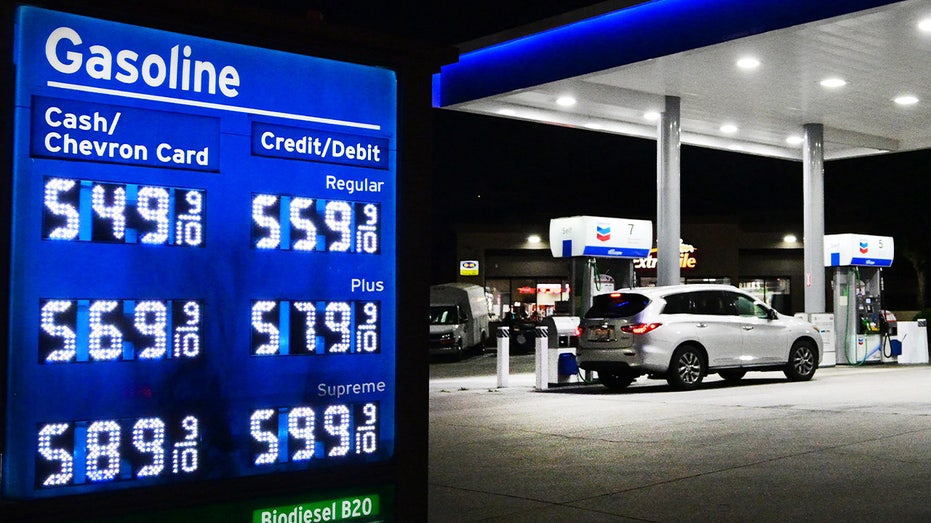
High gas prices are listed at Chevron gas station in Los Angeles on March 9, 2026, as gasoline prices surge amid the ongoing war with Iran. (Frederic J. BROWN / AFP via Getty Images)
The national average price for regular gasoline stood at roughly $3.98 per gallon, according to AAA—up about 6 cents from a week ago and nearly $1 higher than a month ago. GasBuddy data shows a similar trend, with prices rising about 7 cents week over week and more than $1 over the past month.
That increase largely reflects earlier gains in oil, and because retail fuel prices lag crude movements, analysts expect additional upward pressure in the coming weeks.
CLICK HERE TO GET FOX BUSINESS ON THE GO
Seasonal factors are also contributing. The transition to more expensive summer gasoline blends is underway, increasing refining costs and potentially keeping pump prices elevated even if crude stabilizes.
“Prices go up like rockets, and they come down like a feather,” Mische said.
Reuters contributed to this report.

Stoneclough homeowner ‘in shock’ after car crashes into home

Manny Pacquiao Prepares for April Exhibition Against Ruslan Provodnikov While Mayweather Rematch Talks Heat Up

Global M2 Hits New Highs as Central Banks Quietly Expand Money Supply Across Six Major Economies


-
 NewsBeat3 days ago
Manchester United reach agreement with Casemiro over contract clause amid transfer speculation
-

 News Videos3 days ago
Parliament publishes latest register of MPs’ financial interests
-

 Crypto World7 days ago
Best Crypto to Buy Now: Strategy Just Spent $1.57 Billion on Bitcoin During Fear While Early Investors Quietly Enter Pepeto for 150x Potential
-

 Crypto World7 days ago
Bitcoin Price News: Bhutan Sells $72 Million in BTC Under Fiscal Pressure, but the Smart Money Entering Pepeto Sees What the Market Does Not
-

 Sports5 days ago
Remo Stars and Kano Pillars Strengthen Survival Hopes in NPFL
-

 Sports5 days ago
Gary Kirsten Accuses Pakistan Cricket Board Of ‘Interference’, Mohsin Naqvi Responds
-

 Business6 days ago
No Winner in March 21 Drawing as Prize Rolls to $133 Million for Next
-

 Tech6 days ago
Give Your Phone a Huge (and Free) Upgrade by Switching to Another Keyboard
-

 Tech6 days ago
AI enters the chat: New Seattle dating app relies on tech to facilitate meaningful human connections
-

 News Videos5 days ago
Ch 9 Financial Management Part 1 | Detailed One Shot | Class 12 Business Studies Boards 2026
-

 Tech7 days ago
Today’s NYT Connections Hints, Answers for March 22 #1015
-

 Business2 days ago
Instagram, YouTube Found Responsible for Teen’s Mental Health Struggle in Historic Ruling
-

 Business6 days ago
Will Duke Basketball Win It All? Duke Basketball Enters Second Round as Third Favorite to Claim NCAA Title
-

 Sports6 days ago
2026 Kentucky Derby horses, odds, futures, preview, date: Expert who hit 12 Derby-Oaks Doubles enters picks
-

 NewsBeat19 hours ago
The Story hosts event on Durham’s historic registers
-
 NewsBeat6 days ago
Update on Wisbech river crash as search for teenage boy enters fifth day
-
 Entertainment5 days ago
Cynthia Bailey Dishes on ‘RHOA’ Season 17, Discusses Kandi
-

 Tech5 days ago
Samsung will soon let you control smart home devices from your car’s dashboard
-
 NewsBeat3 days ago
Tesco is selling new Cadbury Dairy Milk bar and people can’t wait to try it
-

 Fashion4 days ago
Does It Matter What You Wear When You’re Laid Off and Looking?
You must be logged in to post a comment Login