
Business
Dana Gingerelli Shares Practical Strategies for Focused Work and Productivity


Dana Gingerelli has built a professional reputation around clarity, structure, and consistency in digital operations. Based in Worcester Massachusetts, Dana Gingerelli works as a digital operations specialist and remote administrative consultant supporting distributed teams and independent professionals who rely on well managed systems to stay productive. Her work centers on helping organizations reduce friction in daily workflows, manage communications more effectively, and maintain focus in remote environments that demand discipline rather than constant connectivity
As remote work becomes a long term reality across industries, productivity has shifted from a conversation about speed to one about sustainability. Dana Gingerelli approaches this shift with a practical mindset rooted in daily habits, intentional technology use, and realistic expectations. Rather than promoting constant availability, her focus remains on creating workdays that support concentration and reliable output.
A Professional Approach to Remote Productivity
Dana Gingerelli began working remotely before it became common practice. Over more than a decade, she has supported small businesses and non customer facing teams by organizing back end operations and digital communication systems. That experience informs her view that productivity is less about tools and more about how people use them.
According to Dana Gingerelli, the most productive remote professionals treat their schedules with the same respect they would give an in office role. That includes defined work hours, protected focus time, and clear boundaries around availability. Without those guardrails, remote work can quickly blur into constant interruption.
Her consulting work often starts with identifying where attention is being lost. Excessive notifications, poorly structured inboxes, and open ended task lists tend to create the most strain. By addressing those areas first, Dana Gingerelli helps teams regain control over their time.
Technology Setup That Supports Focus
Dana Gingerelli maintains a streamlined technology setup designed to reduce friction rather than add complexity. She works from a MacBook Air paired with dual monitors, allowing her to separate active tasks from reference material. Noise canceling headphones help minimize distractions during focused work blocks, while a simple lighting setup supports clear video communication when needed
Her preference for Google Workspace reflects a broader philosophy about accessibility and simplicity. Cloud based documents allow for easy collaboration without version confusion, while integrated calendars reduce scheduling errors. Dana Gingerelli emphasizes that consistency across platforms matters more than advanced features that rarely get used.
Scheduling also plays a central role in her workflow. Acuity remains her preferred scheduling tool due to its straightforward interface and reliable calendar integration. By automating appointment booking, Dana Gingerelli reduces the back and forth that often interrupts productive time.
Protecting Attention in a Digital Environment
One of the most common challenges Dana Gingerelli addresses with clients is digital distraction. Constant access to messaging apps and social platforms can fragment attention even during short work sessions. Her approach relies on deliberate limitation rather than complete removal.
Dana Gingerelli regularly blocks distracting websites during work hours and uses focus timers such as Pomofocus or Forest to structure deep work sessions. These tools create natural stopping points that encourage rest without derailing momentum. Over time, this rhythm helps reinforce concentration as a habit rather than a forced effort
She also recommends setting expectations with colleagues about response times. When teams understand that immediate replies are not always possible, pressure decreases and focus improves. Dana Gingerelli notes that clarity around communication norms often has a greater impact than any single productivity app.
Digital Decluttering as a Weekly Practice
Inbox overload remains one of the most persistent productivity issues for remote workers. Dana Gingerelli treats digital decluttering as an ongoing process rather than a one time reset. Unsubscribing from unnecessary emails, organizing folders, and keeping desktops visually simple are part of her regular routine.
According to Dana Gingerelli, visual clutter contributes to cognitive fatigue. A crowded desktop or inbox can create the sense that work is unfinished even when tasks are complete. By maintaining clean digital spaces, professionals reduce mental load and improve task completion rates.
She applies the same principle to file storage. Clear naming conventions and consistent folder structures make it easier to retrieve information without breaking focus. Dana Gingerelli often helps clients redesign shared drives so that documents are intuitive to locate rather than dependent on institutional memory.
Backup Systems and Reliability
Reliability underpins productivity. Dana Gingerelli maintains both cloud based and local backups to protect her work. Weekly local backups complement continuous cloud syncing, ensuring redundancy without excessive manual effort
She advises clients that backup systems should operate quietly in the background. When protection depends on memory, it tends to fail during busy periods. Automating backups removes uncertainty and supports long term operational stability.
This attention to reliability extends to client work as well. Dana Gingerelli structures processes so that tasks do not rely on single points of failure. Clear documentation and shared access reduce risk and support continuity when teams change or scale.
Staying Current Without Constant Noise
Keeping up with new tools can easily become a distraction. Dana Gingerelli takes a selective approach to staying informed, following a small number of trusted productivity blogs and newsletters rather than monitoring every trend
She evaluates tools based on whether they solve existing problems rather than introducing new workflows. In many cases, she finds that refining current systems produces better results than adopting new platforms. This measured approach helps maintain stability while allowing for gradual improvement.
Dana Gingerelli has also explored limited use of AI supported tools for outlining content or drafting emails. However, she emphasizes the importance of personal review and customization. Automation can assist with structure, but final decisions remain human driven to ensure clarity and accuracy.
Changing Work Environments With Intention
While Dana Gingerelli primarily works from a dedicated home setup, she occasionally changes environments to reset focus. Short sessions in cafes or alternative workspaces provide a mental shift without disrupting routine. These changes are planned rather than reactive, serving as a tool rather than an escape
She cautions against relying on constant movement to maintain productivity. Instead, she views environmental changes as periodic adjustments that support creativity or problem solving. Consistency remains the foundation of effective remote work.
Writing and Reflection as Productivity Tools
Beyond operations consulting, Dana Gingerelli has contributed writing to regional and national online outlets. Her work often explores themes related to digital wellness and minimalist approaches to modern work life
Writing serves as both a professional skill and a reflective practice. Journaling helps Dana Gingerelli evaluate what systems are working and where adjustments are needed. This habit reinforces intentional decision making and prevents productivity from becoming purely reactive.
She encourages professionals to reflect regularly on how they spend their time. Simple weekly reviews can reveal patterns that are not obvious day to day. Over time, these insights support more sustainable productivity choices.
A Measured View of Productivity
Dana Gingerelli approaches productivity without urgency or spectacle. Her work avoids trends that prioritize visibility over effectiveness. Instead, she focuses on steady practices that allow professionals to work consistently without burnout.
Her perspective resonates with organizations seeking reliability rather than constant acceleration. By emphasizing focus, clarity, and realistic expectations, Dana Gingerelli helps teams build workflows that support long term performance.
In a work landscape shaped by remote access and constant information flow, her approach offers a grounded framework for staying productive without losing direction.
Maintaining Focus Through Practical Workday Structure
Dana Gingerelli continues to refine her methods through daily practice and client collaboration. Her work reflects the belief that productivity is not about doing more, but about doing what matters with attention and care.


INDIO, Calif. — As the first weekend of the 2026 Coachella Valley Music and Arts Festival kicks off Friday at the Empire Polo Club, the desert event once again promises an eclectic mix of pop spectacle, genre-bending sets and large-scale art installations across two identical weekends running April 10-12 and April 17-19.

AFP
Headliners Sabrina Carpenter, Justin Bieber and Karol G top a bill featuring more than 100 acts, with Anyma debuting a major new production called Æden. Here are 10 fun facts that capture the essence of this year’s festival as gates open and anticipation builds in the Coachella Valley.
- Three First-Time Headliners Light Up the Main Stage Sabrina Carpenter, Justin Bieber and Karol G are all making their Coachella headlining debuts in 2026. Carpenter returns after a memorable 2025 performance where she jokingly predicted her future top billing. Bieber, who previously appeared only as a guest, headlines Saturdays. Karol G becomes the first Latina artist ever to headline the festival on Sundays, building on her well-received 2022 set that honored Latin music legends.
- Karol G Makes History as First Latina Headliner The Colombian superstar’s Sunday slot marks a milestone for representation at North America’s largest music festival. Karol G has described the booking as a high-pressure but deeply personal opportunity to represent her community, promising a heartfelt spectacle rooted in her love for fans and Latin culture.
- Anyma Brings World Premiere of Æden Italian-American DJ Anyma takes on an unofficial fourth headliner role with the debut of Æden, a large-scale electronic production following his successful Sphere residency in Las Vegas. The midnight set on Fridays after Carpenter is expected to deliver mind-bending visuals and immersive sound, continuing Coachella’s tradition of ambitious dance experiences.
- Festival Sold Out Quickly After Early Lineup Reveal Unlike recent years when tickets lingered, the 2026 passes sold out within a week of the September 2025 announcement — the fastest sellout in several cycles. Resale options remain available through official channels, but demand reflects strong excitement around the pop-heavy yet diverse roster.
- Bini Becomes First Filipino Group to Perform Global girl group Katseye makes its Coachella debut on Fridays, while Bini earns the distinction of becoming the first Filipino act to grace the desert stages. These inclusions highlight the festival’s growing embrace of international and K-pop-adjacent talent alongside established names.
- Surprise Addition of Jack White for Weekend 1 Rock icon Jack White was added late to the lineup, scheduled for a 3 p.m. Mojave Stage set on Saturday during the first weekend. The placement in a tent rather than a headlining slot adds an element of unpredictability typical of Coachella’s programming surprises.
- Nine Inch Noize Collab and Eclectic Cross-Genre Mix Trent Reznor’s Nine Inch Nails teams with Boys Noize for a special “Nine Inch Noize” performance. The bill also mixes eras and styles, from punk legends like Iggy Pop and Suicidal Tendencies to rising stars like Addison Rae, Ethel Cain, Turnstile and international acts such as Fujii Kaze and BIGBANG.
- Two Weekends, Identical Lineups but Different Vibes Coachella traditionally repeats the same artist schedule across both weekends, yet each draws a slightly different crowd energy. Weekend 1 often feels more star-studded with influencers and celebrities, while Weekend 2 can offer a more relaxed atmosphere for dedicated music fans seeking fewer logistical headaches.
- Massive Art Installations and Immersive Experiences Beyond music, the festival features large-scale interactive art pieces, from mirrored mazes to kinetic sculptures and desert-specific installations. Past years have included everything from giant balloon animals to high-tech light shows; 2026 continues that tradition with new works designed to surprise and engage attendees wandering the grounds between sets.
- Nearly Everything Streams Live on YouTube For those unable to attend in person, YouTube provides extensive live coverage of most stages, allowing global viewers to catch Carpenter’s ambitious production, Bieber’s headline set or Karol G’s historic performance without leaving home. This accessibility has become a signature feature, turning the festival into a worldwide event.
What Makes Coachella 2026 Special
The 2026 edition arrives as the festival’s 25th anniversary approaches in spirit, though exact milestone timing varies by counting. This year’s lineup leans pop and dance-friendly while still offering rock, electronic, hip-hop and indie depth. Sabrina Carpenter’s Friday sets are expected to feature high-energy production tied to her recent album cycle, while Bieber’s Saturday appearance marks a significant comeback moment.
Attendees should prepare for desert conditions: daytime highs often exceed 90 degrees Fahrenheit in April, with cool nights dropping into the 50s. Festival organizers emphasize hydration, sun protection and comfortable footwear for the sprawling Empire Polo Club grounds.
Beyond the main stage, side stages like the Mojave, Sahara and Outdoor Theatre host rising talents and cult favorites. Conflicts are inevitable — a hallmark of Coachella — forcing tough choices between overlapping sets.
Practical Tips and Broader Context
Gates typically open around 11 a.m., with music running well past midnight. Single-day tickets are not offered; passes cover all three days of a chosen weekend. VIP options provide shaded areas, better restrooms and premium viewing, though general admission remains the heart of the experience.
The surrounding Coachella Valley transforms during festival season, with off-site parties, pop-up activations and celebrity sightings adding to the buzz. Past events have drawn stars like Taylor Swift, Kendall Jenner and Leonardo DiCaprio, and 2026 is expected to follow suit.
Critics note the festival’s evolution from indie roots to a mainstream cultural phenomenon, complete with high ticket prices and influencer culture. Yet for many, the combination of world-class performances, art and desert magic remains unmatched.
As Weekend 1 begins Friday with Sabrina Carpenter closing the main stage before Anyma’s late-night takeover, excitement is palpable. Whether fans are in the polo fields or streaming from afar, Coachella 2026 delivers a vibrant snapshot of current music culture — from viral pop sensations to historic firsts and genre-crossing collaborations.
The desert will once again pulse with sound, light and creativity through April 19. For those lucky enough to attend, the memories — and inevitable set-time dilemmas — will last long after the final encore.
Business
(PHOTO) Kai Trump Shares Augusta National Photos After Tiger Woods DUI Arrest and Rehab Departure
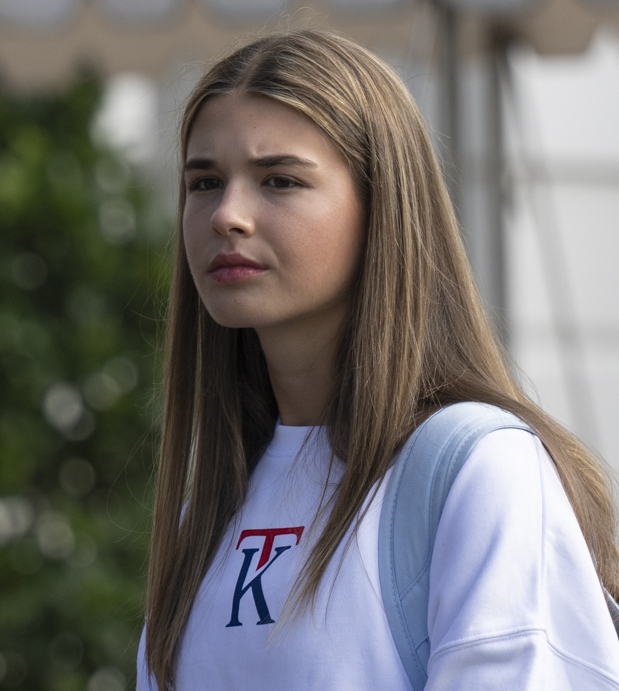
AUGUSTA, Ga. — Kai Trump, the 18-year-old granddaughter of President Donald Trump and an emerging golf talent, shared photos from Augusta National Golf Club this week, offering fans a behind-the-scenes glimpse of the iconic venue just days after her mother Vanessa Trump’s boyfriend, Tiger Woods, was arrested on DUI charges and departed for treatment outside the United States.
Trump posted a series of images on her Instagram account with the simple caption “What a special place 💚,” capturing the serene beauty of the grounds during practice rounds ahead of the 2026 Masters Tournament. One photo showed her posing with two-time U.S. Open champion Bryson DeChambeau and his caddie near the famed clubhouse, where legends like Sir Nick Faldo and Annika Sorenstam were also present. Another featured her in a bold pink outfit bearing the Masters logo, sparking online buzz and some confusion over phone policies at the club.
The timing of her visit drew immediate attention. Woods, a five-time Masters champion, was arrested March 27 in Jupiter, Florida, following a single-vehicle rollover crash. According to the Martin County Sheriff’s Office, Woods was traveling at a high rate of speed, clipped a truck pulling a trailer, and his SUV rolled onto its side. He was charged with DUI, property damage and refusal to submit to a chemical or physical test after declining a urine test, though he passed a breathalyzer.

Woods pleaded not guilty and requested a jury trial. On March 31, he released a statement announcing he would step away from golf to seek treatment. “I know and understand the seriousness of the situation I find myself in today,” he wrote. “I am stepping away for a period of time to seek treatment and focus on my health. This is necessary in order for me to prioritize my well-being and work toward lasting recovery.”
A Martin County judge later granted Woods permission to travel abroad for comprehensive inpatient treatment at an overseas facility, citing privacy concerns and recommendations from his physician. Woods’ attorney argued that effective care could not be safely provided in the U.S. due to repeated compromises of his privacy. He is not competing at the 2026 Masters, marking another absence from the tournament he has dominated in the past.
Kai Trump’s Presence at Augusta
Kai Trump, a University of Miami golf commit and social media personality, appeared calm and focused as she wandered the grounds Tuesday morning, dressed in a green jacket and white cap. Photos and videos captured her near the clubhouse and interacting with players and patrons. Her post quickly went viral, amassing hundreds of thousands of views and comments praising the serene images while noting the coincidental timing with Woods’ situation.
Some observers interpreted her Augusta visit and subtle social media activity — including an earlier post wearing a Sun Day Red sweatshirt from Woods’ clothing line — as a quiet show of support for her mother’s partner without directly addressing the legal issues. Vanessa Trump has publicly stood by Woods, sharing supportive messages on social media.
Kai, daughter of Donald Trump Jr., has built a following through golf content and family appearances. Her love for the game is well-documented, and Augusta National holds special significance for any serious golfer. Her posts highlighted the club’s iconic azaleas, manicured fairways and historic atmosphere, offering followers an exclusive look typically reserved for members and credentialed attendees.
The Incident and Woods’ Response
The March 27 crash marked Woods’ latest high-profile traffic incident. Deputies found prescription painkillers in his pocket, though no alcohol was detected via breathalyzer. Woods was released from jail later that evening. His history includes a 2017 DUI arrest in California and a serious 2021 single-car crash in Los Angeles that left him with severe leg injuries.
Woods has not competed on the PGA Tour since The Open Championship in July 2024. Speculation had swirled about a potential Masters return in 2026 after his participation in TGL events, but the arrest ended those hopes. His absence leaves a void at Augusta, where his five green jackets and dramatic comebacks have become part of tournament lore.
Phil Mickelson is also missing the 2026 Masters for a separate personal family health matter, further thinning the field of past champions.
Family and Public Reactions
The Trump family has maintained a relatively low profile on the matter publicly, focusing instead on support and privacy. Reports surfaced that Woods has been barred from driving the Trump grandchildren due to safety concerns, with Secret Service protection cited as the preferred arrangement.
Kai Trump’s decision to share positive, golf-centric content amid the news cycle resonated with many followers who appreciated her focus on the sport she loves. Her appearance at Augusta, captured in candid moments with DeChambeau, underscored the intersection of golf, celebrity and politics that often surrounds the Masters.
Social media reactions ranged from supportive messages for Woods’ recovery to curiosity about the family dynamics. Some praised Kai for enjoying the tournament without letting external drama overshadow the experience. Others noted the contrast between the pristine setting of Augusta and the turmoil in Woods’ personal life.
Broader Context at the Masters
As the 2026 Masters unfolds without Woods, defending champion Rory McIlroy has grabbed early headlines with record-setting play. The tournament continues its tradition as golf’s most prestigious event, drawing massive crowds and global attention despite the absence of its biggest draw in recent decades.
Kai Trump’s photos provided a refreshing, apolitical slice of the week for many fans — a young golfer soaking in the magic of Amen Corner and the clubhouse atmosphere. Her posts served as a reminder that Augusta National remains a “special place” for players, patrons and visitors alike, even when headlines elsewhere turn complicated.
Woods’ journey toward recovery will likely keep him out of the spotlight for weeks or months. His statement emphasized long-term health over competitive timelines, a mature acknowledgment after years of battling injuries and public scrutiny.
For Kai Trump, the trip to Augusta offered a chance to immerse herself in the game before returning to finish her senior year of high school and prepare for college golf. Her social media activity highlighted the joy of the sport rather than the surrounding drama.
As the final rounds of the Masters approach, Woods’ absence is felt by fans who once flocked to see his signature red shirt on Sunday. Yet the tournament marches on, with new stars emerging and traditions enduring.
Kai Trump’s shared moments from the grounds provided a personal touch to a week defined by both athletic excellence and off-course headlines. Whether viewed as subtle support or simply a golf-loving teenager enjoying one of the game’s cathedrals, her photos captured the enduring allure of Augusta National.
In a sport built on resilience and second chances, Woods’ latest chapter remains unfinished. His focus now turns inward, away from the fairways he has ruled for decades. Meanwhile, at Augusta, the azaleas bloom and the game continues — a special place indeed.
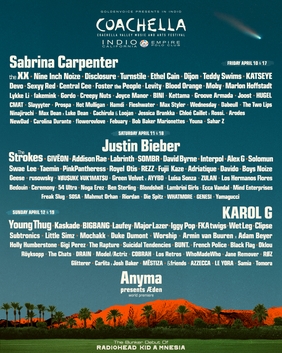
INDIO, Calif. — As the Coachella Valley Music and Arts Festival opens its gates Friday at the Empire Polo Club, five standout performers are generating the most buzz among the more than 130 acts scheduled across two weekends, April 10-12 and April 17-19.

Headliners Sabrina Carpenter, Justin Bieber and Karol G top the bill, joined by electronic visionary Anyma and rock legend Jack White in a lineup that blends pop dominance, historic firsts and genre-crossing surprises. Here are the top five stars to watch at Coachella 2026, ranked by anticipation and cultural impact as Weekend 1 begins.
- Sabrina Carpenter The 26-year-old pop phenom returns to the desert as Friday’s headliner after a memorable 2024 set where she famously declared she would one day top the bill. Carpenter, riding high on the success of her albums “Short n’ Sweet” and the follow-up “Man’s Best Friend,” is expected to deliver her most ambitious production yet. Set times show her closing the main Coachella Stage around 9:05 p.m. on Fridays, followed immediately by Anyma’s late-night takeover.Fans anticipate high-energy choreography, clever stage banter and hits including “Espresso,” “Please Please Please” and newer material. Carpenter has described the performance as a career milestone, promising theatrical elements that match her sharp songwriting and playful persona. Her 2025-2026 touring cycle has already broken records, making her Coachella headline slot one of the most anticipated pop moments of the year.
- Justin Bieber Bieber makes his official Coachella headlining debut on Saturdays, closing the main stage around 11:25 p.m. after a set from The Strokes. The Canadian superstar, who previously appeared only as a guest, returns with fresh music from his surprise album “Swag” and its follow-up.At 32, Bieber brings a more mature, introspective vibe to the desert, blending early hits with recent R&B-infused tracks. His set is expected to feature stripped-down moments alongside high-production numbers, reflecting personal growth since his last major festival appearances. Bieber’s Instagram post teasing the booking with lyrics from “Yukon” fueled excitement among Beliebers, many of whom see this as a comeback highlight after health and personal challenges.
- Karol G Colombian reggaeton and Latin pop superstar Karol G becomes the first Latina artist to headline Coachella on Sundays, performing around 9:55 p.m. on the main stage. Her 2022 set, which paid tribute to Latin music icons, built anticipation for this historic moment.Karol G has called the booking a “high-pressure” opportunity to represent her community. Expect a heartfelt, high-energy spectacle filled with anthems from her catalog, including collaborations and medleys celebrating Latin culture. At a time when Latin music continues its global surge, her Sunday slot marks a milestone for diversity at North America’s largest music festival and is poised to draw massive crowds.
- Anyma Italian-American DJ and producer Anyma earns unofficial fourth-headliner status with the world premiere of his ambitious new project “Æden.” The midnight set on Fridays follows Sabrina Carpenter on the Coachella Stage and is expected to deliver immersive visuals, cutting-edge electronic production and a mind-bending experience that builds on his successful Sphere residency in Las Vegas.Anyma’s inclusion highlights Coachella’s long tradition of spotlighting innovative dance and electronic acts. Attendees and livestream viewers alike anticipate a spectacle that could rival past memorable late-night electronic sets, blending melodic techno with large-scale stage design.
- Jack White Rock icon Jack White was added as a late surprise for Weekend 1, scheduled for a 3 p.m. set on the Mojave Stage on Saturday. The placement in a tent rather than a headlining slot adds an element of unpredictability that longtime Coachella fans cherish.White, known for his work with The White Stripes, The Raconteurs and as a solo artist, brings raw guitar-driven energy to the desert. His set could feature classics alongside material from recent projects, offering a gritty contrast to the pop and electronic-heavy top of the bill. Whether he returns for Weekend 2 remains unconfirmed, making his appearance a must-see for rock enthusiasts.
Why These Stars Define Coachella 2026
The 2026 edition leans heavily into mainstream pop while maintaining the festival’s eclectic spirit. Carpenter, Bieber and Karol G represent current commercial peaks across pop, R&B and Latin genres, each bringing first-time headlining energy. Anyma extends Coachella’s commitment to forward-thinking electronic music, and White injects rock credibility.
Set times for Weekend 1 reveal strategic programming: Sabrina Carpenter at 9:05 p.m. Friday leads into Anyma’s midnight spectacle, creating a seamless pop-to-electronic transition. Justin Bieber follows The Strokes on Saturday night, while Karol G caps Sunday after sets from Young Thug, Major Lazer and others. Conflicts are inevitable, forcing attendees to choose between overlapping attractions — a classic Coachella dilemma.
Beyond the top five, the lineup features strong supporting acts including The xx, Disclosure, Addison Rae, Giveon, The Strokes, David Byrne, BIGBANG, Iggy Pop, FKA twigs, Wet Leg and emerging talents like Bini (the first Filipino group to perform) and Katseye. Late additions and special collaborations, such as “Nine Inch Noize” (likely Trent Reznor with Boys Noize), add further intrigue.
Festival Atmosphere and Practical Details
Coachella 2026 sold out rapidly after the September 2025 announcement — the fastest in recent memory — reflecting strong demand. Resale options exist through official channels. The festival repeats the same lineup across both weekends, though crowds and vibes often differ slightly, with Weekend 1 typically drawing more influencers and Weekend 2 appealing to dedicated music fans.
Desert weather in April means hot days (often above 90 degrees Fahrenheit) and cooler nights. Organizers stress hydration, sun protection and comfortable shoes for navigating the sprawling grounds. Art installations, interactive experiences and sponsor activations complement the music, creating the full Coachella immersion.
For those unable to attend, YouTube streams most stages, allowing global audiences to experience the top stars from home. Livestream viewership has grown significantly in recent years, turning the event into a worldwide cultural moment.
Broader Significance
This year’s top performers underscore Coachella’s evolution. Carpenter’s rise from promising newcomer to headliner embodies the festival’s knack for spotlighting breakout stars. Bieber’s return signals a mature phase in his career. Karol G’s historic slot advances representation for Latin artists. Anyma and White round out the bill with innovation and legacy.
As gates open Friday, anticipation centers on whether Carpenter can deliver on her bold prediction, how Bieber reinvents his live show and whether Karol G’s set becomes a landmark for Latin music. Anyma’s Æden premiere and White’s raw rock set provide contrasting highlights.
Coachella 2026 promises spectacle, surprises and memorable performances from its top stars. Whether in person amid the desert heat or watching via livestream, fans will witness five standout artists shaping the soundtrack of the moment.
The festival runs through April 19, with the second weekend offering another chance to catch the same star-studded bill. For many, seeing these top five in the iconic Empire Polo Club setting will create lasting memories in one of music’s most celebrated annual gatherings.

Robert F. Abbott has been investing his family’s accounts since 1995, and in 2010 added options, mainly covered calls and collars with long stocks. He is a freelance writer, and his projects include a website that provides information for new and intermediate-level mutual fund investors. A resident of Airdrie, Alberta, Canada, Robert has earned Bachelor of Arts and Master of Business Administration (MBA) degrees.
Analyst’s Disclosure: I/we have no stock, option or similar derivative position in any of the companies mentioned, and no plans to initiate any such positions within the next 72 hours. I wrote this article myself, and it expresses my own opinions. I am not receiving compensation for it (other than from Seeking Alpha). I have no business relationship with any company whose stock is mentioned in this article.
Seeking Alpha’s Disclosure: Past performance is no guarantee of future results. No recommendation or advice is being given as to whether any investment is suitable for a particular investor. Any views or opinions expressed above may not reflect those of Seeking Alpha as a whole. Seeking Alpha is not a licensed securities dealer, broker or US investment adviser or investment bank. Our analysts are third party authors that include both professional investors and individual investors who may not be licensed or certified by any institute or regulatory body.


I am a stock analyst with over 20 years of experience in quantitative research, financial modeling, and risk management. My focus is on equity valuation, market trends, and portfolio optimization to uncover high-growth investment opportunities. As a former Vice President at Barclays, I led teams in model validation, stress testing, and regulatory finance, developing a deep expertise in both fundamental and technical analysis. Alongside my research partner (also my wife), I co-author investment research, combining our complementary strengths to deliver high-quality, data-driven insights. Our approach blends rigorous risk management with a long-term perspective on value creation. We have a particular interest in macroeconomic trends, corporate earnings, and financial statement analysis, aiming to provide actionable ideas for investors seeking to outperform the market.
Analyst’s Disclosure: I/we have no stock, option or similar derivative position in any of the companies mentioned, and no plans to initiate any such positions within the next 72 hours. I wrote this article myself, and it expresses my own opinions. I am not receiving compensation for it (other than from Seeking Alpha). I have no business relationship with any company whose stock is mentioned in this article.
Seeking Alpha’s Disclosure: Past performance is no guarantee of future results. No recommendation or advice is being given as to whether any investment is suitable for a particular investor. Any views or opinions expressed above may not reflect those of Seeking Alpha as a whole. Seeking Alpha is not a licensed securities dealer, broker or US investment adviser or investment bank. Our analysts are third party authors that include both professional investors and individual investors who may not be licensed or certified by any institute or regulatory body.
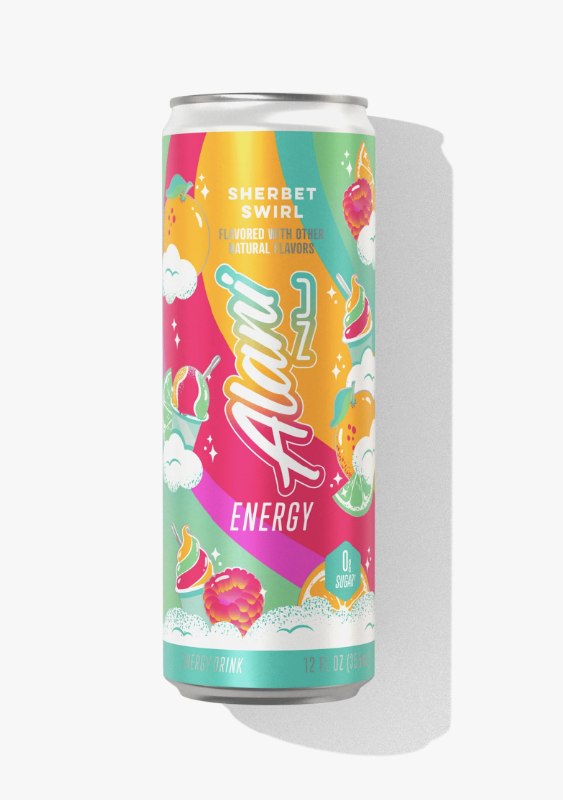
LOUISVILLE, Ky. — Alani Nu energy drinks have exploded in popularity with their candy-like flavors, zero sugar and 200 milligrams of caffeine per can, captivating fitness enthusiasts and everyday consumers seeking a vibrant pick-me-up without the crash.

The brand, founded in 2018 by fitness influencer Katy Hearn Schneider and her husband Haydn Schneider, has grown from a women-focused supplement line into a beverage powerhouse. Its eye-catching cans and bold tastes helped drive rapid expansion, culminating in a reported $1.8 billion sale to Celsius in early 2025.
Here are 10 essential things to know about Alani Nu energy drinks as the brand continues to dominate shelves at Walmart, Target, Costco and online retailers in 2026.
- High Caffeine Content Delivers Strong Kick Each 12-ounce can packs 200 mg of caffeine — roughly equivalent to two cups of coffee. This positions Alani Nu among stronger options in the category, providing sustained energy for workouts or long days. The formula includes L-theanine, which some users say smooths the buzz and reduces jitters compared to plain caffeine sources.
- Zero Sugar, Low Calories Appeal to Health-Conscious Fans Alani Nu drinks contain 0 grams of sugar and typically 10-15 calories per can. Sweetness comes from artificial sweeteners including sucralose, acesulfame potassium and erythritol. This sugar-free profile has helped the brand market itself as a “cleaner” alternative to traditional energy drinks while maintaining broad appeal among dieters and gym-goers.
- Founder’s Fitness Roots Drive Branding Katy Hearn Schneider built the brand around empowering women in fitness with transparent, effective products. The couple launched Alani Nu with supplements before expanding into energy drinks in 2019. The vibrant, playful packaging stands in contrast to darker, extreme-sports aesthetics of competitors like Monster or Red Bull.
- Popular Flavors Taste Like Candy Standout options include Pink Slush, Cherry Slush, Cosmic Stardust, Witch’s Brew, Juicy Peach and Orange Kiss. Many reviewers describe the taste as fun and dessert-like — think caramel apple, creamsicle or cotton candy — with minimal bitterness. In 2026, returning favorites such as Cotton Candy, Sherbet Swirl and Strawberry Sunrise have joined the permanent lineup, alongside new limited releases.
- Fortified With B Vitamins and Biotin Each can delivers B vitamins (including B6 and B12), biotin and other supportive ingredients like taurine, Panax ginseng and L-carnitine. The brand highlights these additions as helping maintain energy and supporting overall wellness, though amounts vary by formula.
- Strong Sales and Retail Presence Alani Nu ranks among top-selling energy drinks on Amazon and in big-box stores. Variety packs of Pink Slush and Cherry Slush frequently appear in best-seller lists, with thousands of positive reviews praising flavor and effectiveness. Availability at Costco, Sam’s Club and convenience outlets has boosted accessibility.
- Mixed Reviews on Sweetness and Aftertaste While many love the bold, candy-inspired profiles, some consumers note an intense sweetness or occasional artificial aftertaste from the sweetener blend. Jitters or anxiety can occur for caffeine-sensitive individuals, though L-theanine reportedly helps mitigate this for others. Overall ratings hover around 4.2-4.6 stars across major platforms.
- Recent Corporate Milestone The 2025 acquisition by Celsius for $1.8 billion marked a major chapter, combining Alani Nu’s female-focused appeal with Celsius’ established energy drink infrastructure. The deal reflected the brand’s rapid growth from influencer-driven startup to a significant player in the competitive beverage space.
- Controversy Over Caffeine and Teen Use In April 2026, a Texas family filed a lawsuit alleging excessive caffeine consumption from Alani Nu contributed to the death of a 17-year-old high school cheerleader. The claim highlighted concerns that one can exceeds recommended daily limits for teens. The brand labels products for ages 18 and older, but the case has sparked broader discussions about energy drink safety for younger consumers.
- Ongoing Flavor Innovation for 2026 Leaked calendars and retailer updates show Alani Nu expanding with new and returning options, including Cherry Bomb, Lime Slush and potential Pink Lemonade variants. The strategy keeps excitement high among loyal fans who eagerly anticipate limited drops and permanent additions.
Nutritional Profile and Ingredients Snapshot
A typical 12-ounce can features carbonated water, citric acid, natural and artificial flavors, taurine, erythritol, sodium citrate, L-theanine, caffeine, sucralose, Panax ginseng and preservatives. Most varieties stay gluten-free, vegan and free of major allergens. Sodium levels hover around 180 mg per serving.
Dietitians note the drink provides a functional energy boost without sugar crashes but caution against over-reliance due to artificial sweeteners and high caffeine. Those with heart conditions, anxiety or caffeine sensitivity should consult physicians before regular use.
Market Position and Consumer Appeal
Alani Nu carved a niche by targeting women and fitness communities with bright aesthetics and approachable flavors. Its success mirrors broader trends toward zero-sugar, vitamin-enhanced beverages that feel indulgent yet “better for you.” The brand’s influencer origins helped build an engaged community that drives organic word-of-mouth and social media buzz.
Compared to rivals, Alani Nu often receives praise for taste over more medicinal or plain profiles. However, some critics argue the heavy use of artificial ingredients disqualifies it from truly “healthy” status despite low calories and added nutrients.
Safety Considerations Amid Lawsuit
The recent lawsuit underscores ongoing industry debates about caffeine thresholds, particularly for adolescents. Health authorities generally advise adults limit intake to 400 mg daily, making one Alani Nu can half that limit — but two cans would reach the cap. Parents and schools have grown more vigilant about teen consumption of such products.
Alani Nu maintains that its drinks are formulated and labeled responsibly. The company has not publicly detailed its response to the lawsuit as of April 11, 2026.
Tips for Consumers
- Start with half a can if new to high-caffeine drinks.
- Pair with hydration and balanced meals to offset potential side effects.
- Check retailer apps or the official Alani Nu site for current flavors and availability.
- Store in a cool place and consume chilled for best taste.
As Alani Nu enters its next phase under new ownership, expect continued innovation in flavors and possibly expanded product lines. The brand’s blend of fun, function and fitness appeal has already secured it a loyal following, even as scrutiny over energy drink safety intensifies nationwide.
Whether grabbing a Pink Slush for a morning boost or trying limited-edition drops, millions reach for Alani Nu daily. Its journey from Louisville startup to billion-dollar beverage name reflects shifting consumer desires for tasty, convenient energy without traditional drawbacks — though moderation remains key.
For the latest on flavors, ingredients or retailer stock, visit alaninu.com or check major grocery and supplement aisles. As with any caffeinated product, individual tolerance varies, and informed choices help maximize benefits while minimizing risks.
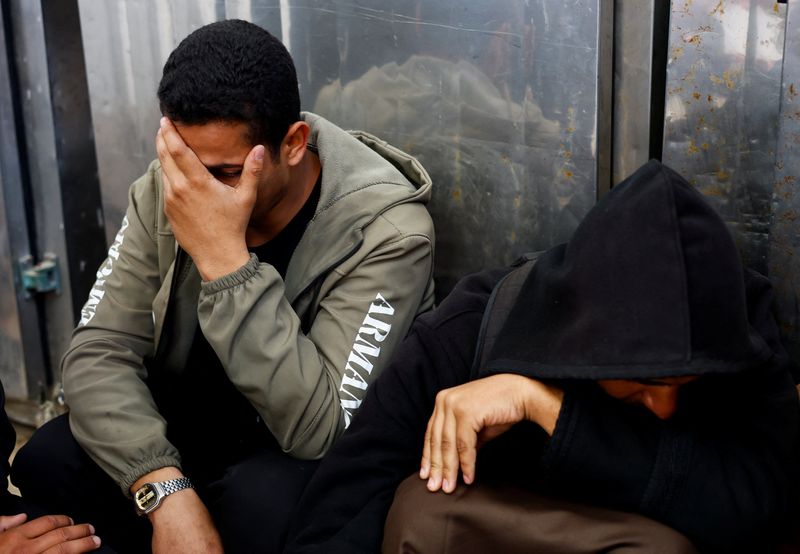

Israeli strike kills at least six at Gaza police checkpoint, medics say
Business
D-Street Week Ahead: Nifty extends rebound; Godfrey Phillips signals breakout after base formation

This cigarette manufacturer has shown a major base formation over the past several weeks. As indicated by the technical parameters, the stock is set to move higher from its current levels, leading to a potential trend reversal in the stock.
 ETMarkets.com
After staying in a corrective downtrend for a few months, GODFREYPHLP formed a base for itself in January this year. This base formation happened when the RSI formed a bullish divergence against the price. Over the past week, the stock has traded sideways while staying disconnected with the market moves on the either side.The daily MACD has turned positive over the past few days; it is now bullish and above its signal line. The expanding Histogram indicates accelerating momentum on the upside. The RSI has formed a new 14-period high, which is bullish.

The relative strength is showing a major trend shift. After flattening out, the RS line has started to move higher and has crossed above its 50-period MA. The stock has rolled inside the leading quadrant of the RRG; this will ensure relative outperformance of the stock over the coming days.
The OBV has formed a new high ahead of the price breakout. This bullish divergence indicates strong accumulation in the stock while it formed a base.
An expected move in GODFREYPHLP can take it higher to Rs. 2,300. A close below Rs. 2,030 would negate the current technical setup.
Milan Vaishnav CMT, MSTA, is a Technical Analyst and founder of EquityResearch.asia and ChartWizard.ae, and is based in Vadodara. He can be reached at milan.vaishnav@equityresearch.asia
Kela acquired over 5.15 crore shares in Indiabulls, representing a 2.22% stake.
Indiabulls, a smallcap company with a market capitalization of Rs 2,810 crore, operates across real estate and financial services.
The stock ended positively on Friday, surging 11.47% higher to close at Rs 12.15 on the BSE. Despite the sharp uptick, it remains down 18% over the past year and continues to trade below its 200-day moving average, though it has moved above its 50-day average—indicating early signs of recovery.
In a similar move, he bought a 1.21% stake in Simplex Infrastructures. It is a diversified company established in 1924 and delivers projects in several sectors like transport, energy & power, mining, buildings, marine and real estate etc.
Its stock gained 6.12% to close at Rs 192.35 on the NSE, even as it has declined 36% over the past year, significantly underperforming broader markets like the BSE Sensex and Nifty 50, which have delivered modest returns of 5% and 7%, respectively.
Kela’s portfolio boasts of 17 stocks with a net worth exceeding Rs 2,188 crore according to Trendlyne. The latest purchases highlight selective accumulation in beaten-down names.His other bets include Kopran, SG Finserv, Mkventures Capital, Prataap Snacks, Bombay Dyeing, Emkay Global and Repro, Trendlyne data revealed.
Kela’s biggest bet is Choice International with a holding value of Rs 1,127 crore. Mkventures Capital and Prataap Snacks are next in line with holding values of Rs 267 crore and Rs 109 crore, respectively.
Also read: Big Whale Ashish Kacholia hikes stakes in smallcap market outperformers SG Finserv, Aeroflex in Q4
(Disclaimer: The recommendations, suggestions, views, and opinions given by the experts are their own. These do not represent the views of The Economic Times.)
WASHINGTON — Hyundai Motor America is recalling 294,128 vehicles in the United States because a defect could cause the driver and front passenger seat belt anchors to detach, increasing the risk of injury in a crash, federal regulators said Friday.
The National Highway Traffic Safety Administration announced the recall on April 10, 2026, under campaign number 26V218000. A detached seat belt anchor may fail to properly restrain an occupant, the agency warned. No crashes, injuries or deaths have been reported in connection with the issue.
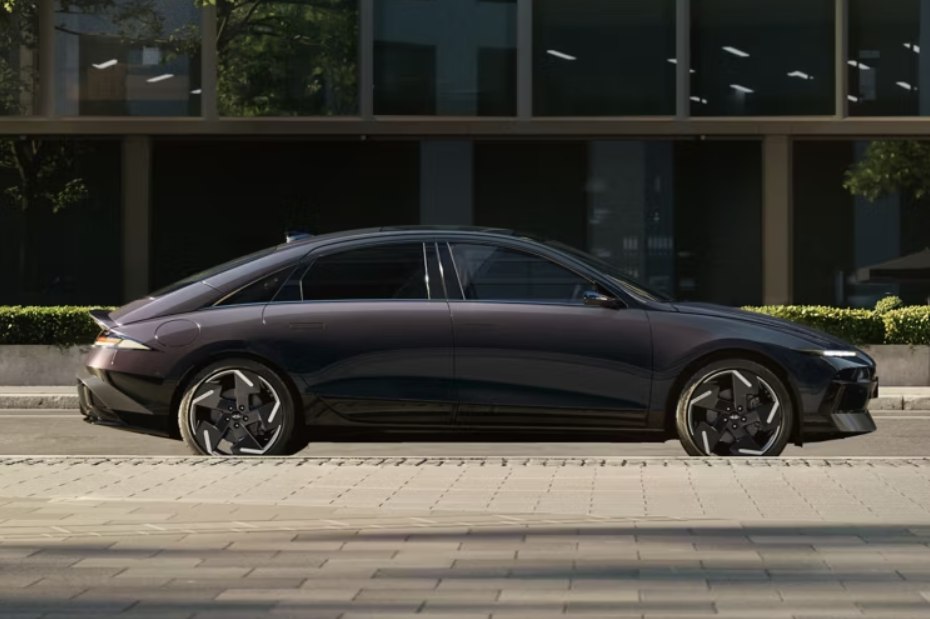
Affected models include certain 2023-2025 Hyundai Ioniq 6 electric sedans, 2023-2026 Genesis G90 luxury sedans, and 2024-2026 Hyundai Santa Fe and Santa Fe Hybrid SUVs. The vast majority involve the popular Santa Fe lineup, with roughly 158,000 non-hybrid and 95,000 hybrid versions included.

The problem stems from a damaged snap-on anchor that secures the front seat belts to the seat frame. During routine service or repairs, technicians may inadvertently damage the anchor when removing or reinstalling the seat, NHTSA investigators found after probing a consumer complaint on a 2025 Santa Fe. Extensive testing, including visits to manufacturing plants and analysis of auction vehicles, confirmed the defect occurs post-production rather than during assembly.
Hyundai and its luxury brand Genesis said they are aware of six complaints related to the anchors but no confirmed incidents where the defect contributed to a crash or injury. The recall affects only the front seat belts; rear seats are not involved.
Safety Implications and Owner Advice
Seat belts remain one of the most critical safety features in any vehicle. A failure in the anchor could reduce their effectiveness dramatically during a collision, potentially allowing occupants to move more freely and suffer greater harm. NHTSA urged owners to continue wearing seat belts at all times and to have the repair performed as soon as possible once notified.
The defect came to light through NHTSA’s Office of Defects Investigation after a single consumer affairs report. Investigators struggled initially to replicate the failure in controlled tests but eventually traced it to improper handling of the seat belt assembly during prior service work on the affected vehicles.
This marks another notable recall for Hyundai and Genesis in recent years, though the company has improved its safety record and recall response times compared with earlier controversies involving engine fires and other issues. Hyundai Motor America emphasized that the problem is not a manufacturing defect from the factory but rather a vulnerability introduced during subsequent maintenance.
What Hyundai and Genesis Will Do
Dealers will inspect the front seat belt anchors and replace any damaged components at no cost to owners. The remedy involves installing reinforced or properly secured anchors to prevent future detachment. Repair times are expected to be relatively short, though parts availability could vary by region in the initial weeks.
Notification letters to owners are scheduled to begin mailing in late May or early June 2026, according to the recall filing. In the meantime, owners can check their vehicle’s eligibility by entering the VIN on NHTSA’s website at www.nhtsa.gov/recalls or Hyundai’s owner portal.
Interim guidance from the automaker recommends that drivers and front passengers continue normal use of seat belts while awaiting the fix. Owners who have recently had seat work performed — such as upholstery repairs, seat replacements or electrical diagnostics — should prioritize scheduling the recall service.
Models and Production Years Affected
The recall covers a wide range of recent model years across both mainstream and luxury segments:
- Hyundai Ioniq 6 (2023-2025): The sleek electric sedan, praised for its range and design, represents a smaller portion of the total but highlights safety concerns in the growing EV segment.
- Genesis G90 (2023-2026): The flagship luxury sedan competes with Mercedes-Benz and BMW models. Its inclusion underscores that the issue crosses price points.
- Hyundai Santa Fe and Santa Fe Hybrid (2024-2026): These family-oriented SUVs account for the bulk of the recall. The redesigned Santa Fe has been a strong seller with its bold styling and spacious interior.
Production dates and specific VIN ranges are detailed in the full NHTSA report. Not every vehicle within those model years is affected; only those with the vulnerable anchor design qualify.
Broader Context of Automotive Recalls
This action arrives amid heightened scrutiny of vehicle safety systems as automakers roll out more advanced driver assistance technologies and electrified powertrains. Seat belt failures, though rare, draw particular attention because they undermine a fundamental passive safety layer that has saved countless lives since mandatory use laws took hold decades ago.
NHTSA data shows millions of vehicles recalled annually in the U.S. for issues ranging from airbags and brakes to software glitches and structural weaknesses. Hyundai has faced multiple recalls in the past, including high-profile engine and fire-related campaigns, but has worked to rebuild consumer trust through transparent communication and swift remedies.
Consumer Reports and safety advocates recommend that vehicle owners treat all recall notices seriously, even for seemingly minor components. “A seat belt that doesn’t stay anchored is no seat belt at all in a serious crash,” one expert noted.
Steps for Owners
- Check your VIN immediately on the NHTSA website or Hyundai/Genesis owner sites.
- Schedule the repair once notified. Most dealers will perform the work free of charge, including loaner vehicles if needed for longer jobs.
- Monitor for symptoms: If the seat belt feels loose, does not click securely, or shows visible damage to the anchor area, contact a dealer right away.
- Stay informed: Sign up for NHTSA email alerts and follow Hyundai’s recall updates.
Hyundai Motor America said it is cooperating fully with regulators and has taken steps internally to improve service training to prevent similar anchor damage in the future. Genesis owners will receive parallel notifications through the luxury brand’s channels.
Potential Impact on Owners and the Industry
For many Santa Fe owners — a popular choice for growing families — the recall may cause temporary inconvenience but underscores the importance of regular maintenance at authorized dealers. Ioniq 6 drivers, many of whom chose the vehicle for its environmental benefits, may feel added frustration over a safety matter in a relatively new EV platform.
Financially, the recall is expected to cost Hyundai millions in parts, labor and logistics, though the per-vehicle expense remains modest compared with more complex fixes such as battery or software updates.
The announcement triggered widespread media coverage Friday, with headlines emphasizing the large number of vehicles involved. Social media buzz focused on practical questions: “How do I know if my Santa Fe is affected?” and “Is it safe to drive until the repair?”
Safety organizations like the Insurance Institute for Highway Safety (IIHS) and Consumer Reports advised owners not to panic but to act promptly. Both groups have given high safety ratings to many of the recalled models when properly equipped and maintained.
As the recall process unfolds, NHTSA will monitor completion rates and any additional complaints. Owners who experience issues before receiving a notice can report them directly to the agency or their dealer.
Hyundai’s swift acknowledgment and planned remedy reflect lessons learned from past experiences. The company stated it remains committed to customer safety and vehicle quality across its expanding U.S. lineup.
In the meantime, millions of drivers continue their daily commutes in the affected models, relying on the very seat belts now under scrutiny. While the risk appears low in normal driving, the potential consequences in a collision justify the massive recall effort.
Owners with questions can contact Hyundai Customer Service at 1-800-633-5151 or Genesis at 1-844-340-4477. Detailed technical bulletins and repair instructions have been sent to all dealership service departments.
This latest development serves as a reminder that even modern vehicles with advanced safety features require vigilant maintenance and prompt attention to manufacturer notices. For the hundreds of thousands of Hyundai and Genesis customers impacted, a relatively straightforward dealer visit should restore full confidence in their vehicles’ protective systems.

2026-27 Way-Too-Early Composite Men’s Hoops Rankings

This Animation Startup Wants to Make It Easier to Tell Open-Ended Stories

Man charged after ‘stabbing’ near Edinburgh Central Mosque

Why Israel is blocking foreign journalists from entering

Bitcoin: We’re Entering The Most Dangerous Phase

Alan Cumming Brands Baftas Ceremony A ‘Triggering S**tshow’

Paisa kamane wala app 2026 || NEW UPI MONEY EARNING APP || New Earning App Today || Jio Finance App

How J.P. Morgan Saved the U.S. Government during the financial crisis of 1895 #money

Stock Market, Gold & Silver Astrology Prediction: Big Turning Point Ahead? | Prashant Kapoor LIVE
-

 Business6 days ago
Three Gulf funds agree to back Paramount’s $81 billion takeover of Warner, WSJ reports
-

 Sports7 days ago
India men’s 4x400m and mixed 4x100m relay teams register big progress | Other Sports News
-

 Politics19 hours ago
US brings back mandatory military draft registration
-

 Fashion19 hours ago
Weekend Open Thread: Veronica Beard
-

 Tech4 days ago
How Long Can You Drive With Expired Registration? What Florida Law Says
-

 Business6 days ago
No Jackpot Winner, Prize to Climb to $231 Million
-

 Fashion5 days ago
Massimo Dutti Offers Inspiration for Your Summer Mood Board
-
 Sports20 hours ago
Man United discover Nico Schlotterbeck transfer fee as defender reaches Dortmund agreement
-

 Fashion4 days ago
Let’s Discuss: DEI in 2026
-

 Crypto World3 days ago
Bitcoin recovers as US and Iran Agree a Ceasefire Deal
-

 Crypto World2 days ago
Canary Capital Files SEC Registration for PEPE ETF
-

 Business16 hours ago
Tesla Model Y Tops China Auto Sales in March 2026 With 39,827 Registrations, Beating Cheaper EVs and Gas Cars
-

 Business7 days ago
Akebia Therapeutics, Inc. (AKBA) Discusses Pipeline Progress and Strategic Focus on Kidney Disease Treatments at R&D Day – Slideshow
-

 Business1 day ago
OpenAI Halts Stargate UK Data Centre Project Over Energy Costs and Copyright Row
-

 Tech5 days ago
Gamer Restores the Original PlayStation Portal From Two Decades Ago
-

 Tech5 days ago
Haier is betting big that your next TV purchase will be one of these
-

 Tech5 days ago
The Xiaomi 17 Ultra has some impressive add-ons that make snapping photos really fun
-

 Tech5 days ago
Samsung just gave up on its own Messages app
-

 Politics1 day ago
Malcolm In The Middle OG Turned Down ‘Buckets Of Money’ To Appear In Reboot
-

 Tech5 days ago
Save $130 on the Samsung Galaxy Watch 8 Classic: rotating bezel, sleep coaching, and running coach for $369
You must be logged in to post a comment Login