Connect with us

Business

Dev Pragad and Newsweek’s Strategy for Building AI Resilience in Modern Journalism

Published

on

Dev Pragad and Newsweek’s Strategy for Building AI Resilience in Modern Journalism

As artificial intelligence continues to redefine how information is created, summarized, and distributed, news organizations face one of the most significant structural challenges in modern media history.

Search engines increasingly rely on AI-generated responses, social platforms prioritize algorithmic summaries, and audiences often encounter journalism through fragments rather than full articles.

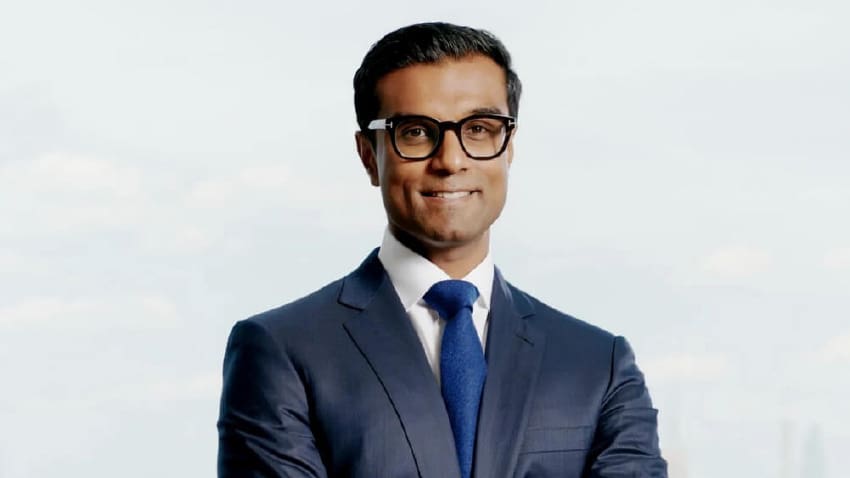
At the center of this transformation is Dev Pragad, President, Chief Executive Officer, and co-owner of Newsweek, who has emerged as one of the most outspoken media leaders addressing the long-term implications of AI on journalism. Rather than framing artificial intelligence as a short-term disruption, Pragad has described it as a permanent shift that requires publishers to rethink the foundations of their business models.z

AI and the Changing Economics of Information

For more than two decades, digital publishing operated on a relatively stable formula: create content, rank in search engines, generate page views, and monetize traffic through advertising. Artificial intelligence has begun to destabilize that system.

AI-powered interfaces now summarize news events, answer complex questions, and extract insights directly from publisher content—often without directing users back to the source. This development has intensified concerns across the media industry about declining referral traffic and diminishing visibility.

Advertisement

According to Pragad, this trend signals the end of an era in which traffic alone could serve as the primary indicator of success. Instead, publishers must now prepare for a future in which distribution is increasingly mediated by AI systems rather than traditional search results.

He has noted that while AI tools rely heavily on journalism as a source of information, the value exchange between platforms and publishers remains uncertain. This imbalance has prompted Newsweek to focus on resilience rather than dependency.

From Traffic Optimization to Structural Resilience

Under Dev Pragad’s leadership, Newsweek has gradually shifted its internal priorities away from pure traffic maximization toward what he describes as organizational resilience.

The goal is not to eliminate traffic as a metric, but to ensure that the business remains sustainable even as traffic becomes less predictable.

Advertisement

This philosophy represents a notable departure from earlier digital media strategies that prioritized viral reach and search dominance above all else.

AI as Both Threat and Catalyst

While artificial intelligence presents clear risks to publishers, Pragad has also characterized it as a catalyst for overdue change within the media industry.

In his public commentary, he has emphasized that journalism has long been overly dependent on intermediaries—search engines, social networks, and aggregators—that control distribution but not content creation. AI, in this view, merely accelerates a dynamic that already existed.

Rather than attempting to outcompete AI systems directly, Newsweek’s strategy has been to focus on what AI cannot easily replicate:

Advertisement
  • original reporting
  • expert interviews
  • verified data-driven rankings
  • long-form analysis
  • video and visual storytelling

By investing in these areas, the organization aims to preserve relevance even as automated summaries become more prevalent.

Developing AI-Resistant Content Formats

One area of focus under Pragad has been the expansion of editorial formats that resist commoditization.

For example, structured research projects and rankings require proprietary datasets, methodological transparency, and editorial oversight—elements that are difficult for generative systems to reproduce independently. These formats also serve dual purposes: reinforcing editorial authority while supporting diversified revenue streams.

Similarly, Newsweek has increased its investment in video programming, which plays a growing role in how audiences engage with news across platforms. Video interviews, panel discussions, and explainers maintain context and nuance that text-based AI summaries often lack.

In an AI-mediated environment, such formats help anchor content to the originating brand rather than allowing it to dissolve into anonymous information.

Advertisement

Revenue Diversification in the AI Era

A central theme of Newsweek’s AI resilience strategy has been the diversification of revenue sources.

Historically, programmatic advertising accounted for a large share of digital publisher income. However, fluctuating traffic patterns and declining ad yields have exposed the vulnerabilities of that model.

Under Pragad’s leadership, Newsweek has pursued revenue streams that are less sensitive to algorithmic shifts. These initiatives are designed to ensure that financial stability does not depend exclusively on how AI systems choose to surface content.

By broadening its commercial foundation, Newsweek aims to maintain editorial independence even as external platforms evolve.

Advertisement

Brand Identity in an AI-Fragmented Landscape

Another dimension of AI resilience involves brand visibility. As news increasingly appears in partial or summarized form, recognition becomes more difficult.

Pragad has argued that strong brand identity functions as a signal of trust in environments where users may not encounter full articles or traditional layouts. This belief informed Newsweek’s recent redesign, which sought to unify typography, visuals, and editorial tone across formats.

The objective was not aesthetic modernization alone, but strategic clarity: ensuring that when Newsweek content appears within AI-generated environments, social feeds, or multimedia platforms, it remains identifiable.

In an era of fragmentary consumption, brand coherence becomes a form of editorial defense.

Advertisement

Editorial Trust in the Age of Synthetic Content

The proliferation of AI-generated text has intensified concerns around misinformation and authenticity. In response, Pragad has emphasized the importance of transparency, sourcing, and accountability.

As synthetic content becomes easier to produce at scale, established news organizations face renewed responsibility to differentiate verified journalism from automated narratives.

Newsweek’s editorial framework under Pragad stresses the role of human judgment, fact-checking, and institutional oversight—elements that AI systems depend on but cannot independently guarantee.

In this context, trust becomes not only an ethical imperative but a competitive advantage.

Advertisement

Leadership Perspective on AI Regulation and Collaboration

While public debate continues around AI regulation, Pragad has advocated for dialogue between technology companies and publishers rather than unilateral solutions.

He has suggested that sustainable information ecosystems will require clearer frameworks governing attribution, licensing, and value sharing between AI platforms and content creators.

Although no single regulatory model has yet emerged, Pragad has positioned Newsweek to remain adaptable regardless of outcome—another reflection of the organization’s resilience-first mindset.

What Dev Pragad’s Strategy Signals for the Industry

The approach taken by Dev Pragad offers broader insight into how media organizations might navigate AI disruption.

Advertisement

Rather than relying on short-term defensive measures, his strategy emphasizes:

  • long-term adaptability
  • diversified economic foundations
  • brand-centered distribution
  • editorial credibility as infrastructure

This model does not eliminate the challenges posed by artificial intelligence, but it reduces existential risk by ensuring that journalism’s value extends beyond raw traffic.

Conclusion

As artificial intelligence reshapes the flow of global information, the decisions made by media leaders today will influence the future of journalism for decades.

Through a focus on resilience, diversification, and editorial trust, Dev Pragad has positioned Newsweek to confront these changes with strategic clarity rather than reactionary fear.

In an age when information increasingly travels through automated systems, his approach highlights a central truth: while technology may transform distribution, the enduring value of journalism lies in credibility, context, and human judgment.

Advertisement

Continue Reading
Click to comment

Leave a Reply

Your email address will not be published. Required fields are marked *

Business

REIT Replay: U.S. REIT Indexes Climb During 1st Week Of February

Published

on

REIT Replay: U.S. REIT Indexes Climb During 1st Week Of February

REIT Replay: U.S. REIT Indexes Climb During 1st Week Of February

Continue Reading

Business

Why Tolerance Management Is a Business-Critical Skill in Modern Manufacturing

Published

on

In today’s rapidly evolving digital world, technology is more than just a tool for efficiency—it’s a catalyst for transformation. Businesses across the UK are not only adopting digital solutions to stay competitive but are also leveraging them to redefine the very frameworks of their industries.

We are now in a time of manufacturing where precision is more than a technical necessity; it’s a business requirement. The more complex, globally dispersed and demanding things get, the less slack remains in the system.

Under these circumstances tolerance management has become a decisive competence and affects competitiveness not only in terms of controlling costs, ensuring quality and improving production efficiency but also for long term market success.

What once was a niche engineering problem tolerance management has moved to straddle the design, operations and corporate boardroom. As manufacturers wrestle with digital transformation and Industry 4.0, getting to grips with tolerance strategies is a must if you’re going to build better and more importantly stronger products, not just in terms of quality but also as businesses that are disaster-proof.

The Unseen Price of Bad Weight Decisions

Tolerance choices have implications in almost every single step of the manufacturing cycle, and yet their cost implications are grossly overlooked. Too stringent of tolerances can escalate machining costs, drag production down, and soar scrap rates. A high level of scatter, on the other extreme can create assembly rejects, warranty build-ups and discontent customers.

These costs are rarely isolated. One tolerance problem can reverberate through suppliers, production lines and logistics networks, snowballing its effects. For high-volume industry and regulated industries, the effects could be recalls, compliance breaches or reputation damage.

Advertisement

There’s a business benefit to Tolerance Management being not a channel for the pursuit of perfection. It’s sort of striking the trade-off between precision and practicality for realizing predictable results at scale.

Why Tolerance Management Is Not Only an Engineering Problem Anymore

In the past, tolerances were pretty much in the hands of design engineers. Technical skills are necessary but not sufficient in today’s manufacturing, which requires a more expansive responsibility. Modern products are created through interdependent design, procurement, quality and production teams that frequently work across multiple companies and in exchange across geographies.

Executives need to appreciate how tolerance choices influence cost structures, supplier relationships and time-to-market. Organizations fail to capitalise on performance and profitability if tolerances are viewed as uncoupled technical parameters rather than strategic variables.

As the production becomes data centric, tolerance management is increasingly affecting executive level KPIs such as yield, uptime and ROI.

Advertisement

The influence of tolerance management on supply chain stability

Longer, global supply chains have made manufacturing more complex. Parts from various suppliers have to work well together, run on different production capacities and quality standards simultaneously.

Good tolerance management helps manufacturers to predict and control variation between suppliers. It allows for better-defined requirements, more realistic supplier expectations and less surprises during assembly. Poorly defined or misunderstood tolerances needlessly add friction to the supply chain, resulting in delays, rework, and damaged joints.

Those that do manage tolerances proactively have stronger supplier ecosystems and more resilient production schedules.

Quality, Compliance, and Customer Trust

In automotive, aerospace, medical devices and electronics the decisions about tolerances have a direct impact on compliance and safety. Regulatory requirements sometimes specify the need for manufacturers to show control of both variation and repeatability.

Advertisement

Requirements Tolerance management supports characterization of these requirements as it helps in more accurate risk assessment and validation activities. It also improves traceability to be able to prove due diligence during audits or investigations.

Quality is key for customers Customers and quality also go hand in hand. Reliability of a product over time positively supports the brand and lowers lifecycle cost. Tolerance management is one of those unsung principles that helps maintain that consistency.

Digital Manufacturing and The Call for Intelligent Tolerance Approaches

The advent of digital manufacturing tools has disrupted the way products are designed and made. Advanced simulation, model-based definition and digital twins enable manufacturers to predict performance before the physical production even starts.

Tolerance analysis is an integral part of such digital ecosystem. When introduced into the design process early, it lets teams analyze trade-offs, assess risk areas and determine options before costs are committed.

Advertisement

Companies investing in tolerance knowledge have a competitive advantage through less late stage design change and faster product to market.

Building Organizational Capability Through Training

It’s ironic, but tolerance management is the most neglected skill in organizations despite its criticality. Engineers are forced to turn to rule of thumb estimates, and management doesn’t have clear insight on how tolerance decisions translate into business outcomes.

Structured education can help to helm this deficit. Tolerance theory integrated with application in the shop floor marries academia and manufacturing best practice, where teams can make informed decisions involving cross-functional considerations. Aside from the big picture, in a training targeted at business goals and technical precision like Sigmetrix, specific learning experiences are supported.

Manufacturers who invest in training related to tolerance are reinforcing cross-functional teamwork and will become less dependent on individual experts.

Advertisement

Tolerance Management and Cost Optimization

Cost Saving This is one of the areas where tangible benefits for a Successful tolerance management are witnessed. By matching tolerances to functional needs instead of random values, manufacturers can minimize over-machining, inspection and reworking.

This is an overall but not a one part optimization. More predictable assembly processes, lower inventory buffers and improved throughput result. These savings compound over time, leading to better margins and more scalable operations.

By doing so, tolerance management turns into a lever for continuous improvement in the eyes of companies rather than be perceived as something static.

The Role of Leadership on the way to Tolerance Excellence

Leaders who realise the strategic potential of tolerance management foster to its success in their organisations. When leaders focus on controlling variation, and facilitate data-informed decision making, teams can address causes of problems rather than just the symptoms.

Advertisement

Leadership participation also guarantees that considerations to tolerance are developed in conjunction with other enterprise wide initiatives like lean manufacturing, 6 Sigma and digital transformation. The alignment ensures that silos don’t develop and fosters a culture of quality and accountability.

In today’s manufacturing, tolerance management is not a “one and done” practice but rather an enduring regiment that grows with products and processes.

Preparing for the Future of Factory Work

Tolerance struggles are only going to get worse as more and more customization, automation, material alike continues to flood the market. Manufacturers that don’t have close control over their tolerances risk getting left in the dust by more nimble rivals.

Organizations that are future looking see tolerance management as a core capability that enables innovation and yet maintain reliability. They spend on tools, training and teamwork to be proactive about complexity.

Advertisement

Where precision must co-habit with speed, tolerance management is the platform for growth.

Conclusion: From Technical Detail to Competitive Advantage

“Tolerance management is the fastest growing skill in manufacturing.” Once viewed as a technical detail, it is now strategically positioned to impact cost-efficiency, quality of service, compliance and customer satisfaction.

Manufacturers who move tolerance management out of the drawing room and onto the boardroom table are in a position to achieve precision, power and peace of mind. By coordinating technical accuracy and business objectives they turn variation from a danger into an opportunity.

In a tough, dynamic world of manufacturing, competence in tolerance has become anything, but an option. It is a business-critical even puts resilient manufacturers ahead of the game.

Advertisement

Continue Reading

Business

Muthoot Microfin Q3 profit jumps 16x as provisions and costs fall

Published

on

Muthoot Microfin Q3 profit jumps 16x as provisions and costs fall
Muthoot Microfin’s third quarter net profit soared over 16 times at Rs 62.4 crore as compared with Rs 3.8 crore in the year-ago period, helped by a fall in provisions to cover bad loans.

Its credit cost for the quarter was seen at 3.3%, well below the guidance of 4-6% for the fiscal. Provisions in absolute terms were at Rs 106 crore as against Rs 164 crore in the year ago quarter, in line with a fall in gross non-performing assets ratio to 4.4% at the end of December from 4.6% three months prior.

Pre-provisioning operating profit however stood lower at Rs 175 crore as compared with Rs 252 crore.

The lender’s net interest margin for the quarter stood at 12%, up 11 basis points from the preceding quarter. Its gross loan portfolio grew 5.4% year-on-year to Rs 13,079 crore.

Advertisement

“The microfinance sector has emerged from a challenging phase with industry gradually returning to a sustainable growth path,” chairman Thomas Muthoot said.


GIC Housing Finance reported Rs 44 crore net profit for the third quarter of the fiscal, reflecting a 12% drop from the year-ago period’s Rs 50 crore. The lender’s total expenses stood higher at Rs 218 crore against Rs 214 crore while total income was higher at Rs 273 crore against Rs 270 crore. Its gross non-performing assets ratio rose to 4.24% at the end of December 2025 from 3.47% a year prior. The lender’s net profit margin declined to 16% from 18.4% a year back.

Continue Reading

Business

Trump boosts beef imports amid supply constraints

Published

on

Trump boosts beef imports amid supply constraints

President Donald Trump on Friday signed an executive order to expand beef imports from Argentina as consumers face higher prices amid supply constraints impacting the U.S. cattle industry.

Trump’s order implements a trade framework he reached with Argentina in November that aims to increase beef imports to help mitigate the surge in beef prices that has occurred in recent years.

Advertisement

In 2018-19, ground beef prices were under $4 per pound but began rising during the pandemic and have been above $5 a pound since June 2023 while continuing to increase, reaching about $6.69 a pound in December, according to data from the Bureau of Labor Statistics (BLS). Sirloin steaks were around $8.50 a pound in 2019, but have been over $11 a pound since the summer of 2023 and hit $14.02 a pound in December.

Over the last year, ground beef prices are up 15.5% through December while the cost of a steak has risen 17.8%, according to the BLS’ consumer price index (CPI). A fresh read of the CPI inflation is due at the end of this week when January’s data is set to be released – though high beef prices are expected to persist due to domestic supply challenges.

RANCHERS DISPUTE PRICE CLAIMS AFTER TRUMP EXPANDS ARGENTINE BEEF IMPORTS IN EXECUTIVE ORDER

A butcher stocks beef products

The price of steaks and ground beef has risen sharply over the last year. (Justin Sullivan/Getty Images)

Cattle ranchers have reduced their herds due to drought and wildfire affecting key ranching regions in recent years, which left the nationwide cattle inventory at its lowest level in 70 years. Although some ranchers have started to slowly rebuild their herds, it takes at least two years to raise full-grown cattle.

Advertisement

Overhead costs for cattle ranchers have also climbed, with feed, labor, fuel and equipment expenses trending higher. 

Additionally, cattle imports from Mexico have been restricted due to the New World Screwworm, a parasitic infestation that can afflict livestock.

BEEF PRICES SOAR AS AMERICAN FAMILIES PAY STEEP PRICES FOR STEAKS AND BURGERS NATIONWIDE

Raw beef sits on grocery cooler shelf

American consumers have faced a significant rise in beef prices over the past few years. (Ronald Schemidt/AFP via Getty Images / Getty Images)

Under the Trump administration’s announcement, the tariff-rate quota for imports of lean beef trimmings from Argentina will increase by 80,000 metric tons for calendar year 2026. 

Advertisement

The additional imports will be allocated entirely to Argentina and released in four quarterly tranches beginning on Feb. 13.

The White House said in a fact sheet that the action is intended to boost supply and make ground beef more affordable for American consumers, citing an 8.6% decline in domestic beef cattle inventory since 2020.

BEEF PRICES HIT RECORD HIGHS AS NATIONWIDE CATTLE INVENTORY DROPS TO LOWEST LEVEL IN 70 YEARS

Cows in Argentina

The U.S. beef cattle inventory is at the lowest level in 70 years. (Agustin Marcarian/Reuters)

The announcement drew pushback from the nation’s largest cattle industry group, which questioned whether increased imports would deliver the price relief the administration is promising.

Advertisement

“While we fundamentally disagree with the premise that increased imports can lower beef prices, NCBA is encouraged to see the Trump administration take necessary steps to address longstanding market-access challenges for U.S. beef in Argentina,” said Kent Bacus, executive director of international trade and market access at the National Cattlemen’s Beef Association (NCBA).

Bacus warned that Argentina’s history with foreign animal diseases raises concerns about expanding imports without stronger safeguards.

GET FOX BUSINESS ON THE GO BY CLICKING HERE

“Given Argentina’s issues with foreign animal diseases, NCBA remains concerned that expanding imports from Argentina without increased inspection protocols and up-to-date audits could place American consumers and our cattle herd at unnecessary risk,” Bacus said.

Advertisement

FOX Business’ Jasmine Baehr contributed to this report.

Continue Reading

Business

Cleveland Cable Company celebrates ‘year of exceptional trading’

Published

on

Business Live

The Teesside company saw a big rise in profitability

Cleveland Cable Company

Cleveland Cable Company(Image: Evening Gazette)

One of the North East’s largest companies has reported a rise in both profits and turnover in what it describes as a “year of exceptional trading”. Middlesbrough-based Cleveland Cable Company has released accounts for the year to the end of April 2025 in which its turnover rose from £456.5m a year earlier to £486.7m.

Over the same period, operating profit went from £31.2m to £41.2m and retained earnings at the end of year stood at £184.6m, an increase of more than £30m over the year.

In the accounts, the company says it does not provide a geographical breakdown of its sales as that would be “prejudicial to the affairs of the company”. Cleveland Bridge’s headcount increased slightly during the year to stand at 598, with the increase coming in its operating and sales staff.

Despite the successful year, the company did not pay any dividend to shareholders, having had an £83.6m dividend 12 months earlier.

Advertisement

The success of Cleveland Cable, the largest cable supplier in the UK and Ireland, over nearly 50 years has made brothers Alastair and Michael Powell some of the North East’s most successful businessmen. The duo have an estimated wealth of £701m, according to the annual Sunday Times rich list, and also own The Keys restaurant in Yarm.

In the accounts Alastair Powell said: “The directors are pleased to report on yet another year of exceptional trading. Both sales and profits have continued to be buoyed by the strong demand from all our markets and continued inflationary pressures on market prices.

“We are delighted with our progress made with our major projects team, new facilities and overseas businesses. The balance sheet and liquidity of the company continues to be healthy due to strong trading performance.

Cleveland Cable Company was started in 1978 by the Powell brothers. Its Middlesbrough head office in Riverside Park covers a 12-acre site and has more than 160,000sq ft of warehousing.

Advertisement

The company has depots at Newcastle, Northampton, Warrington, Bristol, Glasgow, London and Birmingham. It has overseas sites in Ireland, Dubai, Saudi Arabia, Sweden, Germany, Italy, Portugal and Norway.

Among the projects the firm has worked on was an £8m scheme for the 2012 London Olympics and involved 940,000 metres of cable.

Continue Reading

Business

Musk says SpaceX shifting focus to moon before Mars push

Published

on

Musk says SpaceX shifting focus to moon before Mars push

Elon Musk said Sunday that SpaceX is shifting its near-term priorities away from Mars and toward building what he described as a “self-growing city” on the moon, citing faster timelines and strategic urgency.

“For those unaware, SpaceX has already shifted focus to building a self-growing city on the Moon, as we can potentially achieve that in less than 10 years, whereas Mars would take 20+ years,” Musk wrote in a post on X.

Advertisement

“The mission of SpaceX remains the same: extend consciousness and life as we know it to the stars,” he added.

Musk said the moon offers a more practical testing ground because of its proximity to Earth.

SPACEX ACQUIRES XAI IN RECORD-SETTING DEAL VALUED AT OVER $1T

spacex crane in texas

A crane, marked by the SpaceX logo, sits near the Starbase launch site in Cameron County, Texas, on February 6, 2026. (Reginald Mathalone/NurPhoto via Getty Images)

“It is only possible to travel to Mars when the planets align every 26 months (six month trip time), whereas we can launch to the Moon every 10 days (2 day trip time). This means we can iterate much faster to complete a Moon city than a Mars city,” Musk wrote.

Advertisement

He said SpaceX still plans to pursue its long-held goal of settling Mars but on a longer timeline.

MUSK CONFIRMS SPACEX SUCCESS IN PREVENTING RUSSIAN MILITARY FROM ACCESSING STOLEN STARLINK UNITS

“That said, SpaceX will also strive to build a Mars city and begin doing so in about 5 to 7 years, but the overriding priority is securing the future of civilization and the Moon is faster,” Musk wrote.

The comments echo a recent Wall Street Journal report that said SpaceX has told investors it would prioritize lunar missions before attempting a Mars landing, targeting March 2027 for an uncrewed moon mission.

Advertisement
SpaceX launches Starship on May 27, 2025

SpaceX’s next-generation Starship spacecraft atop its Super Heavy booster is launched on its ninth test at the company’s launch pad in Starbase, Texas, May 27, 2025. (REUTERS/Joe Skipper)

The shift marks a notable change from Musk’s long-standing public emphasis on Mars as SpaceX’s primary destination. As recently as last year, Musk said the company aimed to launch an uncrewed Mars mission by the end of 2026.

“No, we’re going straight to Mars. The Moon is a distraction,” Musk wrote in January last year in response to a post on X.

Musk has a long record of setting ambitious timelines for major projects – including electric vehicles and self-driving technology – that have often slipped beyond their original schedules.

The renewed focus on the moon comes as the United States faces growing competition from China to return humans to the lunar surface this decade. Humans have not visited the moon since NASA’s Apollo 17 mission in 1972.

Advertisement
Elon Musk

Musk has a long record of setting ambitious timelines for major projects. (Brendan Smialowski/AFP via Getty Images)

The remarks also arrive amid major financial and strategic shifts at SpaceX. Less than a week ago, Musk announced that SpaceX had acquired artificial intelligence company xAI – which he also leads – in a deal valuing SpaceX at $1 trillion and xAI at $250 billion.

Supporters of the move say it could bolster SpaceX’s longer-term plans for space-based data centers, which Musk has argued could be more energy-efficient than Earth-based facilities as demand for AI computing power grows.

SpaceX is also preparing for a potential public offering later this year that could raise as much as $50 billion, potentially making it the largest IPO in history.

CLICK HERE TO GET FOX BUSINESS ON THE GO

Advertisement

On Monday, Musk said in response to a user on X that NASA will account for less than 5% of SpaceX’s revenue this year, despite the company’s central role in NASA’s Artemis moon program, which includes a roughly $4 billion contract to land astronauts on the lunar surface using Starship.

“The vast majority of SpaceX revenue is the commercial Starlink system,” Musk wrote.

Reuters contributed to this report. 

Advertisement
Continue Reading

Business

Novo Nordisk sues Hims & Hers over compounded obesity drugs

Published

on

Novo Nordisk sues Hims & Hers over compounded obesity drugs
Novo Nordisk sues Hims & Hers: Here's what you need to know

Novo Nordisk on Monday said it is suing online telehealth provider Hims & Hers for mass marketing cheaper, unapproved copies of the drugmaker’s new Wegovy obesity pill and injections in the U.S. 

Novo is asking the court to permanently ban Hims from selling compounded versions of its drugs that infringe on the company’s patents and is seeking to recover damages.

“This is a complete sham, and it has been a sham since the shortage ended,” said John Kuckelman, Novo’s group general counsel of global legal, intellectual property and security, in an interview.

“The fact is that their medicines are untested, and they’re putting patients at risk,” he added, referring to how the safety, efficacy and quality of compounded medicines are not verified by U.S. regulators.

Advertisement

The move escalates the feud between Novo and Hims, which said on Saturday it will stop offering its new copycat obesity pill after facing scrutiny from federal regulators and legal threats from the Danish drugmaker. Hims had planned to offer the oral drug for as little as $49 for the first month, roughly $100 less than Novo’s approved Wegovy pill. 

In a statement on Monday, Hims said the lawsuit is “a blatant attack by a Danish company on millions of Americans who rely on compounded medications for access to personalized care” and is another case of Big Pharma “weaponizing the US judicial system to limit consumer choice.”

Hims added it has a “long history of providing safe access to personalized healthcare” to patients.

Novo Nordisk’s Copenhagen-listed shares climbed more than 3% on Monday, while Hims’ NYSE-listed stock fell more than 27%.

Advertisement

The lawsuit comes as Novo works to reclaim market share in the booming obesity drug market and fend off competition from both Eli Lilly and a wave of compounded alternatives. Those copycats have proliferated under a regulatory loophole that allows companies like Hims to sell compounded versions of patent-protected drugs when branded treatments are in short supply.

Semaglutide — the active ingredient in Novo’s pill and its blockbuster injections — is no longer in shortage in the U.S., thanks to the company’s efforts to ramp up manufacturing capacity. There are no shortages reported for the Wegovy pill, which has had an explosive launch since it entered the U.S. market in early January. 

Even so, Novo estimated in January that as many as 1.5 million Americans are using compounded GLP-1 drugs.

Hims has said its compounded pill and other GLP-1 products contain semaglutide, despite the ingredient being protected by U.S. patents through 2032. Hims has said its versions are legal because they are “personalized” in dosage.

Advertisement

But Novo said it does not directly or indirectly sell semaglutide for copycats, and accused Hims of engaging in illegal mass compounding. 

“I would just say we do want an end to mass compounding, to unlawful mass compounding,” Kuckelman said, noting that Novo is not trying to stop all compounding practices.

He said compounding has to be based on legitimate grounds, “as opposed to you producing mass stocks of what you’re calling a personalized medicine, which is really just a dosage variation.”

Compounded drugs can be produced on a case-by-case basis when a doctor determines it is medically necessary for a patient, such as when they can’t swallow a pill or are allergic to a specific ingredient in a branded drug. 

Advertisement

More CNBC health coverage

On Friday, the Food and Drug Administration announced it planned to take legal action against Hims for the pill, including restricting access to the ingredients and referring the company to the Department of Justice over potential violations.

Kuckelman said some telehealth platforms, such as Ro, “are doing the right things” by transitioning to providing patients with real FDA-approved products from Novo and its competitors.

But “some won’t, and the only way it appears that we’re going to get Hims and others to stop this is through hopefully government enforcement actions and through lawsuits like the one that we’ve filed today,” he said.

Novo and Lilly have aggressively cracked down on compounding pharmacies over the past two years as they benefit from the soaring popularity of their weight loss and diabetes drugs. Novo has so far filed around 130 lawsuits dealing with deceptive marketing practices and consumer fraud, Kuckelman said.

Advertisement

Lilly has gone through a similar legal process with tirzepatide, the active ingredient in its weight loss drug Zepbound and diabetes treatment Mounjaro, which is no longer in short supply in the U.S.

Continue Reading

Business

Consumers seek fiber but lack knowledge

Published

on

Consumers seek fiber but lack knowledge

IFIC survey shows they look for fiber in fruit, vegetables and whole grains.

Continue Reading

Business

Amazon's Dip Is A Long-Term AWS Opportunity (Rating Upgrade)

Published

on

Amazon's Dip Is A Long-Term AWS Opportunity (Rating Upgrade)

Amazon's Dip Is A Long-Term AWS Opportunity (Rating Upgrade)

Continue Reading

Business

Sebi mulls sharp cut in minimum investment for social impact funds to widen retail participation

Published

on

Sebi mulls sharp cut in minimum investment for social impact funds to widen retail participation
Sebi on Monday proposed a sharp reduction in the minimum investment required from individual investors in social impact funds to Rs 1,000 from the existing Rs 2 lakh, in a move aimed at widening retail participation and easing fundraising for not-for-profit organisations (NPOs) on the Social Stock Exchange (SSE).

In its consultation paper, Sebi also proposed extending the registration period for NPOs on the SSE without fundraising and lowering the minimum subscription requirement for issuing Zero Coupon Zero Principal Instruments (ZCZP).

The regulator said the measures are intended to “further strengthen the SSE framework, facilitate ease of fund raising and encourage greater participation by NPOs”.

Under the current Alternative Investment Fund (AIF) Regulations, individual investors are required to invest a minimum of Rs 2 lakh in a social impact fund that invests exclusively in securities of NPOs listed or registered on the SSE.

Advertisement

Sebi has now proposed lowering this threshold to Rs 1,000 to align it with the existing minimum application size for Zero Coupon Zero Principal Instruments (ZCZP) under the ICDR norms, thereby enabling wider retail participation in social impact investments.


On the registration front, Sebi has suggested extending the period during which NPOs can remain registered on the SSE without raising funds from the existing two years to three years.
The proposal has taken into account practical challenges faced by NPOs, including delays in statutory and regulatory approvals, and would be subject to approval by the SSE.In addition, the regulator has proposed reducing the minimum subscription requirement for ZCZP issuances from 75 per cent to 50 per cent in select cases.

This relaxation would apply only to projects where costs and outcomes can be implemented on a clearly identifiable per-unit basis, ensuring that partial subscription does not adversely affect project execution, Sebi said.

In such cases, SSEs would be required to carry out due diligence to ensure that funds raised at the lower subscription threshold can still be meaningfully deployed towards the stated objectives.

Also, the regulator said that funds would be refunded to investors if the minimum subscription requirement is not met.

Advertisement
Continue Reading

Trending

Copyright © 2025