
Business
Dollar under pressure as politics, debt and global alternatives test US safe-haven status

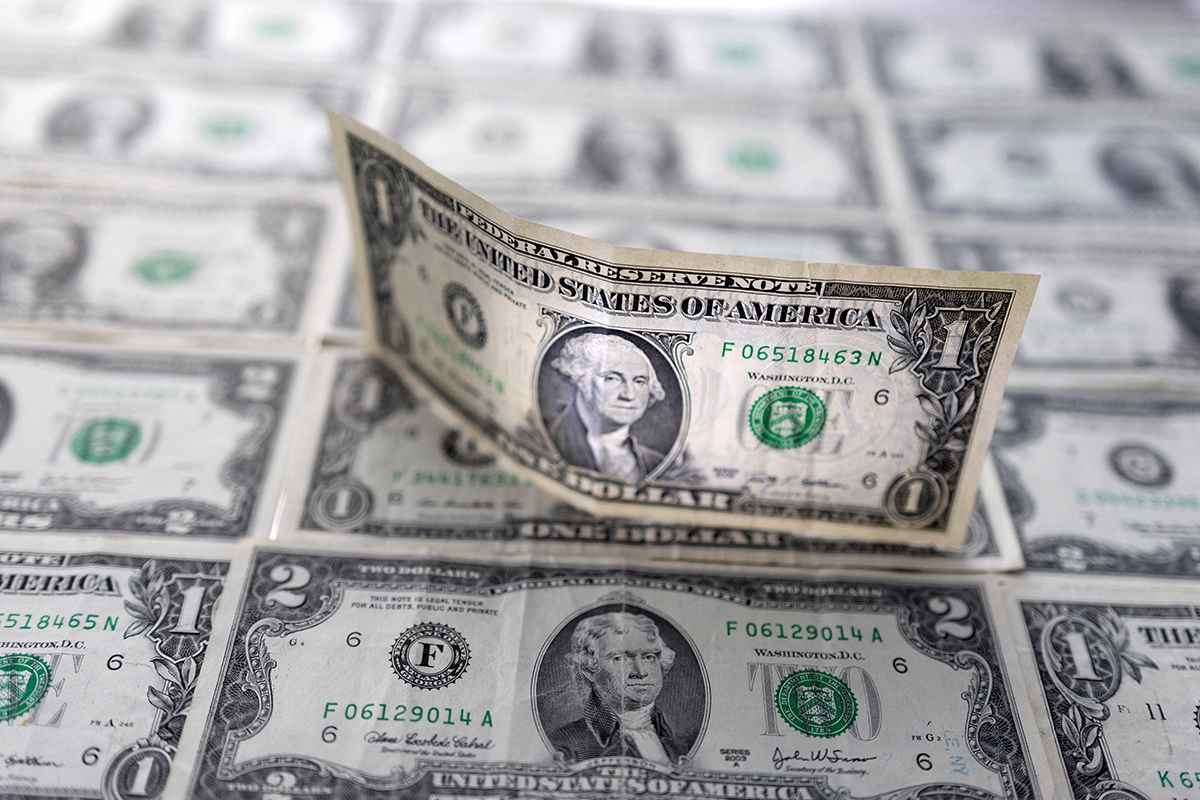
The US dollar is coming under sustained pressure in early 2026 as political uncertainty in Washington, concerns over debt and inflation, and the rise of alternative financial systems prompt global investors to rethink long-held assumptions about American assets.
While dollar weakness is often explained by interest-rate cycles, analysts say the current move reflects a broader shift in confidence as markets react more sharply to political signals from the United States, including trade threats, tariff disputes and the growing use of economic policy as a geopolitical tool.
“The dollar’s recent weakness isn’t just cyclical,” said Mohanad Yakout, senior markets analyst at Scope Markets. “It reflects rising political uncertainty and a change in how global investors assess risk in the United States.”
‘Sell America’ debate gains traction
Financial markets have been increasingly sensitive to statements from US leaders on trade and foreign policy, particularly as Washington leans more heavily on tariffs, sanctions and financial pressure in disputes with allies and rivals alike.
While some investors dismiss talk of a so-called “Sell America” trade as overstated, Yakout said large institutional investors are no longer treating US assets as the unquestioned default safe haven.
“The old ‘There Is No Alternative’ mindset is fading,” he said, referring to the long-held belief that global capital had few viable substitutes for US markets. “Investors are spreading risk across gold, the euro and alternative systems emerging outside the US-centric financial order.”
Gold prices have remained elevated, while the euro has attracted renewed inflows as investors seek diversification away from dollar exposure.
Bond markets signal unease
US Treasury markets are also showing signs of strain. Despite interest-rate cuts by the Federal Reserve, with benchmark rates now in the 3.25 per cent to 3.5 per cent range, longer-dated bond yields remain elevated, suggesting investors are concerned inflation could return.
Markets are also looking ahead to leadership changes at the Federal Reserve, with Chair Jerome Powell’s term set to end in May 2026. That transition has raised questions over the future independence of the central bank at a time when public debt remains high and political pressure on monetary policy is intensifying.
“Bond investors are signalling that rate cuts alone aren’t enough to restore confidence,” Yakout said. “There is concern about fiscal discipline and whether future Fed leadership will remain firmly committed to price stability.”
Global system becomes more fragmented
Beyond domestic policy, the dollar faces longer-term structural challenges as new payment systems and settlement mechanisms reduce global reliance on the US currency.
Countries within the expanded BRICS grouping have accelerated efforts to trade in local currencies and develop alternative financial infrastructure, a trend that gained momentum after the widespread use of sanctions in recent years.
While the dollar remains dominant in global trade and reserves, analysts say the system is becoming more multipolar, gradually eroding the dollar’s monopoly rather than replacing it outright.
Outlook hinges on confidence, not rates
Looking ahead, Yakout said the dollar’s trajectory for the rest of 2026 will depend less on interest-rate differentials and more on whether the United States can restore confidence through predictable policymaking and institutional stability.
“If aggressive fiscal spending continues alongside loose monetary policy, downward pressure on the dollar is likely to persist,” he said. “Restoring trust will require calmer international relations, credible institutions and a clear commitment to long-term economic stability.”
For now, markets appear to be reassessing risk in ways that challenge decades-old assumptions, marking a subtle but significant shift in the global financial landscape.



