
Business
Donald Trump Calls Andrew Mountbatten-Windsor’s Arrest ‘So Bad for the Royal Family’


US President Donald Trump has shared his thoughts on the arrest of Andrew Mountbatten-Windsor.
Formerly known as Prince Andrew, King Charles III’s younger brother was arrested Thursday, which happened to be his 66th birthday.
Trump Reacts to Andrew Mountbatten-Windsor’s Arrest
According to a report by 9News, Trump spoke to reporters about what he thinks about Mountbatten-Windsor’s arrest.
“I think it’s a shame. I think it’s very sad,” Trump told reporters. “I think it’s so bad for the royal family.”
“It’s very, very sad to me,” he added. “It’s a very sad thing when I see that.”
Trump also spoke about King Charles, saying that “It’s a very sad thing to see it and to see what’s going on with his brother, who’s obviously coming to our country very soon, and he’s a fantastic man, the king.”
US Lawmakers Ask ‘Who’s Next?’
When asked if any high-level arrests will be made in America, Trump said that “It’s really interesting, because nobody used to speak about Epstein when he was alive, but now they speak.”
“But I’m the one that can talk about it, because I’ve been totally exonerated,” the US President noted.
However, for some members of the US Congress, it is time to take action against those who have been associated with disgraced pedophile Jeffrey Epstein.
According to a report by the BBC, Republican congressman Thomas Massie declared “Now we need JUSTICE in the United States” in a tweet posted on his X account.
In reaction to the former prince’s arrest, Republican congresswoman Nancy Mace asked, “Who’s next?”
“We will not stop until every co-conspirator, every enabler, and every powerful figure who hid behind wealth and connections is held fully accountable,” she emphasized. “No one is above the law.”

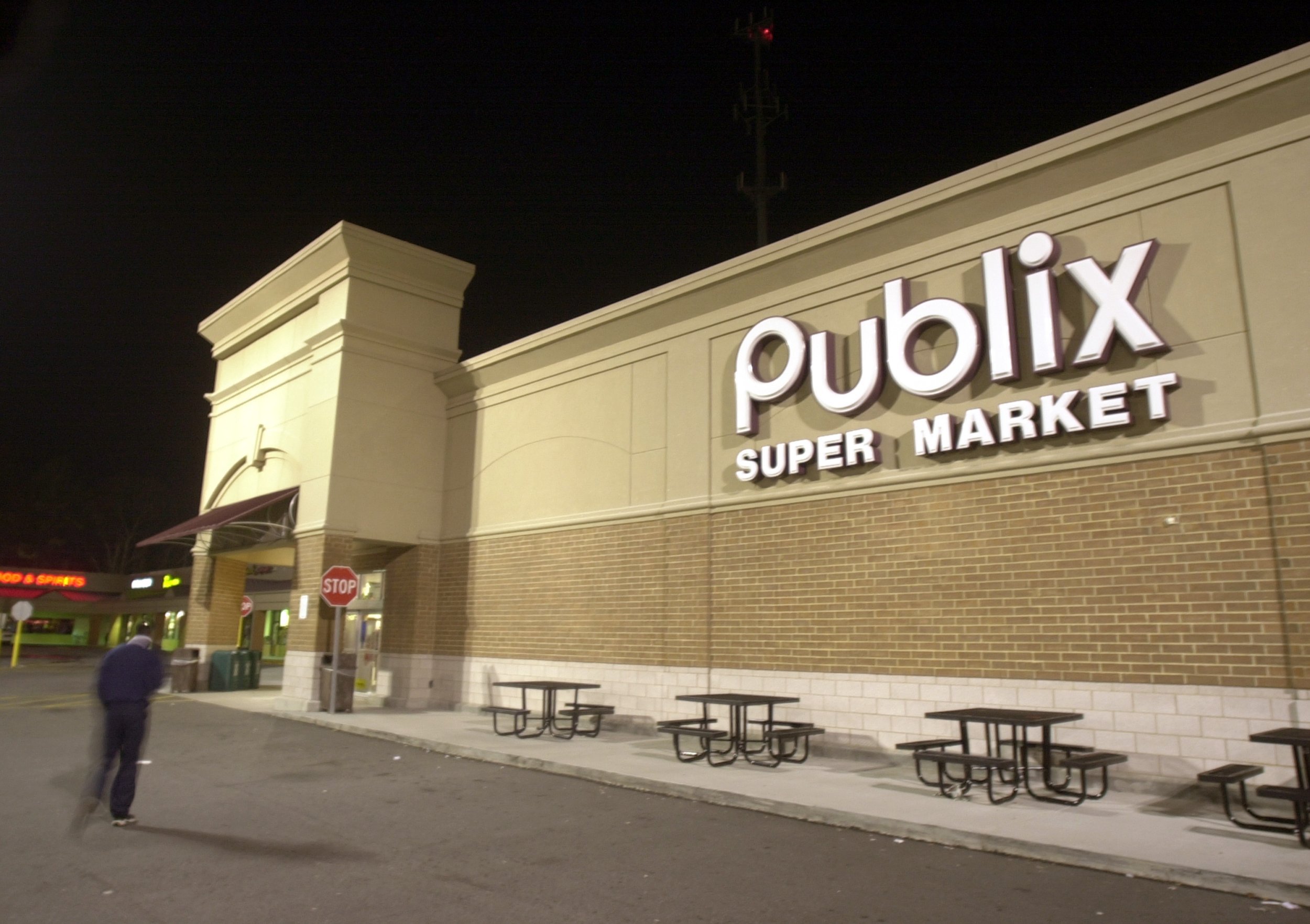
LAKELAND, Fla. — Publix Super Markets stores across the Southeast United States are closed today, Easter Sunday, April 5, 2026, honoring a long-standing company tradition that gives associates the day off to spend with family and observe the Christian holiday.

The popular grocery chain, which operates more than 1,300 stores primarily in Florida, Georgia, Alabama, South Carolina, North Carolina, Tennessee, Virginia and Kentucky, shuts down completely on only three days each year: Thanksgiving, Christmas and Easter. All Publix locations, including pharmacies and attached liquor stores where applicable, will remain closed for the full day and resume normal business hours on Monday, April 6.
A Publix spokesperson confirmed to multiple news outlets that “Publix stores will be open normal operating hours on Saturday, April 4, the day before Easter Sunday. Our stores will be closed on Easter Sunday in observance of the holiday and to allow our associates the opportunity to spend time with family and friends.” The policy reflects founder George Jenkins’ vision of balancing business with respect for employees and community traditions.
Easter 2026 falls on Sunday, April 5, marking the resurrection of Jesus Christ and a major day of family gatherings, church services, egg hunts and festive meals for millions. Publix’s decision to close enables its workforce — known for friendly service and the famous “Pub Sub” sandwiches — to participate without work demands, a practice the company has maintained consistently.
While physical stores are dark today, customers can still access Publix.com and the Publix app for browsing, though orders placed on Easter will typically process and become available for pickup or delivery starting Monday, subject to standard fulfillment times. Club Publix loyalty members continue to earn and redeem rewards, with digital coupons and weekly ads remaining active.
For comparison, other major retailers follow varied approaches on Easter Sunday 2026. Walmart stores are open with regular or slightly adjusted hours in most locations, offering groceries and essentials. Kroger, Whole Foods and some regional chains also plan to operate. In contrast, Costco, Sam’s Club, Aldi, Target and several others join Publix in full closures. Fast-food and convenience options like McDonald’s, Starbucks, Dunkin’ and 7-Eleven largely remain open with varying hours.
Shoppers seeking last-minute Easter groceries — ham, eggs, candy, flowers or side dishes — needed to visit Publix on Saturday or turn to open alternatives. Regional media across Florida and the Southeast, including outlets in Tampa, Miami, Jacksonville and Atlanta, have highlighted the closure, urging customers to plan ahead for holiday meals.
Publix has operated with this limited holiday closure schedule for decades, rooted in the company’s founding principles established in Winter Haven, Florida, in 1930. Jenkins initially kept stores closed on Sundays entirely until 1983, when competitive pressure led to regular Sunday hours — with the notable exception of Easter. This approach has helped Publix earn loyalty among customers who value the chain’s employee-focused culture and community involvement.
Online alternatives extend beyond Publix’s platform. Walmart.com, Instacart partners and other grocery delivery services remain active, with many offering same-day or next-day options depending on location and participating stores. For those needing perishables or specific items, open competitors provide coverage, though selection, prices and crowds may differ.
The closure affects not only grocery aisles but also in-store services such as pharmacies, deli counters, bakeries and prepared foods sections. Guests with existing pickup orders should have collected them before Easter or wait until Monday. Publix pharmacies follow the same holiday schedule and will reopen Monday.
Industry analysts note that grocery chains like Publix use selective closures to support work-life balance in a sector with demanding schedules. Easter, falling on a Sunday, aligns naturally with many associates’ regular days off, making the full shutdown feasible while maintaining strong performance the rest of the year. This policy differentiates Publix from 24/7 or always-open models.
In preparation for the closure, many Publix locations saw increased traffic in the days leading to Easter, with promotions on seasonal items, hams, desserts and everyday essentials. Clearance sections and weekly deals helped customers stock up.
For those planning post-Easter shopping, stores will resume standard hours Monday, typically 7 a.m. to 10 p.m. or similar depending on the location. The Publix app and website store locator provide precise details, including any temporary modifications.
Publix’s strong e-commerce and delivery capabilities, often powered through Instacart partnerships, have grown in recent years, offering greater convenience during closures. The company redirects focus to digital channels on major holidays, ensuring continuity for customers who prefer shopping from home.
Families coordinating Easter activities may have relied on Publix for affordable ingredients, fresh produce, bakery items or the iconic subs earlier in the week. The chain’s clean stores, knowledgeable staff and Southern hospitality have made it a staple for holiday preparations across its operating region.
While some consumers voice minor frustration over limited in-person options on a busy weekend, many appreciate the gesture toward retail workers. Social media and local discussions reflect mixed feelings, praising family time for associates alongside practical tips for alternatives.
Publix operates in a competitive grocery landscape where holiday policies influence brand perception. By closing on Easter, the company signals respect for cultural and religious traditions while prioritizing employee well-being. This consistent approach has remained stable across recent years, including Easter 2025.
Travelers or those in areas with limited alternatives should note that all Publix stores, including those in malls, airports or tourist spots, follow the uniform corporate policy and will not open. No exceptions are made for high-traffic locations.
The decision also impacts seasonal staffing. Publix often adjusts hiring around peak periods but scales back on major closure days, reducing overtime and allowing full-time associates prioritized time off.
Economists tracking consumer spending observe that Easter closures shift some revenue to preceding days or competing retailers. Overall grocery sales around the holiday remain solid, supported by dining out, home cooking and experiential family activities.
For urgent needs on Easter Sunday, nearby Walmart, convenience stores, gas stations or open grocers like certain Kroger or Whole Foods locations may stock basics, though Publix’s signature items and atmosphere will be missed until Monday.
Publix continues investing in technology, sustainability and associate benefits, reinforcing its reputation as an employer of choice. During holiday closures, the emphasis stays on community values and family time.
As Easter Sunday unfolds across the Southeast, Publix emphasizes respect for the holiday’s significance while maintaining digital accessibility. Customers planning Monday errands can expect fully restocked shelves and refreshed teams ready to assist with smiles and “where shopping is a pleasure” service.
In bustling Florida cities like Miami, Tampa and Orlando, the absence of open Publix stores is noticeable in shopping centers, yet online orders and alternatives keep supply chains moving. Similar patterns hold in Georgia, the Carolinas and other states.
Publix’s holiday policy reflects broader retail trends toward employee-centric practices amid labor considerations. Granting the day off aims to boost morale and retention in an industry with high demands.
Looking ahead, Publix’s 2026 holiday calendar treats Easter as one of the three standard full closures, alongside Thanksgiving and Christmas. Other dates typically see normal or adjusted operations.
Households blending traditions with convenience can still engage with Publix digitally today and return in person tomorrow. Whether restocking after holiday feasts or preparing for the week ahead, the grocer will resume full service promptly.
In conclusion, no — Publix stores are not open today, Easter Sunday, April 5, 2026. All locations across the company’s footprint are closed in observance of the holiday, with online browsing available but fulfillment resuming Monday. Shoppers should use alternatives for immediate needs and plan physical visits for April 6 onward to ensure a smooth post-holiday experience.
The retailer’s thoughtful approach to major holidays underscores its commitment to associates and community values while adapting to modern shopping behaviors in a competitive grocery market. As Americans celebrate Easter with family and faith, Publix doors remain closed but its spirit of service continues through dedicated employees enjoying well-deserved time off.
Business
Is Target Stores Closed on Easter Sunday 2026? All US Locations Shut for Holiday Observance
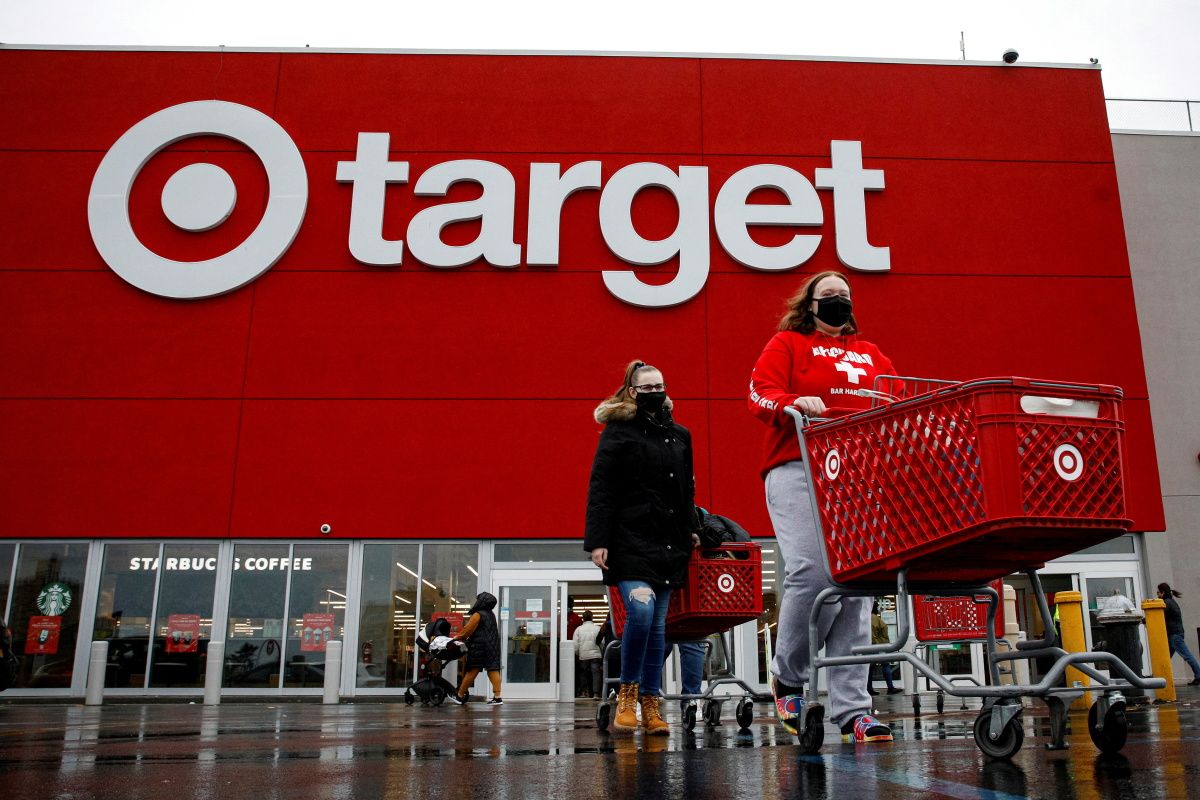
Target stores across the United States are closed today, Easter Sunday, April 5, 2026, giving team members the day off to spend with family and observe the Christian holiday commemorating the resurrection of Jesus Christ.
The retail giant maintains a consistent policy of full closure on Easter, Thanksgiving and Christmas, unlike many competitors that operate with adjusted or regular hours. All approximately 1,978 Target locations nationwide will remain shuttered for the full 24 hours, reopening for normal business on Monday, April 6.
A Target spokesperson confirmed to multiple news outlets including USA TODAY and TODAY.com that “stores will be closed on Easter Sunday” with doors reopening as usual the following day. The company encourages guests to plan ahead and utilize Target.com and the Target app for shopping needs during the closure.
Easter 2026 falls on Sunday, April 5, a major family and religious observance for millions of Americans. Many households attend church services, host brunches or egg hunts, or gather for traditional meals. Target’s decision to close allows its workforce — often called “team members” — to participate in these activities without work obligations.
While physical stores are dark, online shopping remains available 24/7. Customers can place orders via Target.com or the mobile app for Drive Up, Order Pickup or delivery. Orders placed on Easter Sunday will typically process and ship or become available for pickup starting Monday, subject to standard fulfillment times. Target Circle members continue to access exclusive deals, including the Deal of the Day, even during the store closure.
For comparison, other major retailers follow different approaches on Easter 2026. Walmart stores are open with regular hours in most locations, offering groceries, household essentials and general merchandise. Grocery chains like Kroger and some Wegmans locations also plan to operate, while Costco, Sam’s Club, Aldi and Lowe’s join Target in full closures. Fast-food outlets such as McDonald’s, Starbucks and Dunkin’ largely remain open with varying hours, and many pharmacies including CVS provide service.
Shoppers seeking last-minute Easter items — candy, baskets, clothing or home goods — must have visited Target stores earlier in the week or turned to alternatives. Regional and national media reports emphasize the importance of checking specific retailer policies, as some locations may have minor variations tied to local factors, though Target’s nationwide shutdown is uniform.
Target has long prioritized employee well-being on major holidays, a stance reflected in its holiday schedule. The retailer typically closes only on a handful of days each year, allowing staff to recharge while maintaining strong operational performance throughout the rest of the calendar. This policy stands in contrast to big-box competitors that keep doors open to capture holiday spending.
Online alternatives extend beyond Target’s own platform. Amazon, Walmart.com and other e-commerce sites continue full operations, with many offering same-day or next-day delivery options in urban and suburban areas. Grocery delivery services from Instacart, DoorDash or Uber Eats may include items typically found at Target, depending on partner store availability.
The closure affects not only general merchandise but also Target’s popular grocery sections, Starbucks cafes inside stores, and services like photo centers or optical departments. Guests with existing orders for pickup should have collected them before Easter or wait until Monday.
Industry analysts note that major retailers like Target use selective closures to balance sales opportunities with corporate values around work-life balance. Easter, falling on a Sunday, aligns with many employees’ regular days off, making the full shutdown logistically smoother than mid-week holidays.
In preparation for the closure, many Target locations extended hours or offered promotions in the days leading up to Easter. Clearance sections on seasonal items and everyday essentials saw increased traffic as shoppers stocked up.
For those planning post-Easter shopping, stores will resume standard hours Monday, typically 8 a.m. to 10 p.m. or similar depending on location. The Target app and website store locator provide precise details, including any temporary modifications due to local events.
Target’s robust e-commerce infrastructure has grown significantly in recent years, with investments in fulfillment centers, same-day services and partnerships enhancing convenience. During holiday closures, the company redirects focus to digital channels, ensuring continuity for customers who prefer shopping from home.
Parents coordinating Easter activities might have relied on Target for affordable gifts, decorations or meal supplements earlier in the week. The chain’s Bullseye Playground and seasonal displays have become staples for family celebrations, making the one-day pause noticeable but manageable with planning.
While some consumers express frustration over limited in-person options on a busy weekend, others appreciate the gesture toward retail workers. Social media discussions highlight mixed feelings, with posts praising family time for employees alongside calls for more consistent access to essentials.
Target operates in a competitive retail landscape where holiday policies can influence brand perception. By closing on Easter, the company signals respect for cultural and religious traditions while differentiating from always-open models. This approach has remained stable across recent years, including Easter 2025.
Travelers or those in areas with limited alternatives should note that airport or mall-based Targets follow the same corporate policy and will not open. Highway-adjacent or standalone superstores are uniformly closed.
The decision also impacts seasonal workforce needs. Target often ramps up hiring for peak periods like back-to-school or holidays but scales back on major closure days, reducing overtime costs and allowing permanent staff prioritized time off.
Economists tracking consumer spending observe that Easter closures shift some revenue to preceding days or online platforms. Overall retail sales around the holiday remain robust, supported by grocery, restaurant and experiential spending.
For urgent needs on Easter Sunday, nearby Walmart, dollar stores or convenience outlets may stock similar items, though selection and pricing differ. Pharmacies and gas stations with limited groceries often fill gaps for basics.
Target continues innovating with its Target Circle loyalty program, offering personalized deals and early access that function seamlessly online during closures. The app provides order tracking, easy returns scheduling for Monday and inspiration for future visits.
As Easter Sunday unfolds, Target emphasizes community and family values through its closure while maintaining digital accessibility. Guests planning Monday errands can expect fully restocked shelves and refreshed teams ready to assist.
In urban centers like New York, Los Angeles and Chicago, the absence of open Targets is felt in shopping districts, yet online orders keep fulfillment centers active. Rural and suburban locations experience similar patterns, with customers adapting through pre-planning.
Target’s holiday policy reflects broader trends in retail toward employee-centric practices amid labor market pressures. By granting the day off, the company aims to boost morale and retention in a sector known for demanding schedules.
Looking ahead, Target’s 2026 holiday calendar treats Easter as a standard full closure, consistent with Thanksgiving and Christmas. Other dates like Independence Day or Labor Day typically see reduced or normal operations.
Families blending traditions with convenience can still access Target’s ecosystem digitally today and return in person tomorrow. Whether restocking after holiday meals or exchanging gifts, the retailer will resume full service promptly.
In conclusion, no — Target stores are not open today, Easter Sunday, April 5, 2026. All U.S. locations are closed for the holiday, with online shopping and services available as alternatives. Shoppers should use Target.com or the app for immediate needs and plan physical visits for Monday onward to ensure a smooth experience.
The retailer’s thoughtful approach to major holidays underscores its commitment to team members while adapting to evolving consumer behaviors in a competitive marketplace. As Americans celebrate Easter, Target’s doors remain closed but its digital presence supports convenient access.
South Korea AI memory boom to drive Samsung, SK Hynix strategy shift
Business
Is Starbucks Open on Easter Sunday 2026? Most US Locations Serving Coffee with Varying Hours
SEATTLE — Starbucks stores across the United States will largely remain open on Easter Sunday, April 5, 2026, offering customers their favorite lattes, Frappuccinos and pastries despite the religious holiday.

The coffee giant does not observe a uniform nationwide closure for Easter, unlike some retailers that shut down completely. Instead, hours vary by location based on local demand, staffing and business needs, a pattern consistent with Starbucks’ approach to most holidays.
A Starbucks representative confirmed to multiple news outlets that “coffeehouse hours vary by location and they may occasionally adjust their hours based on business and customer needs.” The company strongly recommends that customers check specific store details using the Starbucks app or the official store locator on Starbucks.com before heading out.
Easter 2026 falls on Sunday, April 5, marking the celebration of the resurrection of Jesus Christ for Christians. While many families attend church services, host brunches or participate in egg hunts, others seek their daily caffeine fix or a quick meeting spot. Starbucks positions itself as a convenient option for those on the go.
Most locations are expected to operate with regular or slightly reduced Sunday hours, often opening around 6 a.m. or 7 a.m. and closing by 7 p.m. to 9 p.m., though some may open later or close earlier. Airport, mall and high-traffic urban stores tend to maintain more consistent availability, while standalone neighborhood cafes might adjust based on anticipated foot traffic.
In previous years, including Easter observances in 2025 and earlier, the majority of U.S. Starbucks locations stayed open, providing continuity for loyal customers. This year’s outlook mirrors that trend, with reports from USA Today, TODAY.com and other outlets confirming that Starbucks ranks among restaurants likely to welcome patrons on the holiday.
For comparison, several other chains follow different patterns. Chipotle is closing all locations on Easter Sunday 2026, while McDonald’s, Dunkin’, Wendy’s and many fast-food outlets plan to operate with standard or adjusted hours. Grocery giants like Costco will be closed, but Walmart, Walgreens and some supermarkets will open. Starbucks’ flexible model allows it to adapt without a blanket policy.
To verify hours, customers can:
- Open the Starbucks mobile app and search for nearby stores.
- Visit Starbucks.com/store-locator and enter a ZIP code or city.
- Call the specific location directly.
The app also enables mobile ordering, contactless payment and access to Starbucks Rewards, which can make a holiday visit smoother. Rewards members often enjoy perks like double stars on certain days, though no special Easter promotions were announced as of April 5.
Starbucks operates thousands of company-owned and licensed stores in the U.S., including those inside grocery stores, airports and universities. Licensed locations may follow the host venue’s holiday schedule, potentially leading to more variations. For instance, a Starbucks inside a supermarket open on Easter would likely follow that store’s hours.
Industry analysts note that coffee chains benefit from holiday demand as families seek convenient spots for gatherings or breaks from home cooking. Starbucks has emphasized community and accessibility, keeping most doors open even on major observances like Memorial Day or Labor Day, with only major closures on Thanksgiving and Christmas.
Easter weather forecasts for April 5 vary by region, with spring conditions potentially boosting drive-thru and outdoor seating traffic at locations with patios. In warmer states like California and Florida, expect steady business, while northern areas might see lighter morning crowds due to church services.
Travelers should pay special attention: Starbucks at major airports and highway rest stops often maintain extended hours to serve passengers, even on holidays. However, confirm via the app, as some transportation hubs adjust operations.
Starbucks has faced operational challenges in recent years, including labor disputes and shifting consumer habits toward at-home brewing. Yet the chain continues to innovate with seasonal menus, such as spring-inspired drinks that might appeal to Easter visitors seeking something festive alongside classic options like the Pike Place Roast or Caramel Macchiato.
Customers with dietary needs can find plant-based milks, gluten-free items and other accommodations at most open stores. The company also supports mobile ordering to reduce wait times during potentially busier holiday periods.
Parents planning Easter activities might use a local Starbucks as a refueling stop after egg hunts or before family dinners. The chain’s widespread presence — with stores in nearly every major city and many suburbs — makes it a reliable choice when other spots close.
While Starbucks does not release exact nationwide statistics for holiday operations, anecdotal reports and media surveys indicate that over 80% of locations typically serve customers on Easter Sunday. Rare closures usually stem from low expected volume in specific neighborhoods rather than corporate mandate.
Starbucks partners, as employees are called, often work holiday shifts with potential incentives, though the company has not detailed 2026 staffing plans publicly. The focus remains on delivering the “third place” experience — a welcoming spot between home and work — even on significant calendar dates.
For those unable to visit in person, the Starbucks app and website offer gift cards and at-home coffee products, providing alternatives. Delivery through partners like DoorDash or Uber Eats may also be available depending on local store participation and third-party hours.
As Easter Sunday unfolds, Starbucks aims to balance respect for the holiday with service to its global customer base. With millions of daily transactions, the chain plays a role in both routine mornings and special occasions.
Travelers returning from spring break or families hosting out-of-town guests can rely on Starbucks for quick pick-me-ups. In urban centers like New York, Los Angeles and Chicago, downtown locations often see sustained activity.
Rural or small-town stores might have more limited hours or occasional closures, underscoring the importance of checking ahead. Licensed kiosks in bookstores or hotels could differ entirely.
Starbucks’ commitment to varying hours reflects its decentralized operational strategy, empowering local managers to decide based on real-time factors. This approach has helped the company maintain relevance amid changing retail landscapes.
Looking ahead, Starbucks’ 2026 holiday schedule lists Easter as “open (varies),” similar to other non-major closures like Presidents’ Day or Juneteenth. Only Thanksgiving and Christmas typically see widespread shutdowns.
Consumers planning their day can combine Easter traditions with a coffee run seamlessly in most areas. Whether grabbing a treat for the Easter Bunny or meeting friends post-service, Starbucks stands ready at thousands of outposts.
In summary, yes — Starbucks is open today, Easter Sunday, April 5, 2026, in the vast majority of U.S. locations. Hours are not uniform, so use the official tools to confirm your nearest store’s schedule and avoid disappointment.
The company continues to prioritize customer convenience while navigating the complexities of operating a massive retail network on a day of religious and family significance for many Americans.
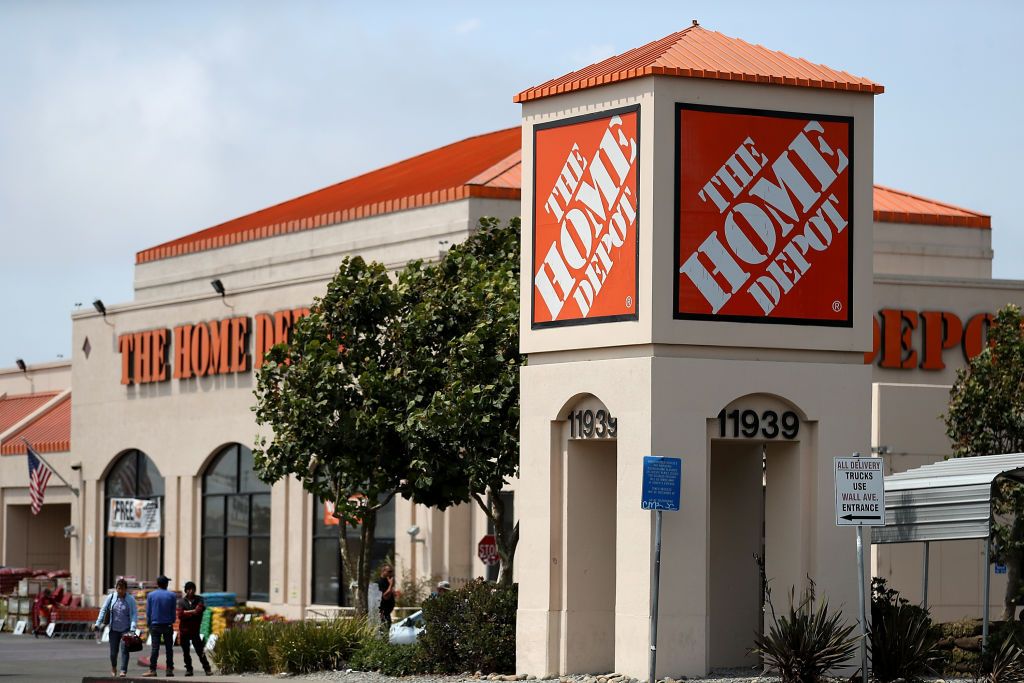
Most Home Depot stores across the United States are open today, Easter Sunday, April 5, 2026, with abbreviated hours from 8 a.m. to 6 p.m. local time, allowing customers to pick up last-minute gardening supplies, outdoor furniture, paint or home improvement essentials for spring projects and holiday gatherings.
The home-improvement giant confirmed the adjusted schedule through its official holiday hours announcement and statements to media outlets. While some locations may have slight variations based on local demand or staffing, the majority follow the 8 a.m. to 6 p.m. window on Easter, providing a convenient option for DIY enthusiasts and families preparing for outdoor activities after religious observances or egg hunts.
Home Depot’s corporate holiday schedule for 2026 explicitly lists Easter Sunday, April 5, as operating from 8 a.m. to 6 p.m. This contrasts with full closures on major holidays such as Thanksgiving and Christmas, when nearly all stores shut down entirely. The retailer encourages shoppers to use its online store locator or call ahead to confirm exact hours for their specific location, as minor differences can occur by market or individual store.
This year’s Easter falls on a Sunday during peak spring renovation season, when many homeowners tackle outdoor projects like planting flowers, building decks or refreshing patios. Home Depot stores typically stock expanded seasonal merchandise including mulch, plants, grills and tools, making the abbreviated opening especially useful for those who forgot supplies or decided on last-minute improvements.
Unlike some competitors that close entirely on Easter — such as Lowe’s in many reports or big-box rivals like Costco and Target — Home Depot has maintained a tradition of limited operations on the holiday. Company officials have noted that keeping stores open with reduced hours balances customer convenience with respect for the day, while allowing associates to enjoy family time through adjusted shifts.
Specialized services such as tool rental, the Pro Desk and installation consultations may operate on limited capacity during the shortened window. Garden centers and outdoor living sections are expected to see strong traffic as mild spring weather encourages shoppers to start or continue yard work. Paint departments and lumber aisles also remain popular for quick weekend fixes.
Online shopping through HomeDepot.com and the mobile app offers a strong alternative for those preferring not to visit in person. Buy online, pick up in store (BOPIS) and same-day delivery options are available at participating locations, though pickup times align with the reduced in-store hours. Standard shipping for non-urgent items continues without interruption.
Retail experts point out that Home Depot’s decision to open on Easter reflects broader trends in the home-improvement sector, where demand remains steady year-round. With many Americans treating the long weekend as an opportunity for home projects, the retailer positions itself as a reliable resource even on holidays.
Shoppers planning to visit should prepare for potentially busier mornings as families finish church services or outdoor activities and head to stores. Parking lots may fill faster than on a typical Sunday, though the shorter overall day helps manage crowds. Self-checkout lanes and mobile scanning options can help reduce wait times at registers.
In contrast to Home Depot’s partial opening, several other major retailers are closed nationwide or locally. Costco warehouses and gas stations are shuttered for the holiday, as are Target stores and Sam’s Club locations. Walmart operates most stores with regular Sunday hours, offering a one-stop alternative for groceries and general merchandise alongside any Home Depot needs.
Pharmacy and vision center services at Home Depot locations, where available, generally follow the main store schedule but may have further restrictions. Customers needing those departments are advised to call ahead.
The company has not announced any special Easter promotions tied directly to the holiday, focusing instead on everyday value and seasonal spring deals already in progress. Tax-free weekends in select states and ongoing promotions on grills, patio furniture and power tools continue to drive interest.
For professional contractors and Pro members, the Pro Desk remains staffed during open hours to assist with bulk orders and project planning. Delivery and installation services operate on adjusted schedules aligned with store hours.
Travelers and out-of-town visitors can rely on Home Depot’s widespread presence, with thousands of locations nationwide. Those in smaller towns often find the local store as one of the few large home-improvement options available on a holiday.
Home Depot associates working the shortened Easter shift typically receive standard holiday premiums where applicable, though the company emphasizes flexible scheduling to accommodate both business needs and personal time. Many employees appreciate the earlier closing time, allowing them to join family celebrations later in the day.
As Easter 2026 coincides with pleasant spring conditions in much of the country, demand for seasonal items is expected to remain solid despite the abbreviated hours. Garden centers in particular may see brisk sales of flowers, shrubs and landscaping materials as families spruce up outdoor spaces for gatherings.
Customers with questions about specific services — such as special orders, returns or product availability — should check the Home Depot app or website, which provides real-time inventory and store-specific details. The store locator tool remains the most reliable way to confirm hours and services.
In the broader retail landscape, Easter shopping patterns highlight the blend of religious observance and secular spring renewal. While some prefer to keep the day entirely free of errands, others appreciate retailers like Home Depot offering limited access for practical needs without disrupting holiday traditions.
Home Depot has not indicated any nationwide deviations beyond the standard 8 a.m. to 6 p.m. framework for Easter 2026. As always, local factors such as weather, staffing or regional events could influence exact operations at individual stores.
For the absolute latest information on any specific Home Depot location, shoppers should use the official store locator at homedepot.com, call the store directly or check the mobile app. While most stores are open today with reduced hours, planning ahead ensures the smoothest experience.
Whether grabbing bags of mulch for a fresh flower bed, picking up paint for an interior refresh or finding tools for a quick repair, Home Depot stands ready across much of America on this Easter Sunday. Its consistent approach to holiday hours underscores the retailer’s role as a dependable partner for American homeowners year-round.
As the sun sets on Easter 2026, stores will close at 6 p.m., resuming normal Sunday or weekday hours on Monday. Normal operations bring back full services, extended evening access and the full range of seasonal inventory that millions rely on for ongoing home projects.


The author is a mechanical engineer. He holds a B.S. in Mechanical Engineering and an M.B.A in Finance. He employs evidence and factor-based investing in his personal portfolio.He will sometimes seculate for fun and take small positions in individual stocks he believes are trading at a discount.
Analyst’s Disclosure: I/we have a beneficial long position in the shares of CROX either through stock ownership, options, or other derivatives. I wrote this article myself, and it expresses my own opinions. I am not receiving compensation for it (other than from Seeking Alpha). I have no business relationship with any company whose stock is mentioned in this article.
Seeking Alpha’s Disclosure: Past performance is no guarantee of future results. No recommendation or advice is being given as to whether any investment is suitable for a particular investor. Any views or opinions expressed above may not reflect those of Seeking Alpha as a whole. Seeking Alpha is not a licensed securities dealer, broker or US investment adviser or investment bank. Our analysts are third party authors that include both professional investors and individual investors who may not be licensed or certified by any institute or regulatory body.


Roberts Berzins has over a decade of experience in the financial management helping top-tier corporates shape their financial strategies and execute large-scale financings. He has also made significant efforts to institutionalize REIT framework in Latvia to boost the liquidity of pan-Baltic capital markets. Other policy-level work includes the development of national SOE financing guidelines and framework for channeling private capital into affordable housing stock. Roberts is a CFA Charterholder, ESG investing certificate holder, has had an internship in Chicago board of trade (albeit, being resident and living in Latvia), and is actively involved in “thought-leadership” activities to support the development of pan-Baltic capital markets.
Analyst’s Disclosure: I/we have a beneficial long position in the shares of KBDC either through stock ownership, options, or other derivatives. I wrote this article myself, and it expresses my own opinions. I am not receiving compensation for it (other than from Seeking Alpha). I have no business relationship with any company whose stock is mentioned in this article.
Seeking Alpha’s Disclosure: Past performance is no guarantee of future results. No recommendation or advice is being given as to whether any investment is suitable for a particular investor. Any views or opinions expressed above may not reflect those of Seeking Alpha as a whole. Seeking Alpha is not a licensed securities dealer, broker or US investment adviser or investment bank. Our analysts are third party authors that include both professional investors and individual investors who may not be licensed or certified by any institute or regulatory body.

Saudi Arabia stocks higher at close of trade; Tadawul All Share up 0.03%


Inflation in focus for markets jostled by Middle East war signals

SAN ANTONIO — San Antonio Spurs center Victor Wembanyama is off the injury report and expected to play Saturday against the Denver Nuggets after sitting out Thursday’s victory over the Los Angeles Clippers due to right ankle injury management, the team confirmed.
The 22-year-old phenom, widely regarded as a leading MVP candidate, missed the second night of a back-to-back on April 2 against the Clippers. Spurs coach Mitch Johnson described the decision as precautionary, aimed at managing Wembanyama’s workload as the team pushes for a top seed in the Western Conference with a strong 68-18 record entering the final stretch of the 2025-26 regular season.
Wembanyama had been dealing with right ankle soreness in recent weeks, including a questionable tag before other games, but he played through it in several outings. The Spurs opted for rest on the back-to-back, and he responded positively, logging heavy minutes in prior contests while averaging 24.7 points, 11.5 rebounds, 3.0 assists and a league-leading 3.1 blocks per game across 61 or 62 appearances this season.

On Saturday, April 4, against Nikola Jokic and the Nuggets, Wembanyama was not listed on the official injury report, signaling a full return barring any last-minute setbacks. He delivered a strong performance in the matchup, posting 34 points, 18 rebounds, seven assists and five blocks in 40 minutes during an overtime thriller, further cementing his status as one of the NBA’s most unique two-way talents. Jokic afterward called Wembanyama the league’s “most unique two-way player,” highlighting the Frenchman’s impact even in a competitive loss for the Spurs.
The ankle issue appears minor and load-related rather than structural. Earlier this season, Wembanyama navigated other minor setbacks, including a left knee hyperextension on New Year’s Eve 2025 that showed no ligament damage on MRI, and a previous calf strain that sidelined him for weeks in November 2025. The Spurs have emphasized caution with their franchise cornerstone, especially given his towering 7-foot-4 frame and high minutes in a breakout campaign.
This latest ankle management move briefly raised concerns about Wembanyama’s eligibility for major awards. NBA rules require players to appear in at least 65 games to qualify for MVP, Defensive Player of the Year and All-NBA honors. With the regular season winding down, the missed game against the Clippers left him needing to play nearly all remaining contests to hit the threshold. The Spurs’ decision reflects a balance between short-term health and long-term playoff aspirations, as San Antonio eyes a deep postseason run.
Wembanyama’s absence Thursday did not derail the Spurs, who cruised to a 118-99 win over the Clippers behind contributions from depth players like Luke Kornet, Bismack Biyombo and Mason Plumlee. The victory extended their strong form, underscoring the team’s growth even without its star for one night.
Throughout the 2025-26 season, Wembanyama has transformed the Spurs into a legitimate contender. His defensive versatility — swatting shots at the rim while guarding perimeter players — pairs with improving offensive skills, including step-back threes and elite passing. The Spurs sit as the No. 2 seed in the West, a remarkable turnaround fueled largely by his presence. On the court, the team is plus-645 when he plays and significantly worse when he sits, according to advanced metrics.
Off the court, Wembanyama has embraced leadership while managing the physical demands of his position. The ankle soreness echoes occasional lower-body management seen with other big men, but no structural damage has been reported in recent imaging or updates. Team officials and Johnson have repeatedly stated that such rests are proactive, not indicative of a serious issue.
Looking ahead, the Spurs face a tight schedule as the regular season concludes. With Wembanyama back in the fold, expectations rise for continued dominance. His return against Denver provided an immediate boost, as he matched Jokic’s intensity in a high-stakes Western Conference showdown. Analysts note that preserving Wembanyama’s health could prove decisive in the playoffs, where his rim protection and two-way impact become even more valuable.
This ankle episode fits a pattern of careful management for the young star. Earlier calf and knee concerns were resolved without long-term absence after initial evaluations, allowing Wembanyama to maintain his high level of play. His ability to bounce back quickly speaks to improved conditioning and the Spurs’ medical staff’s approach.
Fans and pundits reacted swiftly to the latest update, with many praising the organization for prioritizing sustainability over short-term availability. Social media buzzed with relief as Wembanyama’s clearance for Saturday was announced, especially after his strong showing in Denver.
As the Spurs prepare for the postseason, all eyes remain on Wembanyama’s durability. At just 22, he has already rewritten expectations for what a modern big man can achieve, blending size, skill and basketball IQ in ways rarely seen. Minor ankle tweaks are common in a grueling 82-game schedule, particularly for players logging heavy minutes on both ends.
The team has not provided a detailed long-term prognosis beyond the immediate clearance, but the absence of any “out” designation or further testing suggests optimism. Wembanyama himself has expressed confidence in his body’s resilience while acknowledging the need for smart rest.
With the playoffs looming, the Spurs’ strategy appears clear: keep their generational talent fresh for when it matters most. Saturday’s performance against Denver offered an encouraging sign that the ankle is responding well to management.
As April 5, 2026, dawned with Easter celebrations and ongoing NBA action, Wembanyama’s availability injected renewed excitement into San Antonio’s title hopes. Whether chasing individual hardware or team success, the French star remains central to the Spurs’ narrative — a towering figure whose health updates carry outsized importance for fans nationwide.
Spurs officials continue to monitor Wembanyama closely, with daily evaluations standard for any lingering soreness. For now, the focus shifts to maximizing his impact down the stretch while avoiding unnecessary risk.

Is Publix Stores Closed on Easter Sunday 2026? All Locations Shut for Holiday Tradition

AI is breaking crypto security by making hacks cheaper and easier, Ledger CTO warns

Farage uses Christ’s resurrection as an excuse to moan


-

 NewsBeat3 days ago
Steven Gerrard disagrees with Gary Neville over ‘shock’ Chelsea and Arsenal claim | Football
-

 Business3 days ago
No Jackpot Winner and $194 Million Prize Rolls Over
-

 Fashion2 days ago
Weekend Open Thread: Spanx – Corporette.com
-
Entertainment6 days ago
Fans slam 'heartbreaking' Barbie Dream Fest convention debacle with 'cardboard cutout' experience
-

 Crypto World4 days ago
Gold Price Prediction: Worst Month in 17 Years fo Save Haven Rock
-

 Tech6 days ago
The Pixel 10a doesn’t have a camera bump, and it’s great
-
Crypto World5 days ago
Dems press CFTC, ethics board on prediction-market insider trades
-

 Tech6 days ago
Avatar Legends: The Fighting Game comes out in July and it looks pretty slick
-

 Business3 days ago
Login and Checkout Issues Spark Merchant Frustration
-

 Sports17 hours ago
India men’s 4x400m and mixed 4x100m relay teams register big progress | Other Sports News
-

 Tech6 days ago
Apple will hide your email address from apps and websites, but not cops
-

 Sports5 days ago
Tallest college basketball player ever, standing at 7-foot-9, entering transfer portal
-

 Tech5 days ago
EE TV is using AI to help you find something to watch
-

 Politics6 days ago
Should Trump Be Scared Strait?
-

 Tech5 days ago
Flipsnack and the shift toward motion-first business content with living visuals
-

 Fashion6 days ago
The Best Spring Trends of 2026
-

 Tech5 days ago
How to back up your iPhone & iPad to your Mac before something goes wrong
-

 Sports6 days ago
Women’s hockey camp eyes fitness boost, tactics ahead of WC 2026 campaign | Other Sports News
-
 Crypto World7 days ago
Bitcoin’s Six-Month Losing Streak: What On-Chain Data Says About the Market’s Next Move
-

 Politics6 days ago
BBC slammed for ignoring author of The Fraud
You must be logged in to post a comment Login