
Business
Dubai traffic plan: New bridges, lane expansions and road upgrades to slash journey times

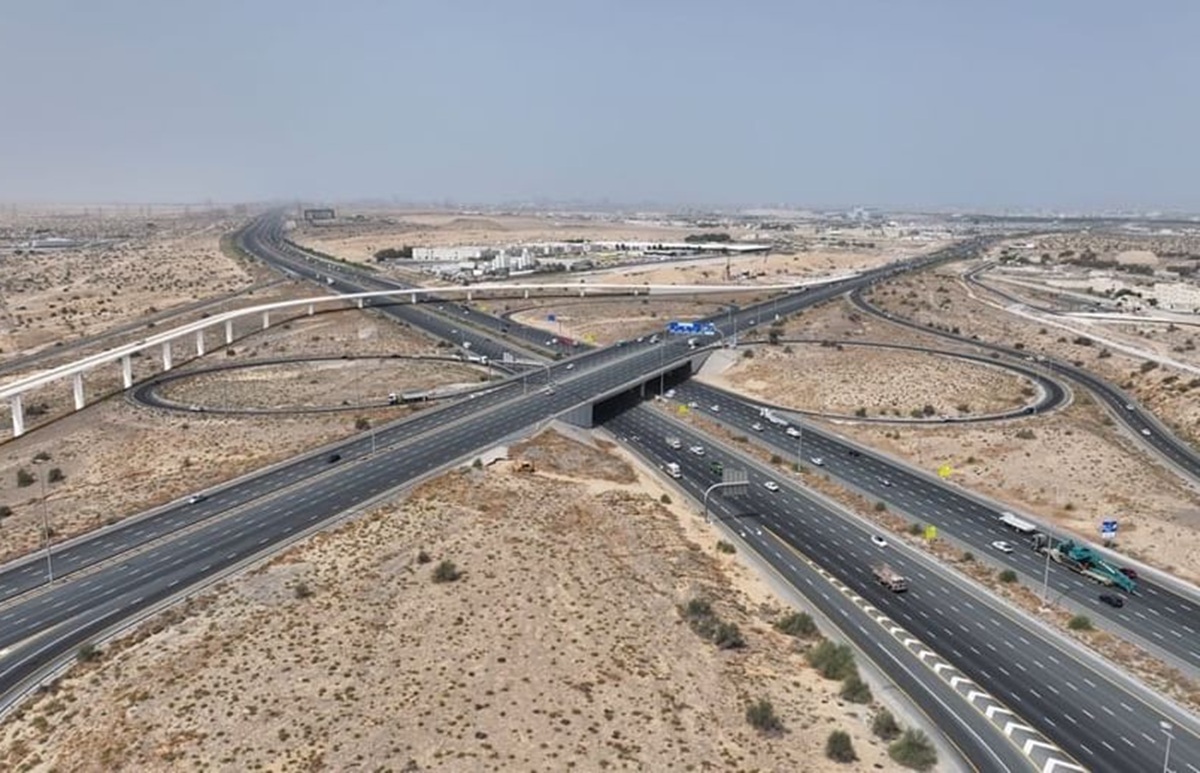
The Dubai Roads and Transport Authority (RTA) has awarded the contract for the development of the Sheikh Zayed bin Hamdan Al Nahyan Street intersection with Al Awir Road and Al Manama Street, as part of wider efforts to improve traffic flow and support urban growth across the emirate.
The project will deliver 2.3km of bridges, expanded lanes, upgraded service roads, and new access points serving residential and development areas along Sheikh Zayed bin Hamdan Al Nahyan Street and Al Awir Road in both directions.
Once completed, it is expected to significantly improve capacity and reduce congestion along the corridor.
Sheikh Zayed bin Hamdan Al Nahyan Street intersection
The scheme will increase the street’s capacity from 5,200 vehicles per hour in both directions to 14,400 vehicles per hour in both directions—an increase of 176 per cent.
Travel time along the route is set to fall from 20 minutes to just five minutes, with completion scheduled for the third quarter of 2028.
Mattar Al Tayer, Director General, Chairman of the Board of Executive Directors of the Roads and Transport Authority, said: “Undertaking this project is part of RTA’s master plan to develop the roads, bridges, crossings, and tunnels network to accommodate growing traffic volumes, enhance mobility, and ensure smoother traffic flow across Dubai.
“This plan supports the needs of urban expansion and population growth. The project serves residential and development areas with a combined population of residents and visitors exceeding 600,000.
“The project includes converting the existing roundabout into a grade-separated intersection that enables free-flowing traffic movements in all directions.
“The works involve constructing main bridges on Sheikh Zayed bin Hamdan Al Nahyan Street with four lanes in each direction, along with building ramps for right- and left-turn movements, each comprising two lanes.”
“The project also includes constructing a bridge at the intersection of Al Awir Road with Emirates Road to serve traffic heading towards Al Awir and Sharjah, as well as developing parallel service roads along Sheikh Zayed bin Hamdan Al Nahyan Street and Al Awir Road in both directions to provide safe access points serving the surrounding development areas.”
Al Manama Street upgrades
He further explained:“ The project includes upgrading the surface roads at the intersection of Sheikh Zayed bin Hamdan Al Nahyan Street with Al Manama Street. The scope involves widening Sheikh Zayed bin Hamdan Al Nahyan Street from two to four lanes in each direction to increase capacity and enhancing the signalised surface intersection to improve its operational efficiency and expand its traffic capacity.
The project will also provide safe access points to serve the surrounding development areas.”
Sheikh Zayed bin Hamdan Street development
The improvement of Sheikh Zayed bin Hamdan Al Nahyan Street forms part of RTA’s broader programme of road upgrades, which began with the development of the street’s extension through the construction of a four-lane road in each direction over a 25km stretch, from its intersection with Dubai–Al Ain Road to the roundabout on Al Yalayis Street.
Several surrounding intersections were also upgraded as part of these works.
A grade-separated interchange was built at the intersection of Sheikh Zayed bin Hamdan Al Nahyan Street with Latifa bint Hamdan Street near the entrance to Global Village for traffic inbound from Emirates Road.
A signalised roundabout was constructed at the intersection with Al Qudra Street, along with a signalised surface intersection at the junction with Hessa Street. These measures represent interim traffic solutions that will be further enhanced through future upgrades.
Dubai Silicon Oasis
The project also included improvements along the section extending from Dubai–Al Ain Road to the Academic City roundabout, covering approximately three kilometres.
This phase involved constructing two bridges at the Dubai Silicon Oasis intersection, each 120 metres long, providing four lanes in each direction and a total capacity of 14,400 vehicles per hour in both directions.
A signalised surface intersection was also built beneath the bridges, comprising 20 lanes in all directions with a capacity of 8,000 vehicles per hour.
These improvements were designed to ensure smoother traffic flow towards Dubai Silicon Oasis and Zayed University, while enhancing movement at the Academic City roundabout.



