
Business
EXCLUSIVE: Watches are not a ‘get-rich-quick’ investment but can be ‘better than gold or cash’ in 2026

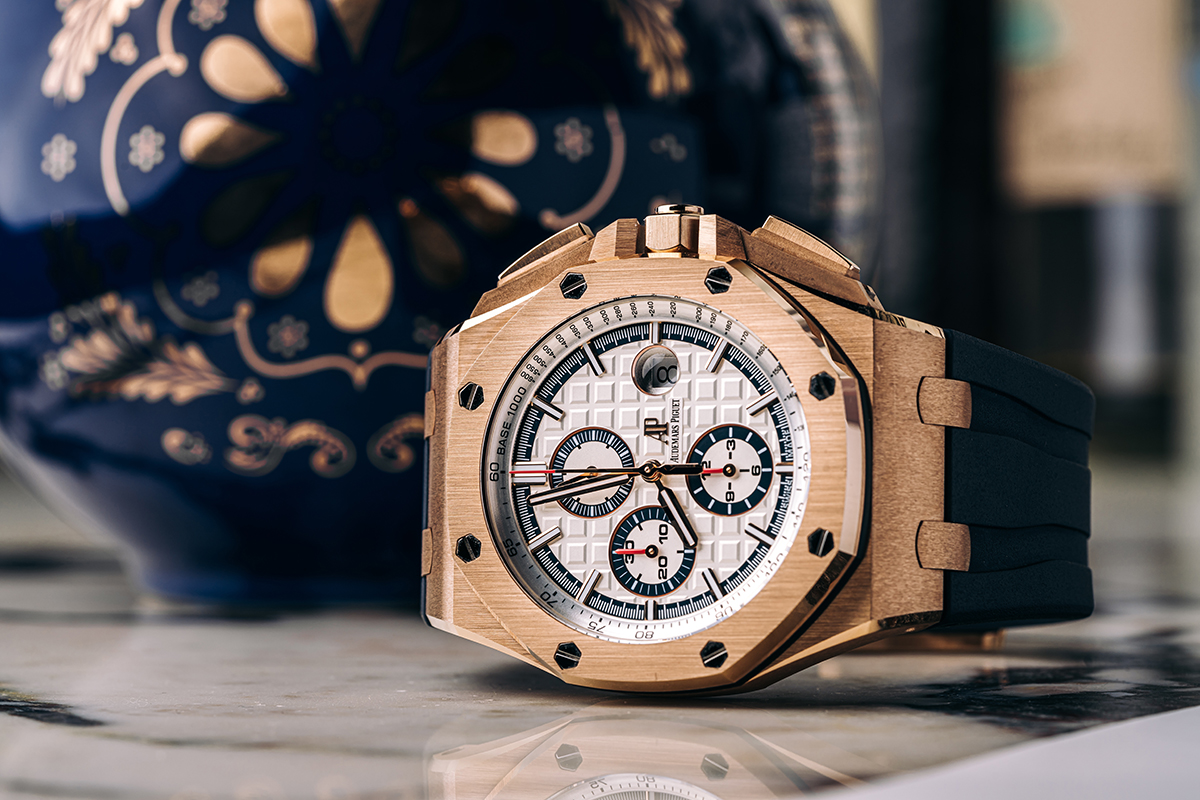
“Think of watches less like stocks and more like portable wealth. They work best as a store of value with the potential to appreciate over time, not as a get-rich-quick investment,” Robertino Altiero, CEO of WatchGuys.com, said in an exclusive interview with Arabian Business.
According to experts, the market now rewards selectivity over speculation and heritage over hype. For investors in the Gulf region where discretion and long-term wealth preservation has trumped short-term gains, the current environment presents challenges and opportunities.
“If you are looking for real gain, you will need to have a watch for over 120 years minimum,” he said.
The global luxury watch market reached US$53.9 billion in 2024 and is projected to grow to US$59.97 billion in 2025, heading toward US$134.53 billion by 2032 at a 12.23 per cent compound annual growth rate.
However, these aggregate figures mask significant regional and brand-specific disparities that define the true state of the market.
For investors, experts suggest that watches are not likely to outperform traditional assets but can perform well if the ‘right watches’ are bought at the ‘right price.’
“I do not think that luxury watches will outperform traditional assets as a whole. But the right watches, bought at the right price, can absolutely do well – sometimes better than gold or cash once inflation is considered,” Altieri explained.
Luxury watch exports show mixed trends
Swiss watch exports totalled CHF25.9 billion (US$32.62 billion) in 2024, according to the Federation of the Swiss Watch Industry yet stability proved elusive throughout the year. Swiss watch exports fell 2.8 per cent in 2024 to CHF26.0 billion (US$32.75 billion) following three years of steady growth, suggesting an economic slowdown in demand for luxury personal items, particularly among aspirational customers.
The 2024 contraction was driven primarily by China and Hong Kong. China saw a decline of 25.8 per cent while Hong Kong fell 18.7 per cent, taking it close to its 2019 results.
North and South America were the most dynamic market with growth of 5.4 per cent, accounting for a fifth of Swiss watch exports in 2024, with the US strengthening its position as the sector’s leading market with 5 per cent growth.
The secondary market which had been in decline since March 2022 began showing tentative signs of recovery in 2025. The WatchCharts Overall Market Index, Rolex Market Index and Patek Philippe Market Index are all in positive territory for 2025 with the second half of the year seeing many brands stabilise and recover following three years of steady decline.
“During COVID, people believed almost any steel watch would go up in value,” Altieri recalled. “That trend is over with and now watch collectors are far more strategic and knowledgeable with their collecting. I have noticed a shift back to buyers choosing rarity, condition and resell-ability of the watches that they buy.”
“We can expect to see the most reliable watch brands continue to have long-term growth value, including Rolex, Patek Philippe and Audemars Piguet,” Altieri said. “These brands will always perform very well on the secondary market.”
“However, I think Audemars Piguet is getting overshadowed,” he added.
Rolex remained the backbone of the secondary market in the second quarter of 2025, with prices staying almost flat, dipping by just 0.2 per cent, following a 0.4 per cent rise in the first quarter.
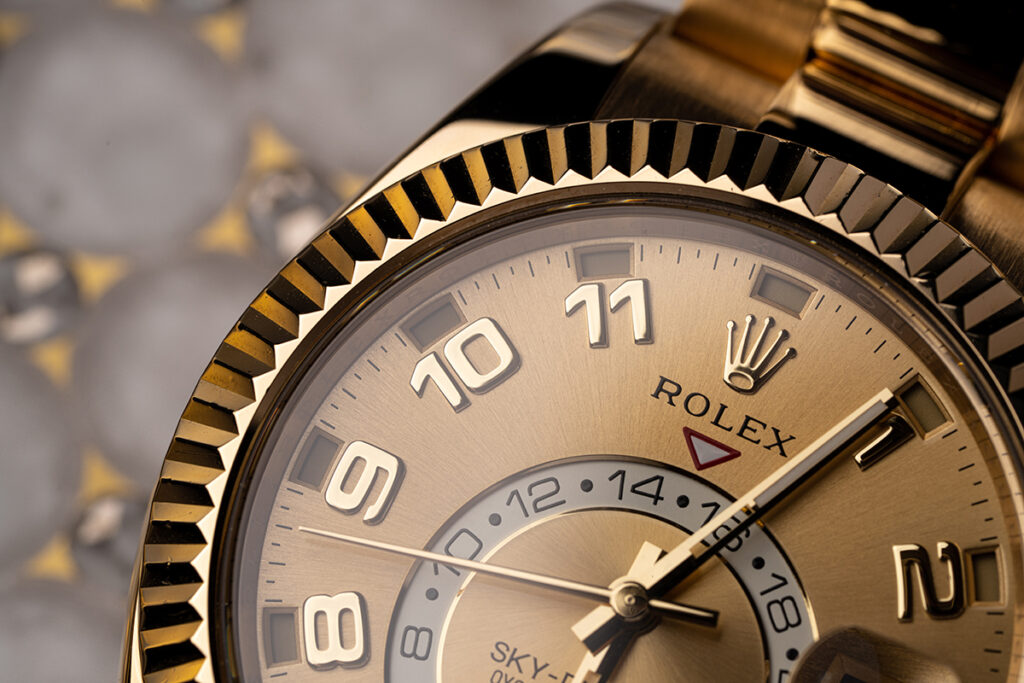
GCC buyers shape global trends
The GCC markets occupy a unique position in the global luxury watch ecosystem. “Middle Eastern buyers tend to buy fewer watches but pick some of the best models and hold onto them the longest,” Altieri observed. “I see many very expensive pieces and a lot of Richard Mille’s being worn by Middle Eastern clients.”
“GCC collectors are influencing global pricing trends, but quietly. They are not flipping or posting online like we see in the US market. They’re buying and holding, which reduces supply worldwide and has the potential to support long-term value of their watches,” he explained.
In 2023, the Middle East grew 6 per cent, with the UAE growing 12.2 per cent while Saudi Arabia saw more moderate growth at 2.6 per cent. The Swiss watch industry views the region as increasingly strategic.
Richard Mille’s Middle East turnover increased from CHF95.3 million (US$120.08 million) in 2023 to CHF102.2 million (US$128.78 million) in 2024. In 2024, Richard Mille’s Riyadh boutique alone saw sales increase by 34 per cent.
Additionally, the Saudi Arabian luxury watch market was valued at US$270.11 million in 2024 and is expected to reach US$318.52 million by 2030, rising at a 2.85 per cent compound annual growth rate.
According to the World’s Wealthiest Cities Report 2025, Riyadh experienced a 65 per cent increase in millionaires between 2014 and 2024, with the Saudi capital now home to over 20,000 individuals with liquid investable assets of US$1 million or more, including 77 centi-millionaires and 11 billionaires, while Jeddah witnessed growth of over 50 per cent.
Drawing a comparision to the booming real estate market, Altieri said, “I recently saw a great video by Grant Cardone on the percentage potential that real estate has, which is somewhere around 10 per cent. You have to pay expenses to maintain the property, pay property taxes, pay someone to watch the house for you, furnish, etc. There is a lot of constant maintenance that eats up profit.”
“They [watches] are a great low-maintenance investment when compared to real estate,” he said.
Tariffs and trends
For 2026, experts point to a buyer’s market versus a seller’s market suggesting that enthusiasts are still buying watches, leading to increased prices.
“The seller remains those seeking a profit, getting their first watch from Rolex, not people afraid of the market. But our demographic again is a higher clientele, and these people tend to have money,” he explained.
Trade policy emerged as a significant market disrupt in 2025 with the trump tarriffs impacting over 100 countries including Switzerland with tariffs reaching 39 per cent on August 7, 2025.
The immediate impact was dramatic. Compared to September 2024, exports of Swiss watches to the American market dropped by 55.6 per cent in September 2025, from CHF355 million (US$$447.5 million) to CHF158 million (US$199.17 million).
However, the longer view reveals strategic adaptation. Brands massively exported watches to their US-based subsidiaries, drastically increasing inventories to meet consumers’ demand for several months and for the first nine months of 2025 the overall performance of the US market shows growth of 10.4 per cent compared to 2024.
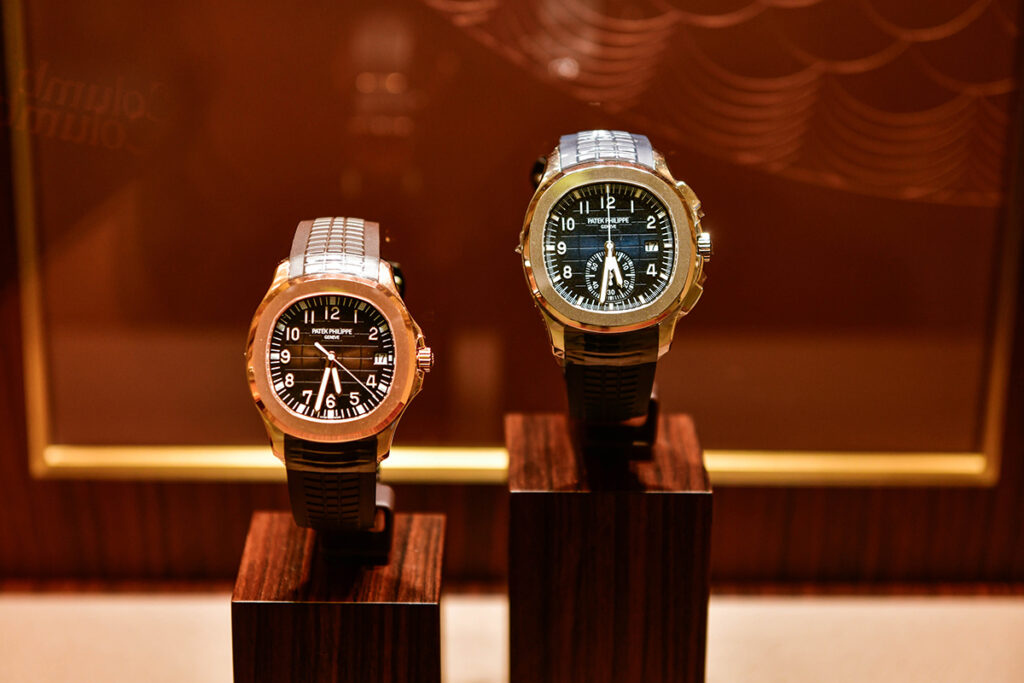
The US and Switzerland reached an agreement in November 2025 to lower tariffs to 15 per cent from 39 per cent.
“I think big factors like war, or trade percentage charge on imports and exports have the potential to hurt you. Though, even with the 39 per cent increase in traffic, we didn’t see the US market get hurt that much. Business went on as usual. People find other ways to do business. They ultimately ended up making a deal after all, Swiss watch imports are now down to 15 per cent,” Altieri explained.
Market correction creates a buying opportunity
For first-time investors, he cautioned to stay away from ‘hype purchases.’
“Buy timeless pieces that maintain their value. This also means not just buying watches because they are trendy,” he explained.
Retail prices have continued to rise in 2025 while secondary market prices have largely declined, resulting in an increasing number of watches now trading below retail. Once adjusted for inflation, which was over 25 per cent in the US during the past five years, most watches are now cheaper in real terms than they were five years ago.
The market correction has created what some analysts view as a historic buying opportunity. Speculation has cooled off, value retention has weakened for many brands, and inflation-adjusted prices are at historic lows.
When asked to invest in just one watch category this year, Altieri said, “Discontinued steel sports watches that people genuinely love wearing are the best investment going into 2026. Completely original and rare vintage or discontinued pieces are the best to buy.”
“Watches remain a place to store value, a passion asset, and a discrete form of wealth. They make sense – if bought correctly,” he concluded.



