
Business
General Motors Company (GM) Presents at Federal Reserve Bank of Chicago’s Automotive Insights Symposium Transcript


Kristin Dziczek
Well, thank you so much for coming back and staying with us. This you won’t want to miss. So it’s my pleasure to introduce our next session, managing transformation in a dynamic environment. [Operator Instructions] I’d first like to introduce our moderator, Mike Colias. Mike is the U.S. Auto Editor for Reuters. He’s long covered the auto industry and for the Wall Street Journal and Automotive News, and he’s the author of a 2025 book, Inevitable: Inside the Messy, Unstoppable Transition to Electric Vehicles. So he’s pretty ideally positioned to lead today’s fireside chat with GM’s CFO, Paul Jacobson.
And speaking of which we are tremendously honored that Paul has decided to join us. He’s a well-known around Detroit and in the auto industry since he joined General Motors in 2020 as the Executive Vice President and CFO. He’s established himself as an exceptional leader on GM’s executive team, demonstrating a remarkable financial stewardship during some very unprecedented business and industry challenges.
From navigating the post-pandemic supply chain disruptions to orchestrating GM’s strategic pathway to EV profitability and tariffs and what we can all agree has been a very uncertain policy environment. Under Paul’s guidance, GM has delivered impressive results in 2025 with robust earnings and a strong outlook. We are again thankful that Paul has agreed to join us today to share his insights.
I’ll bring Paul up for a few remarks, and then Mike will join him on stage for the Q&A.
Paul Jacobson
Executive VP & CFO
Well, thank you all. I was having to look around to figure out who

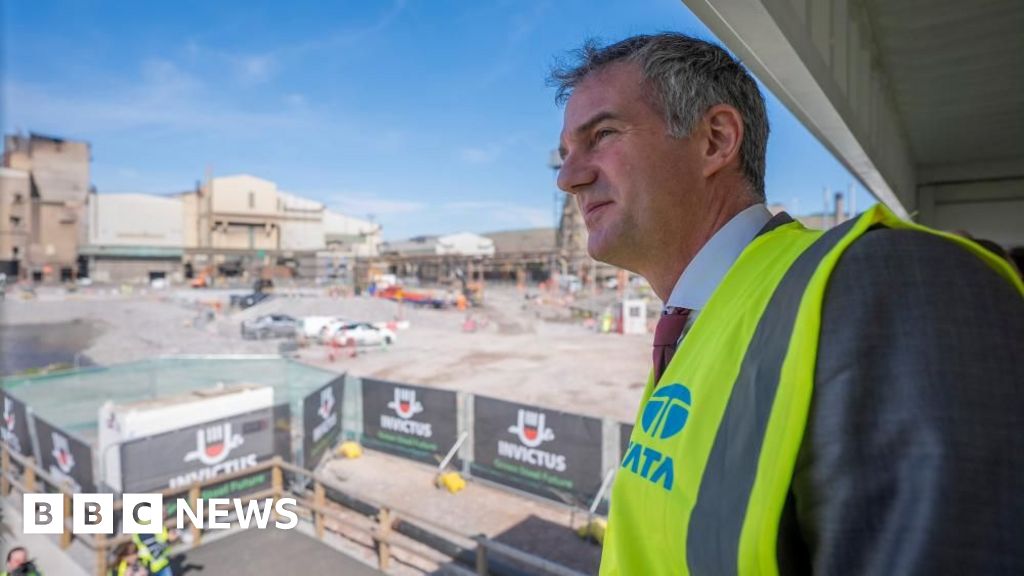
Up to half of steel used in Britain should be made there, the government says, as it announces its steel strategy.
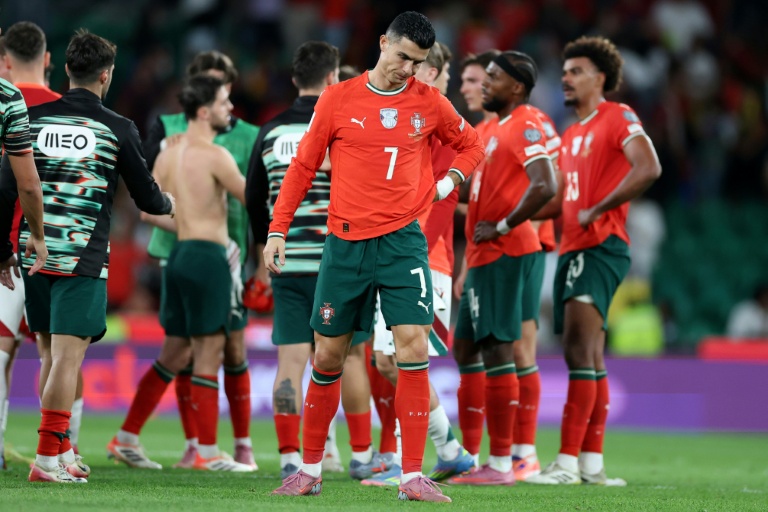
With the 2026 FIFA World Cup just over three months away, kicking off June 11 across 16 venues in the United States, Canada and Mexico, early predictions and betting markets point to Spain as the frontrunner to lift the trophy in the expanded 48-team tournament’s final at MetLife Stadium in East Rutherford, New Jersey, on July 19.
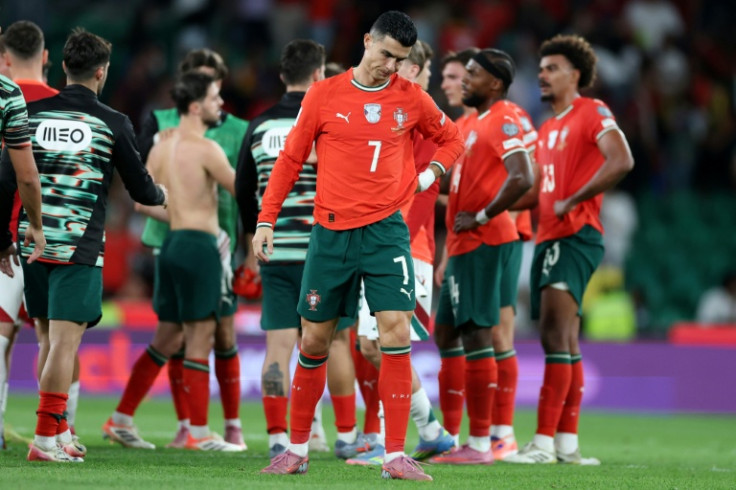
As of mid-March 2026, Spain holds steady as the betting favorite across major sportsbooks like DraftKings, BetMGM, FanDuel and prediction markets such as Polymarket and Kalshi. Odds list Spain at +400 to +450 (implying roughly 18-20% probability), buoyed by their dominant UEFA qualifying campaign, recent European Championship success and a deep, balanced squad featuring young talents like Lamine Yamal alongside veterans.
England follows closely at +550 to +600, benefiting from a strong core led by Jude Bellingham, Harry Kane and Phil Foden, though questions linger about their ability to translate domestic talent into international silverware. France sits third at +650 to +750, with Kylian Mbappé’s form and defensive solidity keeping them in contention despite recent inconsistencies. Brazil and defending champion Argentina round out the top tier at +750 to +800, with Brazil’s attacking flair and Argentina’s Lionel Messi-led experience (potentially his final tournament) making them perennial threats.
Portugal (+1100), Germany (+1200 to +1400) and the Netherlands (+1600 to +2000) follow as strong challengers. Norway (+2200 to +2500) garners attention as a potential dark horse, powered by Erling Haaland’s goal-scoring prowess and Martin Ødegaard’s creativity. Belgium (+3000) and Italy (around +3300, pending playoff qualification) remain in the mix but face steeper paths.
The expanded format — 48 teams across 12 groups of four, with the top two and eight best third-placed teams advancing to a round of 32 — increases unpredictability. Group-stage upsets could propel underdogs deeper, with more matches (104 total) allowing for momentum shifts.
Host nations Mexico, the United States and Canada benefit from home advantage and automatic qualification. The U.S. (+5000 to +6500) draws optimism as co-hosts, with a talented young core including Christian Pulisic, Weston McKennie and emerging stars. Mexico (+7000) and Canada face tougher paths but could leverage crowd support in familiar time zones.
Qualifying nears completion, with 42 of 48 spots filled. March playoffs decide the final European berths: Italy vs. Northern Ireland, Wales vs. Bosnia-Herzegovina, Ukraine vs. Sweden and others. Italy remains a popular pick to qualify at around +3300 overall odds if they advance.
Dark horses include Morocco (+6000), fresh off a 2022 semifinal run, Colombia (+3300 to +4000) with dynamic attacking play, Ecuador (+6600 to +8000) and Senegal (+10000). Norway’s Haaland factor and Japan’s technical discipline make them popular long-shot bets.
The tournament’s scale — spanning cities from Seattle to Miami, Toronto to Mexico City — poses logistical challenges but promises spectacle. MetLife Stadium hosts the final, with iconic venues like AT&T Stadium (Arlington), SoFi Stadium (Inglewood) and Estadio Azteca (Mexico City) staging key matches.
Predictions hinge on form, injuries and adaptation to North American conditions. Spain’s tactical cohesion under Luis de la Fuente gives them an edge, while England’s depth and France’s talent keep them close. Argentina’s experience and Brazil’s flair ensure drama.
As qualifying wraps and friendlies ramp up, the 2026 World Cup promises unprecedented scale and potential surprises in a truly global showcase.
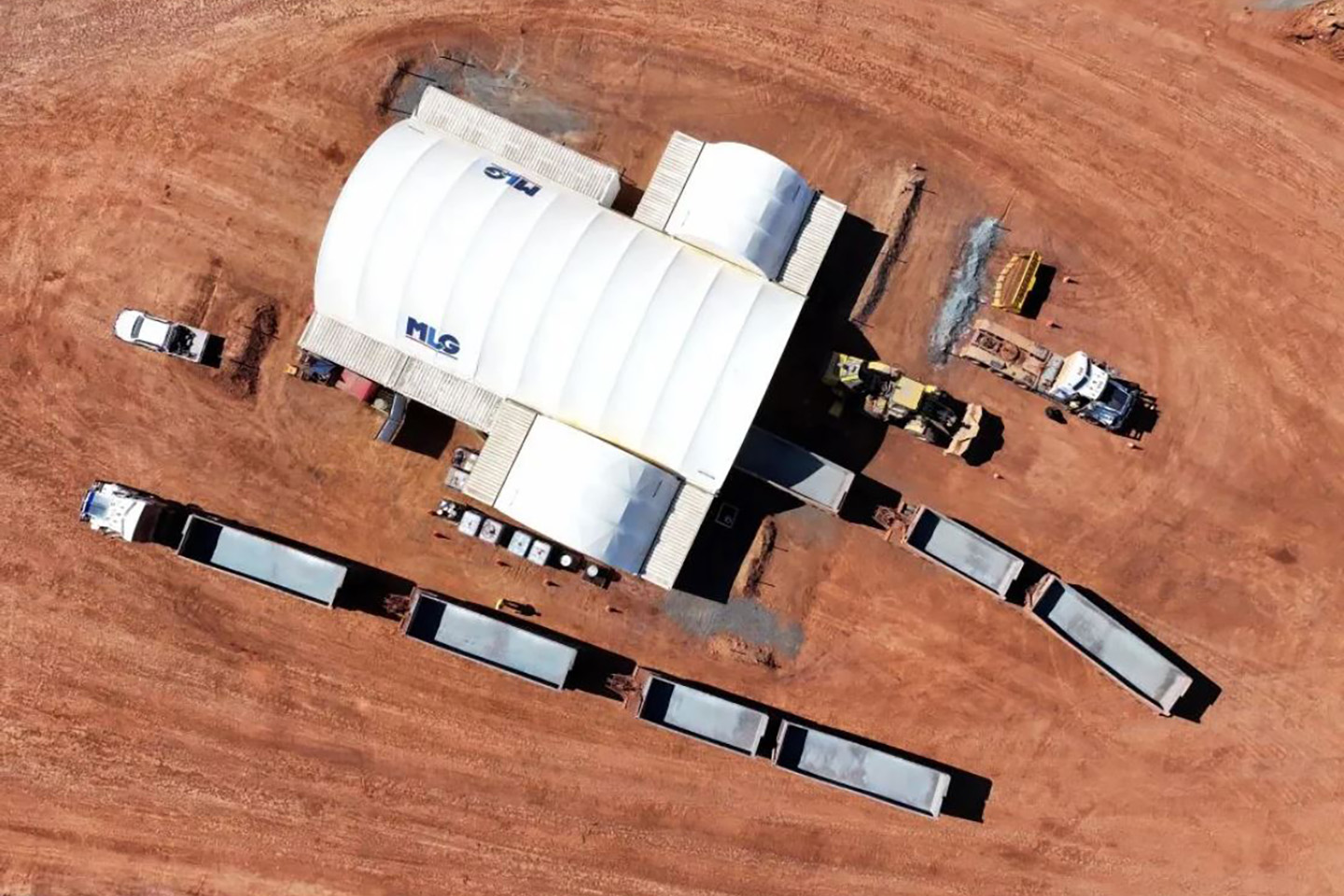
Heavy haulage company MLG Oz has extended its working relationship with Northern Star Resources at the goldminer’s Jundee operations.
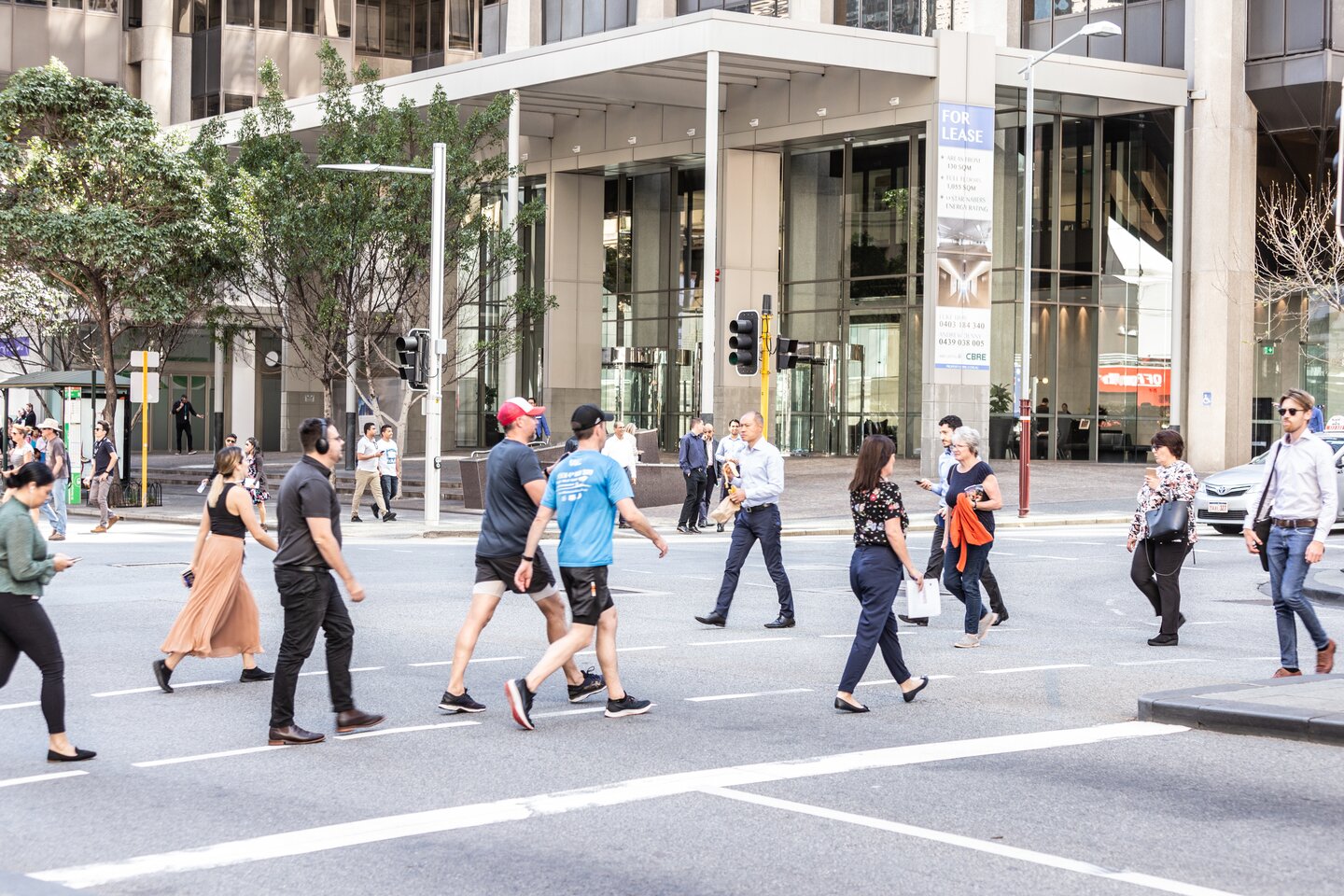
Australia’s labour market eased a little in February, despite an extra 48,900 jobs added to the economy, according to official data.
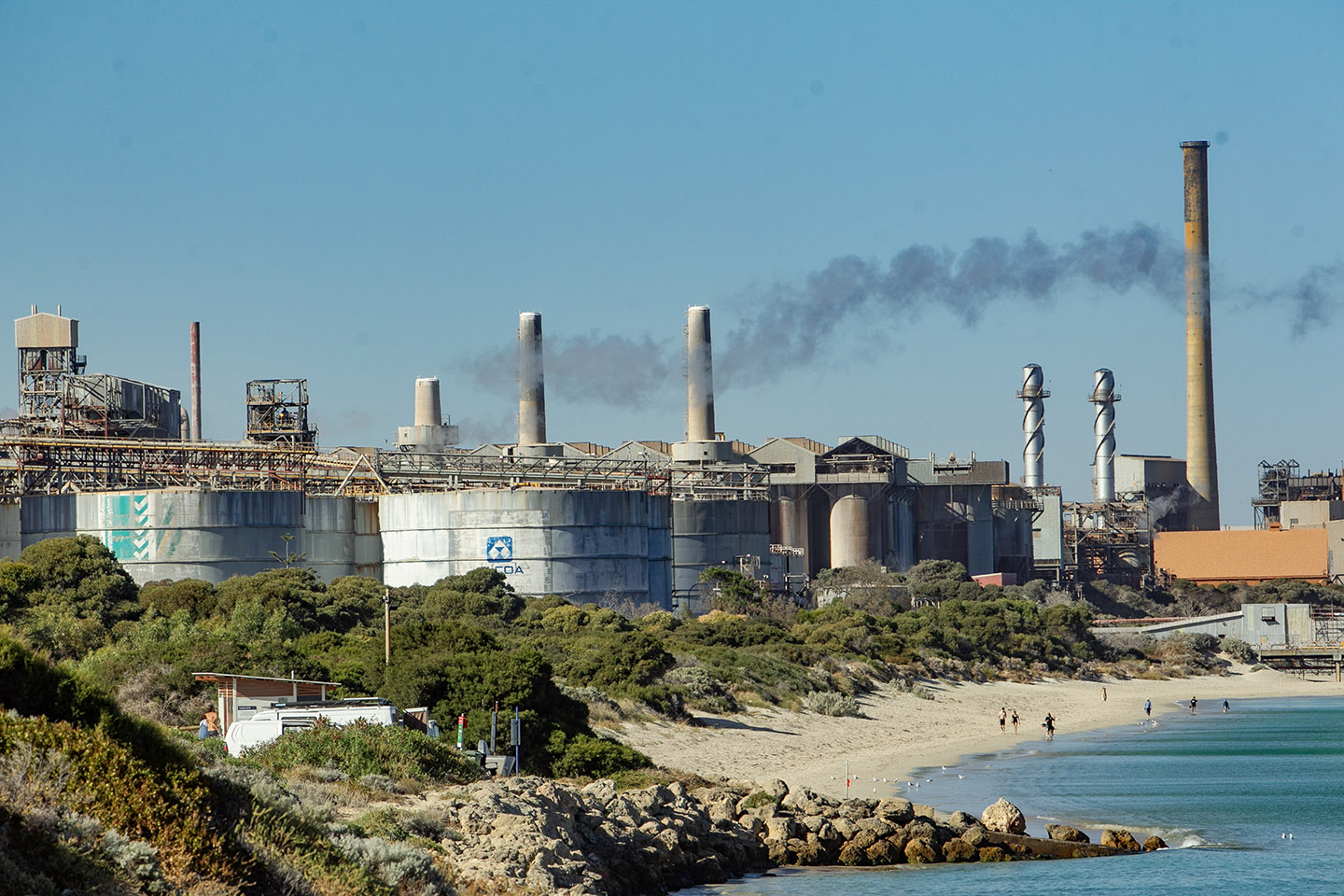
OPINION: US bauxite miner’s contributions to WA can’t hide the fact it’s at odds with community expectations.
Business
Cristiano Ronaldo on Track for 2026 World Cup After Hamstring Injury Setback, Eyes Final Tournament at Age 41
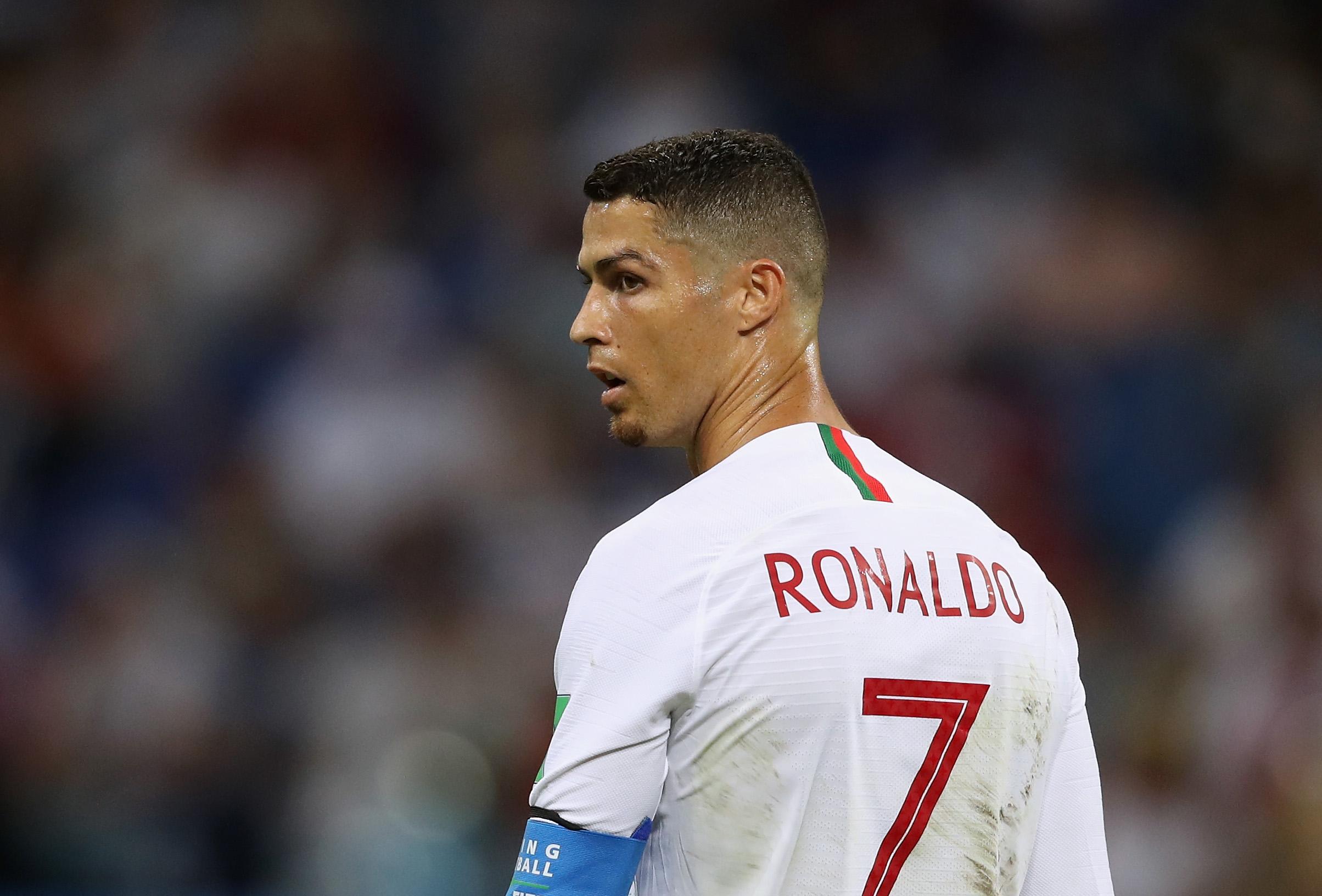
LISBON, Portugal — Cristiano Ronaldo remains on course to represent Portugal at the 2026 FIFA World Cup despite a recent hamstring injury that sidelined him from Al Nassr matches in early March, with recovery timelines pointing to a return in April and full fitness well before the tournament opens in June.

The 41-year-old forward suffered the injury during Al Nassr’s Saudi Pro League win over Al Fayha on February 28, 2026, limping off in the 81st minute. Initial assessments labeled it muscular fatigue, but further tests revealed a more serious hamstring strain, prompting Al Nassr coach Jorge Jesus to describe it as “more serious than expected.” Ronaldo traveled to Madrid for specialized rehabilitation with his personal physiotherapist, a common protocol for elite athletes managing chronic or acute issues.
As of mid-March 2026, updates indicate steady progress. Al Nassr manager Jorge Jesus stated Ronaldo should return after the international break, with Saudi media outlet Al-Sharq Al-Awsat reporting he is expected back in Riyadh by late March, targeting a potential comeback in the league match against Al Najma on April 3. Transfer expert Fabrizio Romano estimated a 2-to-4-week absence, aligning with a mild to moderate strain that typically heals within that window without long-term complications.
The injury raised brief concerns about Ronaldo’s availability for Portugal’s March friendlies against Mexico and the United States, tune-ups for World Cup preparations. However, sources close to the situation confirm the setback was short-term, designed to ensure he returns at full strength rather than risking aggravation. Ronaldo has missed about 13 competitive games this season due to various issues, a higher tally than his previous five-year average of just seven absences, highlighting the physical demands at his age.
Ronaldo has repeatedly affirmed the 2026 World Cup — co-hosted by the United States, Canada and Mexico — will be his last major international tournament. In a November 2025 CNN interview, he stated, “Definitely, yes, because I will be 41 years old” and that it would be “the moment” to step away from the global stage. He reiterated expectations of retiring in one or two years, focusing on family and club football with Al Nassr, where he extended his contract to 2027.
Despite the age milestone, Ronaldo’s form remains elite. He leads Portugal’s all-time scoring charts with 143 international goals and continues prolific output for Al Nassr, scoring 21 goals in 22 league appearances this season before the injury. His physical regimen, access to top medical care and history of overcoming setbacks support optimism for participation. Roberto Martinez, Portugal’s coach, has yet to comment directly on the injury’s impact but maintains confidence in Ronaldo’s leadership and goal threat.
The expanded 48-team format offers more matches and potential pathways, though Portugal’s qualification path remains strong. Ronaldo’s presence would mark a record sixth World Cup appearance, chasing the one major title missing from his resume despite near-misses in 2006, 2010, 2014, 2018 and 2022. Experts view him as a near-certainty for selection if fit, given his status as captain and all-time leading scorer.
Recent statements reinforce his commitment. Ronaldo expressed confidence in his sharpness and enjoyment of the game, telling interviewers he still feels quick and capable of scoring. His recovery in Madrid, incorporating advanced therapies, aims to mitigate risks at his age while preserving explosiveness.
As the World Cup nears, Ronaldo’s participation hinges on avoiding further setbacks. Current timelines position him to resume club duties in early April, allowing months to regain match rhythm and contribute to Portugal’s preparations. Fans and analysts watch closely, with the tournament offering a fitting stage for what Ronaldo has called his final major chapter.
Portugal’s friendlies and summer warm-ups will provide clarity, but signs point to Ronaldo defying age once more on the world’s biggest platform.

In the Nifty 500 pack, 10 stocks gained over 3% and their closing prices crossed above their 200-day DMA (Daily Moving Average) on March 18, 2026, according to StockEdge’s technical scan data. The 200-day daily moving average (DMA) is used by traders as a key indicator for determining the overall trend in a particular stock. As long as the stock is priced above the 200-day SMA on the daily timeframe, it is generally considered to be in an overall uptrend. Take a look:
LightShed partner Rich Greenfield analyzes the Paramount Skydance-Warner Bros deal on The Claman Countdown.
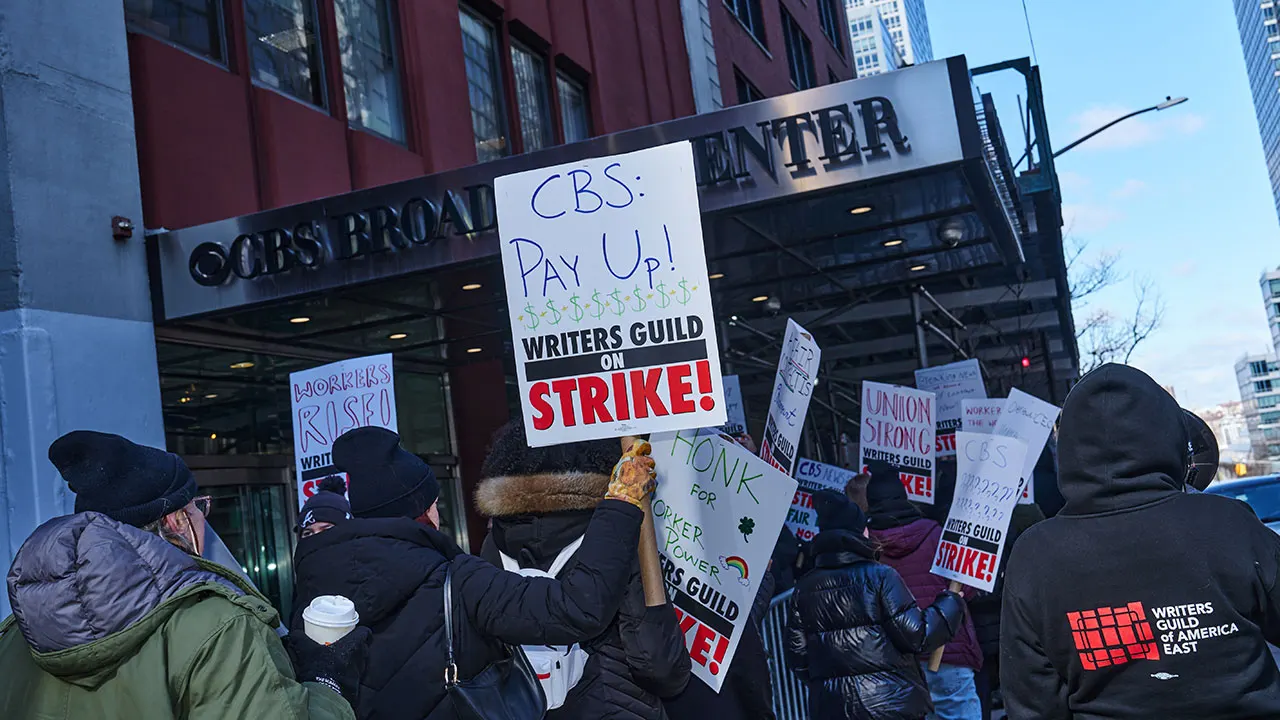
CBS News saw staffers walk off the job on Tuesday amid an ongoing labor dispute.
Writers Guild of America East members at CBS News 24/7 held a 24-hour walkout on Tuesday, claiming management failed to reach an agreement on a new collective bargaining agreement with the 60-member bargaining unit. The current contract expired on March 9, and union members believe CBS is offering a “worse” deal.
Unionized CBS News 24/7 staffers believe they need “to protect their livelihoods during a period of uncertainty in broadcast news,” pointing to “layoffs, editorial interference and political pressure” that have become “existential threats” following last year’s Paramount-Skydance merger, according to the guild.
CBS NEWS IN TRANSITION: WHO’S IN AND WHO’S OUT AFTER A TUMULTUOUS YEAR AT THE NETWORK
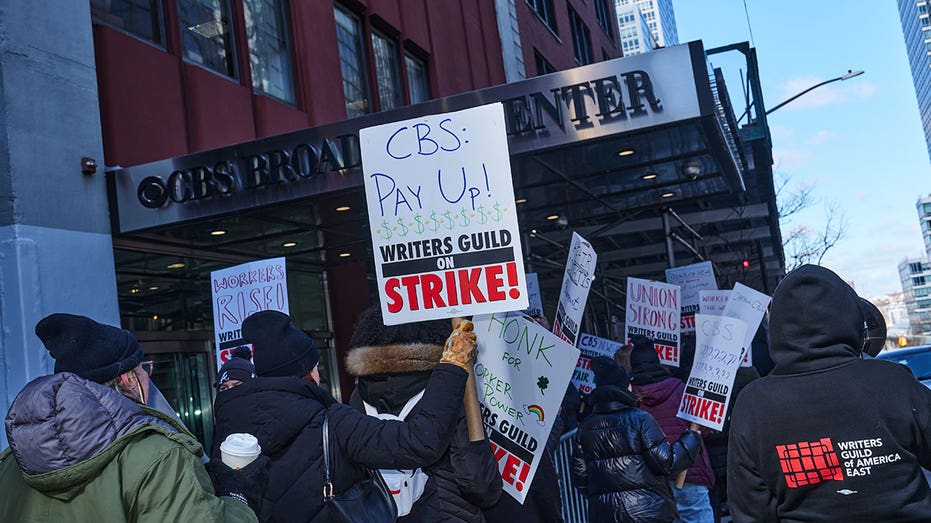
Writers Guild of America East members at CBS News 24/7 held a 24-hour walkout on Tuesday. (Bing Guan/Getty Images)
The bargaining unit is asking for “fair pay, respect and a sustainable work-life balance.”
The CBS News 24/7 Union bargaining committee and contract action team told Fox News Digital that “management refuses to agree to a new contract with essential work protections and fair wages,” so a walkout was necessary.
“Despite multiple days of good faith negotiations and a strike pledge signed by 95% of our members to emphasize the seriousness of our demands, management continues to offer us worse terms than in our last contracts. We chose this field to cover the news, but we believe this work stoppage is necessary to achieve a fair contract. We eagerly await an acceptable contract offer from Paramount—which just shelled out tens of billions of dollars to acquire Warner Bros. Discovery,” the CBS News 24/7 Union bargaining committee said.
After the Paramount-Skydance merger closed, David Ellison took control of the combined company and installed Bari Weiss as CBS News’ new editor-in-chief, acquiring her outlet The Free Press in the process.
CBS’ NORAH O’DONNELL CLAIMS COWORKERS ARE ‘FEARFUL’ OVER THE NUMEROUS CHANGES IN LEADERSHIP
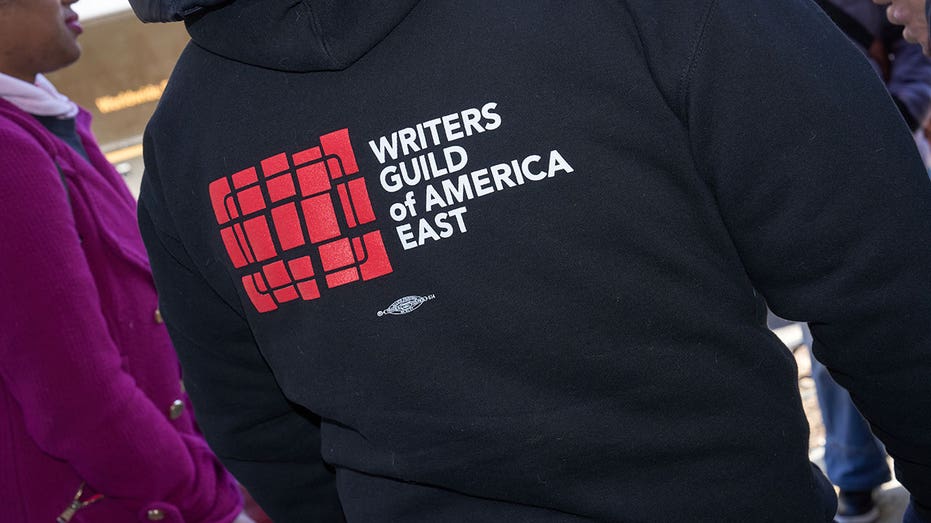
A demonstrator wears a Writers Guild of America East sweatshirt during a CBS News strike outside CBS News offices in New York, US, on Tuesday, March 17, 2026. (Bing Guan/Getty Images / Getty Images)
Weiss’ CBS has become a target of the left, who insist the organization has worked to appease the Trump administration, although it has continued to publish critical reports.
Last month, Netflix dropped its bid to buy Warner Bros. Discovery after the studio announced Paramount’s offer to buy the entire company was “superior.” Paramount, the parent company of CBS, is now set to acquire WBD for $31 per share, putting the company’s valuation at $111 billion.
“Paramount has billions to spend acquiring Warner Bros. Discovery, but still hasn’t guaranteed fair wages and basic job protections for the workers who make their streaming news operation run,” WGAE Vice President Beth Godvik said.
“Our members are walking out today to show management they stand united in their demand for a fair contract,” Godvik continued. “And the WGAE is with them every step of the way.”
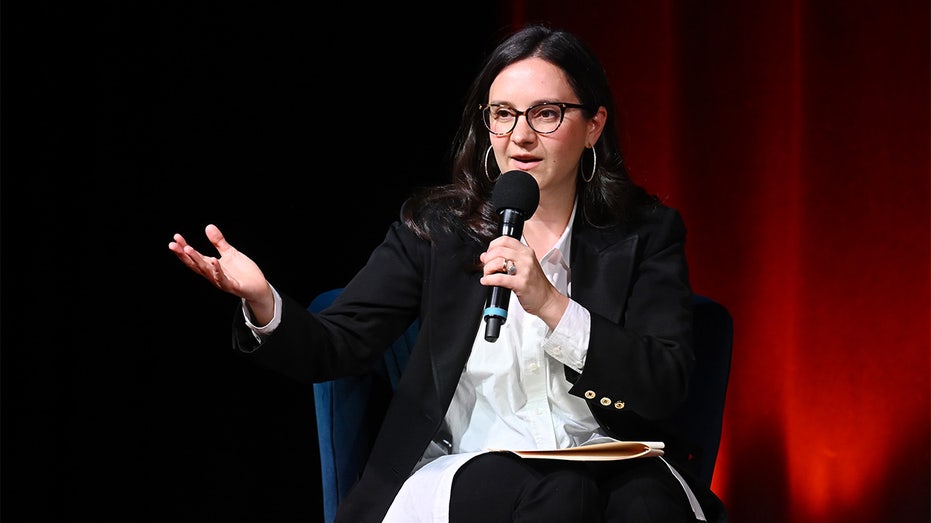
CBS News editor-in-chief Bari Weiss. (Noam Galai/Getty Images for The Free Press / Getty Images)
CBS News management disagrees with the union.
“We continue to negotiate in good faith and hope to reach a fair resolution quickly,” a CBS News spokesperson told Fox News Digital.
More than 2,900 union members and supporters of the CBS News 24/7 Union have sent letters to management urging them to agree to a fair contract for WGAE members at CBS News 24/7, according to the guild. Tuesday’s walkout featured staffers from CBS News locations in New York and San Francisco.
Paramount slashed roughly 1,000 jobs across the company last fall, many of them affecting CBS News, with plans to cut more.
CLICK HERE TO GET FOX BUSINESS ON THE GO
Fox News Digital’s Joseph A. Wulfsohn contributed to this report.
Business
HDFC Bank shares in focus as Atanu Chakraborty quits, says certain values didn’t align; ADRs tumble 7%

In his resignation letter, Chakraborty said that certain developments and practices within the bank over the past two years did not align with his personal values and ethics. “This is the basis of my aforementioned decision,” he wrote.
He also added that under his tenure, the bank saw momentous events like merger with HDFC that created a conglomerate under the bank. This strategic initiative made HDFC Bank the second largest lender in the country. “Though, the benefits of merger are yet to fully fructify”, he added.
Chakraborty joined HDFC Bank’s board in May 2021. He previously served as Secretary in the Ministry of Finance, was an alternate governor on the World Bank Board, and also chaired the National Infrastructure Investment Fund. He is a Gujarat cadre IAS officer.
Following the news, HDFC Bank’s US-listed shares, or ADRs, dropped more than 7% overnight to $26.62.

HDFC Bank share price performance
HDFC Bank shares have seen a steady decline recently, slipping 8% over the past month. The stock is down 13% over the last six months and has fallen 15% so far this year.
HDFC Bank Q3 snapshot
The lender reported an 11% jump in its December quarter standalone net profit at Rs 18,654 crore compared to Rs 16,735 crore reported in the year ago period. It was above Street’s estimates of Rs 18,473 crore.
The bank earned Rs 76,751.16 crore in interest income which was up 1% YoY compared to Rs 76,007 crore while it paid Rs 44,136 crore in the quarter under review, down nearly 3% from Rs 45,353 crore posted in the corresponding quarter of the last financial year.
HDFC Bank’s net interest income (NII) for the quarter ended December 31,2025 grew by 6.4% to Rs 32,620 crore from Rs 30,650 crore for the quarter ended December 31, 2024. Core net interest margin was at 3.35% on total assets, and 3.51 % based on interest earning assets.
(Disclaimer: Recommendations, suggestions, views and opinions given by the experts are their own. These do not represent the views of The Economic Times)
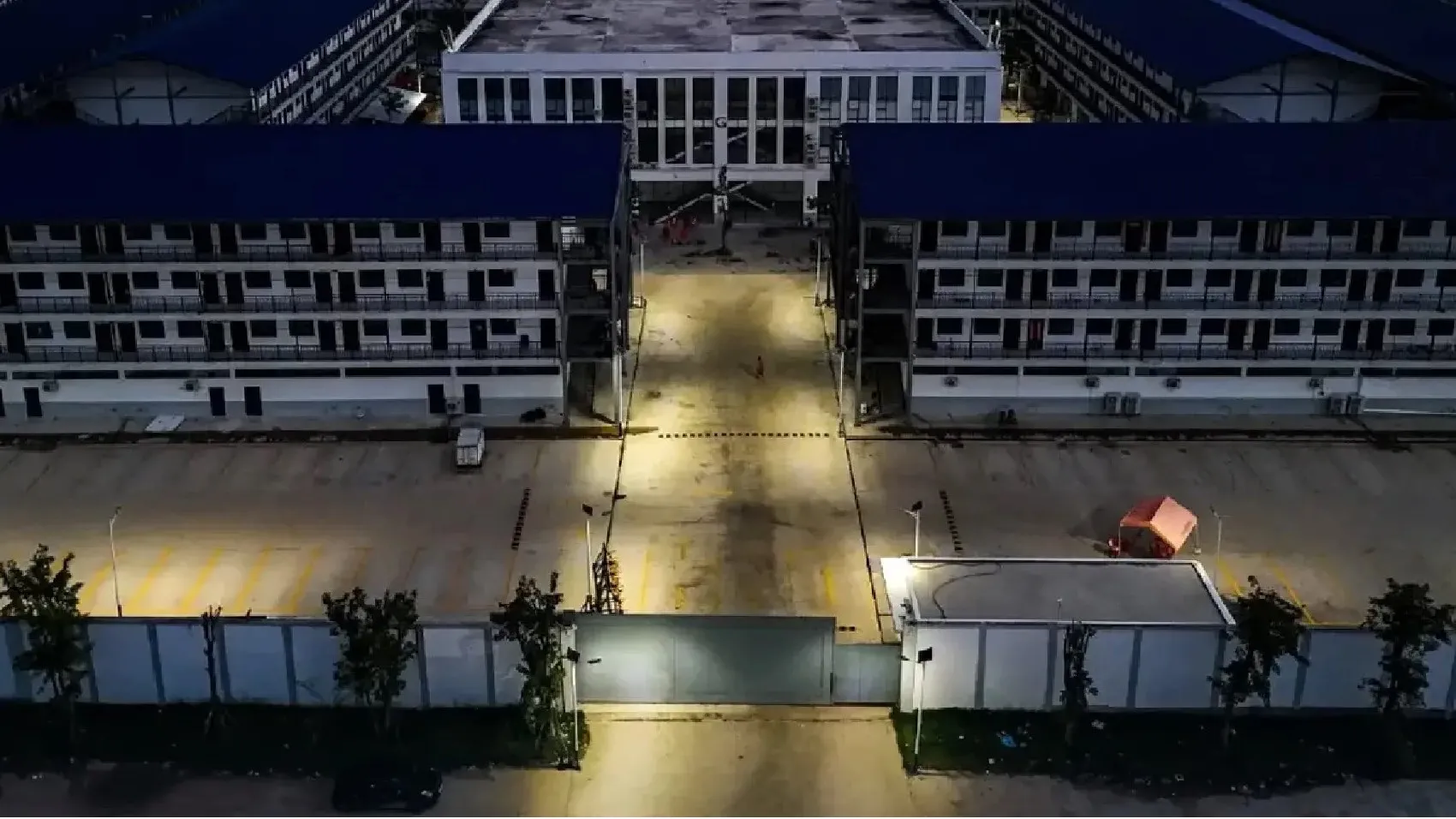
A Cambodian compound disguised as bank branches facilitates large-scale scams targeting victims globally. It features fake police offices, elaborate scripts, and evidence of forced labor among workers.
Key Points
🕵️ Inside the Scam Compound
- Located in O’Smach, Cambodia, near the Thai border.
- Contained mock-up rooms imitating banks, police stations, and government offices from multiple countries (Vietnam, Australia, Singapore, China, Brazil).
- Props included fake uniforms, badges, scripts, and counterfeit currency.
💻 Scale and Operations
- Highly organized, resembling a corporate structure with training, finance/money laundering, and creative departments.
- Workers used scripts for romance scams, fake police calls, and fraudulent investment schemes.
- Evidence showed international targeting: victims across Asia, Australia, South America, and beyond.
- Whiteboards and notebooks tracked victim progress and daily scam quotas.
⚔️ Military Context
- Thai military seized the site during border clashes with Cambodia in late 2025.
- Cambodia condemned Thailand’s occupation, calling it unlawful.
- Buildings show signs of fighting: bullet holes, debris, abandoned food, and paperwork.
💰 Economic Impact
- Scam centres are a huge industry in Southeast Asia.
- In Cambodia alone, online fraud is estimated at $12.5 billion annually, about half the country’s GDP.
- International pressure has led to sanctions and arrests, including Chen Zhi, a Chinese-born businessman extradited to China.
Fraudulent Operations Disguised as Banking Centers
A mock bank branch in O’Smach, Cambodia, is part of a large scam operation targeting victims worldwide, using sophisticated fraud schemes. The facility also includes fake police offices and scamming scripts for multiple countries.
A sprawling scam operation on the Thai-Cambodian border, masquerading as legitimate bank branches, particularly featuring the OCB bank’s logo. These elaborate “mock-up” rooms cater to criminal groups that orchestrate extensive fraud schemes targeting victims across Asia, Australia, and South America.
The six-floor compound in O’Smach holds rooms that mimic police offices from different countries, complete with fake uniforms and fraudulent scripts intended for deceiving victims over the phone. In a revealing media visit, it was uncovered that the site had been seized by Thai military forces after border clashes with Cambodia.
Response to Cybercrime and Intricate Scamming Tactics
The Cambodian government has faced international scrutiny and sanctions due to rampant cybercrime, with a massive online fraud industry generating an estimated $12.5 billion annually. Thai authorities have begun tightening measures against these operations, including controlling mule accounts used for laundering the fraudulent money.
Despite pledges from Cambodia to crack down on scamming and close numerous sites, the situation remains dire. Several tactics revealed in the scam center showcase a methodically organized operation, employing emotionally manipulative scripts designed to extract money from victims. The formal structure of these scam operations, complete with training sessions and specific target demographics, reflects a disturbing trend in transnational crime that affects countless unwitting individuals.
Other People are Reading

19-year-old Potter scores on first start as Chelsea beat Brighton

What’s the Real Value of This Financial Gem? A Hilarious Take on Office Affairs

How much is National Minimum wage going up in April 2026?


-
 Crypto World5 days ago
HYPE Token Enters Net Deflation as HyperCore Buybacks Outpace Staking Rewards
-

 Tech3 days ago
Your Legally Registered ‘Motorcycle’ Might Not Count Under Proposed US Law
-

 Fashion5 days ago
Weekend Open Thread: Addict Lip Glow
-
Sports5 days ago
Why Duke and Michigan Are Dead Even Entering Selection Sunday
-
 Tech1 day ago
Are Split Spacebars the Next Big Gaming Keyboard Trend?
-

 Business3 days ago
Search for Savannah Guthrie’s Mother Enters Seventh Week with No Arrests
-

 Business5 days ago
US Airports Launch Donation Drives for Unpaid TSA Workers as Partial Government Shutdown Enters Fifth Week
-
Crypto World4 days ago
Coinbase and Bybit in Investment Talks: Could Bybit Finally Enter the US Crypto Market?
-

 Business3 days ago
Australian shares drop as Iran war enters third week
-

 Business5 days ago
Country star Brantley Gilbert enters growing non-alcoholic beer market
-

 Crypto World3 days ago
Crypto Lender BlockFills Enters Chapter 11 with Up to $500M in Liabilities
-

 Sports5 days ago
College Basketball Best Bets: Conference Tournament Semifinal Picks
-

 Politics18 hours ago
The House | The new register to protect children from their abusers shows Parliament at its best
-
 Business6 days ago
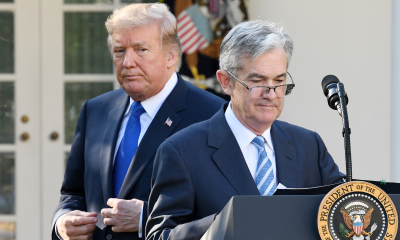
Trump demands Powell cut rates as Iran conflict raises energy prices
-

 Fashion3 days ago
25 Celebrities with Curly Hair That Are Naturally Beautiful
-

 Crypto World6 days ago
Senate Votes to Include CBDC Ban in Bipartisan Housing Bill
-

 News Videos11 hours ago
RBA board divided on rate cut, unusually buoyant share market | Finance Report | ABC NEWS
-

 NewsBeat6 days ago
Deane Road crash near Bolton colleges and university
-

 News Videos6 days ago
Tom Lee: The 100x Opportunity EVEN Bigger Than Bitcoin (New Ethereum Prediction 2026)
-

 Crypto World11 hours ago
Canada’s FINTRAC revokes registrations of 23 crypto MSBs in AML crackdown


You must be logged in to post a comment Login