
Business
Gold, currency moves and global rebalancing shaped markets in 2025: Ray Dalio

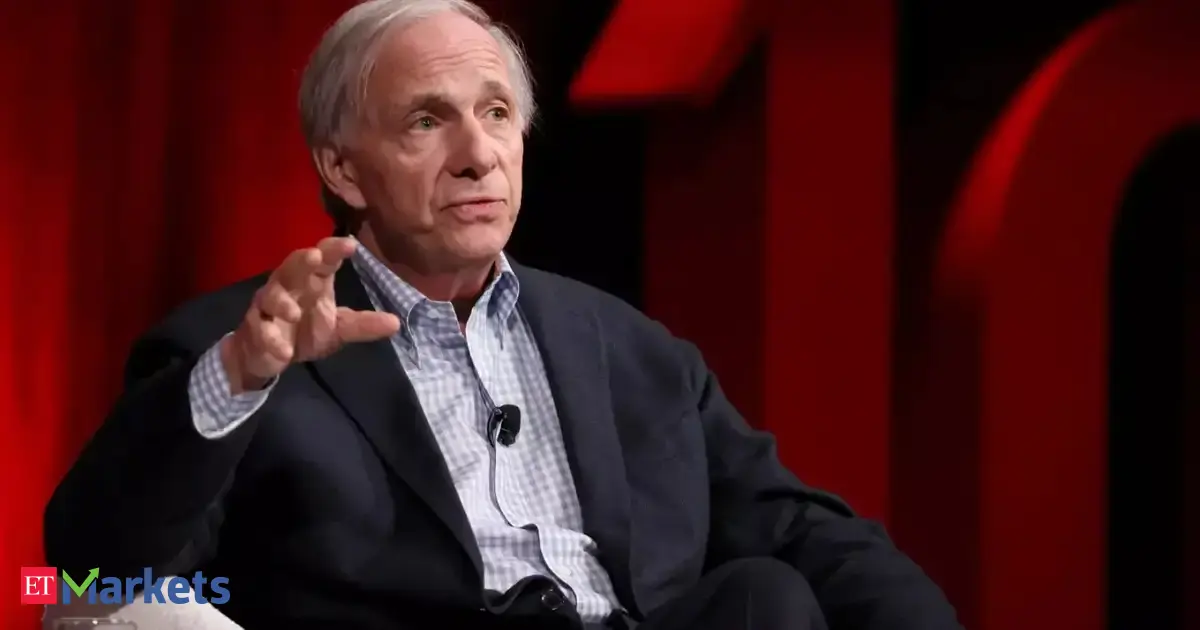
In a year-end reflection shared by Dalio, the founder of Bridgewater Associates, he notes that gold emerged as the single best-performing major asset class, returning about 65% in dollar terms. By comparison, the S&P 500 rose roughly 18%. When measured in gold terms, however, US equities effectively declined by about 28%, underscoring how currency depreciation distorted headline returns.
Dalio points out that the US dollar weakened against most major currencies in 2025, slipping modestly against the yen, more sharply versus the renminbi, euro and Swiss franc, and dramatically against gold. Because gold is both the second-largest reserve asset and the only major non-fiat currency, its surge reflected broader concerns about fiat money losing purchasing power globally. According to Dalio, weaker fiat currencies fell the most, while harder currencies held up better.
This currency effect reshaped how investment performance looked across geographies. While US stocks delivered positive returns for dollar-based investors, those gains shrank significantly for investors based in stronger currencies. Euro- and Swiss franc-based investors, for instance, saw low single-digit returns, while gold-based investors experienced outright losses in US equities.
Dalio stresses that currency movements play a critical role in shifting wealth, influencing inflation dynamics and altering global trade flows. He also highlights the importance of currency hedging, arguing that investors without strong currency views should hedge exposures to their least-risk currency mix rather than leave returns vulnerable to exchange-rate swings.

Bond markets, meanwhile, offered little comfort. Although US Treasuries posted positive nominal returns in dollar terms, their real value declined as the purchasing power of money eroded. For investors measuring returns in stronger currencies, or gold, US bonds delivered negative outcomes. Dalio warns that with nearly $10 trillion of US debt set to be rolled over in coming years and the Federal Reserve likely inclined towards easier policy, long-duration debt assets appear particularly unattractive.
Beyond currencies and bonds, Dalio highlights a significant global reallocation of capital away from the United States. Non-US equity markets outperformed meaningfully, with European, Chinese, UK and Japanese stocks all beating US indices. Emerging market equities delivered especially strong returns, supported by better relative valuations and currency dynamics.Within the US equity market, gains were driven by a combination of earnings growth and valuation expansion. Corporate earnings rose about 12% overall, with the so-called “Magnificent Seven” delivering even stronger growth. Dalio notes that margin expansion played a large role in boosting profits, though he cautions that political pressures to redistribute income could challenge the sustainability of these gains going forward.
Looking ahead, Dalio sees warning signs in stretched valuations, narrow credit spreads and low equity risk premiums. Based on historical relationships between yields, productivity and profit growth, he estimates long-term expected equity returns at under 5%, a level he describes as extremely low by historical standards. With little room left for further compression in risk premiums, markets could be vulnerable if interest rates rise amid growing debt supply and weakening demand for government bonds.
Dalio also situates market developments within a broader political and geopolitical context. He argues that US domestic policy in 2025 represented a leveraged bet on capitalism, with aggressive fiscal stimulus, deregulation, tariffs and state-backed industrial support. While these measures boosted asset prices, they also widened wealth gaps, leaving inflation pressures concentrated among lower-income households.
At the same time, Dalio observes a global shift from multilateralism towards unilateralism, heightening geopolitical risks, driving higher military spending and increasing reliance on debt financing. This transition, he says, has supported demand for gold while dampening foreign appetite for US debt and dollar-denominated assets.
Other structural forces, including climate change and rapid advances in artificial intelligence, also played an important role in shaping the macro landscape. Dalio cautions that the AI boom appears to be entering the early stages of a bubble, though he has deferred a detailed assessment of valuation risks to a later analysis.
Taken together, Dalio believes that five forces will continue to shape markets and economies: debt and money dynamics, domestic politics, geopolitics, climate-related pressures and technological change. These forces, he argues, broadly align with the long-term historical patterns described in his work on major economic cycles.
Rather than offering specific investment prescriptions, Dalio emphasises the importance of building a robust decision-making framework. He encourages investors to develop their own strategic asset allocations, understand cause-and-effect relationships in markets, and rely on systematic analysis rather than headline narratives when navigating increasingly complex global conditions.
Also Read | Worried about equity losses? Experts advice how senior citizens can protect and rebuild their investments
(Disclaimer: Recommendations, suggestions, views and opinions given by the experts are their own. These do not represent the views of The Economic Times.)



