



Gold and silver prices rebounded sharply on Tuesday, with gold set for its biggest single-day rise since 2008, as investors stepped back into precious metals after a two-day sell-off. The rebound comes after gold and silver witnessed one of their steepest corrections in decades last week, driven by aggressive liquidation, higher margin requirements and uncertainty around US monetary policy.
The sharp fall had pushed both metals into deeply oversold territory, setting the stage for a strong technical bounce. In global markets, spot gold rose sharply, recovering from Monday’s lows after slipping well below the $5,000 per ounce mark last week. Silver also surged strongly, bouncing back after recording its largest one-day fall on record on Friday, followed by further losses on Monday.
The sell-off last week was unusually severe. Gold had plunged nearly 10% in a single session, its steepest fall since 1983, while silver collapsed 27% in one day. Over the two trading sessions, gold fell more than 13% and silver nearly 34%, wiping out a large part of their recent gains and triggering margin calls across trading desks.
Tuesday’s recovery reflects renewed buying interest at lower levels and short covering after the sharp correction.
Advertisement
Jateen Trivedi, VP-Research Analyst (Commodity and Currency) at LKP Securities, said gold traded strongly positive as overseas prices surged sharply, triggering upside momentum in domestic markets as well. He said MCX gold rallied above Rs 1,51,000, gaining nearly Rs 8,000 intraday, driven by renewed safe-haven buying and short covering at lower levels.
Live Events
Trivedi added that US non-farm payrolls and unemployment data later this week will be closely watched, as they remain critical inputs for the US Federal Reserve’s rate outlook and could add to volatility in bullion prices. From a technical perspective, he sees immediate support for gold near Rs 1,45,000, while resistance is placed around Rs 1,55,000. Silver also saw a sharp rebound after last week’s unprecedented crash, with traders selectively rebuilding positions after the steep fall triggered forced selling and margin hikes.Hareesh V, head of commodity research at Geojit Investments, said gold and silver are showing early signs of stabilisation after last week’s historic sell-off. According to him, investors are reassessing whether the sharp fall was structural or simply an overshoot driven by short-term catalysts. He said the key drivers supporting bullion remain intact, suggesting the correction was largely technical rather than a shift in long-term fundamentals.
Hareesh cautioned that trading could remain choppy in the near term, as markets continue to digest the impact of margin hikes, a stronger US dollar and repositioning linked to developments around the US Federal Reserve leadership. He added that a sustained recovery may unfold gradually, but further liquidation risks would re-emerge only if prices break last week’s lows, which now act as important support levels.
Aamir Makda, commodity and currency analyst at Choice Broking, said gold has rebounded sharply from recent lows and is currently trading significantly higher. He noted that prices have recovered from key retracement levels, with immediate resistance seen near Rs 1,54,000. A breakout above this level could strengthen upside momentum and push prices towards higher resistance zones in the coming sessions.
Advertisement
On silver, Makda said prices have moved back above important technical levels, and a sustained breakout could lead to further gains ahead. He expects a moderately bullish trend for both gold and silver over the week, provided key support levels hold.
Despite the violent correction seen last week, analysts remain broadly constructive on the medium- to long-term outlook for precious metals. Many point out that even after the sharp fall, prices are broadly back to levels seen just a few weeks ago, underlining how stretched the rally had become before the correction.
BD8 Capital Partners CIO Barbara Doran discusses how companies are valued in the AI era on Making Money.
EXCLUSIVE:Google is contributing $10 million to the Manufacturing Institute to support new artificial intelligence (AI) training for 40,000 manufacturing workers, FOX Business has learned.
Funding for the initiative is coming from Google.org’s AI Opportunity Fund and will go to the Manufacturing Institute (MI), the nonprofit workforce development and education affiliate of the National Association of Manufacturers.
Advertisement
“Google has been a technology partner to the manufacturing industry for years, providing AI tools and cloud infrastructure to help manufacturers innovate and increase productivity,” Maggie Johnson, global head of Google.org, told FOX Business. “Through this initiative, our AI training courses will serve as the basis for MI’s new AI curriculum for manufacturers.”
“This will enable manufacturing apprentices and workers to learn essential AI skills from Googlers across our company – from engineers to data analysts. MI will then tailor for hands-on manufacturing scenarios that they’ll need to use AI in their day-to-day work,” Johnson added.
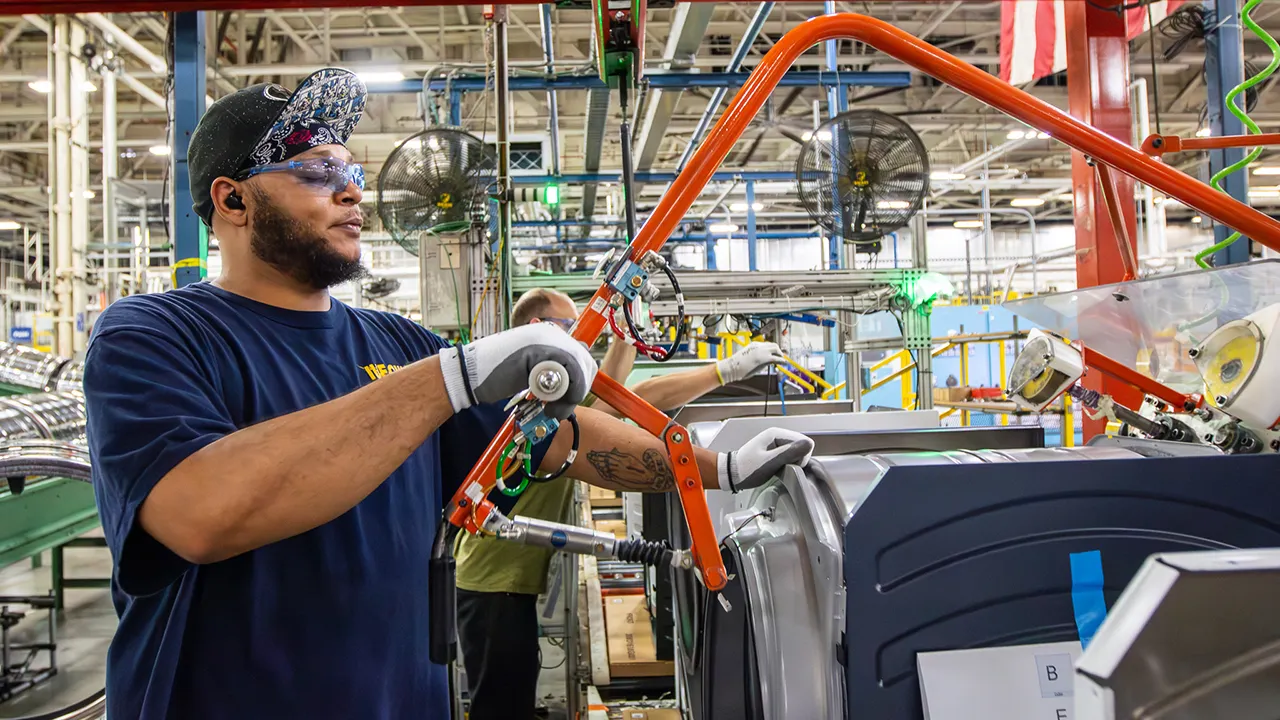
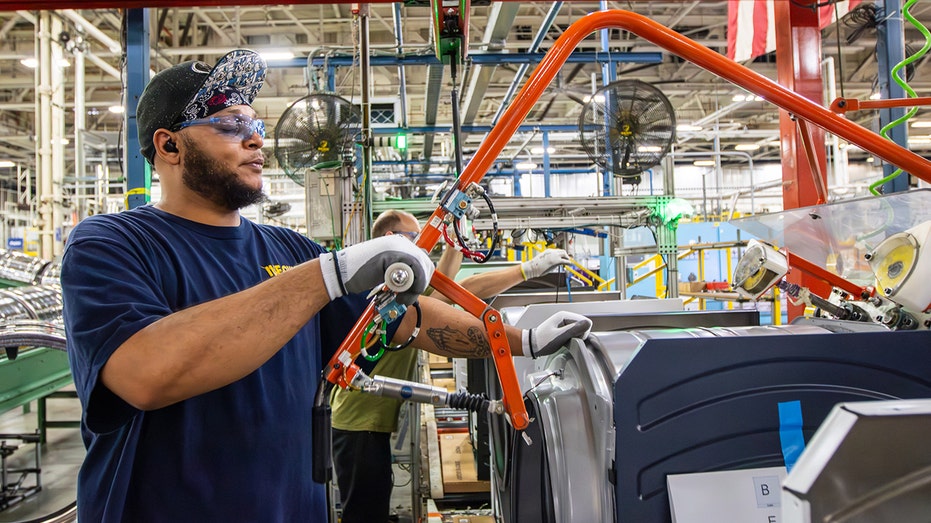
The Google and Manufacturing Institute partnership will fund new AI skills courses for manufacturing workers. (GE Appliances)
Google’s funding will enable the creation of two new courses for manufacturing workers – AI 101 for Manufacturing and Advanced AI for Manufacturing Technicians. The 101 course will tailor existing AI training from Google to manufacturing contexts, while the advanced AI for manufacturing techs course will be newly developed by the Manufacturing Institute.
Advertisement
The Manufacturing Institute will also launch new Federation for Advanced Manufacturing Education (FAME) chapters in at least 15 new regions while embedding the AI for Advanced AI for Manufacturing Technicians across all FAME chapters.
Google.org’s AI Opportunity Fund is contributing funds for the initiative. (Marlena Sloss/Bloomberg via Getty Images)
“We’re collaborating with the Manufacturing Institute because we know that true innovation happens when the people on the shop floor have access to the technological tools and training they need to succeed,” Johnson said. “By supporting new AI training for manufacturers and the expansion of FAME apprenticeships, we’re helping ensure the current and next generation of workers are ready to lead this new industrial era.”
The partnership aims to address a large and growing shortfall of skilled manufacturing workers across the U.S. workforce by ensuring workers have the technical skills to use AI tools and fill those roles, which are projected to total nearly 1.9 million manufacturing jobs by 2033.
Advertisement
Carolyn Lee, president of the Manufacturing Institute, told FOX Business that the “training is designed to directly close that gap by providing workers with the context of how AI can be applied in real manufacturing production settings. When manufacturers have a workforce that can effectively use these tools, they’re able to adopt advanced technologies faster, operate more efficiently and stay competitive on a global stage.”
AI will help augment human workers on the manufacturing floor, the Manufacturing Institute said. (Liu Guanguan/China News Service via Getty Images)
Lee also acknowledged that there’s a human side to integration of AI in manufacturing, saying that there “is fear around AI, fear about the unknown and the impact these technologies will have on jobs. It can feel uncertain and the best way to combat that is with good communication and skills training.”
She said that’s why part of the effort is around “demystifying AI and giving employees the foundational skills they need to use it today.”
“These training programs show the real-world application of AI on the shop floor, helping people see exactly how the technology is used and how AI will be utilized to augment human skill, not replace it. That clarity matters at a time when there’s so much uncertainty about what AI means for jobs,” Lee said.
SYDNEY — Nineteen-year-old Harlan Goode from Queensland’s Redlands region brought the house down during the Australian Idol 2026 grand finale week, delivering a high-energy performance that earned a standing ovation from judges and cemented his status as one of the competition’s most memorable breakout stars.
Harlan Goode
The Cleveland native, a recent Sheldon College graduate, advanced to the top three alongside Kalani Artis, 23, from New South Wales’ Central Coast, and Kesha Oayda, 21, from Jindabyne. The two-night grand finale kicked off Monday night on Channel 7 and 7plus, with the winner set to be crowned Tuesday, April 14, at 7:30 p.m. AEST.
Goode’s journey has been marked by consistent powerhouse vocals and daring stage presence. In the top six “Heroes and Tributes” episode, he climbed atop a piano for a bold rendition dedicated to the women in his life — his nan, mother and former music teacher Mrs. Moore from Sheldon College. The performance of Elton John’s “I’m Still Standing” drew immediate praise and a standing ovation, with judge Kyle Sandilands dancing in his seat and calling it big-stage energy.
“Those notes are stupid good,” judge Marcia Hines said, while Amy Shark added, “You look like a superstar.” Sandilands compared the moment to a paid concert.
The Redlands talent has drawn comparisons to artists like Adam Lambert for his commanding presence and emotional depth. Goode draws inspiration from modern pop stars including Sabrina Carpenter, Sam Smith and Lana Del Rey, blending big ballads with theatrical flair rooted in his musical theatre background.
Advertisement
Throughout the season, Goode has been described as an “unstoppable force” who constantly raised the bar. His audition with ABBA’s “The Winner Takes It All” turned heads early, showcasing a mature voice and stage command beyond his years. He balanced the competition with finishing Year 12 exams, a detail that endeared him to viewers as a relatable teen chasing a dream.
Goode hails from the Redlands area south of Brisbane, where local support has poured in. Sheldon College and Redlands community leaders have rallied behind him, with messages of encouragement flooding social media. Singer Mirusia and others sent video shoutouts ahead of the finale, urging votes via the dedicated line 0457 500 700.
In an exclusive interview before the grand finale, Goode revealed advice he received from guest mentor Josh Groban. The American singer-songwriter, known for his own rich baritone, encouraged the young performer to stay authentic. “He’s a genuinely beautiful human being,” Goode said of Groban.
The grand finale features the top three performing for the last time as Australia votes to decide the 2026 champion. The winner receives $100,000 in prize money, a recording package with Hive Sound Studios, a songwriting camp with Sony Music Publishing, marketing support from The Annex, and VIP tickets to the ARIA Awards and TV WEEK Logie Awards.
Advertisement
Goode has spoken about his ambitions to “unleash” in the final shows, aiming to blend emotional ballads with high-energy numbers that highlight his range. A former landscaper among the finalists and a competitive skier in another case highlight the diverse backgrounds in the top three, but Goode’s vocal consistency has set him apart as the “ballad king” in many fan discussions.
Judges and hosts have repeatedly praised his growth. From early episodes where he tackled Queen and Elton John tracks to later performances that showcased vulnerability and power, Goode has evolved into a polished artist ready for the industry.
His piano-top moment in the top six wasn’t just visually striking — it symbolized his willingness to take risks. Dedications to family and mentors added emotional weight, resonating with audiences who saw a young man grounded despite the spotlight.
Redlands Bayside News has chronicled his rise extensively, sharing galleries and reactions from the community. “Harlan into Idol grand final,” headlines proclaimed after he secured his top-three spot, with locals celebrating the Brisbane teen as a source of regional pride.
Advertisement
The 2026 season of Australian Idol has emphasized live performances and public voting, building on the show’s revival format. Hosts Ricki-Lee Coulter and Scott Tweedie have guided contestants through high-stakes weeks, with celebrity guests providing mentorship.
Goode’s path included standout moments like his take on “A Touch of Paradise” and other Australian-themed weeks, where he paid tribute while making songs his own. Fans on social media have called him one of the strongest vocalists in recent Idol history, with comments predicting a bright future regardless of the final outcome.
At 18 (turning 19 during the competition), Goode represents a new generation of Australian talent. Born and raised in Cleveland in the Redlands, he credits his school’s strong performing arts program for nurturing his passion. Before Idol, he participated in local talent shows and built a foundation as a singer, songwriter and producer.
The competition has tested more than vocal ability — mental resilience, adaptability and star quality have all played roles. Goode has navigated the pressure with grace, often expressing gratitude to voters and fellow contestants.
Advertisement
As the finale approached, support messages highlighted his character as much as his talent. One fan group defended him against online criticism, noting he is “as lovely on the inside as he is on the out.”
The grand finale format includes multiple performances per contestant, likely mixing fan-favorite reprises with fresh material. Industry observers note that a strong showing could launch a recording career, especially with the prize package designed to provide immediate industry access.
Goode has hinted at plans beyond the show, including original music that reflects his personal experiences. His influences suggest a style that could appeal to both pop and theatrical audiences, potentially filling a niche in Australia’s music scene.
Community backing in Redlands has been fervent. Local mayor and school representatives have publicly cheered him on, viewing his success as inspiration for other young artists in the region. “What a superstar talent,” one post declared.
Advertisement
The two-night structure allows for celebration of all finalists before the winner reveal. Monday’s show focuses on performances, while Tuesday delivers the verdict amid guest appearances and emotional moments typical of reality TV finales.
Regardless of Tuesday’s result, Goode has already achieved significant exposure. His journey from high school student to national finalist in a matter of months underscores the show’s role in discovering talent.
Judges have noted the high caliber of this year’s contestants, making the top-three selection particularly competitive. Goode’s ability to connect emotionally while delivering technically impressive vocals has been a recurring theme in feedback.
As Australia tunes in for the conclusion, Goode stands as a symbol of perseverance. From auditioning while preparing for final exams to risking a piano-climbing performance, he has embraced every challenge.
Advertisement
The Redlands community continues to mobilize votes and share encouragement. Hashtags and fan pages have amplified his story, turning local pride into national conversation.
Australian Idol 2026 has once again proven its ability to spotlight emerging voices. For Harlan Goode, the grand finale represents the culmination of months of growth — and potentially the beginning of a professional music career.
With his show-stopping moments still fresh in viewers’ minds, the 19-year-old from Redlands enters the final vote as a strong contender. Whether he takes the crown or not, his standing ovation and breakout status ensure his voice will be heard long after the lights dim on the Idol stage.
The Wrexham-based firm is looking to expand in the UK and overseas’ market afte securing backing from the £130m Investment Fund for Wales
13:58, 13 Apr 2026Updated 15:30, 13 Apr 2026
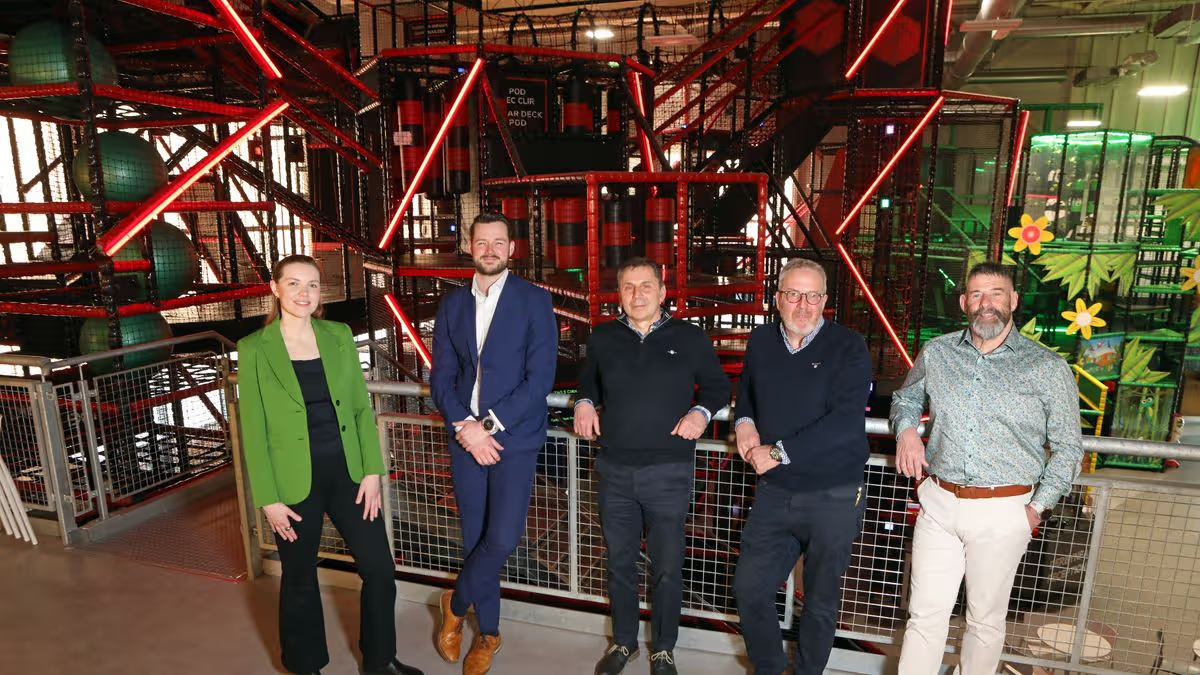
Play Revolution investment deal left to right: Jemima Jones (British Business Bank), Ashley Rogers (Foresight), Gwyn Jones (Play Revolution), Simon Lee (Play Revolution) and Andy Edwards (Play Revolution).
Wrexham‑based designer and manufacturer of indoor soft‑play systems, Play Revolution, has secured equity backing from the £130m Investment Fund for Wales.
The investment, the value of which hasn’t been disclosed, will support the firm’s next phase of UK and international growth. It is the tenth deal from the equity element of the fund from the British Business Bank which is managed by Foresight Group. Founded in 2008 Play Revolution designs, manufactures, and installs high‑quality indoor play systems for leisure centres, family entertainment centres, holiday parks and international operators.
Advertisement
Its technology‑enabled product, TAGactive, integrates RFID (radio-frequency identification) wristbands, real‑time scoring and a gamified arena environment, and is now installed in sites worldwide. Play Revolution’s customers include Alliance Leisure, David Lloyd Clubs, Center Parcs, and a growing base of international leisure operators.
The company, which employs 29 people is looking to accelerate its international growth following the investment. The potential for significant expansion of the TAGactive technology is a particularly attractive opportunity as families seek experiential fun.
Gwyn Jones, managing director of Play Revolution, said: “We’re incredibly excited to be entering the next phase of growth for Play Revolution and TAG Active Ltd. The investment from Foresight Group is a strong endorsement of our vision and creates significant opportunities to expand into new markets. Just as importantly, it brings long‑term stability for our team, our partners and our customers as we continue to grow the business and deliver innovative play experiences around the world.”
Advertisement
Mark Hardy, incoming chairman of Play Revolution: “I am delighted to be joining Play Revolution at such an exciting stage in its development, and I’m personally thrilled to be returning to the play and leisure sector.
“The company has already achieved an impressive amount, Gwyn and his team have built an outstanding reputation in the UK and internationally, and with Foresight’s investment alongside the team’s proven expertise, we are extremely well positioned to enhance the services we offer existing clients while expanding our reach and attracting new ones.”
Jemima Jones, investment manager, nations and regions investment funds at the British Business Bank, said: “Play Revolution is a strong example of the kind of forward-thinking, growth-focused business the Investment Fund for Wales is designed to support. With its roots in Wrexham, the company has built an impressive reputation both in the UK and internationally, driven by its ambitious approach to product development and design expertise.
“We are pleased to support Foresight and the management team as they take the business into its next phase.”
Advertisement
Ashley Rogers, investment manager at Foresight Group, said: “Play Revolution is a high‑quality Welsh business with a strong track record, deep customer relationships and a differentiated technology offering in TAGactive.
“We see significant potential to scale the company, both in the UK and internationally, and will continue to invest in the team and infrastructure needed to support long‑term growth. We are excited to partner with the founders, the incoming team and the talented workforce in Wrexham.”
“The company is entering this exciting new phase with a robust pipeline of sales opportunities, longstanding customer relationships and a clear plan for growth and we are delighted to be partnering with them.”
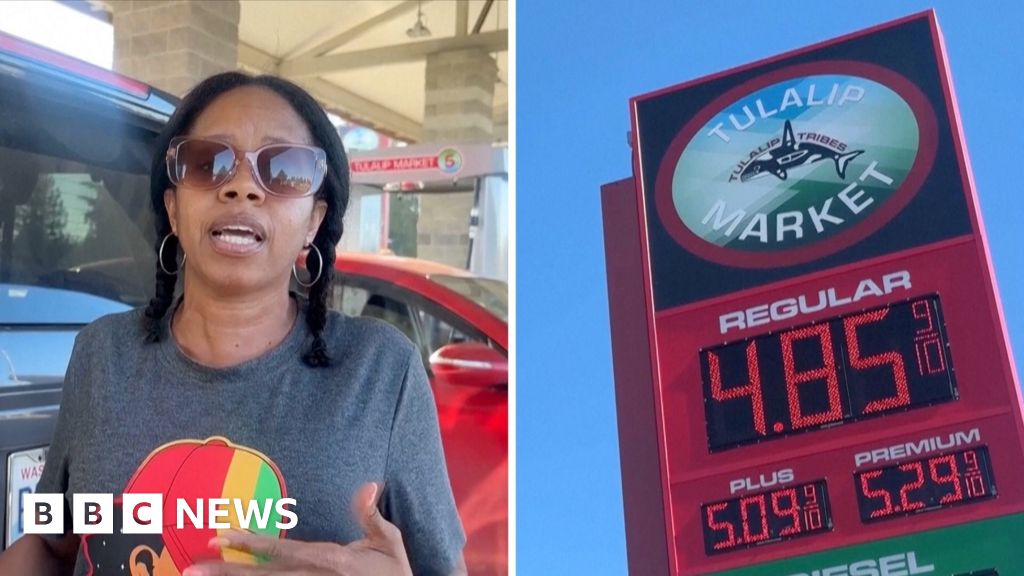
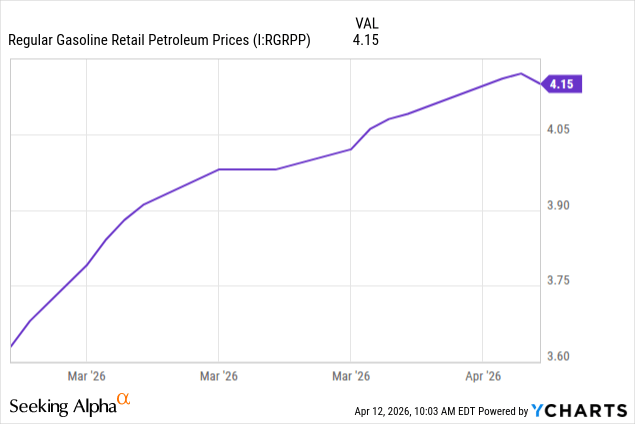
As fuel prices rise, some of the cheapest gas in the US can be found on Native American land throughout the country.
States like California, New Mexico, New York, Oklahoma, and Washington, have dozens of tribally-owned petrol stations, including some in busy travel corridors.
These territories are exempt from state fuel taxes and can sell gas for much less than competing stations nearby.
IRS CEO Frank Bisignano discusses a report regarding staffing, higher refunds and the Trump Accounts on ‘Varney & Co.’
IRS CEO Frank Bisignano pushed back Monday on reports that the agency is short-staffed, telling FOX Business there is “no staffing shortage” and pointing to strong tax season performance as evidence.
“That’s because people go, ‘If you had 100,000, and now you have 72,000, you must be short-staffed,’” Bisignano said on “Varney & Co.,” referencing a drop-off in the agency’s workforce.
Advertisement
“But we’ve run orgs our whole life to drive productivity and quality, and it’s through technology,” he added.
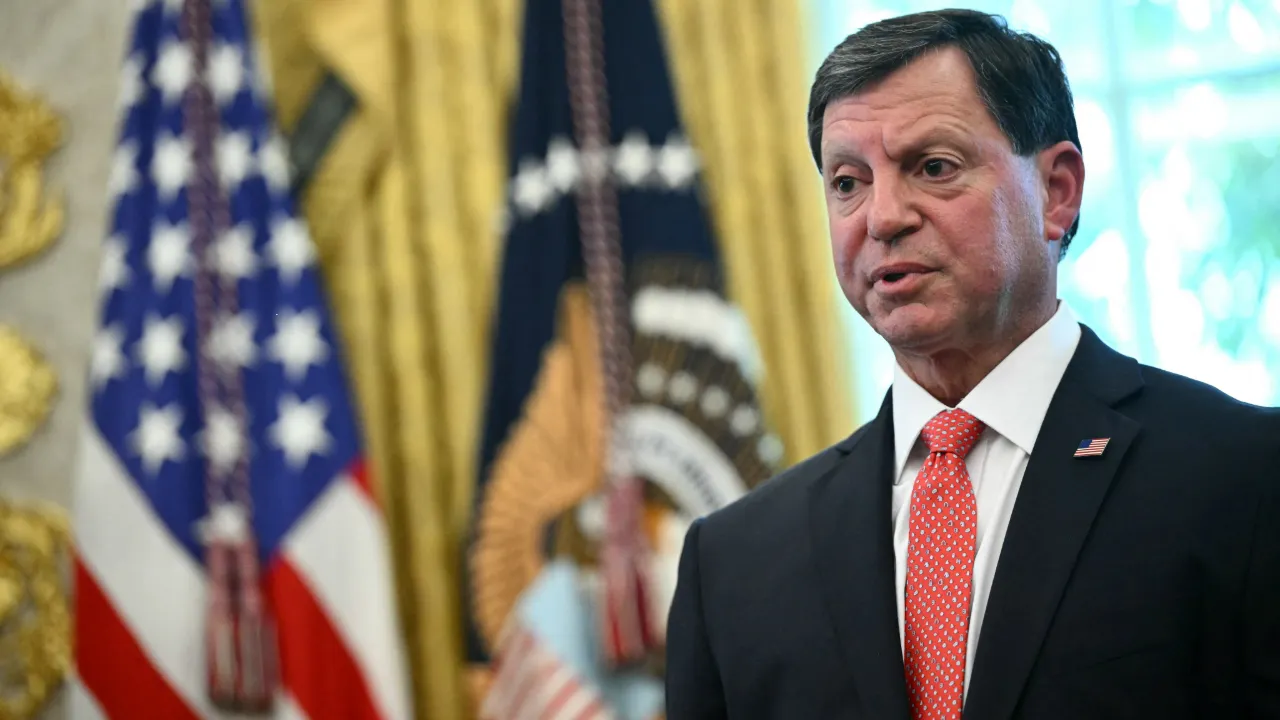
Frank Bisignano speaks before President Donald Trump signs a presidential proclamation honoring the 90th anniversary of the Social Security Act in the Oval Office of the White House on Aug. 14, 2025. (Mandel Ngan/AFP via Getty Images)
Bisignano’s remarks challenged headlines suggesting the IRS is struggling to keep up with staffing cuts, including a recent Politico report raising concerns as the agency works to implement new Republican-led tax breaks.
He suggested those concerns overlook how the agency has shifted its focus beyond raw headcount and toward productivity and efficiency by using “every tool imaginable” to maintain high-performance standards.
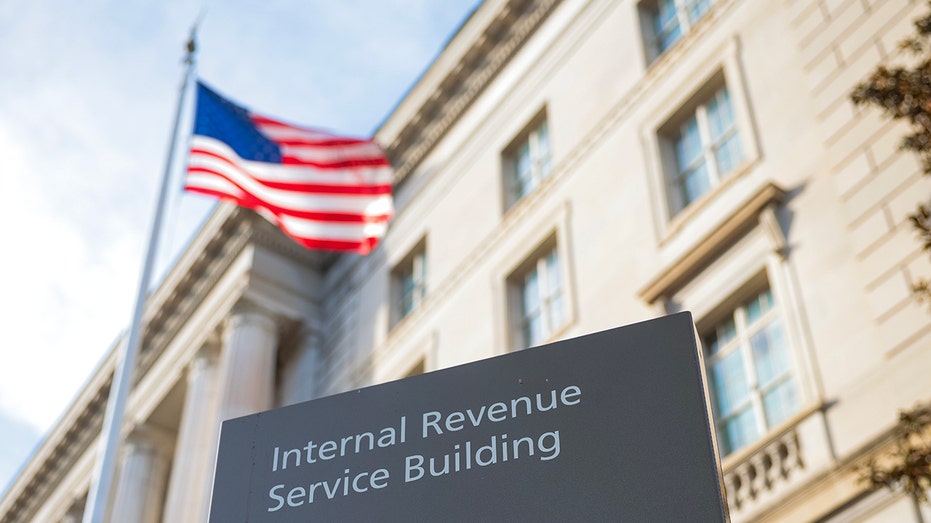
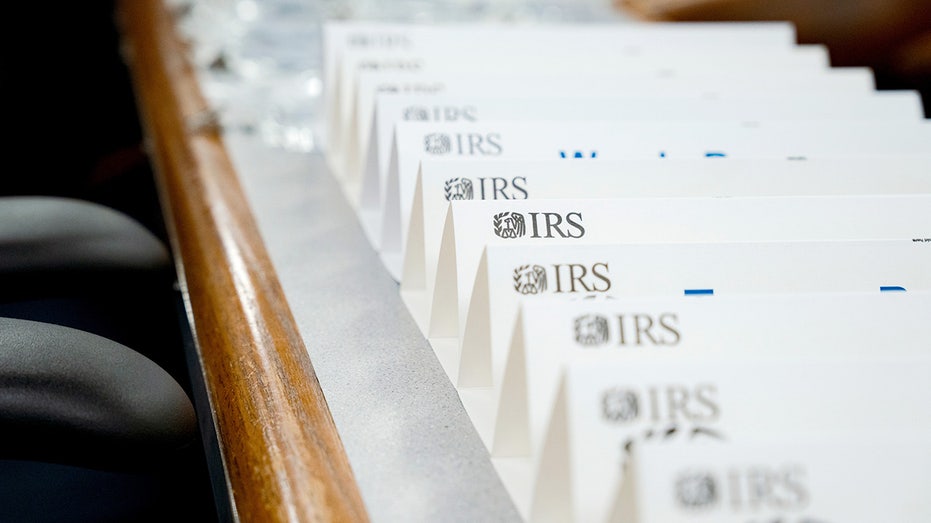
A sign for the Internal Revenue Service (IRS) is seen outside its building on Feb. 13, 2025, in Washington, D.C. (Kayla Bartkowski/Getty Images)
“We started when I came on in October, and we changed the way we think about the call centers. We changed our metrics on how we were going to deliver,” he said.
“We’re delivering refunds faster than ever and larger than ever while doing OBBB (One Big Beautiful Bill) tech changes to implement it.”
He also emphasized the agency’s use of artificial intelligence to bolster compliance, warning that taxpayers attempting to skirt the rules will be caught.
FOX Business host Larry Kudlow discusses the state of the American economy under the Trump administration on ‘Kudlow.’
“We’re going to find them. That’s the job,” he said.

“You think about places to use AI and technology, it’s really around that, increasing the compliance. So if you say, what are we doing? We’re driving customer service to the best season we’ve ever had, right? We’re increasing collections, revenue’s up, and we’re protecting privacy, and that’s a mantra.“
IRS CEO Frank Bisignano discusses a report regarding staffing, higher refunds and the Trump Accounts on Varney & Co.
The deadline to file 2025 tax returns is looming on Wednesday, April 15, and while tens of millions of taxpayers have filed their returns, there will likely be millions filing extensions to give themselves until the fall to submit their returns.
Taxpayers who need more time to file their 2025 tax return can request an extension before the April 15 deadline by filling out an online form.
Advertisement
Extensions give taxpayers until Oct. 15 to file their 2025 tax returns while avoiding a penalty for filing late, which is 5% of your unpaid taxes for each month that a return is late, up to 25% of the total unpaid, according to the IRS. Additional penalties can be levied for failing to pay.
The IRS emphasizes that tax extensions are only for filing a tax return and don’t provide extra time to pay, so if taxes are owed, then a payment is required at the time the extension is requested to avoid incurring the penalty.
Taxpayers who are requesting an extension to file their 2025 tax returns must pay what they owe at the time of the extension, or should otherwise request a payment plan. (Michael Bocchieri/Getty Images)
If a taxpayer is owed a refund, there is no penalty for filing late, although they must file their return within three years to receive their refund.
Advertisement
Taxpayers who have a balance due and can’t pay the full amount by April 15 should pay what they can and apply for a payment plan – also known as an installment plan or online payment agreement.
The IRS notes that most applicants are immediately notified of their approval or denial without having to call or write to the IRS.
The IRS may automatically extend the deadlines for taxpayers who reside in disaster-affected areas. (Jordan Vonderhaar/Bloomberg via Getty Images)
There are three ways a taxpayer can request an extension for filing their tax return.
Advertisement
Taxpayers who go to the IRS website to pay taxes they owe using an online option may click on “extension” as the reason for the payment. That will give the taxpayer a confirmation number associated with their extension that can be kept for their records, with no need to file additional forms.
All individual tax filers who use IRS Free File can use the program to request an automatic extension, regardless of their income and at no cost to them. However, there are income requirements and limitations for using IRS Free File to file taxes.
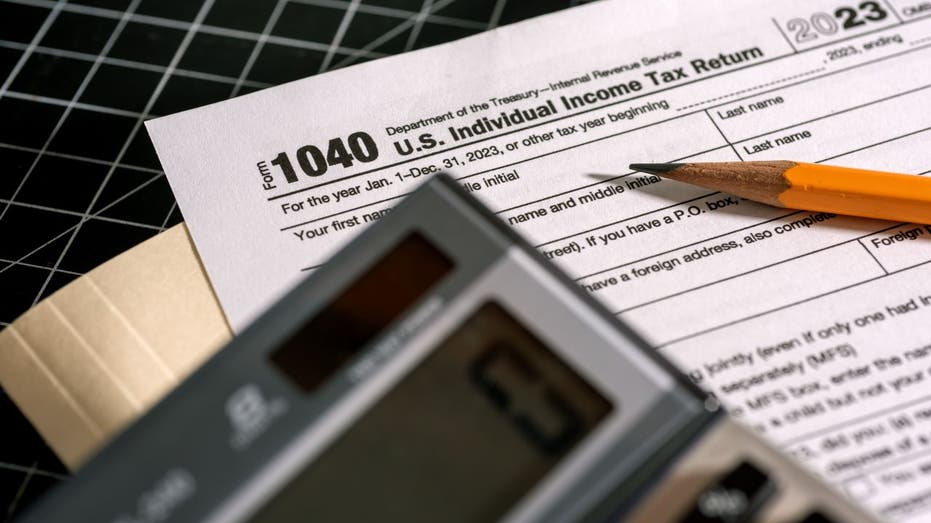
Taxpayers may also submit Form 4868, which is an application for automatically extending the amount of time to file an individual income tax return. The form can be filed by mail, online with an IRS e-filing partner, or through a tax professional.
Advertisement
Those submitting the extension form must estimate how much tax is owed for the year on the extension form and subtract taxes already paid for the filing year and the balance owed.
Taxpayers have several options for requesting an extension. (J. David Ake/Getty Images)
There may be additional time to file available to taxpayers who are serving in a combat zone or qualified hazardous duty areas, living outside the U.S., or are affected by certain disaster situations.
The IRS commonly postpones filing deadlines for taxpayers who reside within specific disaster areas, with relief for both filing and payment.
Advertisement
While the IRS automatically identifies affected taxpayers who live in those areas, those who live or have a business outside the affected area and were affected by the disaster may contact the IRS to request relief.
FOX Business’ Gerri Willis joins ‘Varney & Co.’ to report on the growing red vs. blue state divide over taxes, as new wealth levies target billionaires, property tax revolts spread nationwide and a wave of income tax cuts reshapes the economy.
A wave of aggressive tax proposals is hitting voters this election cycle, as states push sharply different plans that could reshape how governments raise revenue. From efforts targeting high-net-worth individuals to proposals aimed at eliminating major taxes altogether, the growing divide is forcing voters to weigh competing visions of fiscal policy.
FOX Business’ Gerri Willis joined Stuart Varney on “Varney & Co.” to report on the surge in ballot initiatives and legislative proposals spanning both blue and red states, highlighting how lawmakers are experimenting with new approaches to taxation amid mounting budget pressures and political demands.
‘Kudlow’ panelists Jason Chaffetz and Clay Travis discuss the economic state of the country under the Trump administration.
Those proposals are already raising concerns about unintended consequences, particularly when it comes to retaining wealth and investment within state borders.
“They do have other places to go. It’s ultimately perhaps counterproductive if you want to fund certain programs at certain levels,” Tax Foundation senior fellow Jared Walczak said.
Voters make their selections at booths inside an early voting site in the United States. (Melissa Sue Gerrits/Getty Images)
The debate comes as some high-tax states are already grappling with out-migration, with IRS data showing residents and businesses moving from states like California, New York and Illinois to states such as Florida and Texas in recent years — a trend policymakers are increasingly factoring into tax decisions.
At the same time, backlash is building in other parts of the country, where voters are pushing to reduce or eliminate property and income taxes, setting up a broader national debate over how far states should go in reshaping their tax systems.
FOX Business anchor David Asman analyzes blue states’ push for higher wealth and property taxes on ‘The Bottom Line.’
The divide is playing out against a broader national shift in tax policy. According to the Tax Foundation, 23 states have cut their top marginal individual income tax rates since 2021, underscoring a growing push to improve competitiveness and attract residents. Meanwhile, rising home values have driven property tax bills higher in many regions, fueling calls for relief and adding pressure on lawmakers to find alternative revenue sources.
Cutting or eliminating major taxes presents a challenge for lawmakers, who must determine how to replace lost revenue while continuing to fund core services.
NEW YORK — Shares of SoFi Technologies Inc. climbed Monday as the digital banking disruptor traded at $16.58, up 36 cents or 2.25%, reflecting renewed investor interest ahead of its first-quarter 2026 earnings and amid fresh moves into enterprise banking and crypto services.
SoFi Technologies
The San Francisco-based company, which operates SoFi Bank and a comprehensive financial app, has captured attention with rapid member growth and a push beyond retail lending into fee-based businesses, technology platforms and now business-oriented fiat-crypto solutions. Yet the stock remains well off its 52-week high near $32.73, down roughly 40% year-to-date after peaking early in 2026, as broader fintech sector pressures and a recent short seller report weighed on sentiment.
SoFi is scheduled to report Q1 2026 results on April 29, with management guiding for adjusted net revenue of about $1.04 billion, adjusted EBITDA near $300 million, adjusted net income of $160 million and adjusted EPS of 12 cents. That follows a strong Q4 2025 in which the company posted its first $1 billion revenue quarter, up 37% adjusted, with GAAP net income of $174 million — its ninth consecutive profitable quarter.
Analysts maintain a generally constructive view despite recent price target cuts. The consensus 12-month price target sits around $24 to $25, implying significant upside from current levels, with some firms seeing potential for 40% or more gains if execution continues. Wells Fargo lowered its target to $18 from $19 while keeping an Equal Weight rating, and Keefe Bruyette & Woods cut to $17 from $20. Still, longer-term optimism persists around SoFi’s path to scaled profitability.
Central to SoFi’s evolution is its transformation from a student loan refinancing specialist into a full-service digital bank. As of late 2025, the company reported 13.7 million members, up 35% year-over-year, and 20.2 million products, up 37%. Deposits reached $37.5 billion after a $4.6 billion increase in the fourth quarter, providing lower-cost funding and supporting net interest margins.
Advertisement
Fee-based revenue has become a key growth driver, rising 53% to a record $443 million in Q4. The Galileo technology platform, which powers financial services for other institutions and supports 128 million global accounts, continues to expand SoFi’s reach beyond its own customer base.
On April 2, SoFi launched Big Business Banking, a unified platform allowing enterprises to manage fiat deposits, crypto assets and the company’s proprietary SoFiUSD stablecoin through a single FDIC-insured bank with direct Federal Reserve access and real-time 24/7 API payments. The move targets corporate clients seeking integrated solutions in traditional and digital assets, positioning SoFi as a bridge in the evolving fintech-crypto landscape.
The company has also expanded its Loan Platform Business. In late March, SoFi announced over $3.6 billion in new personal loan delivery commitments across three partnerships, including a leading global bank (over $1 billion expected), a financial services and insurance group ($600 million over 12 months) and a top-five global private asset manager (up to $2 billion over two years). This builds on more than $10 billion in commitments secured in 2025, highlighting demand for SoFi-originated loans while generating fee income.
Crypto initiatives add another layer. SoFi partnered with Mastercard to enable settlement using its fully reserved SoFiUSD stablecoin across Mastercard’s global payments network, including for SoFi Bank. The stablecoin integration aims to facilitate faster, more efficient transactions and opens doors for broader blockchain-based services.
Advertisement
Despite these advancements, challenges remain. A short seller report earlier in April raised questions about loan performance metrics, net charge-off rates and accounting practices related to the loan book. SoFi has pushed back against the claims, emphasizing its conservative underwriting and transparent reporting. Personal loans remain a significant business, with $27.5 billion originated in 2025, but credit quality and interest rate sensitivity continue to draw scrutiny.
Market conditions have also played a role in the stock’s volatility. Fintech shares faced headwinds in early 2026 from persistent inflation concerns and shifting expectations for Federal Reserve rate cuts. SoFi, which benefits from a healthy net interest margin in higher-rate environments but also from increased loan demand if rates fall, sits at the intersection of these dynamics.
CEO Anthony Noto and the leadership team have stressed operational leverage. For full-year 2026, SoFi guides for at least 30% member growth, adjusted net revenue of approximately $4.655 billion (about 30% growth), adjusted EBITDA of $1.6 billion (roughly 34% margin) and adjusted net income of $825 million (18% margin), equating to about 60 cents adjusted EPS. Medium-term targets point to 38-42% EPS compound annual growth through 2028.
Wall Street has taken note of the improving margin profile and diversified revenue mix. Financial services and technology segments now contribute meaningfully, reducing reliance on lending alone. Some observers describe SoFi as the “AWS of fintech” for its Galileo platform, which helps other firms build and manage banking solutions.
Advertisement
Institutional interest persists. Recent filings show new positions or increases by various funds, though overall ownership stands around 38%. Insider buying, including notable purchases by Noto in prior periods, has occasionally signaled confidence during dips.
SoFi’s app-centric model — offering borrowing, saving, spending, investing, protecting and crypto capabilities in one place — continues to drive product intensity. Members increasingly use multiple services, boosting lifetime value. The company also runs financial education initiatives, such as the Future Wealth Summit for college students, to build long-term engagement.
Looking ahead, potential catalysts include further crypto product rollouts, such as secured lending against digital assets, deeper enterprise adoption of Big Business Banking, and any benefits from a more accommodative rate environment. Inclusion in major indices or continued deposit growth could also support the narrative.
Risks center on macroeconomic conditions, regulatory developments for banking and crypto, competition from traditional banks and big tech, and execution on credit underwriting as the loan book scales. The short report highlighted concerns that actual net charge-offs could be higher than reported, though SoFi maintains its figures are accurate.
Advertisement
As of mid-April 2026, SoFi trades at a forward earnings multiple that some analysts view as reasonable — or even attractive — given the projected growth trajectory, especially compared with distressed fintech peers. Others argue the valuation still embeds high expectations.
The upcoming Q1 print on April 29 will provide the next major data point. Investors will watch member and product adds, deposit trends, loan origination volumes, fee revenue momentum and any updates to full-year guidance.
SoFi’s story reflects broader fintech maturation: moving from high-growth, loss-making startups to profitable, scaled players with banking charters and diversified offerings. Whether the current share price represents a buying opportunity or continued caution depends on views of credit quality, competitive positioning and the pace of enterprise and crypto expansion.
For now, with shares rebounding modestly to the $16 level and earnings on the horizon, SoFi remains a closely watched name in the digital finance space. The company’s ability to deliver on its ambitious 2026 targets while navigating a skeptical market will determine if the recent pullback proves to be a temporary setback or a longer-term re-rating.
You must be logged in to post a comment Login