
Business
Gulf economies move from rapid expansion to ‘resilience mode’ as oil prices soften geopolitics bite – report

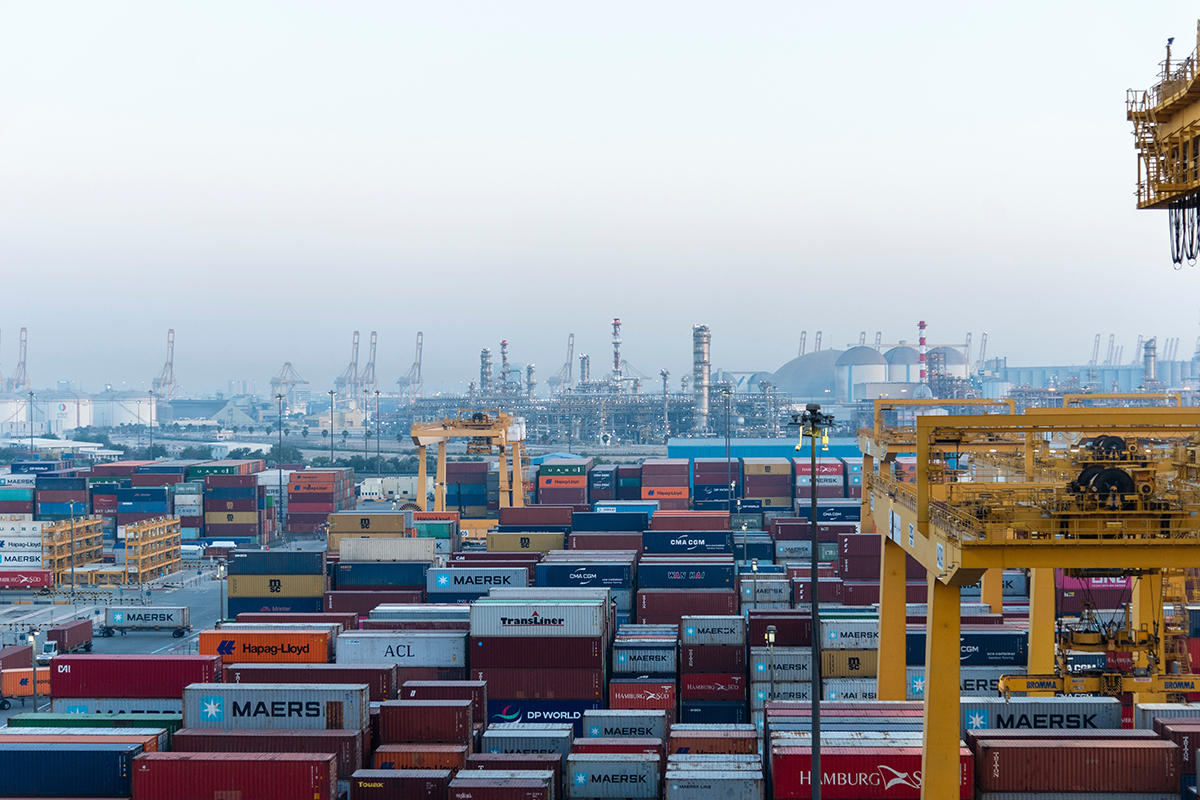
Gulf economies are placing greater emphasis on economic resilience as lower oil prices, tighter global financial conditions and geopolitical tensions influence policy decisions heading into 2026, a report by PwC said.
Oil-producing states across the Gulf Cooperation Council (GCC) are preparing for a more constrained fiscal environment next year, with global forecasts pointing to oil prices averaging about $55-60 a barrel.
While government debt levels in the region remain below those of many advanced economies, lower hydrocarbon revenues are prompting governments to adjust spending plans and strengthen non-oil revenue sources.
PwC said economic policy across the Gulf is increasingly focused on resilience rather than expansion alone, as governments respond to a more uncertain global backdrop marked by trade fragmentation and heightened competition across supply chains and technology.
“Entering 2026, these dynamics are sharpening the focus on resilience rather than expansion alone,” the report said.
Fiscal adjustments are expected to centre on expenditure prioritisation, asset monetisation and liability management, alongside efforts to strengthen non-oil revenue frameworks. PwC said governments are likely to direct spending towards projects with stronger economic returns, including digital infrastructure, logistics, industrial development and energy transition, while limiting expenditure in lower-return areas.
Private investment key to fiscal balance
Privatisation and public-private partnerships are expected to feature more prominently as governments look to reduce pressure on public finances. PwC said assets in sectors including logistics, utilities, water and waste management and non-core energy services are likely to be offered to private investors, with Saudi Arabia and the United Arab Emirates (UAE) identified as key markets for such activity.
Borrowing is also expected to increase as governments finance deficits and strategic investment programmes. PwC said sukuk and sustainability-linked bonds are likely to remain important funding tools, supported by recent credit rating upgrades for Saudi Arabia, Oman and Kuwait, which should help maintain access to international capital markets.
The report said subsidy reforms may also advance in 2026. Energy and utility subsidies account for a significant share of public spending across the region, and PwC said broader pricing adjustments could be introduced, alongside targeted measures to support lower-income households.
Revenue diversification remains a central objective. While large new tax measures appear unlikely, PwC said governments are expected to strengthen corporate tax and value-added tax frameworks, improve compliance and expand the taxable base for digital and cross-border transactions. The UAE and Kuwait, which have introduced domestic minimum top-up taxes, are expected to begin generating more stable non-oil revenues as a result.
PwC said 2026 will be an important year for fiscal management in the Gulf as governments continue large national development programmes while adjusting to a lower oil price environment.
“Success will hinge on mobilising private investment, proactive liability management and prioritising capital spending for long-term economic diversification,” the report said.



