Metal major Hindustan Copper on Thursday reported a 149% jump in its December quarter consolidated net profit at Rs 156 crore compared to Rs 63 crore reported in the year-ago period.
The company’s revenue from operations stood at Rs 687 crore in Q3FY26, up 110% over Rs 327 crore posted in the corresponding period of the last financial year.
The company declared an interim dividend of Re 1 per share for the financial year 2025-26 and has fixed Friday, February 13 as the record date for the interim dividend. The dividend will be paid only through electronic mode on or before Friday, March 6.
The PAT was down 16% sequentially from Rs 186 crore reported in Q2FY26 due to a 4% decline in topline compared to Rs 718 crore in the July-September quarter of FY26.
Advertisement
Hindustan Copper’s expenses in the quarter grew around 3% sequentially to Rs 493 crore versus Rs 480 crore in Q2FY26 while surging 90 YoY compared to Rs 259 crore.
Live Events
For the nine-month ended December 31, 2025, the PAT grew 71% to Rs 477 crore versus Rs 278 crore in the year ago period. The revenue from operations during the period stood at Rs 1,922 crore in this period versus Rs 1,340 crore in 9MFY25. This implies a 43% YoY growth. Also read: Tata Motors PV Q3 Results: Co reports loss of Rs 3,486 crore; revenue falls 26%Hindustan Copper shares recovered from the day’s low of Rs 577.60 (-6%), ending Thursday’s session 0.27% lower at Rs 612 on the NSE.
(Disclaimer: Recommendations, suggestions, views and opinions given by the experts are their own. These do not represent the views of The Economic Times)
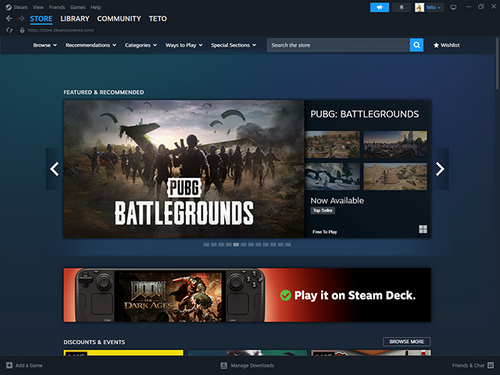
Valve Corp.’s Steam platform launched its annual Spring Sale on Thursday, March 19, 2026, at 10 a.m. PDT (1 p.m. EDT / 5 p.m. KST), offering discounts across thousands of titles ranging from blockbuster AAA games to beloved indies and multiplayer experiences. The weeklong event runs through Thursday, March 26, at the same time, marking the first major seasonal promotion of the year for PC gamers.
Steam
The sale arrives amid a robust PC gaming market, with Steam’s user base continuing to grow and developers increasingly relying on seasonal events to boost visibility and sales. Valve’s teaser trailer, released days earlier, spotlighted a mix of co-op “friendslop” titles—informal multiplayer games designed for casual group play—alongside deep discounts on classics and recent releases.
Standout featured discounts include *No Man’s Sky*, the expansive space exploration game from Hello Games that has evolved dramatically since its 2016 launch through years of free updates; *Manor Lords*, the medieval city-builder and strategy hybrid that became a breakout hit in 2024-2025; *Dave the Diver*, the relaxing underwater adventure blending fishing, restaurant management and mystery; and *Phasmophobia*, the cooperative horror ghost-hunting title that remains a multiplayer staple.
The “Deep Discounts” section highlights even steeper cuts on perennial favorites. *Resident Evil 3 Remake* (Capcom) sees heavy reductions for its fast-paced survival horror action. *Fallout: New Vegas* (Obsidian/ Bethesda), the open-world RPG classic celebrated for its branching narrative and modding community, returns at bargain prices. *Star Wars Jedi: Survivor* (EA/Respawn), the 2023 sequel to Jedi: Fallen Order, offers significant savings on its lightsaber combat and exploration. Other notables in deep cuts include *Vampyr*, the narrative-driven RPG from Dontnod; *Metro: Last Light Redux*, the atmospheric post-apocalyptic shooter; and *Danganronpa 2: Goodbye Despair*, the visual novel murder mystery.
Co-op and multiplayer emphasis continues with titles like *Raft*, the ocean survival game focused on building and scavenging; *Sons of the Forest*, the tense horror sequel emphasizing base-building and teamwork; *RV There Yet*, a quirky road-trip adventure; and *Yapyap*, a chaotic party game. These selections reflect ongoing demand for shared experiences in an era where remote play and cross-platform features keep friends connected.
Advertisement
Beyond the trailer highlights, the sale encompasses thousands of additional games, DLCs and bundles from hundreds of publishers. Early reports from deal trackers and community forums indicate strong participation across genres: action-adventure, RPGs, horror, simulation and strategy all feature prominent promotions. Indie developers often use the event to introduce players to hidden gems, while larger studios refresh older catalogs or promote recent expansions.
For budget-conscious shoppers, pre-sale and early deals under $10 (and even under $5) have surfaced on titles like *Dragon Age: Inquisition*, *Star Wars Jedi: Fallen Order*, *My Friend Pedro* and others, with some reaching 90-95% off historic lows. Free-to-keep promotions, such as *Deponia*, have also appeared in the lead-up, though the main sale focuses on paid discounts.
Steam’s seasonal sales remain a cornerstone of PC gaming economics. Unlike console platforms with fixed pricing windows, Steam’s algorithm-driven storefront allows dynamic deals, publisher-initiated bundles and wishlist price-drop notifications. The Spring Sale typically ranks among the year’s biggest non-holiday events, trailing only Summer, Autumn and Winter sales in scale.
This year’s timing follows a strong 2025-2026 release slate, including late-2025 titles now hitting first major discounts. Players eyeing upcoming releases like potential 2026 blockbusters can add games to wishlists for instant alerts when prices drop during the event.
Advertisement
Valve encourages exploration via curated sections on the Steam homepage, including genre collections, publisher pages and “Deep Discounts” tabs. The platform’s regional pricing ensures accessibility worldwide, though discounts vary by market.
As the sale begins, community hubs like Reddit’s r/Steam, SteamDB and deal aggregators are buzzing with recommendations and wishlists. Popular picks from users include evergreen titles like *Grand Theft Auto V*, *Baldur’s Gate 3*, *Cyberpunk 2077*, *Elden Ring* and *The Witcher 3: Wild Hunt*, many of which often see 50-90% reductions in seasonal events.
The event also coincides with broader PC trends: rising interest in co-op experiences post-pandemic, continued growth in indie scenes and renewed focus on single-player narratives amid live-service fatigue. Valve’s hands-off approach—allowing publishers to set discount depths—creates variety, from modest 10-20% cuts on new releases to 90%+ slashes on older games.
For international players in regions like Seoul, the start time translates to evening hours, giving ample opportunity to browse after work or school. With one week to shop, gamers have time to compare deals, read reviews and avoid impulse buys.
Advertisement
As Steam’s Spring Sale unfolds, it reaffirms the platform’s role as a go-to destination for affordable gaming. Whether hunting AAA epics at fraction-of-launch prices, discovering indie surprises or rounding out multiplayer libraries with friends, the event delivers something for every player.
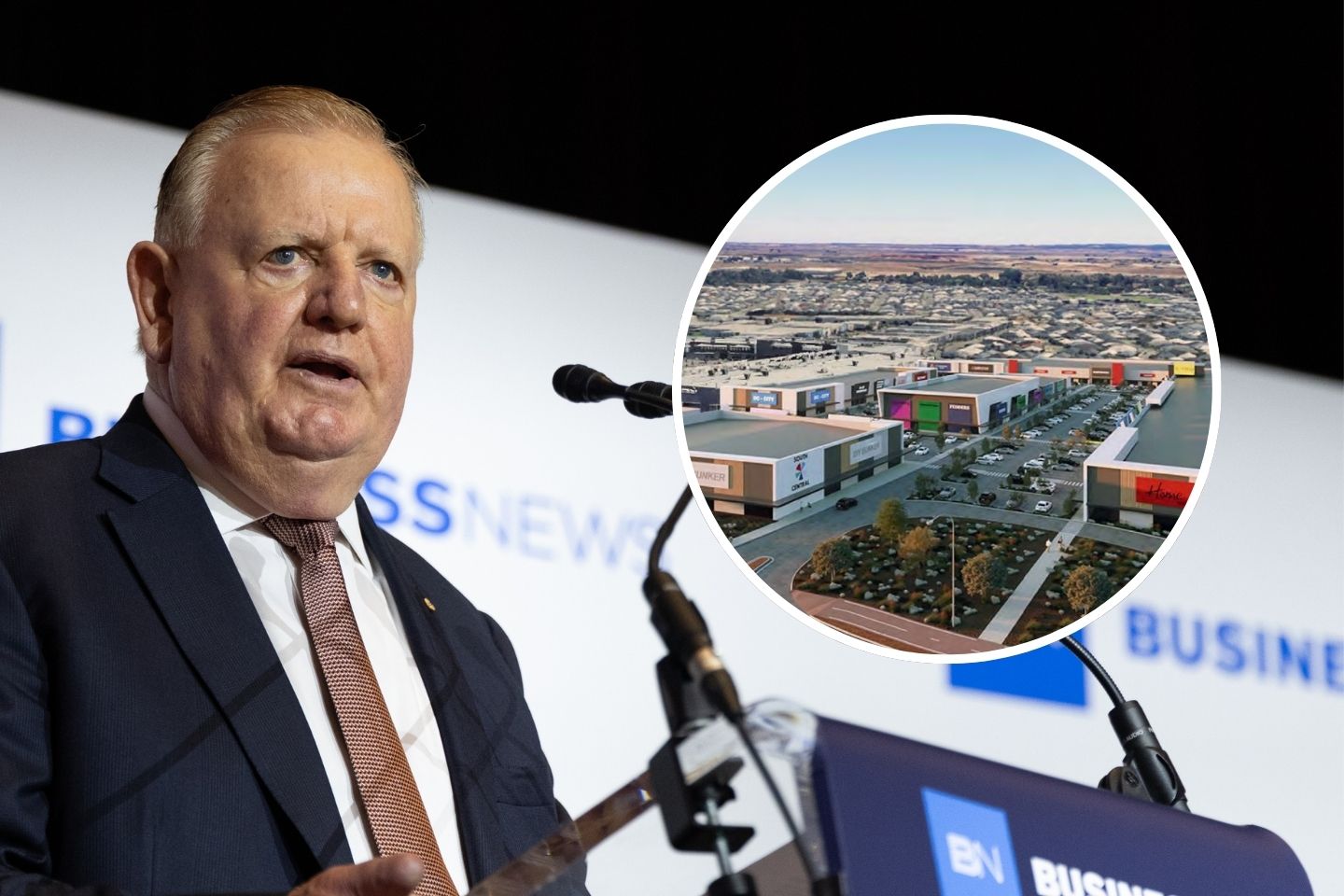
A joint venture between Satterley Group and Centuria will build a $65 million large format retail space in Jandakot after the state’s planning authority greenlit the project today.
Palantir Technologies Inc. shares fell modestly Wednesday, closing at $152.77, down $2.31 or 1.49%, as investors locked in gains following a strong rally earlier in the month. The pullback came on elevated volume of about 32.3 million shares, reflecting typical profit-taking in a high-momentum AI stock amid broader market caution over valuations and macroeconomic uncertainties.
Palantir
The Denver-based data analytics and AI platform provider opened at $154.95, ranged from a low of $152.61 to a high of $156.69, and finished with a market capitalization near $371 billion. Palantir (NASDAQ: PLTR) remains well above its 52-week low of $66.12 hit in April 2025 but sits below its November 2025 peak of $207.52. Year-to-date through March 18, 2026, PLTR is down roughly 13%, underperforming the Nasdaq Composite’s modest gains amid sector rotation and renewed tariff concerns.
The latest dip follows a series of bullish developments that have kept Wall Street optimistic. UBS raised its price target to $200 from $180 earlier this week, maintaining a Buy rating and citing Palantir’s accelerating AI adoption and defense sector tailwinds. Wedbush’s Dan Ives highlighted recent AI partnerships as key growth catalysts, while other firms including Rosenblatt and Daiwa issued or reiterated positive calls.
Consensus among roughly 28 analysts stands at Moderate Buy, with an average 12-month target around $188, implying about 23% upside from Wednesday’s close. High-end forecasts reach $260, reflecting confidence in Palantir’s unique position in enterprise AI and government contracts.
The momentum traces back to Palantir’s blockbuster fourth-quarter 2025 earnings released Feb. 2, 2026. Revenue surged 70% year-over-year to $1.41 billion, beating estimates, driven by explosive U.S. commercial growth of 137%. Adjusted operating income and free cash flow also exceeded expectations. Management issued aggressive full-year 2026 guidance: revenue of $7.182 billion to $7.198 billion (61% growth), U.S. commercial revenue exceeding $3.144 billion (at least 115% growth), adjusted operating income of $4.126 billion to $4.142 billion, and adjusted free cash flow of $3.925 billion to $4.125 billion.
Advertisement
The outlook crushed consensus estimates, which had hovered around $6.27 billion for revenue, and underscored Palantir’s “Rule of 40” score hitting a record 127%—a metric combining growth and profitability that few software peers approach.
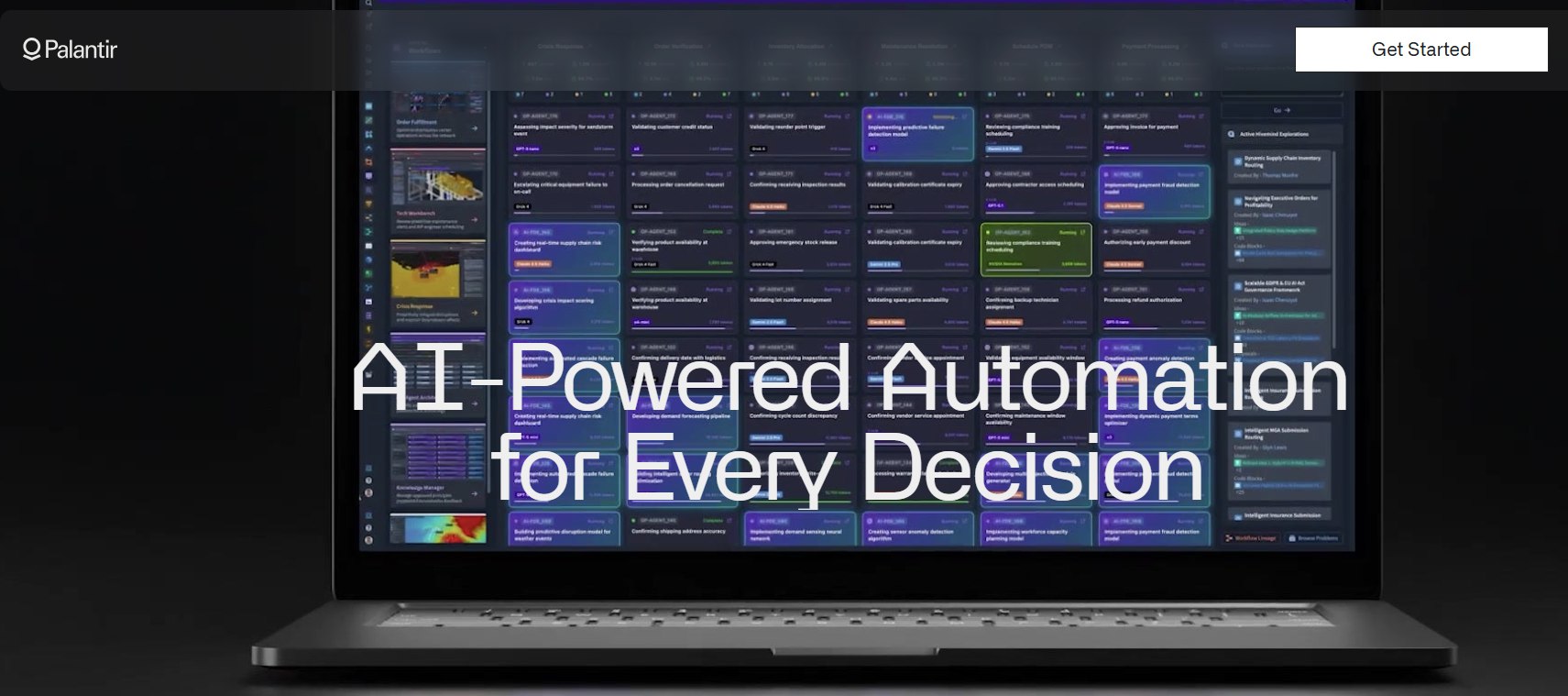
CEO Alex Karp emphasized the company’s focus on scaling AI models through its Artificial Intelligence Platform (AIP), describing it as “commodity cognition” that differentiates Palantir in a crowded field. The platform’s ontological framework enables rapid deployment of AI across complex datasets, appealing to both commercial enterprises and government agencies.
Recent partnerships have reinforced that narrative. Palantir expanded collaborations with GE Aerospace for military aircraft readiness, Ondas and World View for multi-domain intelligence, Nvidia for sovereign AI operating system architecture, Centrus Energy for uranium enrichment, and LG CNS in a strategic tie-up. AIG partnered with Palantir to build an ontology for its McGill and Partners portfolio, while Polymarket tapped the company to combat betting cheats.
Defense exposure remains a cornerstone. Palantir benefits from a $10 billion U.S. Army framework agreement and a $448 million Navy ShipOS deal, positioning it to capitalize on rising military spending amid geopolitical tensions. The U.S. Army’s recent $20 billion Anduril deal highlighted upside for defense tech players like Palantir and Lockheed Martin.
Advertisement
Commercial momentum is equally compelling. U.S. commercial revenue growth has consistently outpaced overall figures, fueled by AIP adoption in industries from energy to finance. Backlog stood at approximately $4.4 billion post-earnings, providing visibility into future quarters.
Yet challenges persist. Palantir trades at a lofty valuation—around 242 times trailing earnings and high multiples on forward metrics—prompting some analysts to question sustainability. A March 16 note flagged bearish views on the 460% five-year surge, citing potential overvaluation risks. Broader tech sector pressures, including tariff uncertainty under the current administration and AI disruption fears, have contributed to the stock’s sideways-to-down action in early 2026.
Technical indicators show mixed signals. The stock hovers below its 50-day and 100-day moving averages but above shorter-term ones, with RSI in neutral territory suggesting room for recovery without immediate overbought conditions.
Investors continue monitoring upcoming catalysts. First-quarter 2026 results, expected in early May, will test guidance execution, with management projecting revenue of $1.532 billion to $1.536 billion and adjusted operating income of $870 million to $874 million. Any commentary on AIP deal flow or additional government wins could reignite momentum.
Advertisement
Palantir’s evolution from a secretive government contractor—founded in 2003 with CIA backing—to a leading enterprise AI player has been dramatic. Once criticized for opaque accounting and high insider sales, the company achieved consistent profitability and commercial scale in recent years, attracting institutional interest and retail enthusiasm.
As AI hype cycles evolve, Palantir stands out for its practical, ontology-driven approach rather than pure generative models. While competitors like OpenAI and Anthropic dominate headlines, Palantir’s focus on secure, large-scale data integration positions it uniquely for regulated sectors.
Whether the current dip proves a buying opportunity or signals broader caution depends on macro trends and execution. For now, Wall Street’s upgrades and partnership news sustain a constructive outlook, even as near-term volatility lingers.
Palantir shares traded slightly lower in after-hours, around $152.30, ahead of Thursday’s open. Broader markets remain focused on economic data and tech earnings season.
The City of Busselton has lodged an appeal with the state’s environmental watchdog, challenging the approval of a $280 million resort planned for Smiths Beach.
Zalando SE (ZLNDY) Q4 2025 Press Conference Call March 12, 2026 4:00 AM EDT
Company Participants
Simon Thiel – Senior Vice-President of Corporate Affairs Patrick Kofler – Head of Investor Relations David Schröder – Co-CEO & Member of the Management Board Robert Gentz – Co-Founder, Co-CEO, GM & Member of the Management Board Anna Dimitrova – CFO & Member of Management Board
Conference Call Participants
Advertisement
Jason Gowans – Levi Strauss & Co. Frederick Wild – Jefferies LLC, Research Division Luke Holbrook – Morgan Stanley, Research Division Joffrey Meller – BofA Securities, Research Division Monique Pollard – Citigroup Inc., Research Division
Presentation
Simon Thiel Senior Vice-President of Corporate Affairs
Advertisement
Good morning. Welcome to Zalando’s Annual Press Conference and Business Update. My name is Simon Thiel, and I’m heading Corporate Affairs. I wanted to say thank you for joining us today. We will be presenting our full year results 2025 and sharing our plans for the future, and we’re delighted to have so many of you joining our broadcast today.
Patrick Kofler Head of Investor Relations
Good morning also from my side. My name is Patrick Kofler, and I’m heading the Investor Relations department. We have gathered the press, investors and analysts for today’s event. It’s a pleasure to have you all here.
Advertisement
Simon Thiel Senior Vice-President of Corporate Affairs
We will start our conference with a prerecorded presentation by our co-CEOs, Robert Gentz and David Schroder. They will walk you through our progress as we’re successfully executing our strategy. At 9:45 a.m. CET, following the presentation, we will open the virtual floor to a live Q&A session for our journalists with our co-CEOs, Robert and David, and our new CFO, Anna Dimitrova.
Advertisement
Patrick Kofler Head of Investor Relations
For our investors and analysts, at 9:45 a.m. CET, our CFO, Anna Dimitrova, will walk you through the financial development of the last year and






















































You must be logged in to post a comment Login