The New York Times Wordle puzzle for Thursday, March 26, 2026, presented players with a moderately tricky challenge as many grappled with an uncommon verb that tests vocabulary depth and strategic guessing, ultimately revealing “BEFIT” as the solution in puzzle No. 1,741.
Wordle
Wordle enthusiasts logging in after midnight in their time zones encountered a five-letter word that proved elusive for some, with official testers averaging 5.5 guesses out of six — classifying it as very challenging compared to easier daily puzzles. The answer, a verb meaning “to be suitable or proper for; be suited or becoming to,” according to Webster’s New World College Dictionary, rewarded those who combined letter frequency knowledge with contextual clues.
**Subtle Hints for Today’s Puzzle**
Before diving into spoilers, here are spoiler-free hints designed to guide solvers without revealing the word:
– The word is a verb with no repeated letters. – It contains two vowels. – It starts with a hard “B” sound and ends with a hard “T” sound. – It rhymes with “refit” and is often used to describe something appropriate or fitting for a situation, such as proper behavior or a suitable reward. – Synonyms include “suit,” “become” or “fitting.”
Advertisement
These clues point toward a somewhat formal or literary term rather than everyday slang, which may explain why some players exhausted several attempts before landing on the correct combination.
**Today’s Wordle Answer: BEFIT**
**Warning: Full solution ahead.**
The solution to Wordle No. 1,741 is **BEFIT**.
Advertisement
The word “befit” is a transitive verb commonly found in more formal writing or speech. Examples include: “The elegant gown befits the occasion” or “Such generosity befits a leader of his stature.” It derives from the prefix “be-” combined with “fit,” emphasizing suitability or appropriateness.
Many solvers who reached the final guesses narrowed it down to words ending in “-FIT” or starting with “B,” with “BEFIT” emerging as the precise match once vowels and consonants aligned. Players who started with strong openers like “SLATE,” “TRIAL” or “BEGAN” often picked up yellow or green tiles early, particularly the “B,” “E,” “I” and “T” letters, though positioning required careful testing.
**How Players Approached the Puzzle**
Typical solving paths began with high-frequency letter words to maximize information. Common starters such as “SLATE” (suggested by Wordle Bot) or “CRANE” helped eliminate or confirm vowels and popular consonants. One reported sequence involved guessing “TRIAL,” which left 65 possible solutions and yielded two yellow tiles, followed by adjustments with words like “PIETY” and “CUTIE” before settling on “BEFIT” over close alternatives like “DEBIT.”
Advertisement
Others started with “B” words to test the initial letter early, such as “BEGAN,” “BITER” or “FIGHT,” which quickly confirmed or ruled out key placements. The absence of repeated letters and the specific vowel placement (E and I) narrowed the field significantly by guess three or four for efficient players.
Community discussions on social media and forums highlighted the puzzle’s deceptive simplicity. While the letters themselves are relatively common in Wordle solutions, the combination formed a less frequently used word, catching some off guard after yesterday’s potentially more approachable answer. Average scores hovered higher than on easier days, with many reporting four- or five-guess solves and some needing all six attempts.
**Strategies for Mastering Wordle**
Successful Wordle players emphasize a mix of statistical knowledge and adaptability. Begin with a word containing multiple vowels and common consonants — “ADIEU,” “AUDIO,” “SLATE” or “TRACE” are popular choices that provide broad coverage. Avoid repeating letters in early guesses to gather maximum unique information.
Advertisement
Once feedback appears in green (correct letter and position), yellow (correct letter, wrong position) or gray (not in the word), prioritize testing remaining possibilities systematically. For instance, if “B” and “T” appear early, focus on five-letter verbs or adjectives that fit the emerging pattern.
Advanced strategies include maintaining a mental or noted list of eliminated letters and using process of elimination. Tools like the official Wordle Bot can analyze personal solves for efficiency, comparing them against optimal paths. Many recommend avoiding obscure proper nouns or overly technical terms unless clues strongly suggest them.
For today’s puzzle, recognizing the “be-” prefix common in English verbs (befit, become, bestow) could have accelerated solutions for linguistically inclined players. The hard “T” ending further limited options to words like “befit,” “debit” or similar, with context ruling out financial terms.
**Broader Popularity and Context**
Advertisement
Wordle, acquired by The New York Times in 2022, continues to captivate millions daily with its simple yet addictive formula. Released at midnight in each player’s time zone, the game fosters global community through shared scores posted as emoji grids on social platforms. Hashtags like #Wordle and discussions in dedicated Reddit communities thrive as players compare streaks and commiserate over tough days.
Puzzle No. 1,741 fits into a week of varied difficulty, following Wednesday’s solution and preceding Friday’s fresh challenge. The New York Times publishes official reviews that provide definitions, tester averages and community conversation, helping players reflect on their performance.
Educators and linguists praise Wordle for building vocabulary, pattern recognition and deductive reasoning skills. It has inspired countless variants and classroom adaptations, proving its staying power beyond casual entertainment.
For those who missed today’s word, remember that each new puzzle resets at midnight. Maintaining a streak requires consistent play, but occasional losses offer learning opportunities. Resources like hint guides, starter word lists and analysis tools abound online for those seeking to improve.
Advertisement
**Tips for Tomorrow and Beyond**
– Track common letter frequencies: E, A, R, I, O, T, N and S appear most often. – Consider word families and prefixes/suffixes when patterns emerge. – Take breaks if frustration builds — fresh eyes often spot connections missed under pressure. – Use the built-in share feature responsibly to engage friends without spoiling for others. – Explore related NYT Games like Connections or the Mini Crossword for a full daily brain workout.
Whether you solved “BEFIT” in three guesses or needed the full six, today’s puzzle delivered a satisfying mental stretch. It underscored the balance Wordle strikes between accessibility and challenge, drawing on both common knowledge and occasional deeper vocabulary.
As players await the next grid, many will review their solve with Wordle Bot or discuss strategies in online forums. The game’s enduring appeal lies in its blend of luck, skill and daily ritual — a small but consistent highlight in busy routines.
Advertisement
For the official experience, visit nytimes.com/games/wordle. Share your results, celebrate wins and prepare for whatever linguistic curveball Friday brings.
Asian airlines are responding to surging fuel prices by implementing significant ticket price hikes, increasing fuel surcharges, and developing contingency plans to ground aircraft.
Ticket price hikes & surcharges: Cathay Pacific and Hong Kong Airlines nearly doubled surcharges; Thai Airways raised fares by 10–15%.
Contingency planning: Low-cost carriers (AirAsia, Lion Air, Garuda Indonesia) may delay aircraft purchases or ground planes if fuel remains unaffordable.
Operational efficiency: Airlines are adopting fuel‑saving procedures, lighter loads, and deploying newer aircraft while retiring older widebodies.
These measures come as jet fuel prices have more than doubled due to escalating conflict in the Middle East, with some carriers warning of potential bankruptcy for budget airlines if the crisis persists.
Cathay Pacific and Hong Kong Airlines have nearly doubled their fuel surcharges, with long-haul surcharges reaching over HK$1,164. In Thailand, Thai Airways International is raising average ticket prices by 10-15% and limiting the availability of low-fare tickets through dynamic pricing to offset costs. Meanwhile, low-cost carriers in Southeast Asia, including AirAsia, Lion Air, and Garuda Indonesia, are reviewing timelines for aircraft purchases and considering grounding planes if fuel remains unaffordable.
The regional impact is further complicated by a 60% reliance on jet fuel imports from China and Thailand, both of which have recently halted fuel exports to ensure their own energy security. This has led Vietnam to warn of widespread flight cuts and shortages starting in April. Despite these pressures, some carriers like Thai Airways may see marginal benefits on European routes as airspace closures in the Middle East tighten global supply and drive demand toward direct Asian hubs.
Asian airlines are stepping up their response to fuel price surges, and the impact is increasingly visible across the region’s aviation and tourism landscape. For Thailand, where tourism is a major growth engine and air connectivity is critical, these cost pressures are reshaping routes, fares, and investment decisions.
Advertisement
Fuel costs and Thailand’s connectivity
Fuel remains one of the largest single expenses for airlines, often reaching a quarter or more of total operating costs, so sharp price increases quickly feed into route economics and pricing. In Thailand’s case, this matters not only for local carriers but also for the international airlines that bring tourists from key long‑haul markets. Any sustained rise in fuel prices risks higher fares, especially on long‑haul and regional routes with limited competition, and could constrain capacity growth during peak travel seasons.
In response to the energy security concerns triggered by the war in the Middle East, China and Thailand have implemented strict jet fuel and refined oil export bans to prioritize domestic needs. These restrictions have significantly impacted neighboring countries, with Vietnam warning of flight reductions and Cambodia being forced to seek alternative fuel suppliers in Singapore and Malaysia.
Within Thailand, the Department of Energy Business has confirmed that while national reserves remain sufficient for over 100 days, logistical bottlenecks have caused widespread shortages at local petrol stations. The crisis has hit the agricultural sector particularly hard, leaving machinery idle during the rice harvest season in provinces like Phitsanulok. Meanwhile, Thai Airways International has announced ticket price increases of 10-15% to offset jet fuel costs that have surged to as high as US$220 per barrel.
How airlines are adjusting
Across Asia, carriers are focusing on three main levers: efficiency, networks, and pricing. Operationally, airlines are optimizing flight planning, using fuel‑saving procedures such as continuous climb and descent, and removing unnecessary weight on board to lower fuel burn per sector. At the same time, they are deploying newer, more efficient aircraft on trunk routes and gradually retiring older widebodies that are more expensive to operate when fuel is high.
Advertisement
Network decisions are becoming more selective. Marginal or highly seasonal routes are under review, with some frequencies trimmed or shifted to aircraft types that can spread fuel costs over more seats. On the revenue side, many carriers have either introduced or increased fuel surcharges on international tickets, alongside targeted fare increases where demand remains strong.
Implications for tourism flows
For tourism‑dependent economies like Thailand, these changes could influence both the volume and composition of visitor arrivals. Higher fuel‑driven costs tend to affect price‑sensitive segments first, potentially slowing growth in budget travel while preserving demand in premium and higher‑spend leisure categories. Airlines’ decisions to prioritize high‑yield routes may work in Thailand’s favor if key source markets in Asia, Europe, and the Middle East remain profitable under elevated fuel prices.
However, persistent cost pressure may limit the pace at which new routes are opened to second‑tier cities or niche destinations within the country, keeping the focus on Bangkok and a few major tourist hubs. That, in turn, could slow diversification of tourism flows away from already crowded hotspots.
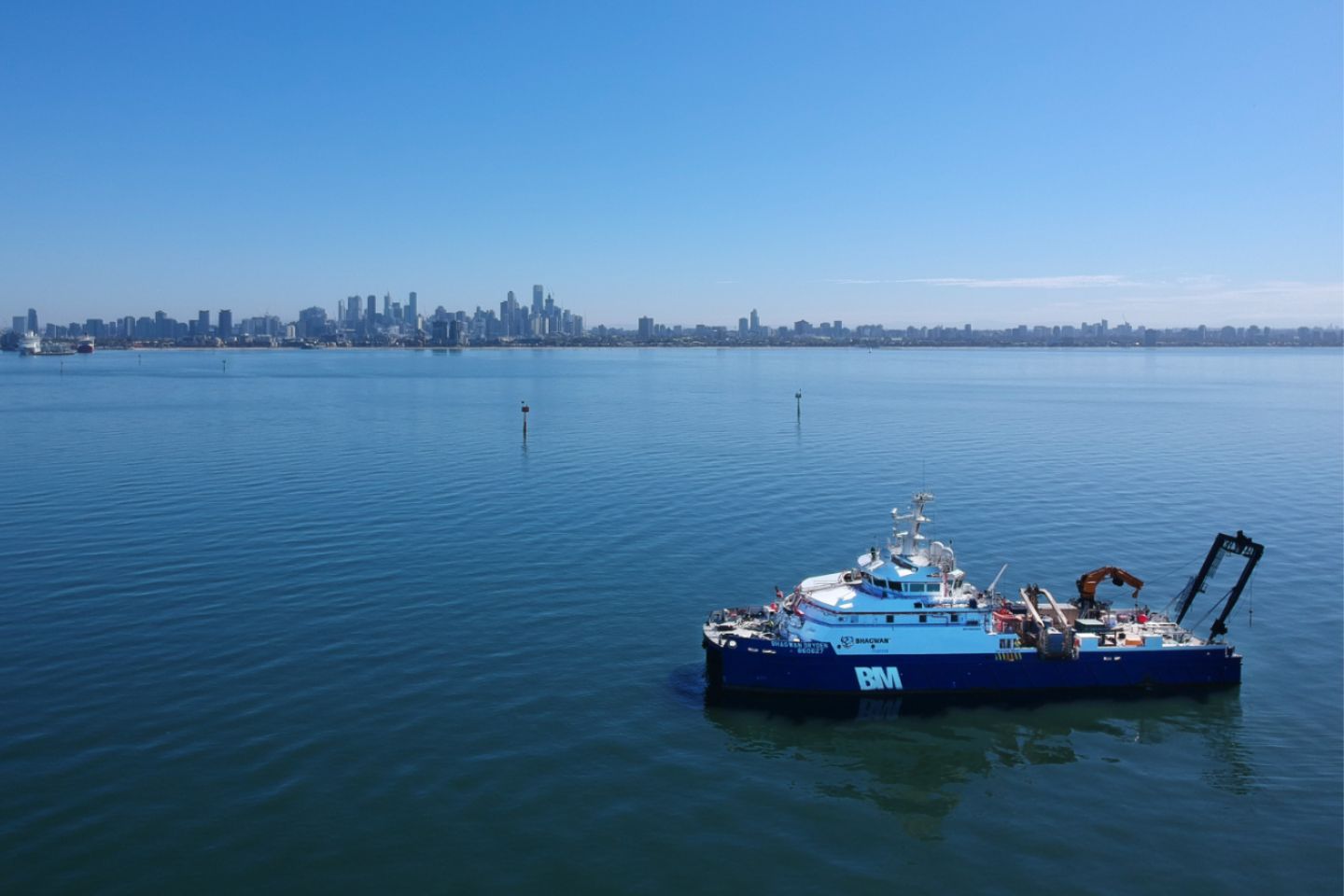
Bhagwan Marine will build on the success of its first-ever decommissioning project, with the award of a contract for works to remove moorings and buoys at Barrow Island.
Fox News contributor Donna Rotunno and Kurt ‘CyberGuy’ Knutsson discuss jury deliberations in the social media addiction trial involving tech giants Meta and Google reaching a seventh day on ‘The Bottom Line.’
Meta is cutting roughly 700 jobs on Wednesday, a source familiar with the matter confirmed to FOX Business.
The layoffs are expected to affect several key areas, including Reality Labs, Facebook, recruiting operations and sales, the source said.
Advertisement
A spokesperson for the company said the layoffs are part of ongoing restructuring efforts, noting that the tech giant regularly adjusts its workforce to better align with its goals.
In this photo illustration, the app icons of Facebook, Messenger, Instagram, WhatsApp and Oculus VR are displayed on a smartphone screen with a Meta logo. (Onur Dogman/SOPA Images/LightRocket via Getty Images / Getty Images)
The company is also working to place some affected employees into other roles where possible.
“Teams across Meta regularly restructure or implement changes to ensure they’re in the best position to achieve their goals,” the spokesperson said. “Where possible, we are finding other opportunities for employees whose positions may be impacted.”
Advertisement
The move comes as Meta faces financial pressure tied to its aggressive investment in artificial intelligence infrastructure, Reuters reported.
A security guard stands watch by the Meta sign outside the headquarters of Facebook parent company Meta Platforms Inc. in Mountain View, Calif., Nov. 9, 2022. (Reuters/Peter DaSilva/File Photo / Reuters Photos)
Earlier this month, Reuters reported that the tech giant was planning layoffs that could affect 20% or more of its workforce as it looks to offset those costs and improve efficiency through AI-driven tools.
Meta had nearly 79,000 employees as of Dec. 31, according to Reuters.
Meta CEO Mark Zuckerberg leaves the federal courthouse in downtown Los Angeles after defending the company in a landmark social media addiction trial Feb. 19, 2026. (Jon Putman/Anadolu via Getty Images / Getty Images)
The job cuts also come amid legal challenges for the company.
A Los Angeles jury on Wednesday found Meta and Google liable in a closely watched case alleging their platforms were designed to addict young users, awarding $3 million in damages.
Advertisement
FOX Business’ Michael Sinkewicz contributed to this report.
Good evening, and welcome to Quadient’s Full Year 2025 Results Presentation. I am Anne-Sophie Jugean, Quadient’s Head of Investor Relations. Today’s presentation will be hosted by Geoffrey Godet, CEO; and Laurent Du Passage, CFO. The agenda for today’s call is on Slide 3. As usual, there will be an opportunity to ask questions at the end of the presentation. You can submit your questions in writing through the web or ask questions live by dialing into the conference call.
Thank you very much. And with that, over to you, Geoffrey.
Advertisement
Geoffrey Godet CEO & Director
Thank you, Anne-Sophie. Good evening, everyone. So let me start by setting out the market context for Quadient. Over the past few years, we’ve been operating in an environment shaped by powerful structural trends. In 2025, these trends did not change in nature, but they accelerated simultaneously reaching a new level of momentum. So the first one is there is, in ’25, a marked step change in artificial intelligence. Rapid advances in AI are accelerating digitalization across industries and reinforcing the long-term demand for software solution. This is not a short-term phenomenon.
AI is fundamentally reshaping how enterprise automate, secure and scale mission-critical workflows, well beyond any single use — sorry, any single use case and regulatory cycle. What customers increasingly require our software platform that can deliver value quickly, integrate AI natively, including agents and responsibly into system of records and reliably operate within complex legal, regulatory and data security environment. In this context, AI-driven digitalization spans our entire digital portfolio from
When Meta (META) started building their Superintelligence team (MSL) in mid-2025, I certainly expected to see faster progress than what we have seen from them so far. I wonder if the Llama 4 fiasco, as well as the backlash
It will be the first time humans have returned to the moon since 1972
Goonhilly Earth Station in Cornwall(Image: Goonhilly Earth Station)
A Cornish space centre is to provide communications support to the world’s first manned moon mission in more than half a century. Goonhilly, a ground station near Helston, will play a role in NASA’s historic Artemis II voyage by passively tracking the Orion spacecraft as it journeys around the moon and back to earth.
Staff at the satellite company believe tracking the spacecraft will demonstrate the UK – and Cornwall’s – capability to support deep-space missions from British soil.
The mission will mark the first time humans have returned to the moon since 1972, with Apollo 17. It will also include the first woman and black astronaut to travel beyond low earth orbit.
Matthew Cosby, CTO of Goonhilly Earth Station, said: “Artemis II marks a significant milestone in humanity’s return to the moon, and we’re proud that the capabilities developed here in Cornwall are contributing to that mission.
Advertisement
“From our site, we will support tracking of the Orion spacecraft, showcasing our readiness for future crewed Artemis missions. At the same time, we are positioning the UK to play a key role in NASA’s longer‑term Moon‑to‑Mars exploration strategy.”
In 2022, Goonhilly provided critical communication and tracking support for NASA’s Artemis I. Using its 32-metre GHY-6 antenna and expert teams, the facility tracked the mission’s uncrewed Orion spacecraft and communicated with six of the CubeSats launched on the mission.
For Artemis II, tracking will focus on the crewed Orion spacecraft as it journeys beyond low earth orbit, flying around the moon, and returning to earth.
Goonhilly is one of a limited number of organisations worldwide with the infrastructure required to support deep-space communications. The site was involved in broadcasting the Apollo 11 Moon landing in 1969 as well as supporting modern missions to the moon and Mars.
Advertisement
UK space minister Liz Lloyd said: “Goonhilly’s rich heritage in space communication continues to inspire. It’s fantastic to see Cornwall once again at the heart of a truly historic moment in human spaceflight. This partnership with NASA shows what British expertise and innovation can achieve on the world stage, while creating opportunities for skilled jobs and growth right here in the UK.”
Elsewhere, Goonhilly is working with the UK Space Agency and NASA to explore downlink solutions for near-real time space weather measurement enabled by NASA’s Interstellar Mapping and Acceleration Probe (IMAP).
This new heliophysics observatory is designed to study particle acceleration and the boundary to interstellar space, and at the same time provides solar wind and space weather observations.
Lynas Rare Earths has shaken hands with a South Korean power and communications manufacturing firm to work towards developing a rare earths metals production facility in Vietnam.





















































You must be logged in to post a comment Login