Connect with us
DAPA Banner

Business

HMRC complaints hit five-year high as compensation payouts surge 35%

Published

on

HM Revenue & Customs (HMRC) has released new guidance cautioning freelancers, contractors, and consultants about the risks associated with Managed Service Companies (MSCs)—complex tax arrangements that could leave independent workers facing tax bills running into tens of thousands of pounds.

Complaints made by taxpayers about HM Revenue & Customs have climbed to their highest level in five years, with the proportion of cases resulting in compensation also reaching a recent peak.

New figures obtained under the Freedom of Information Act by the Contentious Tax Group show that HMRC received 93,589 complaints in the 2024/25 tax year, up from 78,542 in 2020/21, a rise of 19.2 per cent over five years.

The data suggests mounting frustration among taxpayers and advisers at a time when the tax authority has faced sustained criticism over service standards, processing delays and limited access to support.

The increase in complaints follows repeated warnings from watchdogs about declining performance levels at HMRC. In January 2025, the Public Accounts Committee said that telephone response times, often viewed as a barometer of service quality, had continued to deteriorate from an all-time low recorded the previous year.

Professional advisers say operational failings, including incorrect tax coding notices, misapplied adjustments and processing backlogs, are fuelling a cycle of error and complaint.

Advertisement

Andrew Park, tax investigations partner at Price Bailey, speaking on behalf of the Contentious Tax Group, said the trend reflected growing distress among taxpayers.

“HMRC is being forced to accept that an ever-increasing number of taxpayers are suffering worry and distress due to its action or inaction,” he said.

“Every year thousands of people suffer financial loss, wasted time and needless distress because HMRC struggles to deliver the basics.”

The rise in complaints has been accompanied by a marked increase in compensation payments. The number of cases in which HMRC paid redress rose by 35 per cent, from 11,333 in 2020/21 to 15,304 in 2024/25.

Advertisement

Over the same period, the proportion of complaints resulting in compensation climbed from 14.4 per cent to 16.4 per cent, the highest level in five years.

Of particular note is the rise in payments linked specifically to “worry and distress”, which has reached nearly 10,000 cases in the most recent year.

However, while more taxpayers are receiving compensation, the average payout has fallen. In 2024/25, the average redress payment stood at £125.27, the lowest average figure across the five-year period.

“Most taxpayers complain simply to get errors corrected,” he said. “Yet poor service levels can cause financial losses that dwarf the modest compensation HMRC is willing to offer.”

Advertisement

Tax specialists argue that complaints about service standards cannot easily be separated from substantive tax disputes. Mistakes in coding notices, delays in processing returns and system errors can lead directly to incorrect tax liabilities, and additional financial stress for individuals and businesses.

“Operational failings can be a major driver of tax errors that contribute to rising complaint volumes,” Park said.

In many cases, taxpayers are forced to invest significant time, or incur professional fees, to resolve issues that stem from administrative mistakes rather than disputes over tax law.

The Contentious Tax Group also highlighted concerns that HMRC’s continued push towards digitalisation may be exacerbating the problem.

Advertisement

The tax authority has increasingly encouraged taxpayers to use online systems and automated services, positioning digital transformation as the long-term solution to resource constraints and performance challenges.

Critics, however, warn that traditional support channels are being scaled back before digital alternatives are fully reliable.

“HMRC is pushing taxpayers towards digital systems that are not yet ready, while withdrawing the human support people still need,” Park said. “This is a combination that risks compounding operational difficulties and driving complaints even higher.”

As HMRC prepares for further reforms, including the expansion of Making Tax Digital requirements to additional groups of taxpayers, advisers fear complaint volumes could rise further if service capacity does not improve.

Advertisement

With nearly 94,000 complaints lodged in the past year alone and compensation levels at a five-year high, the figures underline the growing pressure on Britain’s tax authority to restore confidence in its service delivery.


Jamie Young

Jamie Young

Jamie is Senior Reporter at Business Matters, bringing over a decade of experience in UK SME business reporting.
Jamie holds a degree in Business Administration and regularly participates in industry conferences and workshops.

When not reporting on the latest business developments, Jamie is passionate about mentoring up-and-coming journalists and entrepreneurs to inspire the next generation of business leaders.

Advertisement
Continue Reading
Click to comment

You must be logged in to post a comment Login

Leave a Reply

Business

Leading Tours & Activities APIs for Banks & Loyalty Programs in 2026

Published

on

Banks are reducing their appetite to fund small and medium-sized companies, according to brokers handling loan applications.

Banks and loyalty teams are no longer evaluating tours and activities APIs just to “add things to do.” The real goal is usually broader: drive engagement, deepen retention, and keep the customer inside your own app or rewards journey.

That is why this category can feel confusing. Some providers are B2B or B2B2C infrastructure platforms. Others are consumer marketplaces that expose partner APIs. And some offer hybrid models with APIs, widgets, portals, or white-label layers. For banks and loyalty programs, choosing the right provider type usually matters more than choosing the biggest catalog. In this category, operational fit usually matters more than headline inventory size.

What banks and loyalty programs should look for first?

For this buyer type, the first questions are usually operational rather than cosmetic. Who is the merchant of record? Can members earn or redeem points inside the experience flow? Who handles customer service, cancellations, and disputes?

Do you need a full API, or would a widget or white-label path get you live faster?

For example Travel Curious explicitly highlights loyalty-program integration, points redemption, merchant services, dispute management, and fraud controls, while Viator draws a clear line between affiliate and merchant models.

Advertisement

Provider types: affiliate vs booking vs distributor

Affiliate is the lightest model. It is usually faster to launch, but you get less control over checkout and redemption design. For example Viator’s affiliate API is content-only, redirects traffic to Viator for the transaction, and keeps Viator as merchant of record and customer-service owner.

Booking or merchant models are stronger when you want a native experience inside your own loyalty or banking environment. For example Viator’s Merchant API keeps the transaction on the partner’s site, with the partner controlling the customer journey. While Bridgify centers on partner-owned embedded experiences through API and white-label launch paths for banks, loyalty programs, and digital platforms.

Distributor models sit somewhere in between. They typically expose inventory, pricing, and booking tools through a partner program, but access is often gated. For example Tiqets describes its Distributor API as a fit for distribution partners including OTAs and corporate benefits or gifting platforms, while GetYourGuide requires a partner account to access its marketplace API.

Integration checklist for banks and loyalty teams

Before committing to a partnership, ask yourself these questions:

Advertisement
  • Can users earn or redeem points, cashback, or other incentives inside the flow?
  • Who is merchant of record?
  • Who handles refunds, disputes, and post-booking support?
  • Is the launch path API-only, or are widget / portal / white-label options available?
  • Are pricing, availability, and vouchers handled in real time?
  • Does the product support multi-currency and localization?
  • Is access instant, qualification-led, or performance-gated?
  • Is the supply broad enough for your use case, or mainly attraction ticketing?

Quick comparison of platforms to consider

Platform Best for Provider type Integration model Why shortlist it Main watch-out
Bridgify Banks, credit cards, digital wallets, fintechs, and loyalty ecosystems B2B2C experiences infrastructure API + white-label + AI-led recommendation layer Built around embedded experiences, with access to 1M+ experiences and launch paths designed for loyalty, financial, and other enterprise partners. Best fit when you want infrastructure and merchandising depth, not just a lightweight affiliate feed
Travel Curious Access / Amplify Curated or premium loyalty programs and branded experience commerce B2B experience commerce platform API + portal + widget + white-label layers 70,000+ products, private-tour strength, loyalty integration, and merchant services More curated footprint than mass-market marketplace stacks
Viator Partner API Loyalty storefronts choosing between affiliate and merchant Marketplace partner program Affiliate API or Merchant API Clear split between redirect-led affiliate and on-site transactional merchant models, with loyalty and redemption called out as a use case Merchant mode means more operational ownership, and access is qualification-led
Tiqets Distributor API Attraction-led rewards catalogs and corporate benefits/gifting Distributor API Content + availability/pricing + booking Strong fit for attractions, museums, and ticketed inventory Booking access is reviewed based on performance, so it is not always a day-one full-booking setup
GetYourGuide API Brands that want marketplace access through a partner API Marketplace partner API Partner API Direct access to the GetYourGuide marketplace Partner account required, and the positioning is less explicitly loyalty-focused

1) Bridgify: Best for embedded loyalty and bank experiences

Bridgify

is one of the clearest B2B2C infrastructure play in this shortlist .It is positioned as an embedded experiences infrastructure platform that gives partners access to 1M+ experiences through flexible launch models, including API, Whitelabel, and an AI agent layer.Bridgify is a great option and is built for loyalty programs, banks, credit cards, digital wallets, travel tech platforms, and other enterprise brands that want embedded content inside their own customer journeys.

That matters because banks usually do not need “just another marketplace feed.” They need a way to launch embedded experiences through API or white-label, attach incentives such as cashback, gift cards, or points redemption, and avoid managing multiple suppliers themselves.

2) Travel Curious Access / Amplify: Best for curated and points-enabled programs

Travel Curious

is one of the more relevant non-OTA options for this audience because its stack maps well to branded experience commerce. Travel Curious Access offers 70,000+ products, instant availability, API / portal / widget launch options, and multi-currency support, while its widget model names Travel Curious as merchant of record.

Advertisement

Amplify goes a step further for loyalty-style use cases. Travel Curious says rewards or loyalty programs can be integrated into the experience flow so customers can earn and redeem points, and it also highlights merchant services, dispute management, fraud controls, and white-label activation.

The trade-off is that Travel Curious looks more curated than mass-market. That can be a strength for premium programs and private-tour use cases, but it is a different proposition from a pure volume-driven marketplace feed.

3) Viator Partner API: Best for teams deciding between affiliate and merchant

Viator

is still one of the clearest examples of why provider type matters. Its API Solutions page explicitly says it supports airlines, OTAs, e-commerce companies, and loyalty brands, then splits the offer into Affiliate API and Merchant API. The affiliate version is content-only and redirects traffic to Viator, while the merchant version keeps the transaction on the partner’s site and lets the partner own customer support and pricing control.

Advertisement

For loyalty programs, that makes Viator useful because the choice is straightforward. If you want a lower-lift launch, affiliate is easier. If you want tighter brand control and a more native redemption flow, merchant is the stronger route. The main watch-out is that the two models come with very different operational responsibilities.

4) Tiqets Distributor API: Best for attraction-heavy rewards and benefits

Tiqets is strongest when the catalog leans toward museums, attractions, and other ticketed experiences. Its API program describes a direct connection to its catalog, structured content, real-time pricing and availability, booking and cancellation support, and dedicated technical and commercial support.

Their Distributor API is aimed at distribution partners including OTAs, corporate benefits and gifting platforms, electronic distribution systems, and destination management companies.

There is an access nuance worth noting. Tiqets says new partners usually begin with affiliate portal access plus Content and Availability APIs, and eligibility for the Booking API is reviewed based on performance. So Tiqets can be a strong specialist fit, but it is not always a fully open booking API from day one.

Advertisement

5) GetYourGuide API: Best for marketplace-led access

GetYourGuide remains relevant because its API gives partners access to the GetYourGuide marketplace for tours and activities. Its API page is also very direct that partners need to contact GetYourGuide to create an account and gain access.

For banks and loyalty programs, the appeal is recognizable marketplace inventory through a partner API. The limitation is that, based on the current partner-facing page, GetYourGuide is less explicitly positioned around loyalty mechanics than providers such as Bridgify, Travel Curious, or Viator’s loyalty-language partner materials.

Which platform type fits which program?

If you need embedded “earn-and-burn experiences” ( a system where users can both collect points and redeem them within the same platform) inside a bank, card, wallet, or loyalty app, the most obvious B2B / B2B2C fits here are Bridgify and Travel Curious. Both are framed around partner owned journeys, and Travel Curious explicitly adds loyalty program integration and points redemption.

Advertisement

If you want the clearest choice between a lighter affiliate launch and a deeper merchant setup, Viator gives the most obvious solution. If your rewards mix is mainly attractions and museums, Tiqets is the sharper specialist. If your team mainly wants access to a large consumer marketplace through a partner API, then GetYourGuide belongs on your shortlist.

Final take

The best tours and activities API for a bank or loyalty program is usually not the one with the loudest consumer brand. It is the one whose provider type matches your operating model. For embedded, partner-owned experience commerce, Bridgify and Travel Curious stand out as the most B2B-led fits in this list. Viator is the clearest comparison when you want to choose between an affiliate and a merchant. Tiqets is especially strong for attraction-heavy benefits or gifting use cases. GetYourGuide remains relevant when marketplace access is the main goal.

Advertisement
Continue Reading

Business

Sam Altman steps down from Helion Energy board as OpenAI eyes partnership

Published

on


Sam Altman steps down from Helion Energy board as OpenAI eyes partnership

Continue Reading

Business

Brand Concepts bulk deal: Ashish Kacholia exits microcap as stock price erodes 36% in a year

Published

on

Brand Concepts bulk deal: Ashish Kacholia exits microcap as stock price erodes 36% in a year
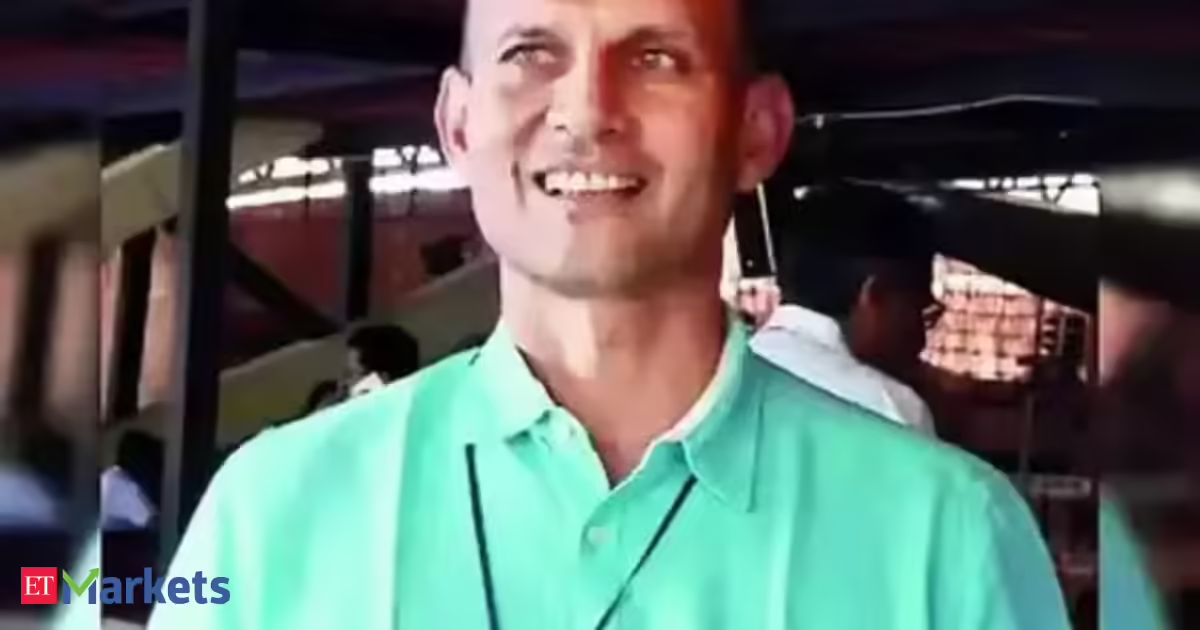
Ace investor Ashish Kacholia on Monday sold his entire stake in Brand Concepts via a bulk deal valued at Rs 3.9 crore. The shares were purchased by Suryavanshi Commotrade Private Limited, a Kolkata-based unlisted commodity trading and financial services firm.

Brand Concepts is a fashion retail company, specialising in curating travel gear, handbags and lifestyle accessories.

Kacholia offloaded nearly 1.8 lakh shares in the company that represented 1.44% equity. The shares were sold at a price of Rs 217 apiece, which was at a 5% discount over the Friday closing price of Rs 228.90 on the BSE.

The stock today ended at Rs 215.50, falling, by Rs 13.40, down 6% from the previous close.

Advertisement

Also read: BEW Engineering bulk deal: Ashish Kacholia exits SME company as stock slumps 44% in a year


Kacholia’s stake sale comes following a significant underperformance in the microcap counter. It has plunged 36% over a one-year period amid continued weakness in the overall smallcap segment. It has slipped below its 50-day and 200-day simple moving averages (SMAs) of Rs 271 and Rs 315, respectively, according to Trendlyne data.
Company’s current market capitalization stands at Rs 269 crore.Kacholia, fondly called the ‘Big Whale’ has investments in at least 50 stocks as per the public shareholding data. The net worth of his portfolio is Rs 2,420 crore according to Trendlyne. Some of his portfolio stocks include Shaily Engineering, Xpro, Safari Industries, Balu Forge, Faze Three, Brand Concepts, Stove Kraft and Aeroflex Industries.

Kacholia has made his latest bet on a smallcap dry fruit company Aelea Commodities, buying over 7.73 lakh shares via a bulk deal on Friday. The deal was valued at Rs 9.3 crore. The shares were purchased from Suryavanshi Commotrade Private Limited, which exited by selling its entire stake at a price of Rs 120.50 per share.

Kacholia’s bought these shares following a significant erosion in its price. The microcap counter has plunged 36% over a one-year period. The stock is down 21% in 2026 so far.

Read more: Aelea Commodities bulk deal: Ashish Kacholia bets Rs 9.3 crore on a microcap that is down 36% in a year

Advertisement

(Disclaimer: The recommendations, suggestions, views, and opinions given by the experts are their own. These do not represent the views of The Economic Times.)

Continue Reading

Business

Ecolab Inc. (ECL) M&A Call Transcript

Published

on

OneWater Marine Inc. (ONEW) Q1 2026 Earnings Call Transcript

Ecolab Inc. (ECL) M&A Call March 23, 2026 8:00 AM EDT

Company Participants

Andy Hedberg – Director of Investor Relations
Christophe Beck – CEO & Chairman of the Board
Scott Kirkland – Chief Financial Officer

Conference Call Participants

Advertisement

Timothy Mulrooney – William Blair & Company L.L.C., Research Division
John Ronan Kennedy – Barclays Bank PLC, Research Division
Ashish Sabadra – RBC Capital Markets, Research Division
John McNulty – BMO Capital Markets Equity Research
Seth Weber – BNP Paribas, Research Division
Andrew J. Wittmann – Robert W. Baird & Co. Incorporated, Research Division
Steven Haynes – Morgan Stanley, Research Division
Patrick Cunningham – Citigroup Inc., Research Division
David Begleiter – Deutsche Bank AG, Research Division
Shlomo Rosenbaum – Stifel, Nicolaus & Company, Incorporated, Research Division
Edlain Rodriguez – Mizuho Securities USA LLC, Research Division
Jason Haas – Wells Fargo Securities, LLC, Research Division

Presentation

Operator

Advertisement

Greetings. Welcome to Ecolab’s acquisition of CoolIT Systems Conference Call. [Operator Instructions] As a reminder, this conference is being recorded. At this time, it is now my pleasure to introduce your host, Andy Hedberg, Vice President, Investor Relations. Thank you, Andy. You may now begin.

Andy Hedberg
Director of Investor Relations

Thank you. Hello, everyone, and welcome to Ecolab’s conference call to discuss our announced acquisition of CoolIT Systems. With me today is Christophe Beck, Ecolab’s Chairman and CEO; and Scott Kirkland, our CFO.

Advertisement

Today’s presentation deck is available on our Investor Relations website. You can access it now and follow along throughout the call. Please take a moment to read the cautionary statements in these materials, which state that this teleconference and the associated supplemental materials include estimates of future performance. These are forward-looking statements, and actual results could differ materially from those projected. Factors that could cause actual results to differ are described in the Risk Factors section in our most recent Form 10-K and in our posted materials.

Advertisement
Continue Reading

Business

War and Inflation Are Supposed to Be Gold’s Friends. Not This Time.

Published

on

War and Inflation Are Supposed to Be Gold’s Friends. Not This Time.
James Mackintosh

This should be the time for gold to shine. The yellow metal has the perfect opportunity to demonstrate its role as a shield for investors against inflation and geopolitics.

Instead, it has crumbled: At one point Thursday it was down 14% from before the Israeli-U.S. war against Iran began. Investors would have been better off in the tiniest microcap stocks than in the oldest source of safety.

Copyright ©2026 Dow Jones & Company, Inc. All Rights Reserved. 87990cbe856818d5eddac44c7b1cdeb8

Continue Reading

Business

Consumption hit as kitchens feel the heat of LPG shortage

Published

on

Consumption hit as kitchens feel the heat of LPG shortage
Pune: India’s food consumption is showing early signs of strain as the Iran-Israel conflict disrupts LPG availability, squeezing both households and businesses that rely on gas for daily cooking.

Consumption across key food commodities has weakened over the past three weeks, led by a sharp pullback from hotels, restaurants and the country’s vast network of street food vendors, a key driver of edible oil, flour and poultry demand, especially in the unbranded segment.

Wheat flour sales have fallen 5-7%, reflecting reduced offtake from bread and biscuit makers, while cooking oil demand is down about 6%.

“The demand for refined wheat flour (maida) from the bakery industry for bread and biscuits has reduced by about 5-7% since last 15-20 days due to the shortage of LPG fuel and is feared to go down further,” said Rohit Khaitan, vice president at the Roller Flour Millers’ Federation of India. “With the new crop already in the market, this may put the prices of wheat further under stress.”

The pressure is most visible in the edible oil market, where the bulk consumers have cut purchases. Hotels, restaurants and catering services along with millions of street-side vendors typically consume about 3.5 lakh tonnes of palm oil and 1.5 lakh tonnes of soybean oil each month.

Advertisement


That demand has shrunk.
“The consumption of palm oil by hotels, restaurants and canteens has declined by 40%… while soybean oil consumption is down by about 25%,” said Sandeep Bajoria, chief executive officer at Sunvin Group. Overall, demand from institutional and small food businesses has fallen 30-35%, he said.Yet prices haven’t eased.

“Although edible oil consumption has declined due to reduced demand from hotels and restaurants, the increase in freight, forex and fuel prices are keeping cooking oil prices firm in the off season,” said BV Mehta, executive director of the Solvent Extractors’ Association of India.

The disruption indicates the critical role of informal food networks from office canteens to roadside stalls in driving commodity demand. With LPG supplies constrained, many of these operators have cut hours, trimmed menus, or temporarily shut shop, hitting consumption at the margin.

Demand for gram flour, or besan, a staple for India’s fried snacks, has dropped 10-12% as roadside eateries and small food businesses scale back or shut operations due to fuel shortage.

Advertisement
Continue Reading

Business

Snap-on Incorporated (SNA) Presents at The 38th Annual Roth Conference Transcript

Published

on

OneWater Marine Inc. (ONEW) Q1 2026 Earnings Call Transcript

Conference Call Participants

Scott Stember – ROTH Capital Partners, LLC, Research Division

Presentation

Advertisement

Scott Stember
ROTH Capital Partners, LLC, Research Division

Good morning, and thanks for joining us. The next meeting is going to be with Snap-on. With us today is President and CEO, Nick Pinchuk. Aldo Pagliari, CFO, is here as well. I’m your host, Scott Stember. I’m the senior analyst at ROTH. Anybody has any questions after this, they could shoot me an e-mail at sstember@roth.com.

And thank you, everybody, for being here. Thank you, Nick. Thank you, Aldo. Maybe to start off…

Advertisement

Nicholas Pinchuk
Chairman, CEO & President

First question is did you go to the Chicago party last night? I heard it almost slipped out of control.

Scott Stember
ROTH Capital Partners, LLC, Research Division

Advertisement

Yes. Yes. I was there. I enjoyed it thoroughly.

Nicholas Pinchuk
Chairman, CEO & President

Did you you keep clothes during the…

Advertisement

Scott Stember
ROTH Capital Partners, LLC, Research Division

Yes, I kept my clothes on, and I didn’t go up on stage.

So Nick, you are often asked to speak in the media about since all the different touch points that Snap-on has in the economy, asking you about how is Main Street going? And what are you seeing? So maybe you could just — before we get into the questions, maybe you could just start off by talking about what you’re seeing and what you’re hearing on the ground.

Advertisement

Nicholas Pinchuk
Chairman, CEO & President

Well, look, I mean, I think the thing is that what we found starting some time ago that the grassroots, which is one of our principal customers, we have really 3 customer bases. One is the

Advertisement
Continue Reading

Business

Bank of America touts company’s legacy over 250 years of American independence

Published

on

Bank of America touts company's legacy over 250 years of American independence

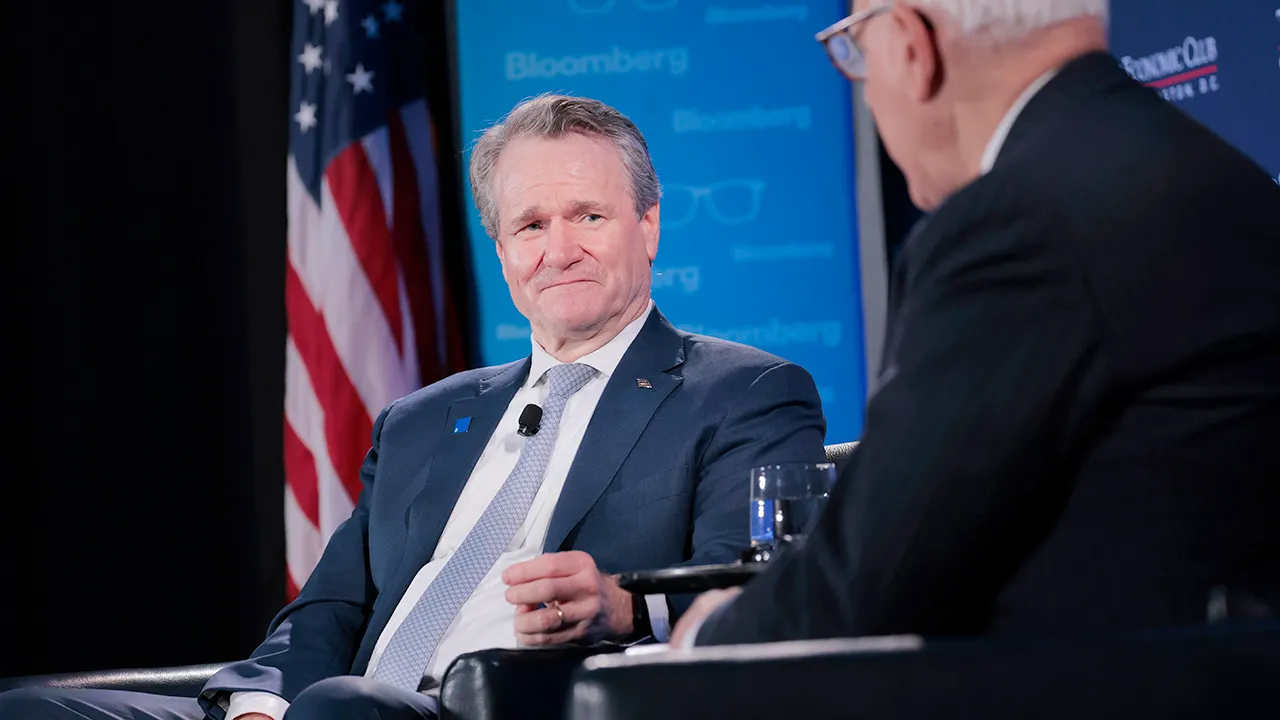
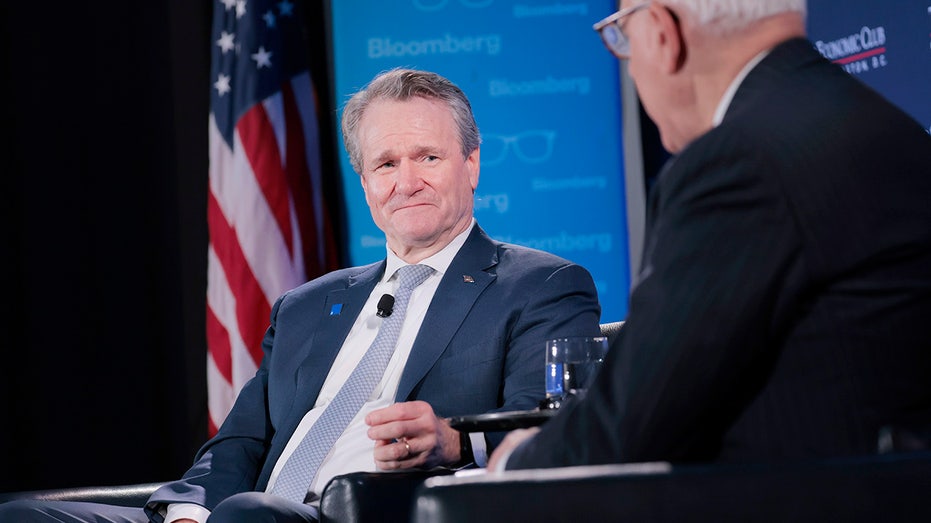
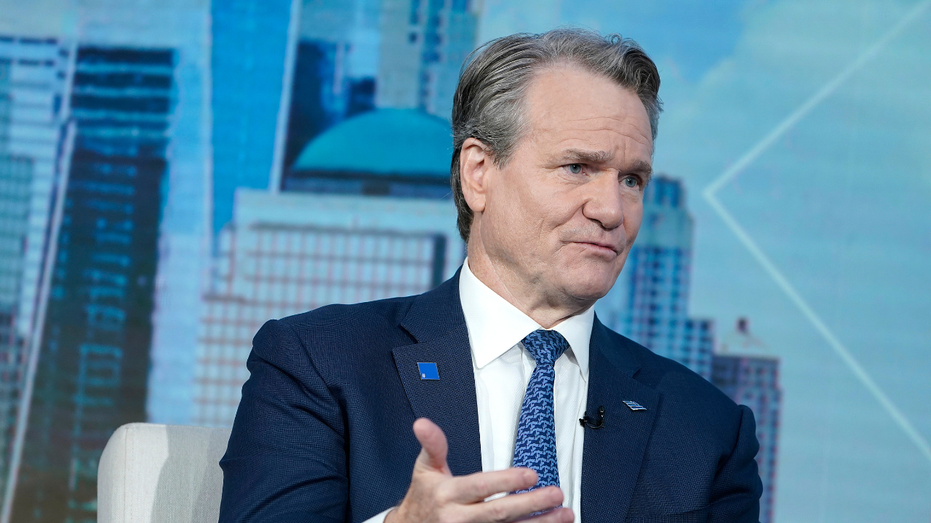
Bank of America CEO Brian Moynihan on Monday sent a letter to shareholders along with the firm’s annual report that detailed the bank’s history and its role in America’s growth as the nation prepares to celebrate the 250th anniversary of the country’s founding.

Moynihan noted that Bank of America’s oldest legacy institution, The Massachusetts Bank, was formed in 1784, just one year after the Revolutionary War concluded with the Treaty of Paris. The bank’s depositors helped the firm grow by lending money to new and expanding businesses that made up the early U.S. economy.

Advertisement

“From our country’s earliest days, we supported those communities. We have supported the development of American capitalism. We did what a bank does – help its customers and clients grow,” Moynihan wrote. “Bank of America’s legacy banks formed in communities around the country, and were there every step of the way as those communities filled out our nation.”

Bank of America also traces its roots to franchises in New England that date back to the early days of the country, as well its North Carolina company, which is the surviving company of those legacy banks and was formed over 150 years ago to help finance the development of the region’s industries as the U.S. developed from an agrarian society to an industrial society. 

BANK OF AMERICA CEO SEES STRONGER 2026 ECONOMY, SAYS WALL STREET MAY BE UNDERESTIMATING GROWTH

Bank of America CEO Brian Moynihan speaking

Bank of America CEO Brian Moynihan on Monday sent a letter to shareholders along with the firm’s annual report. (Anna Moneymaker/Getty Images)

“Funds from afar were not sufficient or readily available and local banks formed to help needed factories get built in their communities,” Moynihan wrote in reference to banks established along the Eastern Seaboard in the early years of America’s independence.

Advertisement

Banks in the nation’s capital grew along with the expansion of the federal government, while the firm’s Texas-based company helped fund the region’s resource boom and those located in the Great Plains spurred the economic growth of the Midwest and West. It also opened a bank in the Pacific Northwest.

Around 1930, A.P. Giannini’s Bank of Italy – which helped support the reconstruction of San Francisco after the great earthquake and fires of 1906 – purchased a small firm called The Bank of America, Los Angeles. After eventually consolidating, Giannini changed the name to Bank of America.

DISNEY WORLD HONORS WORLD WAR II VETERAN’S BIRTHDAY WITH MOVING FLAG RETREAT CEREMONY

People outside the New York Stock Exchange.

Bank of America traces its company history back to legacy banks established in the earliest days of American independence. (Michael Nagle/Bloomberg via Getty Images)

“Companies that are now Bank of America provided funding for the Erie Canal, the Golden Gate Bridge, and the American government’s requirements for the War of 1812, World War I and World War II, as well as many other national priorities,” Moynihan wrote.

Advertisement

“Whether it was private citizens, governments or companies of every size, in communities across our growing country, Bank of America was there to help capitalism flourish. We were there to help foster the interdependent relationship between capitalism and democracy.” 

“For the 250 years of the American idea in action, the activities of countless individuals, families, farmers and other small businesses, large institutions, governments at every level, the opportunities provided by capitalism – a financial return on labor through wages, and on capital and investments, interest on your idle funds, facilitating investments in bonds to build infrastructure, making loans to entrepreneurs to grow their businesses – helped build our country we have today,” he explained.

FOX BUSINESS LAUNCHES ‘MADE IN AMERICA’ SMALL BUSINESS CONTEST WITH $25K CASH PRIZES FOR WINNERS

San Francisco

The Golden Gate Bridge was constructed in part with funds from Bank of America, Moynihan noted. (iStock)

The letter also discussed how Bank of America grew its presence around the world by helping U.S. firms pursue global ambitions as well as providing financial services at the federal government’s request to facilitate access to new markets or help rebuild in the wake of conflicts.

Advertisement

Among the examples cited were the bank opening for business in Argentina in 1917 to support American companies engaged in the wool trade, as well as the establishment of operations in Great Britain in 1931 as the U.S. emerged as a creditor nation after World War I.

In the aftermath of World War II, Bank of America became the first bank to open for business in Japan at the request of the U.S. occupation government to provide loans to shipping companies to restart Japan’s postwar economy

bank-of-america-ceo-moynihan

Bank of America CEO Brian Moynihan’s letter explained how the firm and its legacy institutions helped the U.S. economy at home and abroad since the nation’s founding. (John Lamparski/Getty Images)

GET FOX BUSINESS ON THE GO BY CLICKING HERE

Bank of America opened in France in 1953 to support the post-World War II reconstruction of Europe and build on the success of the U.S. government’s post-war Marshall Plan. It also opened a Middle East headquarters in 1972 when it entered the newly formed United Arab Emirates to support U.S. companies developing the region’s resources.

Advertisement
Continue Reading

Business

Onlyfans owner Leonid Radvinsky dies aged 43

Published

on

Leonid Radvinsky

Leonid Radvinsky, the billionaire owner of OnlyFans, has died at the age of 43 after a long battle with cancer, the company has confirmed.

Radvinsky, who was born in Ukraine and raised in Chicago, acquired OnlyFans in 2018 from its UK-based founders and oversaw a period of explosive growth that transformed the platform into one of the most influential businesses in the creator economy.

In a statement, OnlyFans said he had “passed away peacefully” and asked for privacy for his family.

Founded in 2016, OnlyFans allows creators to share content, ranging from fitness and cooking to adult material, directly with subscribers, who pay monthly fees or tips. The platform takes a 20 per cent commission on transactions.

Under Radvinsky’s ownership, the company’s growth accelerated dramatically, particularly during the Covid-19 pandemic, when lockdowns drove a surge in both creators and subscribers. Within three years, he had joined Forbes’ list of billionaires.

Advertisement

By 2024, OnlyFans had generated $1.4 billion in annual revenue from more than $7 billion in transactions, according to its latest filings. The platform hosted around 4.6 million creators and attracted more than 377 million registered users globally.

Radvinsky’s net worth was estimated at $4.7 billion.

The platform’s rapid expansion was accompanied by significant regulatory and political scrutiny, particularly around its association with adult content.

UK regulator Ofcom launched an investigation in 2024 into concerns that underage users may have accessed explicit material. While the probe was later dropped, OnlyFans was fined around £1 million for providing inaccurate information about its age verification systems.


Advertisement

The company has also faced criticism over its handling of illegal content and accusations that some user interactions were managed by third-party operators rather than the creators themselves — claims that have led to legal challenges, though none have been successful to date.

In 2021, OnlyFans briefly announced plans to ban explicit content in response to pressure from payment providers and regulators, before reversing the decision within days following backlash from users and creators.

Beyond OnlyFans, Radvinsky invested in technology ventures through his Florida-based firm Leo.com and supported philanthropic causes, including donations to cancer research institutions such as Memorial Sloan Kettering Cancer Center.

A graduate of Northwestern University with a degree in economics, he had also reportedly explored a potential sale of OnlyFans in recent years as the business matured.

Advertisement

Radvinsky’s tenure at OnlyFans reshaped the economics of online content creation, enabling millions of individuals to monetise their work directly and challenging traditional media and entertainment models.

While the platform remains controversial, its impact on the digital economy is widely acknowledged, particularly in how it redefined the relationship between creators and audiences.

His death marks the end of a pivotal chapter for one of the internet’s most disruptive platforms, with questions now turning to the future direction of the business he helped transform into a global phenomenon.


Jamie Young

Jamie Young

Jamie is Senior Reporter at Business Matters, bringing over a decade of experience in UK SME business reporting.
Jamie holds a degree in Business Administration and regularly participates in industry conferences and workshops.

When not reporting on the latest business developments, Jamie is passionate about mentoring up-and-coming journalists and entrepreneurs to inspire the next generation of business leaders.

Advertisement

Continue Reading

Business

Nomura Healthcare Fund Q4 2025 Commentary

Published

on

Nomura Healthcare Fund Q4 2025 Commentary

Nomura Healthcare Fund Q4 2025 Commentary

Continue Reading

Trending

Copyright © 2025